Need to Reach Something
ต้องหยิบของ
Someone is standing in front of an item or display you need to access (e.g., in a supermarket, museum, or shop). You need to ask them to step aside briefly.
มีคนยืนบังของหรือชั้นวางที่คุณต้องการหยิบ (เช่น ในซูเปอร์มาร์เก็ต พิพิธภัณฑ์ หรือร้านค้า) คุณต้องขอให้เขาขยับหลบสักครู่
บทสนทนา6
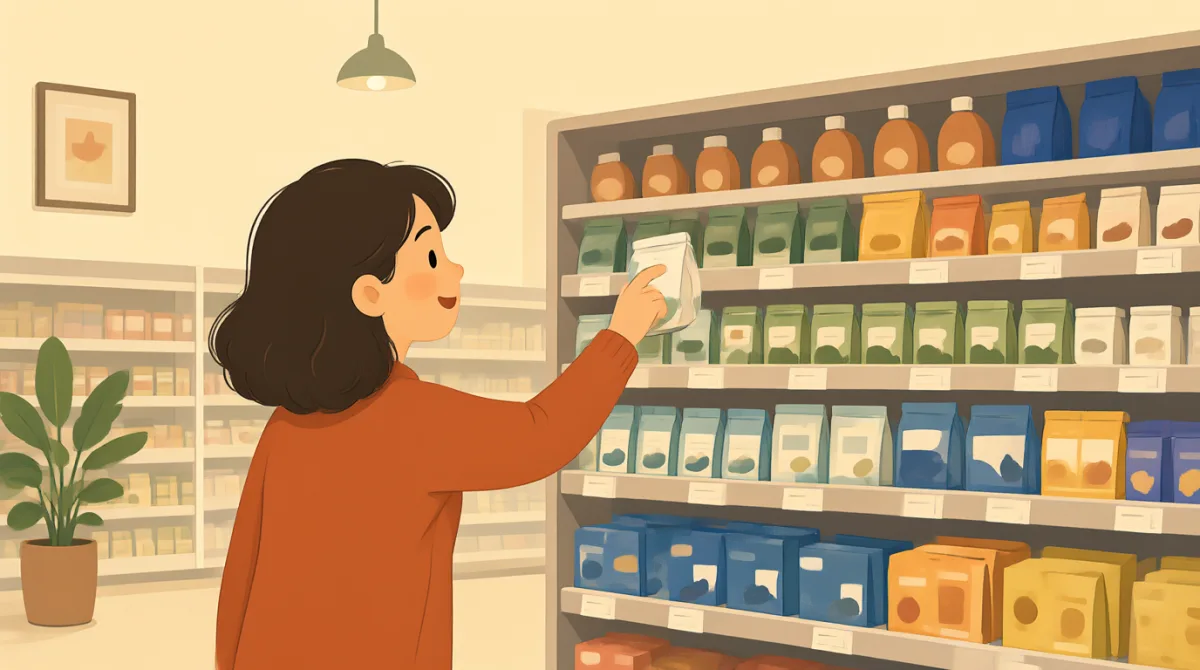

Excuse me, I'm so sorry to bother you, but do you mind if I just quickly grab something right behind you?
ขอโทษนะครับ รบกวนหน่อยนะครับ ขอหยิบของที่อยู่ข้างหลังคุณแป๊บหนึ่งได้ไหมครับ

Oh, not at all! Sorry, I didn't realize I was in the way. What are you looking for?
อ๋อ ได้เลยค่ะ ไม่เป็นไรเลย ขอโทษนะคะ ไม่รู้เลยว่ายืนขวางอยู่ มองหาอะไรอยู่เหรอคะ
No worries at all! Just trying to get a bottle of that olive oil on the bottom shelf there.
ไม่เป็นไรเลยครับ แค่จะหยิบน้ำมันมะกอกขวดนั้นที่อยู่บนชั้นล่างสุดน่ะครับ
Ah, got it. Let me just step out of your way. There you go.
อ๋อ เข้าใจแล้วค่ะ งั้นขอหลบให้ก่อนนะคะ เชิญเลยค่ะ
Thank you so much! Really appreciate it.
ขอบคุณมากครับ ซาบซึ้งจริง ๆ ครับ
You're welcome! Glad I could help.
ยินดีค่ะ ดีใจที่ช่วยได้นะคะ
คำศัพท์7
- excuse meขอโทษนะ
A polite way to get someone's attention or interrupt them gently, often used before making a request in public places.
คำสุภาพที่ใช้เรียกความสนใจหรือขัดจังหวะใครอย่างนุ่มนวล มักใช้ก่อนขออะไรสักอย่างในที่สาธารณะ
- botherรบกวน
To disturb or annoy someone slightly; here, it's used to apologize for interrupting, showing politeness.
ทำให้ใครสักคนเสียจังหวะหรือไม่สะดวกเล็กน้อย ในที่นี้ใช้ขอโทษที่ขัดจังหวะและแสดงความสุภาพ
- mindว่าอะไรไหม
In questions like 'Do you mind if...?', it asks if something is okay or acceptable to the other person.
ในคำถามอย่าง 'Do you mind if...?' ใช้ถามว่าอีกฝ่ายจะขัดข้องหรือยอมรับได้ไหม
- grabหยิบ
An informal word meaning to take or pick up something quickly, useful for everyday actions like reaching for an item.
คำไม่เป็นทางการที่หมายถึงเอาหรือหยิบสิ่งของขึ้นมาอย่างรวดเร็ว ใช้พูดถึงการกระทำทั่วไปในชีวิตประจำวัน เช่น เอื้อมหยิบของ
- in the wayขวางทาง
Means blocking someone's path or access; it's a common phrase to describe unintentionally obstructing others.
หมายถึงขวางทางหรือทำให้คนอื่นเข้าถึงบางสิ่งไม่ได้ เป็นสำนวนที่ใช้บ่อยเมื่อพูดถึงการเผลอไปกีดขวางคนอื่น
- no worriesไม่เป็นไร
A casual way to say 'it's okay' or 'don't worry about it', used to reassure someone politely.
คำพูดสบาย ๆ ที่ใช้บอกว่าไม่เป็นไรหรือไม่ต้องกังวล เพื่อปลอบใจอีกฝ่ายอย่างสุภาพ
- appreciateซาบซึ้ง
To feel grateful for something; often used in 'I appreciate it' to thank someone sincerely.
รู้สึกขอบคุณในสิ่งที่ได้รับ มักใช้ใน 'I appreciate it' เพื่อขอบคุณใครอย่างจริงใจ
ประโยคสำคัญ6
- 1
Excuse me, I'm so sorry to bother you, but do you mind if I just quickly grab something right behind you?
ขอโทษนะครับ รบกวนหน่อยนะครับ ขอหยิบของที่อยู่ข้างหลังคุณแป๊บหนึ่งได้ไหมครับ
This is a polite request to interrupt and access something; it uses 'do you mind if' for permission and 'quickly grab' to show it's brief. Useful in crowded places like stores to ask someone to move aside without being rude.
นี่เป็นคำขอสุภาพเพื่อขัดจังหวะและเข้าไปหยิบของ โดยใช้ 'do you mind if' เพื่อขออนุญาต และ 'quickly grab' เพื่อบอกว่าจะใช้เวลาไม่นาน เหมาะกับที่คนเยอะอย่างร้านค้า เมื่อต้องการขอให้ใครขยับหลบโดยไม่เสียมารยาท
- 2
Oh, not at all! Sorry, I didn't realize I was in the way.
อ๋อ ได้เลยค่ะ ไม่เป็นไรเลย ขอโทษนะคะ ไม่รู้เลยว่ายืนขวางอยู่
A friendly response agreeing to help and apologizing; 'not at all' means 'no problem at all'. Great for showing empathy and offering to move when someone asks politely.
เป็นคำตอบเป็นมิตรที่ตกลงช่วยและกล่าวขอโทษ 'not at all' หมายถึงไม่เป็นไรเลย เหมาะสำหรับแสดงความเข้าใจและเสนอตัวขยับหลบ เมื่อมีคนขออย่างสุภาพ
- 3
No worries at all! Just trying to get a bottle of that olive oil on the bottom shelf there.
ไม่เป็นไรเลยครับ แค่จะหยิบน้ำมันมะกอกขวดนั้นที่อยู่บนชั้นล่างสุดน่ะครับ
Reassures the other person it's fine; 'no worries' is casual for 'don't worry', and 'just trying to get' explains the simple need. Use this to respond kindly and clarify your request.
ช่วยให้อีกฝ่ายสบายใจว่าไม่เป็นไร 'no worries' เป็นคำพูดสบาย ๆ ที่หมายถึงไม่ต้องกังวล ส่วน 'just trying to get' ใช้อธิบายว่าต้องการทำอะไรเล็กน้อย ใช้ตอบอย่างเป็นมิตรและบอกเหตุผลของคำขอได้
- 4
Let me just step out of your way. There you go.
ขอหลบให้ก่อนนะคะ เชิญเลยค่ะ
'Step out of your way' means to move aside to allow access; 'there you go' signals it's done. This is practical for helping someone in tight spaces, like shops or museums.
'Step out of your way' หมายถึงขยับหลบเพื่อให้อีกฝ่ายเข้าไปได้ ส่วน 'there you go' ใช้บอกว่าทำเสร็จแล้ว เหมาะกับการช่วยเหลือกันในที่แคบ เช่น ร้านค้าหรือพิพิธภัณฑ์
- 5
Thank you so much! Really appreciate it.
ขอบคุณมากครับ ซาบซึ้งจริง ๆ ครับ
A strong expression of thanks; 'so much' adds emphasis, and 'really appreciate it' shows genuine gratitude. Use after someone helps you to end interactions positively.
เป็นคำขอบคุณที่เน้นความรู้สึก 'so much' ช่วยเพิ่มน้ำหนัก และ 'really appreciate it' แสดงความขอบคุณอย่างจริงใจ ใช้พูดหลังมีคนช่วย เพื่อจบการสนทนาอย่างรู้สึกดี
- 6
You're welcome! Glad I could help.
ยินดีค่ะ ดีใจที่ช่วยได้นะคะ
'You're welcome' is the standard reply to thanks; 'glad I could help' expresses happiness in assisting. This polite closing makes conversations feel warm and reciprocal.
"You're welcome" เป็นคำตอบมาตรฐานเมื่อมีคนกล่าวขอบคุณ ส่วน "glad I could help" แสดงความยินดีที่ได้ช่วยเหลือ คำพูดปิดท้ายอย่างสุภาพนี้ช่วยให้บทสนทนาฟังอบอุ่นและต่างฝ่ายต่างรู้สึกดี