Need to Reach Something
أحتاج إلى الوصول إلى شيء
Someone is standing in front of an item or display you need to access (e.g., in a supermarket, museum, or shop). You need to ask them to step aside briefly.
يقف شخص أمام غرض أو واجهة تحتاج إلى الوصول إليها، مثل رف في متجر أو معروض في متحف. وتحتاج إلى أن تطلب منه التنحي قليلًا.
حوار6
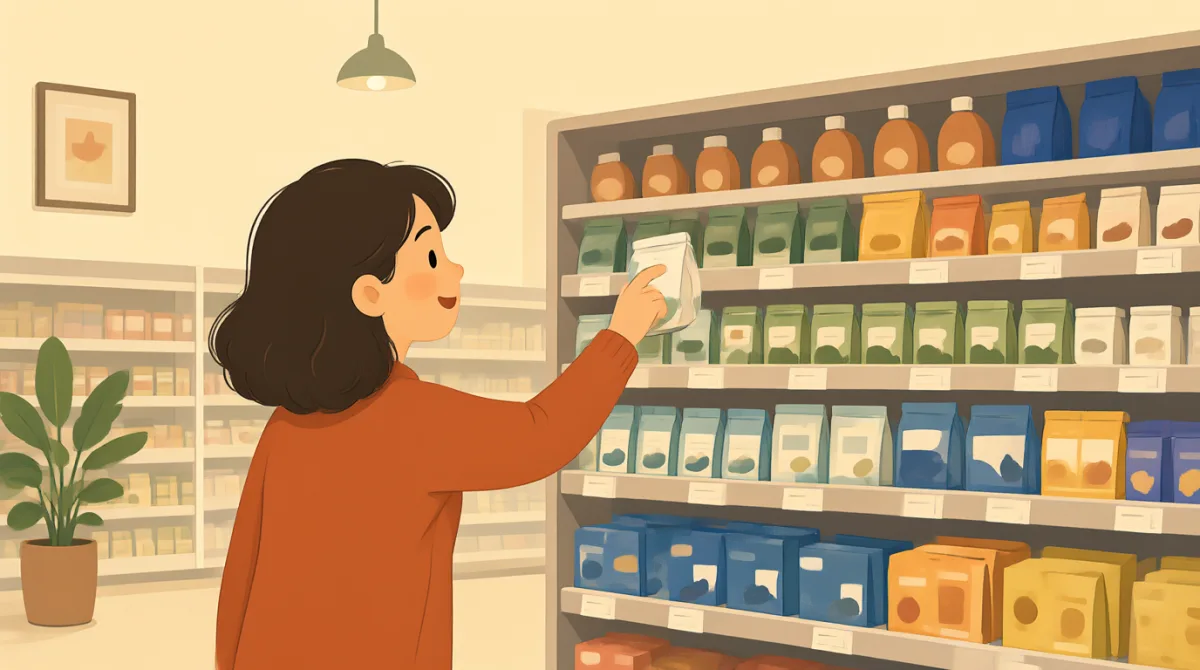

Excuse me, I'm so sorry to bother you, but do you mind if I just quickly grab something right behind you?
عذرًا، أعتذر عن إزعاجك، لكن هل تمانع إن أخذت بسرعة شيئًا من خلفك مباشرة؟

Oh, not at all! Sorry, I didn't realize I was in the way. What are you looking for?
أوه، لا أبدًا! آسفة، لم أنتبه إلى أنني كنت أعترض طريقك. ما الذي تبحث عنه؟
No worries at all! Just trying to get a bottle of that olive oil on the bottom shelf there.
لا بأس أبدًا! أريد فقط أن آخذ زجاجة من زيت الزيتون ذاك الموجود على الرف السفلي هناك.
Ah, got it. Let me just step out of your way. There you go.
آه، فهمت. دعني أتنحى قليلًا لأفسح لك الطريق. تفضل.
Thank you so much! Really appreciate it.
شكرًا جزيلًا! أنا ممتن لك حقًا.
You're welcome! Glad I could help.
على الرحب والسعة! يسعدني أنني استطعت مساعدتك.
المفردات7
- excuse meعذرًا
A polite way to get someone's attention or interrupt them gently, often used before making a request in public places.
طريقة مهذبة لجذب انتباه شخص أو مقاطعته بلطف، وتُستخدم غالبًا قبل تقديم طلب في مكان عام.
- botherيزعج
To disturb or annoy someone slightly; here, it's used to apologize for interrupting, showing politeness.
أن يسبب لشخص بعض الإزعاج؛ وتُستخدم هنا للاعتذار عن المقاطعة وإظهار التهذيب.
- mindيُمانع
In questions like 'Do you mind if...?', it asks if something is okay or acceptable to the other person.
في سؤال مثل 'Do you mind if...?'، تسأل إن كان الأمر مقبولًا أو لا يسبب إزعاجًا للشخص الآخر.
- grabيأخذ بسرعة
An informal word meaning to take or pick up something quickly, useful for everyday actions like reaching for an item.
كلمة غير رسمية تعني أن تأخذ شيئًا أو تلتقطه بسرعة، وتناسب الأفعال اليومية مثل مد اليد إلى غرض.
- in the wayيعترض الطريق
Means blocking someone's path or access; it's a common phrase to describe unintentionally obstructing others.
تعني أن تسد طريق شخص أو تمنعه من الوصول؛ وهي عبارة شائعة لوصف إعاقة الآخرين من دون قصد.
- no worriesلا بأس
A casual way to say 'it's okay' or 'don't worry about it', used to reassure someone politely.
طريقة غير رسمية لقول «لا مشكلة» أو «لا تقلق بشأن ذلك»، وتُستخدم لطمأنة شخص بلطف.
- appreciateيقدّر
To feel grateful for something; often used in 'I appreciate it' to thank someone sincerely.
أن يشعر بالامتنان لشيء ما؛ وتُستخدم كثيرًا في 'I appreciate it' للتعبير عن الشكر بصدق.
الجمل الأساسية6
- 1
Excuse me, I'm so sorry to bother you, but do you mind if I just quickly grab something right behind you?
عذرًا، أعتذر عن إزعاجك، لكن هل تمانع إن أخذت بسرعة شيئًا من خلفك مباشرة؟
This is a polite request to interrupt and access something; it uses 'do you mind if' for permission and 'quickly grab' to show it's brief. Useful in crowded places like stores to ask someone to move aside without being rude.
هذا طلب مهذب لمقاطعة شخص والوصول إلى شيء؛ ويستخدم 'do you mind if' لطلب الإذن، و'quickly grab' للإشارة إلى أن الأمر لن يستغرق وقتًا. وهو مفيد في الأماكن المزدحمة كالمتاجر لطلب التنحي من دون أن يبدو المرء فظًا.
- 2
Oh, not at all! Sorry, I didn't realize I was in the way.
أوه، لا أبدًا! آسفة، لم أنتبه إلى أنني كنت أعترض طريقك.
A friendly response agreeing to help and apologizing; 'not at all' means 'no problem at all'. Great for showing empathy and offering to move when someone asks politely.
رد ودي يوافق فيه المتحدث على المساعدة ويعتذر؛ وتعني 'not at all' «لا مشكلة أبدًا». تُستخدم هذه العبارة للتعاطف وعرض التنحي عندما يطلب منك شخص ذلك بأدب.
- 3
No worries at all! Just trying to get a bottle of that olive oil on the bottom shelf there.
لا بأس أبدًا! أريد فقط أن آخذ زجاجة من زيت الزيتون ذاك الموجود على الرف السفلي هناك.
Reassures the other person it's fine; 'no worries' is casual for 'don't worry', and 'just trying to get' explains the simple need. Use this to respond kindly and clarify your request.
يطمئن المتحدث الشخص الآخر إلى أن الأمر لا مشكلة فيه؛ وعبارة 'no worries' تعني «لا تقلق»، أما 'just trying to get' فتوضح الحاجة البسيطة. استخدمها للرد بلطف وشرح طلبك.
- 4
Let me just step out of your way. There you go.
دعني أتنحى قليلًا لأفسح لك الطريق. تفضل.
'Step out of your way' means to move aside to allow access; 'there you go' signals it's done. This is practical for helping someone in tight spaces, like shops or museums.
تعني 'step out of your way' التنحي لإفساح المجال للوصول إلى شيء؛ وتشير 'there you go' إلى أن الأمر قد تم. وهذه عبارة عملية لمساعدة شخص في مكان ضيق، مثل متجر أو متحف.
- 5
Thank you so much! Really appreciate it.
شكرًا جزيلًا! أنا ممتن لك حقًا.
A strong expression of thanks; 'so much' adds emphasis, and 'really appreciate it' shows genuine gratitude. Use after someone helps you to end interactions positively.
تعبير قوي عن الشكر؛ إذ تضيف 'so much' تأكيدًا، وتُظهر 'really appreciate it' امتنانًا صادقًا. استخدمها بعد أن يساعدك شخص، لتُنهي التفاعل بإيجابية.
- 6
You're welcome! Glad I could help.
على الرحب والسعة! يسعدني أنني استطعت مساعدتك.
'You're welcome' is the standard reply to thanks; 'glad I could help' expresses happiness in assisting. This polite closing makes conversations feel warm and reciprocal.
'You're welcome' هي الإجابة المعتادة على الشكر؛ أما 'glad I could help' فتعبر عن السرور بتقديم المساعدة. وهذا الختام المهذب يجعل الحوار ودودًا ومتبادلًا.