Need to Reach Something
কিছু নিতে চাই
Someone is standing in front of an item or display you need to access (e.g., in a supermarket, museum, or shop). You need to ask them to step aside briefly.
সুপারমার্কেট, জাদুঘর বা দোকানে আপনার দরকারি কোনো জিনিস বা প্রদর্শনীর সামনে কেউ দাঁড়িয়ে আছেন। তাঁকে একটু সরে দাঁড়াতে বলতে হবে।
সংলাপ6
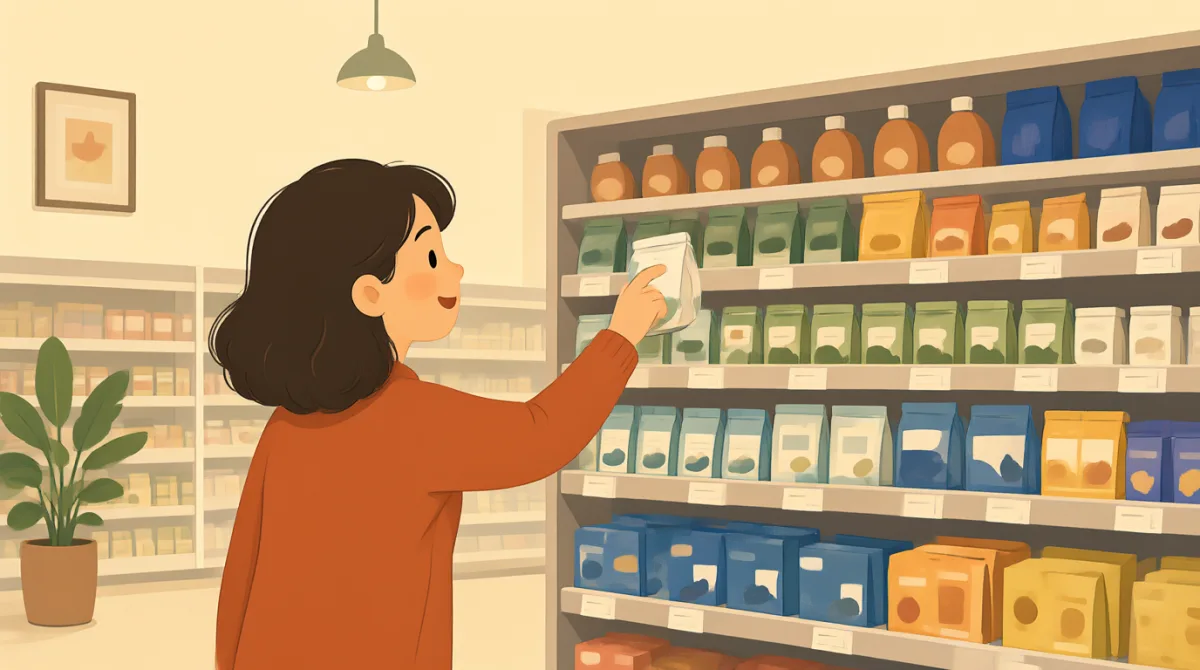

Excuse me, I'm so sorry to bother you, but do you mind if I just quickly grab something right behind you?
মাফ করবেন, আপনাকে বিরক্ত করার জন্য খুব দুঃখিত। আপনার ঠিক পেছন থেকে তাড়াতাড়ি একটা জিনিস নিতে পারি কি?

Oh, not at all! Sorry, I didn't realize I was in the way. What are you looking for?
ওহ, একদমই সমস্যা নেই! দুঃখিত, বুঝতেই পারিনি যে আমি পথ আটকে দাঁড়িয়ে আছি। আপনি কী খুঁজছেন?
No worries at all! Just trying to get a bottle of that olive oil on the bottom shelf there.
একদম চিন্তা করবেন না! ওখানে নিচের তাকের অলিভ অয়েলের বোতলটা নিতে চাইছি শুধু।
Ah, got it. Let me just step out of your way. There you go.
আচ্ছা, বুঝেছি। আমি একটু সরে দাঁড়াচ্ছি। এই নিন।
Thank you so much! Really appreciate it.
অনেক ধন্যবাদ! সত্যিই খুব উপকার হলো।
You're welcome! Glad I could help.
স্বাগতম! সাহায্য করতে পেরে ভালো লাগল।
শব্দভান্ডার7
- excuse meমাফ করবেন
A polite way to get someone's attention or interrupt them gently, often used before making a request in public places.
কারও দৃষ্টি আকর্ষণ করতে বা তাঁকে ভদ্রভাবে থামাতে বলা হয়। জনসমাগমের জায়গায় কোনো অনুরোধ করার আগে প্রায়ই এটি ব্যবহার করা হয়।
- botherবিরক্ত করা
To disturb or annoy someone slightly; here, it's used to apologize for interrupting, showing politeness.
কাউকে সামান্য বিব্রত বা বিরক্ত করা। এখানে কথার মাঝে বাধা দেওয়ার জন্য দুঃখ প্রকাশ করে ভদ্রতা দেখাতে শব্দটি ব্যবহার করা হয়েছে।
- mindআপত্তি থাকা
In questions like 'Do you mind if...?', it asks if something is okay or acceptable to the other person.
'Do you mind if...?'—এ ধরনের প্রশ্নে জানতে চাওয়া হয়, কোনো কিছু করা অন্য ব্যক্তির কাছে ঠিক বা গ্রহণযোগ্য কি না।
- grabতাড়াতাড়ি নেওয়া
An informal word meaning to take or pick up something quickly, useful for everyday actions like reaching for an item.
কোনো কিছু দ্রুত নেওয়া বা তুলে নেওয়া বোঝানোর একটি অনানুষ্ঠানিক শব্দ। কোনো জিনিস হাতের কাছে নিতে দৈনন্দিন কথায় এটি ব্যবহার করা যায়।
- in the wayপথ আটকে থাকা
Means blocking someone's path or access; it's a common phrase to describe unintentionally obstructing others.
কারও চলার পথ বা কোনো জায়গায় পৌঁছানোর রাস্তা আটকে রাখা বোঝায়। অনিচ্ছায় অন্যের চলার পথে বাধা হয়ে দাঁড়ানোর কথা বলতে এই প্রচলিত বাক্যাংশটি ব্যবহার করা হয়।
- no worriesচিন্তার কিছু নেই
A casual way to say 'it's okay' or 'don't worry about it', used to reassure someone politely.
'সমস্যা নেই' বা 'এ নিয়ে চিন্তা করবেন না' বলার একটি অনানুষ্ঠানিক উপায়। কাউকে আশ্বস্ত করতে ভদ্রভাবে এটি বলা হয়।
- appreciateকৃতজ্ঞ হওয়া
To feel grateful for something; often used in 'I appreciate it' to thank someone sincerely.
কোনো কিছুর জন্য কৃতজ্ঞ বোধ করা। কাউকে আন্তরিকভাবে ধন্যবাদ জানাতে 'I appreciate it' বাক্যাংশে এটি প্রায়ই ব্যবহার করা হয়।
গুরুত্বপূর্ণ বাক্য6
- 1
Excuse me, I'm so sorry to bother you, but do you mind if I just quickly grab something right behind you?
মাফ করবেন, আপনাকে বিরক্ত করার জন্য খুব দুঃখিত। আপনার ঠিক পেছন থেকে তাড়াতাড়ি একটা জিনিস নিতে পারি কি?
This is a polite request to interrupt and access something; it uses 'do you mind if' for permission and 'quickly grab' to show it's brief. Useful in crowded places like stores to ask someone to move aside without being rude.
কথার মাঝে বাধা দিয়ে কোনো জিনিস নেওয়ার অনুমতি চাইতে এটি ভদ্রভাবে বলা হয়। 'do you mind if' দিয়ে অনুমতি চাওয়া হয়, আর 'quickly grab' বোঝায় যে কাজটি অল্প সময়েই হবে। দোকানের মতো ভিড়ের জায়গায় অভদ্র না শোনিয়ে কাউকে একটু সরে দাঁড়াতে বলতে এটি কাজে লাগে।
- 2
Oh, not at all! Sorry, I didn't realize I was in the way.
ওহ, একদমই সমস্যা নেই! দুঃখিত, বুঝতেই পারিনি যে আমি পথ আটকে দাঁড়িয়ে আছি।
A friendly response agreeing to help and apologizing; 'not at all' means 'no problem at all'. Great for showing empathy and offering to move when someone asks politely.
এটি সাহায্য করতে রাজি হওয়ার পাশাপাশি ক্ষমা চাওয়ার একটি বন্ধুত্বপূর্ণ উত্তর। 'not at all' মানে 'একদমই সমস্যা নেই'। কেউ ভদ্রভাবে অনুরোধ করলে সহমর্মিতা দেখাতে এবং সরে দাঁড়ানোর প্রস্তাব দিতে এটি বেশ উপযোগী।
- 3
No worries at all! Just trying to get a bottle of that olive oil on the bottom shelf there.
একদম চিন্তা করবেন না! ওখানে নিচের তাকের অলিভ অয়েলের বোতলটা নিতে চাইছি শুধু।
Reassures the other person it's fine; 'no worries' is casual for 'don't worry', and 'just trying to get' explains the simple need. Use this to respond kindly and clarify your request.
এতে অন্য ব্যক্তিকে আশ্বস্ত করা হয় যে কোনো সমস্যা নেই। 'no worries' হলো 'চিন্তা করবেন না' বলার অনানুষ্ঠানিক উপায়, আর 'just trying to get' দিয়ে সহজ প্রয়োজনটির কথা জানানো হয়। সদয়ভাবে উত্তর দিতে এবং অনুরোধটি স্পষ্ট করতে এটি বলুন।
- 4
Let me just step out of your way. There you go.
আমি একটু সরে দাঁড়াচ্ছি। এই নিন।
'Step out of your way' means to move aside to allow access; 'there you go' signals it's done. This is practical for helping someone in tight spaces, like shops or museums.
'Step out of your way' মানে কাউকে যেতে বা কিছু নিতে দেওয়ার জন্য সরে দাঁড়ানো; 'there you go' দিয়ে বোঝানো হয় যে কাজটি হয়ে গেছে। দোকান বা জাদুঘরের মতো জায়গায়, যেখানে জায়গা কম, কাউকে সাহায্য করতে এটি ব্যবহারিক।
- 5
Thank you so much! Really appreciate it.
অনেক ধন্যবাদ! সত্যিই খুব উপকার হলো।
A strong expression of thanks; 'so much' adds emphasis, and 'really appreciate it' shows genuine gratitude. Use after someone helps you to end interactions positively.
এটি কৃতজ্ঞতা জানানোর জোরালো অভিব্যক্তি। 'so much' কথাটিতে জোর যোগ করে, আর 'really appreciate it' আন্তরিক কৃতজ্ঞতা প্রকাশ করে। কেউ সাহায্য করলে কথোপকথনটি সুন্দরভাবে শেষ করতে এটি বলুন।
- 6
You're welcome! Glad I could help.
স্বাগতম! সাহায্য করতে পেরে ভালো লাগল।
'You're welcome' is the standard reply to thanks; 'glad I could help' expresses happiness in assisting. This polite closing makes conversations feel warm and reciprocal.
'You're welcome' হলো ধন্যবাদের প্রচলিত উত্তর; 'glad I could help' দিয়ে সাহায্য করতে পেরে আনন্দিত হওয়ার কথা জানানো হয়। এই ভদ্র বিদায়ী কথাগুলো কথোপকথনকে আন্তরিক ও পারস্পরিক করে তোলে।