Discussing Repair Costs/Responsibility
พูดคุยเรื่องค่าใช้จ่ายและความรับผิดชอบในการซ่อมแซม
A repair is needed (e.g., a broken window), and the landlord/property management discusses with the tenant who is responsible for the cost, based on the lease agreement or cause of damage.
จำเป็นต้องซ่อมแซมบางอย่าง (เช่น หน้าต่างแตก) และเจ้าของบ้านหรือฝ่ายจัดการอาคารกำลังพูดคุยกับผู้เช่าว่าใครควรรับผิดชอบค่าใช้จ่าย โดยพิจารณาจากสัญญาเช่าหรือสาเหตุของความเสียหาย
บทสนทนา11
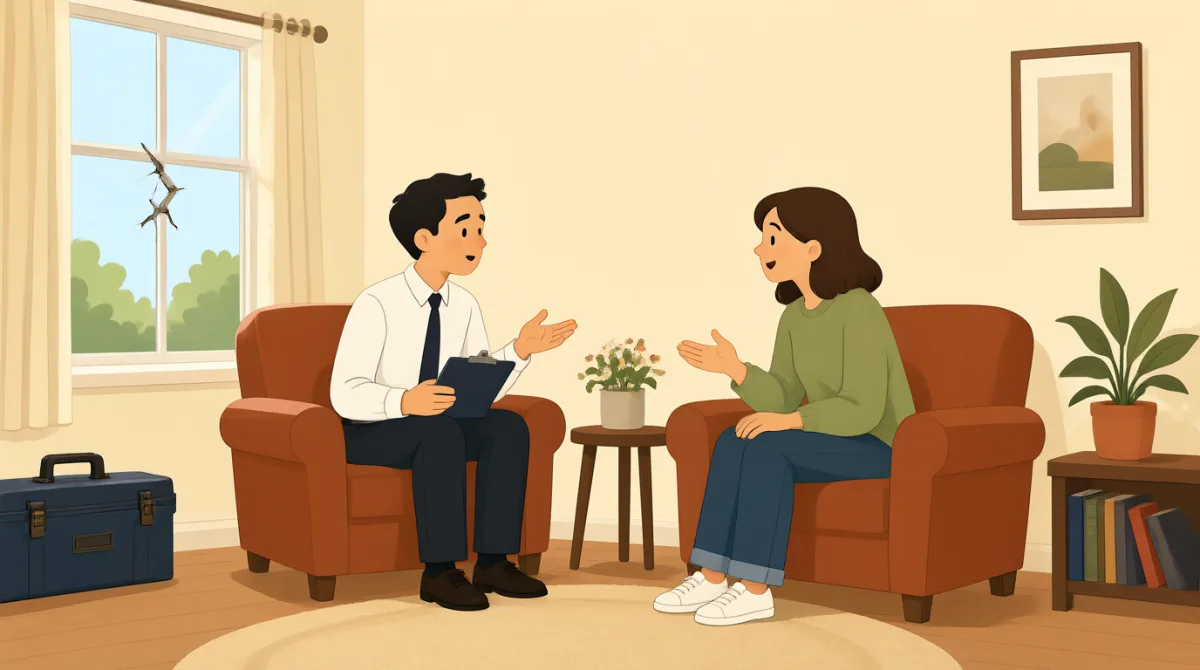

Hi Mia, thanks for calling me back. I wanted to discuss the broken window in your living room.
สวัสดีครับ มีอา ขอบคุณที่โทรกลับมานะครับ ผมอยากคุยเรื่องหน้าต่างในห้องนั่งเล่นของคุณที่แตกครับ

Of course, Jack. I'm really sorry about that. So, what's the plan for getting it fixed?
ได้เลยค่ะ แจ็ค ฉันขอโทษจริง ๆ นะคะ แล้วจะซ่อมยังไงดีคะ
I've got a contractor lined up to come by tomorrow. The main thing we need to clarify is the cost responsibility.
ผมนัดช่างไว้ให้เข้ามาพรุ่งนี้แล้วครับ เรื่องสำคัญที่เราต้องคุยให้ชัดคือใครจะรับผิดชอบค่าใช้จ่ายครับ
Right. I reviewed our lease agreement, and for damage caused by a tenant, it states the tenant is responsible. I understand that. But I'm still not entirely sure how it happened. It was already cracked when I moved in, though it got worse recently.
ค่ะ ฉันทบทวนสัญญาเช่าของเราแล้ว ในกรณีที่ผู้เช่าทำให้เกิดความเสียหาย ระบุไว้ว่าผู้เช่าต้องรับผิดชอบ ฉันเข้าใจค่ะ แต่ก็ยังไม่แน่ใจนักว่ามันเกิดขึ้นได้ยังไง ตอนย้ายเข้ามามันร้าวอยู่แล้ว แต่ช่วงนี้รอยร้าวแย่ลงค่ะ
Hmm, I don't recall any pre-existing damage noted on the move-in inspection report. We typically document everything before a tenant moves in.
อืม ผมจำไม่ได้ว่ามีการระบุความเสียหายที่เกิดขึ้นก่อนแล้วไว้ในรายงานตรวจสภาพตอนย้ายเข้าหรือเปล่าครับ ปกติเราจะบันทึกทุกอย่างไว้ก่อนที่ผู้เช่าจะย้ายเข้ามาครับ
I remember mentioning it to the previous property manager, but maybe it wasn't formally recorded. I certainly didn't intentionally break it. It just gradually worsened.
ฉันจำได้ว่าเคยบอกผู้จัดการอาคารคนก่อนแล้วค่ะ แต่บางทีอาจไม่ได้บันทึกไว้อย่างเป็นทางการ ฉันไม่ได้ตั้งใจทำมันแตกแน่นอนค่ะ มันค่อย ๆ แย่ลงเอง
Okay, I see. Since it's a bit ambiguous, how about we split the cost 50/50 this time? Going forward, any new damage will fall under the tenant's responsibility as per the lease.
เข้าใจแล้วครับ ในเมื่อเรื่องนี้ยังไม่ชัดเจนนัก คราวนี้เราแบ่งค่าใช้จ่ายกันคนละครึ่งดีไหมครับ ต่อจากนี้ หากมีความเสียหายใหม่ ผู้เช่าจะเป็นผู้รับผิดชอบตามที่ระบุไว้ในสัญญาเช่าครับ
That sounds fair, Jack. I appreciate your understanding. Just let me know the total cost once it's fixed.
ฟังดูยุติธรรมดีค่ะ แจ็ค ขอบคุณที่เข้าใจนะคะ ซ่อมเสร็จแล้วช่วยบอกยอดค่าใช้จ่ายทั้งหมดให้ฉันทราบด้วยค่ะ
Will do. The contractor will be there tomorrow morning between 9 and 11 AM. Does that work for you?
ได้ครับ ช่างจะเข้ามาพรุ่งนี้เช้าระหว่าง 9 ถึง 11 โมง สะดวกไหมครับ
Yes, that's perfect. Thanks again, Jack!
ค่ะ เวลานั้นสะดวกพอดีเลย ขอบคุณอีกครั้งนะคะ แจ็ค!
You're welcome, Mia. Have a good day.
ยินดีครับ มีอา ขอให้วันนี้เป็นวันที่ดีนะครับ
คำศัพท์8
- brokenแตก
This adjective describes something that is damaged or not working properly, like a broken window. Use it when talking about items that need repair in everyday situations.
คำคุณศัพท์นี้ใช้บรรยายสิ่งที่เสียหายหรือใช้งานไม่ได้ตามปกติ เช่น หน้าต่างที่แตก ใช้คำนี้เมื่อพูดถึงสิ่งของที่ต้องซ่อมในชีวิตประจำวันได้ครับ/ค่ะ
- contractorผู้รับเหมา
A person or company hired to do specific work, like repairs. In this context, it's someone fixing the apartment. It's common in discussions about home maintenance.
หมายถึงบุคคลหรือบริษัทที่ว่าจ้างให้ทำงานบางอย่าง เช่น งานซ่อม ในบริบทนี้คือคนที่มาซ่อมอพาร์ตเมนต์ คำนี้มักใช้เมื่อพูดคุยเรื่องการดูแลและซ่อมแซมบ้านครับ/ค่ะ
- lease agreementสัญญาเช่า
A legal document that outlines the terms of renting a property, including who pays for damages. Tenants and landlords refer to it to clarify responsibilities.
เอกสารทางกฎหมายที่ระบุเงื่อนไขการเช่าที่พัก รวมถึงใครต้องจ่ายค่าความเสียหาย ผู้เช่าและเจ้าของบ้านใช้อ้างอิงเพื่อให้เข้าใจหน้าที่รับผิดชอบของแต่ละฝ่ายตรงกันครับ/ค่ะ
- damageความเสียหาย
Harm or injury to something, like a crack in a window. Use this noun when describing problems in rentals or insurance claims.
หมายถึงความเสียหายที่เกิดขึ้นกับสิ่งของ เช่น รอยร้าวบนหน้าต่าง ใช้คำนามนี้เมื่อพูดถึงปัญหาในที่พักเช่าหรือการเรียกร้องค่าสินไหมจากประกันครับ/ค่ะ
- tenantผู้เช่า
A person who rents and lives in a property. It's the opposite of a landlord. Use it in conversations about renting apartments or houses.
ผู้ที่เช่าและอาศัยอยู่ในที่พัก เป็นคำที่มีความหมายตรงข้ามกับเจ้าของบ้าน ใช้พูดคุยเกี่ยวกับการเช่าอพาร์ตเมนต์หรือบ้านได้ครับ/ค่ะ
- responsibilityความรับผิดชอบ
The duty or obligation to handle something, like paying for repairs. In this dialogue, it refers to who is in charge of costs.
หน้าที่หรือข้อผูกพันที่ต้องจัดการเรื่องใดเรื่องหนึ่ง เช่น การจ่ายค่าซ่อม ในบทสนทนานี้หมายถึงใครเป็นผู้รับผิดชอบค่าใช้จ่ายครับ/ค่ะ
- ambiguousคลุมเครือ
Unclear or open to more than one interpretation, like the cause of damage. Use it when situations are not straightforward and need clarification.
หมายถึงไม่ชัดเจนหรือตีความได้มากกว่าหนึ่งแบบ เช่น สาเหตุของความเสียหาย ใช้คำนี้เมื่อสถานการณ์ไม่ตรงไปตรงมาและต้องหาความชัดเจนเพิ่มเติมครับ/ค่ะ
- split the costแบ่งค่าใช้จ่ายกัน
To divide the expense equally between two parties. It's a practical phrase for negotiating shared payments in rentals or group activities.
หมายถึงแบ่งค่าใช้จ่ายให้สองฝ่ายจ่ายเท่า ๆ กัน เป็นวลีที่ใช้ต่อรองเรื่องการแบ่งค่าใช้จ่ายในการเช่าที่พักหรือทำกิจกรรมร่วมกันได้ครับ/ค่ะ
ประโยคสำคัญ8
- 1
I wanted to discuss the broken window in your living room.
ผมอยากคุยเรื่องหน้าต่างในห้องนั่งเล่นของคุณที่แตกครับ
This is a polite way to start a conversation about a problem. Use 'wanted to' to express a past intention softly. It's useful for introducing issues in professional or rental talks, showing respect.
ประโยคนี้เป็นวิธีสุภาพในการเริ่มคุยเกี่ยวกับปัญหาครับ/ค่ะ การใช้ 'wanted to' ช่วยบอกความตั้งใจอย่างนุ่มนวล แม้จะพูดถึงสิ่งที่ต้องการทำในตอนนี้ก็ตาม เหมาะกับการหยิบยกปัญหาในการทำงานหรือการเช่าที่พัก เพราะแสดงถึงความเคารพอีกฝ่าย
- 2
What's the plan for getting it fixed?
แล้วจะซ่อมยังไงดีคะ
A direct question asking about steps to solve a problem. 'Getting it fixed' uses the gerund form for actions. Practice this in service requests to show you're proactive about solutions.
เป็นคำถามตรง ๆ เพื่อถามถึงขั้นตอนแก้ปัญหา 'Getting it fixed' ใช้รูป gerund เพื่อพูดถึงการลงมือซ่อม ลองฝึกใช้ประโยคนี้เมื่อติดต่อขอรับบริการ เพื่อแสดงว่าคุณพร้อมหาทางแก้ไขครับ/ค่ะ
- 3
I've got a contractor lined up to come by tomorrow.
ผมนัดช่างไว้ให้เข้ามาพรุ่งนี้แล้วครับ
This means arranging someone in advance. 'Lined up' is an informal phrasal verb for scheduling. It's handy for updating others on repair plans in maintenance discussions.
หมายถึงจัดการนัดหมายใครบางคนไว้ล่วงหน้า 'Lined up' เป็น phrasal verb แบบไม่เป็นทางการที่หมายถึงจัดเตรียมหรือนัดหมายไว้ ใช้บอกความคืบหน้าเรื่องแผนซ่อมแซมได้ครับ/ค่ะ
- 4
I reviewed our lease agreement, and for damage caused by a tenant, it states the tenant is responsible.
ฉันทบทวนสัญญาเช่าของเราแล้ว ในกรณีที่ผู้เช่าทำให้เกิดความเสียหาย ระบุไว้ว่าผู้เช่าต้องรับผิดชอบค่ะ
This sentence uses 'reviewed' for checking a document and a relative clause 'caused by a tenant' to explain conditions. It's key for legal talks; use it to reference agreements clearly.
ประโยคนี้ใช้ 'reviewed' ในความหมายว่าตรวจดูเอกสาร และใช้อนุประโยคขยาย 'caused by a tenant' เพื่ออธิบายเงื่อนไข ประโยคแบบนี้มีประโยชน์ในการพูดคุยเรื่องกฎหมายหรือสัญญา เพราะช่วยอ้างอิงข้อตกลงได้อย่างชัดเจนครับ/ค่ะ
- 5
Since it's a bit ambiguous, how about we split the cost 50/50 this time?
ในเมื่อเรื่องนี้ยังไม่ชัดเจนนัก คราวนี้เราแบ่งค่าใช้จ่ายกันคนละครึ่งดีไหมครับ
Offers a compromise politely with 'how about' for suggestions. 'Ambiguous' means unclear, and 'split 50/50' means share equally. Great for negotiations when facts are uncertain.
ประโยคนี้เสนอทางประนีประนอมอย่างสุภาพโดยใช้ 'how about' เพื่อเสนอความคิดเห็น 'Ambiguous' หมายถึงไม่ชัดเจน ส่วน 'split 50/50' หมายถึงแบ่งกันเท่า ๆ กัน เหมาะกับการเจรจาเมื่อข้อเท็จจริงยังไม่แน่ชัดครับ/ค่ะ
- 6
That sounds fair. I appreciate your understanding.
ฟังดูยุติธรรมดีค่ะ ขอบคุณที่เข้าใจนะคะ
Expresses agreement and thanks. 'Sounds fair' is idiomatic for seeming just, and 'appreciate' shows gratitude. Use this to end discussions positively in disputes.
ใช้แสดงความเห็นด้วยและกล่าวขอบคุณ 'Sounds fair' เป็นสำนวนที่หมายถึงดูยุติธรรม ส่วน 'appreciate' ใช้แสดงความขอบคุณ นำไปใช้ปิดท้ายการพูดคุยเรื่องขัดแย้งให้เป็นไปในทางที่ดีได้ครับ/ค่ะ
- 7
Just let me know the total cost once it's fixed.
ซ่อมเสร็จแล้วช่วยบอกยอดค่าใช้จ่ายทั้งหมดให้ฉันทราบด้วยค่ะ
Requests information after an action, using 'once' for 'after.' It's a simple future request. Useful in follow-ups for services like repairs.
ประโยคนี้ขอข้อมูลหลังจากดำเนินการบางอย่างเสร็จ โดยใช้ 'once' ในความหมายว่า “เมื่อ” หรือ “หลังจาก” เป็นคำขอเกี่ยวกับสิ่งที่จะเกิดขึ้นในภายหน้าอย่างเรียบง่าย เหมาะกับการติดตามงานบริการต่าง ๆ เช่น งานซ่อมครับ/ค่ะ
- 8
The contractor will be there tomorrow morning between 9 and 11 AM. Does that work for you?
ช่างจะเข้ามาพรุ่งนี้เช้าระหว่าง 9 ถึง 11 โมง สะดวกไหมครับ
Provides a time range and checks availability with 'Does that work for you?' This polite question confirms schedules. Essential for arranging appointments.
ประโยคนี้แจ้งช่วงเวลาและถามความสะดวกด้วย 'Does that work for you?' เป็นคำถามสุภาพเพื่อยืนยันตารางเวลา มีประโยชน์มากเมื่อนัดหมายครับ/ค่ะ