單元 67
單字 1321–1340 · expand, commit, obvious, jump, weapon, relatively
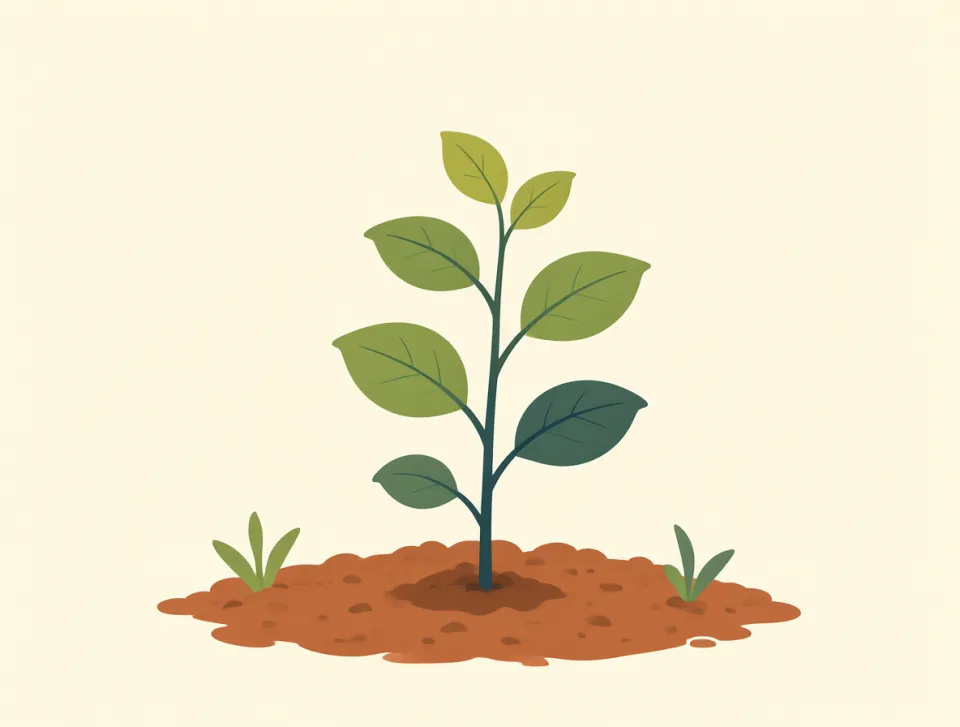
expand
#1321verb
擴充套件;擴大;拓展
to become larger or make something larger
變得更大,或使某物變得更大

The company plans to expand into three new countries.
公司計劃將業務拓展到三個新國家。
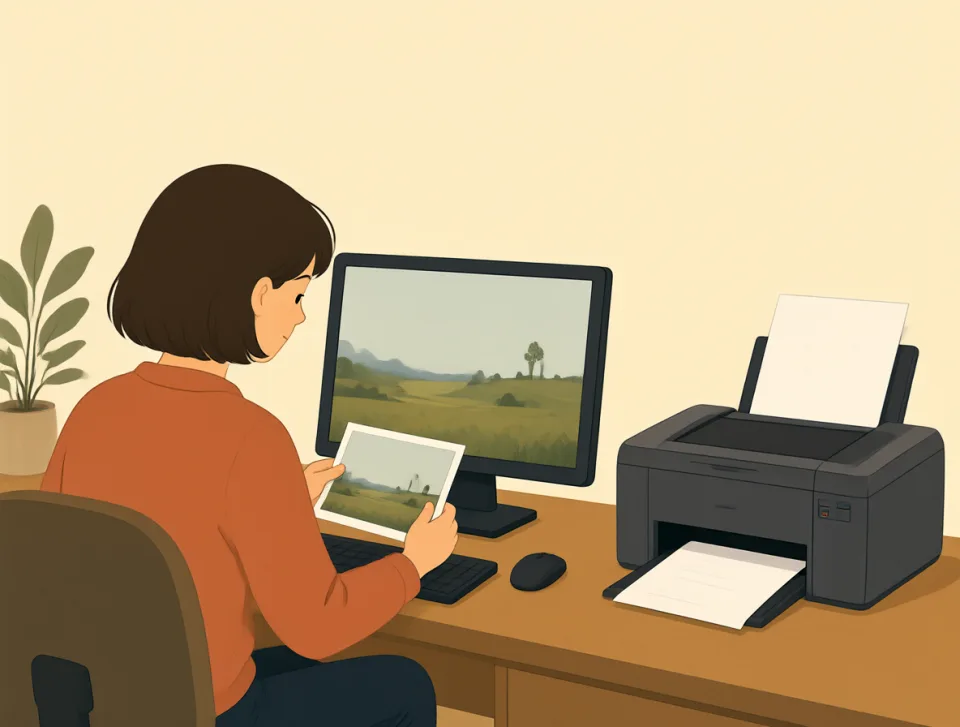
Please expand the picture before printing it.
請把圖片放大後再列印。
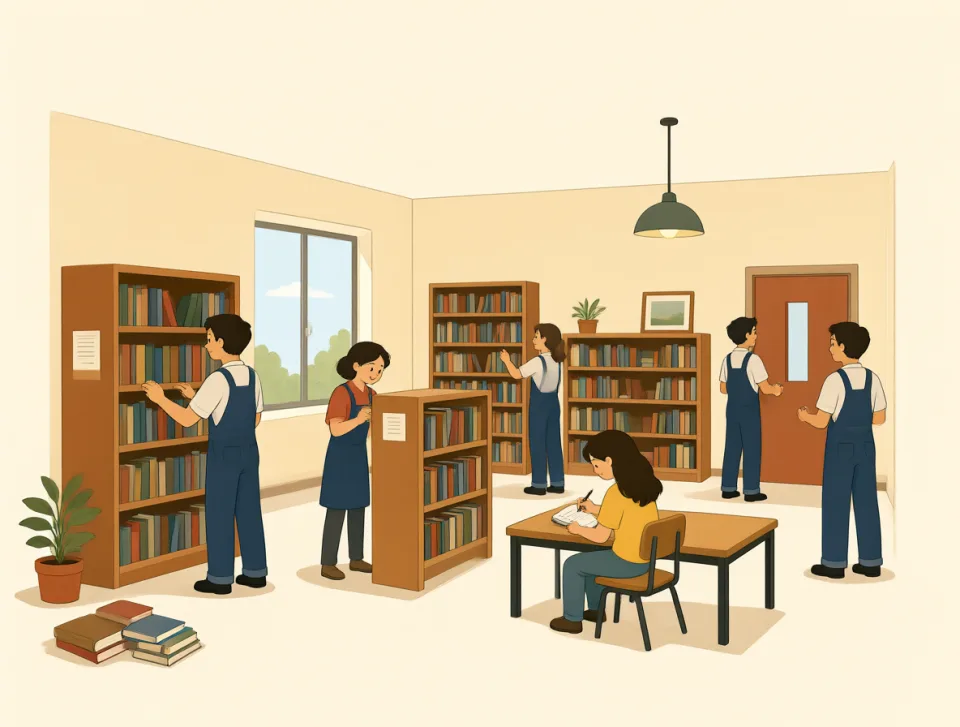
The school expanded its library to make room for more books.
學校擴建了圖書館,以便容納更多書籍。

Her waist expanded during pregnancy, so she bought larger clothes.
她懷孕期間腰圍變粗了,所以買了大一些的衣服。
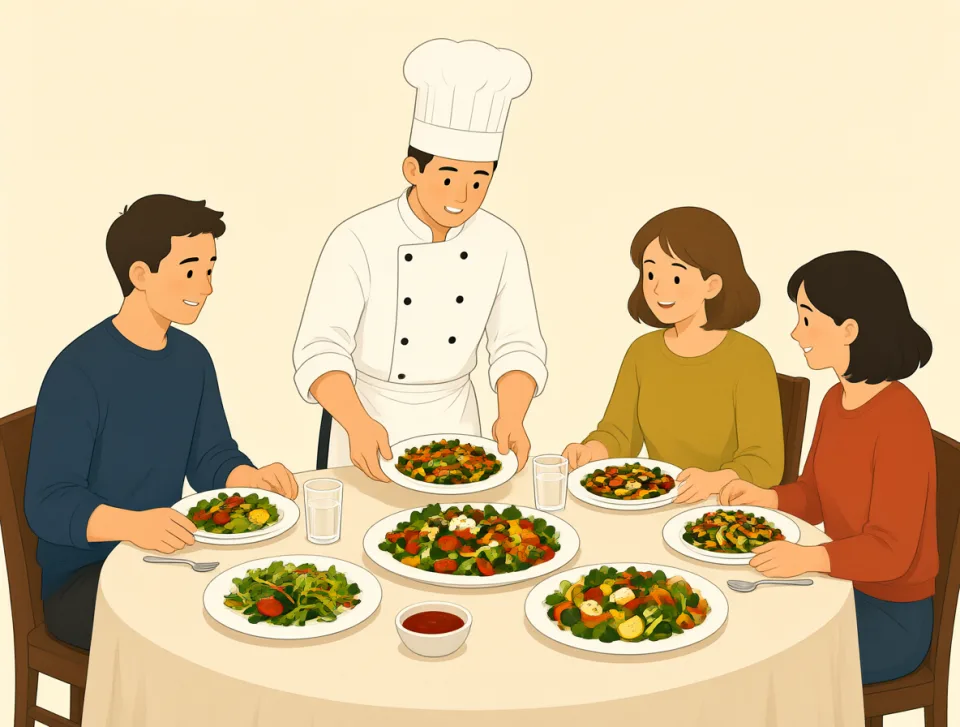
The restaurant expanded its menu with fresh vegetarian dishes.
這家餐廳增加了選單上的新鮮素食菜品。

commit
#1322verb
犯(罪、錯誤);承諾;投入;牢記
to do something wrong, or promise to give your time and effort to something
做錯事,或承諾把自己的時間和精力投入到某件事情上

He committed a serious crime and went to prison.
他犯下了嚴重的罪行,進了監獄。

She committed to exercising three times a week.
她承諾每週鍛鍊三次。

Our team committed to finishing the project by Friday.
我們團隊承諾在週五前完成專案。
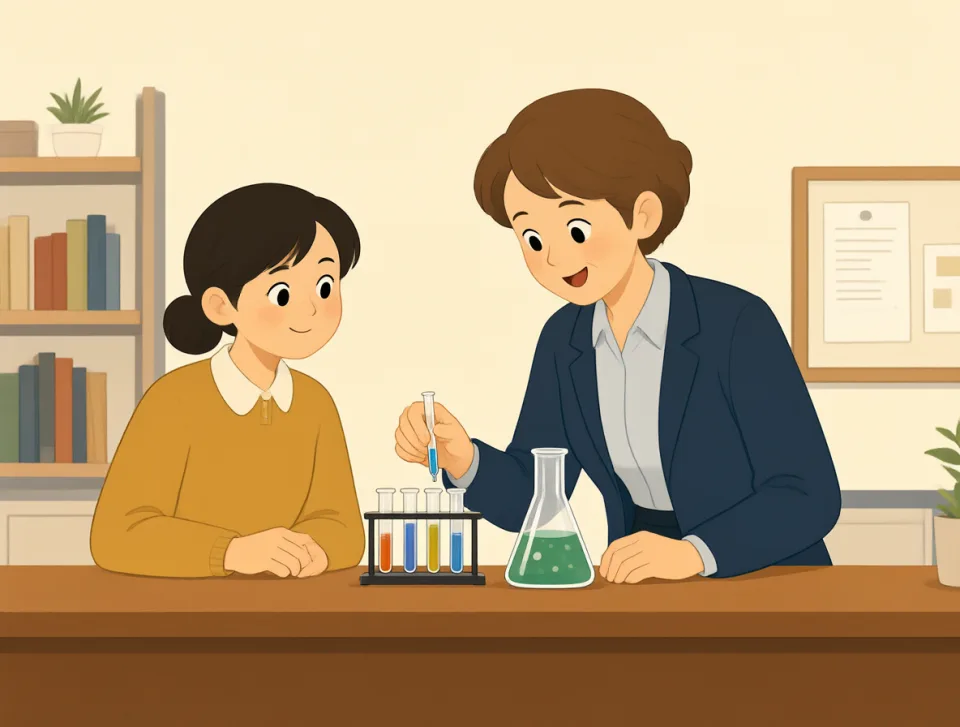
The school committed more money to new science equipment.
學校為新的科學裝置投入了更多資金。
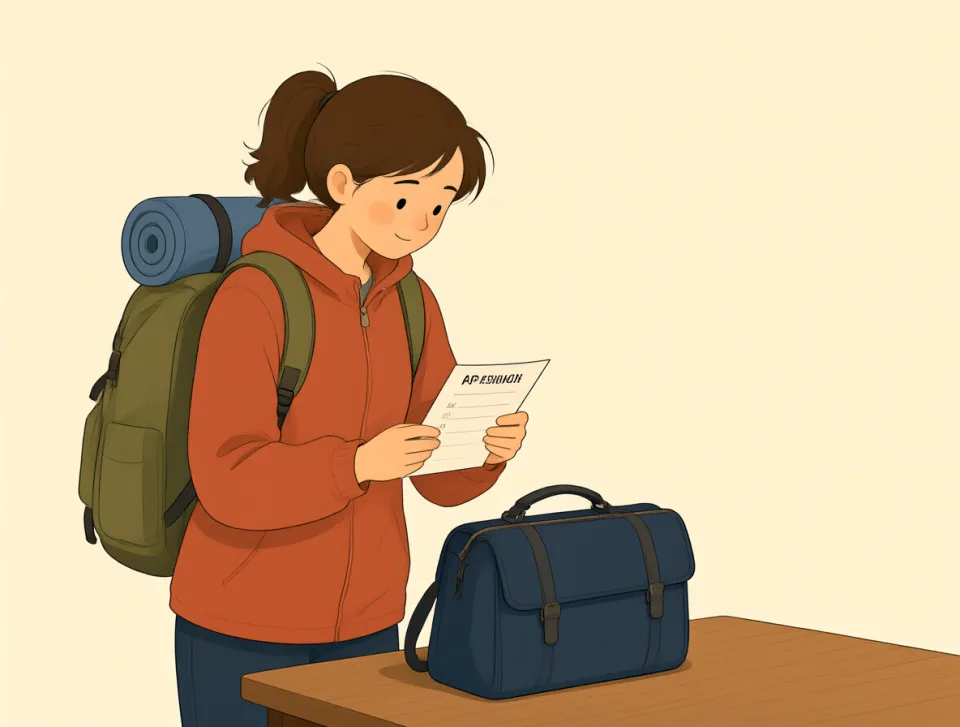
I committed the appointment time to memory before traveling.
旅行前,我把預約時間牢記在心。

obvious
#1323adjective
明顯的;顯而易見的
Easy to see, understand, or recognize.
容易看出、理解或辨認的。
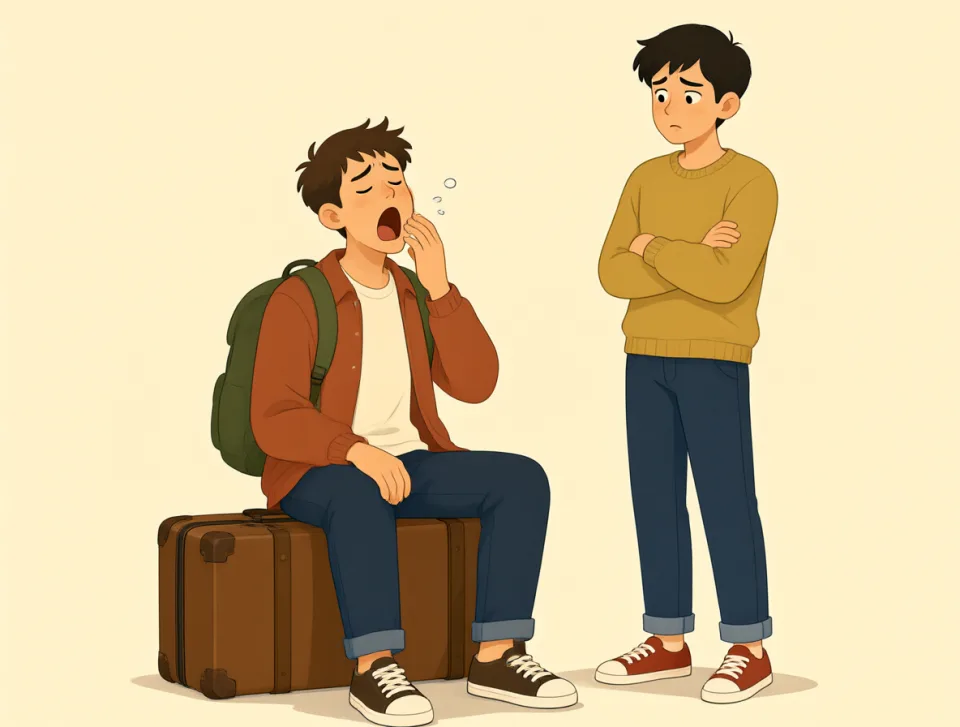
It was obvious that she was tired after the long journey.
很明顯,長途旅行後她累了。

The answer was obvious, so everyone finished the exercise quickly.
答案顯而易見,所以大家很快就完成了練習。

There is an obvious mistake in this report.
這份報告中有一個明顯的錯誤。
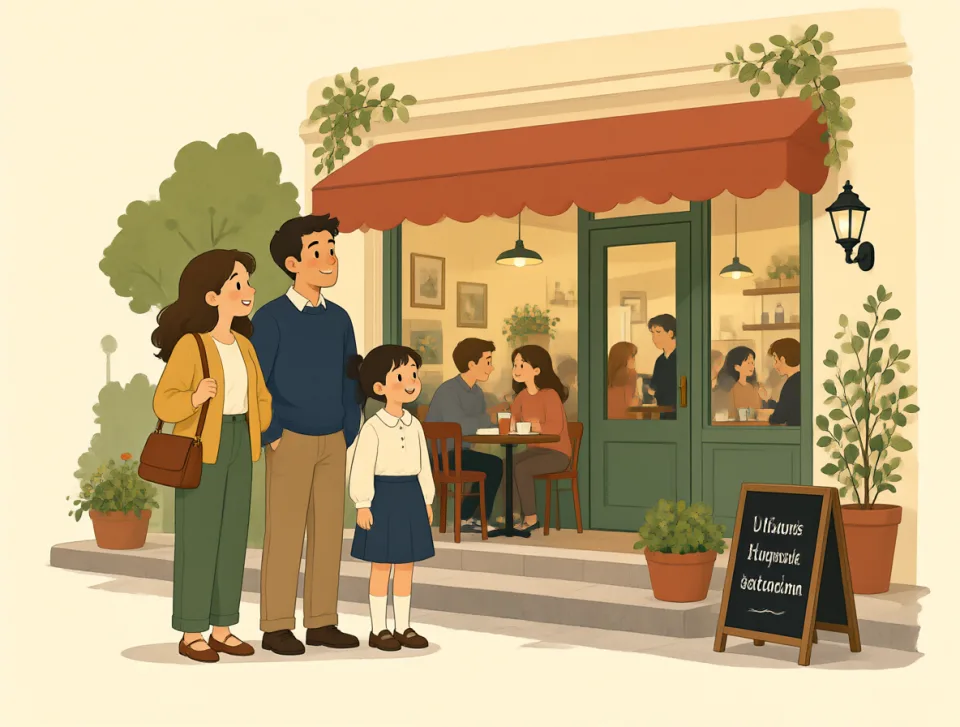
The restaurant was an obvious choice for our family dinner.
這家餐廳顯然是我們一家人聚餐的首選。

His obvious happiness made all his friends smile.
他臉上明顯的喜悅讓所有朋友都笑了起來。

jump
#1324verb, noun
跳;跳躍;嚇一跳
To push yourself off the ground and move into the air; a quick movement upward.
推開地面,使自己躍到空中;向上的快速移動。
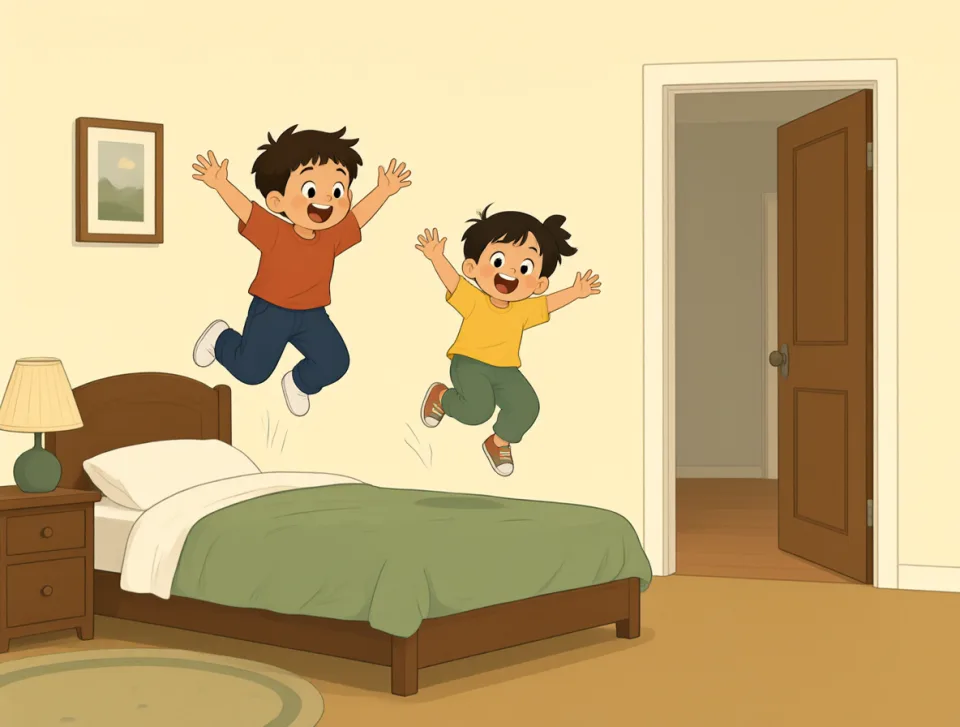
The children jump on the bed when their parents leave.
父母離開後,孩子們就在床上蹦跳。
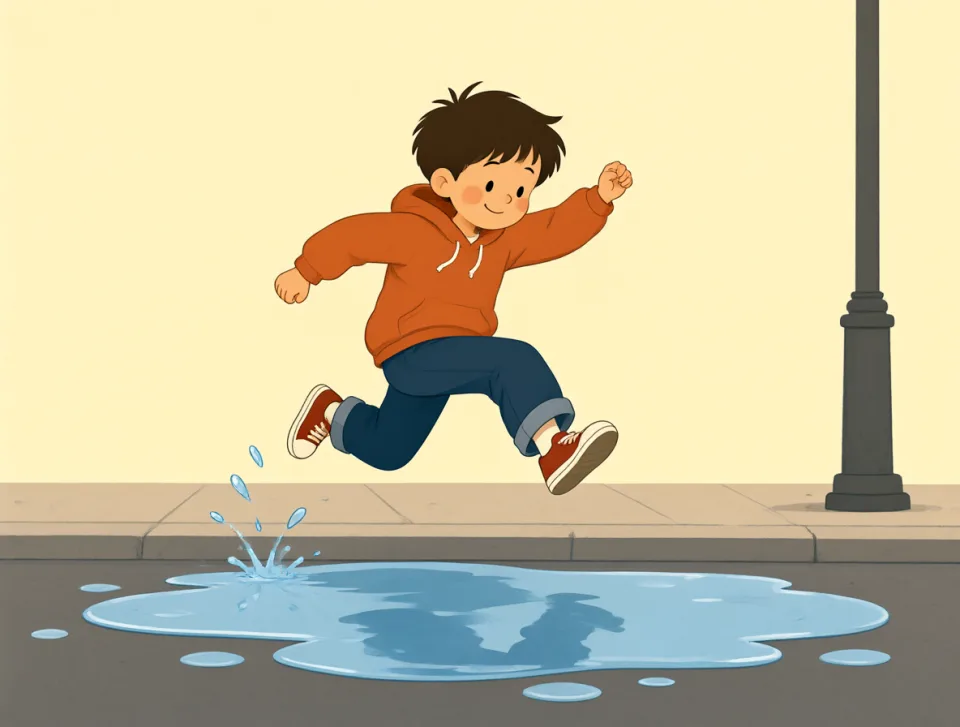
Please jump over the puddle so your shoes stay dry.
請跳過水坑,免得鞋子弄溼。

She jumped when the loud noise came from the kitchen.
廚房裡傳來一聲巨響,她嚇了一跳。

The cat made a big jump onto the table.
貓一躍跳上了桌子。

He took a quick jump into the cold swimming pool.
他迅速跳進了冰冷的游泳池。
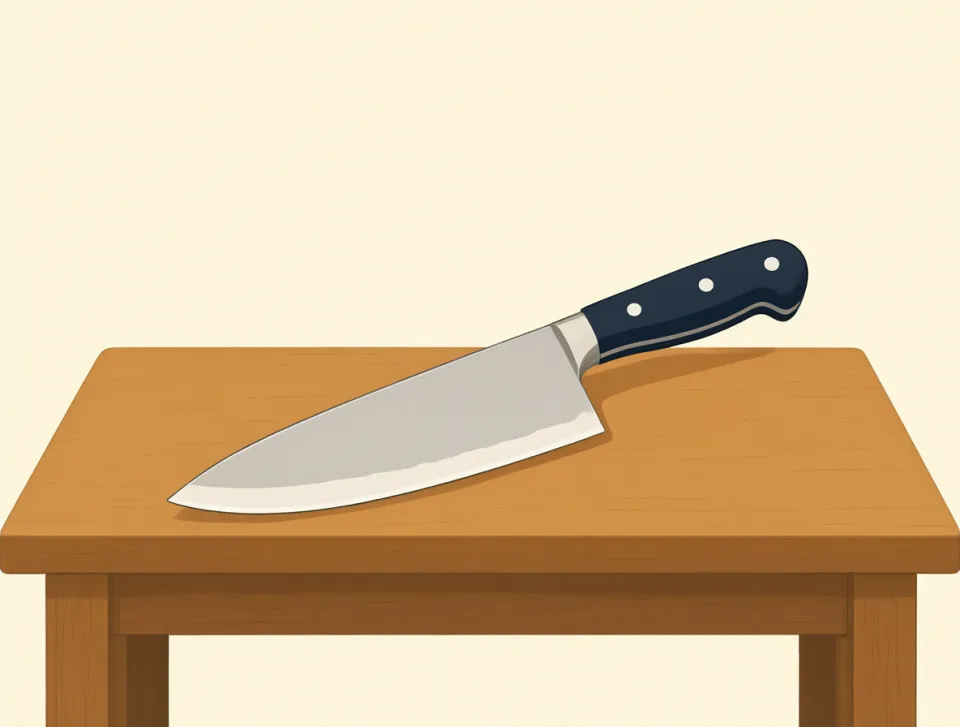
weapon
#1325noun
武器;兵器
An object used to hurt or kill people or animals.
用於傷害或殺死 ადამიან或動物的物品。
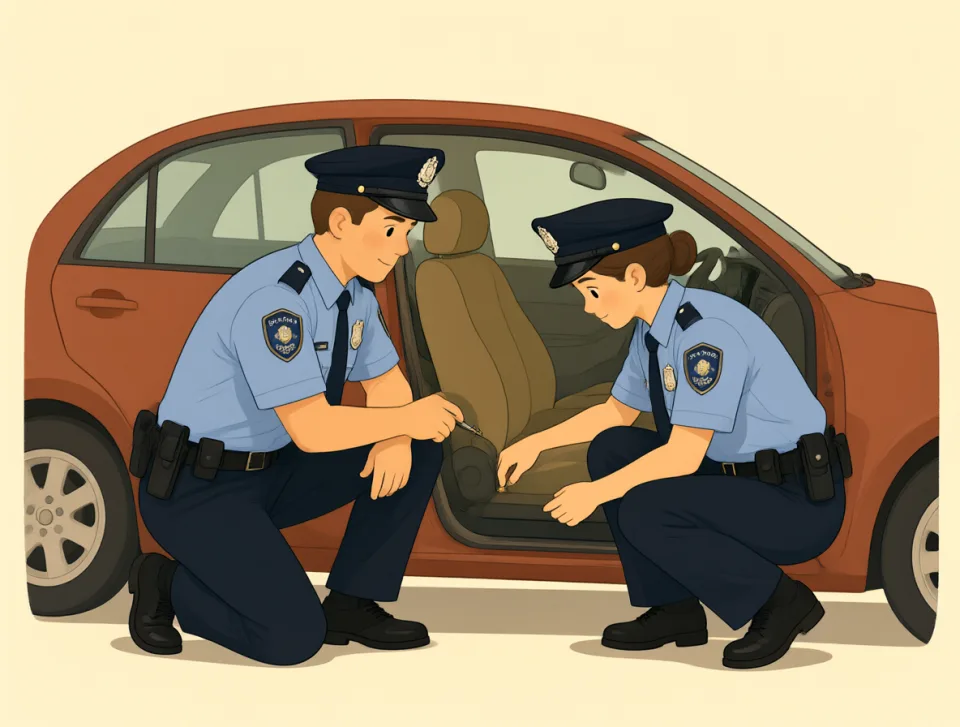
The police found a weapon under the car seat.
警方在汽車座椅下面發現了一件武器。
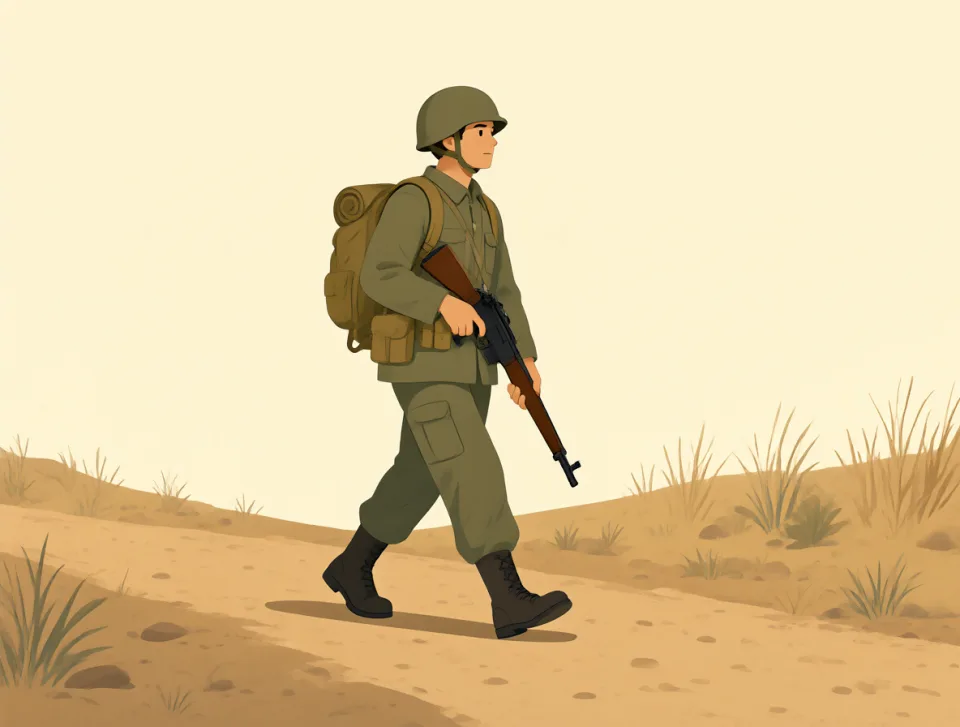
The soldier carried a weapon during the long journey.
士兵在漫長的旅途中帶著一件武器。
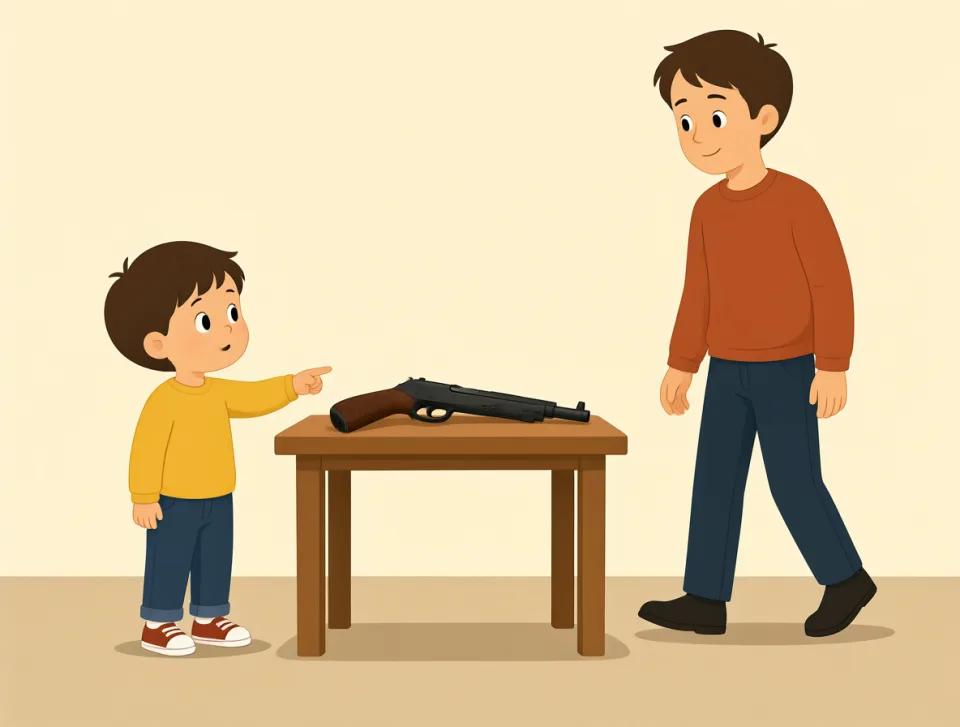
Never touch a weapon; tell an adult immediately.
千萬不要碰武器;要立即告訴大人。

The film hero used a sword as his weapon.
電影中的英雄把劍當作武器。

The robber threatened the shopkeeper with a weapon.
劫匪用武器威脅店主。

relatively
#1326adverb
相對地;比較而言
to a fairly large degree when compared with something else
與其他事物相比,程度相當高
The new apartment is relatively cheap for this neighborhood.
對於這個社群來說,這套新公寓相對便宜。

The test was relatively easy, so most students finished early.
這次考試比較簡單,所以大多數學生都提前做完了。
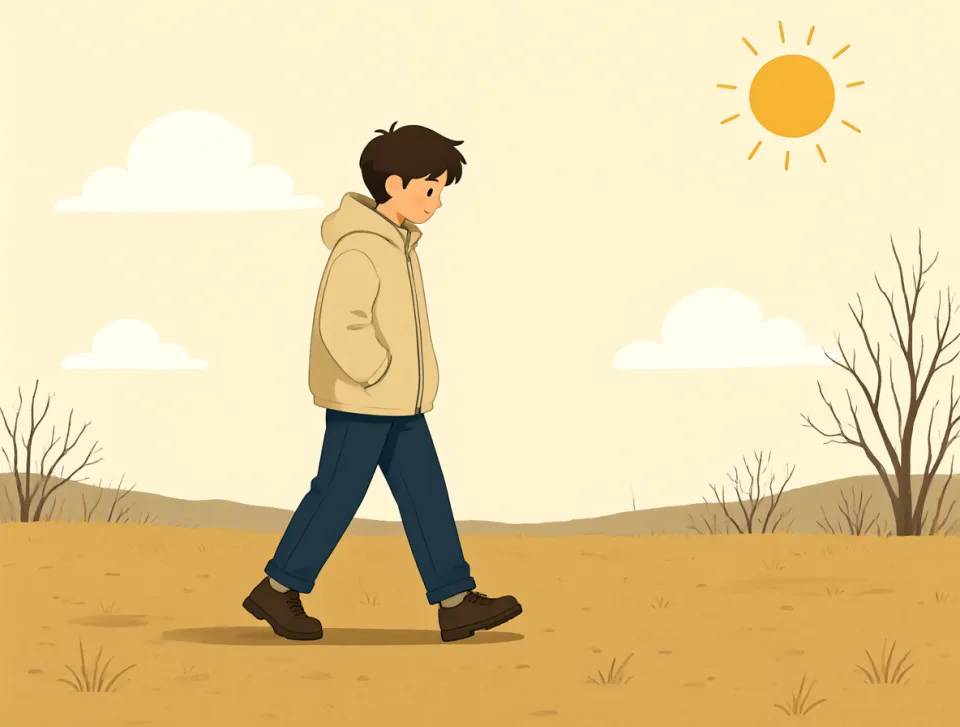
This winter has been relatively warm and dry.
今年冬天相對來說比較溫暖乾燥。

The hotel is relatively close to the train station.
這家酒店離火車站比較近。

She felt relatively well after resting for a few days.
休息了幾天後,她感覺身體還不錯。
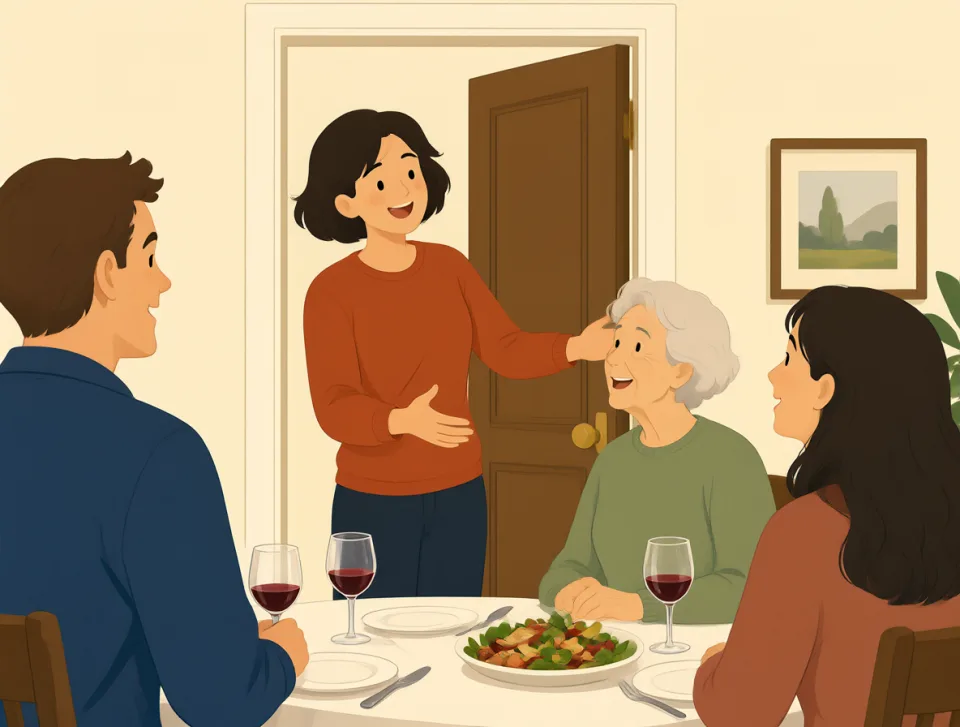
host
#1327noun, verb
主人;主持人;主辦方
A person who welcomes guests or presents a program, event, or meeting.
歡迎客人,或主持節目、活動或會議的人。

Our host welcomed everyone with drinks and snacks.
我們的主人用飲料和小吃歡迎大家。
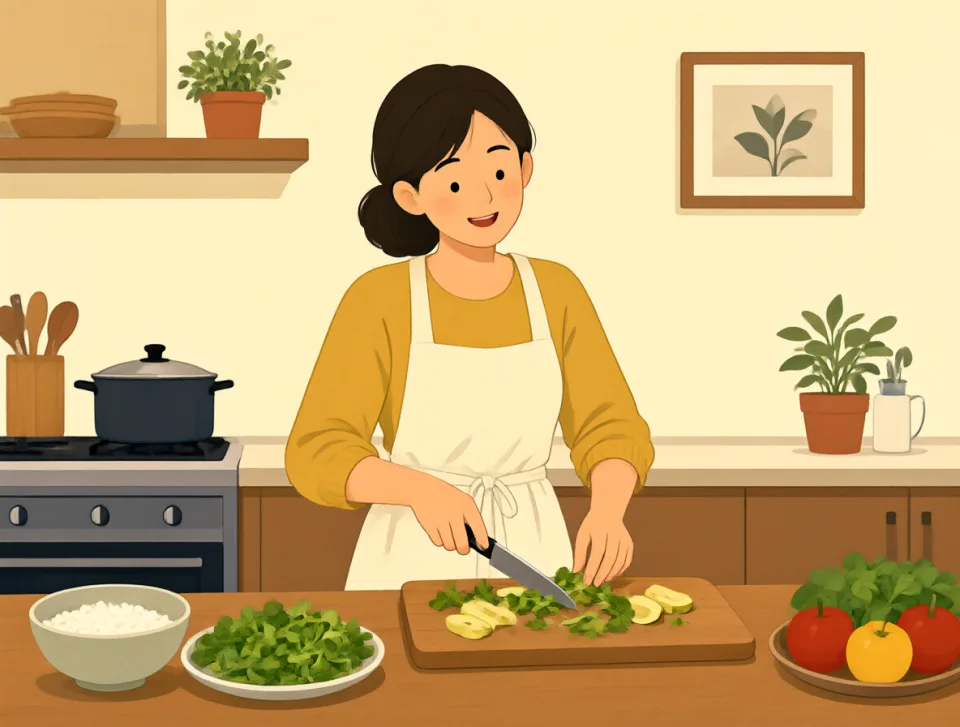
She hosts a weekly cooking show on television.
她每週在電視上主持一檔烹飪節目。

The hotel hosted a wedding for two hundred guests.
這家酒店為兩百位賓客承辦了一場婚禮。
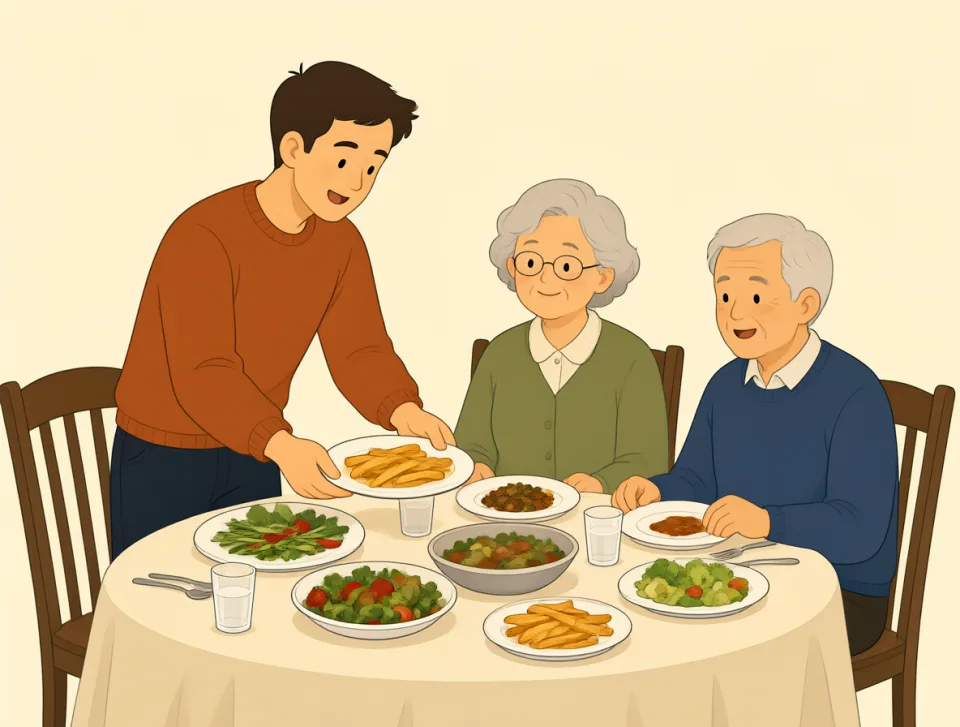
Tom is hosting dinner for his parents tonight.
湯姆今晚要為父母準備晚餐。
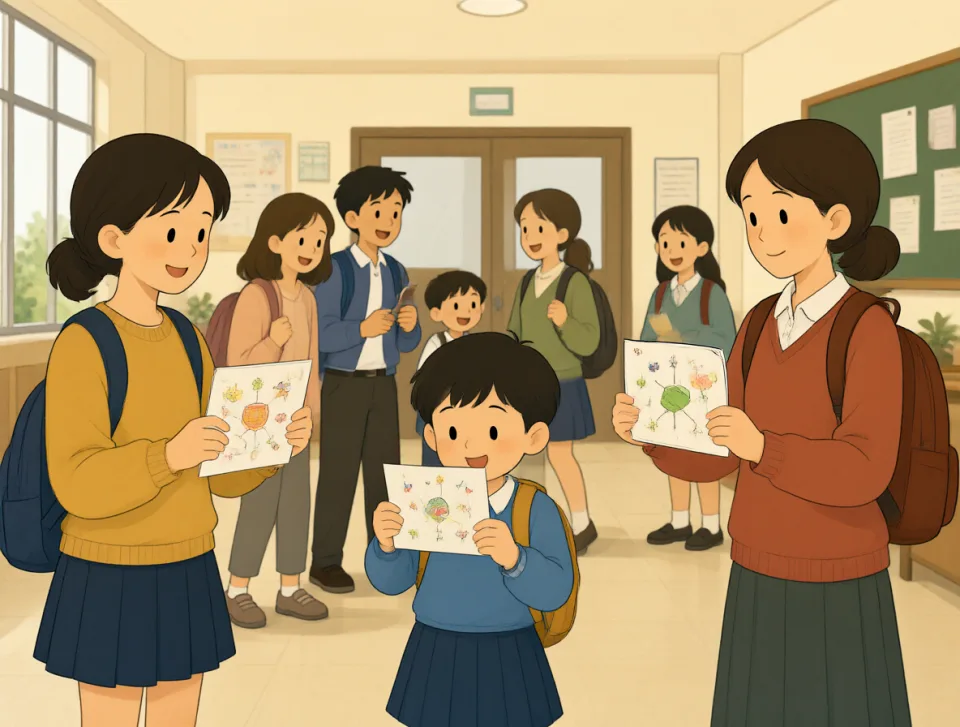
Our school hosted a science fair last Friday.
上週五,我們學校舉辦了一場科學展覽會。

winter
#1328noun, verb
冬天;過冬
the coldest season of the year, between autumn and spring
一年中最冷的季節,介於秋季和春季之間

We usually stay home more during the long winter months.
漫長的冬季裡,我們通常會更多地待在家裡。

The lake freezes every winter when temperatures drop below zero.
氣溫降到零度以下時,湖水每年冬天都會結冰。

I need a warm coat and boots for winter.
我需要一件保暖的外套和一雙靴子過冬。

Our school closes when heavy winter snow makes roads dangerous.
大雪覆蓋冬季的道路、造成危險時,我們學校就會停課。
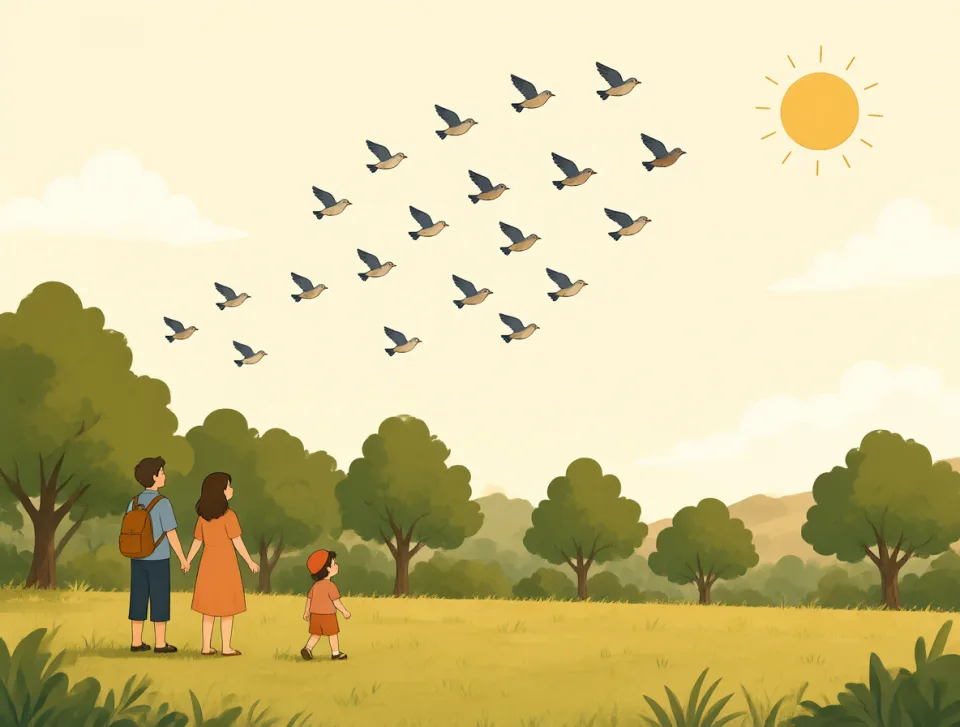
Many birds winter in warmer countries before returning in spring.
許多鳥會在溫暖的國家過冬,然後在春天返回。
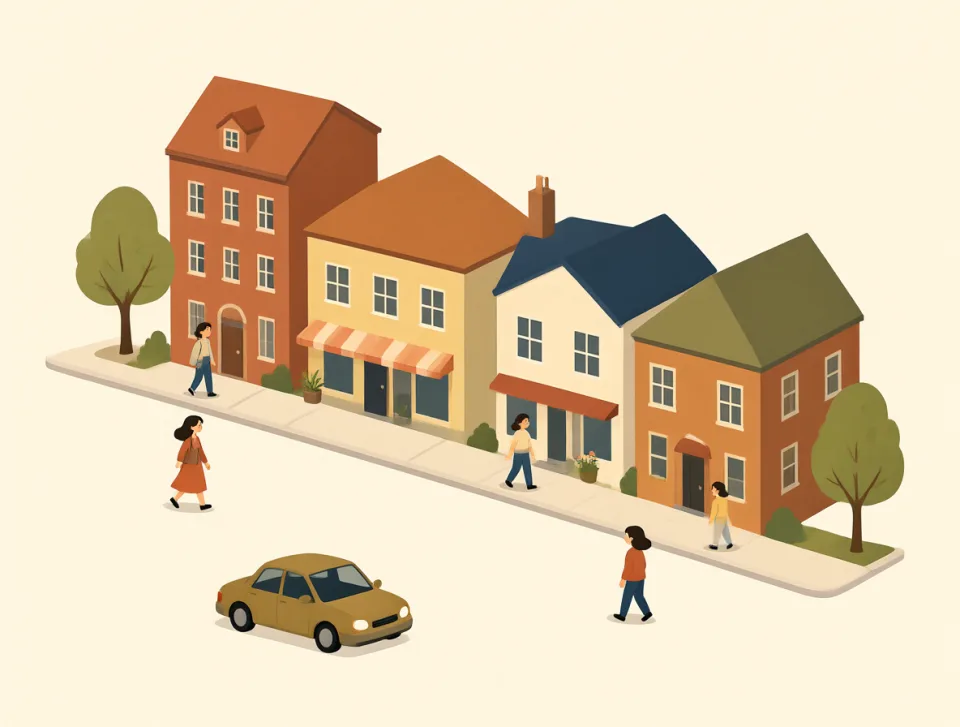
district
#1329noun
地區;區域;學區
An area of a town, city, or country with special features or purposes.
城鎮、城市或國家中具有特定特點或用途的區域。

She lives in a quiet district near the city center.
她住在市中心附近一個安靜的地區。

The shopping district is busy every Saturday afternoon.
購物區每週六下午都很熱鬧。
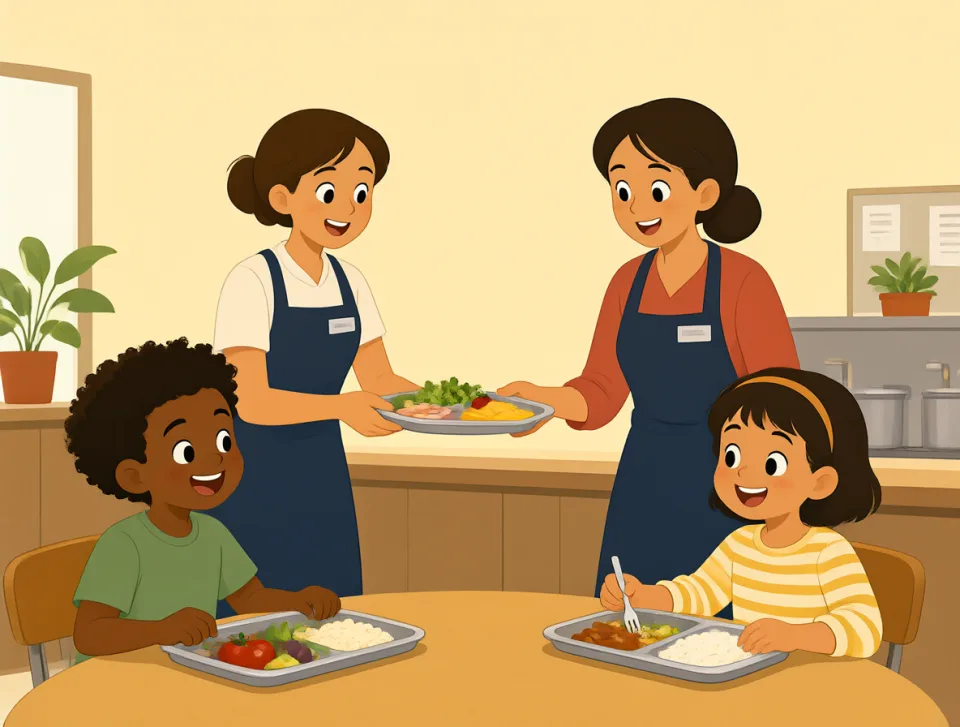
Our school district provides free meals for students.
我們所在的學區為學生提供免費餐食。
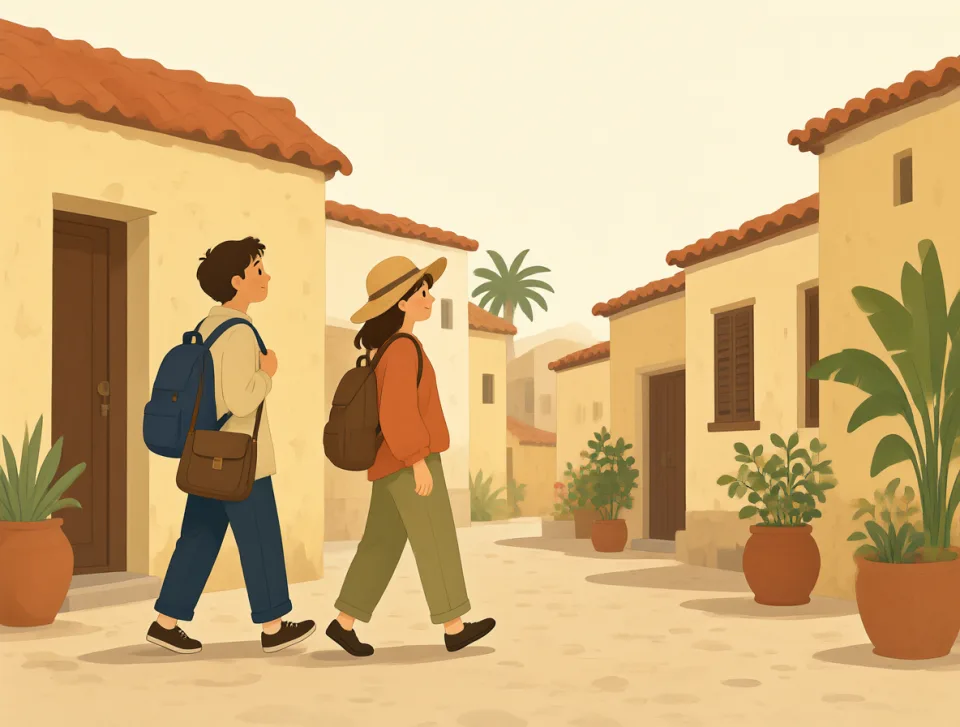
We stayed in the historic district during our trip.
旅行期間,我們住在歷史街區。
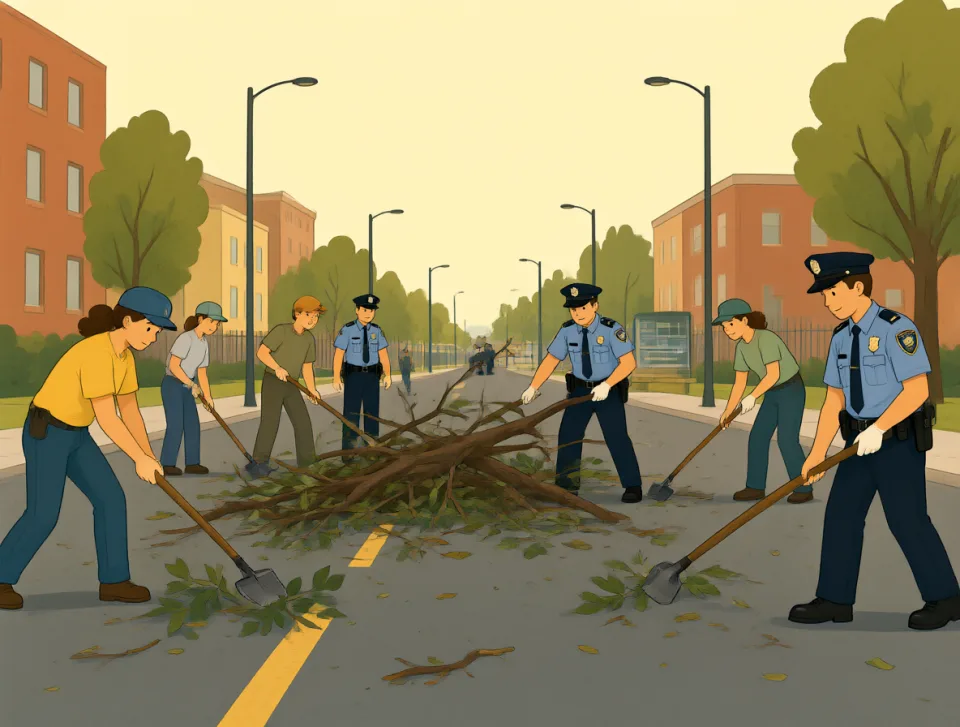
The police closed the district after the storm damaged roads.
暴風雨損壞道路後,警方封鎖了該地區。

broad
#1330adjective
寬闊的;廣泛的;寬大的
Large from side to side; covering a lot of space.
從一側到另一側距離較大;佔據很大空間。

The river is broad enough for boats to pass easily.
這條河足夠寬,船可以輕鬆透過。

She wore a broad smile when she heard the good news.
聽到這個好訊息時,她臉上露出了燦爛的笑容。
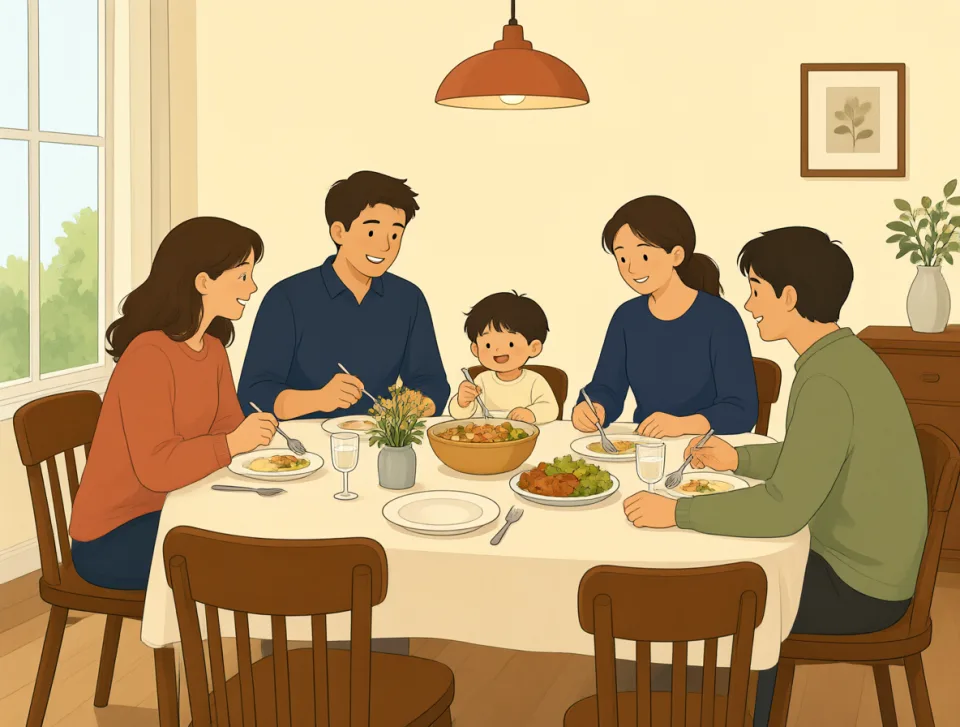
We need a broad table for the whole family.
我們需要一張夠大的桌子,讓全家人都能坐下。
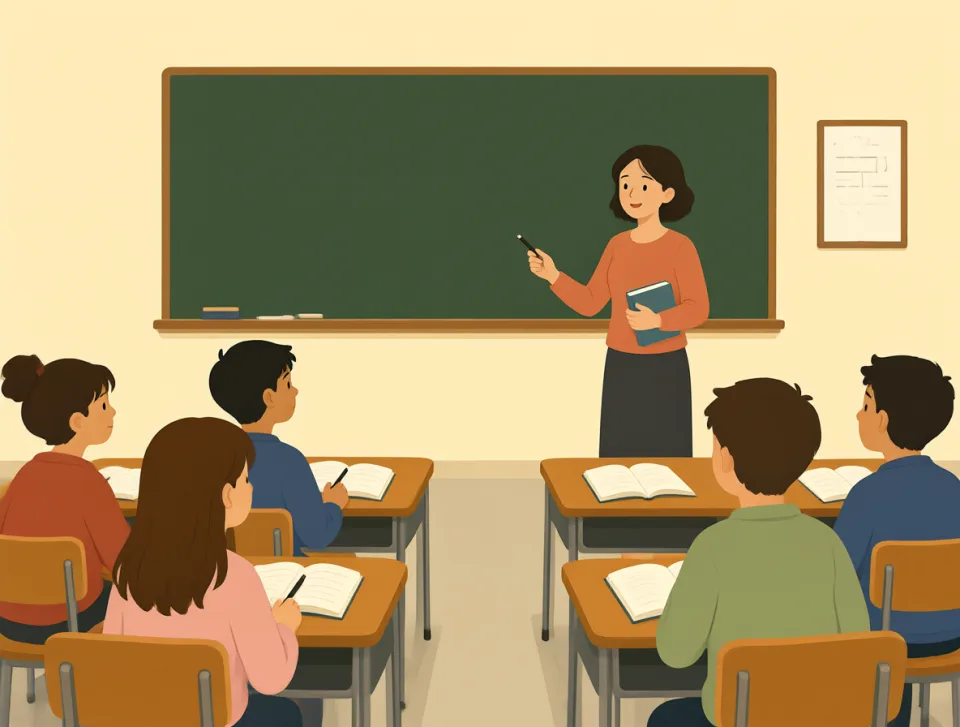
The teacher gave us a broad range of topics to study.
老師給我們提供了豐富多樣的學習主題。

He has broad shoulders and looks very strong.
他肩膀寬闊,看起來很強壯。
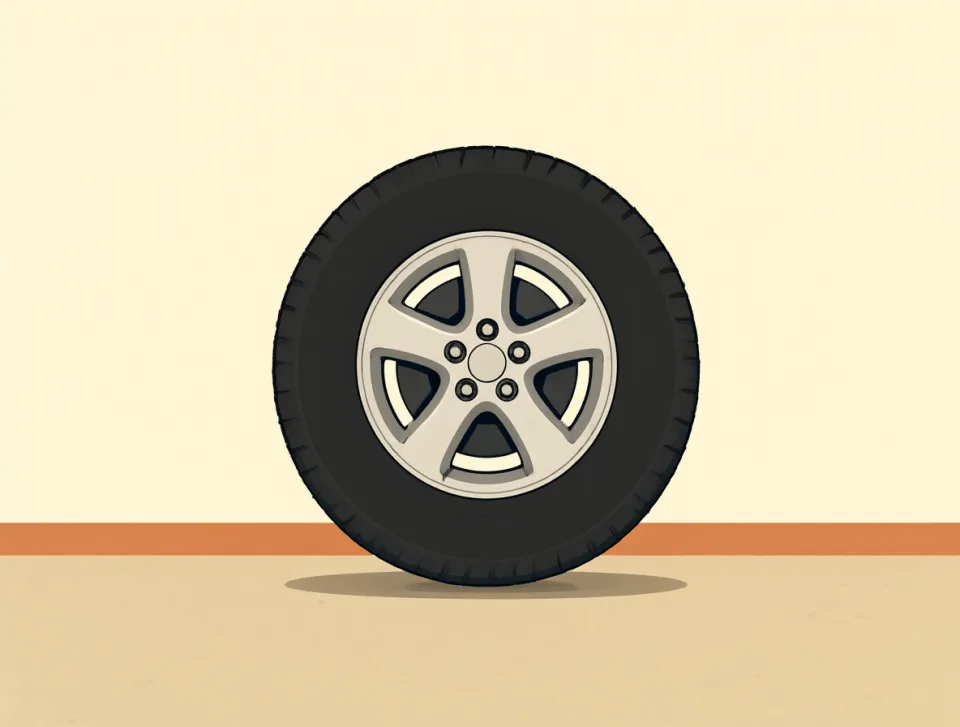
tire
#1331noun, verb
輪胎;使疲勞
A tire is the round rubber part around a wheel; to tire means to make someone tired.
輪胎是包在車輪外面的圓形橡膠部分;tire作動詞時,意為使某人感到疲勞。
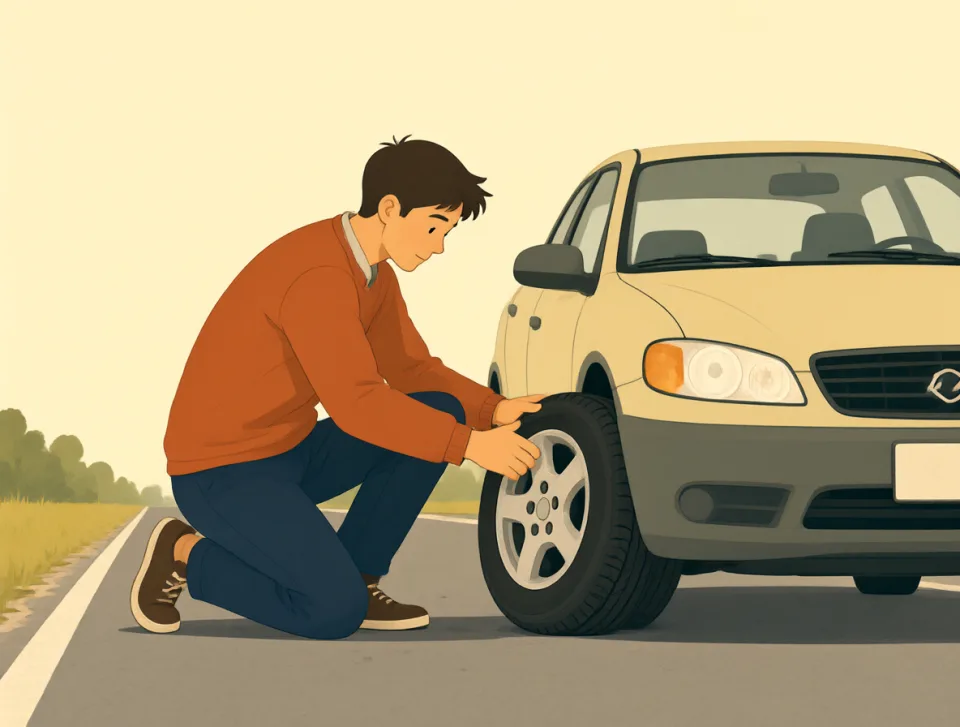
The car has a flat tire, so we cannot drive home.
汽車有一個輪胎沒氣了,所以我們不能開車回家。
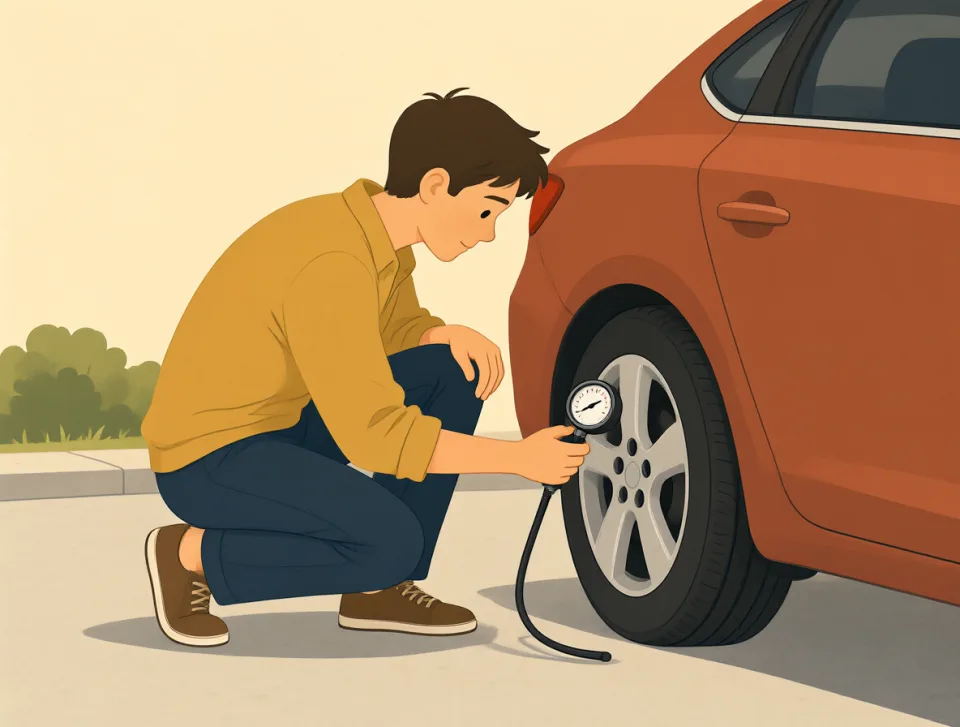
Please check the tire pressure before our long trip.
長途旅行前,請檢查一下胎壓。
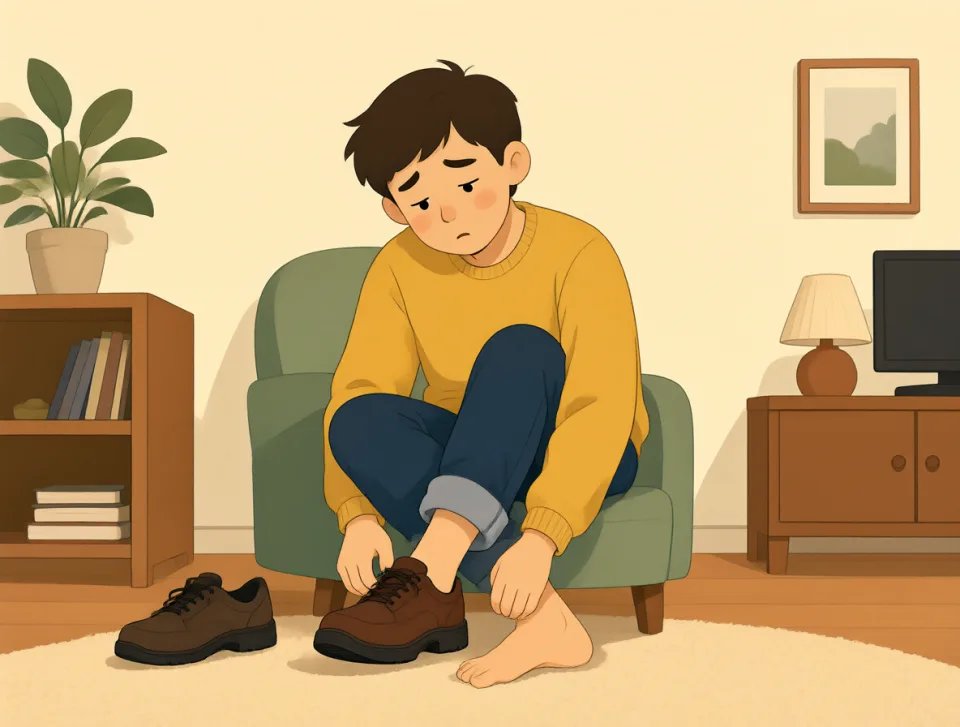
These shoes tire my feet after a long day at work.
穿著這雙鞋工作一整天后,我的腳都累了。
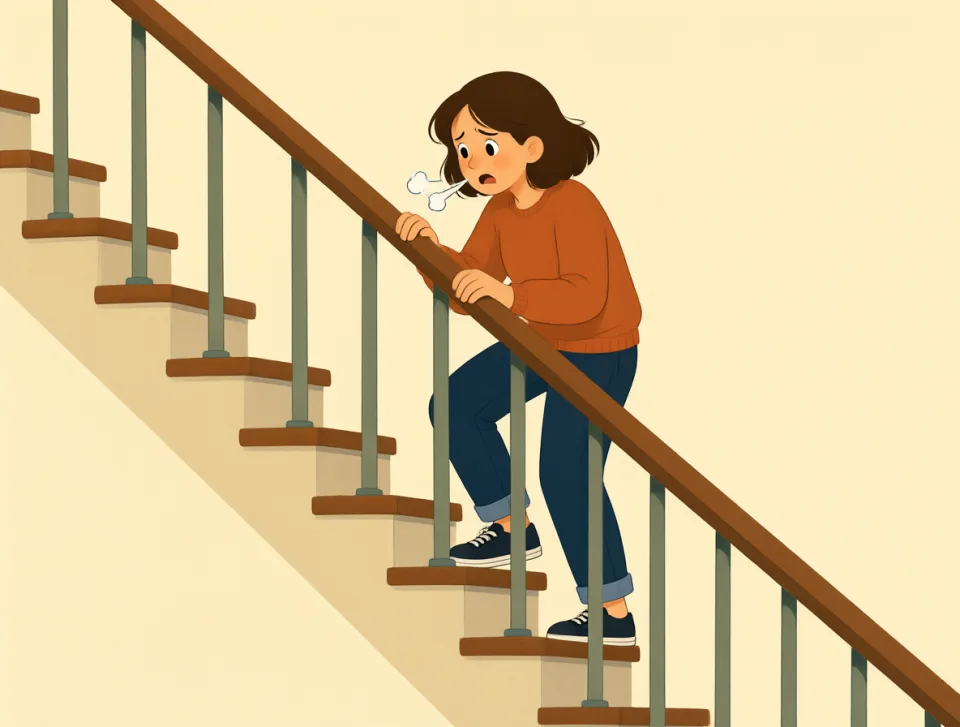
Walking up those stairs tired me out quickly.
爬那些樓梯很快就把我累壞了。
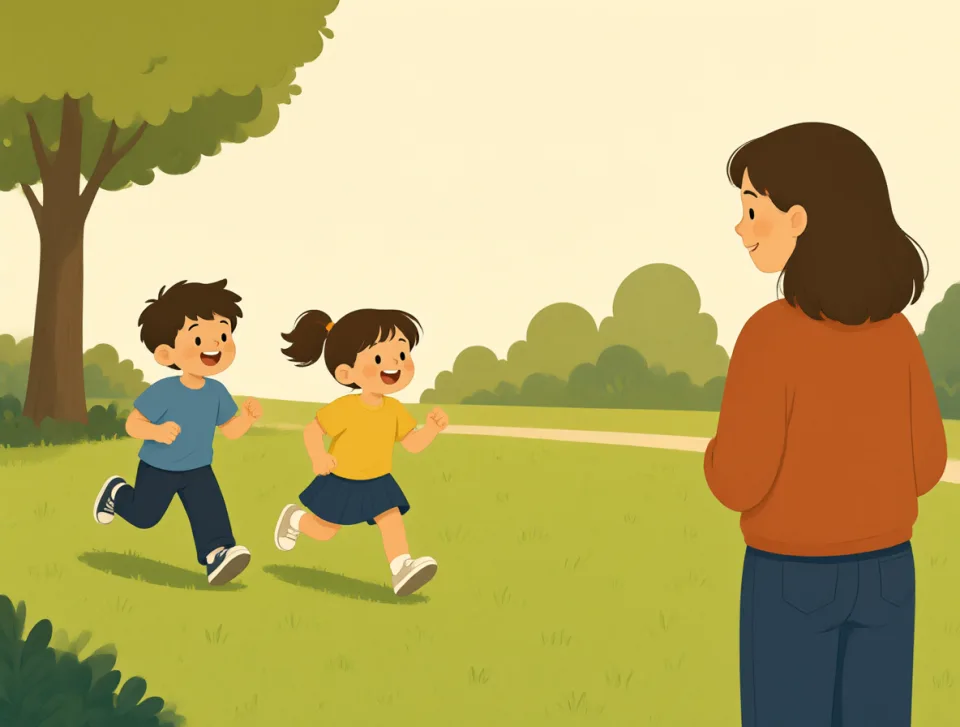
The children were tiring themselves by running around the park.
孩子們在公園裡跑來跑去,把自己累得夠嗆。

spring
#1332noun, verb
春天; 彈簧; 跳躍; 湧出
The season between winter and summer, or to jump suddenly and quickly.
冬季和夏季之間的季節,或突然、迅速地跳起來。
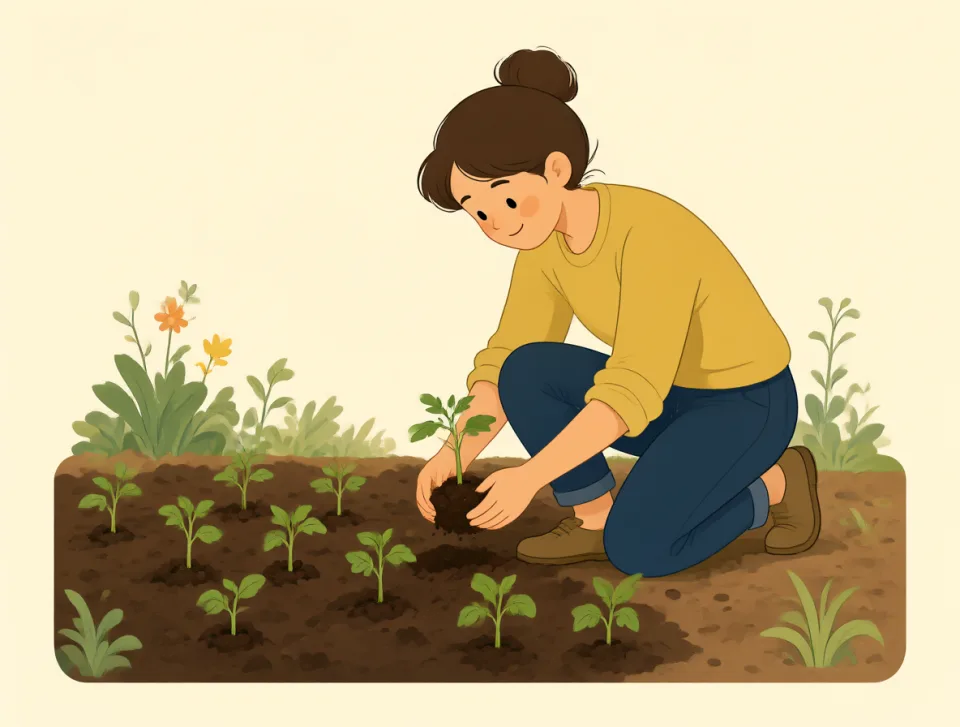
We usually plant tomatoes in spring.
我們通常在春天種西紅柿。
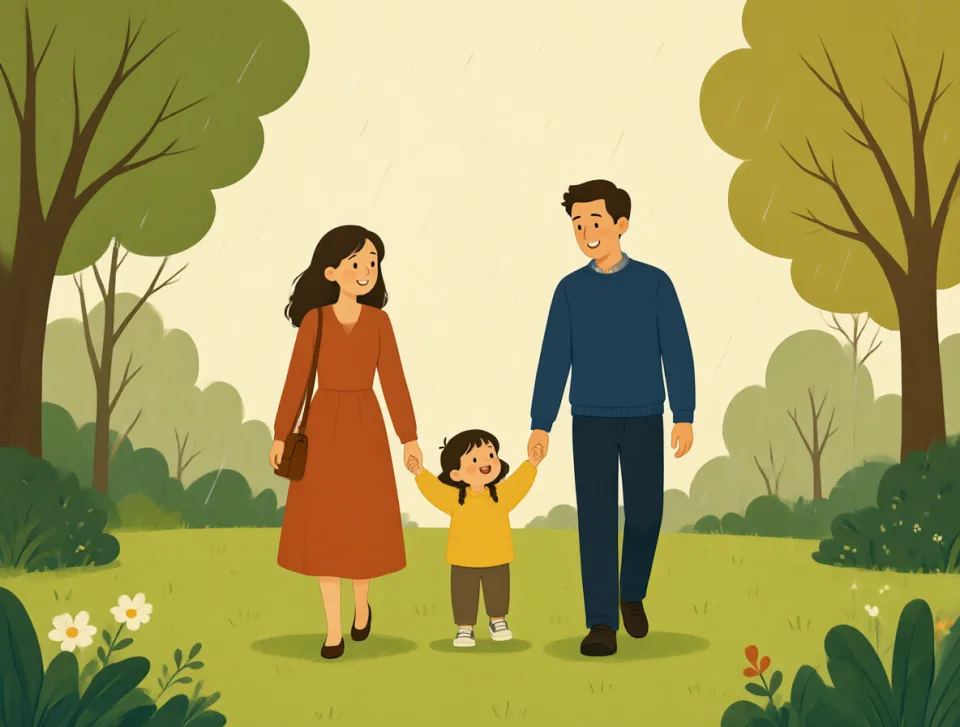
The spring weather is warm but sometimes rainy.
春天天氣暖和,但有時會下雨。
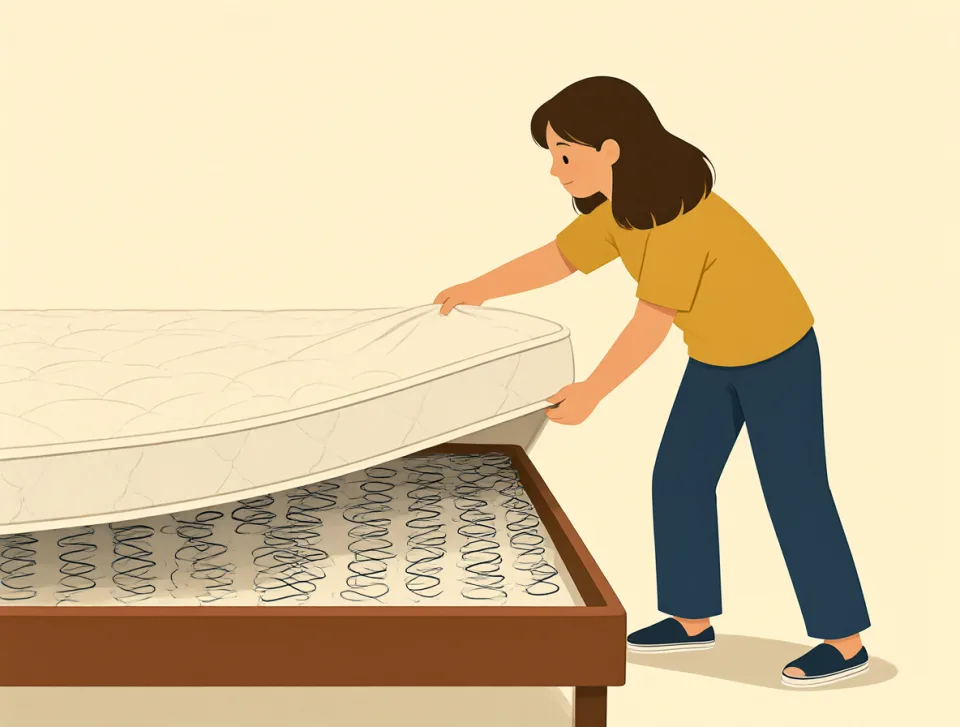
This mattress has strong springs for extra support.
這張床墊裡的彈簧彈性很強,能提供額外的支撐。

The cat sprang onto the table when it heard a noise.
貓聽到聲音後突然跳到了桌子上。
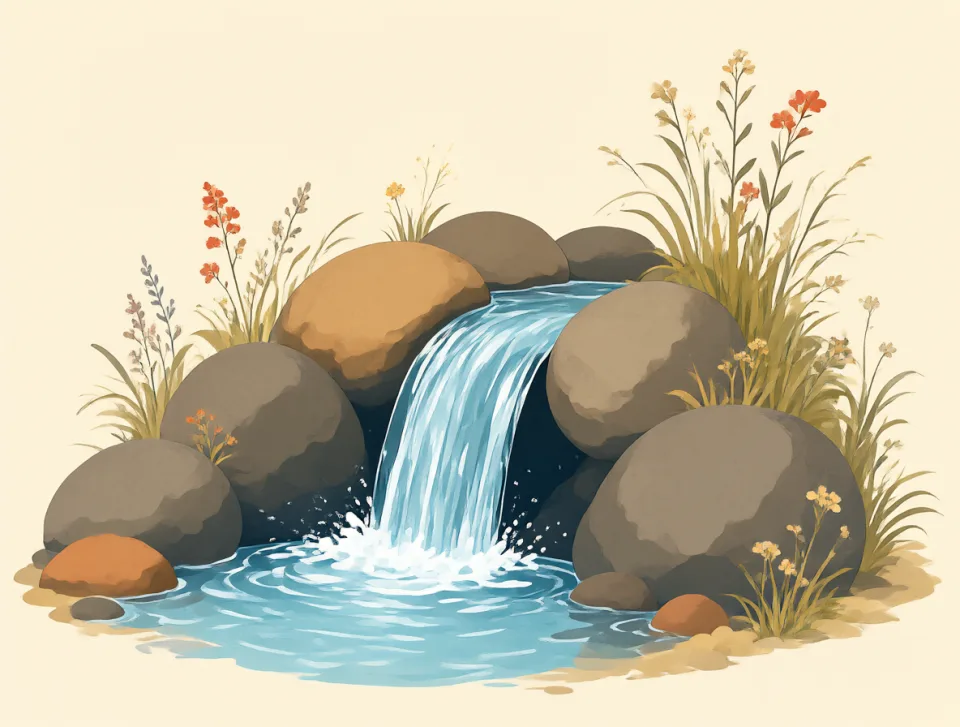
Fresh water springs from the ground near the mountain.
山附近有清水從地下湧出。

spirit
#1333noun
精神;情緒;勇氣
a person’s feelings, courage, or attitude
一個人的情緒、勇氣或態度

Her kind words lifted my spirits after a difficult day.
經歷了艱難的一天後,她的貼心話讓我振作了起來。

The team showed great spirit during the final minutes.
在最後幾分鐘裡,球隊表現出了極強的拼搏精神。
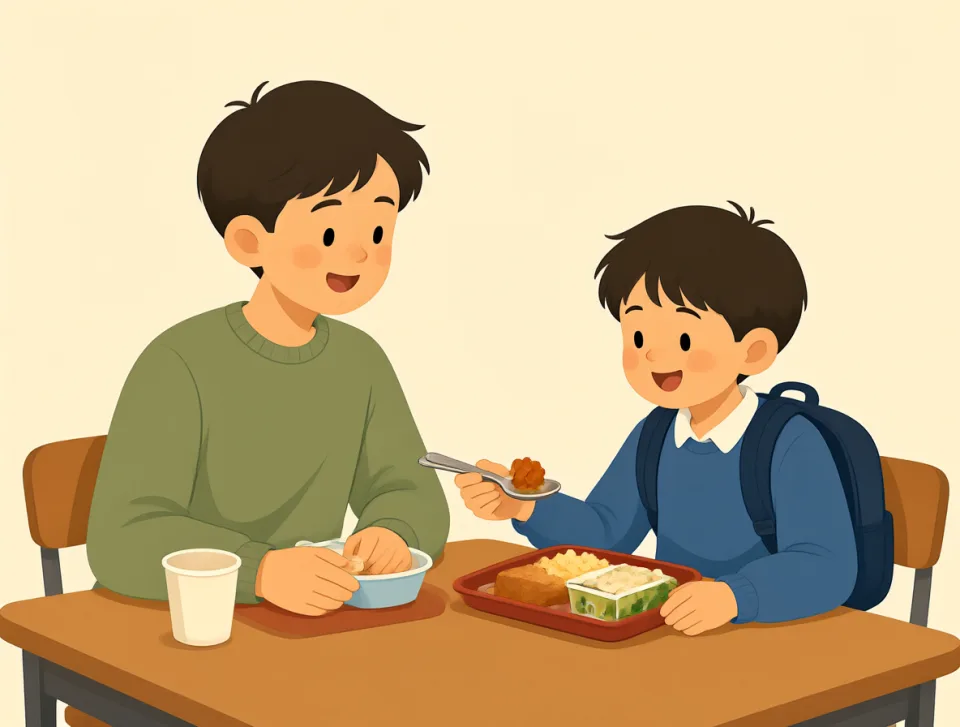
He has a generous spirit and always shares his lunch.
他心地慷慨,總是和別人分享自己的午餐。
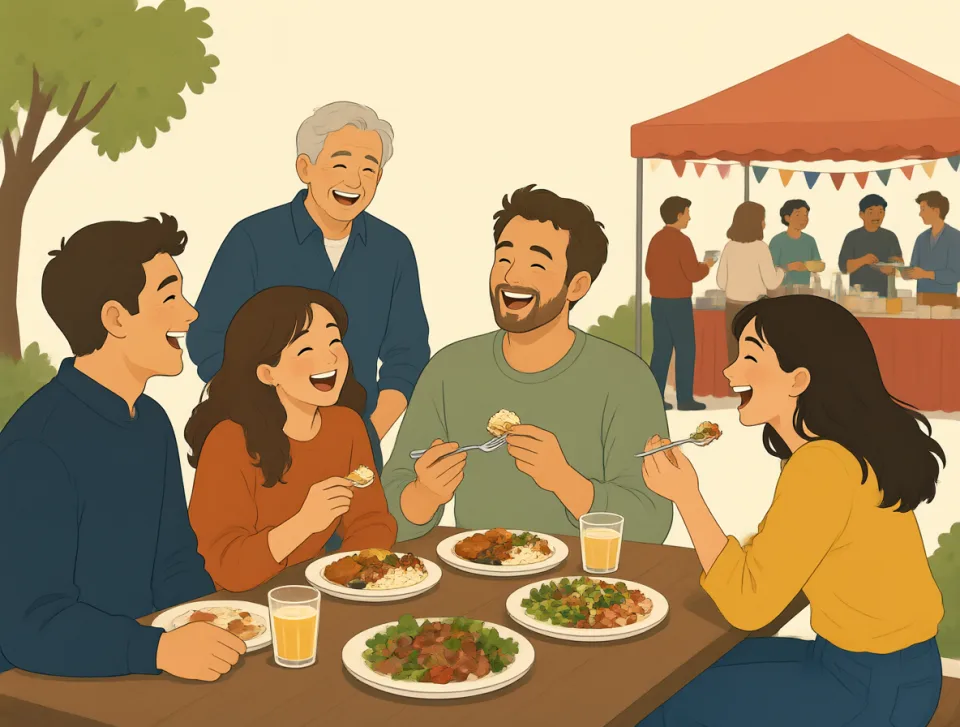
The festival brought a spirit of friendship to the town.
這個節日為小鎮帶來了友好的氛圍。

The doctor said regular exercise would improve her spirits.
醫生說,定期鍛鍊會讓她心情變好。

lunch
#1334noun
午餐;午飯
A meal eaten in the middle of the day.
一天中午間吃的一頓飯。
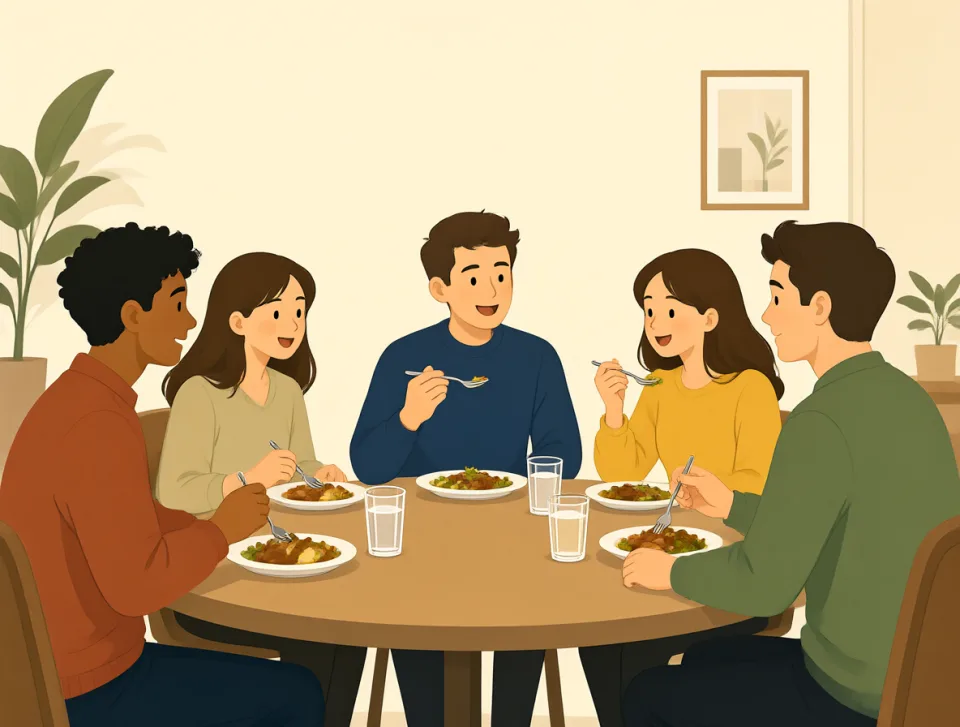
I usually have lunch at noon with my coworkers.
我通常中午和同事一起吃午飯。
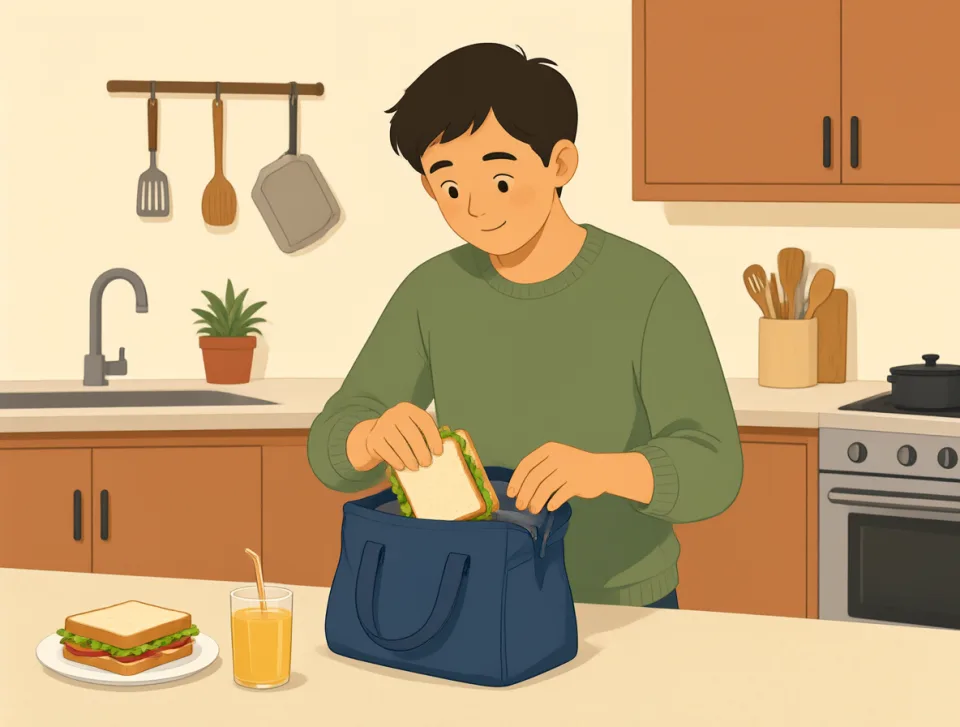
We packed sandwiches for lunch before leaving home.
我們出門前帶上了三明治當午飯。
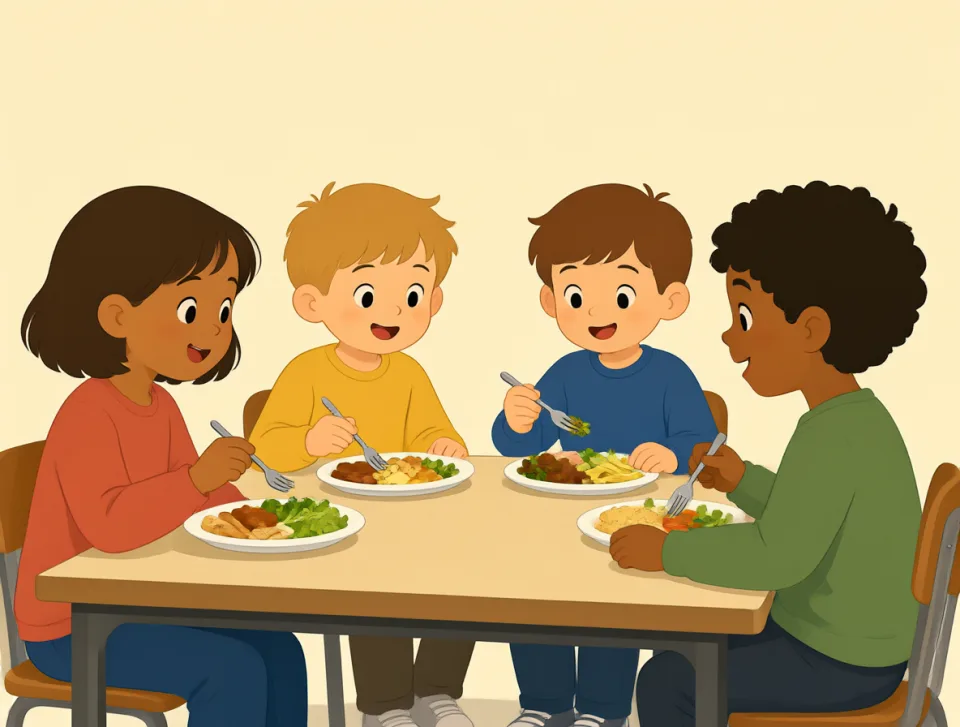
The children eat lunch together at school.
孩子們在學校一起吃午飯。

Let’s meet for lunch near the train station.
我們在火車站附近一起吃午飯吧。
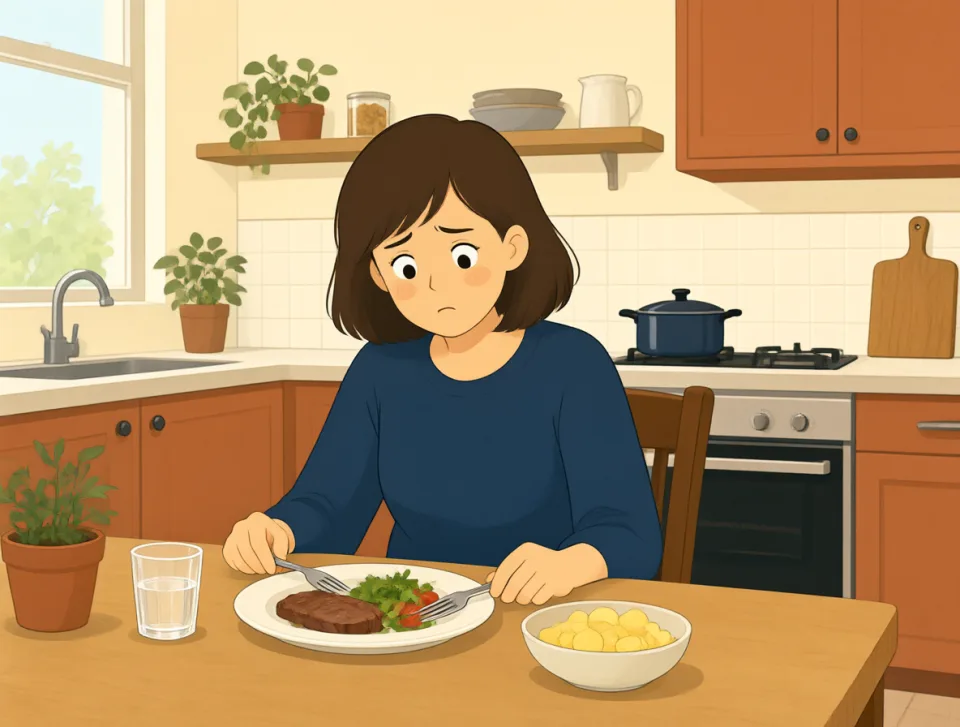
She skipped lunch because her stomach felt uncomfortable.
她因為胃不舒服,所以沒吃午飯。

actual
#1335adjective
實際的;真實的
Real or true, rather than imagined, expected, or reported.
真實存在或確實如此,而非想象出來、預期的或報道所說的。
The actual cost was higher than the price in the advertisement.
實際花費比廣告上的價格高。

What is the actual reason you left work early yesterday?
你昨天提前下班的真正原因是什麼?
The movie is based on actual events from a small village.
這部電影取材於一個小村莊發生的真實事件。

We need to compare the actual results with our original plan.
我們需要將實際結果與最初的計劃進行比較。

The actual temperature was much colder than the weather forecast.
實際氣溫比天氣預報說的冷得多。
pool
#1336noun, verb
游泳池;池;共享資源;集中
A pool is a place filled with water for swimming, or a shared supply of something.
游泳池是供人游泳的蓄水場所,也可以指大家共同擁有或使用的某種資源。

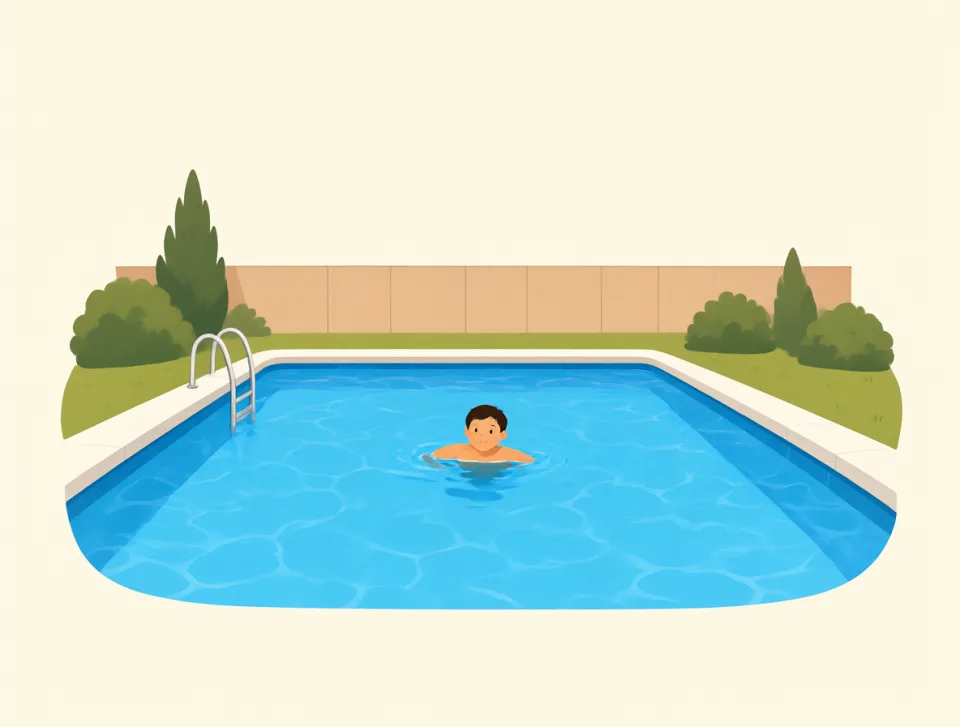
We swim in the pool every Saturday morning.
我們每週六早上都在游泳池裡游泳。

The hotel pool is closed for cleaning today.
酒店的游泳池今天因清潔而關閉。

She jumped into the pool to cool off.
她跳進游泳池裡降溫。

The company pooled its money to buy new equipment.
公司把資金集中起來購買新裝置。

The teacher asked students to pool their ideas for the project.
老師讓學生們集中各自的想法來完成這個專案。
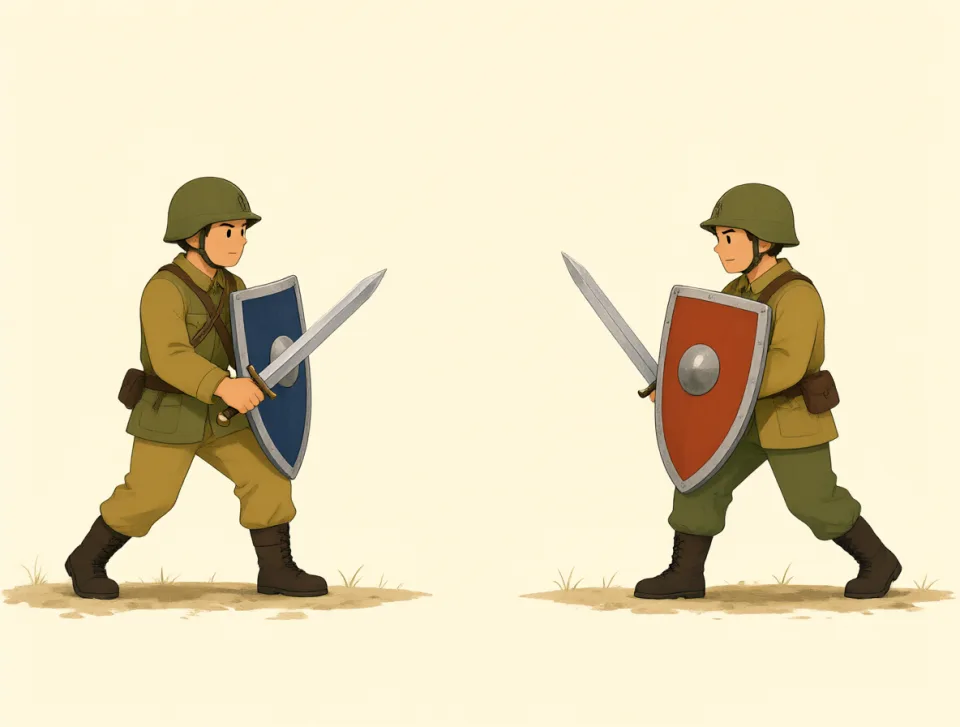
battle
#1337noun, verb
戰鬥;鬥爭;奮戰
a fight between people or groups, or an effort to overcome a difficult problem
人與人或群體之間的戰鬥,或為克服困難而付出的努力
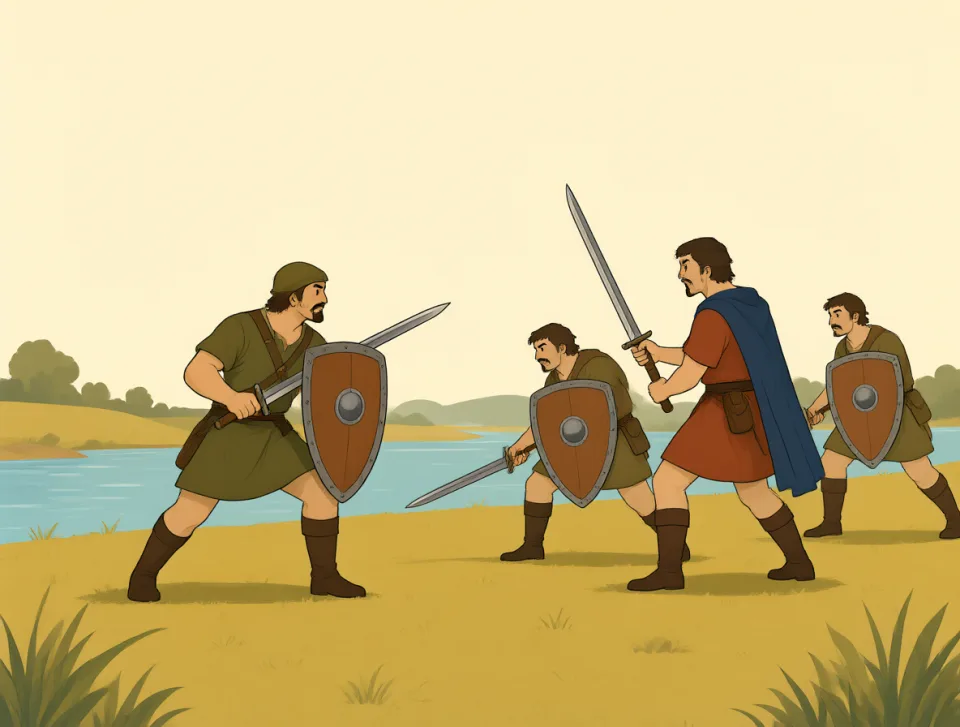
The two armies fought a long battle near the river.
兩支軍隊在河邊進行了一場曠日持久的戰鬥。

She won her battle against cancer after many months.
經過幾個月的努力,她戰勝了癌症。
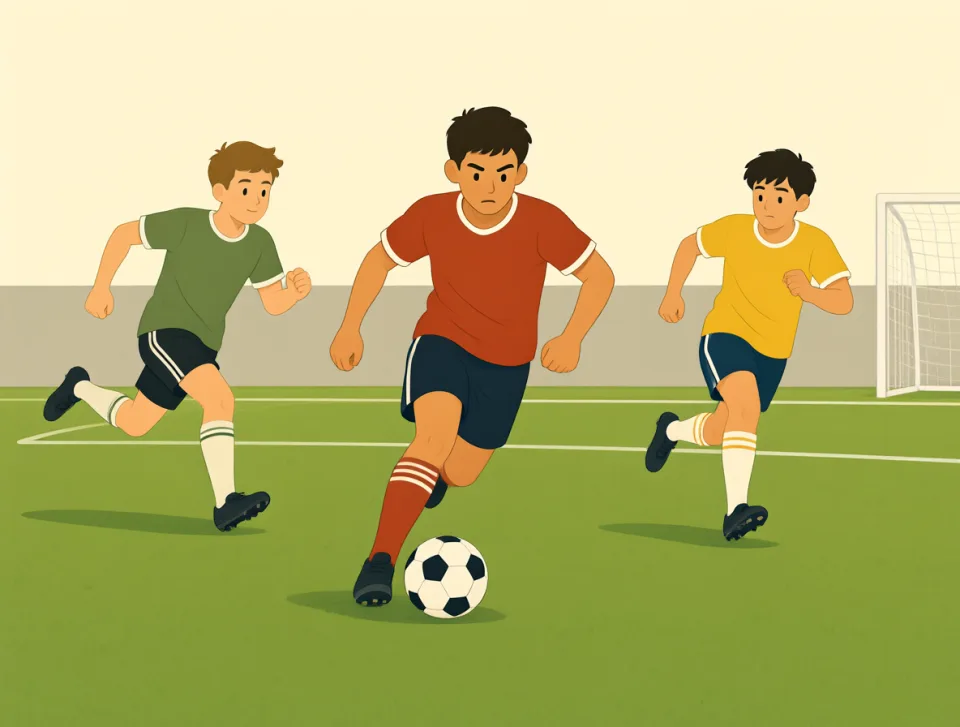
Our team is battling for first place this season.
我們隊本賽季正在爭奪第一名。
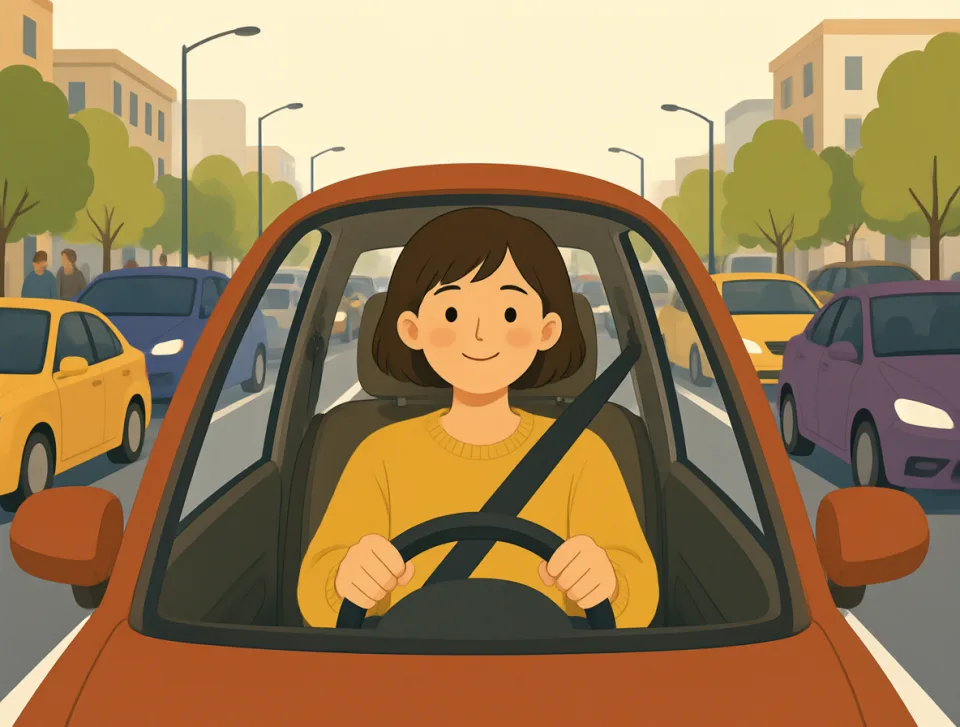
He battled through heavy traffic to reach work on time.
他在擁堵的交通中艱難前行,終於按時趕到了單位。
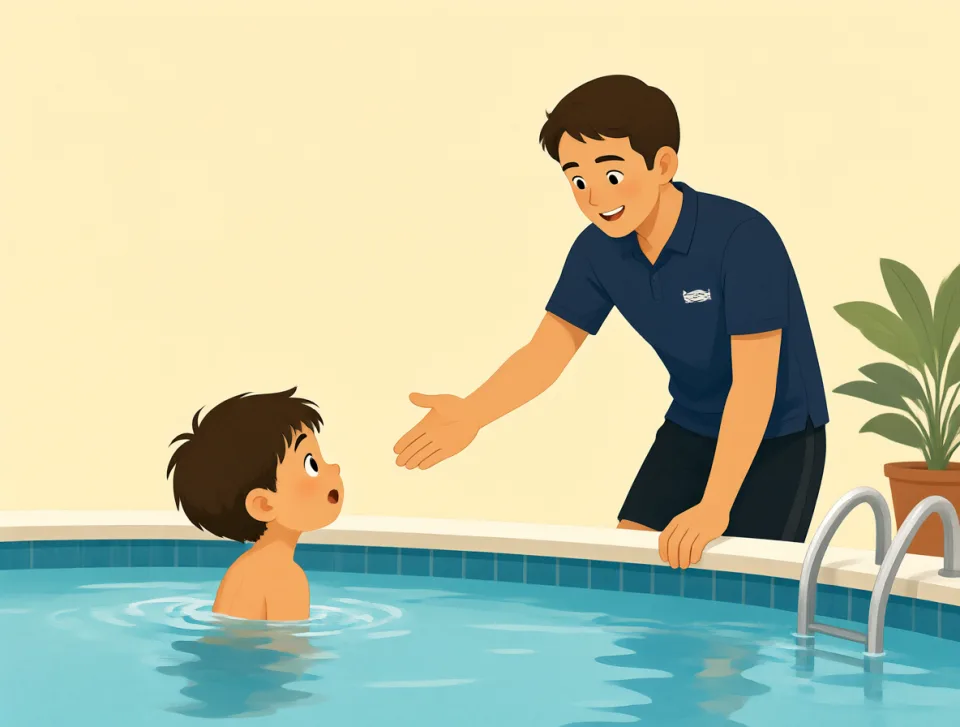
The little boy battled his fear of swimming at camp.
小男孩在夏令營裡努力克服對游泳的恐懼。
tradition
#1338noun
傳統; 習俗
a custom or belief passed from older people to younger people
由長輩傳給晚輩的習俗或信念
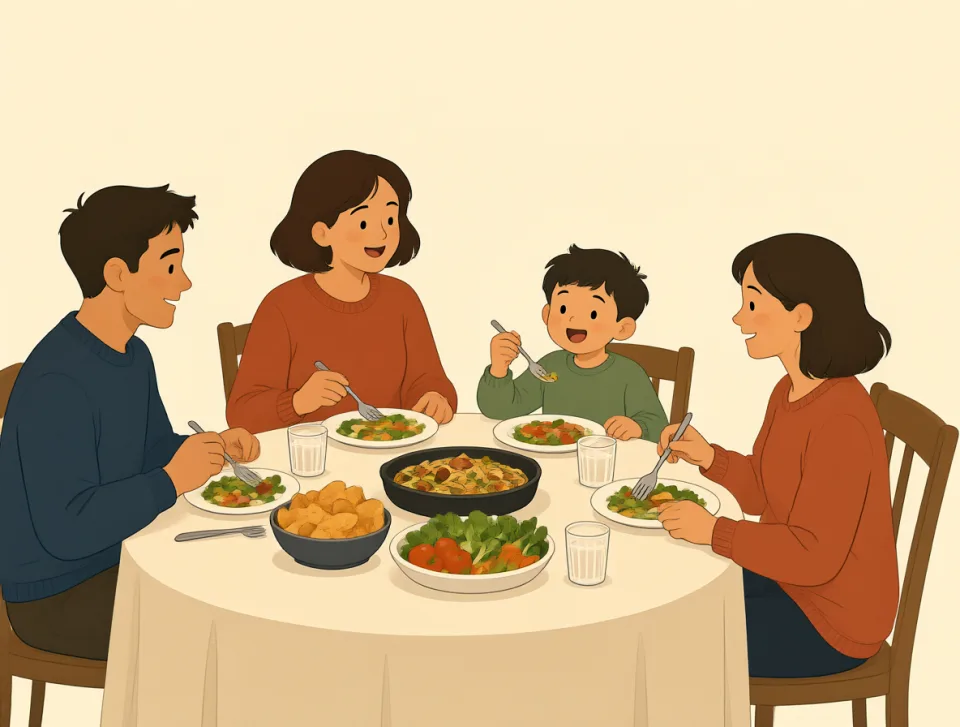
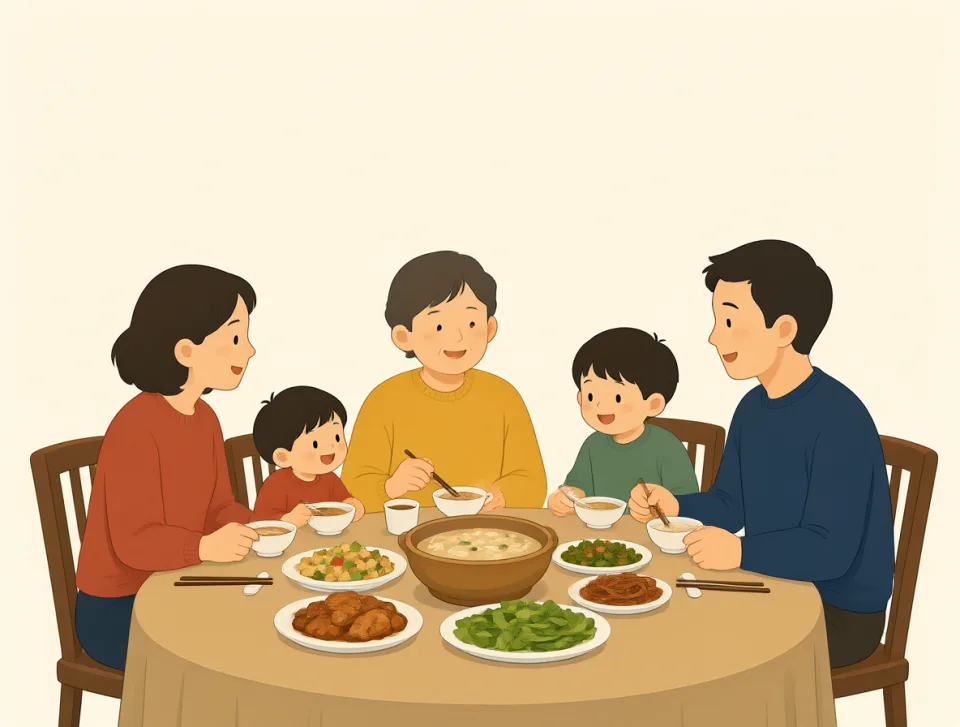
Our family has a tradition of eating together on Sundays.
我們家有個星期天一起吃飯的傳統。

The wedding ceremony followed an old local tradition.
婚禮儀式遵循了當地一個古老的傳統。
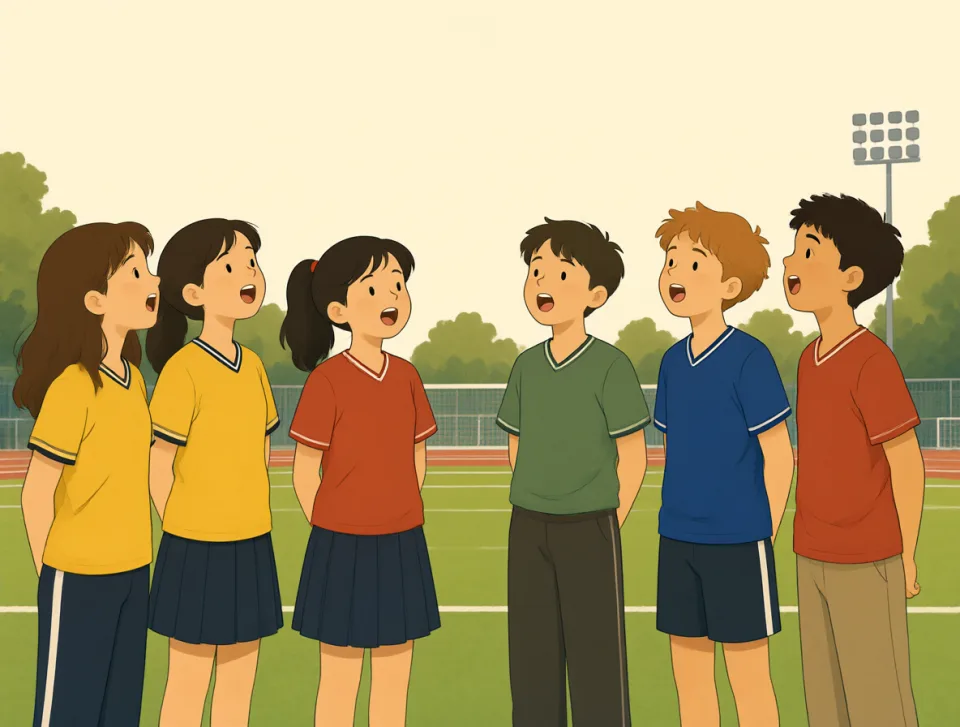
It is a school tradition to sing before the final game.
在最後一場比賽前唱歌是學校的傳統。
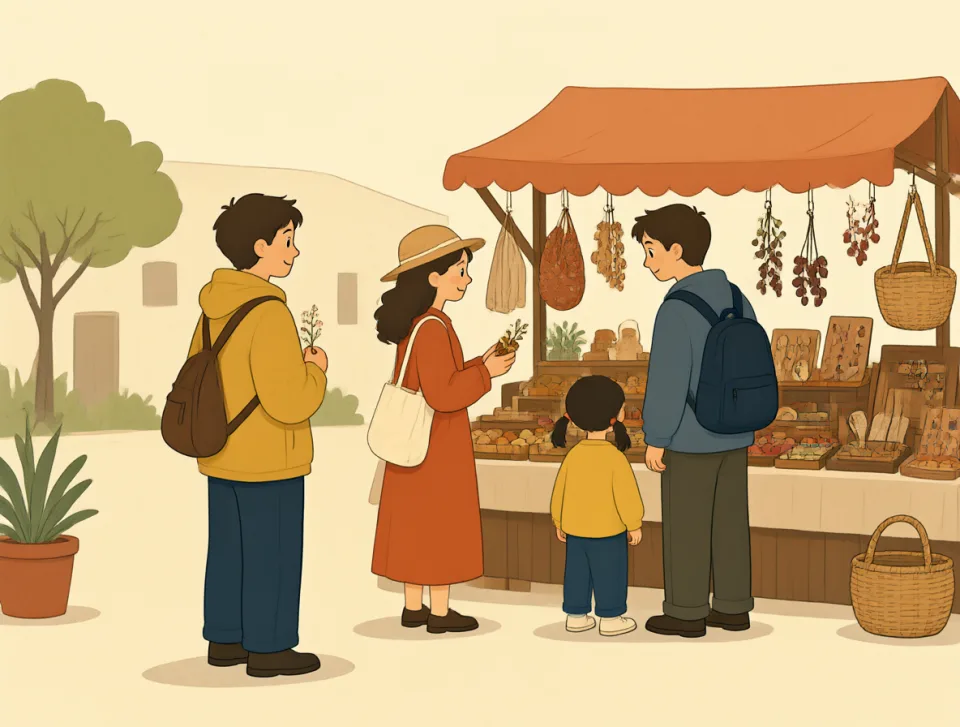
We bought handmade gifts that showed the traditions of the village.
我們買了一些手工製作的禮物,展現了這個村子的傳統。
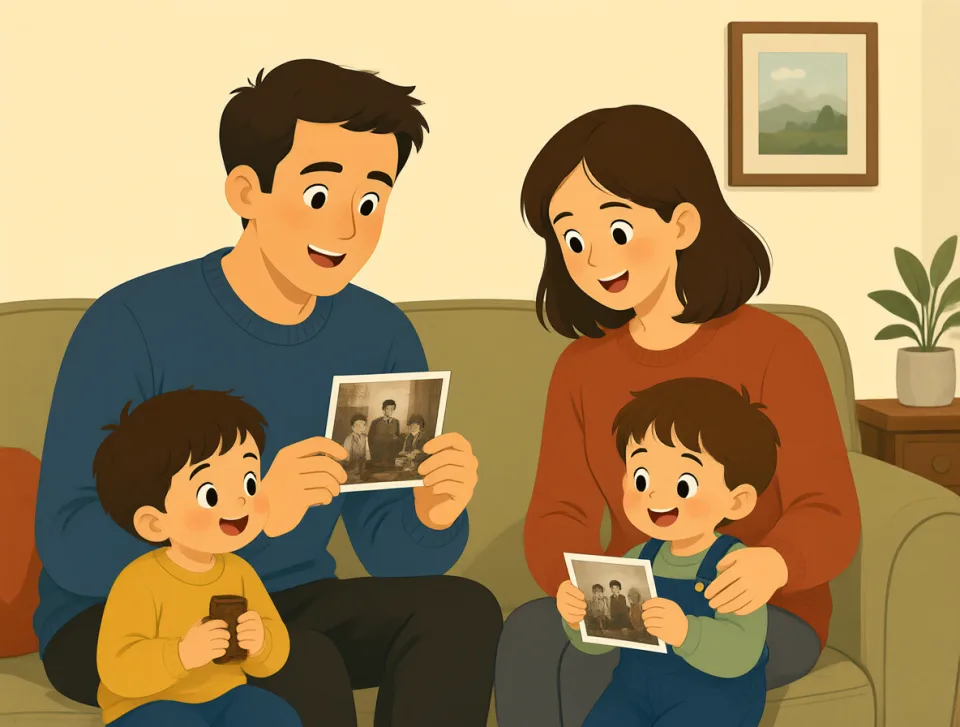
Keeping family traditions helps children feel connected to their history.
保持家庭傳統有助於孩子感受到自己與歷史的聯絡。

cash
#1339noun, verb
現金; 現款; 兌現
Money in coins or notes, or to exchange a check for money.
硬幣或紙幣形式的錢,或把支票兌換成現金。

I need some cash to pay for lunch.
我需要一些現金來付午飯錢。

The shop does not accept cash after six o’clock.
這家商店六點以後不收現金。
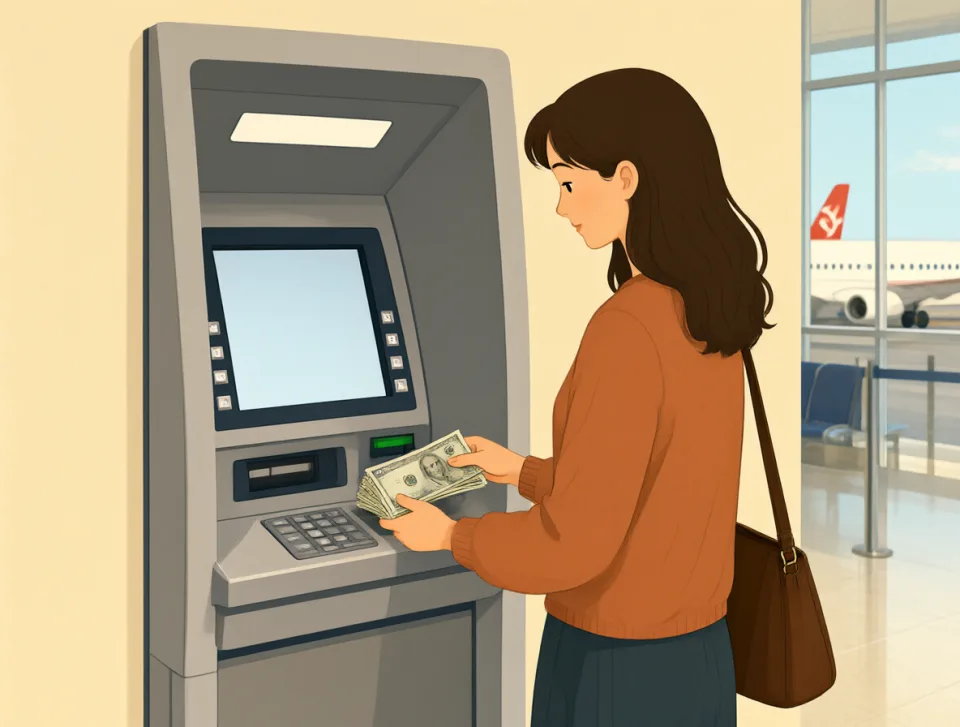
She took cash from the ATM before traveling.
旅行前,她從自動取款機取了現金。
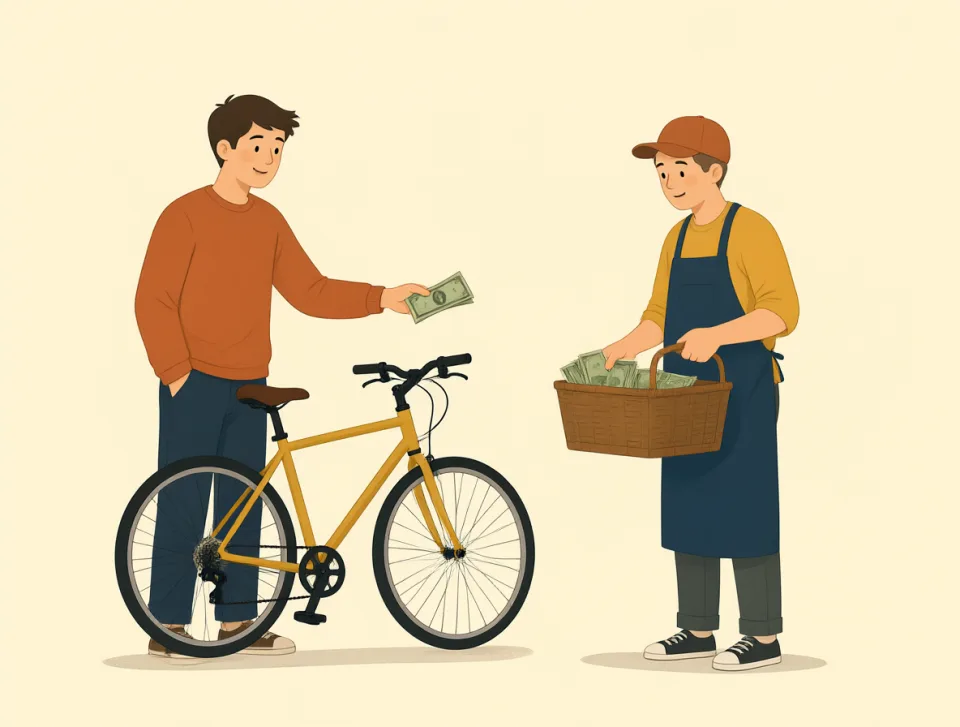
My brother paid cash for his new bicycle.
我哥哥用現金買了他的新腳踏車。

The bank cashed my check this morning.
今天早上銀行把我的支票兌現了。

hardly
#1340adverb
幾乎不;簡直不
Almost not; only just; used to say something is nearly impossible or did not happen.
幾乎不;勉強才;用於表示某事幾乎不可能發生或沒有發生。
I could hardly hear you over the loud music.
音樂聲太大了,我幾乎聽不見你說話。
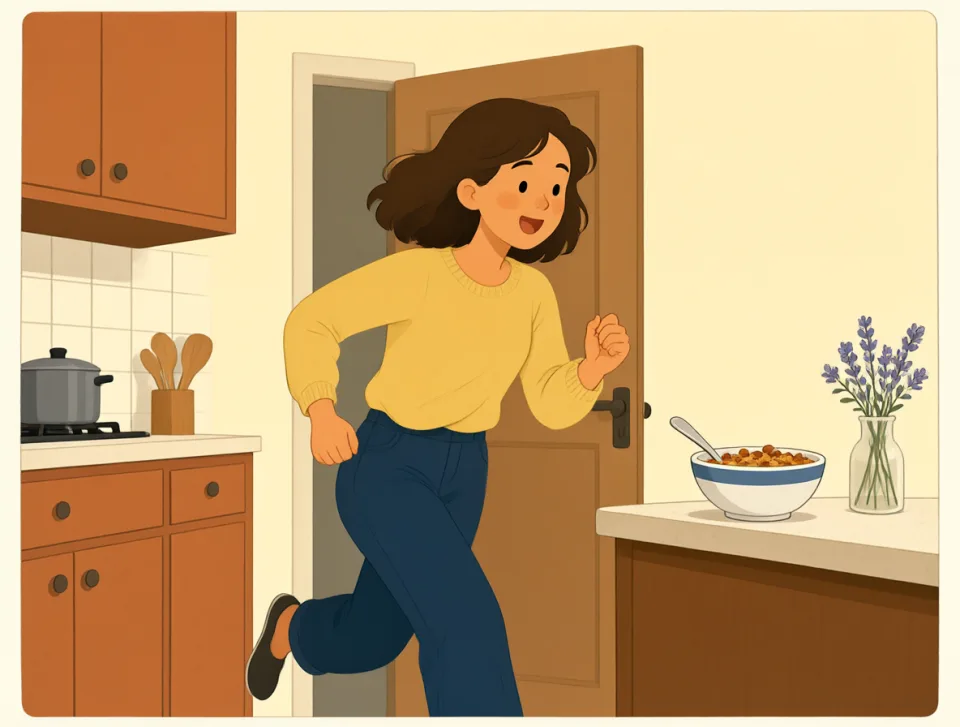
She hardly ever eats breakfast before work.
她上班前幾乎從不吃早餐。
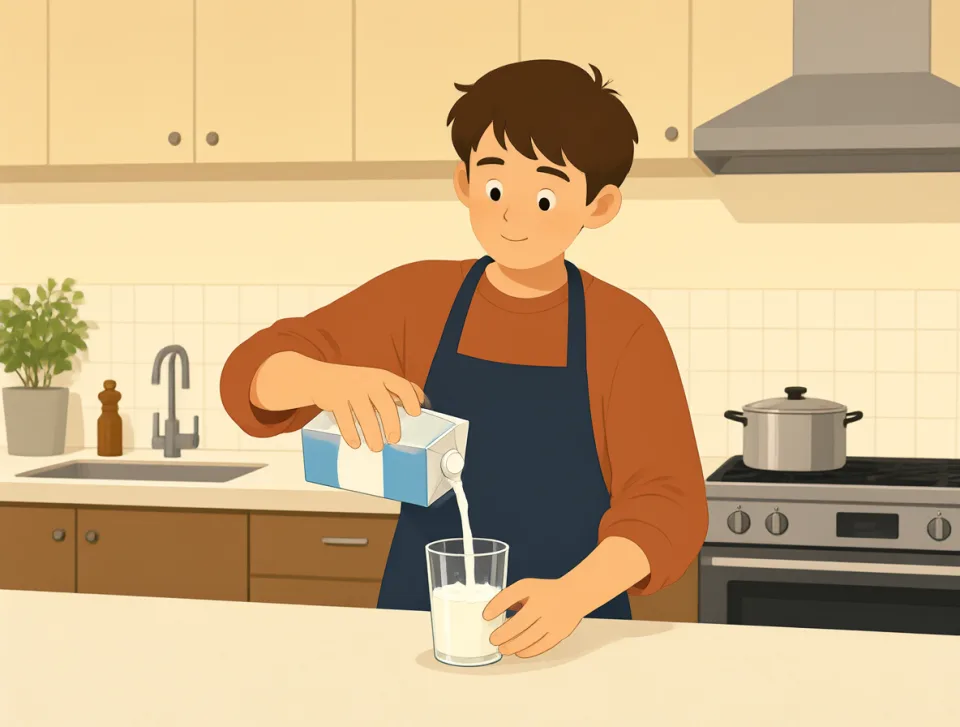
There was hardly any milk left in the carton.
紙盒裡幾乎一點牛奶都沒剩。
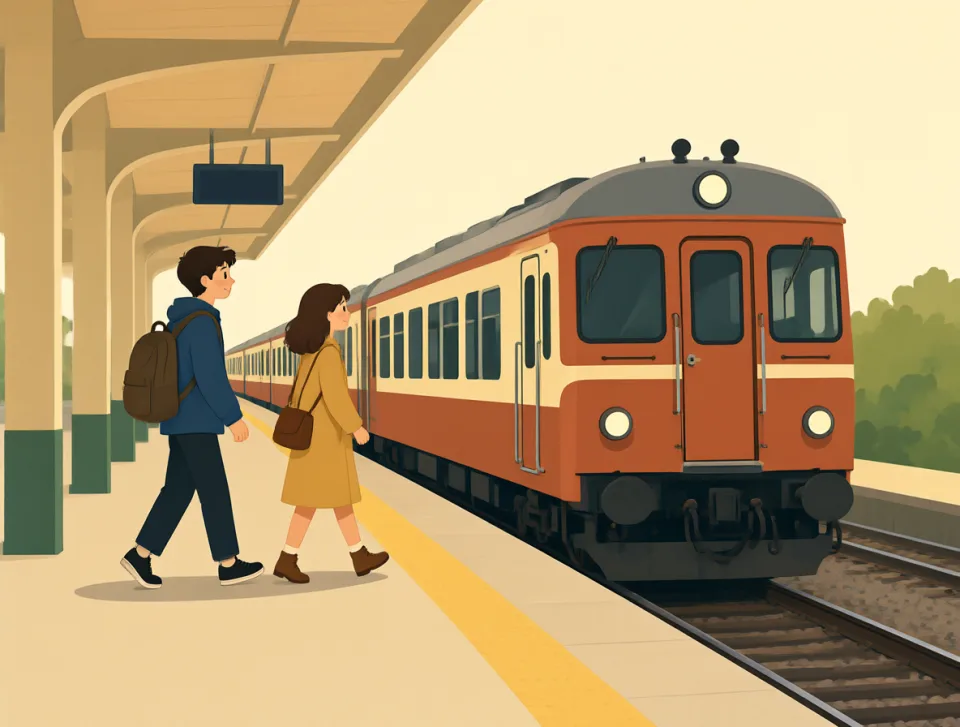
We had hardly arrived when the train began moving.
我們剛到,火車就開動了。
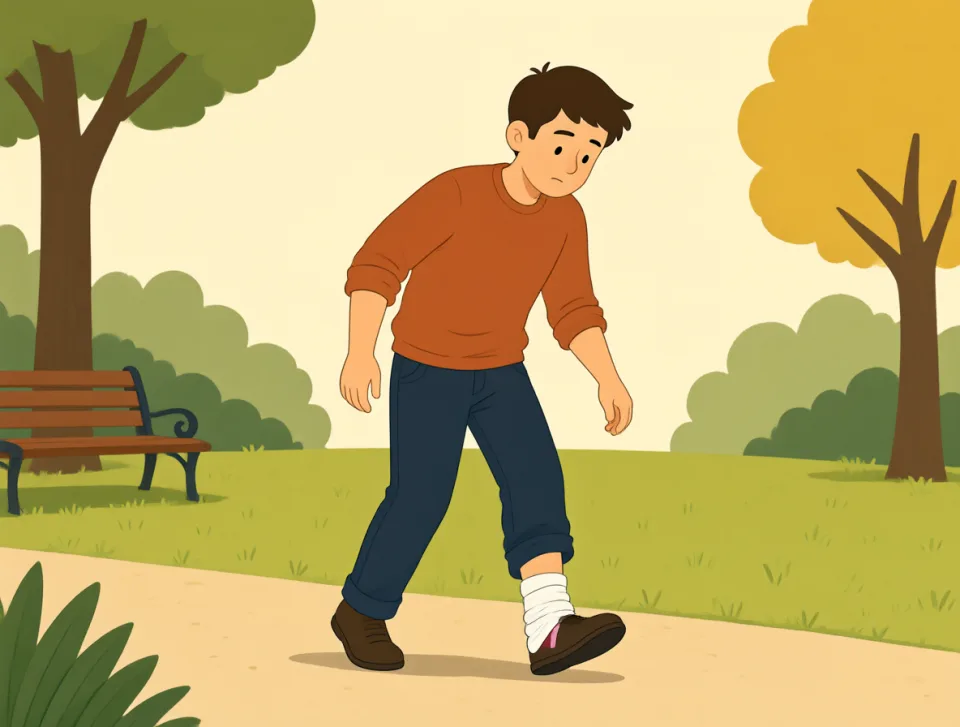
He could hardly walk after hurting his ankle.
他的腳踝受傷後,幾乎走不了路。