Agreeing on a New Timeline in Writing
Grace and Leo negotiate a realistic completion date, including milestones and what will happen if the schedule slips again. They agree to put the revised timeline and approved costs in writing.
Dialogue10
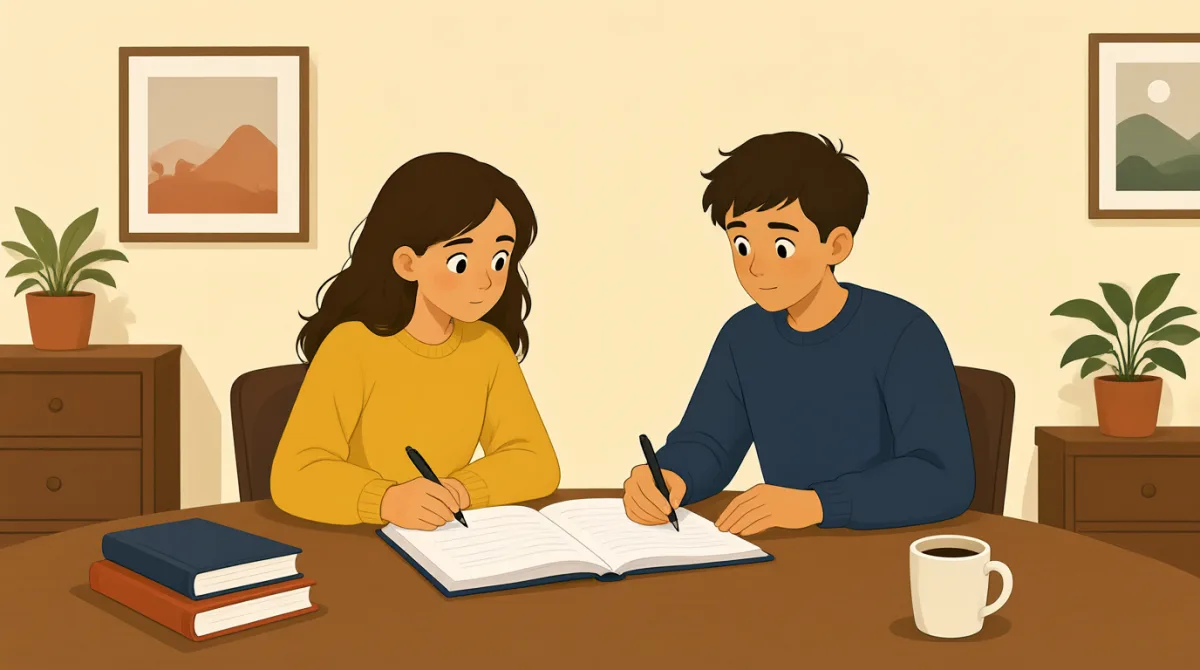

Thanks for meeting, Leo. I want to agree on a timeline we can both stand behind, but the dates in the original schedule have already slipped.

That’s fair. Given the water damage and the extra drying time, I’d rather give you dates we can actually meet than make another promise that falls through.
What’s realistic, then? I need a firm completion date, plus a few checkpoints so I can see whether we’re on track before the finish line.
We can finish the plumbing repairs by next Friday, close up the walls the following Wednesday, and complete the remaining work by the 28th, assuming inspections don’t uncover anything new.
That sounds workable, provided each milestone is in writing. If an inspection or delivery puts us at risk, I expect you to let me know promptly, not after the date has passed.
Agreed. I’ll send a revised schedule with those dates and the approved extra costs. I’ll also flag any likely delay within one business day and explain how we’ll get back on track.
And if we miss a milestone? I’m not looking to pick a fight, but we need a clear process rather than another vague estimate.
If we miss one, I’ll send you a written update that day with the reason, the impact on the finish date, and a recovery plan. We’ll agree on any changes before they take effect.
Good. Please include that in the agreement, along with the final date of the 28th and the payment terms. I’ll review it before I sign off.
I’ll send it over this afternoon. Once you’ve reviewed it, we can both sign, and I’ll make sure the crew has the same schedule in hand.
Vocabulary8
- stand behind
To support or confidently accept a decision or promise. Here, Grace wants a timeline both parties believe is realistic.
- slipped
Moved later than planned. It describes dates in the original schedule that were missed.
- on track
Making progress as planned and likely to meet the expected deadline. Use it to check whether a project is progressing well.
- provided
A formal way to say “if” or “as long as.” Here, Grace agrees to the schedule if each milestone is put in writing.
- flag any likely delay
To point out or report a delay that may happen. This phrase is useful when asking someone to give early notice of a problem.
- get back on track
To return to the planned schedule after falling behind. It is often used when discussing a recovery plan.
- sign off
To formally approve something, often by signing it. Here, Grace will review the agreement before approving it.
- in hand
Available to use or refer to. The crew will have a copy of the schedule.
Key Sentences8
- 1
I want to agree on a timeline we can both stand behind, but the dates in the original schedule have already slipped.
This politely raises a problem while showing a willingness to find a solution together. Reuse “I want to agree on [plan] we can both stand behind” when negotiating a shared commitment.
- 2
I need a firm completion date, plus a few checkpoints so I can see whether we’re on track before the finish line.
This clearly states what information you need and why. Use “I need [specific item], plus [additional checks]” to set expectations for a project.
- 3
That sounds workable, provided each milestone is in writing.
This expresses conditional agreement: the plan is acceptable if a requirement is met. Use “That sounds workable, provided…” to agree while making a condition clear.
- 4
If an inspection or delivery puts us at risk, I expect you to let me know promptly, not after the date has passed.
This sets a clear expectation for early communication if a problem arises. Reuse “If [event] puts us at risk, I expect you to…” in professional conversations about responsibilities.
- 5
I’ll also flag any likely delay within one business day and explain how we’ll get back on track.
This is a specific commitment that includes both a deadline for reporting and a plan for recovery. Use the same structure to promise timely updates and explain next steps.
- 6
If we miss one, I’ll send you a written update that day with the reason, the impact on the finish date, and a recovery plan.
This lays out a practical process for handling a missed milestone. Reuse “If we miss [target], I’ll send you an update with…” to agree on what information will be provided.
- 7
We’ll agree on any changes before they take effect.
This makes clear that changes require agreement in advance. It is useful for preventing misunderstandings about revised plans or costs.
- 8
Please include that in the agreement, along with the final date of the 28th and the payment terms.
This politely asks for important details to be included in a written agreement. Use “Please include [item], along with [other details]” when confirming what a document should cover.