Requesting Assistance for a Larger Item
बड़ी और भारी चीज़ के लिए मदद माँगना
A customer needs to find a bulky item like a large bag of pet food, a case of water, or a household cleaning supply, and might need help locating or moving it.
एक ग्राहक को पालतू जानवरों के खाने का बड़ा बैग, पानी की पेटी या घर की सफ़ाई का सामान जैसी भारी चीज़ ढूँढ़नी है और उसे ढूँढ़ने या उठाकर ले जाने में मदद की ज़रूरत पड़ सकती है।
संवाद8
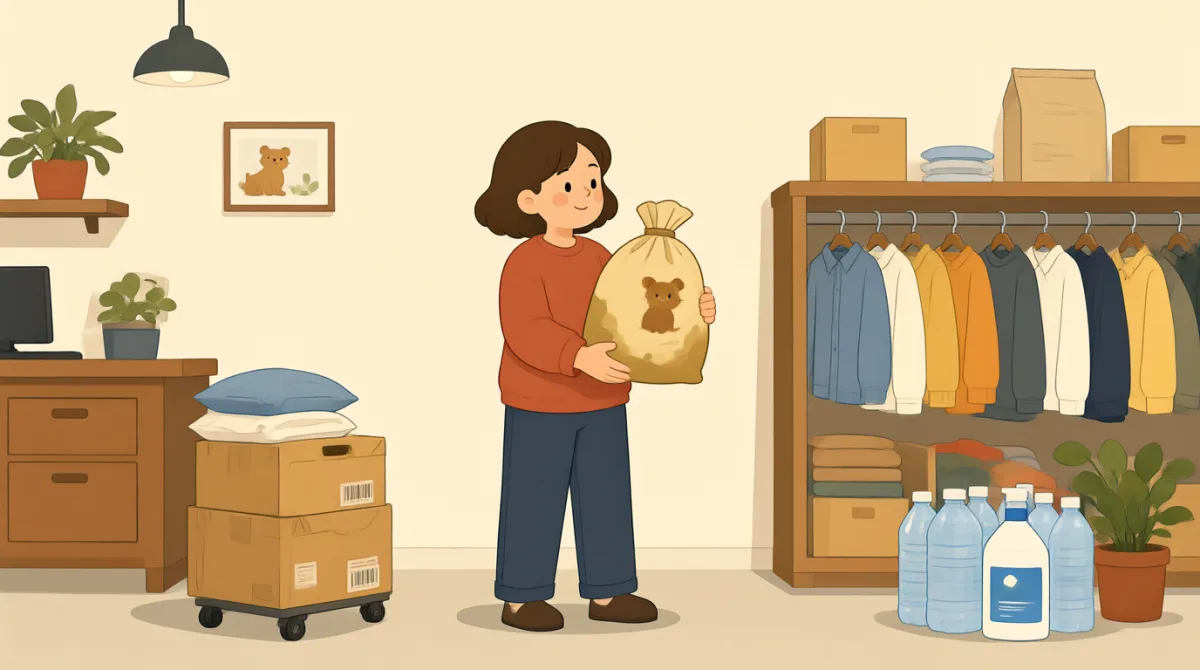

Excuse me, I'm looking for dog food, the really big bags. Do you know where I can find them?
माफ़ कीजिए, मैं कुत्तों का खाना ढूँढ़ रहा हूँ—वो बहुत बड़े बैग वाला। क्या आपको पता है कि वह कहाँ मिलेगा?

Certainly! Our pet food aisle is usually in Aisle 12, towards the back of the store. The larger bags are typically on the bottom shelves.
ज़रूर! पालतू जानवरों के खाने वाला गलियारा आम तौर पर गलियारा नंबर 12 में होता है, दुकान के पिछले हिस्से की तरफ़। बड़े बैग आम तौर पर नीचे वाली अलमारियों पर रखे होते हैं।
Aisle 12, got it. Is that past the dairy section?
गलियारा नंबर 12, समझ गया। क्या वह डेयरी वाले हिस्से के आगे है?
Yes, exactly. Go straight past dairy and you'll see the signs for pet supplies. Aisle 12 is just beyond that.
हाँ, बिल्कुल। डेयरी वाले हिस्से से सीधे आगे जाइए, वहाँ आपको पालतू जानवरों के सामान के संकेत दिखेंगे। उसके ठीक आगे गलियारा नंबर 12 है।
Great, thanks! And if I can't lift it myself, do you have carts or can someone help me get it to the checkout?
बहुत बढ़िया, धन्यवाद! और अगर मैं उसे अकेले नहीं उठा पाया, तो क्या आपके पास ट्रॉली हैं या कोई उसे बिलिंग काउंटर तक ले जाने में मेरी मदद कर सकता है?
We do have carts available right at the entrance. If you prefer, once you've found the bag, you can ask any of our floor staff for assistance, or come to the customer service desk, and we'd be happy to help you load it.
हमारे पास प्रवेश द्वार के ठीक पास ट्रॉलियाँ हैं। अगर आप चाहें, तो बैग ढूँढ़ने के बाद फ़र्श पर मौजूद हमारे किसी कर्मचारी से मदद माँग सकते हैं या ग्राहक सेवा डेस्क पर आ सकते हैं। हमें उसे आपकी ट्रॉली में रखने में खुशी होगी।
Perfect. That's a big help. Thanks a lot!
बहुत बढ़िया। इससे बहुत मदद मिलेगी। बहुत-बहुत धन्यवाद!
You're welcome! Let me know if you need anything else.
कोई बात नहीं! अगर आपको किसी और चीज़ की ज़रूरत हो, तो मुझे बताइएगा।
शब्दावली6
- aisleगलियारा
A long pathway between shelves in a store where products are displayed. Use it to ask about locations, like 'Which aisle is the cereal in?'
दुकान में अलमारियों के बीच का लंबा रास्ता, जहाँ सामान रखा होता है। सामान कहाँ है, यह पूछने के लिए इसका इस्तेमाल करें, जैसे 'Which aisle is the cereal in?' (अनाज किस गलियारे में है?)
- shelfअलमारी
A flat surface in a store or on furniture for holding items. In stores, items are placed on top, middle, or bottom shelves.
दुकान या फ़र्नीचर में सामान रखने के लिए बनी सपाट सतह। दुकानों में चीज़ें ऊपर, बीच या नीचे वाली अलमारियों पर रखी जाती हैं।
- dairyडेयरी उत्पाद
The section in a supermarket for milk products like milk, cheese, and yogurt. It's a common store area to reference for directions.
सुपरमार्केट का वह हिस्सा जहाँ दूध, चीज़ और दही जैसे उत्पाद रखे जाते हैं। रास्ता बताने के लिए दुकानों के इस आम हिस्से का ज़िक्र किया जा सकता है।
- cartट्रॉली
A wheeled basket used for carrying shopping items around a store. Also called a shopping cart or trolley in some places.
पहियों वाली टोकरी, जिसका इस्तेमाल दुकान में खरीदारी का सामान ले जाने के लिए किया जाता है। इसे शॉपिंग कार्ट भी कहते हैं।
- assistanceमदद
Help or support from someone. In stores, you can ask for assistance with finding or carrying items.
किसी से मिलने वाली सहायता या सहयोग। दुकान में सामान ढूँढ़ने या उठाकर ले जाने के लिए आप मदद माँग सकते हैं।
- checkoutबिलिंग काउंटर
The place in a store where you pay for your items. It's where the cashier is located.
दुकान की वह जगह जहाँ आप अपने सामान के पैसे देते हैं। वहीं कैशियर बैठा होता है।
मुख्य वाक्य6
- 1
Excuse me, I'm looking for dog food, the really big bags. Do you know where I can find them?
माफ़ कीजिए, मैं कुत्तों का खाना ढूँढ़ रहा हूँ—वो बहुत बड़े बैग वाला। क्या आपको पता है कि वह कहाँ मिलेगा?
This is a polite way to start a conversation and ask for directions to specific items. Use 'Excuse me' to get attention, and 'I'm looking for' followed by the item. It's useful in stores to specify details like size.
यह बातचीत शुरू करने और किसी ख़ास सामान का रास्ता पूछने का विनम्र तरीका है। ध्यान खींचने के लिए 'Excuse me' कहें और सामान का नाम बताने के लिए उसके बाद 'I'm looking for' बोलें। दुकान में आकार जैसी ख़ास जानकारी बताने के लिए भी यह उपयोगी है।
- 2
Our pet food aisle is usually in Aisle 12, towards the back of the store.
पालतू जानवरों के खाने वाला हमारा गलियारा आम तौर पर दुकान के पिछले हिस्से की तरफ़, गलियारा नंबर 12 में होता है।
This gives clear directions using store terms like 'aisle' and location words like 'towards the back.' It's a common response pattern for store staff; learners can use similar structures to describe locations.
इस वाक्य में 'aisle' जैसे दुकान से जुड़े शब्द और 'towards the back' जैसे जगह बताने वाले शब्द इस्तेमाल करके साफ़ रास्ता बताया गया है। दुकान के कर्मचारी अक्सर इसी तरह जवाब देते हैं। आप भी इसी ढाँचे का इस्तेमाल करके किसी जगह का रास्ता बता सकते हैं।
- 3
Go straight past dairy and you'll see the signs for pet supplies.
डेयरी वाले हिस्से से सीधे आगे जाइए, वहाँ आपको पालतू जानवरों के सामान के संकेत दिखेंगे।
This uses directional language like 'go straight past' and references landmarks like 'dairy.' The future 'you'll see' makes it helpful and reassuring. Practice this for giving or following directions in stores.
इसमें 'go straight past' जैसे दिशा बताने वाले शब्द और 'dairy' जैसे पहचान के स्थान का ज़िक्र है। भविष्यकाल का 'you'll see' बात को मददगार और भरोसा दिलाने वाला बनाता है। दुकान में रास्ता बताने या समझने के लिए इसका अभ्यास करें।
- 4
If I can't lift it myself, do you have carts or can someone help me get it to the checkout?
अगर मैं उसे अकेले नहीं उठा पाया, तो क्या आपके पास ट्रॉलियाँ हैं या कोई उसे बिलिंग काउंटर तक ले जाने में मेरी मदद कर सकता है?
This asks for practical help with heavy items using conditional 'if' and alternatives with 'or.' It's useful for bulky purchases; shows how to request assistance politely.
इस वाक्य में भारी सामान के लिए व्यावहारिक मदद माँगी गई है। इसमें शर्त बताने के लिए 'if' और विकल्प देने के लिए 'or' इस्तेमाल हुआ है। भारी सामान ख़रीदते समय यह उपयोगी है और विनम्रता से मदद माँगने का तरीका दिखाता है।
- 5
We do have carts available right at the entrance.
हमारे पास प्रवेश द्वार के ठीक पास ट्रॉलियाँ हैं।
This confirms availability with 'we do have' for emphasis and specifies location with 'right at the entrance.' It's a helpful response; learners can use 'do' for strong yes answers.
इसमें 'we do have' पर ज़ोर देकर बताया गया है कि ट्रॉलियाँ उपलब्ध हैं, और 'right at the entrance' से उनकी जगह बताई गई है। यह एक मददगार जवाब है। पक्के तौर पर हाँ कहने के लिए 'do' का इस्तेमाल किया जा सकता है।
- 6
You're welcome! Let me know if you need anything else.
कोई बात नहीं! अगर आपको किसी और चीज़ की ज़रूरत हो, तो मुझे बताइएगा।
A standard polite closing after helping. 'You're welcome' responds to thanks, and 'let me know if' offers more help. Use this to end conversations positively in service situations.
मदद करने के बाद बातचीत खत्म करने का यह एक आम और विनम्र तरीका है। 'You're welcome' धन्यवाद के जवाब में कहा जाता है, और 'let me know if' से आप आगे भी मदद की पेशकश करते हैं। सेवा से जुड़ी बातचीत को अच्छे ढंग से समाप्त करने के लिए इसका इस्तेमाल करें।