Asking if a Chair is Taken
पूछना कि कुर्सी खाली है या नहीं
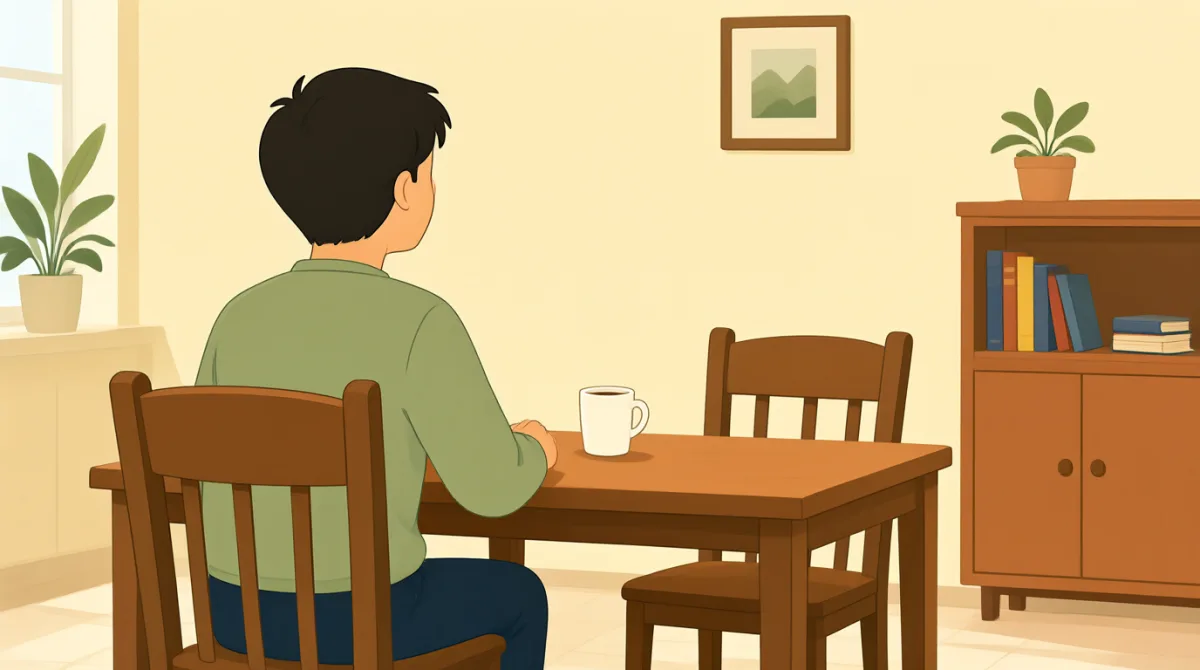
You approach a table where one person is sitting, and there's an empty chair right next to them. You need to politely ask if the chair is free.
आप एक ऐसी मेज़ के पास जाते हैं जहाँ एक व्यक्ति बैठा है और उसके ठीक बगल में एक खाली कुर्सी है। आपको विनम्रता से पूछना है कि कुर्सी खाली है या नहीं।
संवाद7

Excuse me, is this chair taken?
माफ़ कीजिए, क्या यह कुर्सी किसी के लिए रखी हुई है?

No, it's not. Please, feel free.
नहीं, यह खाली है। आप बैठ सकते हैं।
Oh, thank you so much! It's really hard to find a seat in here today.
ओह, आपका बहुत-बहुत शुक्रिया! आज यहाँ बैठने की जगह ढूँढ़ना सचमुच मुश्किल है।
I know, right? It's always like this around lunchtime.
हाँ, सच में! दोपहर के खाने के समय यहाँ हमेशा ऐसा ही रहता है।
Yeah, I guess so. Is it okay if I move these bags a little?
हाँ, शायद। क्या मैं इन बैगों को थोड़ा हटा दूँ?
Oh, certainly! Let me help you with that. Sorry, I didn't realize they were in the way.
अरे, बिल्कुल! मैं इसमें आपकी मदद करती हूँ। माफ़ कीजिए, मुझे एहसास नहीं हुआ कि ये रास्ते में आ रहे थे।
No worries at all! Thanks again.
कोई बात नहीं! फिर से शुक्रिया।
शब्दावली7
- Excuse meमाफ़ कीजिए
A polite way to get someone's attention or interrupt them gently, often used before asking a question in public places like a cafe.
किसी का ध्यान विनम्रता से खींचने या बिना रूखे हुए बीच में बोलने का तरीका। कैफ़े जैसी सार्वजनिक जगहों पर सवाल पूछने से पहले इसका इस्तेमाल अक्सर किया जाता है।
- takenकिसी के लिए रखा हुआ
Means occupied or in use by someone; in this context, it asks if a chair is available for sitting.
इसका मतलब है कि कोई चीज़ किसी के इस्तेमाल में है। यहाँ यह पूछने के लिए है कि कुर्सी पर बैठा जा सकता है या नहीं।
- feel freeबेझिझक
An expression giving permission to do something without hesitation, like 'go ahead' or 'help yourself'.
किसी को बिना हिचकिचाए कुछ करने की अनुमति देने वाला वाक्यांश, जैसे 'आगे बढ़िए' या 'ले लीजिए'।
- thank you so muchबहुत-बहुत शुक्रिया
A strong way to express gratitude, more emphatic than just 'thank you', used when someone helps you a lot.
आभार जताने का एक ज़ोरदार तरीका, जो सिर्फ़ 'शुक्रिया' कहने से ज़्यादा कृतज्ञता दिखाता है। जब कोई आपकी बहुत मदद करे, तब इसका इस्तेमाल करें।
- I know, right?हाँ, सच में!
A casual way to agree with someone and seek confirmation, common in informal conversations to show empathy.
किसी की बात से अनौपचारिक ढंग से सहमत होने और उसकी पुष्टि चाहने का तरीका। रोज़मर्रा की बातचीत में हमदर्दी दिखाने के लिए यह आम है।
- certainlyबिल्कुल
Means 'of course' or 'definitely yes', used to politely agree or give permission.
इसका मतलब है 'ज़रूर' या 'हाँ, अवश्य'। विनम्रता से सहमति जताने या अनुमति देने के लिए इसका इस्तेमाल होता है।
- no worriesकोई बात नहीं
A friendly way to say 'don't worry' or 'it's okay', reassuring someone that something is not a problem.
यह दोस्ताना ढंग से 'चिंता मत कीजिए' या 'कोई समस्या नहीं' कहने का तरीका है। इससे सामने वाले को भरोसा मिलता है कि कोई बात परेशानी की नहीं है।
मुख्य वाक्य7
- 1
Excuse me, is this chair taken?
माफ़ कीजिए, क्या यह कुर्सी किसी के लिए रखी हुई है?
This is a polite question to ask if a seat is available. Use it in crowded places to start a conversation without being rude. The structure uses 'is + this + noun + taken?' for simple inquiries.
यह पूछने का विनम्र तरीका है कि बैठने की जगह खाली है या नहीं। भीड़-भाड़ वाली जगहों पर बिना रूखे लगे बातचीत शुरू करने के लिए इसका इस्तेमाल करें। 'is + this + noun + taken?' की बनावट से आप सीधे-सादे सवाल पूछ सकते हैं।
- 2
No, it's not. Please, feel free.
नहीं, यह खाली है। आप बैठ सकते हैं।
A helpful response giving permission. 'Feel free' means 'go ahead'. Useful for offering seats; the contraction 'it's not' shows natural spoken English.
यह अनुमति देने वाला मददगार जवाब है। 'Feel free' का मतलब है 'आगे बढ़िए'। किसी को बैठने की जगह देने के लिए यह उपयोगी है। बोलचाल की स्वाभाविक अंग्रेज़ी में संक्षिप्त रूप 'it's not' का इस्तेमाल होता है।
- 3
Oh, thank you so much! It's really hard to find a seat in here today.
ओह, आपका बहुत-बहुत शुक्रिया! आज यहाँ बैठने की जगह ढूँढ़ना सचमुच मुश्किल है।
Expresses thanks and explains a situation. 'It's really hard to...' describes difficulty. Use this to show appreciation and make small talk in social settings.
इस वाक्य में धन्यवाद जताया जाता है और स्थिति के बारे में बताया जाता है। 'It's really hard to...' का इस्तेमाल किसी काम की कठिनाई बताने के लिए होता है। सामाजिक मौकों पर आभार दिखाने और हल्की-फुल्की बातचीत शुरू करने के लिए यह वाक्य उपयोगी है।
- 4
I know, right? It's always like this around lunchtime.
हाँ, सच में! दोपहर के खाने के समय यहाँ हमेशा ऐसा ही रहता है।
Agrees with the other person casually. 'I know, right?' seeks agreement; 'around lunchtime' means near that time. Great for building rapport in everyday chats.
यह दूसरे व्यक्ति की बात से अनौपचारिक सहमति जताता है। 'I know, right?' सहमति माँगता है और 'around lunchtime' का मतलब है दोपहर के खाने के समय के आसपास। रोज़मर्रा की बातचीत में अपनापन बढ़ाने के लिए ये वाक्यांश अच्छे हैं।
- 5
Yeah, I guess so. Is it okay if I move these bags a little?
हाँ, शायद। क्या मैं इन बैगों को थोड़ा हटा दूँ?
'Yeah, I guess so' is informal agreement meaning 'probably yes'. The question politely asks permission. Use when seeking approval for small actions.
'Yeah, I guess so' अनौपचारिक सहमति है, जिसका मतलब है 'शायद हाँ'। सवाल में विनम्रता से अनुमति माँगी गई है। किसी छोटे काम के लिए मंज़ूरी लेते समय इसका इस्तेमाल करें।
- 6
Oh, certainly! Let me help you with that.
ओह, बिल्कुल! मैं इसमें आपकी मदद करती हूँ।
Offers help enthusiastically. 'Certainly' means 'yes, of course'. The imperative 'Let me help' suggests assistance. Useful in polite interactions to be friendly.
इसमें उत्साह से मदद की पेशकश की गई है। 'Certainly' का मतलब है 'हाँ, बिल्कुल'। 'Let me help' कहकर आप मदद करने की पेशकश करते हैं। विनम्र बातचीत में दोस्ताना व्यवहार दिखाने के लिए यह उपयोगी है।
- 7
No worries at all! Thanks again.
कोई बात नहीं! फिर से शुक्रिया।
Reassures and thanks. 'No worries' dismisses any apology; 'thanks again' repeats gratitude. Perfect for ending conversations positively.
इसमें सामने वाले को आश्वस्त करने के साथ धन्यवाद भी दिया जाता है। 'No worries' कहकर माफ़ी को सहजता से स्वीकार किया जाता है, जबकि 'thanks again' दोबारा आभार जताता है। बातचीत को अच्छे ढंग से समाप्त करने के लिए यह बढ़िया है।