Asking if a Chair is Taken
السؤال عمّا إذا كان المقعد مشغولًا
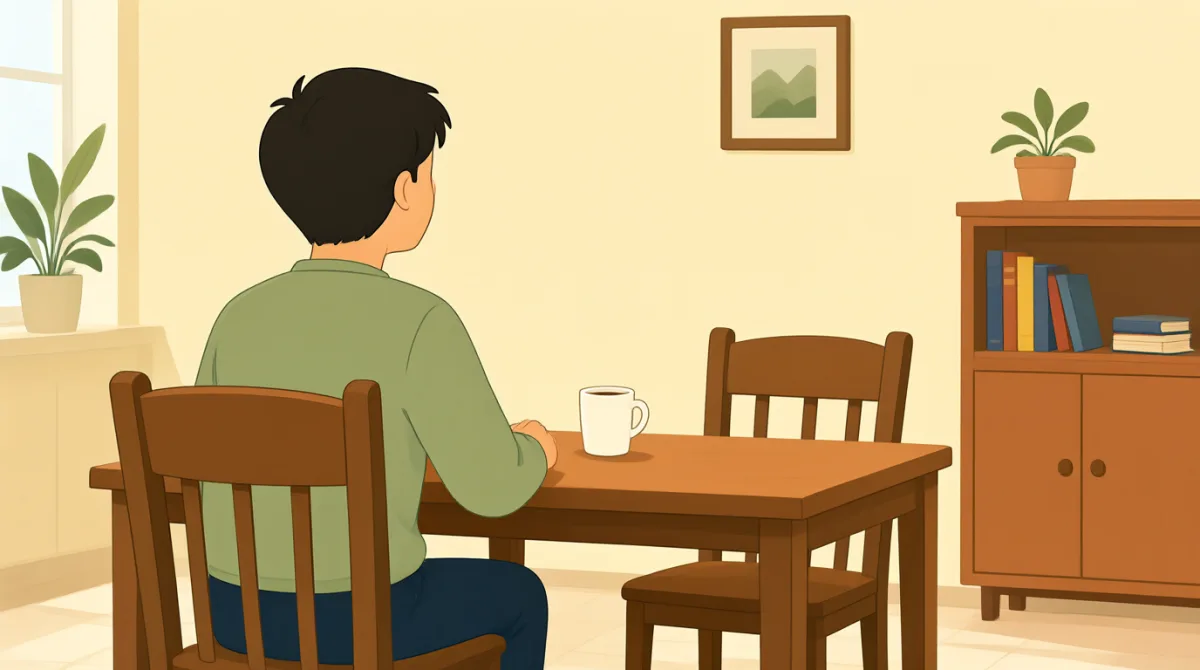
You approach a table where one person is sitting, and there's an empty chair right next to them. You need to politely ask if the chair is free.
تقترب من طاولة يجلس عندها شخص، وبجوار ذلك الشخص كرسي فارغ. تريد أن تسأل بأدب عمّا إذا كان الكرسي متاحًا.
حوار7

Excuse me, is this chair taken?
عذرًا، هل هذا الكرسي مشغول؟

No, it's not. Please, feel free.
لا، ليس مشغولًا. تفضّل بالجلوس.
Oh, thank you so much! It's really hard to find a seat in here today.
أوه، شكرًا جزيلًا! من الصعب حقًا العثور على مقعد هنا اليوم.
I know, right? It's always like this around lunchtime.
أعرف، أليس كذلك؟ المكان دائمًا هكذا وقت الغداء تقريبًا.
Yeah, I guess so. Is it okay if I move these bags a little?
أجل، أظن ذلك. هل لا بأس إن حرّكت هذه الحقائب قليلًا؟
Oh, certainly! Let me help you with that. Sorry, I didn't realize they were in the way.
أوه، بالتأكيد! دعني أساعدك في ذلك. آسفة، لم أنتبه إلى أنها تعيق الطريق.
No worries at all! Thanks again.
لا بأس أبدًا! شكرًا مرة أخرى.
المفردات7
- Excuse meعذرًا
A polite way to get someone's attention or interrupt them gently, often used before asking a question in public places like a cafe.
طريقة مهذبة للفت انتباه شخص أو مقاطعته بلطف، وتُستخدم غالبًا قبل طرح سؤال في مكان عام مثل المقهى.
- takenمشغول
Means occupied or in use by someone; in this context, it asks if a chair is available for sitting.
تعني أن المكان مستخدم أو محجوز من قبل شخص ما؛ وفي هذا السياق، يُسأل بها عمّا إذا كان الكرسي متاحًا للجلوس.
- feel freeتفضّل
An expression giving permission to do something without hesitation, like 'go ahead' or 'help yourself'.
تعبير يمنح الإذن بفعل شيء من دون تردد، مثل «امضِ قدمًا» أو «خذ ما تشاء».
- thank you so muchشكرًا جزيلًا
A strong way to express gratitude, more emphatic than just 'thank you', used when someone helps you a lot.
طريقة قوية للتعبير عن الامتنان، وهي أبلغ من قول «شكرًا» فحسب، وتُستخدم عندما يقدم لك شخص مساعدة كبيرة.
- I know, right?أعرف، أليس كذلك؟
A casual way to agree with someone and seek confirmation, common in informal conversations to show empathy.
طريقة غير رسمية لموافقة شخص ما وطلب تأكيده، وتشيع في الأحاديث غير الرسمية للتعبير عن التعاطف.
- certainlyبالتأكيد
Means 'of course' or 'definitely yes', used to politely agree or give permission.
تعني «بالطبع» أو «نعم، بالتأكيد»، وتُستخدم للموافقة بأدب أو لمنح الإذن.
- no worriesلا بأس
A friendly way to say 'don't worry' or 'it's okay', reassuring someone that something is not a problem.
طريقة ودودة لقول «لا تقلق» أو «الأمر لا بأس به»، وتطمئن الشخص إلى أن الأمر ليس مشكلة.
الجمل الأساسية7
- 1
Excuse me, is this chair taken?
عذرًا، هل هذا الكرسي مشغول؟
This is a polite question to ask if a seat is available. Use it in crowded places to start a conversation without being rude. The structure uses 'is + this + noun + taken?' for simple inquiries.
هذا سؤال مهذب للاستفسار عمّا إذا كان المقعد متاحًا. استخدمه في الأماكن المزدحمة لبدء الحديث من دون أن تبدو فظًا. يتبع السؤال التركيب 'is + this + noun + taken?' للاستفسارات البسيطة.
- 2
No, it's not. Please, feel free.
لا، ليس مشغولًا. تفضّل بالجلوس.
A helpful response giving permission. 'Feel free' means 'go ahead'. Useful for offering seats; the contraction 'it's not' shows natural spoken English.
ردّ لطيف يمنح الإذن. تعني 'Feel free' «تفضّل». يفيد هذا التعبير عند عرض المقاعد على الآخرين؛ كما أن الاختصار 'it's not' يجعل الإنجليزية المحكية طبيعية.
- 3
Oh, thank you so much! It's really hard to find a seat in here today.
أوه، شكرًا جزيلًا! من الصعب حقًا العثور على مقعد هنا اليوم.
Expresses thanks and explains a situation. 'It's really hard to...' describes difficulty. Use this to show appreciation and make small talk in social settings.
تعبّر هذه الجملة عن الشكر وتشرح الموقف. تُستخدم 'It's really hard to...' لوصف أمر يصعب فعله. استخدمها للتعبير عن التقدير وبدء حديث عابر في المواقف الاجتماعية.
- 4
I know, right? It's always like this around lunchtime.
أعرف، أليس كذلك؟ المكان دائمًا هكذا وقت الغداء تقريبًا.
Agrees with the other person casually. 'I know, right?' seeks agreement; 'around lunchtime' means near that time. Great for building rapport in everyday chats.
توافق هذه العبارة الشخص الآخر بأسلوب غير رسمي. تطلب 'I know, right?' موافقة الطرف الآخر، وتعني 'around lunchtime' «وقت الغداء تقريبًا». إنها مناسبة لبناء الألفة في الأحاديث اليومية.
- 5
Yeah, I guess so. Is it okay if I move these bags a little?
أجل، أظن ذلك. هل لا بأس إن حرّكت هذه الحقائب قليلًا؟
'Yeah, I guess so' is informal agreement meaning 'probably yes'. The question politely asks permission. Use when seeking approval for small actions.
عبارة 'Yeah, I guess so' موافقة غير رسمية تعني «أظن ذلك، على الأرجح». ويسأل المتحدث بأدب طلبًا للإذن. استخدمها عند الاستئذان لفعل شيء بسيط.
- 6
Oh, certainly! Let me help you with that.
أوه، بالتأكيد! دعني أساعدك في ذلك.
Offers help enthusiastically. 'Certainly' means 'yes, of course'. The imperative 'Let me help' suggests assistance. Useful in polite interactions to be friendly.
تعرض هذه الجملة المساعدة بحماس. تعني 'Certainly' «نعم، بالطبع». ويعبّر الأمر 'Let me help' عن الرغبة في تقديم المساعدة. استخدم هذه العبارات في التعاملات المهذبة لإظهار الود.
- 7
No worries at all! Thanks again.
لا بأس أبدًا! شكرًا مرة أخرى.
Reassures and thanks. 'No worries' dismisses any apology; 'thanks again' repeats gratitude. Perfect for ending conversations positively.
تطمئن هذه العبارة الشخص الآخر وتشكره. يزيل 'No worries' الحرج عن أي اعتذار، بينما يكرر 'thanks again' التعبير عن الامتنان. إنها طريقة رائعة لإنهاء الحديث بإيجابية.