Locating a Specific Title
پیدا کردن عنوانی مشخص
A customer is looking for a book with a known title but can't find it on the shelves and approaches a staff member for assistance.
مشتری دنبال کتابی با عنوانی مشخص میگردد، اما آن را در قفسهها پیدا نمیکند و برای کمک به یکی از کارکنان مراجعه میکند.
گفتوگو9
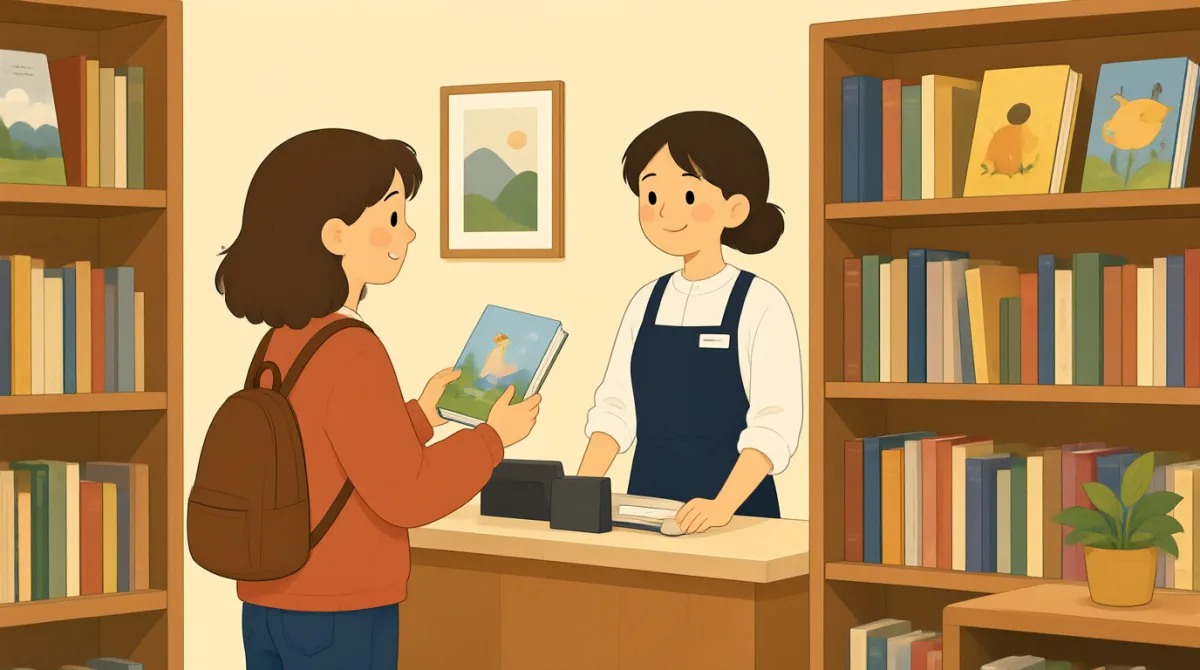

Excuse me, I'm looking for a specific book but I can't seem to find it. Would you be able to help?
ببخشید، دنبال کتاب خاصی میگردم، اما انگار پیدایش نمیکنم. ممکن است کمکم کنید؟

Certainly! What's the title you're looking for?
حتماً! دنبال چه عنوانی میگردید؟
It's called 'The Midnight Library' by Matt Haig.
اسمش «The Midnight Library» است، نوشتهٔ مت هیگ.
Ah, 'The Midnight Library'. We usually keep that in the fiction section, near the front of the store. Have you checked there?
آهان، «The Midnight Library». معمولاً آن را در بخش داستان، نزدیک جلوی فروشگاه میگذاریم. آنجا را گشتهاید؟
Yes, I did, but I couldn't spot it. Maybe it's out of stock?
بله، گشتم، اما پیدایش نکردم. شاید موجود نباشد؟
Let me check our system for you. What's the author's full name again?
اجازه بدهید برایتان موجودی را در سامانه بررسی کنم. اسم کامل نویسنده چه بود؟
Matt Haig. H-A-I-G.
مت هیگ. H-A-I-G.
Okay, just a moment. (typing on computer) It looks like we have a few copies in stock. They should be on the shelf. Let me walk you over to the exact spot.
باشه، یک لحظه. (با رایانه تایپ میکند) به نظر میرسد چند نسخه موجود داریم. باید روی قفسه باشد. اجازه بدهید شما را به محل دقیقش ببرم.
Oh, that would be wonderful! Thank you so much!
وای، خیلی عالی میشود! خیلی ممنونم!
واژگان7
- excuse meببخشید
A polite phrase used to get someone's attention or interrupt them gently, like starting a conversation in a store.
عبارتی مؤدبانه برای جلب توجه کسی یا آرام و محترمانه وارد صحبت شدن؛ مثلاً برای شروع گفتوگو در فروشگاه.
- specificمشخص؛ خاص
Means particular or exact, not general. Use it when you want something very precise, like a specific book title.
یعنی معین یا دقیق، نه کلی. وقتی چیزی کاملاً مشخص میخواهید، مثل عنوان کتابی خاص، از این واژه استفاده کنید.
- titleعنوان
The name of a book, movie, or song. In bookstores, ask for the title to find what you're looking for.
نام یک کتاب، فیلم یا ترانه. در کتابفروشیها برای پیدا کردن چیزی که دنبالش هستید، عنوان آن را بپرسید.
- fictionداستان؛ ادبیات داستانی
A type of book that tells made-up stories, not real events. Many bookstores have a fiction section for novels.
نوعی کتاب که داستانهای خیالی، نه رویدادهای واقعی، را روایت میکند. بسیاری از کتابفروشیها برای رمانها بخشی مخصوص ادبیات داستانی دارند.
- out of stockناموجود؛ تمامشده
Means something is sold out and not available right now. Common in shopping when items are temporarily unavailable.
یعنی چیزی فروخته شده و فعلاً در دسترس نیست. این عبارت در خریدوفروش برای کالاهایی به کار میرود که موقتاً موجود نیستند.
- copiesنسخهها
Multiple versions of the same book or item. Use it to talk about how many are available, like 'a few copies in stock'.
چند نسخه از یک کتاب یا کالا. برای گفتن اینکه چه تعداد موجود است به کار میرود، مثلاً در عبارت 'a few copies in stock'.
- shelfقفسه
A flat surface in a store or library where books are placed and displayed for customers to see.
سطحی صاف در فروشگاه یا کتابخانه که کتابها را روی آن میچینند تا مشتریان ببینند.
جملات کلیدی8
- 1
Excuse me, I'm looking for a specific book but I can't seem to find it. Would you be able to help?
ببخشید، دنبال کتاب خاصی میگردم، اما انگار پیدایش نمیکنم. ممکن است کمکم کنید؟
This is a polite way to ask for help in a store. 'Can't seem to find it' softens the statement to sound less direct. Use it when you need assistance locating something. The question 'Would you be able to help?' is a conditional polite request.
این راهی مؤدبانه برای درخواست کمک در فروشگاه است. عبارت 'Can't seem to find it' (انگار پیدایش نمیکنم) جمله را ملایمتر و کمتر مستقیم میکند. وقتی برای پیدا کردن چیزی به کمک نیاز دارید از آن استفاده کنید. پرسش 'Would you be able to help?' (ممکن است کمکم کنید؟) درخواستی مؤدبانه و غیرمستقیم است.
- 2
Certainly! What's the title you're looking for?
حتماً! دنبال چه عنوانی میگردید؟
A helpful response offering assistance. 'Certainly' means 'of course' and shows eagerness. 'What's the title you're looking for?' uses a contraction and focuses on key information. Useful for service workers to gather details quickly.
پاسخی دوستانه برای پیشنهاد کمک است. 'Certainly' یعنی «حتماً» و نشان میدهد گوینده با اشتیاق آمادهٔ کمک است. 'What's the title you're looking for?' (دنبال چه عنوانی میگردید؟) شکل کوتاهشده دارد و روی اطلاعات اصلی تمرکز میکند. کارکنان بخش خدمات میتوانند از آن برای پرسیدن سریع جزئیات استفاده کنند.
- 3
It's called 'The Midnight Library' by Matt Haig.
اسمش «The Midnight Library» است، نوشتهٔ مت هیگ.
This introduces a book by its title and author. 'It's called' is a common way to name something. Include the author for clarity. Practice this pattern for recommending or asking about books: 'It's called [title] by [author]'.
در این جمله کتاب را با عنوان و نویسنده معرفی میکنید. 'It's called' (اسمش ... است) روشی رایج برای نام بردن از چیزی است. برای روشنتر شدن موضوع، نام نویسنده را هم بگویید. این الگو را برای معرفی یا پرسوجو دربارهٔ کتابها تمرین کنید: 'It's called [title] by [author]'.
- 4
We usually keep that in the fiction section, near the front of the store. Have you checked there?
معمولاً آن را در بخش داستان، نزدیک جلوی فروشگاه میگذاریم. آنجا را گشتهاید؟
Gives location details using 'usually keep' for habitual placement. 'Have you checked there?' is a present perfect question to confirm actions. Useful for directing customers and politely asking about their efforts.
با استفاده از 'usually keep' به جای همیشگی چیزی اشاره میکنید. 'Have you checked there?' پرسشی در زمان حال کامل است که میپرسد آیا کاری را انجام دادهاید یا نه. برای راهنمایی مشتریان و پرسیدن مؤدبانه دربارهٔ کارهایی که کردهاند، این عبارتها کاربردیاند.
- 5
Yes, I did, but I couldn't spot it. Maybe it's out of stock?
بله، گشتم، اما پیدایش نکردم. شاید موجود نباشد؟
Responds to a question with 'Yes, I did' (past tense confirmation) and contrasts with 'but'. 'Couldn't spot it' means couldn't see it. 'Maybe it's out of stock?' suggests a possibility. Use this to explain problems and guess reasons.
در پاسخ به پرسش، 'Yes, I did' تأیید میکند که کاری را در گذشته انجام دادهاید و 'but' تضاد را نشان میدهد. 'Couldn't spot it' یعنی نتوانستم آن را ببینم یا پیدا کنم. 'Maybe it's out of stock?' احتمال میدهد که کالا موجود نباشد. برای توضیح مشکل و حدس زدن دلیل آن میتوانید از این عبارتها استفاده کنید.
- 6
Let me check our system for you.
اجازه بدهید برایتان موجودی را در سامانه بررسی کنم.
Offers to look something up politely with 'Let me' (permission to act). 'Our system' refers to a computer database. This is practical for customer service when verifying availability.
'Let me' راهی مؤدبانه برای پیشنهاد انجام کاری است و نشان میدهد اجازه میخواهید آن کار را انجام دهید. 'Our system' به پایگاه دادهٔ رایانهای اشاره دارد. کارکنان خدمات مشتری برای بررسی موجودی میتوانند از این جمله استفاده کنند.
- 7
It looks like we have a few copies in stock. Let me walk you over to the exact spot.
به نظر میرسد چند نسخه موجود داریم. اجازه بدهید شما را به محل دقیقش ببرم.
Reports information with 'It looks like' for tentative statements. 'A few copies in stock' means some available. 'Let me walk you over' offers personal guidance. Useful for reassuring customers and providing help.
'It looks like' برای بیان محتاطانهٔ یک اطلاعات به کار میرود. 'A few copies in stock' یعنی چند نسخه موجود است. 'Let me walk you over' پیشنهاد میدهد که شخصاً کسی را راهنمایی کنید. این عبارتها برای اطمینان دادن به مشتری و کمک به او کاربرد دارند.
- 8
Oh, that would be wonderful! Thank you so much!
وای، خیلی عالی میشود! خیلی ممنونم!
Expresses gratitude enthusiastically. 'That would be wonderful' is conditional for future help. 'Thank you so much' emphasizes thanks. Use this to show appreciation in service situations.
این جمله قدردانی پرشور را نشان میدهد. 'That would be wonderful' راهی شرطی برای گفتن این است که کمک آینده بسیار ارزشمند خواهد بود. 'Thank you so much' بر تشکر تأکید میکند. برای نشان دادن قدردانی در موقعیتهای خدماتی از این عبارتها استفاده کنید.