Pressing Past Evasive Answers
الإلحاح للحصول على إجابات واضحة
When Jack gives vague answers about who altered inspection records, Emma asks precise follow-up questions without overstating what he has witnessed. They negotiate whether parts of his account may be attributed on the record or only used as background.
حين يقدّم جاك إجابات مبهمة بشأن من غيّر سجلات التفتيش، تطرح إيما أسئلة متابعة دقيقة من دون المبالغة في وصف ما شهده. ويتفاوضان حول ما إذا كان يمكن نقل أجزاء من روايته مع ذكر اسمه، أم استخدامها للمعلومات الخلفية فقط.
حوار12
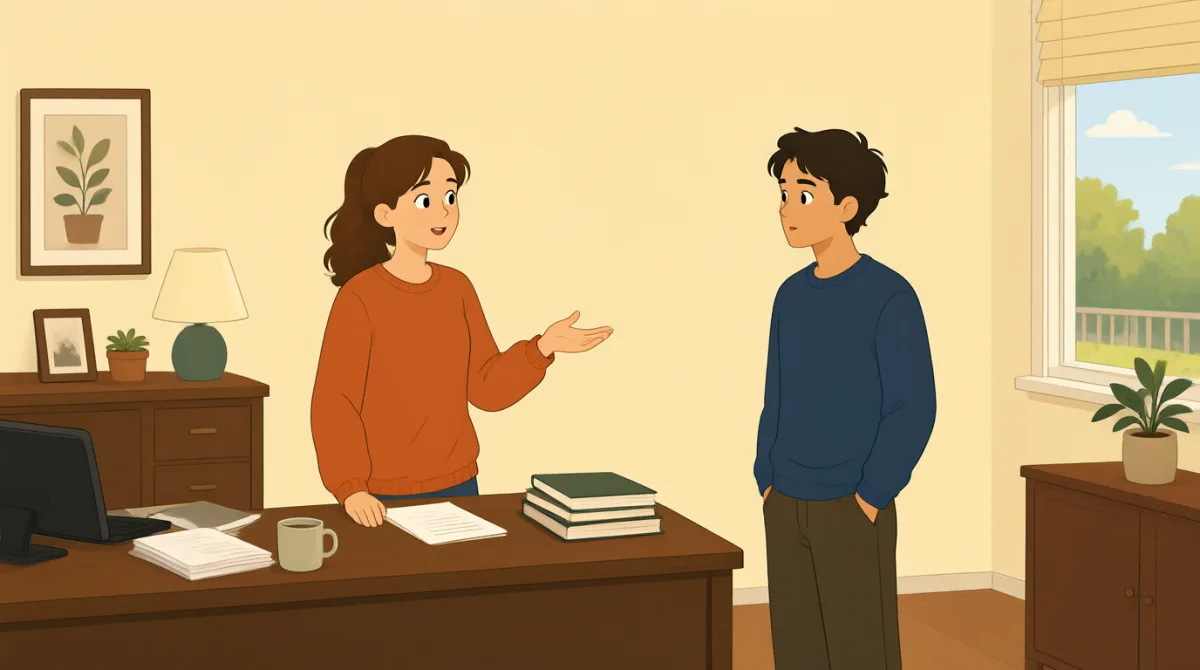

You said the inspection records were changed after the walkthrough. What did you see yourself, and what did someone else tell you? I want to keep those separate.
قلتَ إن سجلات التفتيش عُدّلت بعد الجولة التفقدية. ماذا رأيتَ بنفسك، وماذا أخبرك به شخص آخر؟ أريد أن أُبقي الأمرين منفصلين.

I saw the file on the shared drive later. The dates looked different from what I remembered, but I didn't watch anyone edit it.
رأيتُ الملف لاحقًا على محرك الأقراص المشترك. بدت التواريخ مختلفة عما أتذكره، لكنني لم أشاهد أحدًا يعدّله.
When you say the dates looked different, do you mean the inspection date, the date the file was updated, or both? And how are you remembering the original dates?
حين تقول إن التواريخ بدت مختلفة، هل تقصد تاريخ التفتيش، أم تاريخ تحديث الملف، أم كليهما؟ وكيف تتذكر التواريخ الأصلية؟
The inspection date, I think. I remember because I was on shift that week. I can't swear to the exact day, and I don't want to make it sound more certain than it is.
أظن أنني أقصد تاريخ التفتيش. أتذكر ذلك لأنني كنت في المناوبة ذلك الأسبوع. لا أستطيع أن أجزم باليوم تحديدًا، ولا أريد أن أجعل الأمر يبدو أكثر يقينًا مما هو عليه.
That's helpful. Did you compare the file with a paper copy, an email, or any other record from that week? If not, I'll describe this as a discrepancy you noticed, not proof of an alteration.
هذا مفيد. هل قارنتَ الملف بنسخة ورقية، أو برسالة بريد إلكتروني، أو بأي سجل آخر من ذلك الأسبوع؟ إن لم تفعل، فسأصف الأمر بأنه اختلاف لاحظته، لا دليلًا على حدوث تعديل.
There was an email attachment, but I can't access my old account now. I remember it listed a different date, though I realize memory isn't documentation.
كانت هناك مرفقات في رسالة بريد إلكتروني، لكنني لم أعد أستطيع الدخول إلى حسابي القديم. أتذكر أنها ذكرت تاريخًا مختلفًا، مع أنني أدرك أن الذاكرة ليست وثيقة.
Understood. About who changed the record: you said, 'people in the office knew.' Who specifically told you that, and what exactly did they say?
فهمت. أما بشأن من غيّر السجل، فقد قلتَ: «كان العاملون في المكتب يعرفون». من تحديدًا أخبرك بذلك، وماذا قال بالضبط؟
I shouldn't have phrased it that way. A coworker said the supervisor wanted the paperwork cleaned up. I didn't hear the supervisor say that, and I don't know what 'cleaned up' meant.
ما كان ينبغي أن أصوغ كلامي بهذه الطريقة. قال أحد زملائي إن المشرف أراد ترتيب الأوراق. لم أسمع المشرف يقول ذلك، ولا أعرف ما المقصود بـ«ترتيبها».
Then I won't present that as evidence the supervisor ordered falsification. Would you be comfortable with me quoting your account of what you personally saw, with your name attached?
إذًا لن أقدّم ذلك بوصفه دليلًا على أن المشرف أمر بتزوير السجلات. هل تمانع أن أقتبس روايتك لما رأيته بنفسك، مع ذكر اسمك؟
Not yet. You can use what I saw as background, but not quote me or identify me. I need to understand exactly what you mean by background before I agree.
ليس الآن. يمكنك استخدام ما رأيته كمعلومات خلفية، لكن لا تقتبس كلامي ولا تكشف هويتي. أحتاج إلى أن أفهم بالضبط ما تقصد بالمعلومات الخلفية قبل أن أوافق.
Fair. Nothing is off the record unless we explicitly agree on the terms beforehand. For now, I won't publish your name or quote these remarks; we can discuss whether any details may be used anonymously.
هذا من حقك. لا يُعتبر أي شيء خارج إطار النشر إلا إذا اتفقنا صراحةً على الشروط مسبقًا. في الوقت الحالي، لن أنشر اسمك أو أقتبس هذه التصريحات؛ ويمكننا مناقشة ما إذا كان يجوز استخدام أي تفاصيل من دون كشف هويتك.
All right. I can look for the old email and check whether the attachment is still on a backup. But please don't treat that coworker's comment as confirmation of who made the change.
حسنًا. يمكنني البحث عن رسالة البريد الإلكتروني القديمة والتحقق مما إذا كان المرفق لا يزال محفوظًا في نسخة احتياطية. لكن أرجو ألا تعتبر تعليق زميلي تأكيدًا على هوية من أجرى التغيير.
المفردات7
- keep those separateأُبقي الأمرين منفصلين
To treat two kinds of information as distinct rather than mixing them together. Here, Emma wants to distinguish what Jack witnessed from what he heard from someone else.
أي التعامل مع نوعين من المعلومات على أنهما مختلفان، بدلًا من خلطهما معًا. هنا، تريد إيما التمييز بين ما شهده جاك وما سمعه من شخص آخر.
- I can't swear to the exact dayلا أستطيع أن أجزم باليوم تحديدًا
A careful way to say you cannot guarantee that a detail is accurate. Use it when you remember something generally but are unsure about the specifics.
طريقة حذرة للقول إنك لا تستطيع ضمان دقة تفصيل ما. استخدمها عندما تتذكر الأمر عمومًا، لكنك غير متأكد من تفاصيله.
- make it sound more certain than it isأجعله يبدو أكثر يقينًا مما هو عليه
To describe uncertain information as though it were definite. This phrase helps you be transparent about the limits of your knowledge.
وصف معلومات غير مؤكدة كما لو كانت محسومة. تساعدك هذه العبارة على توضيح حدود معرفتك بصراحة.
- a discrepancy you noticedاختلاف لاحظته
A difference or inconsistency that you observed. It describes what someone saw without claiming to know what caused it.
فرق أو تناقض لاحظته. تصف العبارة ما رآه شخص ما من دون ادعاء معرفة سببه.
- I shouldn't have phrased it that wayما كان ينبغي أن أصوغ كلامي بهذه الطريقة
A way to acknowledge that your previous wording was misleading or too broad. You can use it to correct yourself and clarify what you actually know.
طريقة للإقرار بأن صياغتك السابقة كانت مضللة أو عامة أكثر من اللازم. يمكنك استخدامها لتصحيح كلامك وتوضيح ما تعرفه فعلًا.
- with your name attachedمع ذكر اسمك
Published or shared with your identity revealed. In journalism, a source may be asked whether a statement can be attributed to them by name.
أن يُنشر الكلام أو يُتداول مع الكشف عن هوية قائله. في الصحافة، قد يُسأل المصدر عما إذا كان يمكن نقل كلامه مع ذكر اسمه.
- as backgroundكمعلومات خلفية
Information shared to help a journalist understand a story, but not necessarily for direct quotation or public attribution. The exact conditions should be agreed on beforehand.
معلومات تُقدَّم لمساعدة الصحفي على فهم القصة، لكن ليس بالضرورة أن تُستخدم في اقتباس مباشر أو تُنسب إلى صاحبها علنًا. ينبغي الاتفاق مسبقًا على الشروط الدقيقة.
الجمل الأساسية8
- 1
What did you see yourself, and what did someone else tell you?
ماذا رأيتَ بنفسك، وماذا أخبرك به شخص آخر؟
This precise question separates firsthand knowledge from secondhand information. Reuse it when you need to establish how someone knows each detail.
يفصل هذا السؤال الدقيق بين المعرفة المباشرة والمعلومات المنقولة عن الآخرين. أعد استخدامه عندما تحتاج إلى معرفة كيف عرف شخص ما كل تفصيل.
- 2
I want to keep those separate.
أريد أن أُبقي الأمرين منفصلين.
This explains the reason for distinguishing between different sources of information. You can use it to make clear that you are being careful, not dismissive.
يوضح هذا سبب التمييز بين مصادر المعلومات المختلفة. يمكنك استخدامه لتبيّن أنك تتوخى الدقة، لا أنك تستخف بكلام الطرف الآخر.
- 3
I can't swear to the exact day, and I don't want to make it sound more certain than it is.
لا أستطيع أن أجزم باليوم تحديدًا، ولا أريد أن أجعل الأمر يبدو أكثر يقينًا مما هو عليه.
This sentence honestly states a limit on the speaker's memory and avoids overstating the evidence. Adapt it when you recall something but cannot verify every detail.
توضح هذه الجملة بصدق حدود ذاكرة المتحدث وتتجنب المبالغة في قوة الأدلة. يمكنك تكييفها عندما تتذكر أمرًا لكنك لا تستطيع التحقق من كل تفاصيله.
- 4
If not, I'll describe this as a discrepancy you noticed, not proof of an alteration.
إن لم تفعل، فسأصف الأمر بأنه اختلاف لاحظته، لا دليلًا على حدوث تعديل.
This sentence sets a clear boundary between an observed difference and a conclusion about its cause. It is useful when reporting evidence cautiously.
ترسم هذه الجملة حدًا واضحًا بين اختلاف تمت ملاحظته واستنتاج بشأن سببه. وهي مفيدة عند عرض الأدلة بحذر.
- 5
I didn't hear the supervisor say that, and I don't know what 'cleaned up' meant.
لم أسمع المشرف يقول ذلك، ولا أعرف ما المقصود بـ«ترتيبها».
This makes clear both what the speaker did not witness and what remains unclear. Use this pattern to avoid turning vague remarks into firm accusations.
توضح الجملة ما لم يشهده المتحدث وما لا يزال غير واضح. استخدم هذا النمط كي لا تحوّل التصريحات المبهمة إلى اتهامات قاطعة.
- 6
Would you be comfortable with me quoting your account of what you personally saw, with your name attached?
هل تمانع أن أقتبس روايتك لما رأيته بنفسك، مع ذكر اسمك؟
This asks for explicit permission to quote someone and identify them. It is a professional way to clarify attribution before using a source's comments.
يطلب هذا السؤال إذنًا صريحًا لاقتباس كلام شخص والكشف عن هويته. وهو أسلوب مهني لتوضيح كيفية نسبة التصريح إلى مصدره قبل استخدامه.
- 7
Nothing is off the record unless we explicitly agree on the terms beforehand.
لا يُعتبر أي شيء خارج إطار النشر إلا إذا اتفقنا صراحةً على الشروط مسبقًا.
This states that confidentiality conditions must be agreed upon in advance. It is useful for setting clear expectations before a sensitive conversation.
توضح هذه الجملة ضرورة الاتفاق مسبقًا على شروط السرية. وهي مفيدة لتحديد التوقعات بوضوح قبل إجراء محادثة حساسة.
- 8
But please don't treat that coworker's comment as confirmation of who made the change.
لكن أرجو ألا تعتبر تعليق زميلي تأكيدًا على هوية من أجرى التغيير.
This warns the listener not to interpret secondhand information as proof. Reuse it when you need to distinguish a lead or allegation from confirmed evidence.
تحذّر هذه الجملة من تفسير المعلومات المنقولة عن الآخرين على أنها دليل. أعد استخدامها عندما تحتاج إلى التمييز بين معلومة أولية أو ادعاء وبين دليل مؤكد.