Approaching a Reluctant Source
التعامل مع مصدر متردد
Emma meets Jack Miller, a former plant employee, who is wary of being identified and fears professional repercussions. She explains the purpose of the interview and discusses what protections she can—and cannot—offer.
تلتقي إيما بجاك ميلر، وهو موظف سابق في المصنع، يتوجس من كشف هويته ويخشى العواقب المهنية. تشرح له الغرض من المقابلة وتناقش معه ما تستطيع وما لا تستطيع تقديمه من ضمانات.
حوار12
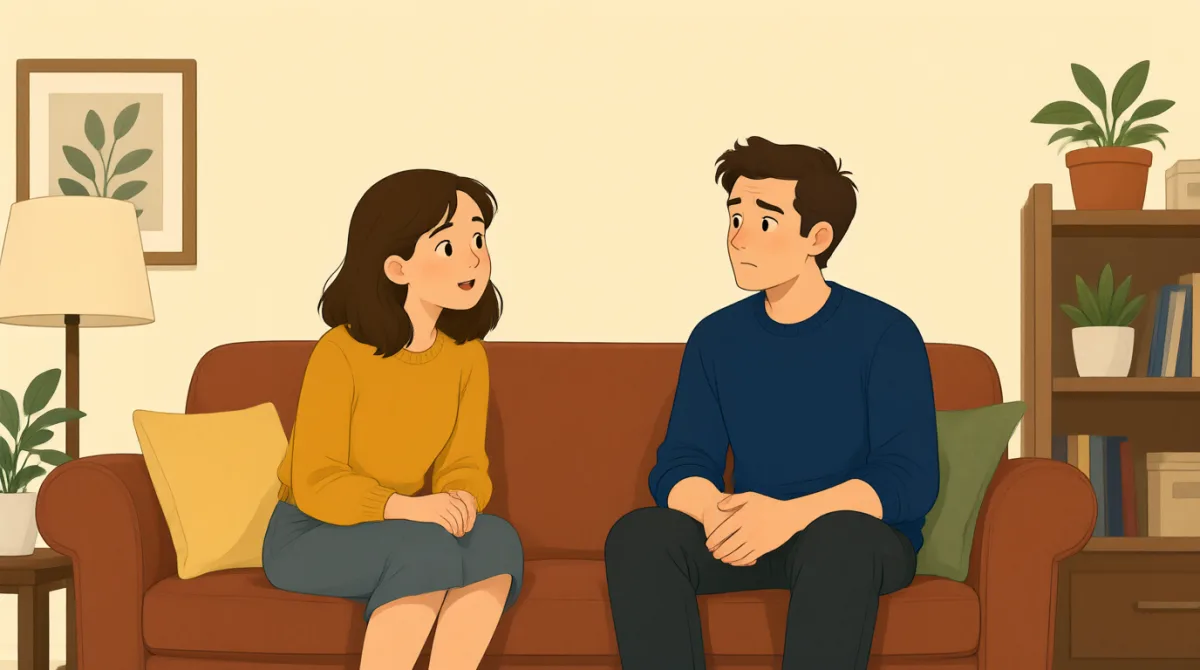

Thanks for meeting me, Jack. I’m looking into whether safety inspections at the plant were properly documented. I’d like to hear what you know, not steer you toward any particular conclusion.
شكرًا على لقائك بي يا جاك. أتحقق مما إذا كانت عمليات التفتيش على السلامة في المصنع قد وُثّقت على النحو الصحيح. أود أن أسمع ما تعرفه، من دون أن أوجّهك نحو استنتاج بعينه.

I’m not sure I should be talking about this. I left the plant, but people still know each other there. If my name gets out, it could follow me into my next job.
لست متأكدًا من أن عليّ التحدث عن هذا الأمر. غادرت المصنع، لكن الناس هناك ما زالوا يعرف بعضهم بعضًا. إذا كُشف اسمي، فقد يلاحقني ذلك في عملي التالي.
That’s a reasonable concern. I can keep your identity out of the article, but I can’t promise absolute secrecy. A court order or other legal process could require disclosure, depending on the circumstances.
هذا قلق مفهوم. أستطيع إبقاء هويتك خارج المقال، لكن لا أستطيع أن أضمن السرية التامة. فقد يقتضي أمر قضائي أو إجراء قانوني آخر الكشف عن هويتك، بحسب الظروف.
So “anonymous source” doesn’t mean you can guarantee nobody will ever find out who I am. I need to understand that before I tell you anything specific.
إذًا، عبارة «مصدر مجهول» لا تعني أنك تستطيعين ضمان ألا يعرف أحد أبدًا من أنا. أحتاج إلى فهم ذلك قبل أن أخبرك بأي شيء محدد.
Exactly. I’ll also need to assess whether your account can be corroborated and whether the information is important enough to publish without naming you. I won’t use your comments until we agree on the ground rules.
بالضبط. وسأحتاج أيضًا إلى تقييم إمكانية تأييد روايتك بأدلة، وما إذا كانت المعلومات مهمة بما يكفي لنشرها من دون ذكر اسمك. لن أستخدم تصريحاتك قبل أن نتفق على القواعد الأساسية.
I’ve heard reporters say “off the record” and then argue later about what that meant. Can we agree on what those terms mean before we get into the details?
سمعت صحفيين يقولون «غير صالح للنشر» ثم يختلفون لاحقًا حول المقصود بذلك. هل يمكننا الاتفاق على معنى هذه المصطلحات قبل أن ندخل في التفاصيل؟
Yes. “On the record” means I may quote you by name. “Not for attribution” means I may use the information but identify you only by an agreed description. “Off the record” means I don’t publish it, unless we agree otherwise beforehand.
نعم. «للنشر مع ذكر الاسم» يعني أنني قد أقتبس كلامك وأذكر اسمك. و«للنشر من دون ذكر الاسم» يعني أنني قد أستخدم المعلومات، لكنني لن أعرّف بك إلا من خلال وصف نتفق عليه. أما «غير صالح للنشر» فيعني أنني لن أنشر المعلومات، إلا إذا اتفقنا مسبقًا على خلاف ذلك.
I could consider not for attribution, but I don’t want to be described as a former inspector. That would narrow it down too much, and it isn’t even my exact role.
يمكنني التفكير في النشر من دون ذكر اسمي، لكنني لا أريد أن توصفني بأنني مفتش سابق. فهذا سيضيّق نطاق الاحتمالات كثيرًا، كما أنه لا يصف دوري بدقة.
That makes sense. We can discuss a broader description, such as a former plant employee, but I can’t promise even that would make you unidentifiable. Before publication, I’d tell you how I plan to characterize your role.
هذا منطقي. يمكننا مناقشة وصف أعمّ، مثل موظف سابق في المصنع، لكن لا أستطيع أن أضمن أن ذلك سيجعل من المستحيل معرفة هويتك. قبل النشر، سأخبرك بكيفية وصف الدور الذي كنت تؤديه.
And if I tell you something I saw firsthand, you won’t turn it into a claim about the whole inspection system unless the evidence supports that, right?
وإذا أخبرتك بشيء شاهدته بنفسي، فلن تحوّليه إلى ادعاء بشأن نظام التفتيش بأكمله ما لم تدعم الأدلة ذلك، صحيح؟
Right. I’ll distinguish what you witnessed from what you heard from others, and I’ll seek independent confirmation before presenting a broader claim. You can pause or decline any question; I’m not asking you to speculate.
صحيح. سأميّز بين ما شهدته بنفسك وما سمعته من الآخرين، وسأبحث عن تأكيد مستقل قبل طرح ادعاء أوسع. يمكنك التوقف مؤقتًا أو الامتناع عن الإجابة عن أي سؤال؛ فأنا لا أطلب منك التكهن.
All right. I’m willing to talk, but let’s start with what I personally observed and keep my identity out of anything you publish unless we revisit that agreement.
حسنًا. أنا مستعد للتحدث، لكن لنبدأ بما لاحظته بنفسي، ولنبقِ هويتي خارج كل ما تنشرينه ما لم نعد إلى مناقشة ذلك الاتفاق.
المفردات8
- absolute secrecyسرية تامة
A complete guarantee that nobody will ever learn someone’s identity or information. Here, Emma explains that she cannot promise this because legal processes may require disclosure.
ضمان كامل بألا يعرف أحد هوية شخص ما أو معلوماته مطلقًا. توضح إيما هنا أنها لا تستطيع تقديم هذا الضمان، لأن الإجراءات القانونية قد تقتضي الكشف عن المعلومات.
- legal processإجراء قانوني
An official legal procedure that can require someone to provide information. Use this phrase when explaining that a promise may have legal limits.
إجراء رسمي بموجب القانون قد يُلزم شخصًا بتقديم معلومات. استخدم هذه العبارة عند توضيح أن للوعود حدودًا قانونية.
- corroboratedمؤيَّد بالأدلة
Supported or confirmed by other evidence or sources. Journalists use this word when checking whether an account is reliable.
مدعوم أو مؤكَّد بأدلة أو مصادر أخرى. يستخدم الصحفيون هذه الكلمة للتحقق من موثوقية رواية ما.
- ground rulesالقواعد الأساسية
Agreed conditions that determine how people will communicate or use information. The phrase is useful when clarifying expectations before a sensitive conversation.
شروط يتفق عليها الأشخاص لتحديد كيفية تواصلهم أو استخدامهم للمعلومات. تفيد هذه العبارة في توضيح التوقعات قبل إجراء محادثة حساسة.
- not for attributionللنشر من دون ذكر الاسم
A condition allowing information to be used without identifying the source by name, subject to an agreed description. It is often discussed in interviews with confidential sources.
شرط يتيح استخدام المعلومات من دون تحديد هوية المصدر باسمه، وفق وصف متفق عليه. كثيرًا ما يُناقش هذا الشرط في المقابلات مع المصادر السرية.
- narrow it downيضيّق نطاق الاحتمالات
To reduce the possibilities until someone or something becomes easier to identify. Here, Jack worries that a specific job description could reveal who he is.
تقليل عدد الاحتمالات إلى أن يصبح التعرف على شخص أو شيء أسهل. يقلق جاك هنا من أن يكشف وصف وظيفي محدد عن هويته.
- firsthandمباشر
Based on something a person directly saw or experienced, rather than heard from someone else. It helps distinguish direct evidence from secondhand information.
مبني على شيء رآه الشخص أو اختبره بنفسه، لا على ما سمعه من شخص آخر. يساعد هذا الوصف على التمييز بين الدليل المباشر والمعلومات المنقولة.
- independent confirmationتأكيد مستقل
Verification from a separate source or piece of evidence. It is useful when checking a claim before presenting it as broadly true.
تحقق يأتي من مصدر منفصل أو دليل آخر. يفيد ذلك عند التحقق من ادعاء قبل عرضه على أنه صحيح على نطاق أوسع.
الجمل الأساسية8
- 1
I’d like to hear what you know, not steer you toward any particular conclusion.
أود أن أسمع ما تعرفه، من دون أن أوجّهك نحو استنتاج بعينه.
This sentence shows that the speaker wants information without influencing the other person’s account. Reuse “I’d like to hear what you think, not steer you toward…” to signal an impartial approach.
توضح هذه الجملة أن المتحدث يريد الحصول على المعلومات من دون التأثير في رواية الطرف الآخر. يمكنك إعادة استخدام “I’d like to hear what you think, not steer you toward…” للإشارة إلى أنك تتعامل بحياد.
- 2
I can keep your identity out of the article, but I can’t promise absolute secrecy.
أستطيع إبقاء هويتك خارج المقال، لكن لا أستطيع أن أضمن السرية التامة.
This clearly offers a limited protection while acknowledging its limits. Use “I can…, but I can’t promise…” when setting honest boundaries.
تقدم هذه الجملة حماية محدودة بوضوح، مع الاعتراف بحدودها. استخدم “I can…, but I can’t promise…” عند توضيح الحدود بصراحة.
- 3
I won’t use your comments until we agree on the ground rules.
لن أستخدم تصريحاتك قبل أن نتفق على القواعد الأساسية.
This reassures the other person that the terms will be settled before their information is used. The structure “I won’t [do something] until we agree on…” is useful for establishing conditions.
تطمئن هذه الجملة الطرف الآخر إلى أن الشروط ستُحسم قبل استخدام معلوماته. يفيد التركيب “I won’t [do something] until we agree on…” في وضع الشروط.
- 4
Can we agree on what those terms mean before we get into the details?
هل يمكننا الاتفاق على معنى هذه المصطلحات قبل أن ندخل في التفاصيل؟
This is a tactful way to clarify potentially ambiguous language before discussing sensitive information. Reuse it when you need shared definitions before proceeding.
هذه طريقة لبقة لتوضيح العبارات التي قد تحتمل اللبس قبل مناقشة معلومات حساسة. أعد استخدامها عندما تحتاج إلى الاتفاق على معانٍ مشتركة قبل المتابعة.
- 5
Before publication, I’d tell you how I plan to characterize your role.
قبل النشر، سأخبرك بكيفية وصف الدور الذي كنت تؤديه.
This explains what the source can expect while avoiding a promise about complete anonymity. “Before [event], I’d tell you how I plan to…” is useful for describing a process in advance.
توضح هذه الجملة ما يمكن للمصدر توقعه من دون الوعد بإخفاء هويته تمامًا. يفيد التركيب “Before [event], I’d tell you how I plan to…” في شرح إجراء مسبقًا.
- 6
I’ll distinguish what you witnessed from what you heard from others, and I’ll seek independent confirmation before presenting a broader claim.
سأميّز بين ما شهدته وما سمعته من الآخرين، وسأبحث عن تأكيد مستقل قبل طرح ادعاء أوسع.
This sentence explains how the speaker will separate direct evidence from secondhand information and verify wider claims. Reuse the pattern “I’ll distinguish X from Y, and I’ll seek confirmation before…” when describing careful fact-checking.
تشرح هذه الجملة كيف سيفصل المتحدث بين الدليل المباشر والمعلومات المنقولة، وكيف سيتحقق من الادعاءات الأوسع. أعد استخدام النمط “I’ll distinguish X from Y, and I’ll seek confirmation before…” عند وصف التحقق الدقيق من الحقائق.
- 7
You can pause or decline any question; I’m not asking you to speculate.
يمكنك التوقف مؤقتًا أو الامتناع عن الإجابة عن أي سؤال؛ فأنا لا أطلب منك التكهن.
This gives the other person control and makes clear that guesses are not expected. The structure “You can pause or decline…, and I’m not asking you to…” is useful in sensitive interviews.
تمنح هذه الجملة الطرف الآخر حرية التصرف وتوضح أنه ليس مطالبًا بالتخمين. يفيد التركيب “You can pause or decline…, and I’m not asking you to…” في المقابلات الحساسة.
- 8
I’m willing to talk, but let’s start with what I personally observed and keep my identity out of anything you publish unless we revisit that agreement.
أنا مستعد للتحدث، لكن لنبدأ بما لاحظته بنفسي، ولنبقِ هويتي خارج كل ما تنشرينه ما لم نعد إلى مناقشة ذلك الاتفاق.
This sets conditions for moving forward while limiting the discussion to firsthand observations. Reuse “I’m willing to…, but let’s start with…” to express cooperation with clear boundaries.
تضع هذه الجملة شروطًا لمواصلة الحديث، وتحصره في الملاحظات المباشرة. أعد استخدام “I’m willing to…, but let’s start with…” للتعبير عن الاستعداد للتعاون مع وضع حدود واضحة.