Pressing Past Evasive Answers
追问含糊其辞的回答
When Jack gives vague answers about who altered inspection records, Emma asks precise follow-up questions without overstating what he has witnessed. They negotiate whether parts of his account may be attributed on the record or only used as background.
杰克对是谁修改检查记录含糊其辞,艾玛便提出具体的追问,同时避免夸大他亲眼所见的内容。两人还商讨,他的哪些说法可以具名引用,哪些只能作为背景信息使用。
对话12
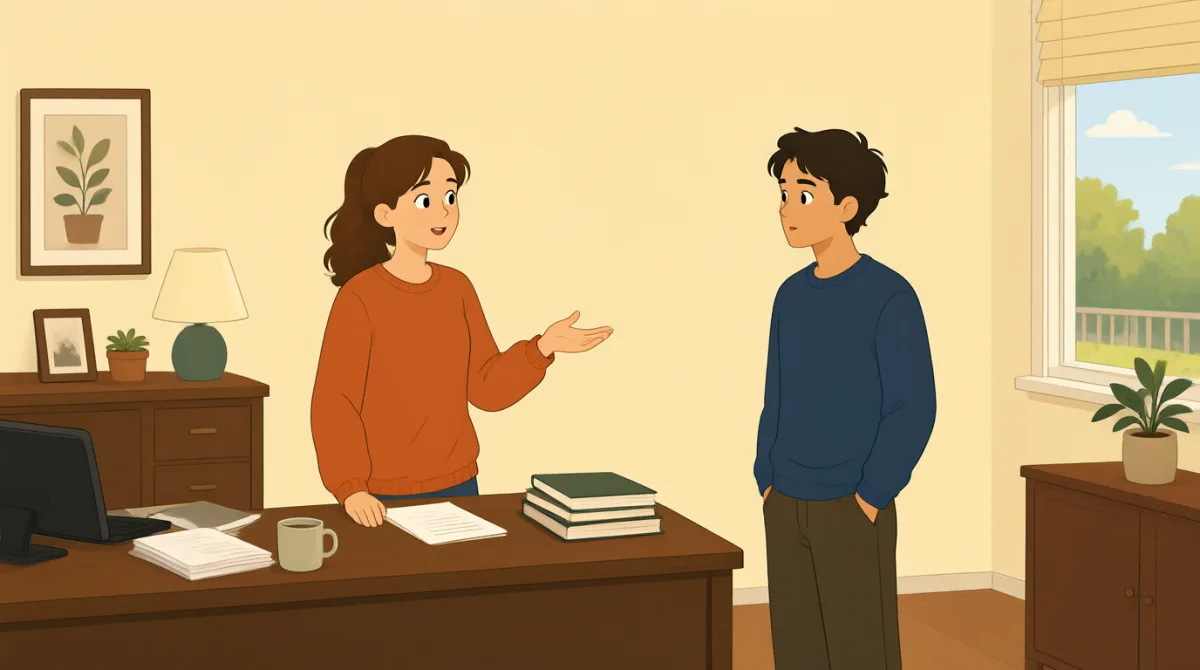

You said the inspection records were changed after the walkthrough. What did you see yourself, and what did someone else tell you? I want to keep those separate.
你说检查记录是在现场检查之后被改过的。哪些是你亲眼看到的,哪些是别人告诉你的?我想把这两类信息分开。

I saw the file on the shared drive later. The dates looked different from what I remembered, but I didn't watch anyone edit it.
后来我在共享盘上看到了那份文件。日期跟我记得的不一样,但我没亲眼看见有人修改它。
When you say the dates looked different, do you mean the inspection date, the date the file was updated, or both? And how are you remembering the original dates?
你说日期不一样,指的是检查日期、文件更新时间,还是两者都有?你又是怎么记住原来的日期的?
The inspection date, I think. I remember because I was on shift that week. I can't swear to the exact day, and I don't want to make it sound more certain than it is.
我想是检查日期。我记得那周自己在上班,但我不能保证具体是哪一天,也不想把话说得比实际更确定。
That's helpful. Did you compare the file with a paper copy, an email, or any other record from that week? If not, I'll describe this as a discrepancy you noticed, not proof of an alteration.
这很有帮助。你有没有把文件和纸质副本、邮件,或那周的其他记录作过比较?如果没有,我会把它描述为你注意到的出入,而不是修改的证据。
There was an email attachment, but I can't access my old account now. I remember it listed a different date, though I realize memory isn't documentation.
当时有一封带附件的邮件,但我现在无法登录旧账户。我记得里面列的日期不同,不过我明白记忆不能代替文件证据。
Understood. About who changed the record: you said, 'people in the office knew.' Who specifically told you that, and what exactly did they say?
明白。关于是谁改了记录:你说过“办公室里的人都知道”。具体是谁告诉你的?对方原话是什么?
I shouldn't have phrased it that way. A coworker said the supervisor wanted the paperwork cleaned up. I didn't hear the supervisor say that, and I don't know what 'cleaned up' meant.
我不该那么说。一位同事说主管想把文书整理一下。我没听见主管本人这么说,也不知道“整理一下”具体是什么意思。
Then I won't present that as evidence the supervisor ordered falsification. Would you be comfortable with me quoting your account of what you personally saw, with your name attached?
那我就不会把这当成主管下令造假的证据。你是否愿意让我引用你亲眼所见的部分,并注明你的姓名?
Not yet. You can use what I saw as background, but not quote me or identify me. I need to understand exactly what you mean by background before I agree.
现在还不行。你可以把我亲眼所见的内容作为背景信息使用,但不能引用我的话,也不能透露我的身份。在同意之前,我需要弄清楚你说的“背景信息”具体是什么意思。
Fair. Nothing is off the record unless we explicitly agree on the terms beforehand. For now, I won't publish your name or quote these remarks; we can discuss whether any details may be used anonymously.
可以。除非事先明确约定条件,否则任何内容都不算“非正式谈话”。目前我不会公开你的姓名,也不会引用这些话;我们可以再谈哪些细节能否匿名使用。
All right. I can look for the old email and check whether the attachment is still on a backup. But please don't treat that coworker's comment as confirmation of who made the change.
好。我可以找找那封旧邮件,看看备份里是否还留着附件。但请不要把那位同事的话当成是谁修改记录的确凿证据。
词汇7
- keep those separate把这两类信息区分开
To treat two kinds of information as distinct rather than mixing them together. Here, Emma wants to distinguish what Jack witnessed from what he heard from someone else.
把两类信息分开看,不要混为一谈。这里,艾玛想区分杰克亲眼所见的内容和他从别人那里听来的信息。
- I can't swear to the exact day我不能确定具体是哪一天
A careful way to say you cannot guarantee that a detail is accurate. Use it when you remember something generally but are unsure about the specifics.
一种谨慎的说法,表示你无法保证某个细节准确无误。当你大致记得某件事,但不确定具体细节时,可以这样说。
- make it sound more certain than it is把它说得比实际情况更确定
To describe uncertain information as though it were definite. This phrase helps you be transparent about the limits of your knowledge.
把不确定的信息说得好像已经确定了一样。这个说法能帮助你坦诚说明自己所知有限。
- a discrepancy you noticed你注意到的出入
A difference or inconsistency that you observed. It describes what someone saw without claiming to know what caused it.
指你观察到的不同或不一致之处。它只描述某人看到的情况,不会声称知道造成这种情况的原因。
- I shouldn't have phrased it that way我刚才不该那么说
A way to acknowledge that your previous wording was misleading or too broad. You can use it to correct yourself and clarify what you actually know.
承认自己之前的说法可能有误导性,或说得太笼统。你可以用这句话纠正自己,并澄清实际知道的情况。
- with your name attached注明你的姓名
Published or shared with your identity revealed. In journalism, a source may be asked whether a statement can be attributed to them by name.
公开或分享信息时透露你的身份。在新闻报道中,记者可能会询问消息来源是否同意具名引用。
- as background作为背景信息
Information shared to help a journalist understand a story, but not necessarily for direct quotation or public attribution. The exact conditions should be agreed on beforehand.
提供给记者、帮助其了解报道内容的信息,但不一定能直接引用或公开注明来源。具体条件应事先商定。
重点句子8
- 1
What did you see yourself, and what did someone else tell you?
哪些是你亲眼看到的,哪些是别人告诉你的?
This precise question separates firsthand knowledge from secondhand information. Reuse it when you need to establish how someone knows each detail.
这个具体的问题能区分亲身所知和来自他人的信息。当你需要确认某人是如何得知某个细节时,可以用这句话。
- 2
I want to keep those separate.
我想把这两类信息区分开。
This explains the reason for distinguishing between different sources of information. You can use it to make clear that you are being careful, not dismissive.
这句话说明了区分不同信息来源的原因。你可以用它表明自己是在谨慎核实,而不是在否定对方。
- 3
I can't swear to the exact day, and I don't want to make it sound more certain than it is.
我不能确定具体是哪一天,也不想把它说得比实际情况更确定。
This sentence honestly states a limit on the speaker's memory and avoids overstating the evidence. Adapt it when you recall something but cannot verify every detail.
这句话如实说明了说话者记忆有限,也避免夸大证据。回忆起某件事但无法核实每个细节时,可以参考这种说法。
- 4
If not, I'll describe this as a discrepancy you noticed, not proof of an alteration.
如果没有,我会把这描述为你注意到的出入,而不是修改记录的证据。
This sentence sets a clear boundary between an observed difference and a conclusion about its cause. It is useful when reporting evidence cautiously.
这句话明确区分了观察到的差异和对其原因的判断。在谨慎报道证据时,这种说法很有用。
- 5
I didn't hear the supervisor say that, and I don't know what 'cleaned up' meant.
我没听见主管这么说,也不知道“整理一下”是什么意思。
This makes clear both what the speaker did not witness and what remains unclear. Use this pattern to avoid turning vague remarks into firm accusations.
这句话清楚说明了说话者没有亲眼或亲耳确认的内容,以及仍不明确的部分。用这种表达方式,可以避免把含糊的说法变成确凿指控。
- 6
Would you be comfortable with me quoting your account of what you personally saw, with your name attached?
你愿意让我引用你亲眼所见的部分,并注明你的姓名吗?
This asks for explicit permission to quote someone and identify them. It is a professional way to clarify attribution before using a source's comments.
这句话是在明确征求对方同意,询问能否引用其说法并公开身份。使用消息来源的说法之前,这是一种专业的方式,可以先确认如何注明来源。
- 7
Nothing is off the record unless we explicitly agree on the terms beforehand.
除非我们事先明确商定条件,否则没有任何内容算作“非正式谈话”。
This states that confidentiality conditions must be agreed upon in advance. It is useful for setting clear expectations before a sensitive conversation.
这句话说明,保密条件必须事先商定。在敏感谈话开始前,可以用它明确双方的预期。
- 8
But please don't treat that coworker's comment as confirmation of who made the change.
但请不要把那位同事的话当成是谁修改记录的确凿证据。
This warns the listener not to interpret secondhand information as proof. Reuse it when you need to distinguish a lead or allegation from confirmed evidence.
这句话提醒对方,不要把转述的信息当成证明。需要区分线索或指称与已确认的证据时,可以用这句话。