Pressing Past Evasive Answers
ไล่ถามต่อเมื่อได้รับคำตอบเลี่ยงประเด็น
When Jack gives vague answers about who altered inspection records, Emma asks precise follow-up questions without overstating what he has witnessed. They negotiate whether parts of his account may be attributed on the record or only used as background.
เมื่อแจ็กตอบคลุมเครือว่าใครแก้ไขบันทึกการตรวจสอบ เอ็มมาถามคำถามต่ออย่างเจาะจง โดยไม่กล่าวเกินกว่าสิ่งที่เขาเห็น ทั้งคู่หารือกันว่าข้อมูลบางส่วนจากคำให้การของเขาจะเปิดเผยโดยระบุชื่อได้หรือใช้เป็นข้อมูลเบื้องหลังเท่านั้น
บทสนทนา12
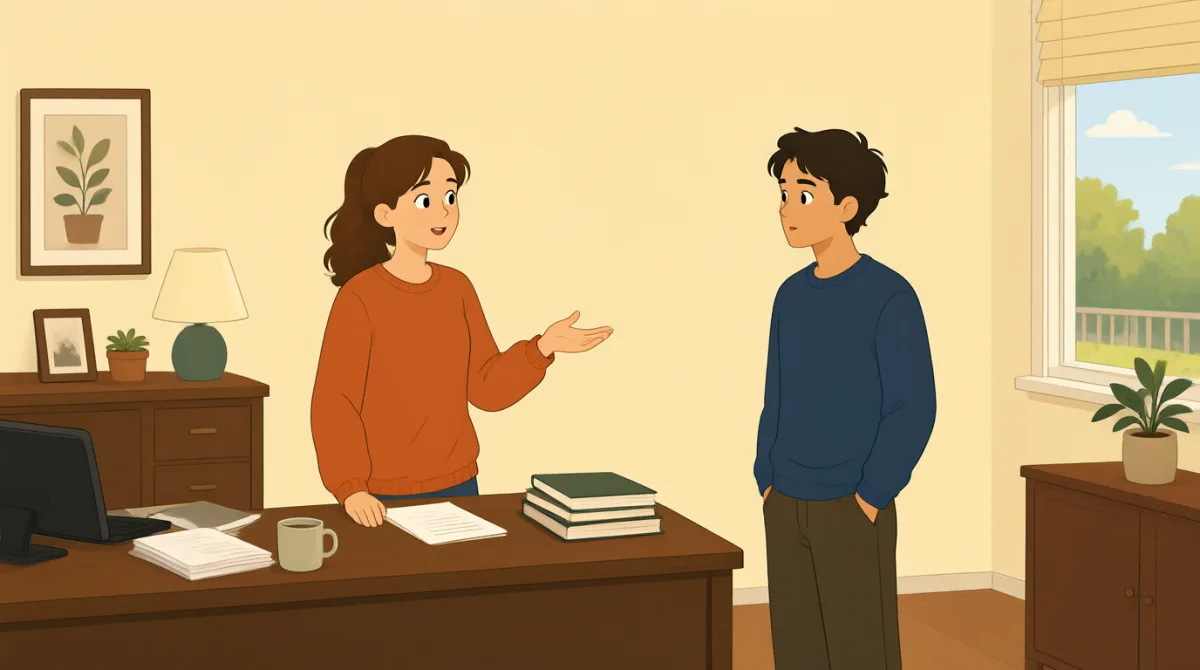

You said the inspection records were changed after the walkthrough. What did you see yourself, and what did someone else tell you? I want to keep those separate.
คุณบอกว่าบันทึกการตรวจสอบถูกแก้หลังจากเดินตรวจพื้นที่ คุณเห็นอะไรด้วยตัวเองบ้าง แล้วมีอะไรที่คนอื่นเล่าให้คุณฟัง? ฉันอยากแยกสองอย่างนี้ออกจากกัน

I saw the file on the shared drive later. The dates looked different from what I remembered, but I didn't watch anyone edit it.
ทีหลังผมเห็นไฟล์อยู่ในไดรฟ์ที่ใช้ร่วมกัน วันที่ในนั้นดูไม่เหมือนที่ผมจำได้ แต่ผมไม่ได้เห็นใครแก้ไฟล์
When you say the dates looked different, do you mean the inspection date, the date the file was updated, or both? And how are you remembering the original dates?
ที่คุณบอกว่าวันที่ดูไม่เหมือนเดิม หมายถึงวันที่ตรวจ วันที่อัปเดตไฟล์ หรือทั้งสองอย่าง? แล้วคุณจำวันที่เดิมได้ยังไง?
The inspection date, I think. I remember because I was on shift that week. I can't swear to the exact day, and I don't want to make it sound more certain than it is.
ผมคิดว่าหมายถึงวันที่ตรวจ ผมจำได้เพราะตอนนั้นผมเข้าเวรทั้งสัปดาห์ แต่ผมยืนยันวันที่แน่นอนไม่ได้ และไม่อยากพูดให้ฟังดูแน่ใจกว่าที่เป็นจริง
That's helpful. Did you compare the file with a paper copy, an email, or any other record from that week? If not, I'll describe this as a discrepancy you noticed, not proof of an alteration.
ขอบคุณที่อธิบาย คุณได้เทียบไฟล์กับสำเนากระดาษ อีเมล หรือบันทึกอื่นจากสัปดาห์นั้นไหม? ถ้าไม่ได้ ฉันจะเขียนว่าเป็นความคลาดเคลื่อนที่คุณสังเกตเห็น ไม่ใช่หลักฐานว่ามีการแก้ไข
There was an email attachment, but I can't access my old account now. I remember it listed a different date, though I realize memory isn't documentation.
มีไฟล์แนบในอีเมล แต่ตอนนี้ผมเข้าใช้บัญชีเก่าไม่ได้แล้ว ผมจำได้ว่าในนั้นระบุวันที่อีกวันหนึ่ง แต่ก็รู้ว่าความทรงจำไม่ใช่เอกสารยืนยัน
Understood. About who changed the record: you said, 'people in the office knew.' Who specifically told you that, and what exactly did they say?
เข้าใจแล้ว เรื่องคนที่แก้บันทึก คุณพูดว่า 'คนในออฟฟิศรู้กัน' ใครเป็นคนบอกคุณโดยเฉพาะ แล้วเขาพูดว่าอะไรกันแน่?
I shouldn't have phrased it that way. A coworker said the supervisor wanted the paperwork cleaned up. I didn't hear the supervisor say that, and I don't know what 'cleaned up' meant.
ผมไม่น่าพูดแบบนั้นเลย เพื่อนร่วมงานคนหนึ่งบอกว่าหัวหน้าอยากให้จัดการเอกสารให้เรียบร้อย ผมไม่ได้ยินหัวหน้าพูดเอง และผมก็ไม่รู้ว่า 'จัดการให้เรียบร้อย' หมายถึงอะไร
Then I won't present that as evidence the supervisor ordered falsification. Would you be comfortable with me quoting your account of what you personally saw, with your name attached?
งั้นฉันจะไม่นำเสนอเรื่องนั้นเป็นหลักฐานว่าหัวหน้าสั่งให้ปลอมแปลงเอกสาร คุณสะดวกไหมถ้าฉันอ้างคำพูดเกี่ยวกับสิ่งที่คุณเห็นด้วยตัวเองโดยระบุชื่อคุณ?
Not yet. You can use what I saw as background, but not quote me or identify me. I need to understand exactly what you mean by background before I agree.
ยังไม่สะดวก คุณใช้สิ่งที่ผมเห็นเป็นข้อมูลเบื้องหลังได้ แต่อย่าอ้างคำพูดหรือเปิดเผยว่าผมเป็นใคร ผมต้องเข้าใจก่อนว่าคุณหมายถึงข้อมูลเบื้องหลังแบบไหน ถึงจะตกลงได้
Fair. Nothing is off the record unless we explicitly agree on the terms beforehand. For now, I won't publish your name or quote these remarks; we can discuss whether any details may be used anonymously.
ได้เลย จะไม่มีอะไรเป็นข้อมูลนอกบันทึก เว้นแต่เราจะตกลงเงื่อนไขกันอย่างชัดเจนล่วงหน้า ตอนนี้ฉันจะไม่เผยชื่อคุณหรืออ้างคำพูดเหล่านี้ เราคุยกันได้ว่ารายละเอียดใดจะนำไปใช้โดยไม่เปิดเผยชื่อได้บ้าง
All right. I can look for the old email and check whether the attachment is still on a backup. But please don't treat that coworker's comment as confirmation of who made the change.
ตกลง ผมจะลองหาอีเมลเก่าและเช็กว่าไฟล์แนบยังอยู่ในข้อมูลสำรองหรือเปล่า แต่ขออย่าถือว่าคำพูดของเพื่อนร่วมงานคนนั้นเป็นการยืนยันว่าใครเป็นคนแก้ไข
คำศัพท์7
- keep those separateแยกสองอย่างนี้ออกจากกัน
To treat two kinds of information as distinct rather than mixing them together. Here, Emma wants to distinguish what Jack witnessed from what he heard from someone else.
หมายถึงมองข้อมูลสองประเภทว่าแตกต่างกัน แทนที่จะนำมาปะปนกัน ในที่นี้ เอ็มมาอยากแยกสิ่งที่แจ็กเห็นเองออกจากสิ่งที่คนอื่นเล่าให้เขาฟัง
- I can't swear to the exact dayผมยืนยันวันที่แน่นอนไม่ได้
A careful way to say you cannot guarantee that a detail is accurate. Use it when you remember something generally but are unsure about the specifics.
เป็นวิธีพูดอย่างระมัดระวังว่าเราไม่สามารถรับรองได้ว่ารายละเอียดหนึ่งถูกต้อง ใช้เมื่อคุณจำเรื่องโดยรวมได้ แต่ไม่แน่ใจในรายละเอียด
- make it sound more certain than it isพูดให้ฟังดูแน่ใจกว่าที่เป็นจริง
To describe uncertain information as though it were definite. This phrase helps you be transparent about the limits of your knowledge.
หมายถึงพูดถึงข้อมูลที่ไม่แน่นอนราวกับเป็นเรื่องที่ยืนยันได้ วลีนี้ช่วยให้คุณบอกอย่างตรงไปตรงมาว่าความรู้ของคุณมีข้อจำกัด
- a discrepancy you noticedความคลาดเคลื่อนที่คุณสังเกตเห็น
A difference or inconsistency that you observed. It describes what someone saw without claiming to know what caused it.
หมายถึงความแตกต่างหรือความไม่สอดคล้องที่คุณพบ ใช้บอกสิ่งที่ใครบางคนเห็น โดยไม่อ้างว่ารู้ว่าอะไรเป็นสาเหตุ
- I shouldn't have phrased it that wayผมไม่น่าพูดแบบนั้นเลย
A way to acknowledge that your previous wording was misleading or too broad. You can use it to correct yourself and clarify what you actually know.
ใช้ยอมรับว่าคำพูดก่อนหน้านี้ของคุณอาจทำให้เข้าใจผิดหรือครอบคลุมเกินไป คุณใช้เพื่อแก้คำพูดและชี้แจงสิ่งที่คุณรู้จริง ๆ ได้
- with your name attachedโดยระบุชื่อคุณ
Published or shared with your identity revealed. In journalism, a source may be asked whether a statement can be attributed to them by name.
หมายถึงการเผยแพร่หรือแบ่งปันข้อมูลโดยเปิดเผยตัวตนของคุณ ในงานข่าว นักข่าวอาจถามแหล่งข่าวว่าสามารถอ้างคำพูดโดยระบุชื่อได้หรือไม่
- as backgroundเป็นข้อมูลเบื้องหลัง
Information shared to help a journalist understand a story, but not necessarily for direct quotation or public attribution. The exact conditions should be agreed on beforehand.
หมายถึงข้อมูลที่ให้ไว้เพื่อช่วยให้นักข่าวเข้าใจเรื่องราว แต่อาจไม่ได้มีไว้สำหรับนำไปอ้างคำพูดโดยตรงหรือเปิดเผยต่อสาธารณะโดยระบุแหล่งที่มา ควรตกลงเงื่อนไขให้ชัดเจนล่วงหน้า
ประโยคสำคัญ8
- 1
What did you see yourself, and what did someone else tell you?
คุณเห็นอะไรด้วยตัวเองบ้าง แล้วมีอะไรที่คนอื่นเล่าให้คุณฟัง?
This precise question separates firsthand knowledge from secondhand information. Reuse it when you need to establish how someone knows each detail.
คำถามที่เจาะจงนี้ช่วยแยกความรู้จากการเห็นด้วยตัวเองออกจากข้อมูลที่ได้ยินต่อมา ลองใช้เมื่อต้องการรู้ว่าอีกฝ่ายรู้รายละเอียดแต่ละอย่างได้อย่างไร
- 2
I want to keep those separate.
ฉันอยากแยกสองอย่างนี้ออกจากกัน
This explains the reason for distinguishing between different sources of information. You can use it to make clear that you are being careful, not dismissive.
ประโยคนี้อธิบายเหตุผลที่ต้องแยกข้อมูลจากแหล่งที่มาต่างกัน คุณใช้เพื่อแสดงให้เห็นว่าคุณกำลังระมัดระวัง ไม่ได้ปัดคำพูดของอีกฝ่ายทิ้ง
- 3
I can't swear to the exact day, and I don't want to make it sound more certain than it is.
ผมยืนยันวันที่แน่นอนไม่ได้ และไม่อยากพูดให้ฟังดูแน่ใจกว่าที่เป็นจริง
This sentence honestly states a limit on the speaker's memory and avoids overstating the evidence. Adapt it when you recall something but cannot verify every detail.
ประโยคนี้บอกตรง ๆ ว่าผู้พูดมีข้อจำกัดด้านความทรงจำ และหลีกเลี่ยงการกล่าวเกินกว่าหลักฐานที่มี ลองปรับใช้เมื่อคุณจำบางอย่างได้ แต่ยืนยันรายละเอียดทั้งหมดไม่ได้
- 4
If not, I'll describe this as a discrepancy you noticed, not proof of an alteration.
ถ้าไม่ได้ ฉันจะเขียนว่าเป็นความคลาดเคลื่อนที่คุณสังเกตเห็น ไม่ใช่หลักฐานว่ามีการแก้ไข
This sentence sets a clear boundary between an observed difference and a conclusion about its cause. It is useful when reporting evidence cautiously.
ประโยคนี้แบ่งให้ชัดระหว่างความแตกต่างที่สังเกตพบกับข้อสรุปเกี่ยวกับสาเหตุ มีประโยชน์เมื่อต้องรายงานหลักฐานอย่างระมัดระวัง
- 5
I didn't hear the supervisor say that, and I don't know what 'cleaned up' meant.
ผมไม่ได้ยินหัวหน้าพูดเอง และผมก็ไม่รู้ว่า 'จัดการให้เรียบร้อย' หมายถึงอะไร
This makes clear both what the speaker did not witness and what remains unclear. Use this pattern to avoid turning vague remarks into firm accusations.
ประโยคนี้ชี้แจงทั้งสิ่งที่ผู้พูดไม่ได้เห็นหรือได้ยินเอง และสิ่งที่ยังไม่ชัดเจน ใช้รูปแบบนี้เพื่อไม่ให้คำพูดคลุมเครือกลายเป็นข้อกล่าวหาที่ฟังดูแน่นอน
- 6
Would you be comfortable with me quoting your account of what you personally saw, with your name attached?
คุณสะดวกไหมถ้าฉันอ้างคำพูดเกี่ยวกับสิ่งที่คุณเห็นด้วยตัวเองโดยระบุชื่อคุณ?
This asks for explicit permission to quote someone and identify them. It is a professional way to clarify attribution before using a source's comments.
ประโยคนี้ขออนุญาตอย่างชัดเจนก่อนนำคำพูดของใครไปอ้างและเปิดเผยตัวตน เป็นวิธีที่เป็นมืออาชีพในการตกลงเรื่องการระบุแหล่งข่าวก่อนนำคำพูดไปใช้
- 7
Nothing is off the record unless we explicitly agree on the terms beforehand.
จะไม่มีอะไรเป็นข้อมูลนอกบันทึก เว้นแต่เราจะตกลงเงื่อนไขกันอย่างชัดเจนล่วงหน้า
This states that confidentiality conditions must be agreed upon in advance. It is useful for setting clear expectations before a sensitive conversation.
ประโยคนี้ระบุว่าต้องตกลงเงื่อนไขการรักษาความลับกันก่อน มีประโยชน์เมื่อต้องการทำความเข้าใจให้ตรงกันก่อนเริ่มการสนทนาที่ละเอียดอ่อน
- 8
But please don't treat that coworker's comment as confirmation of who made the change.
แต่ขออย่าถือว่าคำพูดของเพื่อนร่วมงานคนนั้นเป็นการยืนยันว่าใครเป็นคนแก้ไข
This warns the listener not to interpret secondhand information as proof. Reuse it when you need to distinguish a lead or allegation from confirmed evidence.
ประโยคนี้เตือนว่าอย่าตีความข้อมูลที่ได้ยินต่อมาว่าเป็นหลักฐาน ใช้ได้เมื่อต้องการแยกเบาะแสหรือข้อกล่าวหาออกจากข้อมูลที่ยืนยันแล้ว