Pressing Past Evasive Answers
टालमटोल भरे जवाबों पर सटीक सवाल
When Jack gives vague answers about who altered inspection records, Emma asks precise follow-up questions without overstating what he has witnessed. They negotiate whether parts of his account may be attributed on the record or only used as background.
जब Jack यह बताने में अस्पष्ट जवाब देता है कि निरीक्षण के रिकॉर्ड किसने बदले, तो Emma बिना उसकी गवाही को बढ़ा-चढ़ाकर बताए सटीक पूरक सवाल पूछती है। वे तय करते हैं कि उसकी बात के किन हिस्सों का नाम के साथ हवाला दिया जा सकता है और किनका इस्तेमाल केवल पृष्ठभूमि की जानकारी के तौर पर होगा।
संवाद12
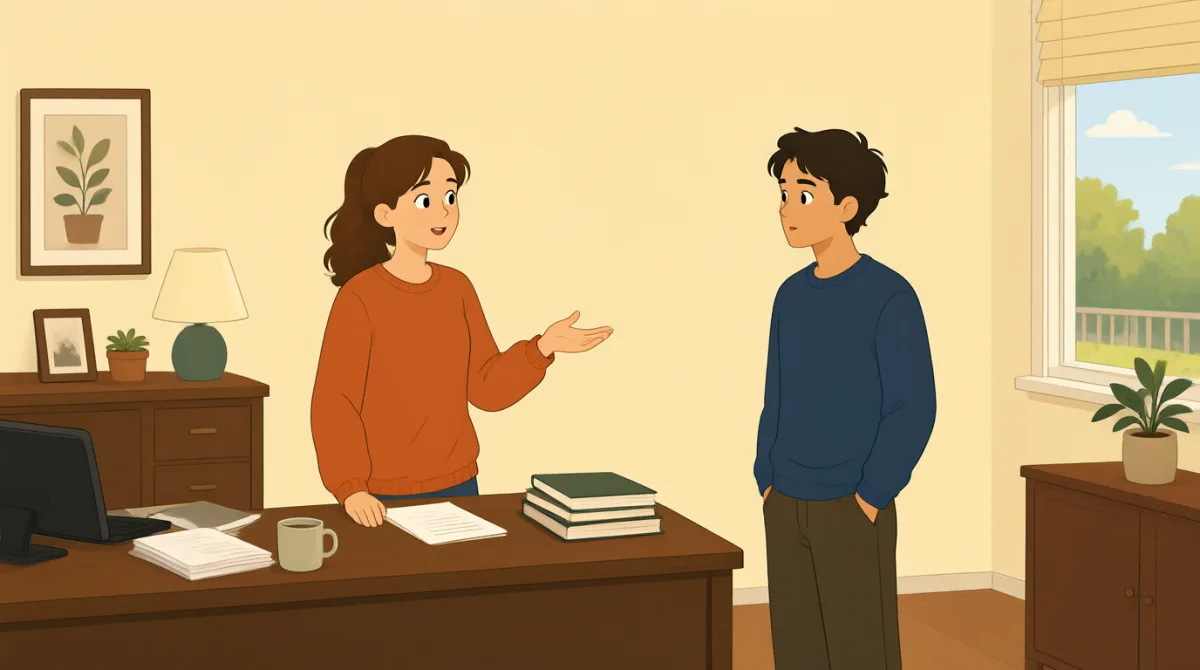

You said the inspection records were changed after the walkthrough. What did you see yourself, and what did someone else tell you? I want to keep those separate.
आपने कहा था कि निरीक्षण के रिकॉर्ड निरीक्षण के बाद बदले गए थे। आपने खुद क्या देखा, और आपको किसी और ने क्या बताया? मैं इन दोनों बातों को अलग रखना चाहती हूँ।

I saw the file on the shared drive later. The dates looked different from what I remembered, but I didn't watch anyone edit it.
बाद में मैंने साझा ड्राइव पर फ़ाइल देखी थी। तारीखें मेरी याद से अलग लग रही थीं, लेकिन मैंने किसी को उसमें बदलाव करते नहीं देखा।
When you say the dates looked different, do you mean the inspection date, the date the file was updated, or both? And how are you remembering the original dates?
जब आप कहते हैं कि तारीखें अलग लग रही थीं, तो आपका मतलब निरीक्षण की तारीख से है, फ़ाइल अपडेट होने की तारीख से, या दोनों से? और आपको पुरानी तारीखें कैसे याद हैं?
The inspection date, I think. I remember because I was on shift that week. I can't swear to the exact day, and I don't want to make it sound more certain than it is.
मेरा ख़याल है, निरीक्षण की तारीख। मुझे याद है क्योंकि उस हफ़्ते मेरी ड्यूटी थी। मैं पक्के तौर पर सही दिन नहीं बता सकता, और मैं इसे जितना यक़ीनी है उससे ज़्यादा यक़ीनी नहीं दिखाना चाहता।
That's helpful. Did you compare the file with a paper copy, an email, or any other record from that week? If not, I'll describe this as a discrepancy you noticed, not proof of an alteration.
यह जानना मददगार है। क्या आपने फ़ाइल की तुलना उस हफ़्ते की किसी काग़ज़ी प्रति, ईमेल या दूसरे रिकॉर्ड से की थी? अगर नहीं, तो मैं इसे आपके देखे हुए अंतर के तौर पर बताऊँगी, बदलाव का सबूत नहीं।
There was an email attachment, but I can't access my old account now. I remember it listed a different date, though I realize memory isn't documentation.
एक ईमेल में अटैचमेंट था, लेकिन अब मैं अपने पुराने खाते तक नहीं पहुँच सकता। मुझे याद है उसमें दूसरी तारीख़ लिखी थी, हालाँकि मैं समझता हूँ कि याददाश्त दस्तावेज़ नहीं होती।
Understood. About who changed the record: you said, 'people in the office knew.' Who specifically told you that, and what exactly did they say?
समझ गई। रिकॉर्ड किसने बदला, इस बारे में आपने कहा था, 'दफ़्तर में लोगों को पता था।' आपको ख़ास तौर पर यह किसने बताया, और उसने ठीक-ठीक क्या कहा?
I shouldn't have phrased it that way. A coworker said the supervisor wanted the paperwork cleaned up. I didn't hear the supervisor say that, and I don't know what 'cleaned up' meant.
मुझे अपनी बात उस तरह नहीं कहनी चाहिए थी। एक सहकर्मी ने कहा था कि सुपरवाइज़र चाहता था कि काग़ज़ी कार्रवाई को दुरुस्त किया जाए। मैंने सुपरवाइज़र को यह कहते नहीं सुना, और मुझे नहीं पता कि 'दुरुस्त किया जाए' से उसका क्या मतलब था।
Then I won't present that as evidence the supervisor ordered falsification. Would you be comfortable with me quoting your account of what you personally saw, with your name attached?
तो मैं इसे इस बात का सबूत नहीं बताऊँगी कि सुपरवाइज़र ने जालसाज़ी करने का आदेश दिया था। क्या आपको ठीक लगेगा अगर मैं आपकी उस बात को आपके नाम के साथ उद्धृत करूँ जो आपने ख़ुद देखी थी?
Not yet. You can use what I saw as background, but not quote me or identify me. I need to understand exactly what you mean by background before I agree.
अभी नहीं। आपने जो देखा, उसका इस्तेमाल पृष्ठभूमि की जानकारी के तौर पर कर सकती हैं, लेकिन मुझे उद्धृत न करें और मेरी पहचान न बताएँ। सहमत होने से पहले मुझे ठीक-ठीक समझना होगा कि पृष्ठभूमि की जानकारी से आपका क्या मतलब है।
Fair. Nothing is off the record unless we explicitly agree on the terms beforehand. For now, I won't publish your name or quote these remarks; we can discuss whether any details may be used anonymously.
ठीक है। जब तक हम पहले से शर्तों पर साफ़ तौर पर सहमत न हों, कोई बात गोपनीय नहीं मानी जाएगी। फ़िलहाल, मैं आपका नाम प्रकाशित नहीं करूँगी और न ही इन बातों को उद्धृत करूँगी; हम चर्चा कर सकते हैं कि क्या कुछ विवरण गुमनाम रूप से इस्तेमाल किए जा सकते हैं।
All right. I can look for the old email and check whether the attachment is still on a backup. But please don't treat that coworker's comment as confirmation of who made the change.
ठीक है। मैं पुराना ईमेल ढूँढ़कर देख सकता हूँ कि उसका अटैचमेंट किसी बैकअप में अब भी है या नहीं। लेकिन कृपया उस सहकर्मी की बात को यह पुष्टि न मानें कि बदलाव किसने किया था।
शब्दावली7
- keep those separateउन दोनों को अलग रखना
To treat two kinds of information as distinct rather than mixing them together. Here, Emma wants to distinguish what Jack witnessed from what he heard from someone else.
दो तरह की जानकारी को मिलाने के बजाय अलग-अलग समझना। यहाँ Emma, Jack ने जो खुद देखा और जो उसे किसी और ने बताया, उनमें फ़र्क रखना चाहती है।
- I can't swear to the exact dayमैं पक्के तौर पर सही दिन नहीं बता सकता
A careful way to say you cannot guarantee that a detail is accurate. Use it when you remember something generally but are unsure about the specifics.
यह सावधानी से कहने का तरीका है कि आप किसी जानकारी के सही होने की गारंटी नहीं दे सकते। जब आपको कोई बात मोटे तौर पर याद हो, लेकिन बारीकियों को लेकर यक़ीन न हो, तब इसका इस्तेमाल करें।
- make it sound more certain than it isबात को वास्तविकता से ज़्यादा यक़ीनी दिखाना
To describe uncertain information as though it were definite. This phrase helps you be transparent about the limits of your knowledge.
अनिश्चित जानकारी को इस तरह बताना जैसे वह पक्की हो। यह वाक्यांश आपकी जानकारी की सीमाओं के बारे में ईमानदार रहने में मदद करता है।
- a discrepancy you noticedआपके देखा हुआ अंतर
A difference or inconsistency that you observed. It describes what someone saw without claiming to know what caused it.
कोई फ़र्क या असंगति जो आपने देखी हो। यह बताता है कि किसी ने क्या देखा, बिना यह दावा किए कि उसका कारण पता है।
- I shouldn't have phrased it that wayमुझे अपनी बात उस तरह नहीं कहनी चाहिए थी
A way to acknowledge that your previous wording was misleading or too broad. You can use it to correct yourself and clarify what you actually know.
यह मानने का तरीका कि आपकी पिछली बात भ्रामक थी या बहुत व्यापक थी। अपनी बात सुधारने और यह स्पष्ट करने के लिए इसका इस्तेमाल करें कि आप वास्तव में क्या जानते हैं।
- with your name attachedआपके नाम के साथ
Published or shared with your identity revealed. In journalism, a source may be asked whether a statement can be attributed to them by name.
आपकी पहचान उजागर करके प्रकाशित या साझा किया गया। पत्रकारिता में किसी स्रोत से पूछा जा सकता है कि क्या उसकी बात उसके नाम के साथ प्रकाशित की जा सकती है।
- as backgroundपृष्ठभूमि की जानकारी के तौर पर
Information shared to help a journalist understand a story, but not necessarily for direct quotation or public attribution. The exact conditions should be agreed on beforehand.
पत्रकार को किसी कहानी को समझने में मदद देने के लिए साझा की गई जानकारी, जिसे सीधे उद्धृत करना या सार्वजनिक रूप से किसी के नाम से जोड़ना ज़रूरी नहीं होता। इसकी शर्तें पहले से तय कर लेनी चाहिए।
मुख्य वाक्य8
- 1
What did you see yourself, and what did someone else tell you?
आपने खुद क्या देखा, और आपको किसी और ने क्या बताया?
This precise question separates firsthand knowledge from secondhand information. Reuse it when you need to establish how someone knows each detail.
यह सटीक सवाल प्रत्यक्ष जानकारी और किसी दूसरे से मिली जानकारी को अलग करता है। जब आपको यह जानना हो कि किसी को हर बात कैसे पता चली, तो इसका दोबारा इस्तेमाल करें।
- 2
I want to keep those separate.
मैं इन दोनों बातों को अलग रखना चाहती हूँ।
This explains the reason for distinguishing between different sources of information. You can use it to make clear that you are being careful, not dismissive.
यह वाक्य बताता है कि जानकारी के अलग-अलग स्रोतों में फ़र्क करना क्यों ज़रूरी है। इसका इस्तेमाल यह स्पष्ट करने के लिए करें कि आप सावधानी बरत रहे हैं, न कि बात को ख़ारिज कर रहे हैं।
- 3
I can't swear to the exact day, and I don't want to make it sound more certain than it is.
मैं पक्के तौर पर सही दिन नहीं बता सकता, और मैं इसे जितना यक़ीनी है उससे ज़्यादा यक़ीनी नहीं दिखाना चाहता।
This sentence honestly states a limit on the speaker's memory and avoids overstating the evidence. Adapt it when you recall something but cannot verify every detail.
यह वाक्य ईमानदारी से याददाश्त की सीमा बताता है और सबूत को बढ़ा-चढ़ाकर पेश करने से बचता है। जब आपको कुछ याद हो, लेकिन हर बारीकी की पुष्टि न कर सकें, तो इसे अपने हिसाब से ढालकर इस्तेमाल करें।
- 4
If not, I'll describe this as a discrepancy you noticed, not proof of an alteration.
अगर नहीं, तो मैं इसे आपके देखे हुए अंतर के तौर पर बताऊँगी, बदलाव का सबूत नहीं।
This sentence sets a clear boundary between an observed difference and a conclusion about its cause. It is useful when reporting evidence cautiously.
यह वाक्य किसी देखे हुए फ़र्क और उसके कारण के बारे में निकाले गए निष्कर्ष के बीच साफ़ सीमा तय करता है। सबूत की सावधानी से रिपोर्टिंग करते समय यह काम आता है।
- 5
I didn't hear the supervisor say that, and I don't know what 'cleaned up' meant.
मैंने सुपरवाइज़र को यह कहते नहीं सुना, और मुझे नहीं पता कि 'दुरुस्त किया जाए' से उसका क्या मतलब था।
This makes clear both what the speaker did not witness and what remains unclear. Use this pattern to avoid turning vague remarks into firm accusations.
इससे साफ़ होता है कि बोलने वाले ने क्या नहीं देखा और कौन-सी बात अब भी स्पष्ट नहीं है। अस्पष्ट टिप्पणियों को पक्के आरोपों में बदलने से बचने के लिए इस ढाँचे का इस्तेमाल करें।
- 6
Would you be comfortable with me quoting your account of what you personally saw, with your name attached?
क्या आपको ठीक लगेगा अगर मैं आपकी उस बात को आपके नाम के साथ उद्धृत करूँ जो आपने ख़ुद देखी थी?
This asks for explicit permission to quote someone and identify them. It is a professional way to clarify attribution before using a source's comments.
यह किसी की बात उद्धृत करने और उसकी पहचान बताने की स्पष्ट अनुमति माँगता है। किसी स्रोत की टिप्पणी इस्तेमाल करने से पहले उसका हवाला देने की शर्तें स्पष्ट करने का यह पेशेवर तरीका है।
- 7
Nothing is off the record unless we explicitly agree on the terms beforehand.
जब तक हम पहले से शर्तों पर साफ़ तौर पर सहमत न हों, कोई बात गोपनीय नहीं मानी जाएगी।
This states that confidentiality conditions must be agreed upon in advance. It is useful for setting clear expectations before a sensitive conversation.
इसका मतलब है कि गोपनीयता की शर्तों पर पहले से सहमति होनी चाहिए। किसी संवेदनशील बातचीत से पहले अपेक्षाएँ साफ़ करने के लिए यह उपयोगी है।
- 8
But please don't treat that coworker's comment as confirmation of who made the change.
लेकिन कृपया उस सहकर्मी की बात को यह पुष्टि न मानें कि बदलाव किसने किया था।
This warns the listener not to interpret secondhand information as proof. Reuse it when you need to distinguish a lead or allegation from confirmed evidence.
यह सुनने वाले को आगाह करता है कि वह किसी दूसरे से मिली जानकारी को सबूत न समझे। जब किसी सुराग या आरोप को पुष्ट सबूत से अलग बताना हो, तो इसे दोबारा इस्तेमाल करें।