Planning the Investigation With an Editor
التخطيط للتحقيق مع المحررة
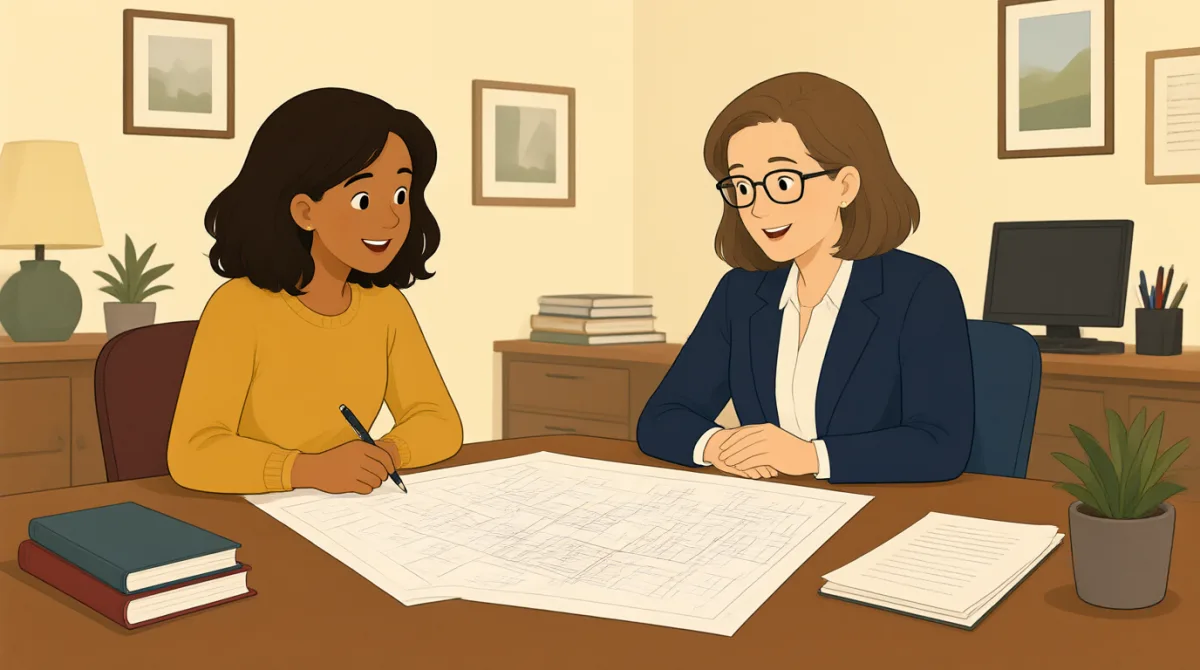
Reporter Emma Carter briefs editor Grace Wilson on allegations of improper safety inspections at a local plant. They map out what is known, what remains unverified, and how to approach a source who may be reluctant to speak.
تطلع الصحفية إيما كارتر المحررة غريس ويلسون على مزاعم تفيد بإجراء عمليات تفتيش غير سليمة للسلامة في مصنع محلي. وتحددان معًا ما هو معروف، وما لم يُتحقق منه بعد، وكيفية التواصل مع مصدر قد يتردد في الحديث.
حوار10

I’ve received two accounts alleging that safety inspections at the plant were signed off without being completed. I want to separate what we can document from what we’ve only been told.
تلقيت إفادتين تزعم كل منهما أن عمليات التفتيش على السلامة في المصنع اعتُمدت من دون إتمامها. أريد أن أفصل بين ما يمكننا توثيقه وما سمعناه فحسب.

Good. At this stage, treat those accounts as leads, not findings. What do the records actually show, and do the two sources have firsthand knowledge?
جيد. في هذه المرحلة، اعتبري هاتين الإفادتين خيطين للتحقيق، لا نتائج مؤكدة. ماذا تُظهر السجلات فعلًا؟ وهل لدى المصدرين معرفة مباشرة؟
One worked on the inspection team; the other says they saw completed forms entered after the fact. I haven’t seen the original forms, and neither has provided documentation yet.
عمل أحدهما ضمن فريق التفتيش، أما الآخر فيقول إنه رأى نماذج مكتملة أُدخلت في السجلات لاحقًا. لم أطلع على النماذج الأصلية، ولم يقدم أي منهما وثائق حتى الآن.
Then don’t collapse those into one claim. Ask each person what they observed directly, when they observed it, and what they’re inferring from someone else’s account.
إذًا لا تدمجيهما في ادعاء واحد. اسألي كل شخص عما شاهده بنفسه، ومتى شاهده، وما الذي يستنتجه من رواية شخص آخر.
I’m trying to reach a former employee who may know how the records were handled. They’re wary of being identified and haven’t agreed to speak yet.
أحاول التواصل مع موظف سابق قد يعرف كيف عولجت السجلات. إنه متوجس من كشف هويته، ولم يوافق على الحديث بعد.
Be clear about the purpose of the conversation and the ground rules before asking anything sensitive. Don’t promise anonymity unless we can realistically protect it.
وضّحي له هدف الحديث والقواعد المتفق عليها قبل طرح أي سؤال حساس. لا تعديه بعدم كشف هويته ما لم يكن بوسعنا حمايتها عمليًا.
I can explain that we’ll discuss attribution first and that they can decline questions. But I can’t guarantee their identity could never be inferred from the details.
يمكنني أن أوضح أننا سنتحدث أولًا عن طريقة الإشارة إليه، وأنه يستطيع الامتناع عن الإجابة عن أي سؤال. لكن لا يمكنني أن أضمن استحالة استنتاج هويته من التفاصيل.
Exactly. Also, don’t imply that a source’s account proves misconduct. We need the inspection logs, the underlying forms, and a response from the plant before drawing conclusions.
بالضبط. كذلك، لا توحي بأن رواية المصدر تثبت وقوع مخالفة. نحتاج إلى سجلات التفتيش والنماذج الأصلية وردّ من المصنع قبل استخلاص النتائج.
I’ll request the public logs and look for dates, signatures, and any gaps that can be independently checked. If something conflicts, I’ll ask whether there’s a routine explanation.
سأطلب السجلات المتاحة للعامة، وأبحث عن التواريخ والتوقيعات وأي ثغرات يمكن التحقق منها بصورة مستقلة. وإذا ظهر تعارض، فسأسأل إن كان له تفسير اعتيادي.
And keep a careful record of what we asked and what each person said. If the source agrees to speak, we can revisit attribution after we understand the evidence and the risks.
وسجّلي بدقة ما سألناه وما قاله كل شخص. إذا وافق المصدر على الحديث، يمكننا إعادة النظر في طريقة الإشارة إليه بعد أن نفهم الأدلة والمخاطر.
المفردات7
- leadsخيوط للتحقيق
Leads are pieces of information that may help an investigation but have not been confirmed. Here, the accounts point to issues that still need to be checked.
خيوط التحقيق هي معلومات قد تساعد في التحقيق، لكنها لم تُؤكَّد بعد. وهنا تشير الإفادات إلى مسائل ما زال يلزم التحقق منها.
- firsthand knowledgeمعرفة مباشرة
This means knowing something from your own direct experience, rather than hearing it from someone else. Journalists ask about it to assess how reliable a source’s information may be.
تعني معرفة شيء من واقع تجربتك المباشرة، لا من خلال سماعه من شخص آخر. يسأل الصحفيون عن ذلك لتقييم مدى موثوقية معلومات المصدر.
- after the factلاحقًا للواقعة
This means something was done after the event it was supposed to record. Here, the phrase suggests forms may have been entered after the inspections took place.
تعني أن شيئًا ما أُنجز بعد وقوع الحدث الذي كان من المفترض أن يوثّقه. وتشير العبارة هنا إلى احتمال إدخال النماذج في السجلات بعد إجراء عمليات التفتيش.
- ground rulesالقواعد المتفق عليها
Ground rules are the conditions or expectations agreed on before a conversation. In an interview, they can cover attribution, confidentiality, and the source’s right not to answer.
القواعد المتفق عليها هي الشروط أو التوقعات التي يتفق عليها الطرفان قبل الحديث. وقد تشمل في المقابلة كيفية الإشارة إلى المصدر، والسرية، وحق المصدر في عدم الإجابة.
- attributionطريقة الإشارة إلى المصدر
Attribution is how a journalist identifies or describes the source of information. It matters because a source may agree to speak only under certain conditions.
طريقة الإشارة إلى المصدر هي الكيفية التي يعرّف بها الصحفي مصدر المعلومات أو يصفه. وهذا مهم لأن المصدر قد يوافق على الحديث بشروط محددة فقط.
- independently checkedيمكن التحقق منه بصورة مستقلة
This describes information that can be verified using evidence separate from the original account. Dates, signatures, and records can help confirm whether a claim is accurate.
يصف هذا التعبير معلومات يمكن التثبت منها باستخدام أدلة منفصلة عن الرواية الأصلية. وقد تساعد التواريخ والتوقيعات والسجلات في تأكيد صحة الادعاء.
- routine explanationتفسير اعتيادي
A routine explanation is an ordinary, non-misconduct reason for something that appears unusual. Asking about one helps a journalist test competing interpretations fairly.
التفسير الاعتيادي هو سبب مألوف لا ينطوي على مخالفة، لحدوث أمر يبدو غير مألوف. والسؤال عن مثل هذا التفسير يساعد الصحفي على اختبار التفسيرات المحتملة بإنصاف.
الجمل الأساسية8
- 1
At this stage, treat those accounts as leads, not findings.
في هذه المرحلة، اعتبري هاتين الإفادتين خيطين للتحقيق، لا نتائج مؤكدة.
This sentence clearly distinguishes unverified information from established facts. Reuse the structure “Treat X as Y, not Z” when you need to emphasize caution.
تُميّز هذه الجملة بوضوح بين المعلومات غير المتحقق منها والحقائق الثابتة. أعيدي استخدام التركيب “Treat X as Y, not Z” عندما تريدين التأكيد على ضرورة التريث.
- 2
What do the records actually show, and do the two sources have firsthand knowledge?
ماذا تُظهر السجلات فعلًا؟ وهل لدى المصدرين معرفة مباشرة؟
This is a useful way to focus an investigation on evidence and the source’s direct experience. You can adapt it to ask what documents show and whether a person witnessed an event themselves.
هذه طريقة مفيدة لتركيز التحقيق على الأدلة وتجربة المصدر المباشرة. يمكنك تكييفها للسؤال عما تُظهره الوثائق، وما إذا كان الشخص قد شهد الواقعة بنفسه.
- 3
Then don’t collapse those into one claim.
إذًا لا تدمجيهما في ادعاء واحد.
This concise sentence warns against merging separate accounts or allegations into a single assertion. Use “don’t collapse X into Y” when different details need to remain distinct.
تحذّر هذه الجملة الموجزة من دمج إفادات أو مزاعم منفصلة في ادعاء واحد. استخدمي “don’t collapse X into Y” عندما ينبغي إبقاء التفاصيل المختلفة منفصلة.
- 4
Be clear about the purpose of the conversation and the ground rules before asking anything sensitive.
وضّحي هدف الحديث والقواعد المتفق عليها قبل طرح أي سؤال حساس.
This gives practical guidance for beginning a delicate interview transparently. The structure “Be clear about X before doing Y” is useful for setting expectations in professional conversations.
تقدّم هذه الجملة إرشادات عملية لبدء مقابلة حساسة بشفافية. ويفيد تركيب “Be clear about X before doing Y” في توضيح التوقعات أثناء المحادثات المهنية.
- 5
Don’t promise anonymity unless we can realistically protect it.
لا تعدي بعدم كشف هويته ما لم يكن بوسعنا حمايتها عمليًا.
This sentence expresses an important ethical limit: do not guarantee protection you may be unable to provide. Reuse “Don’t promise X unless…” to set a careful boundary.
تعبّر هذه الجملة عن حدّ أخلاقي مهم: لا تضمني حماية قد لا نستطيع توفيرها. أعيدي استخدام “Don’t promise X unless…” لوضع حدود واضحة بحذر.
- 6
We need the inspection logs, the underlying forms, and a response from the plant before drawing conclusions.
نحتاج إلى سجلات التفتيش والنماذج الأصلية وردّ من المصنع قبل استخلاص النتائج.
This sentence lists the evidence needed before reaching a judgment. It is useful to adapt the pattern “We need X, Y, and Z before…” when explaining what must happen next.
تسرد هذه الجملة الأدلة المطلوبة قبل إصدار حكم. ويمكنك تكييف النمط “We need X, Y, and Z before…” لشرح ما ينبغي فعله لاحقًا.
- 7
If something conflicts, I’ll ask whether there’s a routine explanation.
إذا ظهر تعارض، فسأسأل إن كان له تفسير اعتيادي.
This shows how to investigate discrepancies without assuming wrongdoing. Use “If something conflicts, I’ll ask whether…” to describe a fair, evidence-minded next step.
توضح هذه الجملة كيفية التحقيق في التناقضات من دون افتراض وقوع مخالفة. استخدمي “If something conflicts, I’ll ask whether…” لوصف خطوة تالية منصفة تستند إلى الأدلة.
- 8
If the source agrees to speak, we can revisit attribution after we understand the evidence and the risks.
إذا وافق المصدر على الحديث، يمكننا إعادة النظر في طريقة الإشارة إليه بعد أن نفهم الأدلة والمخاطر.
This sentence explains that attribution can be discussed again once the situation is clearer. The pattern “If X, we can revisit Y after…” is useful for describing a conditional plan.
توضح هذه الجملة أنه يمكن مناقشة طريقة الإشارة إلى المصدر مجددًا عندما تتضح الصورة. ويفيد النمط “If X, we can revisit Y after…” في وصف خطة مشروطة.