Cross-Checking the Evidence
التحقق المتقاطع من الأدلة
Emma consults David Chen, a veteran records specialist, to authenticate documents and compare their dates with public inspection logs. David cautions her that inconsistencies may point to clerical errors rather than deliberate tampering.
تستشير إيما ديفيد تشين، خبيرًا مخضرمًا في السجلات، للتحقق من صحة الوثائق ومقارنة تواريخها بسجلات التفتيش العامة. ويحذرها ديفيد من أن التناقضات قد تشير إلى أخطاء كتابية لا إلى تلاعب متعمد.
حوار12
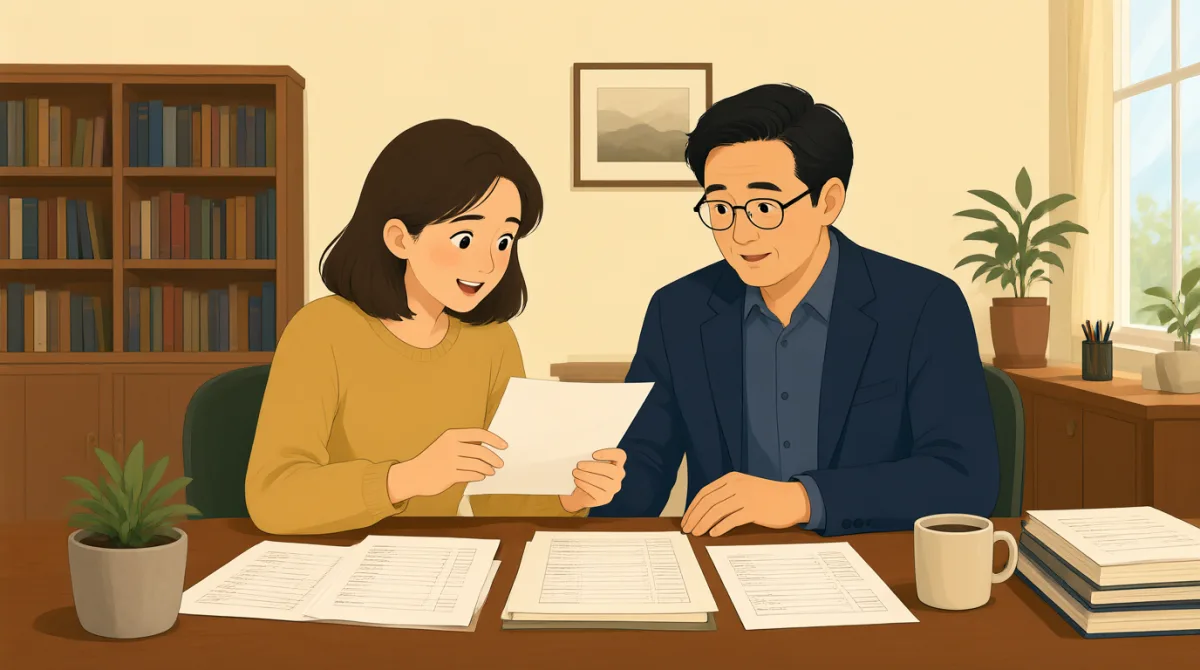

I’ve brought the inspection forms and the public logs. The dates don’t line up, but I don’t want to call that evidence of tampering before we know how these records were created.
أحضرتُ استمارات التفتيش والسجلات العامة. التواريخ لا تتطابق، لكنني لا أريد أن أعدّ ذلك دليلًا على التلاعب قبل أن نعرف كيف أُنشئت هذه السجلات.

Good instinct. A discrepancy is a question, not a conclusion. First, let’s establish whether these are original records, copies, or entries exported from a database that may have been updated later.
هذا تصرف حكيم. التباين يثير سؤالًا، ولا يشكّل استنتاجًا. أولًا، لنتحقق مما إذا كانت هذه سجلات أصلية أم نسخًا، أم بيانات صُدّرت من قاعدة بيانات ربما جرى تحديثها لاحقًا.
The forms came from a former employee. They have handwritten dates and initials, but there’s no cover sheet, and I can’t tell whether the pages are complete or in their original order.
حصلتُ على الاستمارات من موظف سابق. عليها تواريخ وأحرف أولى مكتوبة بخط اليد، لكن لا توجد صفحة غلاف، ولا أستطيع معرفة ما إذا كانت الصفحات كاملة أو مرتبة بترتيبها الأصلي.
Then we should treat provenance as unresolved. Do you have the files as they were received, including the email or message that transmitted them? Metadata and transmission history may help establish what changed—and when.
إذًا ينبغي أن نعدّ مصدر الوثائق وتسلسل التعامل معها أمرًا لم يُحسم بعد. هل لديك الملفات كما استلمتها، بما في ذلك البريد الإلكتروني أو الرسالة التي أُرسلت معها؟ قد تساعدنا البيانات الوصفية وسجل الإرسال على تحديد ما تغيّر ومتى.
I saved the original attachment and made a working copy. The attachment’s timestamp is two years later than the handwritten inspection date, though, so it could simply be a scan made after the fact.
حفظتُ المرفق الأصلي وأنشأت نسخة للعمل. لكن الطابع الزمني للمرفق يعود إلى ما بعد تاريخ التفتيش المكتوب بخط اليد بعامين، لذا ربما لا يكون الأمر سوى مسح ضوئي أُجري لاحقًا.
Exactly. A file timestamp usually tells you when that digital file was created or modified, not when the underlying inspection occurred. We’ll need to separate what the metadata proves from what it merely suggests.
بالضبط. عادةً ما يخبرك الطابع الزمني للملف بموعد إنشاء ذلك الملف الرقمي أو تعديله، لا بموعد إجراء التفتيش الذي يوثقه. علينا أن نفصل بين ما تثبته البيانات الوصفية وما توحي به فحسب.
The public log lists an inspection on that date, but it describes a different section of the plant. Could that indicate the form was misdated, or are we comparing records that use different location codes?
يسجل السجل العام عملية تفتيش في ذلك التاريخ، لكنه يصف قسمًا مختلفًا من المصنع. هل يمكن أن يعني ذلك أن تاريخ الاستمارة غير صحيح، أم أننا نقارن سجلات تستخدم رموز مواقع مختلفة؟
Either is possible. Let’s compare the codes against the agency’s documentation, then check whether its log records the inspection date, the filing date, or the date an entry was entered into the system.
كلا الاحتمالين وارد. لنقارن الرموز بوثائق الجهة، ثم نتحقق مما إذا كان سجلها يوثق تاريخ التفتيش أم تاريخ تقديم التقرير أم تاريخ إدخال القيد في النظام.
If the log was entered later, a mismatch might be routine. But if the initials on the form match the inspector’s signature elsewhere, would that strengthen the document’s authenticity?
إذا أُدخل القيد في السجل لاحقًا، فقد يكون عدم التطابق أمرًا اعتياديًا. لكن إذا تطابقت الأحرف الأولى على الاستمارة مع توقيع المفتش في مكان آخر، فهل يعزز ذلك صحة الوثيقة؟
It would be one useful point of comparison, not proof by itself. We should verify the signature against an independent record and ask the agency how its forms were handled at the time.
سيكون ذلك نقطة مفيدة للمقارنة، لكنه ليس دليلًا قاطعًا بمفرده. ينبغي أن نتحقق من التوقيع بالرجوع إلى سجل مستقل، وأن نسأل الجهة عن كيفية التعامل مع استماراتها في ذلك الوقت.
Understood. I’ll preserve the originals, document how I received them, and request the agency’s filing procedures and the relevant log history. I won’t describe the discrepancy as deliberate alteration unless the evidence supports that.
مفهوم. سأحافظ على الأصول، وأوثّق كيفية استلامي لها، وأطلب إجراءات حفظ السجلات لدى الجهة وسجل التعديلات ذي الصلة. ولن أصف هذا التباين بأنه تغيير متعمد ما لم تدعم الأدلة ذلك.
That’s the right standard. And keep a clear distinction in your notes between what the documents show, what someone told you, and what you’re still trying to establish. Readers deserve that precision.
هذا هو المعيار الصحيح. واحرصي في ملاحظاتك على التمييز بوضوح بين ما تُظهره الوثائق، وما أخبرك به أحد، وما تحاولين التحقق منه. القراء يستحقون هذه الدقة.
المفردات7
- discrepancyتباين
A difference between two pieces of information that are expected to match. Here, it describes the dates or details that do not line up across records.
فرق بين معلومتين يُتوقع أن تتطابقا. ويصف هنا التواريخ أو التفاصيل التي لا تتطابق في السجلات.
- provenanceمصدر الوثيقة وتسلسل التعامل معها
The history of where a document came from and how it has been handled. Journalists use provenance to assess a record’s reliability.
تاريخ مصدر الوثيقة وكيفية التعامل معها. يستعين الصحفيون بمعرفة مصدر السجل وتسلسل التعامل معه لتقييم مدى موثوقيته.
- metadataالبيانات الوصفية
Information about a digital file, such as when it was created or modified. It may help establish a file’s history, but not necessarily the date of the event described in it.
معلومات عن ملف رقمي، مثل وقت إنشائه أو تعديله. قد تساعد هذه المعلومات على تحديد تاريخ الملف، لكنها لا تحدد بالضرورة تاريخ الحدث الذي يوثقه.
- underlying inspectionالتفتيش الفعلي
The actual inspection that a document refers to, as distinct from the later creation of a digital copy. The phrase helps separate an event’s date from a file’s timestamp.
التفتيش الذي تشير إليه الوثيقة فعلًا، تمييزًا له عن إنشاء نسخة رقمية لاحقًا. تساعد هذه العبارة على الفصل بين تاريخ الحدث والطابع الزمني للملف.
- independent recordسجل مستقل
A separate source that can be used to check a claim. Comparing a signature with an independent record can support authentication, though it does not prove it on its own.
مصدر منفصل يمكن استخدامه للتحقق من ادعاء ما. قد تدعم مقارنة توقيع بسجل مستقل التحقق من صحة الوثيقة، لكنها لا تثبت ذلك بمفردها.
- filing proceduresإجراءات حفظ السجلات
The rules or routine steps an organization follows to submit and store records. Asking about them can help explain why dates or entries differ.
القواعد أو الخطوات المعتادة التي تتبعها مؤسسة لتقديم السجلات وحفظها. قد يساعد السؤال عنها على تفسير اختلاف التواريخ أو القيود.
- deliberate alterationتغيير متعمد
An intentional change made to a document or record. The phrase should be used only when evidence supports the conclusion that the change was intentional.
تغيير مقصود يُجرى على وثيقة أو سجل. لا ينبغي استخدام هذه العبارة إلا إذا دعمت الأدلة استنتاج أن التغيير كان متعمدًا.
الجمل الأساسية7
- 1
A discrepancy is a question, not a conclusion.
التباين يثير سؤالًا، ولا يشكّل استنتاجًا.
This concise sentence cautions against treating an inconsistency as proof. Use it to emphasize that a finding needs further investigation before it supports a conclusion.
تحذّر هذه العبارة الموجزة من اعتبار عدم الاتساق دليلًا قاطعًا. استخدمها للتأكيد على أن النتيجة تحتاج إلى مزيد من التحقيق قبل أن تدعم استنتاجًا.
- 2
Then we should treat provenance as unresolved.
إذًا ينبغي أن نعدّ مصدر الوثائق وتسلسل التعامل معها أمرًا لم يُحسم بعد.
This is a careful way to say that a document’s origins and handling have not yet been established. Reuse the pattern “treat [issue] as unresolved” when evidence is incomplete.
هذه طريقة دقيقة للقول إن مصدر الوثيقة وكيفية التعامل معها لم يتحددا بعد. يمكنك إعادة استخدام النمط “treat [issue] as unresolved” عندما تكون الأدلة غير مكتملة.
- 3
We’ll need to separate what the metadata proves from what it merely suggests.
علينا أن نفصل بين ما تثبته البيانات الوصفية وما توحي به فحسب.
This sentence distinguishes confirmed facts from possible interpretations. It is useful when explaining why digital information should be interpreted cautiously.
تميّز هذه الجملة بين الحقائق المؤكدة والتفسيرات المحتملة. وهي مفيدة عند توضيح سبب ضرورة التعامل بحذر مع المعلومات الرقمية.
- 4
Either is possible.
كلا الاحتمالين وارد.
This brief response acknowledges multiple plausible explanations without choosing between them prematurely. Use it when the available evidence does not yet settle a question.
يقرّ هذا الرد الموجز بوجود تفسيرات محتملة متعددة من دون التسرع في اختيار أحدها. استخدمه عندما لا تحسم الأدلة المتاحة السؤال بعد.
- 5
It would be one useful point of comparison, not proof by itself.
سيكون ذلك نقطة مفيدة للمقارنة، لكنه ليس دليلًا قاطعًا بمفرده.
This sentence explains that a piece of supporting evidence has limits. Reuse the structure “one useful point of comparison, not proof by itself” to describe evidence that needs corroboration.
توضح هذه الجملة أن للأدلة الداعمة حدودًا. يمكنك إعادة استخدام التركيب “one useful point of comparison, not proof by itself” لوصف دليل يحتاج إلى ما يؤيده.
- 6
I’ll preserve the originals, document how I received them, and request the agency’s filing procedures and the relevant log history.
سأحافظ على الأصول، وأوثّق كيفية استلامي لها، وأطلب إجراءات حفظ السجلات لدى الجهة وسجل التعديلات ذي الصلة.
This sentence lays out practical steps for maintaining a clear record of evidence and seeking context. Its parallel verbs make it useful when describing a careful investigation plan.
تسرد هذه الجملة خطوات عملية للحفاظ على سجل واضح للأدلة وطلب المعلومات اللازمة لفهم سياقها. وتجعل الأفعال المتوازية منها عبارة مفيدة لوصف خطة تحقيق دقيقة.
- 7
Readers deserve that precision.
القراء يستحقون هذه الدقة.
This short statement connects accurate reporting with responsibility to the audience. Use it to underscore why a journalist should distinguish facts, claims, and unanswered questions.
تربط هذه العبارة الموجزة بين دقة التقارير ومسؤولية الصحفي تجاه جمهوره. استخدمها للتأكيد على أهمية التمييز بين الحقائق والادعاءات والأسئلة التي لم تُجب بعد.