Pressing Past Evasive Answers
회피성 답변을 넘어서 깊이 파고들기
When Jack gives vague answers about who altered inspection records, Emma asks precise follow-up questions without overstating what he has witnessed. They negotiate whether parts of his account may be attributed on the record or only used as background.
잭이 검사 기록을 누가 변경했는지 모호하게 답하자, 에마는 잭이 직접 목격한 사실을 과장하지 않으면서 정확한 후속 질문을 합니다. 두 사람은 잭의 진술 중 어떤 부분을 실명으로 인용할 수 있고 어떤 부분을 배경 정보로만 사용할지 협의합니다.
대화12
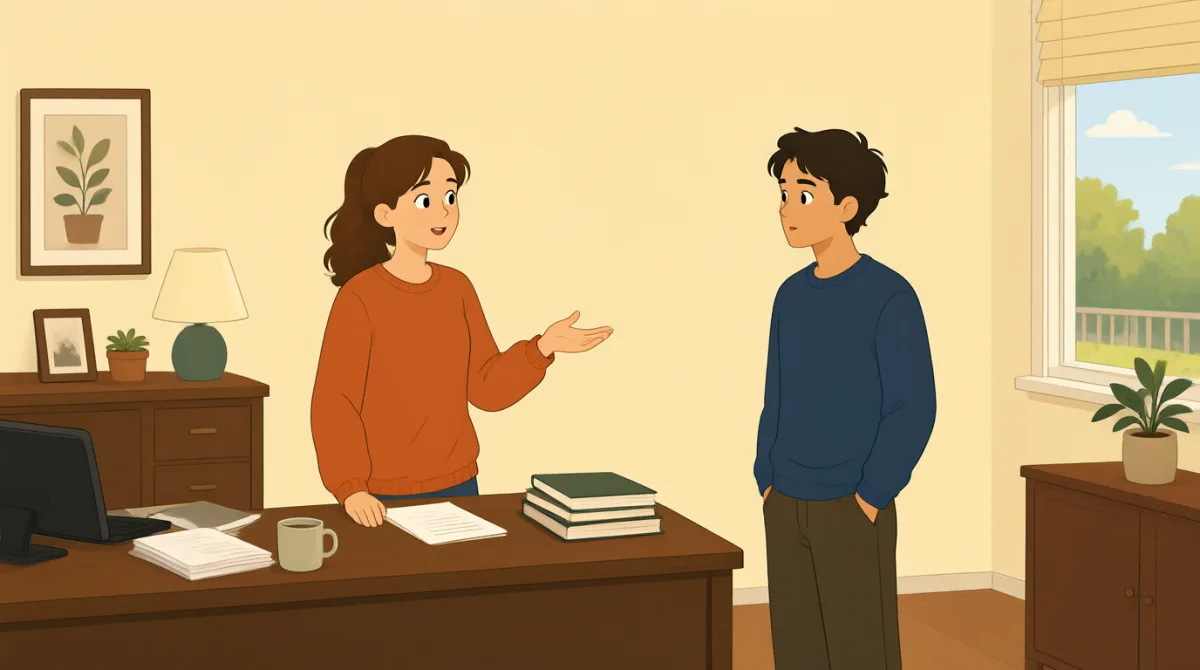

You said the inspection records were changed after the walkthrough. What did you see yourself, and what did someone else tell you? I want to keep those separate.
검사 기록이 현장 점검 후에 변경됐다고 하셨죠. 직접 보신 건 무엇이고, 다른 사람에게 들은 건 무엇인가요? 그 둘은 구분해서 다루고 싶습니다.

I saw the file on the shared drive later. The dates looked different from what I remembered, but I didn't watch anyone edit it.
나중에 공유 드라이브에서 그 파일을 봤어요. 날짜가 제가 기억하던 것과 달라 보였지만, 누군가가 파일을 수정하는 모습을 본 건 아니에요.
When you say the dates looked different, do you mean the inspection date, the date the file was updated, or both? And how are you remembering the original dates?
날짜가 달라 보였다고 하셨는데, 검사 날짜를 말씀하시는 건가요, 파일이 업데이트된 날짜를 말씀하시는 건가요, 아니면 둘 다인가요? 그리고 원래 날짜는 어떻게 기억하고 계신가요?
The inspection date, I think. I remember because I was on shift that week. I can't swear to the exact day, and I don't want to make it sound more certain than it is.
검사 날짜였던 것 같아요. 그 주에 제가 근무 중이어서 기억해요. 정확히 며칠이었는지는 확신할 수 없고, 실제보다 더 확실한 것처럼 말하고 싶지는 않아요.
That's helpful. Did you compare the file with a paper copy, an email, or any other record from that week? If not, I'll describe this as a discrepancy you noticed, not proof of an alteration.
도움이 되는 정보네요. 그 주의 종이 사본이나 이메일, 또는 다른 기록과 파일을 대조해 보셨나요? 그렇지 않다면, 저는 이것을 변경의 증거가 아니라 본인이 발견한 불일치로 설명하겠습니다.
There was an email attachment, but I can't access my old account now. I remember it listed a different date, though I realize memory isn't documentation.
이메일 첨부 파일이 하나 있었는데, 지금은 예전 계정에 접속할 수 없어요. 다른 날짜가 적혀 있었던 건 기억하지만, 기억이 문서 자료는 아니라는 점도 알고 있어요.
Understood. About who changed the record: you said, 'people in the office knew.' Who specifically told you that, and what exactly did they say?
알겠습니다. 기록을 누가 변경했는지에 대해서는 ‘사무실 사람들이 알고 있었다’고 말씀하셨죠. 구체적으로 누가 그렇게 말했으며, 정확히 뭐라고 했나요?
I shouldn't have phrased it that way. A coworker said the supervisor wanted the paperwork cleaned up. I didn't hear the supervisor say that, and I don't know what 'cleaned up' meant.
그렇게 표현하면 안 됐어요. 한 동료가 상사가 서류를 깔끔하게 정리하길 원했다고 말했어요. 상사가 그렇게 말하는 걸 직접 들은 건 아니고, ‘깔끔하게 정리한다’는 말이 무슨 뜻인지도 몰라요.
Then I won't present that as evidence the supervisor ordered falsification. Would you be comfortable with me quoting your account of what you personally saw, with your name attached?
그렇다면 상사가 허위 기재를 지시했다는 증거로 제시하지 않겠습니다. 본인이 직접 본 내용을 진술한 부분을 이름을 밝힌 채 인용해도 괜찮으시겠어요?
Not yet. You can use what I saw as background, but not quote me or identify me. I need to understand exactly what you mean by background before I agree.
아직은 안 돼요. 제가 본 내용은 배경 정보로 사용할 수 있지만, 저를 인용하거나 신원을 밝히지는 마세요. 동의하기 전에 배경 정보가 정확히 무슨 뜻인지 알고 싶어요.
Fair. Nothing is off the record unless we explicitly agree on the terms beforehand. For now, I won't publish your name or quote these remarks; we can discuss whether any details may be used anonymously.
그럴 만합니다. 사전에 조건에 대해 명확히 합의하지 않는 한, 어떤 내용도 비보도 조건이 되는 건 아닙니다. 일단은 이름을 공개하거나 이 발언들을 인용하지 않겠습니다. 어떤 세부 사항을 익명으로 사용할 수 있을지는 논의해 보죠.
All right. I can look for the old email and check whether the attachment is still on a backup. But please don't treat that coworker's comment as confirmation of who made the change.
좋아요. 예전 이메일을 찾아보고 첨부 파일이 백업에 남아 있는지 확인해 볼게요. 하지만 그 동료의 말을 변경한 사람이 누구인지 확인해 주는 증거로 취급하지는 말아 주세요.
어휘7
- keep those separate그 둘은 구분해서 다루다
To treat two kinds of information as distinct rather than mixing them together. Here, Emma wants to distinguish what Jack witnessed from what he heard from someone else.
두 종류의 정보를 섞지 않고 서로 별개의 것으로 다룬다는 뜻이에요. 여기서 에마는 잭이 직접 목격한 내용과 다른 사람에게 들은 내용을 구분하려고 합니다.
- I can't swear to the exact day정확히 며칠이었는지는 확신할 수 없어요
A careful way to say you cannot guarantee that a detail is accurate. Use it when you remember something generally but are unsure about the specifics.
어떤 세부 사항이 정확하다고 보장할 수 없다는 것을 신중하게 말하는 표현이에요. 대략적인 내용은 기억하지만 구체적인 부분이 확실하지 않을 때 사용합니다.
- make it sound more certain than it is실제보다 더 확실한 것처럼 말하다
To describe uncertain information as though it were definite. This phrase helps you be transparent about the limits of your knowledge.
확실하지 않은 정보를 확정된 사실인 것처럼 설명한다는 뜻이에요. 이 표현을 사용하면 자신이 아는 범위의 한계를 솔직하게 밝힐 수 있습니다.
- a discrepancy you noticed본인이 발견한 불일치
A difference or inconsistency that you observed. It describes what someone saw without claiming to know what caused it.
직접 관찰한 차이나 불일치를 뜻해요. 그 차이가 왜 생겼는지는 안다고 주장하지 않으면서, 무엇을 보았는지만 설명하는 표현입니다.
- I shouldn't have phrased it that way그렇게 표현하면 안 됐어요
A way to acknowledge that your previous wording was misleading or too broad. You can use it to correct yourself and clarify what you actually know.
앞서 한 말이 오해를 불러일으켰거나 지나치게 포괄적이었다는 것을 인정하는 표현이에요. 자신이 실제로 아는 내용을 바로잡고 명확히 설명할 때 사용할 수 있습니다.
- with your name attached이름을 밝힌 채
Published or shared with your identity revealed. In journalism, a source may be asked whether a statement can be attributed to them by name.
신원이 공개된 상태로 출판되거나 공유된다는 뜻이에요. 언론에서는 출처의 발언을 실명으로 인용해도 되는지 물어볼 수 있습니다.
- as background배경 정보로
Information shared to help a journalist understand a story, but not necessarily for direct quotation or public attribution. The exact conditions should be agreed on beforehand.
기자가 이야기를 이해하는 데 도움이 되도록 제공하는 정보지만, 반드시 직접 인용하거나 공개적으로 출처를 밝히기 위한 정보는 아니라는 뜻이에요. 정확한 조건은 미리 합의해야 합니다.
핵심 문장8
- 1
What did you see yourself, and what did someone else tell you?
직접 보신 건 무엇이고, 다른 사람에게 들은 건 무엇인가요?
This precise question separates firsthand knowledge from secondhand information. Reuse it when you need to establish how someone knows each detail.
이 정확한 질문은 직접 얻은 지식과 다른 사람에게 들은 정보를 구분해요. 각각의 세부 사항을 어떻게 알게 되었는지 확인해야 할 때 다시 사용할 수 있습니다.
- 2
I want to keep those separate.
그 둘은 구분해서 다루고 싶습니다.
This explains the reason for distinguishing between different sources of information. You can use it to make clear that you are being careful, not dismissive.
이 문장은 서로 다른 정보의 출처를 구분하려는 이유를 설명해요. 상대방의 말을 무시하는 것이 아니라 신중하게 확인하고 있다는 점을 분명히 할 수 있습니다.
- 3
I can't swear to the exact day, and I don't want to make it sound more certain than it is.
정확히 며칠이었는지는 확신할 수 없고, 실제보다 더 확실한 것처럼 말하고 싶지는 않아요.
This sentence honestly states a limit on the speaker's memory and avoids overstating the evidence. Adapt it when you recall something but cannot verify every detail.
이 문장은 자신의 기억에 한계가 있다는 점을 솔직하게 밝고, 증거를 과장하지 않아요. 어떤 일을 기억하지만 모든 세부 사항을 확인할 수 없을 때 활용해 보세요.
- 4
If not, I'll describe this as a discrepancy you noticed, not proof of an alteration.
그렇지 않다면, 저는 이것을 변경의 증거가 아니라 본인이 발견한 불일치로 설명하겠습니다.
This sentence sets a clear boundary between an observed difference and a conclusion about its cause. It is useful when reporting evidence cautiously.
이 문장은 관찰한 차이와 그 원인에 대한 결론 사이에 분명한 경계를 설정해요. 증거를 신중하게 보도할 때 유용한 표현입니다.
- 5
I didn't hear the supervisor say that, and I don't know what 'cleaned up' meant.
상사가 그렇게 말하는 걸 직접 들은 건 아니고, ‘깔끔하게 정리한다’는 말이 무슨 뜻인지도 몰라요.
This makes clear both what the speaker did not witness and what remains unclear. Use this pattern to avoid turning vague remarks into firm accusations.
이 표현은 화자가 직접 목격하지 않은 내용과 아직 명확하지 않은 내용을 모두 분명히 해요. 모호한 말을 확정적인 비난으로 바꾸지 않도록 할 때 이 패턴을 사용하세요.
- 6
Would you be comfortable with me quoting your account of what you personally saw, with your name attached?
본인이 직접 본 내용을 진술한 부분을 이름을 밝힌 채 인용해도 괜찮으시겠어요?
This asks for explicit permission to quote someone and identify them. It is a professional way to clarify attribution before using a source's comments.
이 질문은 누군가의 말을 인용하고 신원을 밝히는 것에 대해 명시적인 허락을 구해요. 출처의 발언을 사용하기 전에 인용 및 공개 조건을 확인하는 전문적인 표현입니다.
- 7
Nothing is off the record unless we explicitly agree on the terms beforehand.
사전에 조건에 대해 명확히 합의하지 않는 한, 어떤 내용도 비보도 조건이 되는 건 아닙니다.
This states that confidentiality conditions must be agreed upon in advance. It is useful for setting clear expectations before a sensitive conversation.
이 문장은 비밀 유지 조건은 미리 합의해야 한다는 뜻이에요. 민감한 대화를 시작하기 전에 서로의 기대치를 분명히 설정할 때 유용합니다.
- 8
But please don't treat that coworker's comment as confirmation of who made the change.
하지만 그 동료의 말을 변경한 사람이 누구인지 확인해 주는 증거로 취급하지는 말아 주세요.
This warns the listener not to interpret secondhand information as proof. Reuse it when you need to distinguish a lead or allegation from confirmed evidence.
이 표현은 다른 사람에게 들은 정보를 증거로 해석하지 말라고 경고해요. 단서나 주장과 확인된 증거를 구분해야 할 때 다시 사용할 수 있습니다.