Pressing Past Evasive Answers
پیگیری پاسخهای طفرهآمیز
When Jack gives vague answers about who altered inspection records, Emma asks precise follow-up questions without overstating what he has witnessed. They negotiate whether parts of his account may be attributed on the record or only used as background.
وقتی جک دربارهٔ اینکه چه کسی سوابق بازرسی را تغییر داده پاسخهای مبهمی میدهد، اِما بدون اغراق دربارهٔ آنچه او دیده، پرسشهای دقیقتری میپرسد. آنها دربارهٔ این گفتوگو میکنند که آیا میتوان بخشهایی از گفتههای جک را با ذکر نام او منتشر کرد یا فقط بهعنوان اطلاعات زمینهای از آنها استفاده کرد.
گفتوگو12
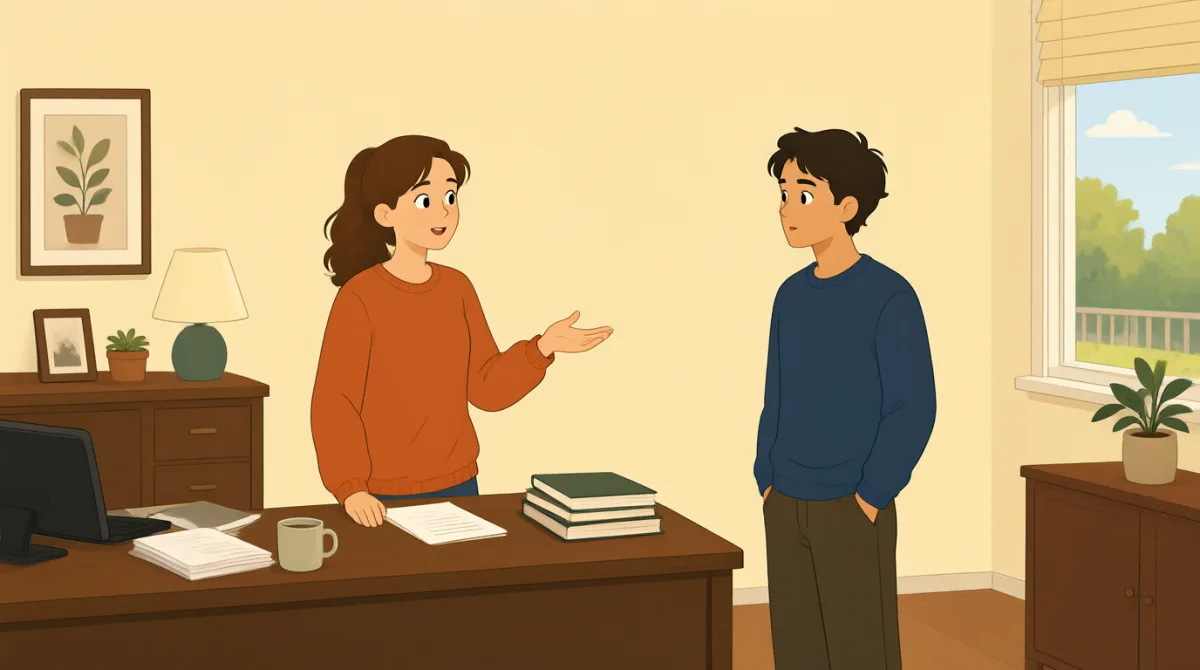

You said the inspection records were changed after the walkthrough. What did you see yourself, and what did someone else tell you? I want to keep those separate.
گفتی سوابق بازرسی بعد از بازدید تغییر کرده بود. خودت چه چیزی دیدی و چه چیزی را کس دیگری به تو گفت؟ میخواهم این دو را از هم جدا نگه دارم.

I saw the file on the shared drive later. The dates looked different from what I remembered, but I didn't watch anyone edit it.
بعدتر، پرونده را روی درایو مشترک دیدم. تاریخها با چیزی که یادم بود فرق داشت، اما ندیدم کسی آن را ویرایش کند.
When you say the dates looked different, do you mean the inspection date, the date the file was updated, or both? And how are you remembering the original dates?
وقتی میگویی تاریخها فرق داشت، منظورت تاریخ بازرسی است، تاریخ بهروزرسانی پرونده یا هر دو؟ و تاریخهای اصلی را چطور به یاد میآوری؟
The inspection date, I think. I remember because I was on shift that week. I can't swear to the exact day, and I don't want to make it sound more certain than it is.
فکر کنم تاریخ بازرسی بود. یادم مانده چون آن هفته شیفت بودم. نمیتوانم به روز دقیق قسم بخورم و نمیخواهم طوری بیانش کنم که از چیزی که هست قطعیتر به نظر برسد.
That's helpful. Did you compare the file with a paper copy, an email, or any other record from that week? If not, I'll describe this as a discrepancy you noticed, not proof of an alteration.
این کمککننده است. پرونده را با نسخهٔ کاغذی، ایمیل یا مدرک دیگری از همان هفته مقایسه کردی؟ اگر نه، این را بهعنوان اختلافی که متوجهش شدی توصیف میکنم، نه مدرکی دال بر تغییر دادن پرونده.
There was an email attachment, but I can't access my old account now. I remember it listed a different date, though I realize memory isn't documentation.
یک پیوست ایمیل بود، اما دیگر به حساب قدیمیام دسترسی ندارم. یادم هست تاریخ متفاوتی در آن نوشته شده بود، ولی میدانم که خاطره سند و مدرک نیست.
Understood. About who changed the record: you said, 'people in the office knew.' Who specifically told you that, and what exactly did they say?
متوجه شدم. دربارهٔ اینکه چه کسی پرونده را تغییر داده، گفتی «آدمهای دفتر خبر داشتند». دقیقاً چه کسی این را به تو گفت و حرفش دقیقاً چه بود؟
I shouldn't have phrased it that way. A coworker said the supervisor wanted the paperwork cleaned up. I didn't hear the supervisor say that, and I don't know what 'cleaned up' meant.
نباید اینطور بیانش میکردم. یکی از همکارانم گفت سرپرست میخواست کارهای کاغذی را «مرتبوجور» کنند. نشنیدم خود سرپرست چنین چیزی بگوید و نمیدانم منظور از «مرتبوجور» چه بود.
Then I won't present that as evidence the supervisor ordered falsification. Would you be comfortable with me quoting your account of what you personally saw, with your name attached?
پس این را مدرکی مبنی بر اینکه سرپرست دستور جعل داده معرفی نمیکنم. راحتی که گفتههایت را دربارهٔ چیزهایی که خودت دیدی با ذکر نامت نقلقول کنم؟
Not yet. You can use what I saw as background, but not quote me or identify me. I need to understand exactly what you mean by background before I agree.
فعلاً نه. میتوانی از چیزهایی که دیدم بهعنوان اطلاعات زمینهای استفاده کنی، اما از من نقلقول نکن و هویتم را فاش نکن. قبل از موافقت باید دقیقاً بدانم منظورت از اطلاعات زمینهای چیست.
Fair. Nothing is off the record unless we explicitly agree on the terms beforehand. For now, I won't publish your name or quote these remarks; we can discuss whether any details may be used anonymously.
منصفانه است. هیچچیزی خارج از ضبط نیست، مگر اینکه از قبل صریحاً دربارهٔ شرایطش توافق کنیم. فعلاً نامت را منتشر نمیکنم و این حرفها را نقلقول نمیکنم؛ میتوانیم دربارهٔ استفادهٔ ناشناس از بعضی جزئیات صحبت کنیم.
All right. I can look for the old email and check whether the attachment is still on a backup. But please don't treat that coworker's comment as confirmation of who made the change.
باشه. میتوانم دنبال ایمیل قدیمی بگردم و ببینم پیوستش هنوز در نسخهٔ پشتیبان هست یا نه. اما لطفاً حرف آن همکار را تأییدی بر اینکه چه کسی تغییر را داده تلقی نکن.
واژگان7
- keep those separateاین دو را از هم جدا نگه داشتن
To treat two kinds of information as distinct rather than mixing them together. Here, Emma wants to distinguish what Jack witnessed from what he heard from someone else.
یعنی دو نوع اطلاعات را جداگانه در نظر بگیریم و آنها را با هم قاطی نکنیم. اِما میخواهد چیزی را که جک خودش دیده از چیزی که از فرد دیگری شنیده جدا کند.
- I can't swear to the exact dayنمیتوانم به روز دقیق قسم بخورم
A careful way to say you cannot guarantee that a detail is accurate. Use it when you remember something generally but are unsure about the specifics.
راهی محتاطانه برای گفتن این است که نمیتوانی درستی یک جزئیات را تضمین کنی. وقتی کلیت چیزی را به یاد داری اما دربارهٔ جزئیاتش مطمئن نیستی، از این عبارت استفاده کن.
- make it sound more certain than it isطوری بیانش کردن که از چیزی که هست قطعیتر به نظر برسد
To describe uncertain information as though it were definite. This phrase helps you be transparent about the limits of your knowledge.
یعنی اطلاعات نامطمئن را طوری توصیف کنی که انگار قطعی است. این عبارت کمک میکند دربارهٔ محدودیتهای دانستههایت شفاف باشی.
- a discrepancy you noticedاختلافی که متوجهش شدی
A difference or inconsistency that you observed. It describes what someone saw without claiming to know what caused it.
یعنی تفاوت یا ناسازگاریای که مشاهده کردهای. این عبارت چیزی را که فرد دیده توصیف میکند، بیآنکه ادعا کند علت آن را میداند.
- I shouldn't have phrased it that wayنباید اینطور بیانش میکردم
A way to acknowledge that your previous wording was misleading or too broad. You can use it to correct yourself and clarify what you actually know.
راهی برای پذیرفتن اینکه حرف قبلیات گمراهکننده یا بیش از حد کلی بوده است. میتوانی از آن استفاده کنی تا حرفت را اصلاح کنی و روشن کنی واقعاً چه میدانی.
- with your name attachedبا ذکر نامت
Published or shared with your identity revealed. In journalism, a source may be asked whether a statement can be attributed to them by name.
یعنی مطلبی منتشر یا به اشتراک گذاشته شود و هویت تو هم فاش شود. در روزنامهنگاری ممکن است از منبع بپرسند آیا میتوان سخنانش را با ذکر نام او نقل کرد.
- as backgroundبهعنوان اطلاعات زمینهای
Information shared to help a journalist understand a story, but not necessarily for direct quotation or public attribution. The exact conditions should be agreed on beforehand.
اطلاعاتی که برای کمک به روزنامهنگار در درک یک موضوع در اختیارش میگذاری، اما لزوماً برای نقلقول مستقیم یا انتشار عمومی با ذکر نام نیست. شرایط دقیق استفاده از این اطلاعات باید از قبل توافق شود.
جملات کلیدی8
- 1
What did you see yourself, and what did someone else tell you?
خودت چه چیزی دیدی و چه چیزی را کس دیگری به تو گفت؟
This precise question separates firsthand knowledge from secondhand information. Reuse it when you need to establish how someone knows each detail.
این پرسش دقیق، دانستههای دستاول را از اطلاعاتی که از دیگران شنیده شده جدا میکند. وقتی میخواهی بفهمی فرد هر جزئیات را از کجا میداند، میتوانی دوباره از آن استفاده کنی.
- 2
I want to keep those separate.
میخواهم این دو را از هم جدا نگه دارم.
This explains the reason for distinguishing between different sources of information. You can use it to make clear that you are being careful, not dismissive.
این جمله دلیل جدا کردن منابع مختلف اطلاعات را توضیح میدهد. میتوانی از آن استفاده کنی تا روشن شود که داری بااحتیاط برخورد میکنی، نه اینکه حرف طرف مقابل را نادیده بگیری.
- 3
I can't swear to the exact day, and I don't want to make it sound more certain than it is.
نمیتوانم به روز دقیق قسم بخورم و نمیخواهم طوری بیانش کنم که از چیزی که هست قطعیتر به نظر برسد.
This sentence honestly states a limit on the speaker's memory and avoids overstating the evidence. Adapt it when you recall something but cannot verify every detail.
این جمله صادقانه محدودیت حافظهٔ گوینده را بیان میکند و از بزرگنمایی شواهد پرهیز میکند. وقتی چیزی را به یاد داری اما نمیتوانی همهٔ جزئیاتش را تأیید کنی، میتوانی آن را متناسب با موقعیت تغییر دهی و به کار ببری.
- 4
If not, I'll describe this as a discrepancy you noticed, not proof of an alteration.
اگر نه، این را بهعنوان اختلافی که متوجهش شدی توصیف میکنم، نه مدرکی دال بر تغییر دادن پرونده.
This sentence sets a clear boundary between an observed difference and a conclusion about its cause. It is useful when reporting evidence cautiously.
این جمله مرز روشنی میان تفاوتی که مشاهده شده و نتیجهگیری دربارهٔ علت آن میگذارد. هنگام گزارش محتاطانهٔ شواهد، کاربرد دارد.
- 5
I didn't hear the supervisor say that, and I don't know what 'cleaned up' meant.
نشنیدم سرپرست چنین چیزی بگوید و نمیدانم منظور از «مرتبوجور» چه بود.
This makes clear both what the speaker did not witness and what remains unclear. Use this pattern to avoid turning vague remarks into firm accusations.
این جمله روشن میکند که گوینده نه شاهد چه چیزی بوده و چه چیزی هنوز برایش نامشخص است. از این الگو استفاده کن تا حرفهای مبهم را به اتهامهای قطعی تبدیل نکنی.
- 6
Would you be comfortable with me quoting your account of what you personally saw, with your name attached?
راحتی که گفتههایت را دربارهٔ چیزهایی که خودت دیدی با ذکر نامت نقلقول کنم؟
This asks for explicit permission to quote someone and identify them. It is a professional way to clarify attribution before using a source's comments.
این جمله برای نقلقول از کسی و افشای هویتش اجازهٔ صریح میگیرد. روشی حرفهای است برای روشن کردن نحوهٔ انتساب گفتهها پیش از استفاده از سخنان منبع.
- 7
Nothing is off the record unless we explicitly agree on the terms beforehand.
هیچچیزی خارج از ضبط نیست، مگر اینکه از قبل صریحاً دربارهٔ شرایطش توافق کنیم.
This states that confidentiality conditions must be agreed upon in advance. It is useful for setting clear expectations before a sensitive conversation.
این جمله میگوید شرایط محرمانگی باید از پیش مورد توافق قرار بگیرند. برای تعیین انتظارات روشن پیش از یک گفتوگوی حساس مفید است.
- 8
But please don't treat that coworker's comment as confirmation of who made the change.
اما لطفاً حرف آن همکار را تأییدی بر اینکه چه کسی تغییر را داده تلقی نکن.
This warns the listener not to interpret secondhand information as proof. Reuse it when you need to distinguish a lead or allegation from confirmed evidence.
این جمله به شنونده هشدار میدهد که اطلاعات دستدوم را مدرک قطعی تلقی نکند. وقتی لازم است سرنخ یا ادعا را از شواهد تأییدشده جدا کنی، میتوانی دوباره از آن استفاده کنی.