Pressing Past Evasive Answers
এড়িয়ে যাওয়া উত্তরের পরও সুনির্দিষ্টভাবে জানতে চাওয়া
When Jack gives vague answers about who altered inspection records, Emma asks precise follow-up questions without overstating what he has witnessed. They negotiate whether parts of his account may be attributed on the record or only used as background.
পরিদর্শনের নথিতে কে পরিবর্তন এনেছিল—এ বিষয়ে জ্যাক যখন অস্পষ্ট উত্তর দেয়, তখন এমা তার দেখা ঘটনাকে বাড়িয়ে না বলে নির্দিষ্ট কিছু অনুসারী প্রশ্ন করেন। জ্যাকের বক্তব্যের কোন অংশ তার নামসহ প্রকাশ করা যাবে, আর কোন অংশ শুধু পটভূমির তথ্য হিসেবে ব্যবহার করা যাবে—তা নিয়ে তাঁরা আলোচনা করেন।
সংলাপ12
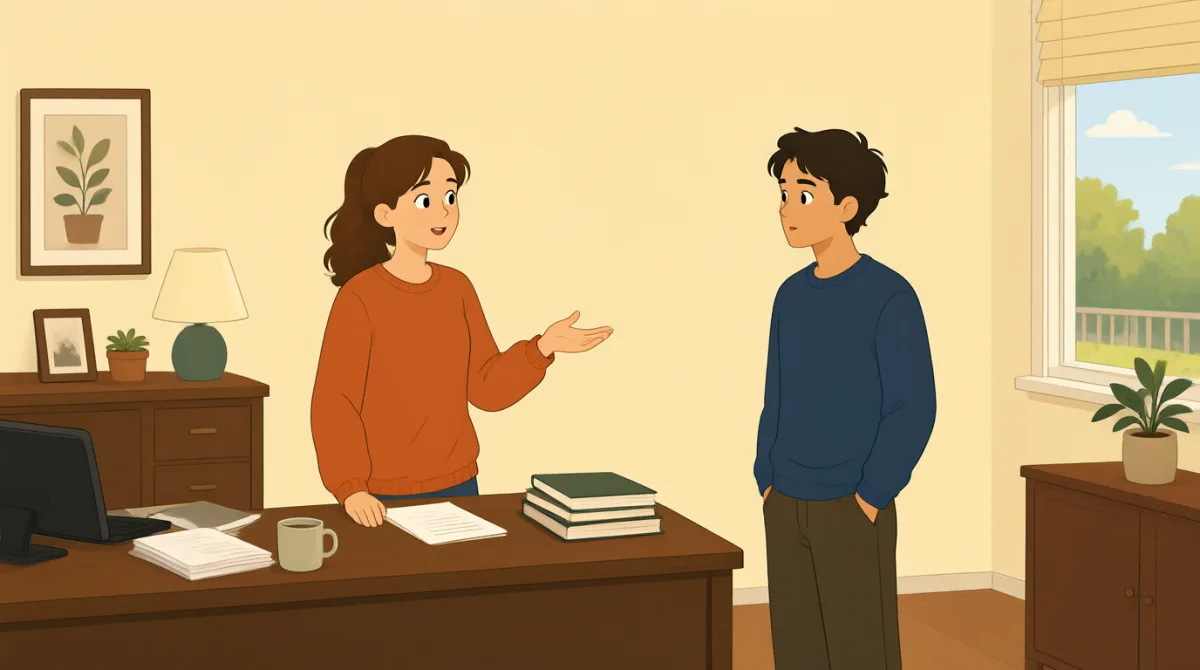

You said the inspection records were changed after the walkthrough. What did you see yourself, and what did someone else tell you? I want to keep those separate.
আপনি বলেছিলেন, পরিদর্শনের নথিগুলো পরিদর্শন শেষে বদলানো হয়েছিল। আপনি নিজে কী দেখেছেন, আর অন্য কেউ আপনাকে কী বলেছে? আমি দুটো আলাদা রাখতে চাই।

I saw the file on the shared drive later. The dates looked different from what I remembered, but I didn't watch anyone edit it.
পরে শেয়ার করা ড্রাইভে ফাইলটা দেখেছিলাম। তারিখগুলো আমার মনে থাকা তারিখের চেয়ে আলাদা মনে হয়েছিল, কিন্তু কাউকে সেটা সম্পাদনা করতে দেখিনি।
When you say the dates looked different, do you mean the inspection date, the date the file was updated, or both? And how are you remembering the original dates?
তারিখগুলো আলাদা মনে হয়েছিল বলতে আপনি কি পরিদর্শনের তারিখ, ফাইল হালনাগাদ করার তারিখ, নাকি দুটোই বোঝাচ্ছেন? আর আগের তারিখগুলো আপনার কীভাবে মনে আছে?
The inspection date, I think. I remember because I was on shift that week. I can't swear to the exact day, and I don't want to make it sound more certain than it is.
আমার মনে হয় পরিদর্শনের তারিখটা। মনে আছে, কারণ ওই সপ্তাহে আমি ডিউটিতে ছিলাম। ঠিক কোন দিন ছিল, তা নিশ্চিত করে বলতে পারব না। আর যতটা নিশ্চিত নই, তার চেয়ে বেশি নিশ্চিত শোনাক—সেটাও চাই না।
That's helpful. Did you compare the file with a paper copy, an email, or any other record from that week? If not, I'll describe this as a discrepancy you noticed, not proof of an alteration.
বুঝলাম, এটা কাজে লাগবে। ওই সপ্তাহের কোনো কাগজের কপি, ইমেল, বা অন্য কোনো নথির সঙ্গে ফাইলটা মিলিয়ে দেখেছিলেন? না দেখে থাকলে, আমি এটাকে আপনার চোখে পড়া একটি অমিল হিসেবে বর্ণনা করব, পরিবর্তনের প্রমাণ হিসেবে নয়।
There was an email attachment, but I can't access my old account now. I remember it listed a different date, though I realize memory isn't documentation.
একটা ইমেলে সংযুক্তি ছিল, কিন্তু এখন আমার পুরোনো অ্যাকাউন্টে ঢুকতে পারি না। মনে আছে, সেখানে অন্য একটা তারিখ ছিল। তবে বুঝতে পারছি, স্মৃতি তো নথি নয়।
Understood. About who changed the record: you said, 'people in the office knew.' Who specifically told you that, and what exactly did they say?
বুঝেছি। নথিটি কে বদলেছে, সে বিষয়ে: আপনি বলেছিলেন, ‘অফিসের লোকজন জানত।’ ঠিক কে আপনাকে এটা বলেছিল, আর সে ঠিক কী বলেছিল?
I shouldn't have phrased it that way. A coworker said the supervisor wanted the paperwork cleaned up. I didn't hear the supervisor say that, and I don't know what 'cleaned up' meant.
আমার ওভাবে বলা উচিত হয়নি। এক সহকর্মী বলেছিল, সুপারভাইজার কাগজপত্র ঠিকঠাক করে নিতে বলেছেন। সুপারভাইজারকে নিজে এটা বলতে শুনিনি, আর ‘ঠিকঠাক করা’ বলতে কী বোঝানো হয়েছিল, তা-ও জানি না।
Then I won't present that as evidence the supervisor ordered falsification. Would you be comfortable with me quoting your account of what you personally saw, with your name attached?
তাহলে সুপারভাইজার জালিয়াতির নির্দেশ দিয়েছিলেন—এটার প্রমাণ হিসেবে আমি কথাটা তুলে ধরব না। আপনি নিজে যা দেখেছেন, সে বিষয়ে আপনার বক্তব্য আপনার নামসহ উদ্ধৃত করলে কি আপনার আপত্তি থাকবে?
Not yet. You can use what I saw as background, but not quote me or identify me. I need to understand exactly what you mean by background before I agree.
এখনই নয়। আমি যা দেখেছি, সেটা পটভূমির তথ্য হিসেবে ব্যবহার করতে পারেন, কিন্তু আমাকে উদ্ধৃত করবেন না বা আমার পরিচয় জানাবেন না। রাজি হওয়ার আগে ‘পটভূমির তথ্য’ বলতে আপনি ঠিক কী বোঝাচ্ছেন, তা বুঝতে চাই।
Fair. Nothing is off the record unless we explicitly agree on the terms beforehand. For now, I won't publish your name or quote these remarks; we can discuss whether any details may be used anonymously.
ঠিক আছে। আগে থেকে শর্তগুলো স্পষ্টভাবে মেনে না নিলে কোনো কথাই অফ দ্য রেকর্ড নয়। আপাতত আপনার নাম প্রকাশ করব না বা এসব কথা উদ্ধৃত করব না; কোনো তথ্য পরিচয় গোপন রেখে ব্যবহার করা যাবে কি না, তা নিয়ে আমরা কথা বলতে পারি।
All right. I can look for the old email and check whether the attachment is still on a backup. But please don't treat that coworker's comment as confirmation of who made the change.
ঠিক আছে। পুরোনো ইমেলটা খুঁজে দেখতে পারি, আর সংযুক্তিটা কোনো ব্যাকআপে আছে কি না দেখে নিতে পারি। তবে ওই সহকর্মীর কথাকে পরিবর্তনটা কে করেছে তার নিশ্চিত প্রমাণ হিসেবে নেবেন না।
শব্দভান্ডার7
- keep those separateদুটো আলাদা রাখা
To treat two kinds of information as distinct rather than mixing them together. Here, Emma wants to distinguish what Jack witnessed from what he heard from someone else.
দুই ধরনের তথ্যকে একসঙ্গে না মিশিয়ে আলাদা হিসেবে বিবেচনা করা। এখানে এমা বুঝতে চাইছেন, জ্যাক নিজে কী দেখেছেন আর অন্য কারও কাছ থেকে কী শুনেছেন।
- I can't swear to the exact dayঠিক কোন দিন ছিল, তা নিশ্চিত করে বলতে পারব না
A careful way to say you cannot guarantee that a detail is accurate. Use it when you remember something generally but are unsure about the specifics.
কোনো তথ্য সঠিক—এ নিশ্চয়তা দিতে না পারার কথা সাবধানে বলার একটি উপায়। মোটামুটি কিছু মনে থাকলেও খুঁটিনাটি নিয়ে নিশ্চিত না হলে এটি ব্যবহার করুন।
- make it sound more certain than it isযতটা নিশ্চিত নই, তার চেয়ে বেশি নিশ্চিত শোনানো
To describe uncertain information as though it were definite. This phrase helps you be transparent about the limits of your knowledge.
অনিশ্চিত তথ্যকে এমনভাবে বর্ণনা করা, যেন তা নিশ্চিত। নিজের জ্ঞানের সীমা স্পষ্ট করে বলতে এই কথাটি কাজে লাগে।
- a discrepancy you noticedআপনার চোখে পড়া একটি অমিল
A difference or inconsistency that you observed. It describes what someone saw without claiming to know what caused it.
আপনি যে পার্থক্য বা অসঙ্গতি দেখেছেন। এতে বোঝায় কেউ কী দেখেছে, কিন্তু এর কারণ কী তা জানার দাবি করা হয় না।
- I shouldn't have phrased it that wayআমার ওভাবে বলা উচিত হয়নি
A way to acknowledge that your previous wording was misleading or too broad. You can use it to correct yourself and clarify what you actually know.
আগের কথাটি বিভ্রান্তিকর বা অতিরিক্ত ব্যাপক ছিল—তা স্বীকার করার উপায়। নিজের কথা সংশোধন করে আসলে কী জানেন, তা পরিষ্কার করতে এটি বলতে পারেন।
- with your name attachedআপনার নামসহ
Published or shared with your identity revealed. In journalism, a source may be asked whether a statement can be attributed to them by name.
পরিচয় প্রকাশ করে কোনো কথা প্রকাশ বা প্রচার করা। সাংবাদিকতায় কোনো বক্তব্য তার নাম উল্লেখ করে প্রকাশ করা যাবে কি না, তা সূত্রকে জিজ্ঞেস করা হতে পারে।
- as backgroundপটভূমির তথ্য হিসেবে
Information shared to help a journalist understand a story, but not necessarily for direct quotation or public attribution. The exact conditions should be agreed on beforehand.
সাংবাদিককে কোনো ঘটনা বুঝতে সাহায্য করার জন্য দেওয়া তথ্য, যা সরাসরি উদ্ধৃত করা বা প্রকাশ্যে বক্তার নামে প্রকাশ করা নাও হতে পারে। কী শর্তে তথ্যটি ব্যবহার করা যাবে, তা আগে থেকে ঠিক করে নেওয়া উচিত।
গুরুত্বপূর্ণ বাক্য8
- 1
What did you see yourself, and what did someone else tell you?
আপনি নিজে কী দেখেছেন, আর অন্য কেউ আপনাকে কী বলেছে?
This precise question separates firsthand knowledge from secondhand information. Reuse it when you need to establish how someone knows each detail.
এই সুনির্দিষ্ট প্রশ্নটি প্রত্যক্ষ জ্ঞান আর অন্যের কাছ থেকে পাওয়া তথ্যকে আলাদা করে। কোনো ব্যক্তি প্রতিটি তথ্য কীভাবে জেনেছেন, তা বুঝতে এই প্রশ্নটি আবার ব্যবহার করতে পারেন।
- 2
I want to keep those separate.
আমি দুটো আলাদা রাখতে চাই।
This explains the reason for distinguishing between different sources of information. You can use it to make clear that you are being careful, not dismissive.
তথ্যের ভিন্ন উৎসগুলো আলাদা করার কারণ বোঝাতে এই বাক্যটি ব্যবহার করা হয়। আপনি যে সতর্কভাবে যাচাই করছেন, অবিশ্বাস করছেন না—তা স্পষ্ট করতেও এটি বলতে পারেন।
- 3
I can't swear to the exact day, and I don't want to make it sound more certain than it is.
ঠিক কোন দিন ছিল, তা নিশ্চিত করে বলতে পারব না। আর যতটা নিশ্চিত নই, তার চেয়ে বেশি নিশ্চিত শোনাক—সেটাও চাই না।
This sentence honestly states a limit on the speaker's memory and avoids overstating the evidence. Adapt it when you recall something but cannot verify every detail.
এই বাক্যে বক্তা সততার সঙ্গে নিজের স্মৃতির সীমা জানান এবং প্রমাণকে বাড়িয়ে বলেন না। কিছু মনে থাকলেও সব খুঁটিনাটি যাচাই করতে না পারলে এটি নিজের মতো করে ব্যবহার করুন।
- 4
If not, I'll describe this as a discrepancy you noticed, not proof of an alteration.
না দেখে থাকলে, আমি এটাকে আপনার চোখে পড়া একটি অমিল হিসেবে বর্ণনা করব, পরিবর্তনের প্রমাণ হিসেবে নয়।
This sentence sets a clear boundary between an observed difference and a conclusion about its cause. It is useful when reporting evidence cautiously.
এই বাক্যটি চোখে পড়া পার্থক্য আর তার কারণ সম্পর্কে সিদ্ধান্তের মধ্যে স্পষ্ট সীমা টানে। প্রমাণ সতর্কভাবে তুলে ধরতে এটি কাজে লাগে।
- 5
I didn't hear the supervisor say that, and I don't know what 'cleaned up' meant.
সুপারভাইজারকে নিজে এটা বলতে শুনিনি, আর ‘ঠিকঠাক করা’ বলতে কী বোঝানো হয়েছিল, তা-ও জানি না।
This makes clear both what the speaker did not witness and what remains unclear. Use this pattern to avoid turning vague remarks into firm accusations.
এতে স্পষ্ট হয় বক্তা কী নিজে দেখেননি এবং কোন বিষয়টি এখনো অস্পষ্ট। অস্পষ্ট মন্তব্যকে নিশ্চিত অভিযোগে পরিণত না করতে এই বাক্যের ধরন ব্যবহার করুন।
- 6
Would you be comfortable with me quoting your account of what you personally saw, with your name attached?
আপনি নিজে যা দেখেছেন, সে বিষয়ে আপনার বক্তব্য আপনার নামসহ উদ্ধৃত করলে কি আপনার আপত্তি থাকবে?
This asks for explicit permission to quote someone and identify them. It is a professional way to clarify attribution before using a source's comments.
কাউকে উদ্ধৃত করা এবং তার পরিচয় প্রকাশ করার জন্য এই বাক্যে স্পষ্ট অনুমতি চাওয়া হয়। কোনো সূত্রের বক্তব্য ব্যবহার করার আগে কীভাবে তার নাম উল্লেখ করা হবে, তা পরিষ্কার করার এটি একটি পেশাদার উপায়।
- 7
Nothing is off the record unless we explicitly agree on the terms beforehand.
আগে থেকে শর্তগুলো স্পষ্টভাবে মেনে না নিলে কোনো কথাই অফ দ্য রেকর্ড নয়।
This states that confidentiality conditions must be agreed upon in advance. It is useful for setting clear expectations before a sensitive conversation.
এই বাক্যে বলা হয়েছে, গোপনীয়তার শর্ত আগে থেকেই ঠিক করে নিতে হবে। সংবেদনশীল আলোচনা শুরুর আগে প্রত্যাশা স্পষ্ট করতে এটি কাজে লাগে।
- 8
But please don't treat that coworker's comment as confirmation of who made the change.
তবে ওই সহকর্মীর কথাকে পরিবর্তনটা কে করেছে তার নিশ্চিত প্রমাণ হিসেবে নেবেন না।
This warns the listener not to interpret secondhand information as proof. Reuse it when you need to distinguish a lead or allegation from confirmed evidence.
এতে সতর্ক করা হয়, অন্যের কাছ থেকে পাওয়া তথ্যকে প্রমাণ হিসেবে ধরে নেওয়া উচিত নয়। কোনো সূত্র বা অভিযোগকে নিশ্চিত প্রমাণ থেকে আলাদা করে বোঝাতে এই বাক্যটি ব্যবহার করুন।