Approaching a Reluctant Source
نزدیکشدن به منبعی که تمایلی به صحبت ندارد
Emma meets Jack Miller, a former plant employee, who is wary of being identified and fears professional repercussions. She explains the purpose of the interview and discusses what protections she can—and cannot—offer.
اِما با جک میلر، کارمند پیشین کارخانه، دیدار میکند؛ او نگران است هویتش فاش شود و از پیامدهای شغلی آن میترسد. اِما هدف مصاحبه را توضیح میدهد و دربارهٔ حمایتهایی که میتواند و نمیتواند فراهم کند، صحبت میکند.
گفتوگو12
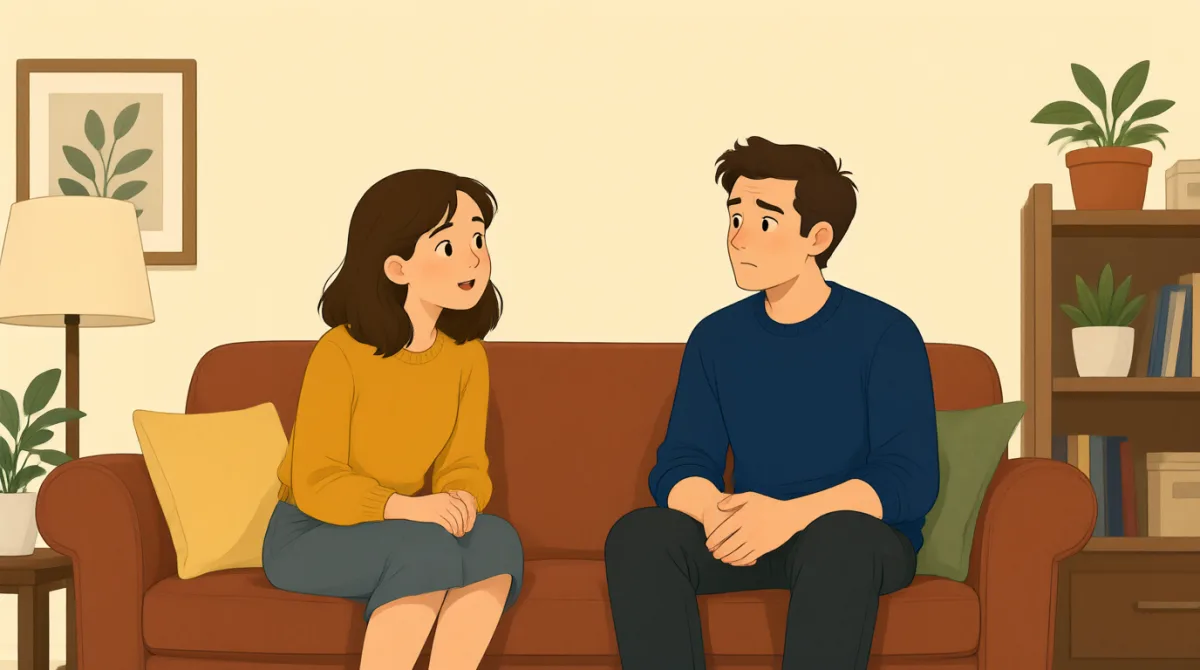

Thanks for meeting me, Jack. I’m looking into whether safety inspections at the plant were properly documented. I’d like to hear what you know, not steer you toward any particular conclusion.
ممنون که برای دیدار با من وقت گذاشتید، جک. دارم بررسی میکنم که آیا بازرسیهای ایمنی کارخانه درست ثبت شده بودند یا نه. میخواهم بدانم شما چه اطلاعاتی دارید؛ قصدم این نیست که شما را به سمت نتیجهگیری خاصی هدایت کنم.

I’m not sure I should be talking about this. I left the plant, but people still know each other there. If my name gets out, it could follow me into my next job.
مطمئن نیستم باید دربارهٔ این موضوع حرف بزنم یا نه. از کارخانه رفتم، اما آدمها آنجا هنوز همدیگر را میشناسند. اگر اسمم فاش شود، ممکن است در شغل بعدیام هم برایم دردسر درست کند.
That’s a reasonable concern. I can keep your identity out of the article, but I can’t promise absolute secrecy. A court order or other legal process could require disclosure, depending on the circumstances.
نگرانیتان کاملاً بجاست. میتوانم اسم و هویتتان را از مقاله حذف کنم، اما نمیتوانم محرمانگی کامل را تضمین کنم. بسته به شرایط، ممکن است حکم دادگاه یا فرایند حقوقی دیگری افشای اطلاعات را الزامی کند.
So “anonymous source” doesn’t mean you can guarantee nobody will ever find out who I am. I need to understand that before I tell you anything specific.
پس «منبع ناشناس» یعنی نمیتوانی تضمین کنی که هیچوقت کسی نمیفهمد من کی هستم. قبل از اینکه چیزی مشخص بهت بگویم، باید این را بدانم.
Exactly. I’ll also need to assess whether your account can be corroborated and whether the information is important enough to publish without naming you. I won’t use your comments until we agree on the ground rules.
دقیقاً. باید بررسی کنم که آیا میشود گفتههای شما را با شواهد دیگری تأیید کرد و آیا اطلاعات آنقدر مهم هست که بدون ذکر نامتان منتشر شود. تا وقتی دربارهٔ قواعد صحبتمان توافق نکنیم، از گفتههایتان استفاده نمیکنم.
I’ve heard reporters say “off the record” and then argue later about what that meant. Can we agree on what those terms mean before we get into the details?
شنیدهام خبرنگارها میگویند «خارج از سابقه» و بعداً دربارهٔ منظورشان بحث میکنند. میتوانیم قبل از اینکه وارد جزئیات شویم، دربارهٔ معنای این اصطلاحها توافق کنیم؟
Yes. “On the record” means I may quote you by name. “Not for attribution” means I may use the information but identify you only by an agreed description. “Off the record” means I don’t publish it, unless we agree otherwise beforehand.
بله. «با ذکر نام» یعنی ممکن است با نام خودتان از شما نقلقول کنم. «بدون ذکر نام، با توصیف مورد توافق» یعنی میتوانم از اطلاعات استفاده کنم، اما شما را فقط با توصیفی که توافق کردهایم معرفی میکنم. «خارج از سابقه» یعنی اطلاعات را منتشر نمیکنم، مگر اینکه از قبل جور دیگری توافق کنیم.
I could consider not for attribution, but I don’t want to be described as a former inspector. That would narrow it down too much, and it isn’t even my exact role.
میتوانم با «بدون ذکر نام، با توصیف مورد توافق» موافقت کنم، اما نمیخواهم بهعنوان بازرس پیشین معرفی شوم. این توصیف گزینهها را خیلی محدود میکند و اصلاً هم عنوان دقیق شغلم نبود.
That makes sense. We can discuss a broader description, such as a former plant employee, but I can’t promise even that would make you unidentifiable. Before publication, I’d tell you how I plan to characterize your role.
منطقی است. میتوانیم دربارهٔ توصیف کلیتری مثل کارمند پیشین کارخانه صحبت کنیم، اما حتی این هم تضمین نمیکند که هویتتان مشخص نشود. پیش از انتشار، به شما میگویم که قصد دارم نقشتان را چطور توصیف کنم.
And if I tell you something I saw firsthand, you won’t turn it into a claim about the whole inspection system unless the evidence supports that, right?
و اگر چیزی را که خودم دیدهام به تو بگویم، آن را به ادعایی دربارهٔ کل سیستم بازرسی تبدیل نمیکنی، مگر اینکه شواهد از چنین ادعایی پشتیبانی کنند، درست است؟
Right. I’ll distinguish what you witnessed from what you heard from others, and I’ll seek independent confirmation before presenting a broader claim. You can pause or decline any question; I’m not asking you to speculate.
درست است. آنچه خودتان دیدهاید را از چیزهایی که از دیگران شنیدهاید جدا میکنم و پیش از مطرحکردن ادعایی کلیتر، دنبال تأیید مستقل میگردم. میتوانید هر سؤالی را متوقف کنید یا به آن جواب ندهید؛ از شما نمیخواهم حدس بزنید.
All right. I’m willing to talk, but let’s start with what I personally observed and keep my identity out of anything you publish unless we revisit that agreement.
خیلی خوب. حاضرم صحبت کنم، اما بیایید با چیزهایی شروع کنیم که خودم دیدهام و هویتم را در هیچچیزی که منتشر میکنی نیاور، مگر اینکه دوباره دربارهٔ این توافق صحبت کنیم.
واژگان8
- absolute secrecyمحرمانگی کامل
A complete guarantee that nobody will ever learn someone’s identity or information. Here, Emma explains that she cannot promise this because legal processes may require disclosure.
یعنی تضمین کامل که هیچکس هیچوقت هویت یا اطلاعات کسی را نخواهد فهمید. اِما اینجا توضیح میدهد که نمیتواند چنین چیزی را تضمین کند، چون ممکن است فرایندهای حقوقی افشای اطلاعات را الزامی کنند.
- legal processفرایند حقوقی
An official legal procedure that can require someone to provide information. Use this phrase when explaining that a promise may have legal limits.
رویهای رسمی در نظام حقوقی که میتواند کسی را ملزم به ارائهٔ اطلاعات کند. وقتی میخواهی توضیح بدهی که یک قول ممکن است محدودیتهای قانونی داشته باشد، این عبارت به کارت میآید.
- corroboratedتأییدشده با شواهد دیگر
Supported or confirmed by other evidence or sources. Journalists use this word when checking whether an account is reliable.
یعنی شواهد یا منابع دیگری هم چیزی را پشتیبانی یا تأیید میکنند. خبرنگارها برای بررسی قابلاعتمادبودن یک روایت از این واژه استفاده میکنند.
- ground rulesقواعد توافقشده
Agreed conditions that determine how people will communicate or use information. The phrase is useful when clarifying expectations before a sensitive conversation.
شرایطی که افراد دربارهٔ نحوهٔ گفتوگو یا استفاده از اطلاعات بر سر آن توافق میکنند. این عبارت هنگام روشنکردن انتظارات پیش از یک گفتوگوی حساس مفید است.
- not for attributionبدون ذکر نام، با توصیف مورد توافق
A condition allowing information to be used without identifying the source by name, subject to an agreed description. It is often discussed in interviews with confidential sources.
شرطی که اجازه میدهد از اطلاعات استفاده شود، بیآنکه نام منبع گفته شود؛ البته منبع با توصیفی معرفی میشود که طرفین بر سر آن توافق کردهاند. این اصطلاح را اغلب در مصاحبه با منابع محرمانه مطرح میکنند.
- narrow it downمحدودکردن گزینهها
To reduce the possibilities until someone or something becomes easier to identify. Here, Jack worries that a specific job description could reveal who he is.
یعنی گزینهها را آنقدر کمکردن که شناسایی فرد یا چیز آسانتر شود. جک نگران است که توصیف دقیق شغلش باعث شود دیگران بفهمند او کیست.
- firsthandاز نزدیک
Based on something a person directly saw or experienced, rather than heard from someone else. It helps distinguish direct evidence from secondhand information.
یعنی بر پایهٔ چیزی که شخص خودش مستقیماً دیده یا تجربه کرده، نه چیزی که از دیگری شنیده است. این واژه کمک میکند شواهد مستقیم را از اطلاعات دستدوم جدا کنیم.
- independent confirmationتأیید مستقل
Verification from a separate source or piece of evidence. It is useful when checking a claim before presenting it as broadly true.
تأییدی که از منبع یا مدرکی جداگانه به دست میآید. وقتی پیش از مطرحکردن ادعایی بهعنوان حقیقتی کلی میخواهی آن را بررسی کنی، این عبارت مفید است.
جملات کلیدی8
- 1
I’d like to hear what you know, not steer you toward any particular conclusion.
میخواهم بدانم شما چه اطلاعاتی دارید؛ قصدم این نیست که شما را به سمت نتیجهگیری خاصی هدایت کنم.
This sentence shows that the speaker wants information without influencing the other person’s account. Reuse “I’d like to hear what you think, not steer you toward…” to signal an impartial approach.
این جمله نشان میدهد گوینده اطلاعات میخواهد، بیآنکه روی روایت طرف مقابل اثر بگذارد. برای نشاندادن رویکردی بیطرفانه میتوانی از الگوی “I’d like to hear what you think, not steer you toward…” (میخواهم بدانم نظرتان چیست، نه اینکه شما را به سمتِ... هدایت کنم) استفاده کنی.
- 2
I can keep your identity out of the article, but I can’t promise absolute secrecy.
میتوانم اسم و هویتتان را از مقاله حذف کنم، اما نمیتوانم محرمانگی کامل را تضمین کنم.
This clearly offers a limited protection while acknowledging its limits. Use “I can…, but I can’t promise…” when setting honest boundaries.
این جمله حمایتی محدود را پیشنهاد میکند و در عین حال به محدودیتهایش اشاره دارد. وقتی میخواهی صادقانه حد و مرزها را مشخص کنی، از الگوی “I can…, but I can’t promise…” (میتوانم...، اما نمیتوانم قول بدهم که...) استفاده کن.
- 3
I won’t use your comments until we agree on the ground rules.
تا وقتی دربارهٔ قواعد صحبتمان توافق نکنیم، از گفتههایتان استفاده نمیکنم.
This reassures the other person that the terms will be settled before their information is used. The structure “I won’t [do something] until we agree on…” is useful for establishing conditions.
این جمله به طرف مقابل اطمینان میدهد که پیش از استفاده از اطلاعاتش، دربارهٔ شرایط توافق میشود. ساختار “I won’t [do something] until we agree on…” (تا وقتی دربارهٔ... توافق نکنیم، [کاری] نمیکنم) برای مشخصکردن شرایط مفید است.
- 4
Can we agree on what those terms mean before we get into the details?
میتوانیم قبل از اینکه وارد جزئیات شویم، دربارهٔ معنای این اصطلاحها توافق کنیم؟
This is a tactful way to clarify potentially ambiguous language before discussing sensitive information. Reuse it when you need shared definitions before proceeding.
این روش مؤدبانهای است برای روشنکردن عبارتهایی که ممکن است چندپهلو باشند، پیش از بحث دربارهٔ اطلاعات حساس. وقتی لازم است پیش از ادامهدادن بر سر معنای مشترک توافق کنید، میتوانی از این جمله استفاده کنی.
- 5
Before publication, I’d tell you how I plan to characterize your role.
پیش از انتشار، به شما میگویم که قصد دارم نقشتان را چطور توصیف کنم.
This explains what the source can expect while avoiding a promise about complete anonymity. “Before [event], I’d tell you how I plan to…” is useful for describing a process in advance.
این جمله توضیح میدهد منبع چه انتظاری میتواند داشته باشد، بیآنکه ناشناسماندن کامل را وعده بدهد. الگوی “Before [event], I’d tell you how I plan to…” (پیش از [رویداد]، به شما میگویم که قصد دارم چطور...) برای توضیحدادن روند کار از پیش مفید است.
- 6
I’ll distinguish what you witnessed from what you heard from others, and I’ll seek independent confirmation before presenting a broader claim.
آنچه خودتان دیدهاید را از چیزهایی که از دیگران شنیدهاید جدا میکنم و پیش از مطرحکردن ادعایی کلیتر، دنبال تأیید مستقل میگردم.
This sentence explains how the speaker will separate direct evidence from secondhand information and verify wider claims. Reuse the pattern “I’ll distinguish X from Y, and I’ll seek confirmation before…” when describing careful fact-checking.
این جمله توضیح میدهد که گوینده چطور شواهد مستقیم را از اطلاعات دستدوم جدا میکند و ادعاهای کلیتر را میسنجد. هنگام توضیح روند دقیق راستیآزمایی میتوانی از الگوی “I’ll distinguish X from Y, and I’ll seek confirmation before…” (X را از Y جدا میکنم و پیش از... دنبال تأیید میگردم) استفاده کنی.
- 7
You can pause or decline any question; I’m not asking you to speculate.
میتوانید هر سؤالی را متوقف کنید یا به آن جواب ندهید؛ از شما نمیخواهم حدس بزنید.
This gives the other person control and makes clear that guesses are not expected. The structure “You can pause or decline…, and I’m not asking you to…” is useful in sensitive interviews.
این جمله به طرف مقابل اختیار میدهد و روشن میکند که انتظار نمیرود حدس بزند. ساختار “You can pause or decline…, and I’m not asking you to…” (میتوانید... را متوقف کنید یا نپذیرید، و از شما نمیخواهم که...) در مصاحبههای حساس مفید است.
- 8
I’m willing to talk, but let’s start with what I personally observed and keep my identity out of anything you publish unless we revisit that agreement.
حاضرم صحبت کنم، اما بیایید با چیزهایی شروع کنیم که خودم دیدهام و هویتم را در هیچچیزی که منتشر میکنید نیاورید، مگر اینکه دوباره دربارهٔ این توافق صحبت کنیم.
This sets conditions for moving forward while limiting the discussion to firsthand observations. Reuse “I’m willing to…, but let’s start with…” to express cooperation with clear boundaries.
این جمله شرایط ادامهٔ گفتوگو را مشخص میکند و بحث را به مشاهدات مستقیم محدود نگه میدارد. برای نشاندادن همکاری همراه با مرزبندی روشن، از الگوی “I’m willing to…, but let’s start with…” (حاضرم...، اما بیایید با... شروع کنیم) استفاده کن.