Approaching a Reluctant Source
เข้าหาแหล่งข่าวที่ไม่เต็มใจให้สัมภาษณ์
Emma meets Jack Miller, a former plant employee, who is wary of being identified and fears professional repercussions. She explains the purpose of the interview and discusses what protections she can—and cannot—offer.
เอ็มมาพบแจ็ก มิลเลอร์ อดีตพนักงานโรงงาน ซึ่งระแวงว่าคนอื่นจะรู้ตัวตนและกลัวว่าจะได้รับผลกระทบต่อหน้าที่การงาน เธออธิบายจุดประสงค์ของการสัมภาษณ์ และพูดคุยถึงสิ่งที่เธอรับปากจะปกป้องได้และไม่ได้
บทสนทนา12
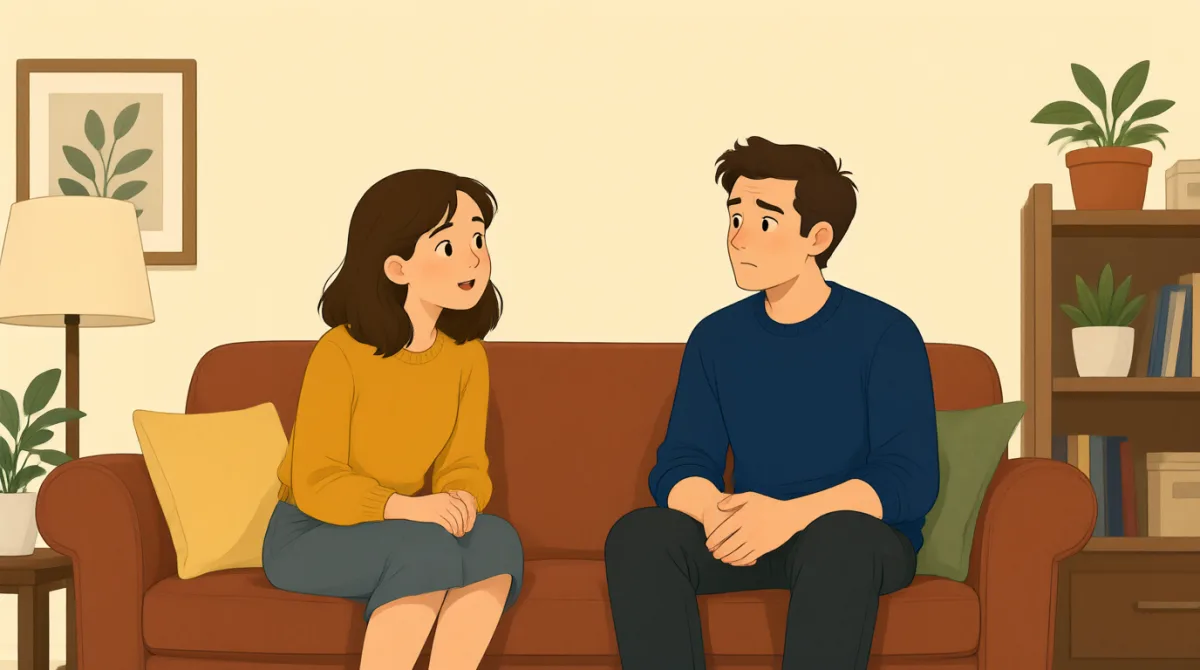

Thanks for meeting me, Jack. I’m looking into whether safety inspections at the plant were properly documented. I’d like to hear what you know, not steer you toward any particular conclusion.
ขอบคุณที่มาพบกันนะคะ แจ็ก ฉันกำลังตรวจสอบว่าเอกสารการตรวจสอบความปลอดภัยที่โรงงานมีการบันทึกไว้อย่างถูกต้องหรือเปล่า ฉันอยากฟังสิ่งที่คุณรู้ โดยไม่ชี้นำให้คุณสรุปไปทางใดทางหนึ่งค่ะ

I’m not sure I should be talking about this. I left the plant, but people still know each other there. If my name gets out, it could follow me into my next job.
ผมไม่แน่ใจว่าควรพูดเรื่องนี้ไหม ผมออกจากโรงงานมาแล้วก็จริง แต่คนที่นั่นก็ยังรู้จักกันอยู่ ถ้าชื่อผมหลุดออกไป มันอาจตามไปถึงที่ทำงานใหม่ของผมได้
That’s a reasonable concern. I can keep your identity out of the article, but I can’t promise absolute secrecy. A court order or other legal process could require disclosure, depending on the circumstances.
กังวลแบบนั้นก็เข้าใจได้ค่ะ ฉันเก็บชื่อและตัวตนของคุณไม่ให้ปรากฏในบทความได้ แต่รับประกันความลับได้ร้อยเปอร์เซ็นต์ไม่ได้ ขึ้นอยู่กับสถานการณ์ ศาลหรือกระบวนการทางกฎหมายอื่น ๆ อาจบังคับให้เปิดเผยข้อมูลได้ค่ะ
So “anonymous source” doesn’t mean you can guarantee nobody will ever find out who I am. I need to understand that before I tell you anything specific.
งั้นคำว่า “แหล่งข่าวนิรนาม” ก็ไม่ได้หมายความว่าคุณรับประกันได้ว่าจะไม่มีใครรู้เลยว่าผมเป็นใคร ผมต้องเข้าใจเรื่องนี้ก่อนที่จะบอกอะไรที่เฉพาะเจาะจง
Exactly. I’ll also need to assess whether your account can be corroborated and whether the information is important enough to publish without naming you. I won’t use your comments until we agree on the ground rules.
ใช่ค่ะ ฉันยังต้องประเมินด้วยว่ามีหลักฐานหรือแหล่งข่าวอื่นช่วยยืนยันคำบอกเล่าของคุณได้ไหม และข้อมูลนั้นสำคัญพอที่จะนำไปเผยแพร่โดยไม่ระบุชื่อคุณหรือเปล่า ฉันจะไม่นำคำพูดของคุณไปใช้จนกว่าเราจะตกลงเงื่อนไขกันค่ะ
I’ve heard reporters say “off the record” and then argue later about what that meant. Can we agree on what those terms mean before we get into the details?
ผมเคยได้ยินนักข่าวพูดว่า “ไม่ให้เผยแพร่” แล้วทีหลังกลับมาเถียงกันว่าคำนั้นหมายถึงอะไร เราตกลงกันก่อนเข้ารายละเอียดได้ไหมครับว่าคำพวกนั้นหมายถึงอะไร
Yes. “On the record” means I may quote you by name. “Not for attribution” means I may use the information but identify you only by an agreed description. “Off the record” means I don’t publish it, unless we agree otherwise beforehand.
ได้ค่ะ “เปิดเผยชื่อได้” หมายความว่าฉันอาจอ้างคำพูดของคุณพร้อมระบุชื่อ “ไม่ระบุชื่อ แต่ระบุที่มาได้” หมายความว่าฉันใช้ข้อมูลได้ แต่จะระบุตัวคุณด้วยคำบรรยายที่เราตกลงกันไว้เท่านั้น ส่วน “ไม่ให้เผยแพร่” หมายความว่าฉันจะไม่นำข้อมูลนั้นไปเผยแพร่ เว้นแต่เราจะตกลงกันไว้ก่อนเป็นอย่างอื่นค่ะ
I could consider not for attribution, but I don’t want to be described as a former inspector. That would narrow it down too much, and it isn’t even my exact role.
ผมอาจยอมให้ใช้ข้อมูลโดยไม่ระบุชื่อก็ได้ แต่ไม่อยากให้บรรยายว่าผมเป็นอดีตเจ้าหน้าที่ตรวจสอบ แบบนั้นจะทำให้เดาได้ง่ายเกินไป แถมก็ไม่ตรงกับตำแหน่งที่ผมทำจริง ๆ ด้วย
That makes sense. We can discuss a broader description, such as a former plant employee, but I can’t promise even that would make you unidentifiable. Before publication, I’d tell you how I plan to characterize your role.
เข้าใจค่ะ เราคุยกันถึงคำบรรยายที่กว้างกว่านั้นได้ เช่น อดีตพนักงานโรงงาน แต่ฉันก็รับประกันไม่ได้ว่าคำบรรยายแบบนั้นจะทำให้ไม่มีใครระบุตัวคุณได้ ก่อนตีพิมพ์ ฉันจะบอกคุณว่าตั้งใจจะบรรยายบทบาทของคุณอย่างไรค่ะ
And if I tell you something I saw firsthand, you won’t turn it into a claim about the whole inspection system unless the evidence supports that, right?
แล้วถ้าผมบอกเรื่องที่เห็นมากับตา คุณจะไม่เอาไปกล่าวอ้างถึงระบบการตรวจสอบทั้งหมด เว้นแต่จะมีหลักฐานรองรับ ใช่ไหมครับ
Right. I’ll distinguish what you witnessed from what you heard from others, and I’ll seek independent confirmation before presenting a broader claim. You can pause or decline any question; I’m not asking you to speculate.
ใช่ค่ะ ฉันจะแยกให้ชัดว่าเรื่องไหนคุณเห็นเอง และเรื่องไหนคุณได้ยินมาจากคนอื่น อีกทั้งจะหาข้อมูลยืนยันจากแหล่งอื่นอย่างเป็นอิสระก่อนเสนอข้อกล่าวอ้างที่กว้างกว่านั้นด้วย คุณขอพักหรือไม่ตอบคำถามข้อไหนก็ได้ ฉันไม่ได้ขอให้คุณคาดเดาค่ะ
All right. I’m willing to talk, but let’s start with what I personally observed and keep my identity out of anything you publish unless we revisit that agreement.
ตกลงครับ ผมยินดีคุย แต่ขอเริ่มจากสิ่งที่ผมเห็นด้วยตัวเอง และอย่าเปิดเผยตัวตนผมในสิ่งที่คุณเผยแพร่ เว้นแต่เราจะกลับมาคุยเรื่องข้อตกลงนั้นกันอีกครั้ง
คำศัพท์8
- absolute secrecyการรักษาความลับอย่างเด็ดขาด
A complete guarantee that nobody will ever learn someone’s identity or information. Here, Emma explains that she cannot promise this because legal processes may require disclosure.
การรับประกันอย่างสมบูรณ์ว่าจะไม่มีใครรู้ตัวตนหรือข้อมูลของใครเลย ในบทสนทนานี้ เอ็มมาอธิบายว่าเธอรับปากเช่นนั้นไม่ได้ เพราะกระบวนการทางกฎหมายอาจบังคับให้เปิดเผยข้อมูลค่ะ
- legal processกระบวนการทางกฎหมาย
An official legal procedure that can require someone to provide information. Use this phrase when explaining that a promise may have legal limits.
ขั้นตอนทางกฎหมายอย่างเป็นทางการที่อาจบังคับให้ใครบางคนต้องให้ข้อมูล ใช้คำนี้เมื่ออธิบายว่าคำรับปากอาจมีข้อจำกัดทางกฎหมายค่ะ
- corroboratedได้รับการยืนยันจากหลักฐานอื่น
Supported or confirmed by other evidence or sources. Journalists use this word when checking whether an account is reliable.
มีหลักฐานหรือแหล่งข้อมูลอื่นสนับสนุนหรือยืนยัน นักข่าวใช้คำนี้เมื่อตรวจสอบว่าคำบอกเล่าเชื่อถือได้หรือไม่ค่ะ
- ground rulesเงื่อนไขพื้นฐานที่ตกลงกัน
Agreed conditions that determine how people will communicate or use information. The phrase is useful when clarifying expectations before a sensitive conversation.
เงื่อนไขที่ตกลงกันไว้เพื่อกำหนดว่าผู้คนจะสื่อสารหรือใช้ข้อมูลอย่างไร วลีนี้มีประโยชน์เมื่อต้องการทำความเข้าใจให้ตรงกันก่อนพูดคุยเรื่องละเอียดอ่อนค่ะ
- not for attributionไม่ระบุชื่อ แต่ระบุที่มาได้
A condition allowing information to be used without identifying the source by name, subject to an agreed description. It is often discussed in interviews with confidential sources.
ข้อตกลงที่อนุญาตให้นำข้อมูลไปใช้ได้โดยไม่ระบุชื่อแหล่งข่าว แต่จะใช้คำบรรยายที่ตกลงกันไว้แทน มักมีการพูดคุยเรื่องนี้ในการสัมภาษณ์แหล่งข่าวที่ต้องการปกปิดตัวตนค่ะ
- narrow it downทำให้ตัวเลือกแคบลง
To reduce the possibilities until someone or something becomes easier to identify. Here, Jack worries that a specific job description could reveal who he is.
ลดจำนวนความเป็นไปได้ลงจนระบุตัวบุคคลหรือสิ่งใดสิ่งหนึ่งได้ง่ายขึ้น ในที่นี้ แจ็กกังวลว่าการระบุตำแหน่งงานอย่างเฉพาะเจาะจงอาจทำให้คนรู้ว่าเขาเป็นใครค่ะ
- firsthandจากประสบการณ์ตรง
Based on something a person directly saw or experienced, rather than heard from someone else. It helps distinguish direct evidence from secondhand information.
อ้างอิงจากสิ่งที่คนคนหนึ่งเห็นหรือประสบด้วยตัวเอง ไม่ใช่ได้ยินมาจากคนอื่น คำนี้ช่วยแยกหลักฐานโดยตรงออกจากข้อมูลที่ได้ยินต่อ ๆ กันมาค่ะ
- independent confirmationการยืนยันจากแหล่งข้อมูลอิสระ
Verification from a separate source or piece of evidence. It is useful when checking a claim before presenting it as broadly true.
การตรวจสอบยืนยันจากแหล่งข้อมูลหรือหลักฐานอีกแห่งหนึ่ง ใช้เมื่อต้องการตรวจสอบข้อกล่าวอ้างก่อนนำเสนอว่าเป็นเรื่องที่เกิดขึ้นในวงกว้างค่ะ
ประโยคสำคัญ8
- 1
I’d like to hear what you know, not steer you toward any particular conclusion.
ฉันอยากฟังสิ่งที่คุณรู้ โดยไม่ชี้นำให้คุณสรุปไปทางใดทางหนึ่งค่ะ
This sentence shows that the speaker wants information without influencing the other person’s account. Reuse “I’d like to hear what you think, not steer you toward…” to signal an impartial approach.
ประโยคนี้แสดงว่าผู้พูดต้องการข้อมูลโดยไม่ชี้นำคำบอกเล่าของอีกฝ่าย คุณนำรูปแบบ “I’d like to hear what you think, not steer you toward…” ไปใช้เพื่อแสดงว่าคุณวางตัวเป็นกลางได้ค่ะ
- 2
I can keep your identity out of the article, but I can’t promise absolute secrecy.
ฉันเก็บชื่อและตัวตนของคุณไม่ให้ปรากฏในบทความได้ แต่รับประกันความลับอย่างเด็ดขาดไม่ได้ค่ะ
This clearly offers a limited protection while acknowledging its limits. Use “I can…, but I can’t promise…” when setting honest boundaries.
ประโยคนี้เสนอการปกป้องที่มีขอบเขต พร้อมยอมรับอย่างตรงไปตรงมาว่ามีข้อจำกัด ใช้รูปแบบ “I can…, but I can’t promise…” เมื่อต้องการบอกขอบเขตอย่างซื่อตรงค่ะ
- 3
I won’t use your comments until we agree on the ground rules.
ฉันจะไม่นำคำพูดของคุณไปใช้จนกว่าเราจะตกลงเงื่อนไขพื้นฐานกันค่ะ
This reassures the other person that the terms will be settled before their information is used. The structure “I won’t [do something] until we agree on…” is useful for establishing conditions.
ประโยคนี้ช่วยให้อีกฝ่ายมั่นใจว่าจะตกลงเงื่อนไขกันก่อนนำข้อมูลของเขาไปใช้ โครงสร้าง “I won’t [do something] until we agree on…” ใช้กำหนดเงื่อนไขก่อนดำเนินการได้ค่ะ
- 4
Can we agree on what those terms mean before we get into the details?
เราตกลงกันได้ไหมคะว่าคำพวกนั้นหมายถึงอะไร ก่อนที่เราจะลงรายละเอียด
This is a tactful way to clarify potentially ambiguous language before discussing sensitive information. Reuse it when you need shared definitions before proceeding.
นี่เป็นวิธีสุภาพในการขอความชัดเจนเกี่ยวกับถ้อยคำที่อาจตีความได้หลายแบบ ก่อนพูดคุยเรื่องละเอียดอ่อน นำไปใช้เมื่อต้องการให้เข้าใจความหมายตรงกันก่อนดำเนินการต่อได้ค่ะ
- 5
Before publication, I’d tell you how I plan to characterize your role.
ก่อนตีพิมพ์ ฉันจะบอกคุณว่าตั้งใจจะบรรยายบทบาทของคุณอย่างไรค่ะ
This explains what the source can expect while avoiding a promise about complete anonymity. “Before [event], I’d tell you how I plan to…” is useful for describing a process in advance.
ประโยคนี้บอกแหล่งข่าวได้ว่าจะคาดหวังอะไร โดยไม่รับปากว่าจะปกปิดตัวตนได้อย่างสมบูรณ์ วลี “Before [event], I’d tell you how I plan to…” มีประโยชน์เมื่อต้องการอธิบายขั้นตอนล่วงหน้าค่ะ
- 6
I’ll distinguish what you witnessed from what you heard from others, and I’ll seek independent confirmation before presenting a broader claim.
ฉันจะแยกให้ชัดว่าเรื่องไหนคุณเห็นเองและเรื่องไหนคุณได้ยินมาจากคนอื่น อีกทั้งจะหาข้อมูลยืนยันจากแหล่งอื่นอย่างเป็นอิสระก่อนเสนอข้อกล่าวอ้างที่กว้างกว่านั้นค่ะ
This sentence explains how the speaker will separate direct evidence from secondhand information and verify wider claims. Reuse the pattern “I’ll distinguish X from Y, and I’ll seek confirmation before…” when describing careful fact-checking.
ประโยคนี้อธิบายว่าผู้พูดจะแยกหลักฐานโดยตรงออกจากข้อมูลมือสอง และตรวจสอบข้อกล่าวอ้างในวงกว้างอย่างไร คุณนำรูปแบบ “I’ll distinguish X from Y, and I’ll seek confirmation before…” ไปใช้เมื่ออธิบายการตรวจสอบข้อเท็จจริงอย่างรอบคอบได้ค่ะ
- 7
You can pause or decline any question; I’m not asking you to speculate.
คุณขอพักหรือไม่ตอบคำถามข้อไหนก็ได้ค่ะ ฉันไม่ได้ขอให้คุณคาดเดา
This gives the other person control and makes clear that guesses are not expected. The structure “You can pause or decline…, and I’m not asking you to…” is useful in sensitive interviews.
ประโยคนี้ให้อีกฝ่ายมีสิทธิ์เลือก และทำให้ชัดเจนว่าไม่ต้องคาดเดาคำตอบ โครงสร้าง “You can pause or decline…, and I’m not asking you to…” มีประโยชน์ในการสัมภาษณ์เรื่องละเอียดอ่อนค่ะ
- 8
I’m willing to talk, but let’s start with what I personally observed and keep my identity out of anything you publish unless we revisit that agreement.
ผมยินดีคุย แต่ขอเริ่มจากสิ่งที่ผมเห็นด้วยตัวเอง และอย่าเปิดเผยตัวตนผมในสิ่งที่คุณเผยแพร่ เว้นแต่เราจะกลับมาคุยเรื่องข้อตกลงนั้นกันอีกครั้ง
This sets conditions for moving forward while limiting the discussion to firsthand observations. Reuse “I’m willing to…, but let’s start with…” to express cooperation with clear boundaries.
ประโยคนี้กำหนดเงื่อนไขก่อนพูดคุยต่อ โดยจำกัดเนื้อหาไว้ที่สิ่งที่ผู้พูดพบเห็นด้วยตัวเอง คุณนำรูปแบบ “I’m willing to…, but let’s start with…” ไปใช้เพื่อแสดงความร่วมมือพร้อมกำหนดขอบเขตให้ชัดเจนได้ค่ะ