Approaching a Reluctant Source
話したがらない情報源への接触
Emma meets Jack Miller, a former plant employee, who is wary of being identified and fears professional repercussions. She explains the purpose of the interview and discusses what protections she can—and cannot—offer.
エマは、元工場従業員のジャック・ミラーに会う。ジャックは身元が明かされることを警戒し、今後の仕事への影響を恐れている。エマは取材の目的を説明し、どのような保護ができるのか、またできないのかを話し合う。
会話12
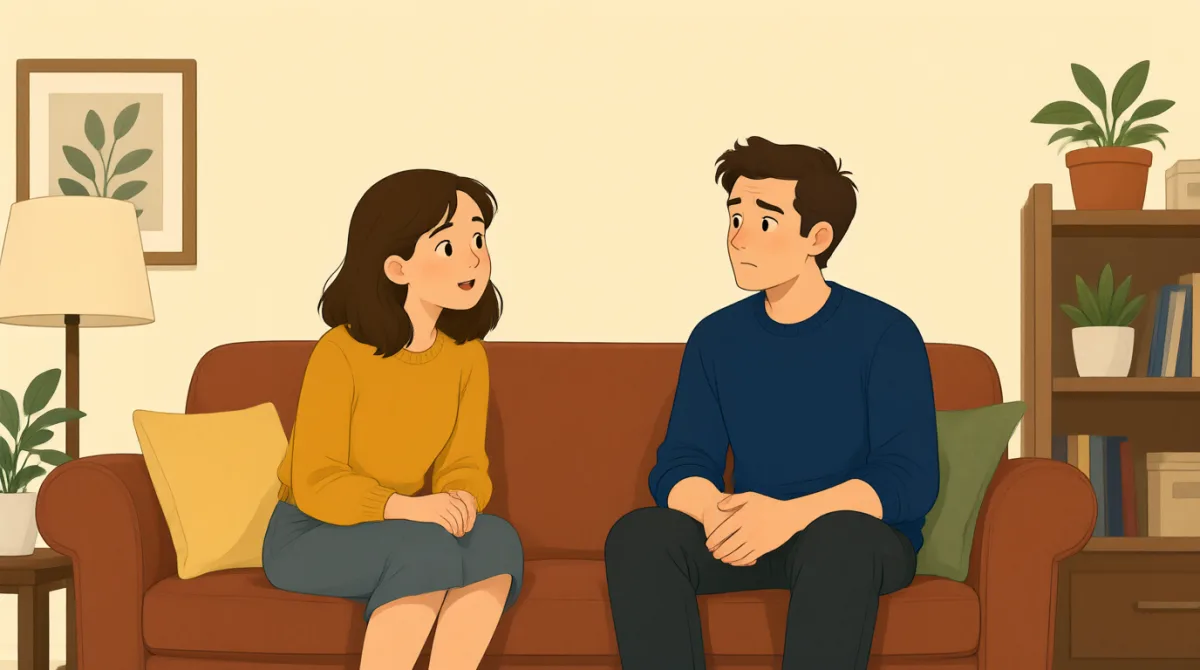

Thanks for meeting me, Jack. I’m looking into whether safety inspections at the plant were properly documented. I’d like to hear what you know, not steer you toward any particular conclusion.
会ってくださってありがとうございます、ジャック。工場の安全点検が適切に記録されていたかどうかを調べています。特定の結論に誘導するのではなく、あなたがご存じのことを伺いたいんです。

I’m not sure I should be talking about this. I left the plant, but people still know each other there. If my name gets out, it could follow me into my next job.
このことを話していいのか、よく分かりません。工場は辞めましたが、今もそこで働く人たちはお互いを知っています。名前が知られたら、次の仕事にも影響するかもしれません。
That’s a reasonable concern. I can keep your identity out of the article, but I can’t promise absolute secrecy. A court order or other legal process could require disclosure, depending on the circumstances.
ご心配はもっともです。記事にあなたの身元が出ないようにはできますが、絶対に秘密を守れるとは約束できません。状況によっては、裁判所の命令など法的な手続きで情報の開示を求められることがあります。
So “anonymous source” doesn’t mean you can guarantee nobody will ever find out who I am. I need to understand that before I tell you anything specific.
つまり、「匿名の情報源」というのは、私が誰なのか誰にも絶対に知られないと保証できる、という意味ではないんですね。具体的なことを話す前に、その点を理解しておきたいです。
Exactly. I’ll also need to assess whether your account can be corroborated and whether the information is important enough to publish without naming you. I won’t use your comments until we agree on the ground rules.
そのとおりです。それから、お話の内容を裏付けられるか、あなたの名前を出さずに掲載するだけの重要性があるかも判断する必要があります。取材のルールについて合意するまでは、お話を記事に使いません。
I’ve heard reporters say “off the record” and then argue later about what that meant. Can we agree on what those terms mean before we get into the details?
記者が「オフレコ」と言っておきながら、あとでその意味について言い争うのを聞いたことがあります。詳しい話に入る前に、そうした言葉の意味を確認しておけますか?
Yes. “On the record” means I may quote you by name. “Not for attribution” means I may use the information but identify you only by an agreed description. “Off the record” means I don’t publish it, unless we agree otherwise beforehand.
はい。「オンレコ」は、あなたの名前を出して引用する場合がある、という意味です。「匿名での引用」は、情報を使うことはできますが、事前に合意した説明だけであなたを紹介する、という意味です。「オフレコ」は、あらかじめ別の合意をしない限り、情報を公表しないという意味です。
I could consider not for attribution, but I don’t want to be described as a former inspector. That would narrow it down too much, and it isn’t even my exact role.
匿名での引用なら検討してもいいですが、「元検査員」と紹介されるのは避けたいです。それだとかなり絞り込まれますし、そもそも私の正確な職種ではありません。
That makes sense. We can discuss a broader description, such as a former plant employee, but I can’t promise even that would make you unidentifiable. Before publication, I’d tell you how I plan to characterize your role.
それはもっともです。「元工場従業員」のような、もっと幅のある説明について話し合えます。ただ、それでも身元が特定されないとは約束できません。記事を出す前に、あなたの役割をどのように説明するつもりかお伝えします。
And if I tell you something I saw firsthand, you won’t turn it into a claim about the whole inspection system unless the evidence supports that, right?
それと、私が自分で見たことを話した場合、証拠が裏付けていないのに、それを点検システム全体についての主張に広げたりはしませんよね?
Right. I’ll distinguish what you witnessed from what you heard from others, and I’ll seek independent confirmation before presenting a broader claim. You can pause or decline any question; I’m not asking you to speculate.
はい。あなたが目撃したことと、ほかの人から聞いたことは区別しますし、より広い主張をする前に、独立した情報源で確認します。質問の途中で休んでも、答えたくない質問を断っても構いません。推測してほしいわけではありません。
All right. I’m willing to talk, but let’s start with what I personally observed and keep my identity out of anything you publish unless we revisit that agreement.
分かりました。話すつもりはありますが、まずは私が自分で見たことから始めましょう。それから、合意について改めて話し合わない限り、記事に私の身元が出ないようにしてください。
語彙8
- absolute secrecy絶対的な秘密保持
A complete guarantee that nobody will ever learn someone’s identity or information. Here, Emma explains that she cannot promise this because legal processes may require disclosure.
誰かの身元や情報が決して知られないと完全に保証することです。ここでは、法的な手続きによって開示を求められる場合があるため、エマはそれを約束できないと説明しています。
- legal process法的手続き
An official legal procedure that can require someone to provide information. Use this phrase when explaining that a promise may have legal limits.
情報を提供するよう求められることのある、正式な法律上の手続きです。約束には法的な限界があり得ると説明するときに使う表現です。
- corroborated裏付けられた
Supported or confirmed by other evidence or sources. Journalists use this word when checking whether an account is reliable.
ほかの証拠や情報源によって支持された、または確認されたという意味です。記者は、話の信頼性を確かめるときにこの言葉を使います。
- ground rules基本ルール
Agreed conditions that determine how people will communicate or use information. The phrase is useful when clarifying expectations before a sensitive conversation.
人との話し方や情報の扱い方について、合意しておく条件です。デリケートな話を始める前に、お互いの認識を確認するときに便利な表現です。
- not for attribution匿名での引用
A condition allowing information to be used without identifying the source by name, subject to an agreed description. It is often discussed in interviews with confidential sources.
合意した説明を使うことを条件に、情報源の実名を明かさずに情報を使える取り決めです。身元を伏せたい情報源への取材でよく話し合われます。
- narrow it down絞り込む
To reduce the possibilities until someone or something becomes easier to identify. Here, Jack worries that a specific job description could reveal who he is.
候補を減らして、誰または何なのかを特定しやすくすることです。ここではジャックが、具体的な職種を説明すると自分の身元が分かってしまうのではないかと心配しています。
- firsthand直接見聞きした
Based on something a person directly saw or experienced, rather than heard from someone else. It helps distinguish direct evidence from secondhand information.
ほかの人から聞いたのではなく、自分で直接見たり経験したりしたことに基づくという意味です。直接得た証拠と、伝聞の情報を区別するのに役立ちます。
- independent confirmation独立した確認
Verification from a separate source or piece of evidence. It is useful when checking a claim before presenting it as broadly true.
別の情報源や証拠によって確かめることです。ある主張を広く事実として伝える前の確認に役立ちます。
重要な文8
- 1
I’d like to hear what you know, not steer you toward any particular conclusion.
あなたがご存じのことを伺いたいんです。特定の結論に誘導するつもりはありません。
This sentence shows that the speaker wants information without influencing the other person’s account. Reuse “I’d like to hear what you think, not steer you toward…” to signal an impartial approach.
相手の話に影響を与えず、情報を得たいという姿勢を示す文です。「I’d like to hear what you think, not steer you toward…」という形を使えば、公平な立場で話を聞きたいと伝えられます。
- 2
I can keep your identity out of the article, but I can’t promise absolute secrecy.
記事にあなたの身元が出ないようにはできますが、絶対に秘密を守れるとは約束できません。
This clearly offers a limited protection while acknowledging its limits. Use “I can…, but I can’t promise…” when setting honest boundaries.
一定の保護を申し出ながら、その限界も認める表現です。正直にできることの範囲を伝えるときは、「I can…, but I can’t promise…」を使えます。
- 3
I won’t use your comments until we agree on the ground rules.
取材のルールについて合意するまでは、お話を記事に使いません。
This reassures the other person that the terms will be settled before their information is used. The structure “I won’t [do something] until we agree on…” is useful for establishing conditions.
相手の情報を使う前に、条件を決めると伝えて安心してもらう表現です。「I won’t [do something] until we agree on…」という形は、何かをするための条件を示すのに便利です。
- 4
Can we agree on what those terms mean before we get into the details?
詳しい話に入る前に、そうした言葉の意味を確認しておけますか?
This is a tactful way to clarify potentially ambiguous language before discussing sensitive information. Reuse it when you need shared definitions before proceeding.
デリケートな情報を話し合う前に、意味があいまいな言葉を丁寧に確認する表現です。先にお互いの認識をそろえておきたいときに使えます。
- 5
Before publication, I’d tell you how I plan to characterize your role.
記事を出す前に、あなたの役割をどのように説明するつもりかお伝えします。
This explains what the source can expect while avoiding a promise about complete anonymity. “Before [event], I’d tell you how I plan to…” is useful for describing a process in advance.
完全な匿名性は約束せずに、情報源がどのような対応を受けるか説明しています。「Before [event], I’d tell you how I plan to…」は、事前に進め方を伝えるときに便利です。
- 6
I’ll distinguish what you witnessed from what you heard from others, and I’ll seek independent confirmation before presenting a broader claim.
あなたが目撃したことと、ほかの人から聞いたことは区別しますし、より広い主張をする前に、独立した情報源で確認します。
This sentence explains how the speaker will separate direct evidence from secondhand information and verify wider claims. Reuse the pattern “I’ll distinguish X from Y, and I’ll seek confirmation before…” when describing careful fact-checking.
直接得た証拠と伝聞を分け、より広い主張を裏付ける方法を説明する文です。慎重な事実確認について伝えるときは、「I’ll distinguish X from Y, and I’ll seek confirmation before…」という形が使えます。
- 7
You can pause or decline any question; I’m not asking you to speculate.
質問の途中で休んでも、答えたくない質問を断っても構いません。推測してほしいわけではありません。
This gives the other person control and makes clear that guesses are not expected. The structure “You can pause or decline…, and I’m not asking you to…” is useful in sensitive interviews.
相手に話を続けるかどうかの選択権があること、また推測を求めていないことを伝えています。デリケートな取材では、「You can pause or decline…, and I’m not asking you to…」という形が役立ちます。
- 8
I’m willing to talk, but let’s start with what I personally observed and keep my identity out of anything you publish unless we revisit that agreement.
話すつもりはありますが、まずは私が自分で見たことから始めましょう。それから、合意について改めて話し合わない限り、記事に私の身元が出ないようにしてください。
This sets conditions for moving forward while limiting the discussion to firsthand observations. Reuse “I’m willing to…, but let’s start with…” to express cooperation with clear boundaries.
直接見聞きしたことに話題を限りながら、取材に応じる条件を示しています。「I’m willing to…, but let’s start with…」は、協力する意思と明確な境界線を同時に伝える表現です。