Approaching a Reluctant Source
취재에 소극적인 제보자에게 다가가기
Emma meets Jack Miller, a former plant employee, who is wary of being identified and fears professional repercussions. She explains the purpose of the interview and discusses what protections she can—and cannot—offer.
에마는 신원이 드러날까 봐 경계하고 직업상 불이익을 걱정하는 전직 공장 직원 잭 밀러를 만납니다. 에마는 인터뷰의 목적을 설명하고 자신이 제공할 수 있는 보호와 제공할 수 없는 보호에 관해 이야기합니다.
대화12
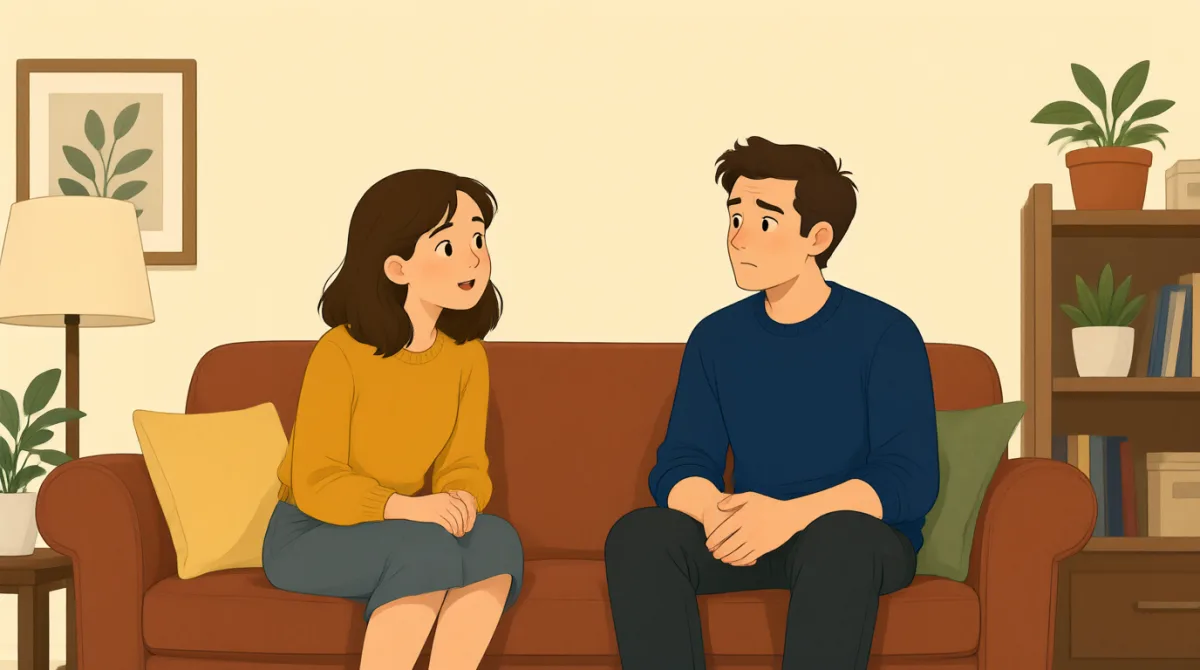

Thanks for meeting me, Jack. I’m looking into whether safety inspections at the plant were properly documented. I’d like to hear what you know, not steer you toward any particular conclusion.
만나 주셔서 감사합니다, 잭. 공장의 안전 점검이 제대로 기록됐는지 취재하고 있어요. 특정한 결론을 내리도록 유도하기보다는, 알고 계신 내용을 듣고 싶습니다.

I’m not sure I should be talking about this. I left the plant, but people still know each other there. If my name gets out, it could follow me into my next job.
이런 얘기를 해도 되는지 모르겠어요. 공장을 그만뒀지만, 거기 사람들은 아직도 서로 다 알고 지내요. 제 이름이 알려지면 다음 직장까지 따라올 수 있어요.
That’s a reasonable concern. I can keep your identity out of the article, but I can’t promise absolute secrecy. A court order or other legal process could require disclosure, depending on the circumstances.
그럴 만한 걱정이에요. 기사에서 신원을 밝히지 않을 수는 있지만, 절대 비밀을 보장할 수는 없어요. 상황에 따라 법원 명령이나 다른 법적 절차로 공개를 요구받을 수도 있습니다.
So “anonymous source” doesn’t mean you can guarantee nobody will ever find out who I am. I need to understand that before I tell you anything specific.
그러니까 “익명 제보자”라고 해서 제가 누군지 아무도 절대 모르게 해 줄 수 있다는 뜻은 아니군요. 구체적인 얘기를 하기 전에 그 점을 알아야겠어요.
Exactly. I’ll also need to assess whether your account can be corroborated and whether the information is important enough to publish without naming you. I won’t use your comments until we agree on the ground rules.
맞아요. 또 말씀하신 내용을 다른 증거나 출처로 확인할 수 있는지, 이름을 밝히지 않고 보도할 만큼 중요한 정보인지도 판단해야 해요. 기본 원칙에 합의하기 전에는 말씀하신 내용을 사용하지 않을게요.
I’ve heard reporters say “off the record” and then argue later about what that meant. Can we agree on what those terms mean before we get into the details?
기자들이 “오프 더 레코드”라고 해 놓고 나중에 그게 무슨 뜻이었는지 다투는 걸 들은 적 있어요. 자세한 얘기를 하기 전에 그런 조건이 무슨 뜻인지 먼저 합의할 수 있을까요?
Yes. “On the record” means I may quote you by name. “Not for attribution” means I may use the information but identify you only by an agreed description. “Off the record” means I don’t publish it, unless we agree otherwise beforehand.
네. “기명 보도”는 이름을 밝히고 인용할 수 있다는 뜻이에요. “익명 인용”은 정보를 사용할 수 있지만, 미리 합의한 설명으로만 신원을 밝힌다는 뜻이고요. “오프 더 레코드”는 사전에 달리 합의하지 않는 한 보도하지 않는다는 뜻이에요.
I could consider not for attribution, but I don’t want to be described as a former inspector. That would narrow it down too much, and it isn’t even my exact role.
익명 인용은 고려해 볼 수 있지만, 전직 검사원이라고 묘사하는 건 원하지 않아요. 그렇게 쓰면 누군지 너무 쉽게 좁혀질 수 있고, 제가 맡았던 정확한 직책도 아니에요.
That makes sense. We can discuss a broader description, such as a former plant employee, but I can’t promise even that would make you unidentifiable. Before publication, I’d tell you how I plan to characterize your role.
그럴 수 있죠. ‘전직 공장 직원’처럼 좀 더 포괄적인 표현을 논의할 수는 있지만, 그렇게 한다고 해서 신원이 절대 드러나지 않는다고 약속드릴 수는 없어요. 보도하기 전에 선생님의 역할을 어떻게 표현할지 알려 드릴게요.
And if I tell you something I saw firsthand, you won’t turn it into a claim about the whole inspection system unless the evidence supports that, right?
그리고 제가 직접 본 일을 말씀드려도, 증거가 뒷받침하지 않으면 그걸 전체 점검 체계에 대한 주장으로 바꾸진 않으실 거죠?
Right. I’ll distinguish what you witnessed from what you heard from others, and I’ll seek independent confirmation before presenting a broader claim. You can pause or decline any question; I’m not asking you to speculate.
그럼요. 직접 목격하신 일과 다른 사람에게 들은 내용을 구분하고, 더 광범위한 주장을 하기 전에 독립적으로 확인하겠습니다. 언제든 잠시 멈추거나 질문에 답하지 않으셔도 돼요. 추측을 요구하는 건 아닙니다.
All right. I’m willing to talk, but let’s start with what I personally observed and keep my identity out of anything you publish unless we revisit that agreement.
좋아요. 얘기해 볼게요. 다만 제가 직접 본 일부터 시작하고, 합의를 다시 논의하지 않는 한 보도 내용에는 제 신원을 밝히지 않는 걸로 해요.
어휘8
- absolute secrecy절대적인 비밀 보장
A complete guarantee that nobody will ever learn someone’s identity or information. Here, Emma explains that she cannot promise this because legal processes may require disclosure.
누구도 어떤 사람의 신원이나 정보를 알게 되지 않을 거라고 완전히 보장하는 거예요. 여기서 에마는 법적 절차로 공개를 요구받을 수도 있기 때문에 그렇게 약속할 수 없다고 설명해요.
- legal process법적 절차
An official legal procedure that can require someone to provide information. Use this phrase when explaining that a promise may have legal limits.
누군가에게 정보를 제공하라고 요구할 수 있는 공식적인 법률 절차예요. 약속에도 법적인 한계가 있을 수 있다는 점을 설명할 때 쓰는 표현이에요.
- corroborated다른 증거로 뒷받침되다
Supported or confirmed by other evidence or sources. Journalists use this word when checking whether an account is reliable.
다른 증거나 출처에 의해 지지되거나 확인된다는 뜻이에요. 기자들은 제보 내용이 믿을 만한지 확인할 때 이 표현을 써요.
- ground rules기본 원칙
Agreed conditions that determine how people will communicate or use information. The phrase is useful when clarifying expectations before a sensitive conversation.
사람들이 어떻게 소통하고 정보를 사용할지 정해 두는 합의된 조건이에요. 민감한 대화를 시작하기 전에 서로의 기대를 분명히 할 때 유용한 표현이에요.
- not for attribution익명 인용
A condition allowing information to be used without identifying the source by name, subject to an agreed description. It is often discussed in interviews with confidential sources.
합의된 설명을 사용하는 조건으로, 제보자의 이름을 밝히지 않고 정보를 사용할 수 있다는 뜻이에요. 익명을 원하는 제보자와 인터뷰할 때 자주 논의하는 표현이에요.
- narrow it down범위를 좁히다
To reduce the possibilities until someone or something becomes easier to identify. Here, Jack worries that a specific job description could reveal who he is.
가능성을 줄여 누군가 또는 무언가를 더 쉽게 알아볼 수 있게 한다는 뜻이에요. 여기서 잭은 구체적인 직책을 밝히면 자신의 신원을 알아내기 쉬워질까 봐 걱정해요.
- firsthand직접 경험한
Based on something a person directly saw or experienced, rather than heard from someone else. It helps distinguish direct evidence from secondhand information.
다른 사람에게 전해 들은 것이 아니라 직접 보거나 겪은 일을 바탕으로 한다는 뜻이에요. 직접 얻은 증거와 간접적으로 들은 정보를 구분할 때 유용해요.
- independent confirmation독립적인 확인
Verification from a separate source or piece of evidence. It is useful when checking a claim before presenting it as broadly true.
별개의 출처나 증거를 통해 사실을 확인하는 거예요. 어떤 주장을 폭넓은 사실로 제시하기 전에 검증할 때 유용해요.
핵심 문장8
- 1
I’d like to hear what you know, not steer you toward any particular conclusion.
알고 계신 내용을 듣고 싶습니다. 특정한 결론을 내리도록 유도하려는 건 아니에요.
This sentence shows that the speaker wants information without influencing the other person’s account. Reuse “I’d like to hear what you think, not steer you toward…” to signal an impartial approach.
상대의 이야기에 영향을 주지 않고 정보를 얻고 싶다는 뜻을 보여 주는 문장이에요. 공정한 태도를 나타내고 싶다면 “I’d like to hear what you think, not steer you toward…”라는 표현을 활용해 보세요.
- 2
I can keep your identity out of the article, but I can’t promise absolute secrecy.
기사에서 신원을 밝히지 않을 수는 있지만, 절대 비밀을 보장할 수는 없어요.
This clearly offers a limited protection while acknowledging its limits. Use “I can…, but I can’t promise…” when setting honest boundaries.
이 문장은 제한적으로 보호해 줄 수 있다고 말하면서도 그 한계를 인정해요. 솔직하게 선을 그을 때 “I can…, but I can’t promise…”라는 표현을 써 보세요.
- 3
I won’t use your comments until we agree on the ground rules.
기본 원칙에 합의하기 전에는 말씀하신 내용을 사용하지 않을게요.
This reassures the other person that the terms will be settled before their information is used. The structure “I won’t [do something] until we agree on…” is useful for establishing conditions.
상대의 정보를 사용하기 전에 조건부터 정하겠다고 안심시키는 말이에요. 조건을 분명히 할 때 “I won’t [do something] until we agree on…”이라는 구조를 활용할 수 있어요.
- 4
Can we agree on what those terms mean before we get into the details?
자세한 얘기를 하기 전에 그 조건이 무슨 뜻인지 합의할 수 있을까요?
This is a tactful way to clarify potentially ambiguous language before discussing sensitive information. Reuse it when you need shared definitions before proceeding.
민감한 정보를 논의하기 전에 오해의 소지가 있는 표현을 정중하게 명확히 하는 문장이에요. 대화를 이어 가기 전에 서로 같은 의미로 이해하고 있는지 확인할 때 활용해 보세요.
- 5
Before publication, I’d tell you how I plan to characterize your role.
보도하기 전에 선생님의 역할을 어떻게 표현할지 알려 드릴게요.
This explains what the source can expect while avoiding a promise about complete anonymity. “Before [event], I’d tell you how I plan to…” is useful for describing a process in advance.
완전한 익명을 약속하지 않으면서 제보자가 무엇을 기대할 수 있는지 설명하는 문장이에요. 절차를 미리 안내할 때 “Before [event], I’d tell you how I plan to…”라는 표현을 활용해 보세요.
- 6
I’ll distinguish what you witnessed from what you heard from others, and I’ll seek independent confirmation before presenting a broader claim.
직접 목격하신 일과 다른 사람에게 들은 내용을 구분하고, 더 광범위한 주장을 하기 전에 독립적으로 확인하겠습니다.
This sentence explains how the speaker will separate direct evidence from secondhand information and verify wider claims. Reuse the pattern “I’ll distinguish X from Y, and I’ll seek confirmation before…” when describing careful fact-checking.
직접 얻은 증거와 간접적으로 들은 정보를 구분하고, 폭넓은 주장을 검증하겠다는 뜻이에요. 사실을 신중히 확인하는 방법을 설명할 때 “I’ll distinguish X from Y, and I’ll seek confirmation before…”라는 패턴을 써 보세요.
- 7
You can pause or decline any question; I’m not asking you to speculate.
언제든 잠시 멈추거나 질문에 답하지 않으셔도 돼요. 추측을 요구하는 건 아닙니다.
This gives the other person control and makes clear that guesses are not expected. The structure “You can pause or decline…, and I’m not asking you to…” is useful in sensitive interviews.
상대에게 선택권을 주면서 짐작해서 답할 필요가 없다는 점을 분명히 해요. 민감한 인터뷰에서 “You can pause or decline…, and I’m not asking you to…”라는 구조를 활용해 보세요.
- 8
I’m willing to talk, but let’s start with what I personally observed and keep my identity out of anything you publish unless we revisit that agreement.
얘기해 볼게요. 다만 제가 직접 본 일부터 시작하고, 합의를 다시 논의하지 않는 한 보도 내용에는 제 신원을 밝히지 않는 걸로 해요.
This sets conditions for moving forward while limiting the discussion to firsthand observations. Reuse “I’m willing to…, but let’s start with…” to express cooperation with clear boundaries.
대화를 이어 가겠다고 하면서도 직접 경험한 일부터 다루자는 조건을 정하는 문장이에요. 분명한 선을 지키면서 협조할 뜻을 전할 때 “I’m willing to…, but let’s start with…”라는 표현을 활용해 보세요.