Approaching a Reluctant Source
अनिच्छुक स्रोत से बातचीत की शुरुआत
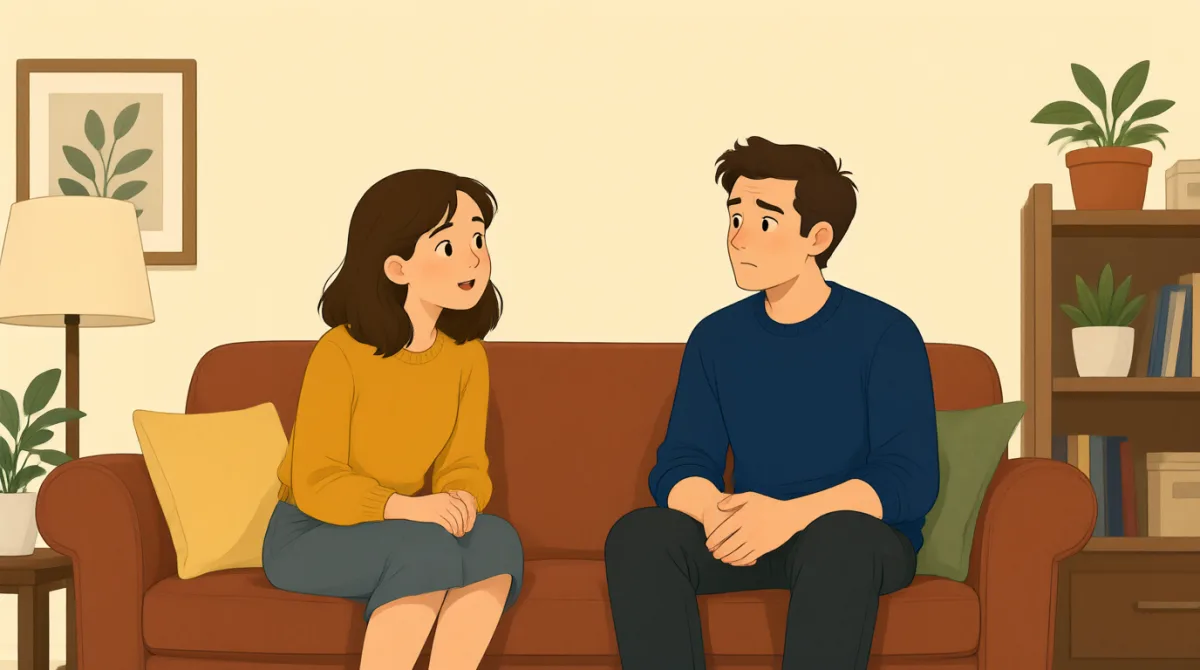
Emma meets Jack Miller, a former plant employee, who is wary of being identified and fears professional repercussions. She explains the purpose of the interview and discusses what protections she can—and cannot—offer.
एमा की मुलाकात जैक मिलर से होती है, जो प्लांट का पूर्व कर्मचारी है और अपनी पहचान उजागर होने को लेकर सतर्क है। उसे डर है कि इससे उसके पेशेवर जीवन पर बुरा असर पड़ सकता है। एमा इंटरव्यू का उद्देश्य समझाती है और बताती है कि वह कौन-सी सुरक्षा दे सकती है और कौन-सी नहीं।
संवाद12

Thanks for meeting me, Jack. I’m looking into whether safety inspections at the plant were properly documented. I’d like to hear what you know, not steer you toward any particular conclusion.
मुझसे मिलने के लिए धन्यवाद, जैक। मैं यह पता लगा रही हूँ कि प्लांट में सुरक्षा निरीक्षणों का सही ढंग से दस्तावेज़ीकरण किया गया था या नहीं। मैं जानना चाहती हूँ कि आप क्या जानते हैं—मैं आपको किसी खास नतीजे की ओर ले जाने की कोशिश नहीं करूँगी।

I’m not sure I should be talking about this. I left the plant, but people still know each other there. If my name gets out, it could follow me into my next job.
मुझे नहीं पता कि मुझे इस बारे में बात करनी चाहिए या नहीं। मैं प्लांट छोड़ चुका हूँ, लेकिन वहाँ के लोग अब भी एक-दूसरे को जानते हैं। अगर मेरा नाम सामने आ गया, तो नई नौकरी में भी यह बात मेरे पीछे पड़ सकती है।
That’s a reasonable concern. I can keep your identity out of the article, but I can’t promise absolute secrecy. A court order or other legal process could require disclosure, depending on the circumstances.
आपकी चिंता जायज़ है। मैं लेख में आपकी पहचान ज़ाहिर नहीं करूँगी, लेकिन पूरी गोपनीयता का वादा नहीं कर सकती। हालात के मुताबिक अदालत का आदेश या कोई दूसरी कानूनी प्रक्रिया जानकारी उजागर करने के लिए बाध्य कर सकती है।
So “anonymous source” doesn’t mean you can guarantee nobody will ever find out who I am. I need to understand that before I tell you anything specific.
तो “anonymous source” का मतलब यह नहीं है कि आप गारंटी दे सकती हैं कि किसी को कभी पता नहीं चलेगा कि मैं कौन हूँ। आपको कोई खास बात बताने से पहले मुझे यह समझना होगा।
Exactly. I’ll also need to assess whether your account can be corroborated and whether the information is important enough to publish without naming you. I won’t use your comments until we agree on the ground rules.
बिल्कुल। मुझे यह भी जाँचना होगा कि आपकी बात की पुष्टि दूसरे स्रोतों से हो सकती है या नहीं, और क्या यह जानकारी इतनी अहम है कि आपका नाम बताए बिना प्रकाशित की जाए। बुनियादी शर्तें तय होने तक मैं आपकी कही बातों का इस्तेमाल नहीं करूँगी।
I’ve heard reporters say “off the record” and then argue later about what that meant. Can we agree on what those terms mean before we get into the details?
मैंने पत्रकारों को “off the record” कहते सुना है, और फिर बाद में इस बात पर बहस करते देखा है कि उसका मतलब क्या था। क्या हम कोई भी बारीकी में जाने से पहले इन शर्तों का मतलब तय कर सकते हैं?
Yes. “On the record” means I may quote you by name. “Not for attribution” means I may use the information but identify you only by an agreed description. “Off the record” means I don’t publish it, unless we agree otherwise beforehand.
हाँ। “On the record” का मतलब है कि मैं आपका नाम लेकर आपको उद्धृत कर सकती हूँ। “Not for attribution” का मतलब है कि मैं जानकारी का इस्तेमाल कर सकती हूँ, लेकिन आपकी पहचान सिर्फ़ उस विवरण से बताऊँगी जिस पर हम सहमत हों। “Off the record” का मतलब है कि मैं उस जानकारी को प्रकाशित नहीं करूँगी—जब तक कि हम पहले से कुछ और तय न कर लें।
I could consider not for attribution, but I don’t want to be described as a former inspector. That would narrow it down too much, and it isn’t even my exact role.
मैं नाम बताए बिना जानकारी देने पर विचार कर सकता हूँ, लेकिन मैं नहीं चाहता कि मेरा परिचय पूर्व निरीक्षक के रूप में दिया जाए। इससे लोगों के लिए यह पता लगाना बहुत आसान हो जाएगा कि मैं कौन हूँ, और यह मेरी सही पदवी भी नहीं थी।
That makes sense. We can discuss a broader description, such as a former plant employee, but I can’t promise even that would make you unidentifiable. Before publication, I’d tell you how I plan to characterize your role.
यह बात समझ में आती है। हम किसी व्यापक विवरण पर बात कर सकते हैं, जैसे प्लांट का पूर्व कर्मचारी। लेकिन मैं यह वादा नहीं कर सकती कि इससे भी आपकी पहचान नहीं हो पाएगी। प्रकाशित करने से पहले मैं आपको बताऊँगी कि आपकी भूमिका का वर्णन किस तरह करने की सोच रही हूँ।
And if I tell you something I saw firsthand, you won’t turn it into a claim about the whole inspection system unless the evidence supports that, right?
और अगर मैं आपको कोई ऐसी बात बताऊँ जो मैंने खुद देखी थी, तो आप उसे पूरे निरीक्षण तंत्र के बारे में दावे में नहीं बदलेंगी—जब तक सबूत उसका समर्थन न करें, सही?
Right. I’ll distinguish what you witnessed from what you heard from others, and I’ll seek independent confirmation before presenting a broader claim. You can pause or decline any question; I’m not asking you to speculate.
सही। मैं इस बात में फ़र्क रखूँगी कि आपने खुद क्या देखा और दूसरों से क्या सुना। किसी व्यापक दावे को पेश करने से पहले मैं स्वतंत्र रूप से उसकी पुष्टि करने की कोशिश करूँगी। आप किसी भी सवाल पर रुक सकते हैं या जवाब देने से मना कर सकते हैं; मैं आपसे अटकल लगाने को नहीं कह रही हूँ।
All right. I’m willing to talk, but let’s start with what I personally observed and keep my identity out of anything you publish unless we revisit that agreement.
ठीक है। मैं बात करने को तैयार हूँ, लेकिन शुरुआत उन बातों से करते हैं जिन्हें मैंने खुद देखा है। और जब तक हम इस समझौते पर दोबारा बात न करें, आप जो भी प्रकाशित करें उसमें मेरी पहचान गुप्त रखिए।
शब्दावली8
- absolute secrecyपूर्ण गोपनीयता
A complete guarantee that nobody will ever learn someone’s identity or information. Here, Emma explains that she cannot promise this because legal processes may require disclosure.
इसका मतलब है पूरी गारंटी कि किसी की पहचान या जानकारी किसी को कभी पता नहीं चलेगी। यहाँ एमा समझाती है कि वह इसकी गारंटी नहीं दे सकती, क्योंकि कानूनी प्रक्रिया के तहत जानकारी उजागर करनी पड़ सकती है।
- legal processकानूनी प्रक्रिया
An official legal procedure that can require someone to provide information. Use this phrase when explaining that a promise may have legal limits.
यह एक आधिकारिक कानूनी कार्यवाही होती है, जिसके तहत किसी को जानकारी देने के लिए बाध्य किया जा सकता है। जब आप समझाना चाहें कि किसी वादे की कानूनी सीमाएँ हो सकती हैं, तब इस पदबंध का इस्तेमाल करें।
- corroboratedपुष्टि की गई
Supported or confirmed by other evidence or sources. Journalists use this word when checking whether an account is reliable.
दूसरे सबूतों या स्रोतों से समर्थित या पुष्ट। पत्रकार यह शब्द तब इस्तेमाल करते हैं, जब वे जाँचते हैं कि किसी की बात भरोसेमंद है या नहीं।
- ground rulesबुनियादी शर्तें
Agreed conditions that determine how people will communicate or use information. The phrase is useful when clarifying expectations before a sensitive conversation.
वे सहमत शर्तें जो तय करती हैं कि लोग कैसे बात करेंगे या जानकारी का इस्तेमाल कैसे होगा। किसी संवेदनशील बातचीत से पहले अपेक्षाएँ स्पष्ट करने के लिए यह पदबंध उपयोगी है।
- not for attributionनाम बताए बिना जानकारी देना
A condition allowing information to be used without identifying the source by name, subject to an agreed description. It is often discussed in interviews with confidential sources.
ऐसी शर्त जिसमें सहमत विवरण के आधार पर स्रोत की पहचान बताए बिना जानकारी का इस्तेमाल किया जा सकता है। गोपनीय स्रोतों के इंटरव्यू में अक्सर इस पर बात होती है।
- narrow it downदायरा सीमित कर देना
To reduce the possibilities until someone or something becomes easier to identify. Here, Jack worries that a specific job description could reveal who he is.
संभावनाएँ इस तरह कम करना कि किसी व्यक्ति या चीज़ की पहचान करना आसान हो जाए। यहाँ जैक को चिंता है कि नौकरी का खास विवरण देने से उसकी पहचान उजागर हो सकती है।
- firsthandप्रत्यक्ष अनुभव पर आधारित
Based on something a person directly saw or experienced, rather than heard from someone else. It helps distinguish direct evidence from secondhand information.
ऐसी बात जो किसी व्यक्ति ने खुद देखी या अनुभव की हो, न कि किसी और से सुनी हो। इससे प्रत्यक्ष सबूत और दूसरों से मिली जानकारी के बीच फ़र्क स्पष्ट होता है।
- independent confirmationस्वतंत्र पुष्टि
Verification from a separate source or piece of evidence. It is useful when checking a claim before presenting it as broadly true.
किसी अलग स्रोत या सबूत से मिलने वाली पुष्टि। किसी दावे को व्यापक रूप से सही बताने से पहले उसकी जाँच के लिए यह उपयोगी है।
मुख्य वाक्य8
- 1
I’d like to hear what you know, not steer you toward any particular conclusion.
मैं जानना चाहती हूँ कि आप क्या जानते हैं—मैं आपको किसी खास नतीजे की ओर ले जाने की कोशिश नहीं करूँगी।
This sentence shows that the speaker wants information without influencing the other person’s account. Reuse “I’d like to hear what you think, not steer you toward…” to signal an impartial approach.
इस वाक्य से पता चलता है कि वक्ता सामने वाले की बात को प्रभावित किए बिना जानकारी चाहती है। निष्पक्ष रवैया जताने के लिए “I’d like to hear what you think, not steer you toward…” का दोबारा इस्तेमाल कर सकते हैं।
- 2
I can keep your identity out of the article, but I can’t promise absolute secrecy.
मैं लेख में आपकी पहचान ज़ाहिर नहीं करूँगी, लेकिन पूरी गोपनीयता का वादा नहीं कर सकती।
This clearly offers a limited protection while acknowledging its limits. Use “I can…, but I can’t promise…” when setting honest boundaries.
इसमें सुरक्षा की एक सीमा साफ़ तौर पर बताई गई है और साथ ही उसकी सीमाएँ भी स्वीकार की गई हैं। ईमानदारी से अपनी सीमाएँ बताने के लिए “I can…, but I can’t promise…” का इस्तेमाल करें।
- 3
I won’t use your comments until we agree on the ground rules.
बुनियादी शर्तें तय होने तक मैं आपकी कही बातों का इस्तेमाल नहीं करूँगी।
This reassures the other person that the terms will be settled before their information is used. The structure “I won’t [do something] until we agree on…” is useful for establishing conditions.
यह सामने वाले को भरोसा दिलाता है कि उसकी जानकारी इस्तेमाल करने से पहले शर्तें तय कर ली जाएँगी। शर्तें तय करने के लिए “I won’t [do something] until we agree on…” की बनावट उपयोगी है।
- 4
Can we agree on what those terms mean before we get into the details?
क्या हम कोई भी बारीकी में जाने से पहले इन शर्तों का मतलब तय कर सकते हैं?
This is a tactful way to clarify potentially ambiguous language before discussing sensitive information. Reuse it when you need shared definitions before proceeding.
संवेदनशील जानकारी पर बात करने से पहले अस्पष्ट भाषा का मतलब साफ़ करने का यह एक विनम्र तरीका है। आगे बढ़ने से पहले एक साझा समझ बनाने के लिए इसका दोबारा इस्तेमाल करें।
- 5
Before publication, I’d tell you how I plan to characterize your role.
प्रकाशित करने से पहले मैं आपको बताऊँगी कि आपकी भूमिका का वर्णन किस तरह करने की सोच रही हूँ।
This explains what the source can expect while avoiding a promise about complete anonymity. “Before [event], I’d tell you how I plan to…” is useful for describing a process in advance.
इससे स्रोत को पता चलता है कि वह क्या उम्मीद कर सकता है, बिना पूरी गुमनामी का वादा किए। किसी प्रक्रिया के बारे में पहले से बताने के लिए “Before [event], I’d tell you how I plan to…” उपयोगी है।
- 6
I’ll distinguish what you witnessed from what you heard from others, and I’ll seek independent confirmation before presenting a broader claim.
मैं इस बात में फ़र्क रखूँगी कि आपने खुद क्या देखा और दूसरों से क्या सुना। किसी व्यापक दावे को पेश करने से पहले मैं स्वतंत्र रूप से उसकी पुष्टि करने की कोशिश करूँगी।
This sentence explains how the speaker will separate direct evidence from secondhand information and verify wider claims. Reuse the pattern “I’ll distinguish X from Y, and I’ll seek confirmation before…” when describing careful fact-checking.
इस वाक्य में बताया गया है कि वक्ता प्रत्यक्ष सबूत को दूसरों से मिली जानकारी से अलग रखेगी और व्यापक दावों की पुष्टि करेगी। सावधानी से तथ्य जाँचने का तरीका बताने के लिए “I’ll distinguish X from Y, and I’ll seek confirmation before…” की बनावट दोबारा इस्तेमाल करें।
- 7
You can pause or decline any question; I’m not asking you to speculate.
आप किसी भी सवाल पर रुक सकते हैं या जवाब देने से मना कर सकते हैं; मैं आपसे अटकल लगाने को नहीं कह रही हूँ।
This gives the other person control and makes clear that guesses are not expected. The structure “You can pause or decline…, and I’m not asking you to…” is useful in sensitive interviews.
इससे सामने वाले को नियंत्रण मिलता है और यह स्पष्ट होता है कि उससे अंदाज़े लगाने की अपेक्षा नहीं है। संवेदनशील इंटरव्यू में “You can pause or decline…, and I’m not asking you to…” की बनावट उपयोगी है।
- 8
I’m willing to talk, but let’s start with what I personally observed and keep my identity out of anything you publish unless we revisit that agreement.
मैं बात करने को तैयार हूँ, लेकिन शुरुआत उन बातों से करते हैं जिन्हें मैंने खुद देखा है। और जब तक हम इस समझौते पर दोबारा बात न करें, आप जो भी प्रकाशित करें उसमें मेरी पहचान गुप्त रखिए।
This sets conditions for moving forward while limiting the discussion to firsthand observations. Reuse “I’m willing to…, but let’s start with…” to express cooperation with clear boundaries.
यह आगे बात करने की सहमति जताते हुए स्पष्ट सीमाएँ तय करता है और चर्चा को प्रत्यक्ष अनुभव तक सीमित रखता है। साफ़ सीमाओं के साथ सहयोग जताने के लिए “I’m willing to…, but let’s start with…” का दोबारा इस्तेमाल करें।