Follow-up Meeting - Direct Apology
การประชุมติดตามผล - ขอโทษโดยตรง
You are about to have a more substantial follow-up meeting with someone you've only met once before. You realize you still can't recall their name, and you need to apologize directly and get their name right before the main discussion begins.
คุณกำลังจะเข้าร่วมการประชุมติดตามผลที่จริงจังขึ้นกับคนที่เคยพบกันเพียงครั้งเดียว คุณนึกขึ้นได้ว่ายังจำชื่อเขาไม่ได้ และต้องขอโทษตรง ๆ พร้อมถามชื่อให้แน่ใจก่อนเริ่มคุยเรื่องหลัก
บทสนทนา4
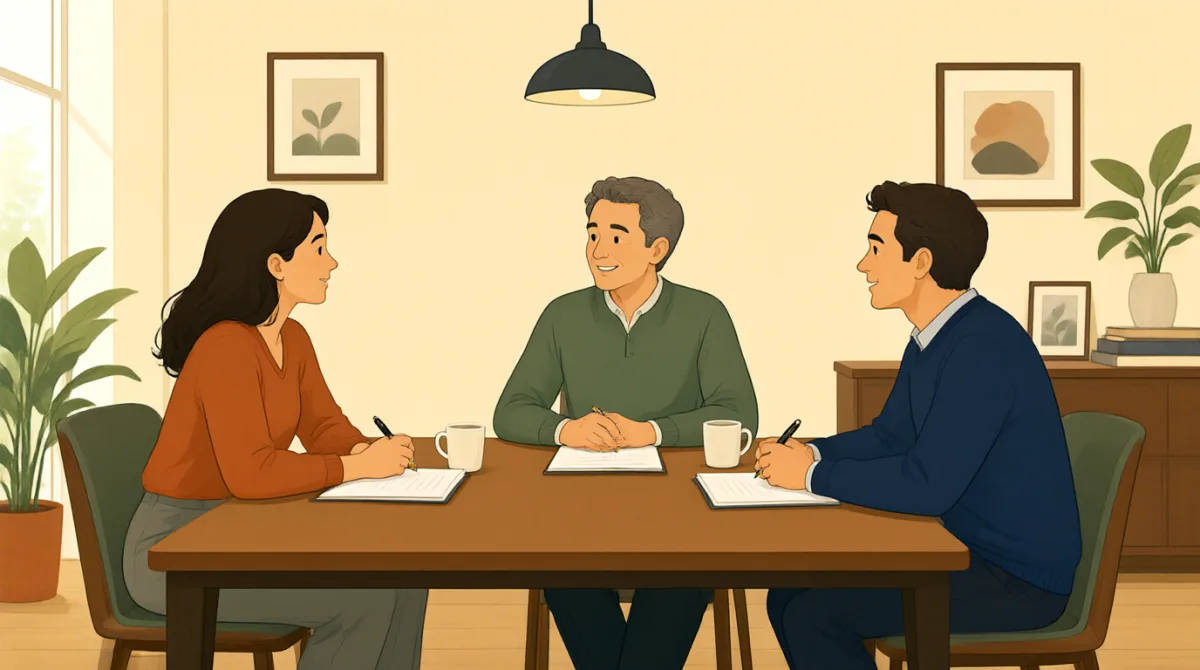

Hi, thanks for meeting again. I'm Jack. I'm really sorry, it's completely slipped my mind, could you please remind me of your name once more?
สวัสดีครับ ขอบคุณที่มาพบกันอีกครั้งนะครับ ผมแจ็ก ต้องขอโทษจริง ๆ ครับ ผมลืมชื่อคุณไปสนิทเลย ช่วยบอกชื่ออีกครั้งได้ไหมครับ

No problem at all, Jack! I'm Mia. It happens to the best of us.
ไม่เป็นไรเลยค่ะแจ็ก ฉันชื่อมีอาค่ะ ใคร ๆ ก็เป็นกันได้ค่ะ
Mia, of course! My apologies again. It was a brief first meeting, and I wanted to make sure I got it right before we delve into today's discussion.
มีอา ใช่แล้วครับ ขอโทษอีกครั้งนะครับ ตอนเจอกันครั้งแรกเราได้คุยกันแป๊บเดียว ผมเลยอยากแน่ใจว่าจำชื่อถูกก่อนที่เราจะเริ่มคุยเรื่องวันนี้ครับ
Not to worry. It's good to put a name to the face, or rather, re-put a name to the face for you! So, what did you want to discuss today?
ไม่ต้องกังวลค่ะ ดีเลยที่ได้จับคู่ชื่อกับหน้า หรือพูดอีกอย่างก็คือ ได้จับคู่ชื่อกับหน้าฉันให้คุณอีกครั้ง! แล้ววันนี้คุณอยากคุยเรื่องอะไรคะ
คำศัพท์5
- slipped my mindลืมไปสนิทเลย
This idiom means you completely forgot something, often used when apologizing for forgetting a name or detail in a polite way.
สำนวนนี้หมายถึงลืมบางอย่างไปหมดเลย มักใช้ขอโทษอย่างสุภาพเมื่อลืมชื่อหรือรายละเอียดบางอย่าง
- remindเตือนให้จำ
To remind someone means to help them remember something they forgot, like asking 'Could you remind me of your name?' in a meeting.
remind หมายถึงช่วยให้ใครสักคนนึกถึงสิ่งที่ลืมไป เช่น ถามว่า 'Could you remind me of your name?' (ช่วยบอกชื่อคุณอีกครั้งได้ไหม) ในที่ประชุม
- apologiesคำขอโทษ
A formal way to say 'I'm sorry,' often used in professional situations like 'My apologies again' to show respect after forgetting something.
เป็นวิธีพูดว่า 'I'm sorry' (ฉันขอโทษ) อย่างเป็นทางการ มักใช้ในสถานการณ์การทำงาน เช่น 'My apologies again' (ขอโทษอีกครั้งนะครับ/คะ) เพื่อแสดงความเคารพหลังจากลืมบางอย่าง
- delve intoลงลึกใน
This phrase means to go deeply into a topic or discussion, useful in business meetings like 'before we delve into today's discussion' to transition politely.
วลีนี้หมายถึงพูดคุยหรือพิจารณาหัวข้อใดหัวข้อหนึ่งอย่างละเอียด ใช้ได้ในการประชุมธุรกิจ เช่น 'before we delve into today's discussion' (ก่อนที่เราจะลงลึกในเรื่องที่จะคุยกันวันนี้) เพื่อเปลี่ยนเข้าสู่หัวข้ออย่างสุภาพ
- not to worryไม่ต้องกังวล
A reassuring phrase meaning 'don't worry about it,' commonly used to accept an apology lightly and make the other person feel better.
เป็นวลีปลอบใจที่หมายถึง 'don't worry about it' (ไม่ต้องคิดมากนะ) มักใช้ตอบรับคำขอโทษอย่างไม่ถือสาและทำให้อีกฝ่ายรู้สึกดีขึ้น
ประโยคสำคัญ4
- 1
I'm really sorry, it's completely slipped my mind, could you please remind me of your name once more?
ต้องขอโทษจริง ๆ ครับ ผมลืมชื่อคุณไปสนิทเลย ช่วยบอกชื่ออีกครั้งได้ไหมครับ
This sentence is a polite direct apology for forgetting a name. It uses 'slipped my mind' idiom for natural forgetfulness and a polite request with 'could you please' to ask for a reminder. Use it in professional settings before starting a discussion to show respect.
ประโยคนี้เป็นการขอโทษตรง ๆ อย่างสุภาพเมื่อลืมชื่อ ใช้สำนวน 'slipped my mind' เพื่อบอกว่าลืมไปโดยไม่ได้ตั้งใจ และใช้คำขอร้องสุภาพ 'could you please' เพื่อขอให้อีกฝ่ายช่วยเตือนความจำ ใช้ในสถานการณ์การทำงานก่อนเริ่มพูดคุยเพื่อแสดงความเคารพได้
- 2
No problem at all, Jack! It happens to the best of us.
ไม่เป็นไรเลยค่ะแจ็ก ใคร ๆ ก็เป็นกันได้ค่ะ
This is a friendly response to an apology, meaning it's okay and common. 'It happens to the best of us' is an idiom showing everyone forgets sometimes. Use it to reassure someone and keep the conversation positive.
นี่เป็นคำตอบที่เป็นมิตรต่อคำขอโทษ หมายความว่าไม่เป็นไรและเป็นเรื่องที่เกิดขึ้นได้ทั่วไป สำนวน 'It happens to the best of us' หมายถึงทุกคนก็ลืมกันได้เป็นบางครั้ง ใช้ปลอบใจอีกฝ่ายและทำให้บทสนทนาดำเนินไปในแง่ดีได้
- 3
My apologies again. It was a brief first meeting, and I wanted to make sure I got it right before we delve into today's discussion.
ขอโทษอีกครั้งนะครับ ตอนเจอกันครั้งแรกเราได้คุยกันแป๊บเดียว ผมเลยอยากแน่ใจว่าจำชื่อถูกก่อนที่เราจะเริ่มคุยเรื่องวันนี้ครับ
This sentence repeats the apology and explains the reason politely. 'Make sure I got it right' uses simple past tense for intention, and 'delve into' transitions to the main topic. Useful for follow-up meetings to clarify before proceeding.
ประโยคนี้กล่าวขอโทษซ้ำและอธิบายเหตุผลอย่างสุภาพ 'make sure I got it right' ใช้รูปอดีตกาลธรรมดาเพื่อบอกถึงความตั้งใจ ส่วน 'delve into' ใช้เปลี่ยนเข้าสู่หัวข้อหลัก เหมาะกับการประชุมติดตามผล เพื่อทำความเข้าใจให้ชัดเจนก่อนดำเนินเรื่องต่อ
- 4
Not to worry. It's good to put a name to the face, or rather, re-put a name to the face for you!
ไม่ต้องกังวลค่ะ ดีเลยที่ได้จับคู่ชื่อกับหน้า หรือพูดอีกอย่างก็คือ ได้จับคู่ชื่อกับหน้าฉันให้คุณอีกครั้ง!
This humorous response accepts the apology and plays on the idiom 'put a name to a face' (remembering who someone is). 'Or rather' corrects or adds humor lightly. Use it in casual professional talks to ease tension after forgetting a name.
คำตอบติดตลกนี้ยอมรับคำขอโทษและเล่นกับสำนวน 'put a name to a face' (จำได้ว่าใครเป็นใคร) ส่วน 'or rather' ใช้แก้คำพูดหรือเสริมมุกเบา ๆ ใช้ในการพูดคุยเรื่องงานแบบเป็นกันเองเพื่อช่วยคลายความเกร็งหลังจากลืมชื่อได้