Initial Approach and Explanation
เข้าหาและอธิบายเหตุผล
The person needing to cut in line approaches someone at the front and briefly explains their urgent situation.
คนที่จำเป็นต้องแซงคิวเข้าไปหาใครสักคนที่อยู่หน้าสุด แล้วอธิบายเหตุฉุกเฉินของตัวเองสั้น ๆ
บทสนทนา6
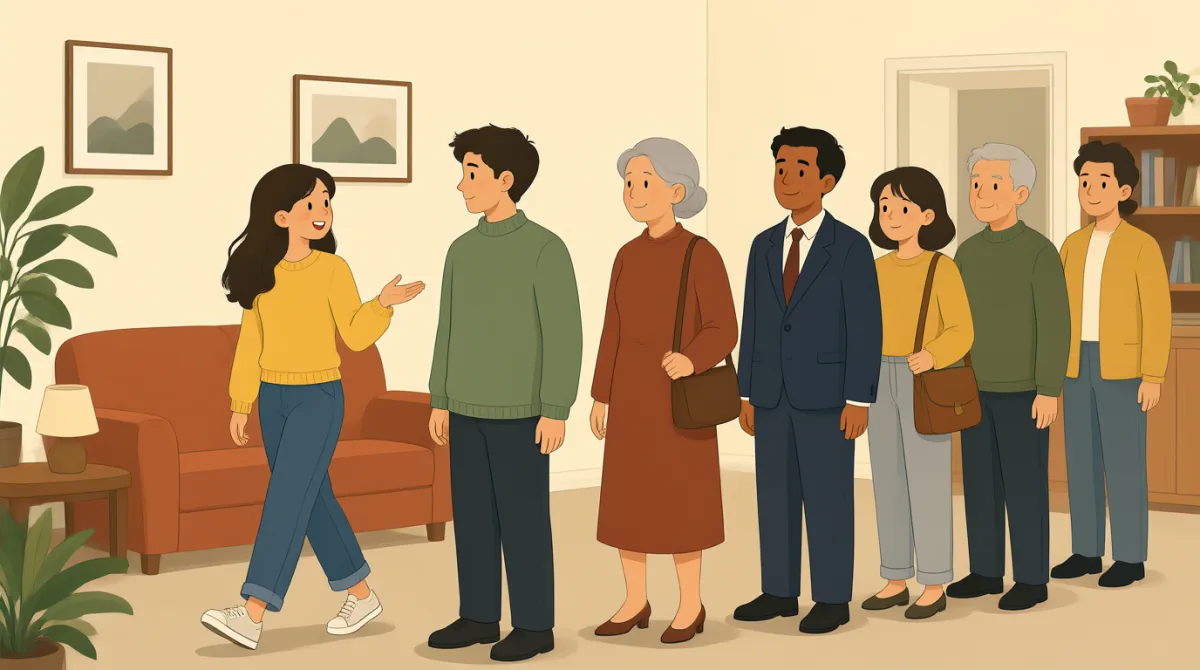

Excuse me, I'm so sorry to bother you, but I was wondering if I could possibly go ahead of you?
ขอโทษนะครับ รบกวนหน่อยนะครับ คือผมอยากขอแซงหน้าคุณไปได้ไหมครับ

Oh, sure. Is everything alright? Is there an emergency?
อ๋อ ได้สิคะ ทุกอย่างเรียบร้อยดีไหมคะ มีเหตุฉุกเฉินหรือเปล่า
Yes, actually. My son is quite sick and I need to get him to the urgent care clinic immediately. We're already running a bit late.
ครับ คือว่าลูกชายผมป่วยหนักพอสมควร ผมต้องพาเขาไปคลินิกดูแลรักษาเร่งด่วนทันที ตอนนี้เราก็ช้าไปนิดหน่อยแล้วครับ
Oh, I'm so sorry to hear that! Of course, please go right ahead. I hope he feels better soon.
อ๋อ เสียใจด้วยนะคะที่ได้ยินแบบนั้น ได้เลยค่ะ เชิญไปก่อนเลยนะคะ หวังว่าเขาจะหายดีเร็ว ๆ ค่ะ
Thank you so much, I really appreciate your understanding. You've been a lifesaver.
ขอบคุณมากนะครับ ผมซาบซึ้งที่คุณเข้าใจจริง ๆ คุณช่วยผมไว้มากเลยครับ
No problem at all. Just be careful and get him seen quickly.
ไม่เป็นไรเลยค่ะ ระวังตัวด้วยนะคะ แล้วรีบพาเขาไปให้หมอตรวจค่ะ
คำศัพท์7
- excuseขอโทษ
To say 'excuse me' is a polite way to get someone's attention or apologize for interrupting them in a conversation or situation.
การพูดว่า 'excuse me' เป็นวิธีสุภาพในการเรียกความสนใจจากใครสักคน หรือขอโทษที่ขัดจังหวะบทสนทนาหรือสถานการณ์อยู่ค่ะ
- botherรบกวน
To bother someone means to interrupt or annoy them slightly; it's often used in apologies like 'sorry to bother you' to show politeness.
การรบกวนใครสักคนหมายถึงการขัดจังหวะหรือทำให้เขารำคาญเล็กน้อย มักใช้ในคำขอโทษอย่าง 'sorry to bother you' เพื่อแสดงความสุภาพค่ะ
- wonderingกำลังสงสัย
Wondering means thinking about something or being curious; it's used to politely ask a question, like 'I was wondering if...' to make requests softer.
Wondering หมายถึงกำลังคิดเกี่ยวกับบางสิ่งหรืออยากรู้ มักใช้ถามอย่างสุภาพ เช่น 'I was wondering if...' เพื่อทำให้คำขอฟังดูนุ่มนวลขึ้นค่ะ
- aheadข้างหน้า
Ahead means in front of others; in lines, 'go ahead' means to move forward before someone else, often used when allowing someone to cut in politely.
Ahead หมายถึงอยู่ข้างหน้าคนอื่น ในการต่อแถว 'go ahead' หมายถึงเดินไปก่อนคนอื่น มักใช้เมื่ออนุญาตให้ใครแซงคิวอย่างสุภาพค่ะ
- emergencyเหตุฉุกเฉิน
An emergency is a sudden, serious situation that needs immediate help, like a medical problem; it's useful for explaining why you need to act quickly.
เหตุฉุกเฉินคือสถานการณ์ร้ายแรงที่เกิดขึ้นกะทันหันและต้องได้รับความช่วยเหลือทันที เช่น ปัญหาสุขภาพ คำนี้มีประโยชน์เมื่ออธิบายว่าทำไมจึงต้องรีบลงมือค่ะ
- urgentเร่งด่วน
Urgent means needing quick action because it's important or time-sensitive; say 'urgent care' for a clinic that handles non-life-threatening emergencies.
Urgent หมายถึงต้องรีบดำเนินการเพราะเป็นเรื่องสำคัญหรือมีเวลาจำกัด ใช้คำว่า 'urgent care' เรียกคลินิกที่ดูแลเหตุฉุกเฉินซึ่งไม่ถึงขั้นคุกคามชีวิตค่ะ
- lifesaverผู้ช่วยชีวิต
A lifesaver is someone who helps you out of a difficult situation; it's an idiomatic expression to thank someone greatly, like saving your day.
Lifesaver คือคนที่ช่วยเราให้พ้นจากสถานการณ์ลำบาก เป็นสำนวนที่ใช้ขอบคุณใครสักคนอย่างมาก ราวกับเขาช่วยให้วันนั้นของเราผ่านไปได้ด้วยดีค่ะ
ประโยคสำคัญ6
- 1
Excuse me, I'm so sorry to bother you, but I was wondering if I could possibly go ahead of you?
ขอโทษนะครับ รบกวนหน่อยนะครับ คือผมอยากขอแซงหน้าคุณไปได้ไหมครับ
This is a very polite way to make a request to cut in line. It uses 'excuse me' for attention, 'sorry to bother' for apology, and 'I was wondering if... possibly' to soften the ask, making it suitable for urgent but polite situations like emergencies.
ประโยคนี้เป็นวิธีขอแซงคิวที่สุภาพมาก ใช้ 'excuse me' เพื่อเรียกความสนใจ ใช้ 'sorry to bother' เพื่อขอโทษ และใช้ 'I was wondering if... possibly' เพื่อทำให้คำขอฟังดูนุ่มนวล เหมาะกับสถานการณ์เร่งด่วนที่ยังต้องรักษามารยาทค่ะ
- 2
Oh, sure. Is everything alright? Is there an emergency?
อ๋อ ได้สิคะ ทุกอย่างเรียบร้อยดีไหมคะ มีเหตุฉุกเฉินหรือเปล่า
This shows a kind response allowing the request and asking for more details. 'Oh, sure' means yes casually, and 'is everything alright?' is a common empathetic question; use it when someone asks for a favor to show concern.
ประโยคนี้แสดงการตอบรับอย่างใจดีและถามรายละเอียดเพิ่มเติม 'Oh, sure' หมายถึงได้เลยแบบเป็นกันเอง ส่วน 'is everything alright?' เป็นคำถามแสดงความห่วงใยที่ใช้กันทั่วไป ใช้ได้เมื่อมีคนขอความช่วยเหลือเพื่อแสดงว่าคุณเป็นห่วงค่ะ
- 3
Yes, actually. My son is quite sick and I need to get him to the urgent care clinic immediately.
ครับ คือว่าลูกชายผมป่วยหนักพอสมควร ผมต้องพาเขาไปคลินิกดูแลรักษาเร่งด่วนทันที
This explains the urgent reason briefly. 'Yes, actually' confirms politely, and 'immediately' emphasizes speed; it's useful for justifying a request in time-sensitive situations, with simple present tense for current needs.
ประโยคนี้อธิบายเหตุผลเร่งด่วนอย่างสั้น ๆ 'Yes, actually' ใช้ยืนยันอย่างสุภาพ ส่วน 'immediately' เน้นว่าต้องรีบ เหมาะสำหรับอธิบายเหตุผลของคำขอในสถานการณ์ที่มีเวลาจำกัด โดยใช้ present simple บอกความจำเป็นในตอนนี้ค่ะ
- 4
Oh, I'm so sorry to hear that! Of course, please go right ahead.
อ๋อ เสียใจด้วยนะคะที่ได้ยินแบบนั้น! ได้เลยค่ะ เชิญไปก่อนเลยค่ะ
This expresses sympathy and agrees to the request. 'I'm sorry to hear that' shows empathy, and 'go right ahead' means proceed without delay; use this pattern to respond kindly to someone's urgent explanation.
ประโยคนี้แสดงความเห็นใจและตอบรับคำขอ 'I'm sorry to hear that' ใช้แสดงความเห็นอกเห็นใจ ส่วน 'go right ahead' หมายถึงเชิญทำได้เลยโดยไม่ต้องรอ ใช้รูปแบบนี้เพื่อตอบอย่างใจดีเมื่อใครสักคนอธิบายเหตุฉุกเฉินค่ะ
- 5
Thank you so much, I really appreciate your understanding. You've been a lifesaver.
ขอบคุณมากนะครับ ผมซาบซึ้งที่คุณเข้าใจจริง ๆ คุณช่วยผมไว้มากเลยครับ
This is a strong way to thank someone after help. 'Thank you so much' is emphatic gratitude, 'I appreciate' shows value for their kindness, and 'lifesaver' is idiomatic; ideal for ending polite interactions where someone helped in a pinch.
นี่เป็นวิธีขอบคุณอย่างจริงใจหลังได้รับความช่วยเหลือ 'Thank you so much' เน้นย้ำความขอบคุณ 'I appreciate' แสดงว่าคุณเห็นคุณค่าความมีน้ำใจของอีกฝ่าย และ 'lifesaver' เป็นสำนวน เหมาะสำหรับปิดท้ายบทสนทนาอย่างสุภาพเมื่อมีคนช่วยในยามคับขันค่ะ
- 6
No problem at all. Just be careful and get him seen quickly.
ไม่เป็นไรเลยค่ะ แค่ระวังตัวด้วยนะคะ แล้วรีบพาเขาไปให้หมอตรวจค่ะ
This downplays the help given while offering advice. 'No problem at all' means it was easy to help, and 'get him seen' is a phrasal verb for receiving medical attention; use it to respond humbly and caringly in supportive situations.
ประโยคนี้ทำให้ความช่วยเหลือดูเป็นเรื่องเล็กน้อย พร้อมให้คำแนะนำ 'No problem at all' หมายถึงยินดีช่วยและไม่ได้ลำบากอะไร ส่วน 'get him seen' เป็นกริยาวลีที่หมายถึงพาเขาไปรับการตรวจรักษา ใช้ตอบอย่างถ่อมตัวและแสดงความห่วงใยได้ค่ะ