Dealing with a Problematic Dish
การจัดการกับอาหารที่มีปัญหา
A customer discovers an issue with their food (e.g., undercooked, wrong order, cold) and calls the waiter to rectify the situation.
ลูกค้าพบปัญหาเกี่ยวกับอาหาร เช่น อาหารยังไม่สุก สั่งผิด หรือเย็น แล้วเรียกพนักงานเสิร์ฟมาช่วยแก้ไข
บทสนทนา8
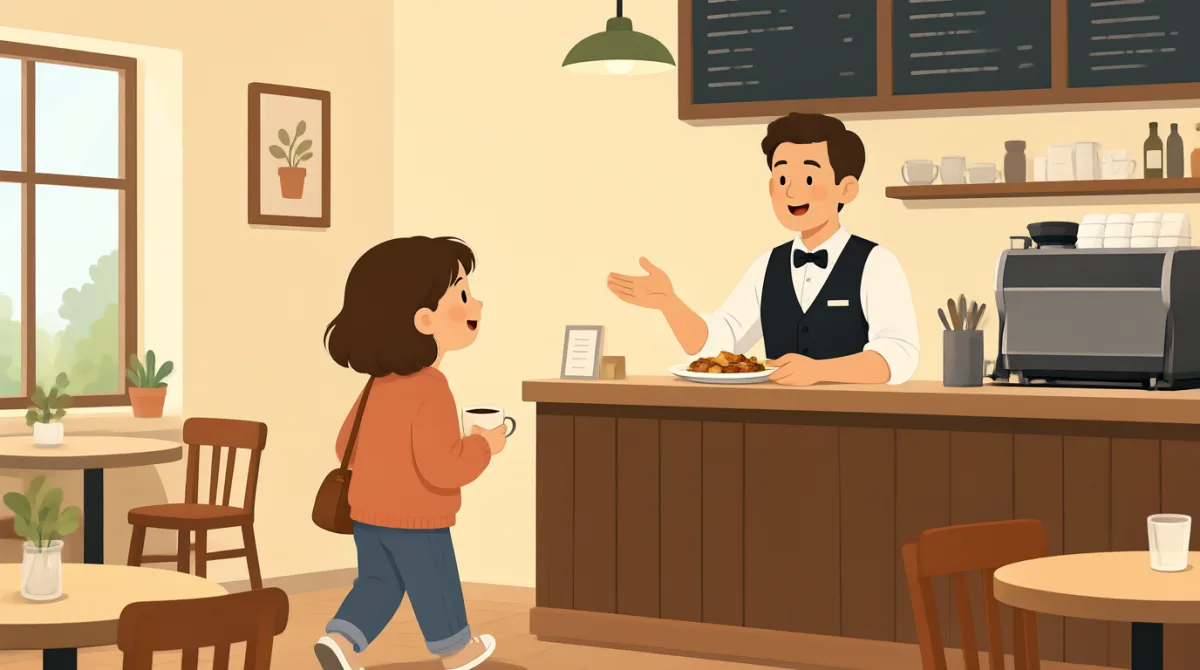

Excuse me, waiter?
ขอโทษนะคะ พนักงานเสิร์ฟคะ?

Yes, ma'am? How can I help you?
ครับ คุณผู้หญิง มีอะไรให้ผมช่วยไหมครับ?
I think there's a problem with my steak. It seems a bit undercooked.
ฉันคิดว่าสเต๊กของฉันมีปัญหาค่ะ ดูเหมือนจะยังไม่ค่อยสุก
Oh, I'm very sorry to hear that. Let me take a look.
โอ้ เสียใจด้วยจริง ๆ ครับ ขอผมดูก่อนนะครับ
You're right, it does look a bit rare for medium-rare. My apologies. Would you like me to send it back to the kitchen to be cooked a little longer?
คุณพูดถูกครับ ดูเหมือนจะสุกน้อยไปหน่อยสำหรับระดับมีเดียมแรร์ ผมต้องขออภัยด้วยครับ ให้ผมนำกลับไปให้ทางครัวปรุงต่ออีกสักหน่อยไหมครับ?
Yes, please. That would be great. And could you make sure it's medium this time?
ค่ะ รบกวนด้วยนะคะ ดีเลยค่ะ แล้วช่วยทำให้สุกระดับมีเดียมในครั้งนี้ได้ไหมคะ?
Absolutely. I'll let the chef know right away. My sincerest apologies for the inconvenience.
ได้เลยครับ ผมจะแจ้งเชฟทันที ต้องขออภัยอย่างยิ่งที่ทำให้ไม่สะดวกครับ
Thank you.
ขอบคุณค่ะ
คำศัพท์6
- undercookedยังไม่สุก
This means food is not cooked enough, like meat that is still pink inside. Use it when complaining about food in a restaurant to politely point out the issue.
คำนี้หมายถึงอาหารที่ปรุงไม่สุกพอ เช่น เนื้อที่ยังมีสีชมพูอยู่ข้างใน ใช้พูดถึงปัญหาอาหารในร้านอย่างสุภาพได้ค่ะ
- rareแรร์ (สุกน้อย)
A cooking term for meat that is cooked very little, so it's red and juicy inside. It's useful when ordering steak to specify how you want it done.
เป็นคำเรียกระดับความสุกของเนื้อที่ปรุงเพียงเล็กน้อย ทำให้ข้างในยังแดงและฉ่ำ มีประโยชน์เวลาเลือกสั่งสเต๊กว่าต้องการความสุกระดับไหนค่ะ
- medium-rareมีเดียมแรร์ (สุกปานกลางค่อนไปทางน้อย)
This describes meat cooked a bit more than rare but still pink in the middle. Common in restaurants; use it to order steak that's not too well-done.
ใช้บอกเนื้อที่สุกกว่าแบบแรร์เล็กน้อย แต่ตรงกลางยังเป็นสีชมพู เป็นระดับความสุกที่พบได้บ่อยในร้านอาหาร และเหมาะเวลาสั่งสเต๊กที่ไม่อยากให้สุกมากค่ะ
- apologiesคำขอโทษ
A polite way to say 'sorry' for a mistake. Service staff use it often; you can say 'My apologies' to show politeness in formal situations.
เป็นวิธีพูดขอโทษอย่างสุภาพเมื่อเกิดข้อผิดพลาด พนักงานบริการมักใช้คำนี้ และคุณสามารถพูดว่า 'My apologies' เพื่อแสดงความสุภาพในสถานการณ์ที่เป็นทางการได้ค่ะ
- inconvenienceความไม่สะดวก
It means trouble or annoyance caused to someone. Use phrases like 'sorry for the inconvenience' in service to apologize for problems.
หมายถึงปัญหาหรือความรำคาญที่เกิดขึ้นกับใครบางคน ในงานบริการใช้วลีอย่าง 'sorry for the inconvenience' เพื่อขอโทษเมื่อเกิดปัญหาได้ค่ะ
- ensureทำให้แน่ใจ
To make sure something happens correctly. In requests, say 'could you ensure' to politely ask for something to be done right, like in this order.
หมายถึงทำให้แน่ใจว่าบางอย่างจะเกิดขึ้นอย่างถูกต้อง เวลาเอ่ยคำขอ คุณอาจพูดว่า 'could you ensure' เพื่อขออย่างสุภาพให้ทำสิ่งนั้นให้ถูกต้อง เช่น รายการอาหารที่สั่งค่ะ
ประโยคสำคัญ6
- 1
Excuse me, waiter?
ขอโทษนะคะ พนักงานเสิร์ฟคะ?
This is a polite way to get the server's attention. Use it in restaurants to call for help without being rude. The question mark makes it softer and more courteous.
ประโยคนี้ใช้เรียกความสนใจจากพนักงานเสิร์ฟอย่างสุภาพ ใช้ในร้านอาหารเพื่อขอความช่วยเหลือโดยไม่ฟังดูเสียมารยาท เครื่องหมายคำถามช่วยให้ฟังนุ่มนวลและสุภาพขึ้นค่ะ
- 2
I think there's a problem with my steak. It seems a bit undercooked.
ฉันคิดว่าสเต๊กของฉันมีปัญหาค่ะ ดูเหมือนจะยังไม่ค่อยสุก
This politely complains about food without blaming. 'I think' and 'it seems' soften the statement. Useful for intermediate learners to report issues calmly in dining situations.
ประโยคนี้ใช้บอกปัญหาเกี่ยวกับอาหารอย่างสุภาพโดยไม่กล่าวโทษใคร คำว่า 'I think' และ 'it seems' ช่วยให้ฟังดูนุ่มนวล เหมาะสำหรับแจ้งปัญหาอย่างใจเย็นเวลาอยู่ในร้านอาหารค่ะ
- 3
Oh, I'm very sorry to hear that. Let me take a look.
โอ้ เสียใจด้วยจริง ๆ ครับ ขอผมดูก่อนนะครับ
A standard apology from service staff. 'Very sorry' shows empathy, and 'let me take a look' offers immediate help. Practice this to respond professionally to complaints.
นี่เป็นคำขอโทษมาตรฐานที่พนักงานบริการใช้ 'Very sorry' แสดงความเห็นอกเห็นใจ ส่วน 'let me take a look' คือการเสนอว่าจะช่วยดูให้ทันที ลองฝึกใช้เพื่อตอบรับคำร้องเรียนอย่างมืออาชีพนะคะ
- 4
Would you like me to send it back to the kitchen to be cooked a little longer?
ให้ผมนำกลับไปให้ทางครัวปรุงต่ออีกสักหน่อยไหมครับ?
This offers a solution politely with a yes/no question. The passive 'to be cooked' is common in service English. Use it when fixing a customer's order to show helpfulness.
ประโยคนี้เสนอทางแก้อย่างสุภาพโดยถามให้ตอบรับหรือปฏิเสธ รูปประโยค passive 'to be cooked' พบได้บ่อยในภาษาอังกฤษที่ใช้ในงานบริการ ใช้เมื่อต้องการแก้ไขรายการอาหารของลูกค้าและแสดงความเต็มใจช่วยเหลือค่ะ
- 5
Yes, please. That would be great. And could you make sure it's medium this time?
ค่ะ รบกวนด้วยนะคะ ดีเลยค่ะ แล้วช่วยทำให้สุกระดับมีเดียมในครั้งนี้ได้ไหมคะ?
Agrees to a suggestion and adds a request. 'Could you make sure' is polite for ensuring accuracy. Great for learners to combine agreement and specific instructions in conversations.
ประโยคนี้ตอบรับข้อเสนอแล้วเพิ่มคำขอเข้าไปด้วย 'Could you make sure' เป็นวิธีขออย่างสุภาพเพื่อให้แน่ใจว่าสิ่งต่าง ๆ ถูกต้อง เหมาะสำหรับฝึกพูดตอบรับพร้อมให้รายละเอียดที่ต้องการค่ะ
- 6
Absolutely. I'll let the chef know right away. My sincerest apologies for the inconvenience.
ได้เลยครับ ผมจะแจ้งเชฟทันที ต้องขออภัยอย่างยิ่งที่ทำให้ไม่สะดวกครับ
Shows strong agreement with 'absolutely' and promises quick action. 'Sincerest apologies' is formal politeness. Use this pattern to apologize deeply and resolve issues promptly.
ประโยคนี้แสดงการตอบรับอย่างหนักแน่นด้วยคำว่า 'absolutely' และรับปากว่าจะจัดการทันที ส่วน 'sincerest apologies' เป็นคำขอโทษที่สุภาพและเป็นทางการ ใช้รูปแบบนี้เพื่อขอโทษอย่างจริงใจและรีบแก้ปัญหาได้ค่ะ