Meeting Someone for the First Time
พบใครสักคนเป็นครั้งแรก
Introducing yourself and exchanging basic personal information when meeting someone new in a casual setting
แนะนำตัวและแลกเปลี่ยนข้อมูลส่วนตัวพื้นฐานเมื่อพบคนใหม่ในบรรยากาศสบาย ๆ
บทสนทนา10
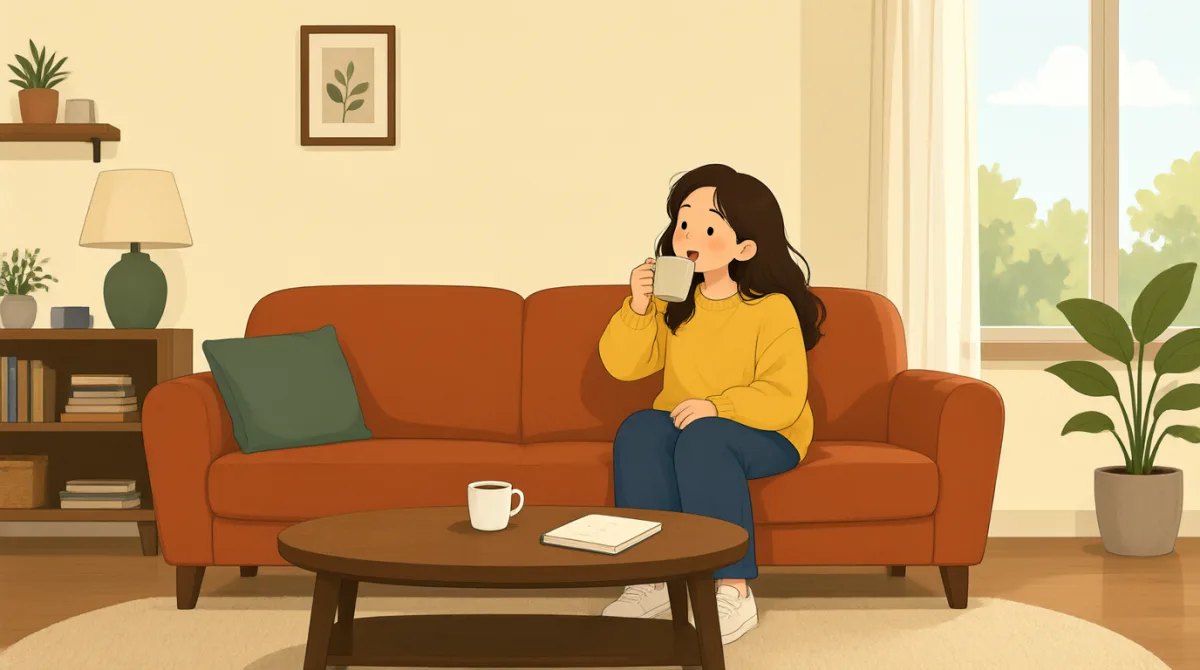

Hi there! I don't think we've met before. I'm Emma.
สวัสดี! ฉันว่าเรายังไม่เคยเจอกันมาก่อนนะ ฉันชื่อเอ็มมา

Nice to meet you, Emma! I'm Jack. Are you new here?
ยินดีที่ได้รู้จักนะ เอ็มมา! ฉันชื่อแจ็ก เธอเพิ่งย้ายมาอยู่แถวนี้เหรอ
Yes, I just moved here last week. I'm still getting used to the neighborhood.
ใช่ ฉันเพิ่งย้ายมาเมื่ออาทิตย์ที่แล้ว ยังปรับตัวกับย่านนี้ไม่ค่อยได้เลย
Welcome to the area! Where did you move from?
ยินดีต้อนรับสู่แถวนี้นะ! ย้ายมาจากไหนเหรอ
I came from Chicago. I got a new job here, so I had to relocate. What about you? Have you lived here long?
ฉันมาจากชิคาโก ได้งานใหม่ที่นี่ ก็เลยต้องย้ายมา แล้วเธอล่ะ อยู่ที่นี่มานานหรือยัง
Oh wow, Chicago! That's quite a change. I've been living here for about five years now. What kind of work do you do?
ว้าว ชิคาโกเลยเหรอ! เปลี่ยนบรรยากาศเยอะเลยนะ ฉันอยู่ที่นี่มาประมาณห้าปีแล้ว เธอทำงานอะไรเหรอ
I'm a graphic designer. I'll be working at a marketing agency downtown. How about you?
ฉันเป็นนักออกแบบกราฟิก จะไปทำงานที่เอเจนซีการตลาดในตัวเมือง แล้วเธอล่ะ
That sounds interesting! I'm a teacher at the local elementary school. If you need any recommendations for good restaurants or shops around here, just let me know.
ฟังดูน่าสนใจนะ! ฉันเป็นครูอยู่ที่โรงเรียนประถมแถวนี้ ถ้าอยากได้คำแนะนำเรื่องร้านอาหารหรือร้านค้าดี ๆ แถวนี้ ก็บอกฉันได้เลยนะ
That's so kind of you! I'd really appreciate that. It's nice to meet such friendly neighbors.
ใจดีจังเลย! ฉันจะขอบคุณมากเลยนะ ดีจังที่ได้เจอเพื่อนบ้านที่เป็นมิตรแบบนี้
No problem at all! Hope you settle in well. See you around the neighborhood!
ไม่เป็นไรเลย! ขอให้ปรับตัวได้เร็ว ๆ นะ แล้วเจอกันแถวนี้!
คำศัพท์5
- relocateย้ายถิ่นฐาน
To move to a new place for a new job or opportunity, often a different city or country. It's more formal than 'move'.
ย้ายไปอยู่ที่ใหม่เพื่อรับงานหรือโอกาสใหม่ ซึ่งมักเป็นอีกเมืองหรืออีกประเทศ คำนี้เป็นทางการกว่า 'move' (ย้าย)
- neighborhoodย่าน
A small area within a town or city, typically residential. It's another word for 'community' or 'area' in this context.
บริเวณเล็ก ๆ ในเมืองหรือเขตเมือง ซึ่งมักเป็นย่านที่อยู่อาศัย ในบริบทนี้ใช้แทนคำว่า 'community' หรือ 'area' ได้
- recommendationsคำแนะนำ
Suggestions or advice about what is good or suitable. For example, 'Can you give me some recommendations for good restaurants?'
ข้อเสนอแนะหรือคำแนะนำเกี่ยวกับสิ่งที่ดีหรือเหมาะสม เช่น 'Can you give me some recommendations for good restaurants?' (ช่วยแนะนำร้านอาหารดี ๆ ให้ฉันหน่อยได้ไหม)
- settle inปรับตัว
To become comfortable in a new place or situation and to get used to it. For example, 'It took me a few weeks to settle in to my new apartment.'
เริ่มรู้สึกคุ้นเคยหรือสบายใจกับสถานที่หรือสถานการณ์ใหม่ เช่น 'It took me a few weeks to settle in to my new apartment.' (ฉันใช้เวลาสองสามสัปดาห์กว่าจะปรับตัวเข้ากับอพาร์ตเมนต์ใหม่ได้)
- graphic designerนักออกแบบกราฟิก
A person who designs visual content for various media, using images, typography, and illustrations.
คนที่ออกแบบเนื้อหาภาพสำหรับสื่อต่าง ๆ โดยใช้ภาพ ตัวอักษร และภาพประกอบ
ประโยคสำคัญ4
- 1
I'm still getting used to the neighborhood.
ฉันยังปรับตัวกับย่านนี้ไม่ค่อยได้เลย
This phrase, 'get used to something,' means to become familiar or comfortable with something new. It implies a process of adaptation. You can use it when you are slowly becoming accustomed to a new environment, new routine, or new situation.
สำนวน 'get used to something' หมายถึงเริ่มคุ้นเคยหรือรู้สึกสบายใจกับสิ่งใหม่ สื่อถึงกระบวนการปรับตัว ใช้ได้เมื่อคุณกำลังค่อย ๆ คุ้นกับสภาพแวดล้อม กิจวัตร หรือสถานการณ์ใหม่
- 2
What about you? Have you lived here long?
แล้วเธอล่ะ อยู่ที่นี่มานานหรือยัง
This is a very common and natural way to turn a question back to the other person, showing interest in them. 'What about you?' is a simple way to ask for the other person's situation after you've shared yours. 'Have you lived here long?' uses the present perfect to ask about an action that started in the past and continues to the present.
นี่เป็นวิธีถามกลับที่ใช้กันบ่อยและฟังดูเป็นธรรมชาติ ทั้งยังแสดงความสนใจในอีกฝ่ายด้วย 'What about you?' เป็นวิธีง่าย ๆ ในการถามถึงสถานการณ์ของอีกฝ่าย หลังจากที่คุณเล่าเรื่องของตัวเองแล้ว ส่วน 'Have you lived here long?' ใช้ present perfect เพื่อถามถึงสิ่งที่เริ่มขึ้นในอดีตและดำเนินต่อมาจนถึงปัจจุบัน
- 3
That's so kind of you! I'd really appreciate that.
ใจดีจังเลย! ฉันจะขอบคุณมากเลยนะ
This is an excellent way to express gratitude for someone's offer or help. 'That's so kind of you!' directly acknowledges their thoughtfulness, and 'I'd really appreciate that' (short for 'I would really appreciate that') emphasizes how much you value their offer.
นี่เป็นวิธีแสดงความขอบคุณที่ดีมากเมื่อมีคนเสนอความช่วยเหลือหรือหยิบยื่นข้อเสนอให้ 'That's so kind of you!' เป็นการบอกตรง ๆ ว่าคุณเห็นถึงน้ำใจของเขา ส่วน 'I'd really appreciate that' (ย่อมาจาก 'I would really appreciate that') เน้นว่าคุณซาบซึ้งกับข้อเสนอของเขามากแค่ไหน
- 4
See you around the neighborhood!
แล้วเจอกันแถวนี้นะ!
This is a friendly and common farewell, especially when you expect to see the person again in the same general area, like where you live, work, or study. It's less formal than 'goodbye' and implies a casual, future encounter.
นี่เป็นคำลาแบบเป็นกันเองที่ใช้กันทั่วไป โดยเฉพาะเมื่อคาดว่าจะได้เจอกันอีกในบริเวณใกล้เคียง เช่น ที่ที่อาศัย ทำงาน หรือเรียนอยู่ ฟังดูไม่เป็นทางการเท่า 'goodbye' และสื่อว่าอาจได้เจอกันอีกแบบสบาย ๆ ในอนาคต