Meeting Someone for the First Time
初次見面
Introducing yourself and exchanging basic personal information when meeting someone new in a casual setting
在休閒場合初次見面時進行自我介紹和交換基本個人資訊
對話10
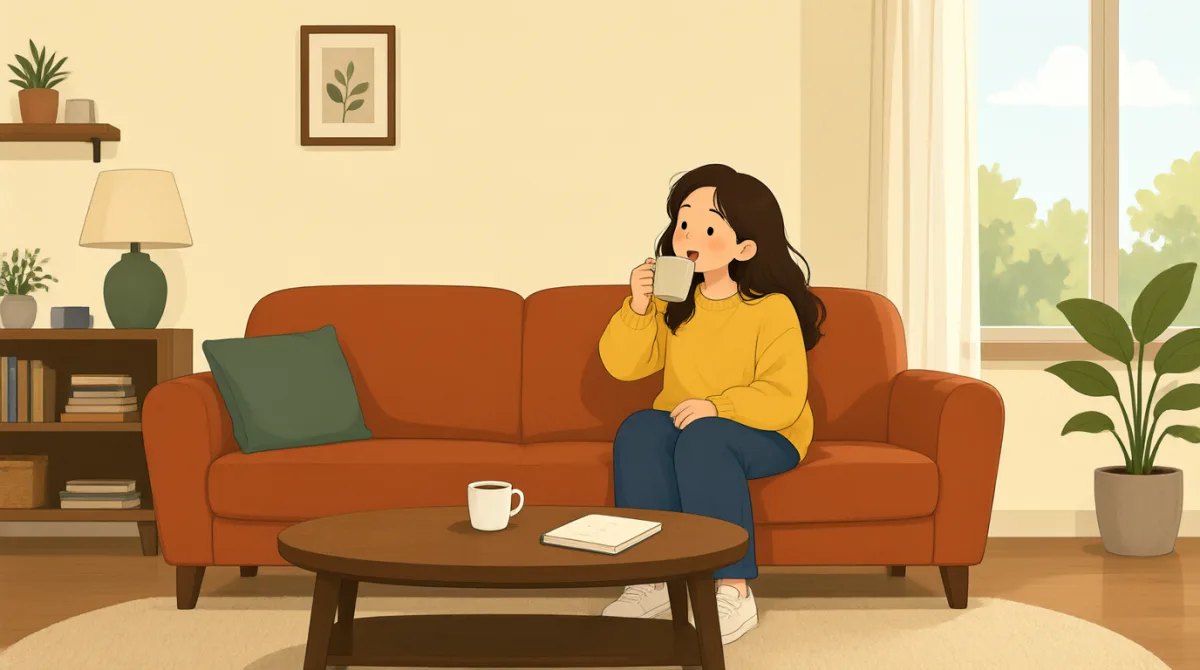

Hi there! I don't think we've met before. I'm Emma.
你好!我想我們之前沒有見過面。我是艾瑪。

Nice to meet you, Emma! I'm Jack. Are you new here?
很高興認識你,艾瑪!我是傑克。你是新來的嗎?
Yes, I just moved here last week. I'm still getting used to the neighborhood.
是的,我上週剛搬到這裡。我還在適應這個社群。
Welcome to the area! Where did you move from?
歡迎來到這個地區!你從哪裡搬來的?
I came from Chicago. I got a new job here, so I had to relocate. What about you? Have you lived here long?
我來自芝加哥。我在這裡找到了新工作,所以不得不搬家。你呢?你在這裡住了很久了嗎?
Oh wow, Chicago! That's quite a change. I've been living here for about five years now. What kind of work do you do?
哦,芝加哥!這變化真不小。我在這裡住了大約五年了。你做什麼工作?
I'm a graphic designer. I'll be working at a marketing agency downtown. How about you?
我是平面設計師。我將在市中心的一家營銷公司工作。你呢?
That sounds interesting! I'm a teacher at the local elementary school. If you need any recommendations for good restaurants or shops around here, just let me know.
聽起來很有趣!我是當地小學的老師。如果你需要周圍好餐廳或商店的推薦,隨時告訴我。
That's so kind of you! I'd really appreciate that. It's nice to meet such friendly neighbors.
你真是太好了!我真的很感激。很高興遇到這麼友好的鄰居。
No problem at all! Hope you settle in well. See you around the neighborhood!
完全沒問題!希望你能適應得很好。在社群裡再見!
詞彙5
- relocate搬遷
To move to a new place for a new job or opportunity, often a different city or country. It's more formal than 'move'.
為了新的工作或機會搬到一個新地方,通常是搬到另一個城市或國家。它比“move”更正式。
- neighborhood街區
A small area within a town or city, typically residential. It's another word for 'community' or 'area' in this context.
城鎮或城市中的一小片區域,通常是住宅區。在這裡,它可以替代“community”或“area”。
- recommendations推薦;建議
Suggestions or advice about what is good or suitable. For example, 'Can you give me some recommendations for good restaurants?'
關於什麼東西不錯或合適的建議。比如:'Can you give me some recommendations for good restaurants?'(你能給我推薦幾家不錯的餐廳嗎?)
- settle in適應;安頓下來
To become comfortable in a new place or situation and to get used to it. For example, 'It took me a few weeks to settle in to my new apartment.'
在新的地方或環境中逐漸感到自在,並慢慢習慣下來。比如:'It took me a few weeks to settle in to my new apartment.'(我花了幾周時間才適應新公寓。)
- graphic designer平面設計師
A person who designs visual content for various media, using images, typography, and illustrations.
運用影象、字型和插畫,為各種媒體設計視覺內容的人。
關鍵句4
- 1
I'm still getting used to the neighborhood.
我還在適應這個街區。
This phrase, 'get used to something,' means to become familiar or comfortable with something new. It implies a process of adaptation. You can use it when you are slowly becoming accustomed to a new environment, new routine, or new situation.
'get used to something'(逐漸習慣某事)指逐漸熟悉或適應新事物,強調這是一個慢慢適應的過程。當你正在適應新的環境、日常安排或情況時,可以使用這個表達。
- 2
What about you? Have you lived here long?
你呢?你在這裡住了很久了嗎?
This is a very common and natural way to turn a question back to the other person, showing interest in them. 'What about you?' is a simple way to ask for the other person's situation after you've shared yours. 'Have you lived here long?' uses the present perfect to ask about an action that started in the past and continues to the present.
這是把問題自然地拋回給對方、表達對對方的興趣的常見說法。分享完自己的情況後,可以用 'What about you?'(你呢?)詢問對方的情況。'Have you lived here long?' 用現在完成時詢問從過去開始並持續到現在的經歷。
- 3
That's so kind of you! I'd really appreciate that.
你真是太好了!我真的很感激。
This is an excellent way to express gratitude for someone's offer or help. 'That's so kind of you!' directly acknowledges their thoughtfulness, and 'I'd really appreciate that' (short for 'I would really appreciate that') emphasizes how much you value their offer.
這是對別人主動提供幫助或提出好意表達感謝的好方法。'That's so kind of you!' 直接肯定了對方的體貼;'I'd really appreciate that' 是 'I would really appreciate that' 的縮略形式,用來強調你有多感激對方的好意。
- 4
See you around the neighborhood!
在街區裡再見!
This is a friendly and common farewell, especially when you expect to see the person again in the same general area, like where you live, work, or study. It's less formal than 'goodbye' and implies a casual, future encounter.
這是一種友好又常見的告別方式,特別適合你覺得還會在同一片區域再次遇見對方時,比如在住處、工作或學習的地方。它比 'goodbye' 隨意,也暗示以後還會輕鬆地碰面。