單元 68
單字 1341–1360 · award, coach, experiment, consideration, strange, code

award
#1341noun, verb
獎項;獎勵
A prize given for winning or doing something very well; to give someone this prize.
因獲勝或表現出色而獲得的獎品;把這樣的獎品授予某人。

She won an award for her excellent science project.
她因出色的科學專案獲了獎。

The film received three awards at the international festival.
這部電影在國際電影節上獲得了三個獎項。

The manager awarded Tom a bonus for his hard work.
經理因為Tom工作努力,獎勵了他一筆獎金。

Our teacher awarded extra points to the best team.
老師給表現最好的隊伍加了分。

The restaurant won an award for its fresh local food.
這家餐廳因使用新鮮的本地食材而獲獎。
coach
#1342noun, verb
教練;指導老師
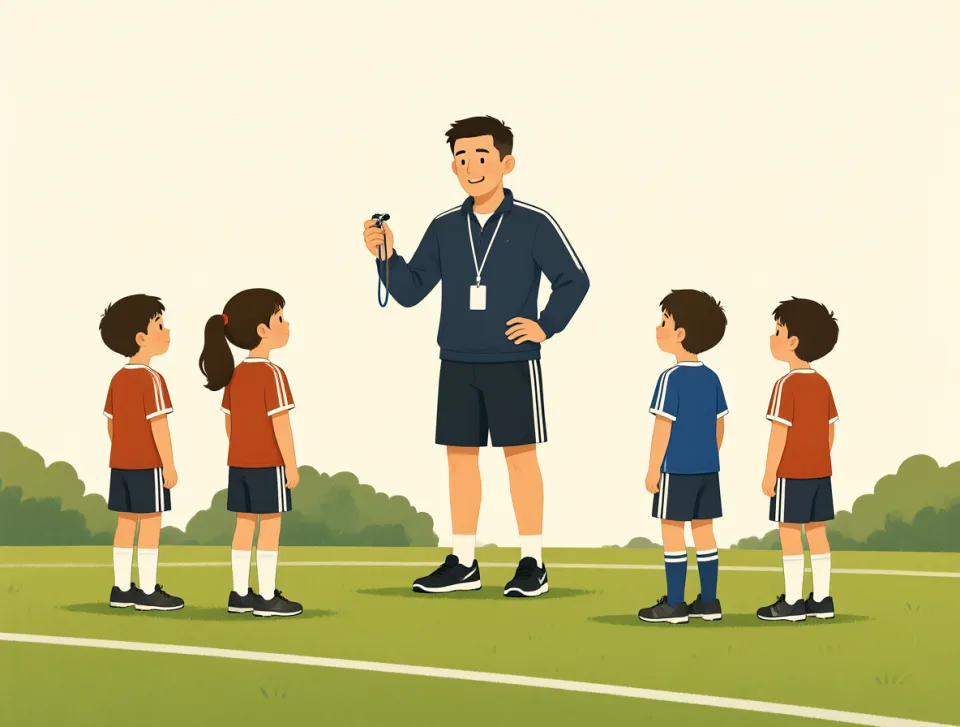
A person who trains a team or helps someone improve a skill.
訓練一支隊伍或幫助某人提高某項技能的人。
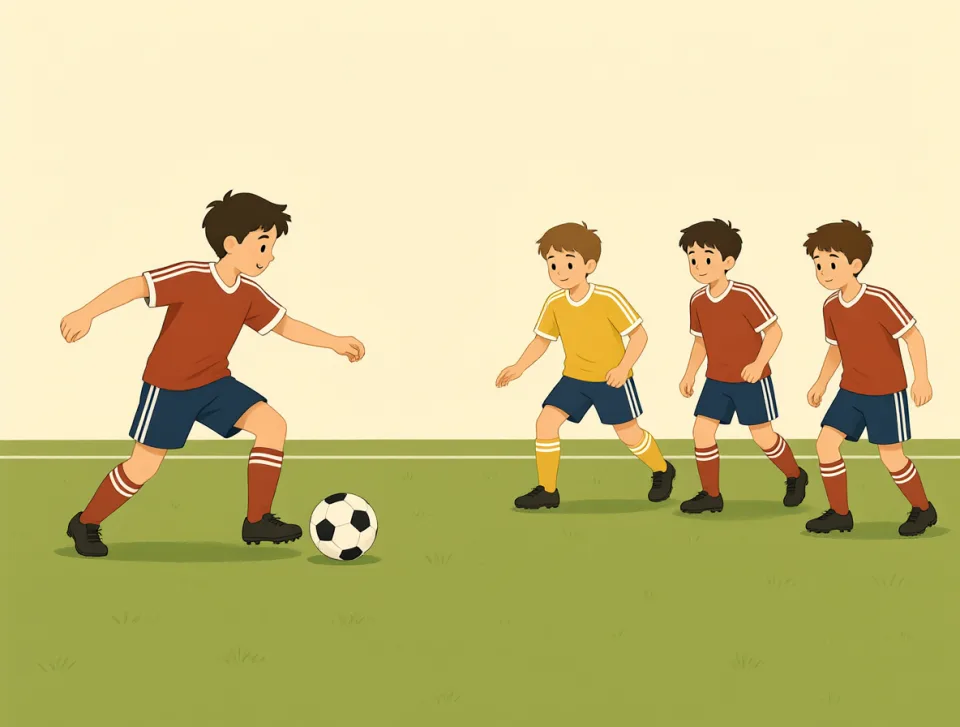
The coach showed our team how to pass the ball.
教練教我們隊如何傳球。

She hired a coach to help her prepare for the interview.
她請了一位教練幫她準備面試。

Our basketball coach praised us after the final game.
決賽結束後,我們的籃球教練表揚了我們。

He coaches children at the local swimming club on Saturdays.
他每週六在當地的游泳俱樂部指導孩子們。

My running coach helped me train for my first marathon.
我的跑步教練幫助我訓練,為參加我的第一次馬拉松做準備。

experiment
#1343noun, verb
實驗;試驗
a test to learn what happens; to try something in order to learn about it
為了瞭解會發生什麼而進行的測試;為了瞭解某事而嘗試做某事
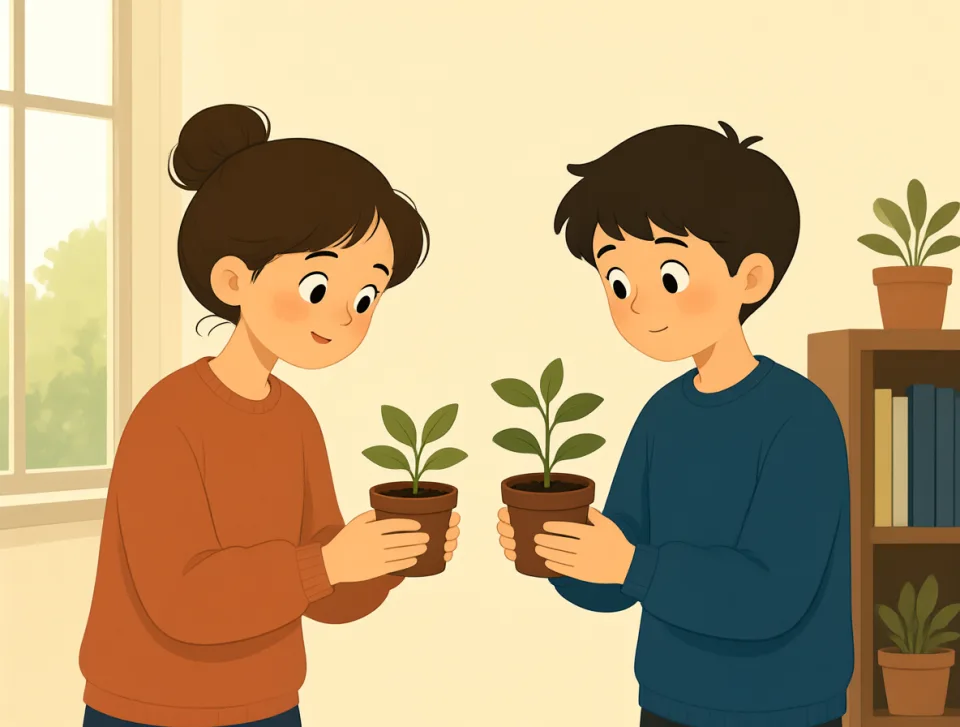
The science experiment showed how plants grow toward light.
這項科學實驗展示了植物是如何向著光生長的。
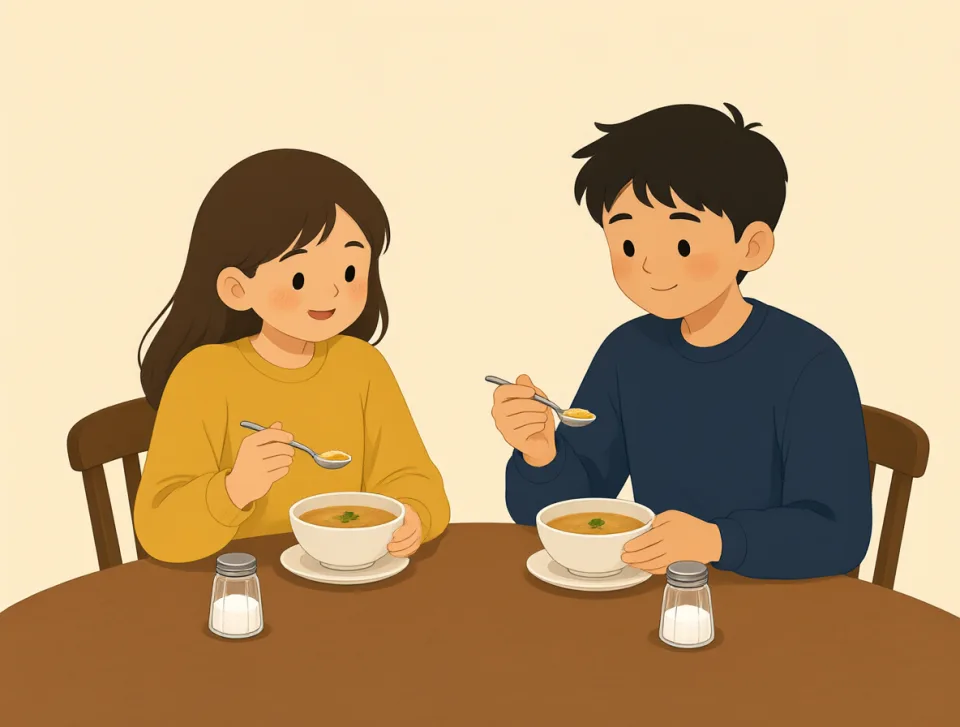
We tried a simple cooking experiment with different amounts of salt.
我們用不同量的鹽做了一次簡單的烹飪實驗。
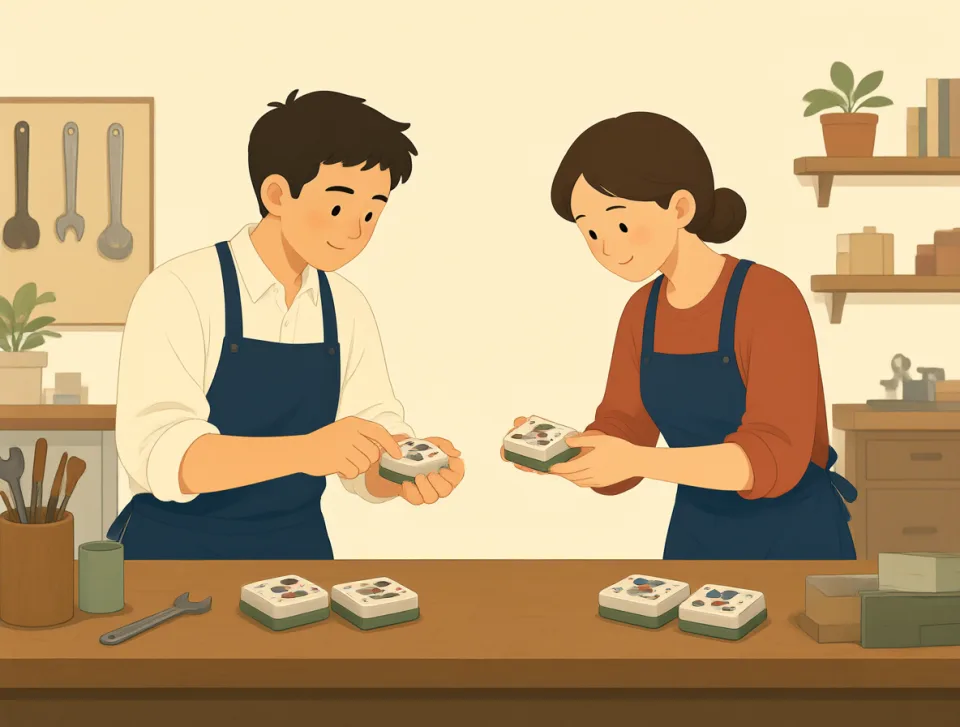
The company is running an experiment to improve its new product.
這家公司正在進行一項實驗,以改進它的新產品。

I experimented with different routes before choosing the fastest one.
我嘗試了不同的路線,最後選定了最快的一條。

The doctor experimented with a new treatment for the patient.
這位醫生嘗試用一種新的療法治療病人。

consideration
#1344noun
考慮;體諒;照顧
Careful thought about something before making a decision or taking action.
在做決定或採取行動之前,對某件事進行仔細思考。
After careful consideration, we decided to move to a smaller apartment.
經過仔細考慮後,我們決定搬到一套更小的公寓。

Please take my feelings into consideration before you choose.
請在做選擇前考慮一下我的感受。

The manager showed consideration for workers with young children.
經理體諒有年幼子女的員工。

Our teacher gave consideration to students who needed more time.
老師照顧了那些需要更多時間的學生。

The hotel lowered the price in consideration of our travel delay.
考慮到我們的行程延誤,酒店降低了價格。

strange
#1345adjective
奇怪的;陌生的
Unusual or different from what is normal or expected.
不尋常或與正常情況、預期不同的。

That strange noise woke me up during the night.
夜裡那陣奇怪的響聲把我吵醒了。

She had a strange feeling that someone was watching her.
她有種奇怪的感覺,覺得有人在看著她。

There was a strange man waiting outside the shop.
有個陌生男人在商店外面等著。
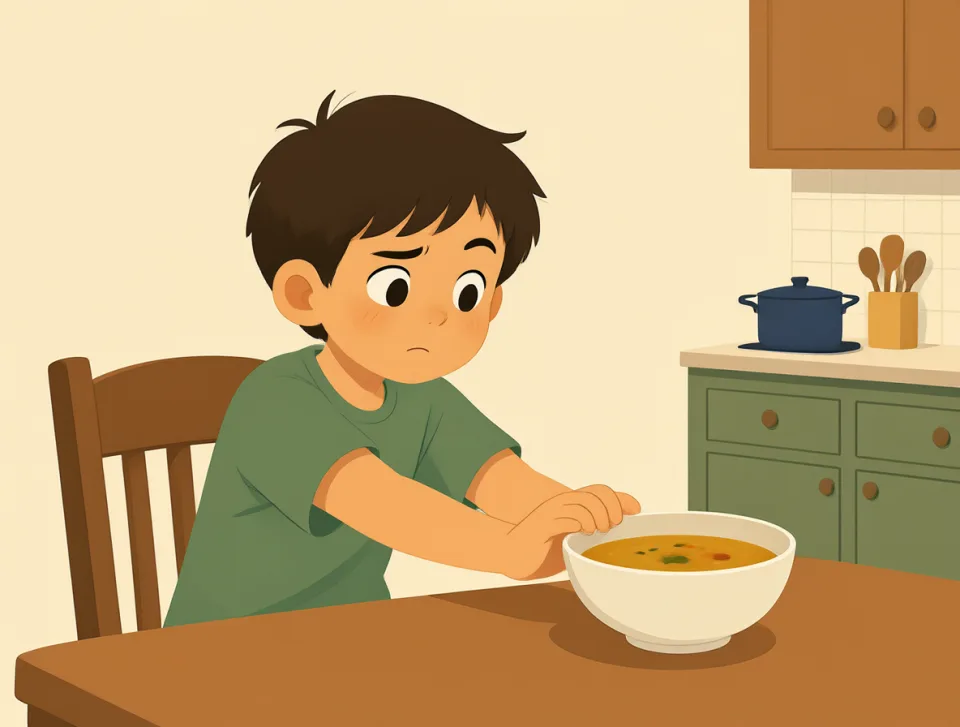
This soup tastes strange, so I do not want more.
這湯味道怪怪的,我不想再喝了。

It is strange to see snow here in July.
七月在這裡看到下雪,真奇怪。
code
#1346noun, verb
程式碼;密碼;規章;編碼
A set of rules or symbols, or to write instructions for a computer.
一套規則或符號;也指為計算機編寫指令。

Enter the code to unlock the door.
輸入密碼開門。

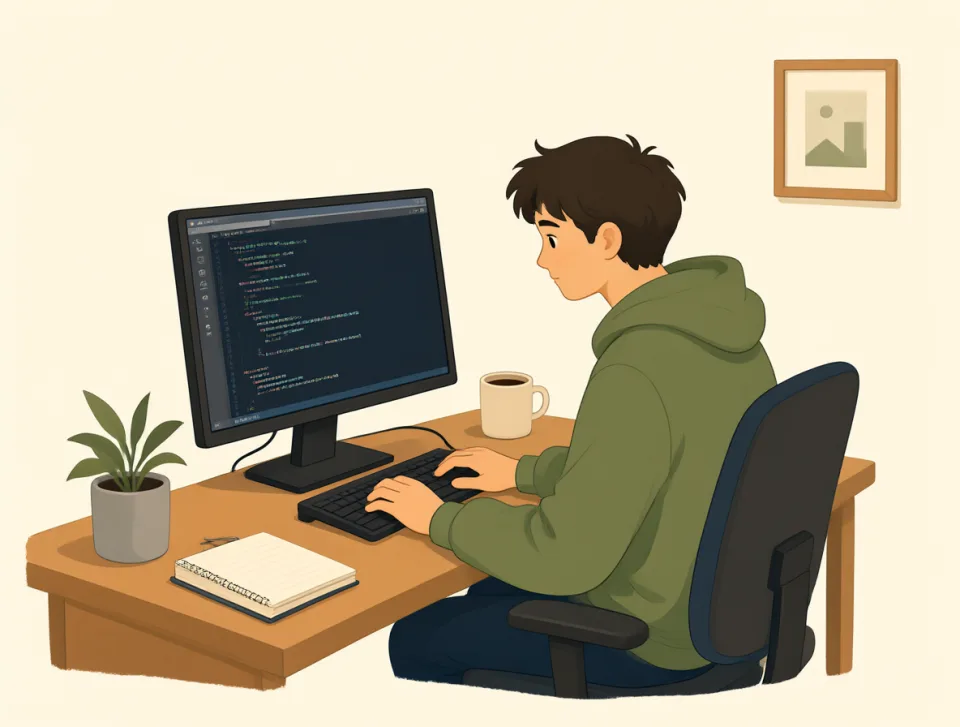
She wrote the code for the new shopping app.
她為這款新購物應用編寫了程式碼。

The doctor used a special code for my health insurance.
醫生使用了一個專門的醫保程式碼。

This dress code means everyone must wear formal clothes.
這項著裝規定要求所有人都穿正裝。
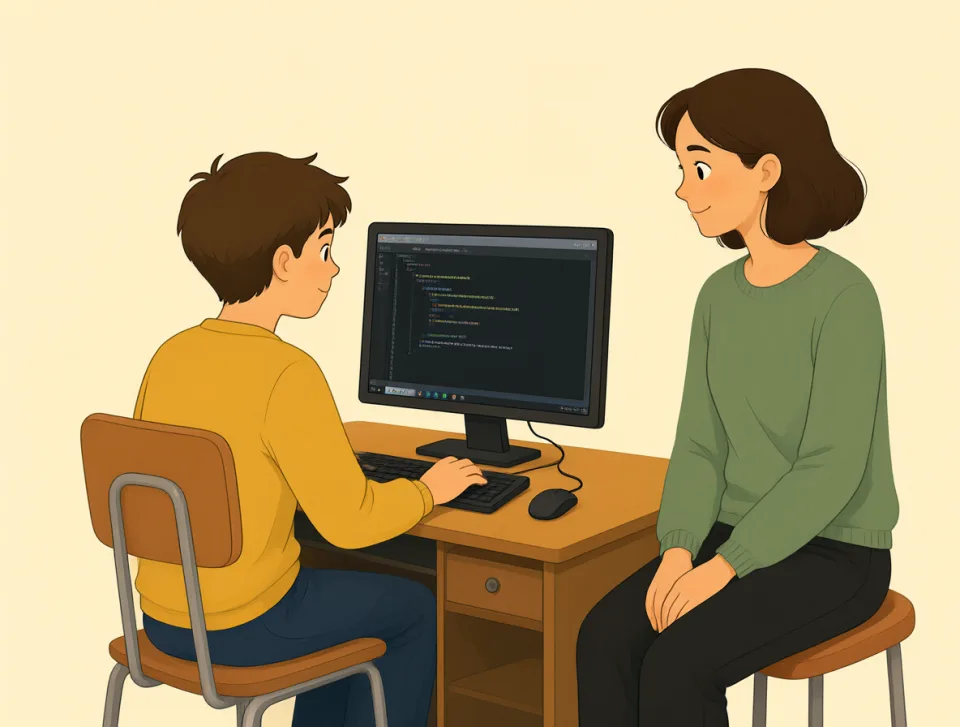
He learned to code at school last year.
他去年在學校學會了程式設計。
possibly
#1347adverb
可能;也許
used to say that something may happen or be true
用於表示某事可能會發生或可能是真的
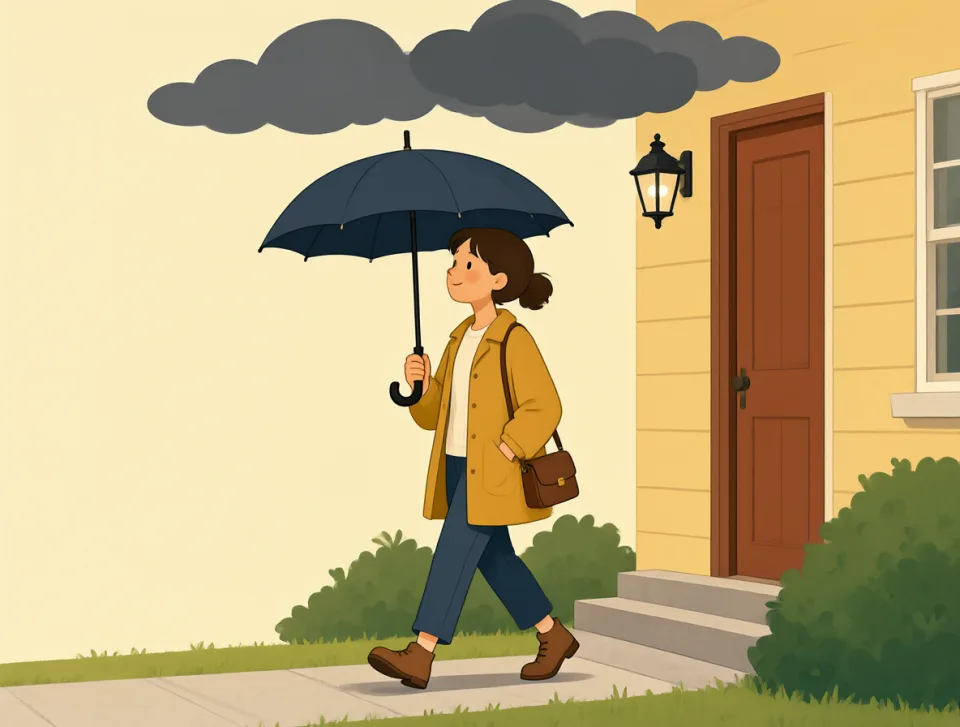
It will possibly rain this afternoon, so take an umbrella.
今天下午可能會下雨,所以帶把傘吧。

She is possibly the best student in our class.
她可能是我們班最優秀的學生。

Could you possibly help me carry these boxes upstairs?
你能不能幫我把這些箱子搬到樓上去?

The train is possibly delayed because of the heavy snow.
火車可能因為大雪晚點了。
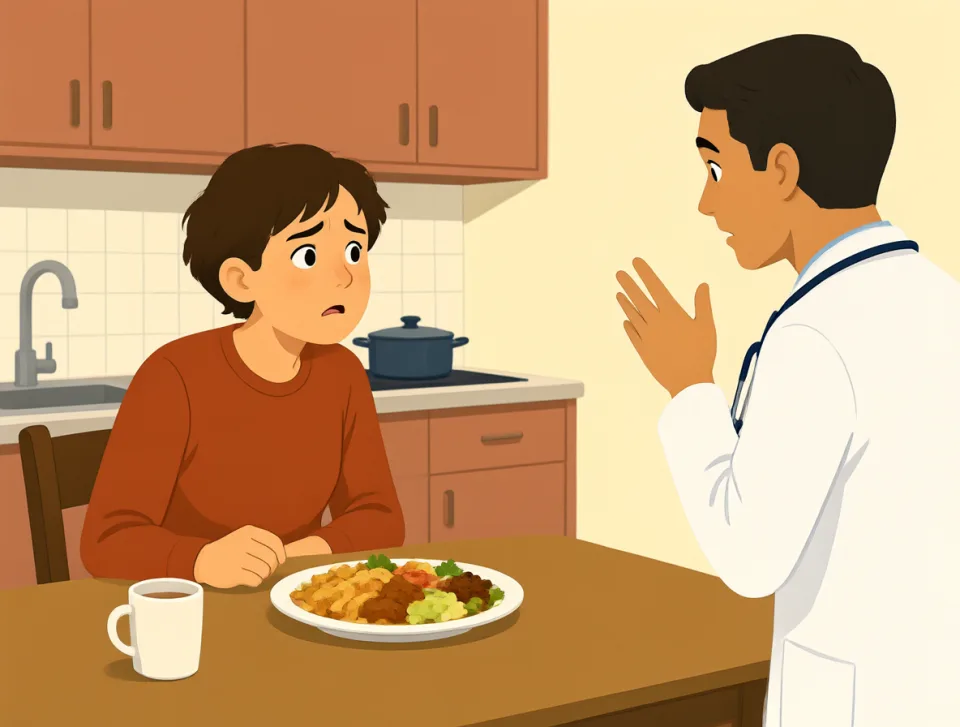
He may possibly have a food allergy, so call the doctor.
他可能對某種食物過敏,所以給醫生打電話吧。

threat
#1348noun
威脅;危險;可能性
A statement or action showing someone intends to cause harm.
表明某人打算造成傷害的話語或行為。
He made a threat to tell the teacher.
他威脅說要告訴老師。

The heavy rain is a threat to the small town.
暴雨對這個小鎮構成了威脅。

Her brother's threat was only a joke.
她哥哥的威脅只是開玩笑。
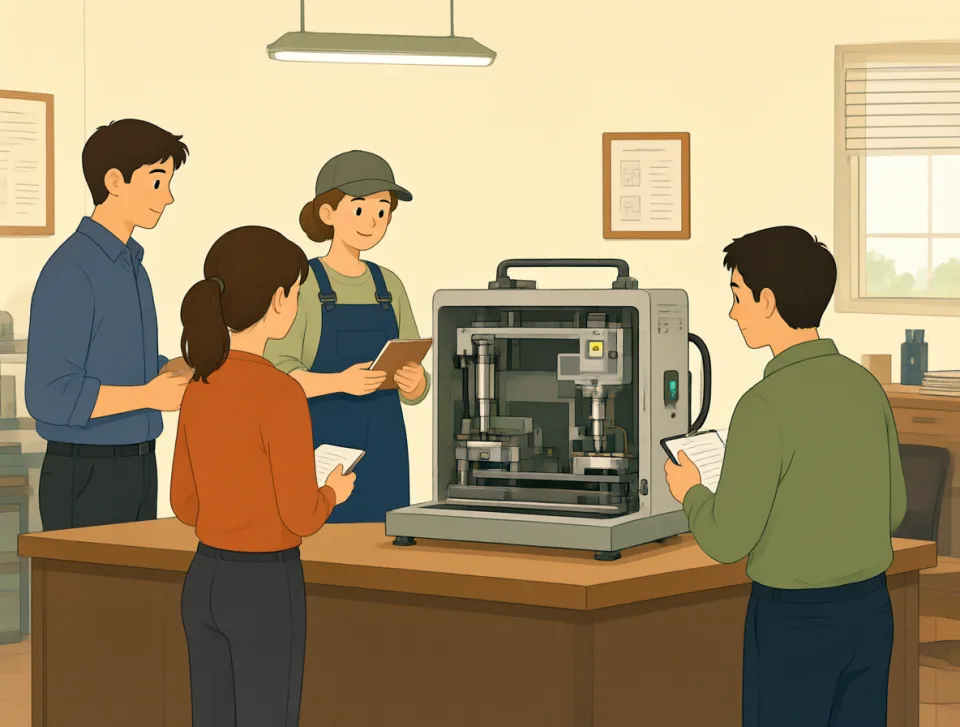
Many jobs are under threat from new technology.
許多工作崗位正受到新技術的威脅。

There is a threat of rain this afternoon.
今天下午可能會下雨。
accident
#1349noun
事故;意外
An unexpected event that causes damage, injury, or trouble.
意外發生的、會造成損失、傷害或麻煩的事件。
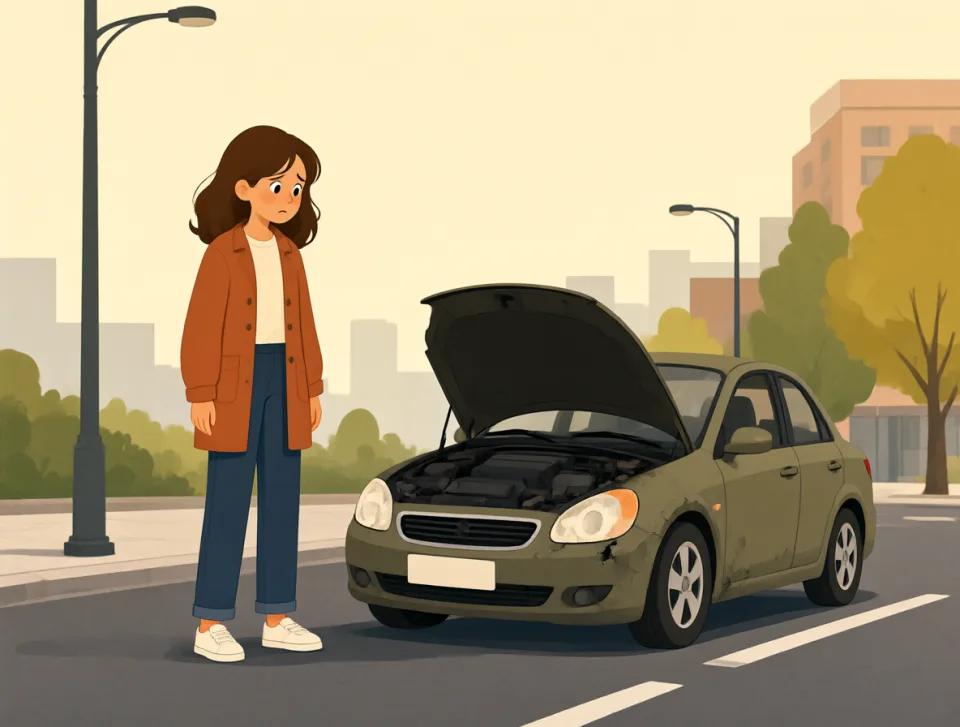
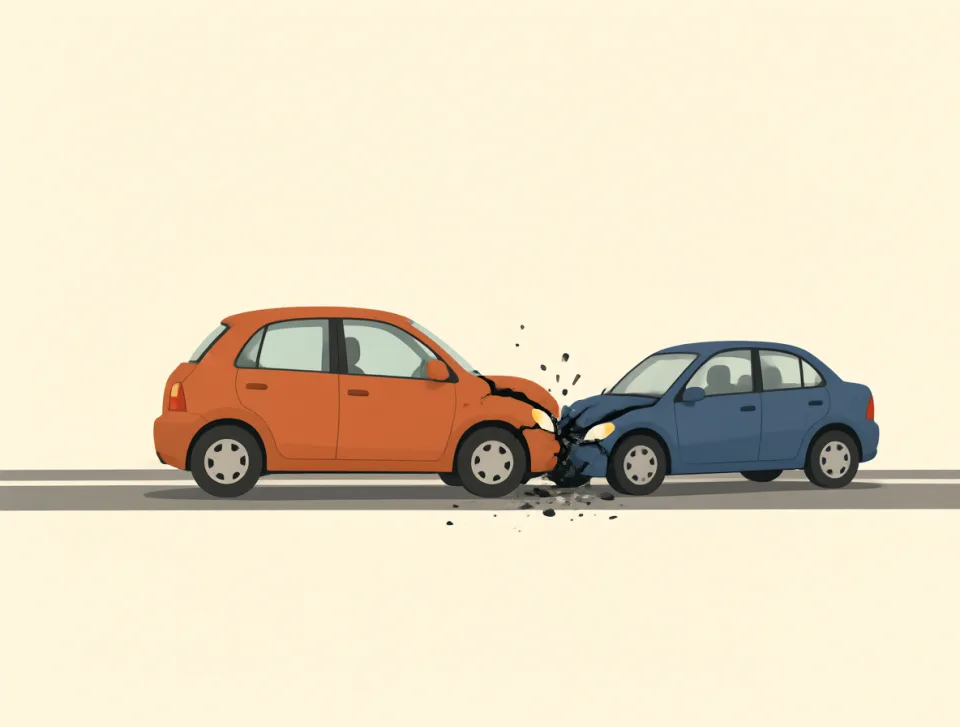
She had a car accident on her way to work.
她在上班途中出了車禍。
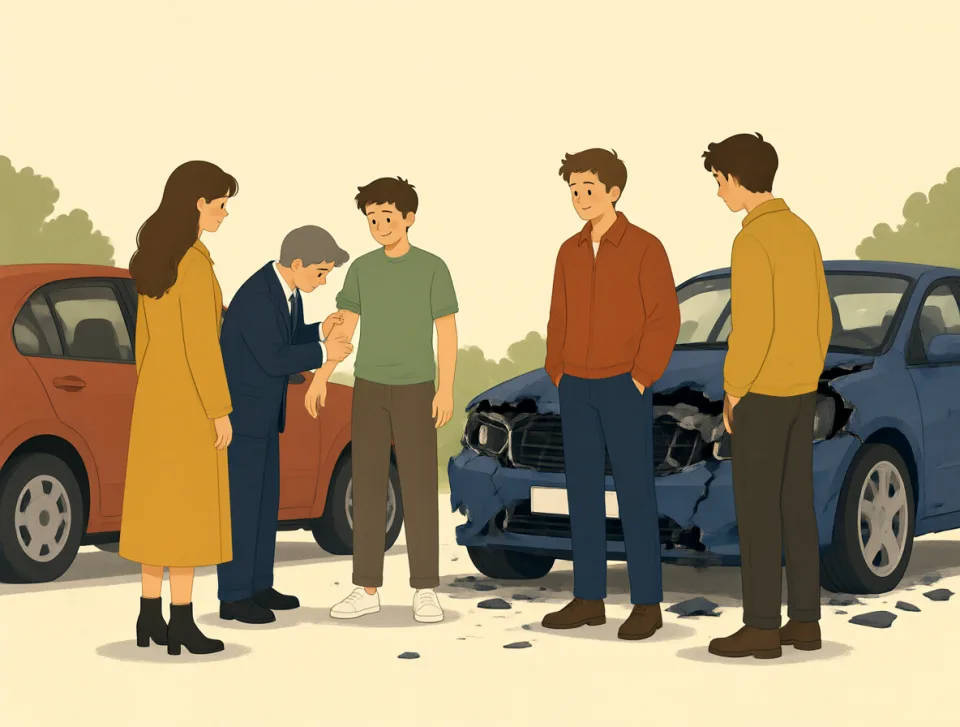
Luckily, nobody was hurt in the accident.
幸運的是,事故中沒人受傷。
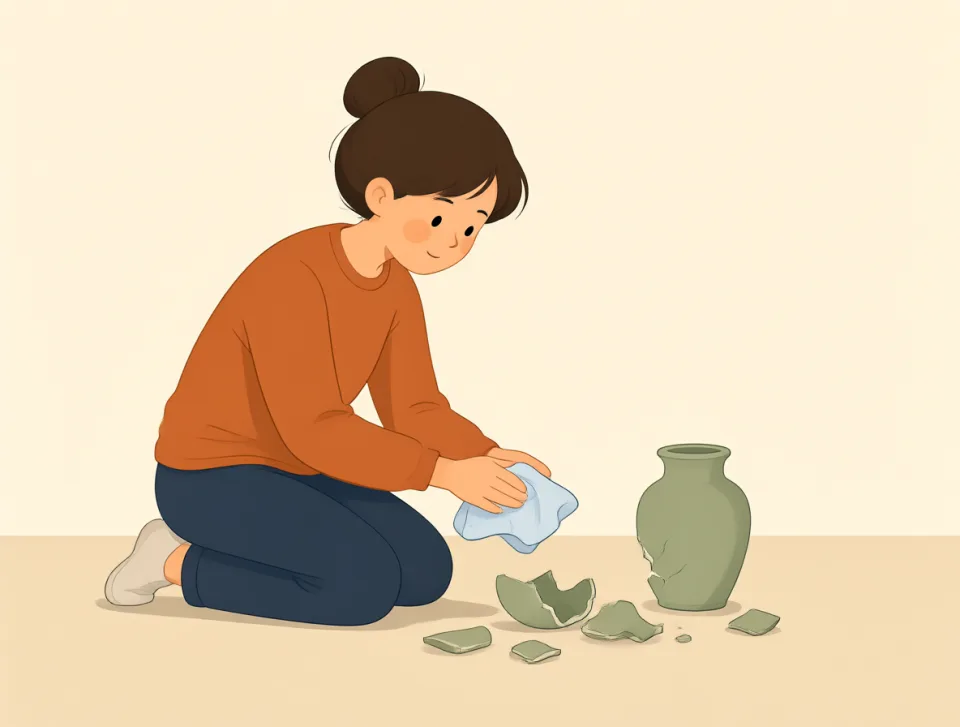
I broke the vase by accident while cleaning the shelf.
我打掃架子時不小心把花瓶打碎了。

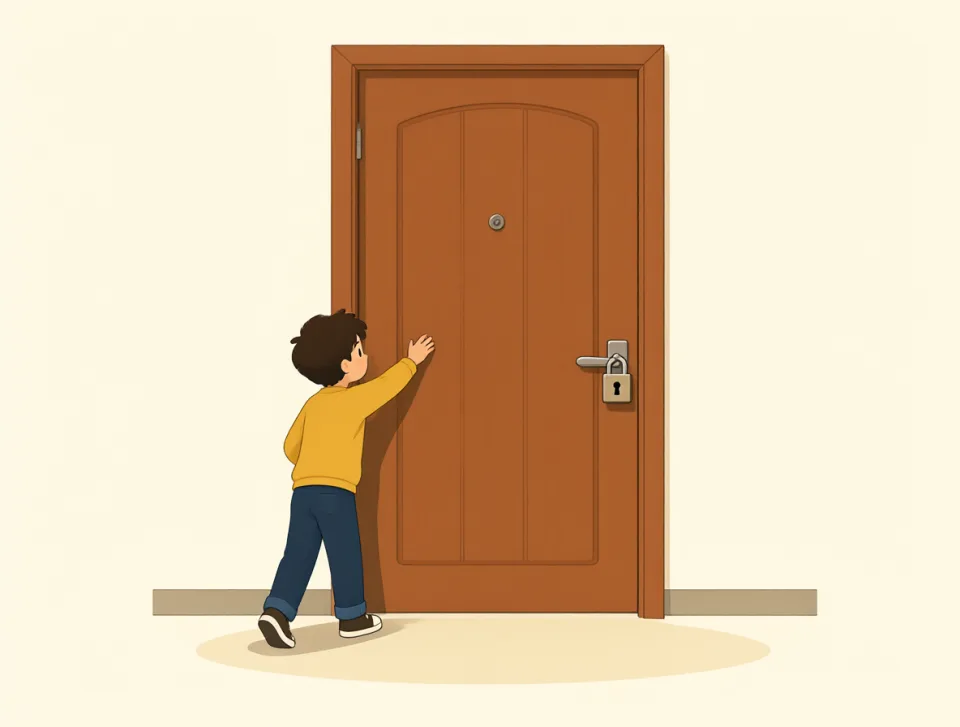
The teacher asked us to describe the accident at school.
老師讓我們描述一下學校裡發生的事故。

There was a small accident in the supermarket near the checkout.
超市收銀臺附近發生了一起小意外。
impossible
#1350adjective
不可能的;無法做到的
Not able to happen, be done, or be true.
無法發生、完成或成為事實的。

It is impossible to finish all this work in one hour.
不可能在一小時內完成這麼多工作。
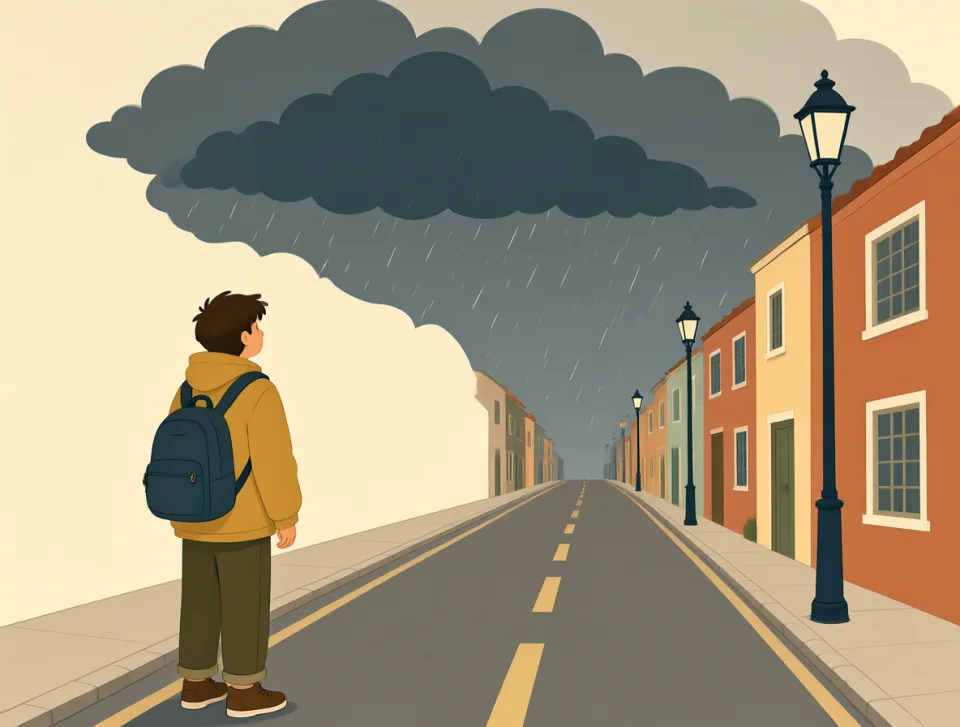
It was impossible to find a taxi during the storm.
暴風雨期間根本找不到計程車。

The math problem seemed impossible, but Mia solved it.
這道數學題看起來不可能解出來,但米婭解決了。

This suitcase is impossible to carry without help.
不靠別人幫忙,這個手提箱根本搬不動。

It is impossible to eat this soup because it is too salty.
這湯鹹得沒法喝。

revenue
#1351noun
收入; 營收
Money a business or organization earns from selling goods or services.
企業或組織透過銷售商品或服務賺取的錢。

The company increased its revenue by selling more products online.
這家公司透過在網上銷售更多產品提高了收入。

Ticket sales provide most of the museum's annual revenue.
門票銷售收入佔博物館年度收入的大部分。

The restaurant uses its revenue to pay workers and buy food.
這家餐館用收入支付員工工資併購買食材。
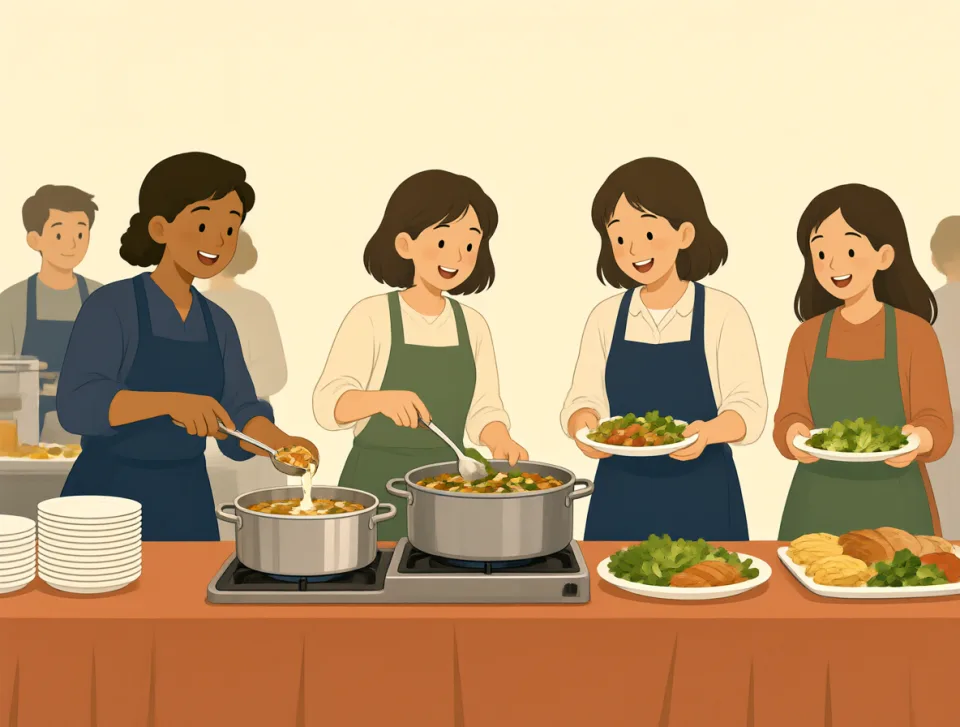
The school raised revenue by holding a weekend food fair.
這所學校透過舉辦週末美食義賣會增加了收入。

The shop lost revenue when heavy rain kept customers away.
暴雨使顧客無法前來,這家商店因此收入減少了。
enable
#1352verb
使能夠;使成為可能
to make something possible or easier for someone to do
使某人能夠做某事,或讓某事變得更容易

This app enables users to pay bills quickly from home.
這個應用程式讓使用者在家就能快速繳納賬單。
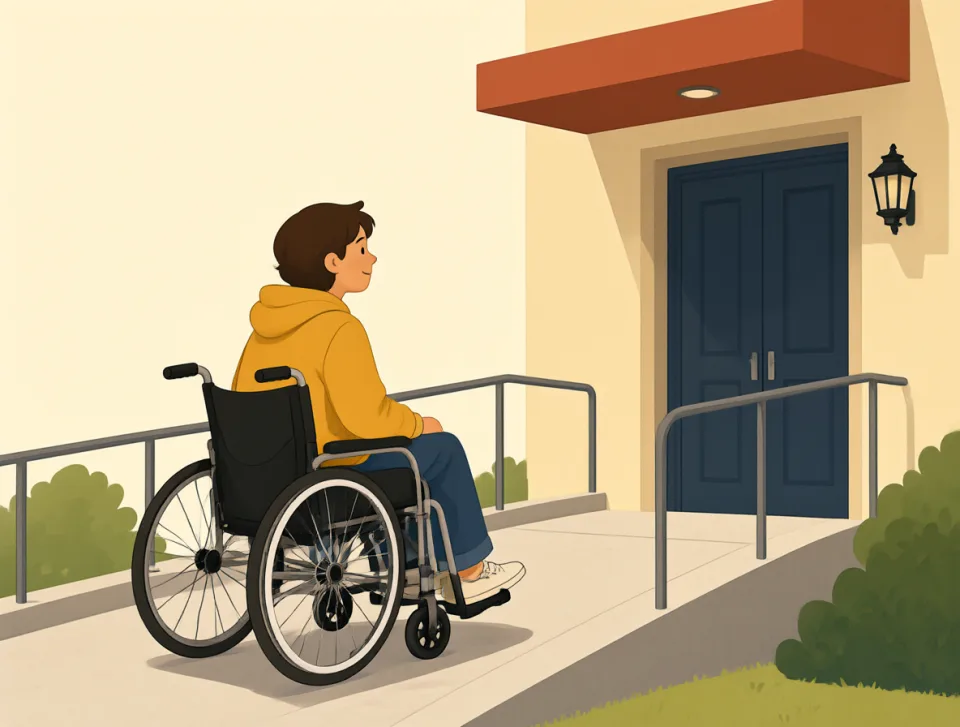
The new ramp enables wheelchair users to enter the building.
新建的坡道讓輪椅使用者能夠進入大樓。

Online lessons enable students to study at their own pace.
線上課程讓學生能夠按照自己的節奏學習。

A healthy breakfast enables me to work better all morning.
一頓健康的早餐讓我整個上午工作得更好。

The hotel shuttle enabled us to reach the airport on time.
酒店的接駁車讓我們及時趕到了機場。
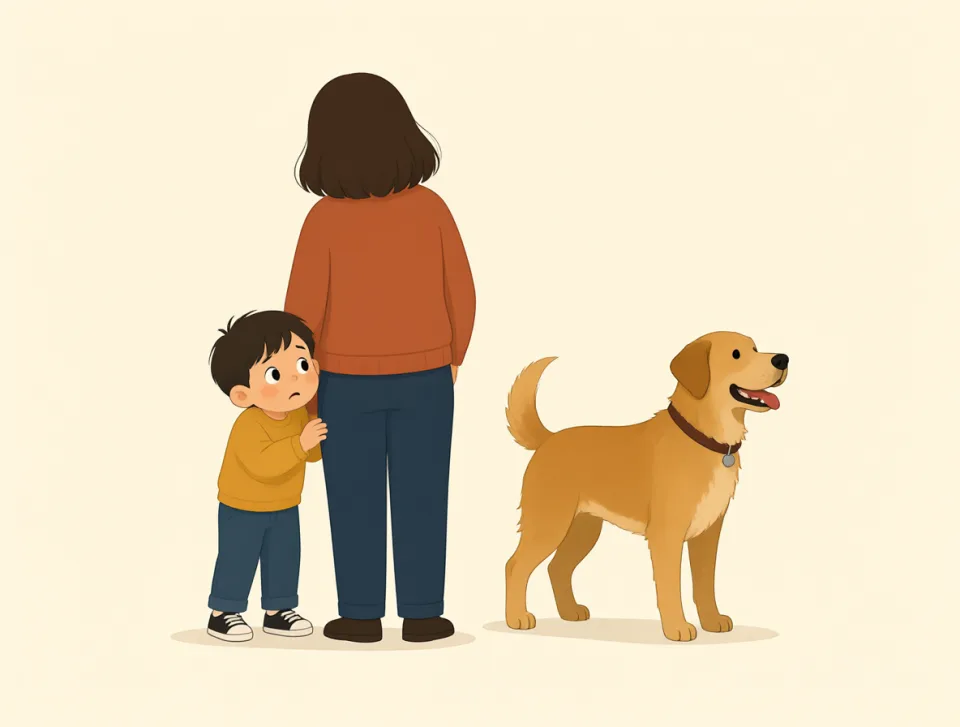
afraid
#1353adjective
害怕的;擔心的
Feeling fear or worry about something bad or dangerous.
對某件糟糕或危險的事情感到害怕或擔憂。
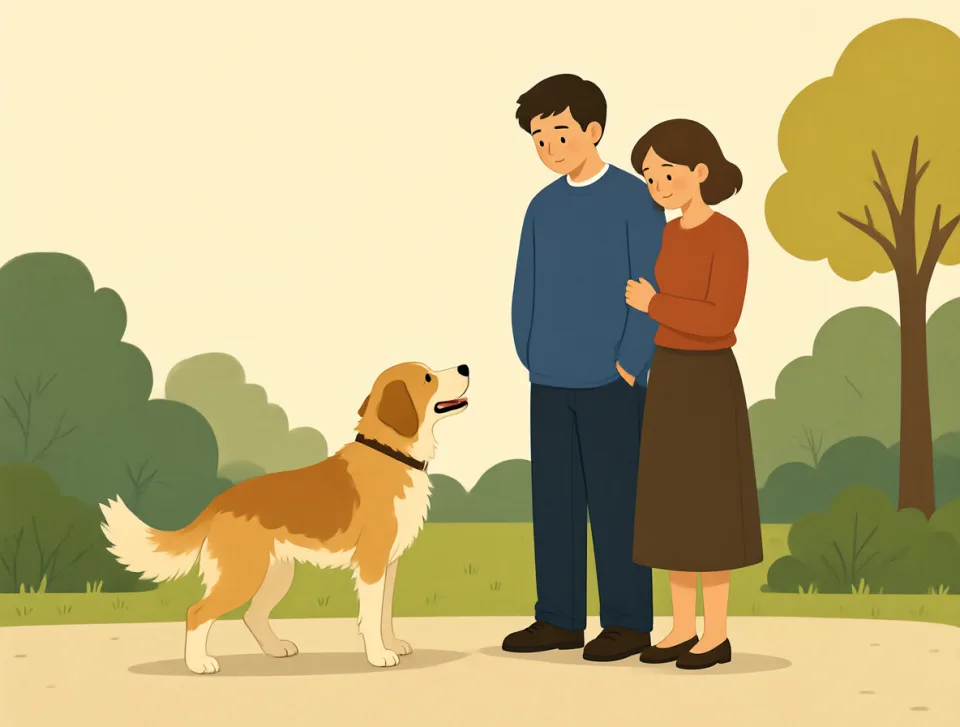
I am afraid of dogs, so please keep it away.
我怕狗,所以請把它牽好。

She was afraid to ask her boss for a day off.
她不敢向老闆請一天假。
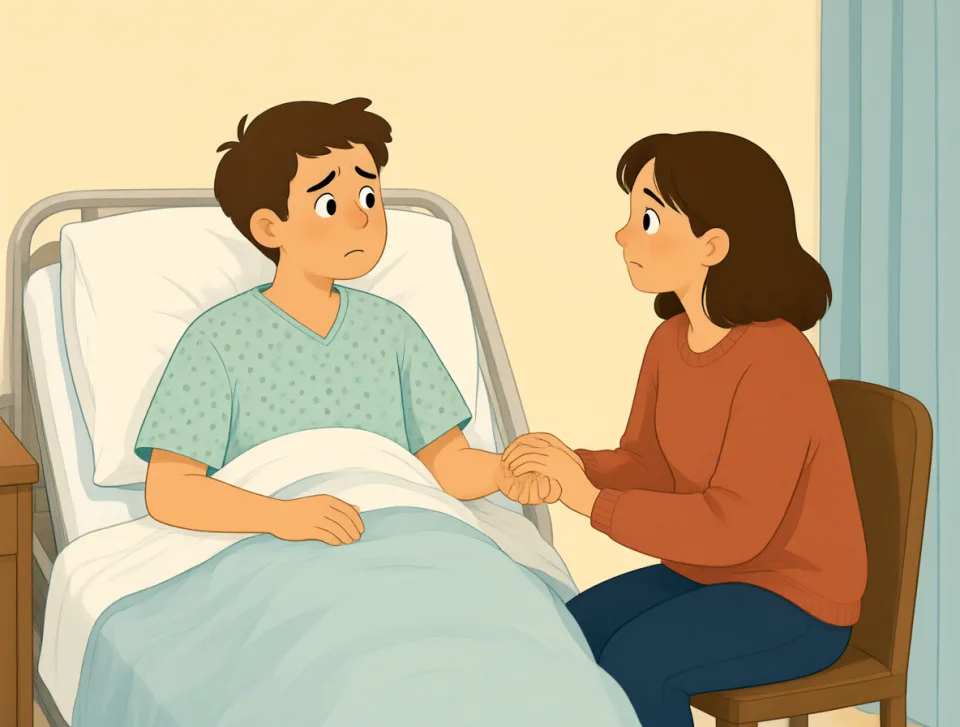
Don’t be afraid; I will stay with you at the hospital.
別害怕,我會在醫院陪著你。
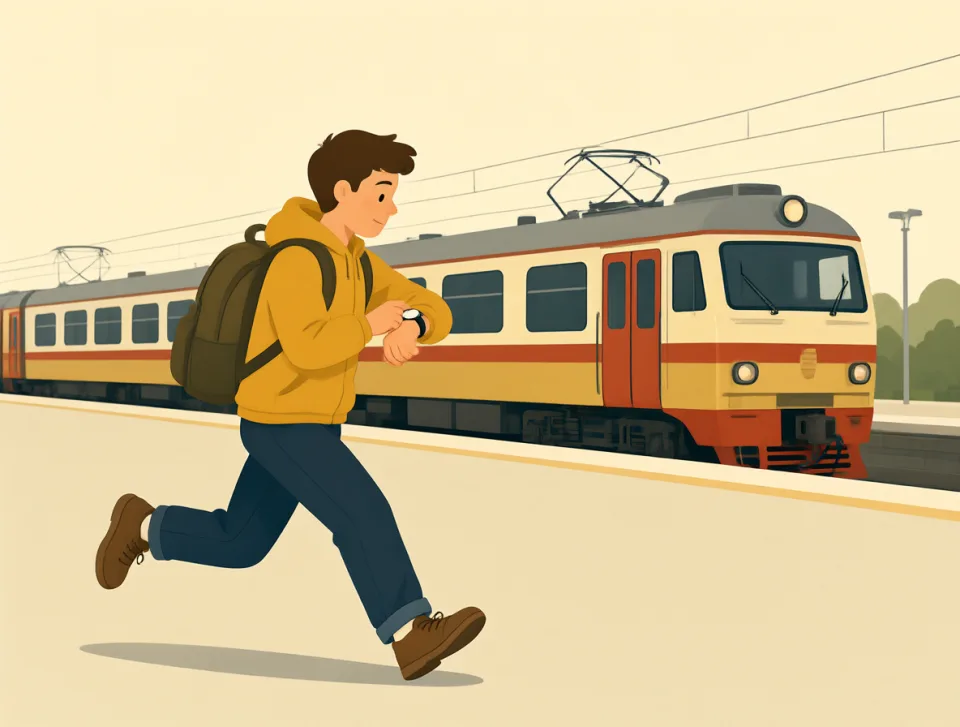
He is afraid that he might miss the last train home.
他擔心自己可能趕不上回家的末班火車。

I’m afraid we have sold out of fresh bread today.
很抱歉,今天新鮮麵包已經賣完了。

active
#1354adjective, noun
活躍的;積極的;活動的;積極分子
moving, busy, or taking part in an activity; a person who exercises or participates
正在活動、忙碌或參與某項活動的;經常鍛鍊或參加活動的人

She stays active by walking to work every day.
她每天走路上班,以保持活躍。

The children were active all afternoon in the garden.
孩子們整個下午都在花園裡活蹦亂跳。

The volcano is still active and may erupt again.
這座火山仍然活躍,可能會再次噴發。
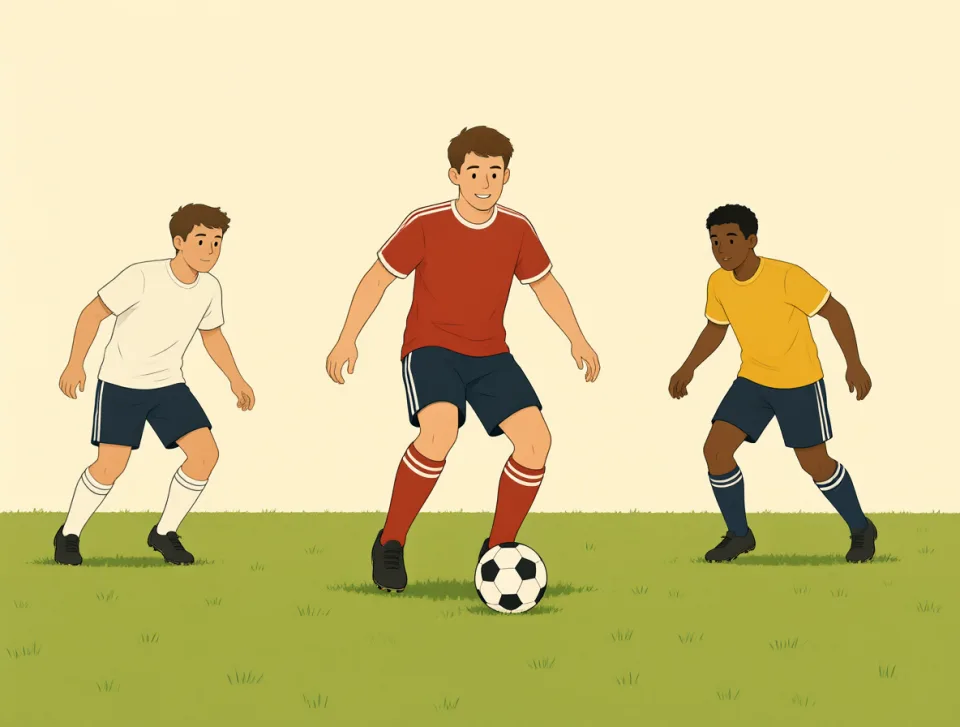
He is an active member of our local football club.
他是我們當地足球俱樂部的積極成員。

The medicine helps keep your body active during the day.
這種藥有助於讓你的身體在白天保持活躍。

conclude
#1355verb
得出結論;結束;總結
to decide something after thinking carefully about it
經過仔細思考後,對某事作出判斷
The meeting concluded with a plan for next week.
會議最後商定了下週的計劃。

We concluded that the train was already gone.
我們得出結論,火車已經開走了。

The doctor concluded that I had a minor infection.
醫生診斷我得了輕微感染。

The concert concluded with everyone singing together.
音樂會在大家齊聲合唱中落下帷幕。

She concluded her email by thanking her teacher.
她在郵件結尾感謝了老師。

religious
#1356adjective
宗教的;虔誠的
Connected with religion, or showing strong belief in a religion.
與宗教有關的,或表現出對某種宗教的堅定信仰的。

My grandparents are religious and go to church every Sunday.
我的祖父母都很虔誠,每個星期天都會去教堂。

She comes from a religious family with strong traditions.
她來自一個虔誠的家庭,家裡有著濃厚的傳統。

We visited a beautiful religious building during our trip.
旅行途中,我們參觀了一座漂亮的宗教建築。

The school respects students from different religious backgrounds.
學校尊重來自不同宗教背景的學生。
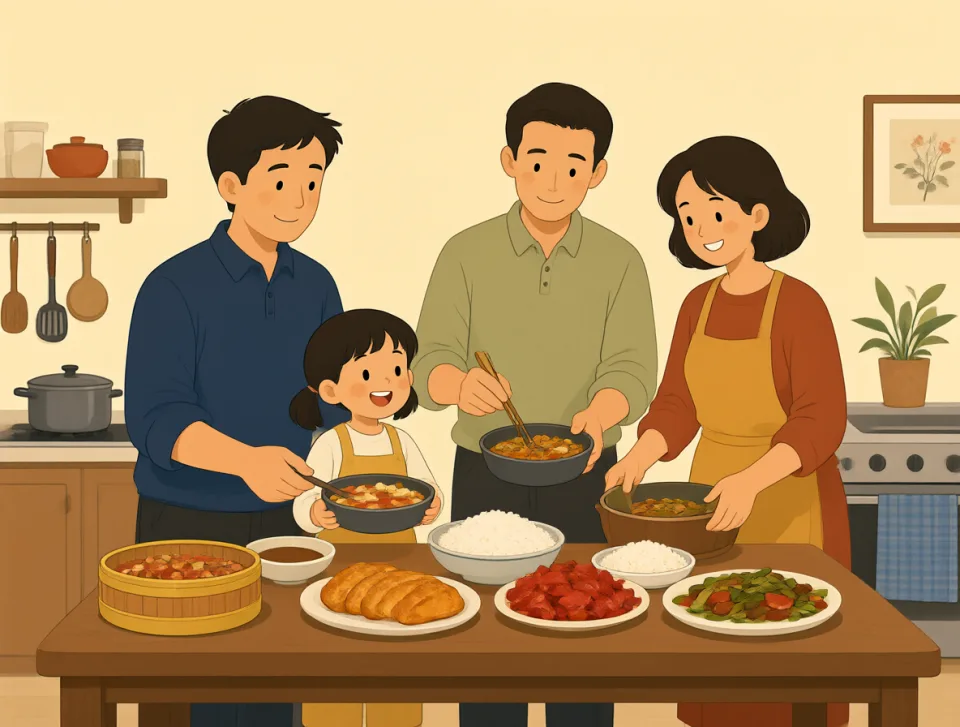
They prepared special food for the religious holiday.
他們為宗教節日準備了特別的食物。

cancer
#1357noun
癌症;癌
A serious disease in which abnormal cells grow uncontrollably in the body.
一種嚴重的疾病,患者體內的異常細胞會不受控制地生長。

Her doctor found cancer during a routine health check.
她的醫生在一次常規體檢中發現她患有癌症。
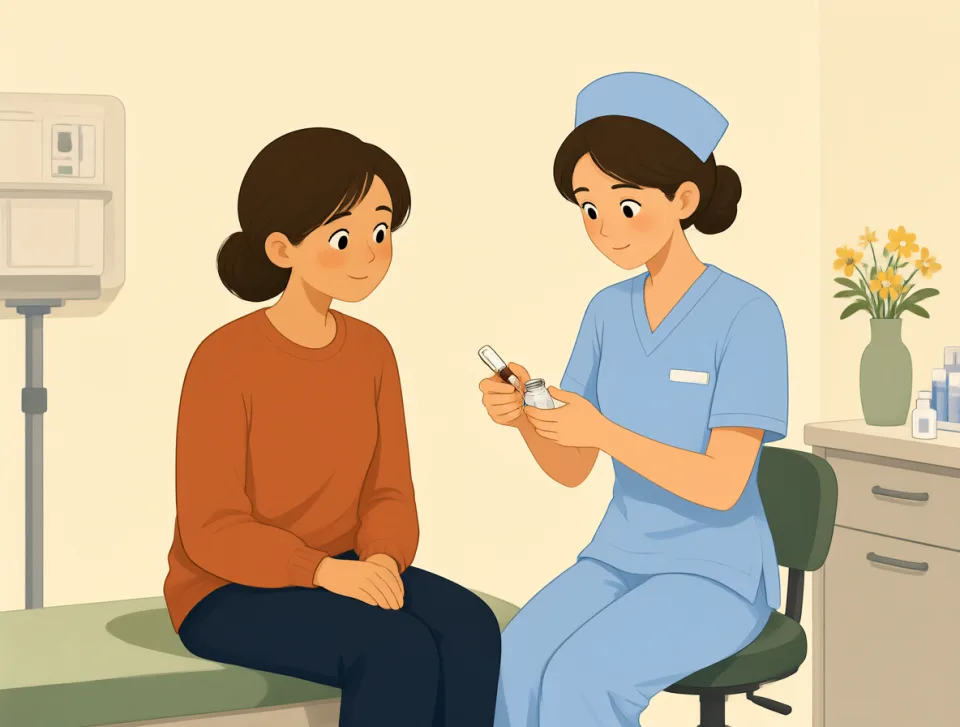
His mother is receiving treatment for breast cancer.
他的母親正在接受乳腺癌治療。
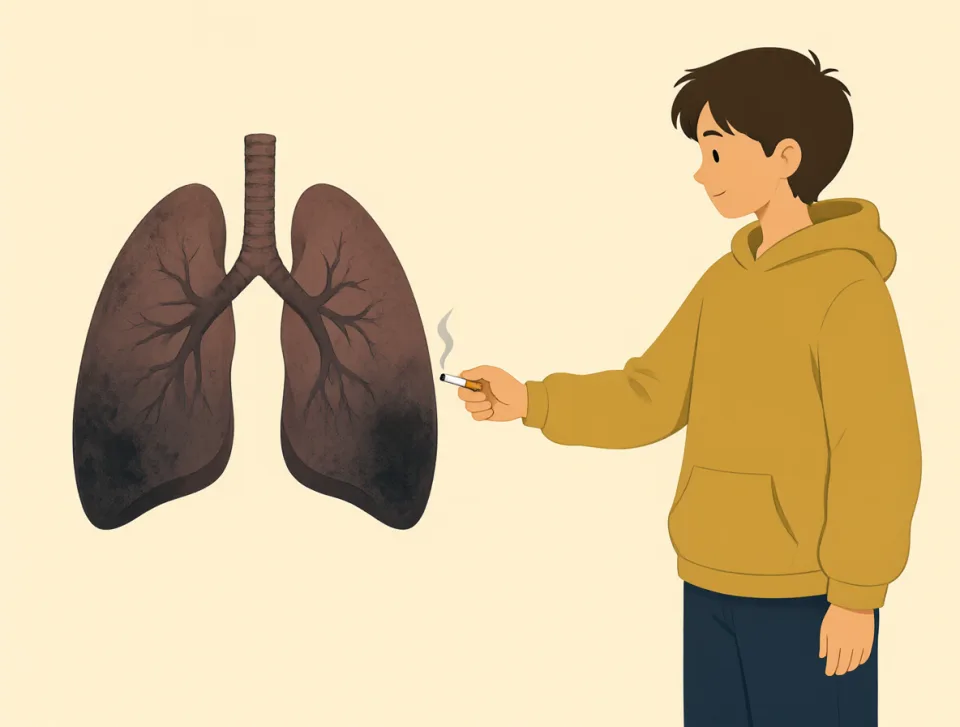
Smoking greatly increases the risk of lung cancer.
吸菸會大大增加患肺癌的風險。
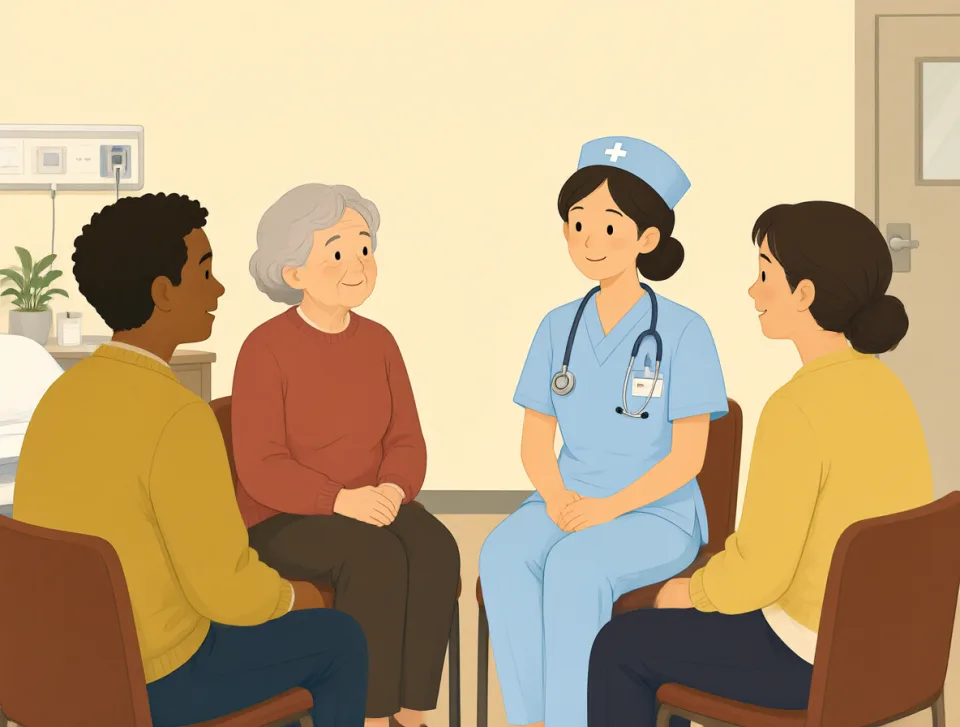
The hospital offers support for people living with cancer.
這家醫院為癌症患者提供支援。
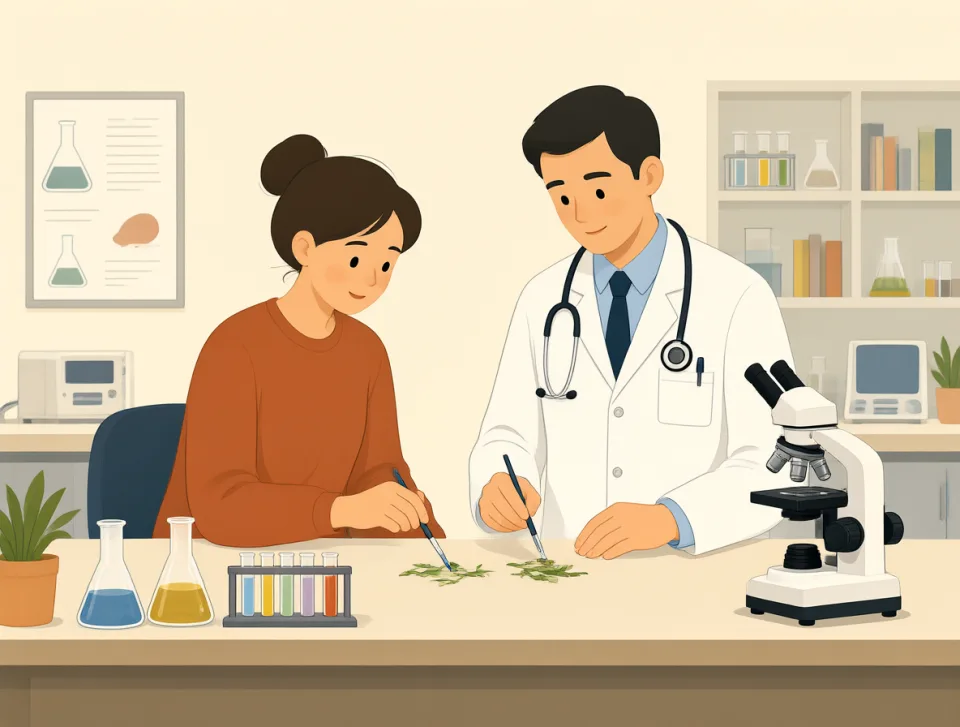
Doctors hope to find a cure for cancer someday.
醫生希望有一天能找到治癒癌症的方法。

convince
#1358verb
說服;勸服
To make someone believe something or agree to do something.
使某人相信某件事,或同意做某件事。

I convinced my brother to help me clean the kitchen.
我說服了弟弟幫我打掃廚房。

The doctor convinced her to take a few days off.
醫生說服她休息幾天。

We need to convince our teacher that we finished the project.
我們需要讓老師相信我們已經完成了這個專案。

The salesman convinced me that this jacket was worth buying.
那個銷售員說服我相信這件夾克值得買。

Her travel photos convinced us to visit Italy next summer.
她的旅行照片說服我們明年夏天去義大利旅遊。

vary
#1359verb
不同;變化
to be different or change from one situation, person, or time to another
因情況、人物或時間的不同而不同或發生變化
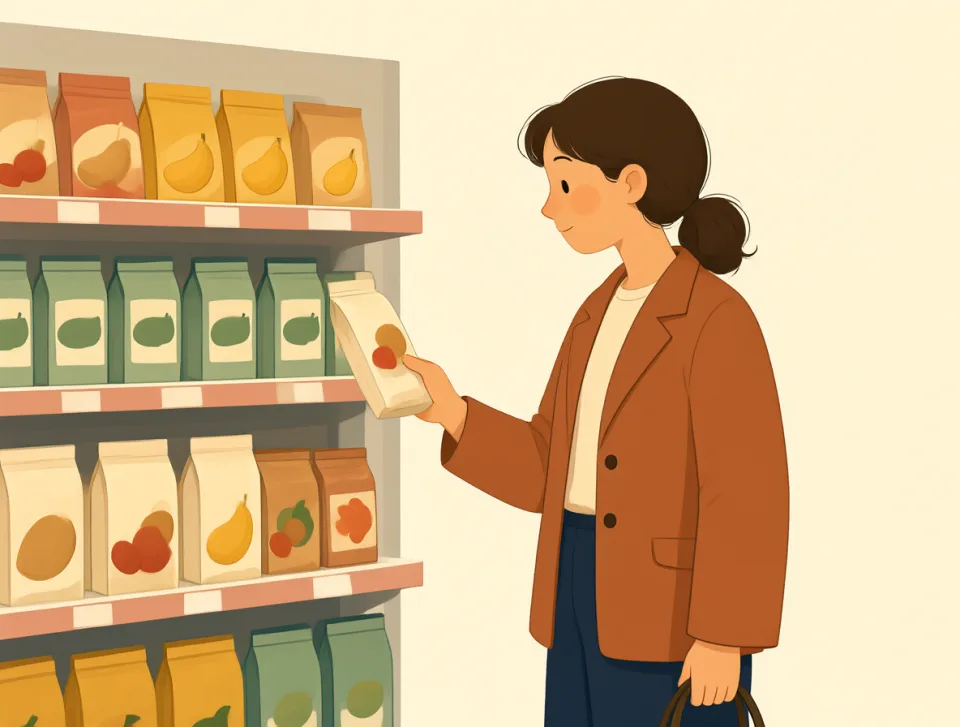
Prices vary from store to store, so compare them before buying.
不同商店的價格各不相同,所以買之前要比較一下。

The menu varies depending on which vegetables are fresh.
選單會根據哪些蔬菜是新鮮的而有所變化。

Class sizes vary greatly between schools in the area.
這個地區不同學校的班級人數差別很大。

People's travel plans vary during the holiday season.
人們在假期期間的旅行計劃各不相同。

Her energy levels vary from day to day.
她每天的精力水平都不一樣。
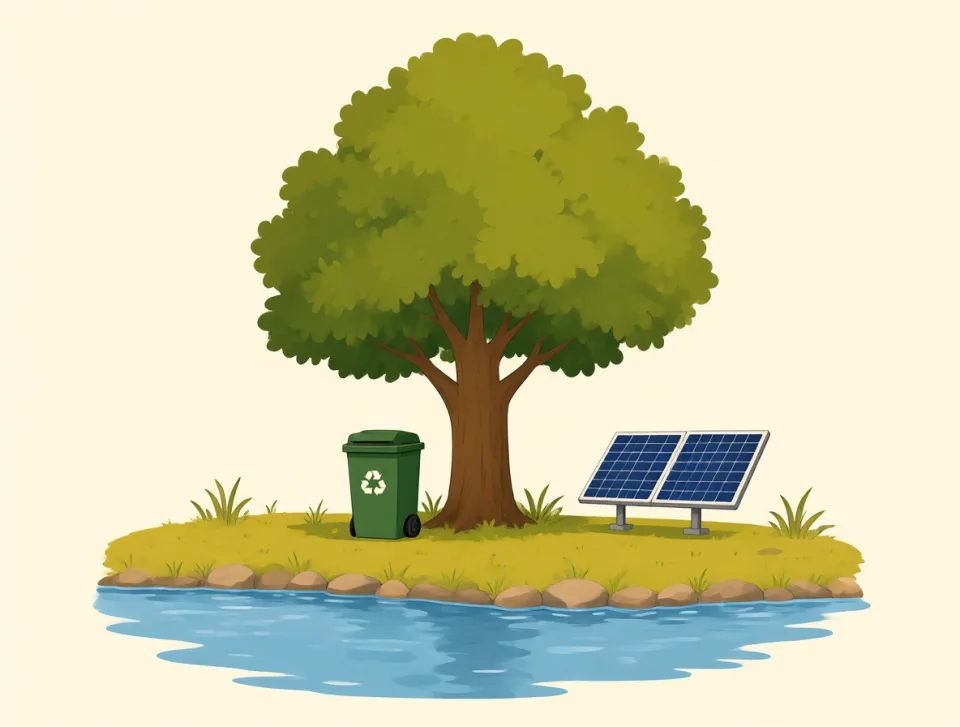
environmental
#1360adjective
環境的;環保的
Connected with the natural world and the effects people have on it.
與自然環境以及人類對自然環境所產生的影響有關的。
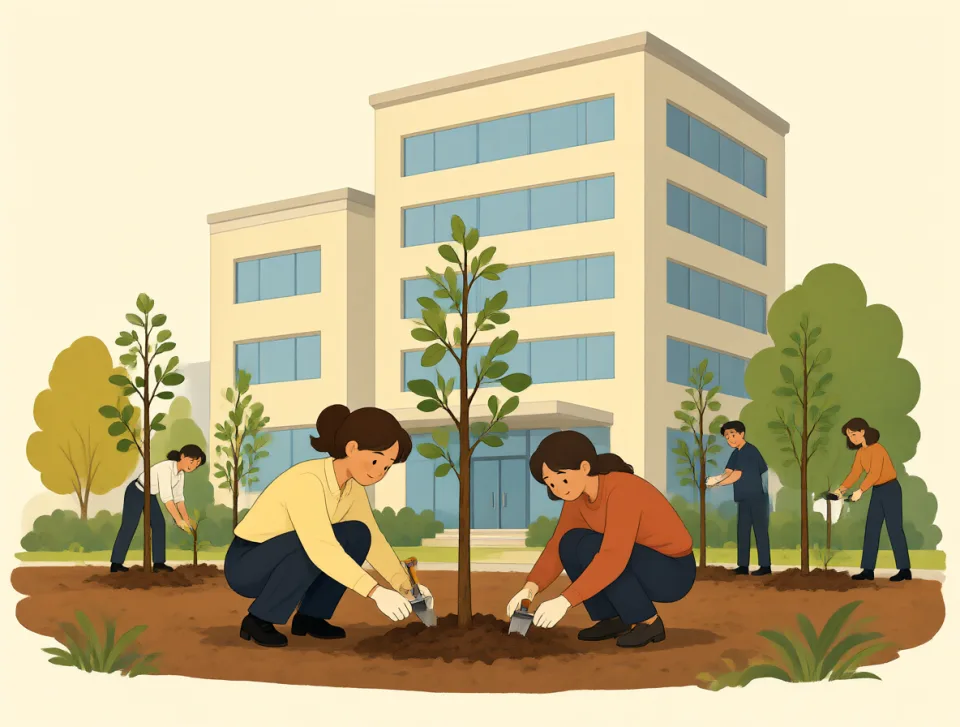
The company is working to reduce its environmental impact.
這家公司正在努力減少對環境的影響。

Our school has an environmental club that cleans local parks.
我們學校有一個環保社團,負責清理當地的公園。

We chose environmental products made from recycled materials.
我們選擇了用回收材料製成的環保產品。

The new law sets environmental standards for factories.
新法律為工廠制定了環境標準。
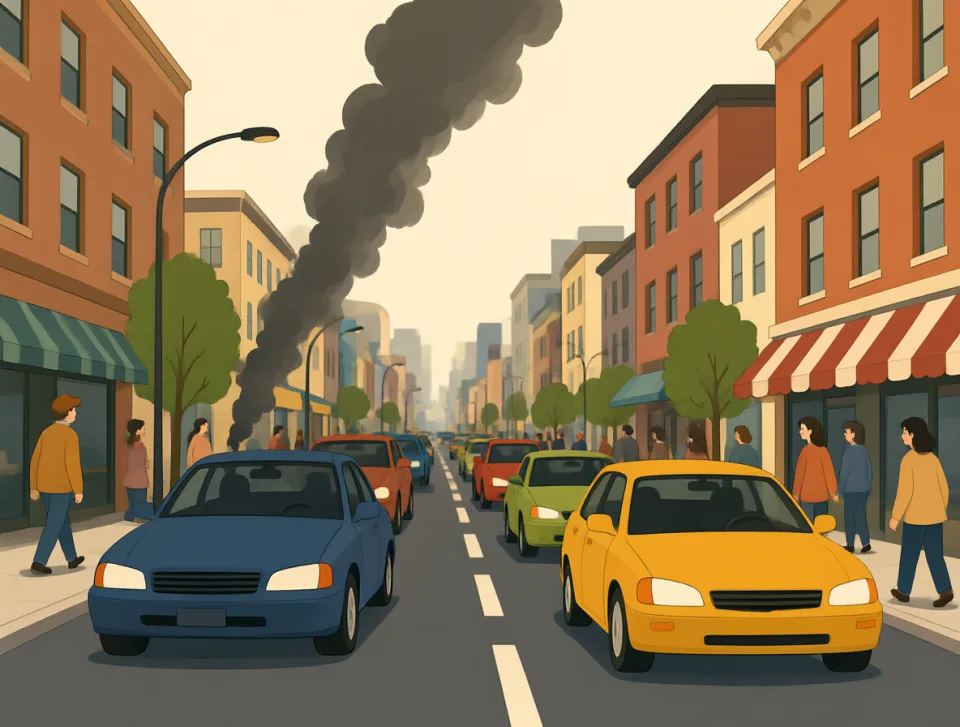
Too much traffic causes serious environmental problems in cities.
交透過於擁堵會給城市帶來嚴重的環境問題。