Canceling Plans at the Last Minute
막판에 약속 취소하기
After Leo cancels their plans at the last minute once again, Emma tells him how it affects her and asks him to give her more notice. They work out a practical way to make plans they can both stick to.
레오가 또다시 약속을 막판에 취소하자, 에마는 그 일로 자신이 어떤 영향을 받는지 말하고 더 일찍 알려 달라고 부탁해요. 두 사람은 서로 지킬 수 있는 약속을 잡기 위한 현실적인 방법을 함께 찾아요.
대화10
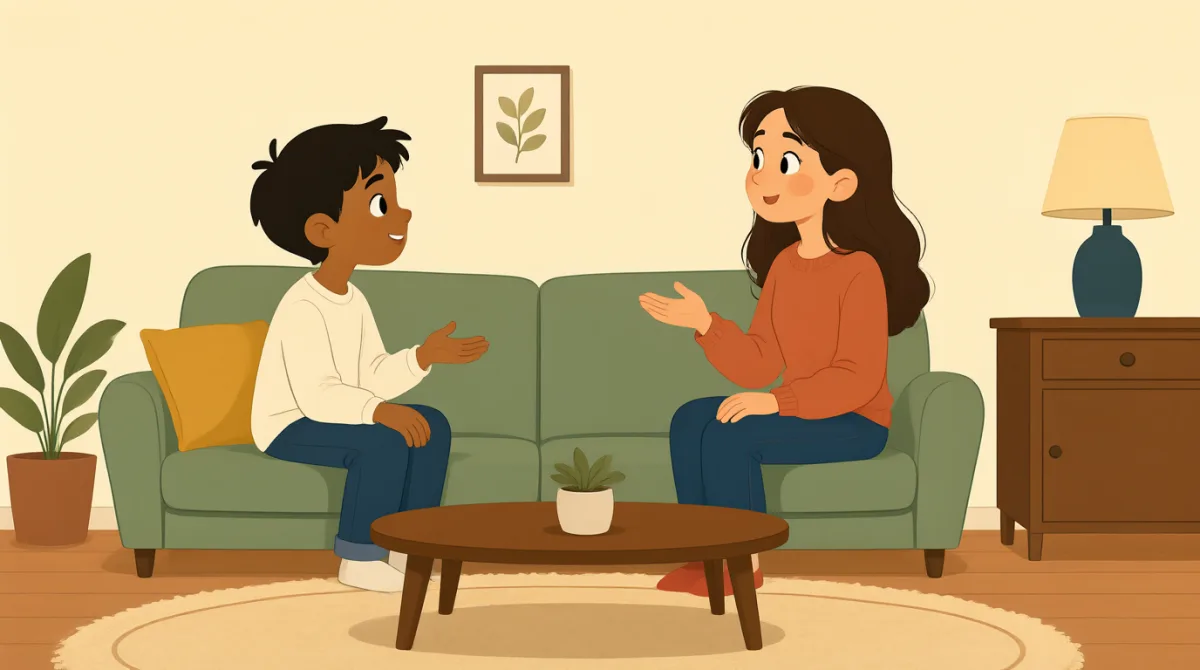

Hey, Leo. I know things come up, but when you canceled dinner an hour before we were supposed to meet, I was disappointed. I’d set the evening aside.
레오, 있잖아. 갑자기 일이 생길 수 있다는 건 알아. 그런데 만나기로 한 시간 한 시간 전에 저녁 약속을 취소했을 때는 실망했어. 그날 저녁은 비워 뒀거든.

I’m sorry. I know it’s the second time this month. Work ran late, and I thought I could still make it, but I should’ve let you know sooner.
미안해. 이번 달에 벌써 두 번째인 거 알아. 일이 늦게 끝났는데, 그래도 갈 수 있을 줄 알았어. 그래도 더 일찍 말했어야 했는데.
I get that plans can change. What bothers me is finding out at the last minute, because then I can’t really make other plans or use the time well.
약속이 바뀔 수도 있다는 건 이해해. 내가 속상한 건 막판에야 알게 된다는 거야. 그러면 다른 약속을 잡거나 시간을 알차게 쓰기가 어렵거든.
That’s fair. I didn’t realize it left you stuck waiting around. I’ve been saying yes before I know what my week actually looks like.
그럴 만하네. 네가 꼼짝 못 하고 기다리게 된다는 걸 몰랐어. 요즘은 한 주 일정이 어떻게 될지 확인하기도 전에 약속을 덜컥 잡았어.
Could you give me a heads-up as soon as you think you might not make it? Even a quick text would help, rather than waiting until the last minute.
못 올 수도 있겠다고 생각하는 순간 바로 알려줄 수 있어? 막판까지 기다리지 말고 문자라도 빨리 보내 주면 도움이 될 것 같아.
Yeah, I can do that. And maybe we should stop making plans for weeknights when my schedule’s all over the place.
응, 그럴게. 그리고 내 일정이 너무 들쑥날쑥할 때는 평일 저녁 약속을 잡지 않는 게 좋겠다.
That might work. We could check in on Friday and pick a time for the weekend, once you know what’s going on.
그것도 괜찮겠다. 금요일에 연락해서 네 상황을 확인한 다음 주말에 만날 시간을 정하자.
I like that. If something changes after we’ve made a plan, I’ll tell you as soon as I know, not when you’re already on your way.
좋아. 약속을 잡은 뒤에 뭔가 바뀌면, 네가 이미 오는 길일 때가 아니라 내가 알게 되는 즉시 말할게.
Thanks. I’m not trying to give you a hard time; I just want us to make plans we can both count on. I still want to hang out.
고마워. 널 탓하려는 건 아니야. 우리 둘 다 믿고 지킬 수 있는 약속을 하고 싶을 뿐이야. 그래도 너랑 계속 만나고 싶어.
I know, and I want that too. Let’s try Saturday afternoon, and I’ll confirm by Friday once I’ve checked my schedule.
알아. 나도 그러고 싶어. 토요일 오후에 만나자. 일정 확인하고 금요일까지 확답할게.
어휘7
- set the evening aside저녁 시간을 비워 두다
To reserve time for something. Here, Emma had kept the evening free for dinner with Leo.
무언가를 위해 시간을 따로 확보해 둔다는 뜻이에요. 여기서는 에마가 레오와 저녁을 먹으려고 그날 저녁 시간을 비워 둔 거예요.
- at the last minute막판에
Very shortly before something is due to happen. It often describes a change or decision that gives others little time to respond.
어떤 일이 일어나기 아주 직전에라는 뜻이에요. 다른 사람이 대응할 시간이 거의 없도록 하는 변경이나 결정을 설명할 때 자주 써요.
- give me a heads-up미리 알려 주다
To tell someone about something in advance. You can use this phrase to ask for an early warning, even if the details aren’t certain yet.
어떤 일을 사전에 알려 준다는 뜻이에요. 아직 자세한 내용이 확실하지 않더라도 미리 알려 달라고 할 때 쓸 수 있는 표현이에요.
- all over the place들쑥날쑥하다
Unpredictable or disorganized. Here, Leo’s schedule changes too much for him to make reliable weeknight plans.
예측하기 어렵거나 정리가 안 된 상태를 뜻해요. 여기서는 레오의 일정이 너무 자주 바뀌어서 평일 저녁 약속을 믿고 잡기 어려워요.
- check in연락하다
To contact someone briefly to share information or make a decision. Emma and Leo plan to check in on Friday before choosing a time.
정보를 나누거나 결정을 내리기 위해 누군가와 간단히 연락한다는 뜻이에요. 에마와 레오는 금요일에 연락해서 만날 시간을 정하기로 해요.
- give you a hard time귀찮게 하다
To criticize or bother someone about something. Emma uses this phrase to reassure Leo that she is explaining her feelings, not trying to blame him.
어떤 일을 두고 누군가를 비판하거나 성가시게 한다는 뜻이에요. 에마는 레오를 탓하려는 게 아니라 자기 마음을 설명하는 것뿐이라고 안심시키려고 이 표현을 써요.
- count on믿고 의지하다
To rely on someone or something. Emma wants them to make plans they can both trust will happen.
누군가나 무언가를 믿고 의지한다는 뜻이에요. 에마는 두 사람이 실제로 지켜질 거라고 믿을 수 있는 약속을 하고 싶어 해요.
핵심 문장7
- 1
I know things come up, but when you canceled dinner an hour before we were supposed to meet, I was disappointed.
갑자기 일이 생길 수 있다는 건 알아. 그런데 만나기로 한 시간 한 시간 전에 저녁 약속을 취소했을 때는 실망했어.
This sentence acknowledges that problems happen while clearly describing the other person’s action and its effect. You can adapt it to explain how a specific situation made you feel.
이 문장은 예상치 못한 일이 생길 수 있다는 점은 인정하면서도, 상대가 한 행동과 그로 인해 느낀 감정을 분명하게 설명해요. 구체적인 상황 때문에 어떤 기분이 들었는지 말할 때 응용해 보세요.
- 2
What bothers me is finding out at the last minute, because then I can’t really make other plans or use the time well.
내가 속상한 건 막판에야 알게 된다는 거야. 그러면 다른 약속을 잡거나 시간을 알차게 쓰기가 어렵거든.
This explains the practical impact of someone’s behavior without attacking them. Use “What bothers me is…” to raise a concern and then explain why it matters.
상대를 공격하지 않으면서 그 사람의 행동이 실제로 어떤 영향을 주는지 설명하는 문장이에요. “What bothers me is…”라고 말한 뒤 왜 그게 중요한지 설명하면 걱정되는 점을 꺼낼 수 있어요.
- 3
Could you give me a heads-up as soon as you think you might not make it?
못 올 수도 있겠다고 생각하는 순간 바로 알려줄 수 있어?
This is a polite, specific request for earlier communication. “Could you…?” softens the request, while “as soon as you think…” makes the timing clear.
더 일찍 알려 달라고 구체적이고 정중하게 부탁하는 표현이에요. “Could you…?”는 부탁을 부드럽게 만들고, “as soon as you think…”는 언제 알려야 하는지 분명하게 해요.
- 4
That might work.
그것도 괜찮겠다.
This is a useful way to respond positively but cautiously to a suggestion. You can use it when an idea seems practical but you don’t want to sound overly certain.
제안을 긍정적으로 받아들이면서도 신중한 태도를 보이고 싶을 때 유용한 표현이에요. 실용적인 생각인 것 같지만 너무 확신에 차 보이고 싶지 않을 때 쓸 수 있어요.
- 5
If something changes after we’ve made a plan, I’ll tell you as soon as I know, not when you’re already on your way.
약속을 잡은 뒤에 뭔가 바뀌면, 네가 이미 오는 길일 때가 아니라 내가 알게 되는 즉시 말할게.
This makes a clear commitment and explains exactly what you will do differently. The “If…, I’ll…” structure is useful for agreeing on how to handle future situations.
분명하게 약속하면서 무엇을 다르게 할지 구체적으로 설명하는 문장이에요. “If…, I’ll…” 구조는 앞으로 비슷한 상황에 어떻게 대응할지 정할 때 유용해요.
- 6
I’m not trying to give you a hard time; I just want us to make plans we can both count on.
널 탓하려는 건 아니야. 우리 둘 다 믿고 지킬 수 있는 약속을 하고 싶을 뿐이야.
This reassures the other person while restating the goal of the conversation. Use “I’m not trying to…, I just want…” to set a boundary without sounding hostile.
대화의 목적을 다시 말하면서 상대를 안심시키는 표현이에요. “I’m not trying to…, I just want…”를 사용하면 적대적으로 들리지 않으면서도 경계를 세울 수 있어요.
- 7
Let’s try Saturday afternoon, and I’ll confirm by Friday once I’ve checked my schedule.
토요일 오후에 만나자. 일정 확인하고 금요일까지 확답할게.
This combines a tentative plan with a clear deadline for confirming it. You can reuse the pattern to make plans that are flexible but still reliable.
아직 확정되지 않은 약속과 확답할 기한을 함께 제시하는 문장이에요. 이 표현 방식을 활용하면 유연하면서도 믿을 수 있는 약속을 잡을 수 있어요.