Planning the Investigation With an Editor
編集者と調査計画を立てる
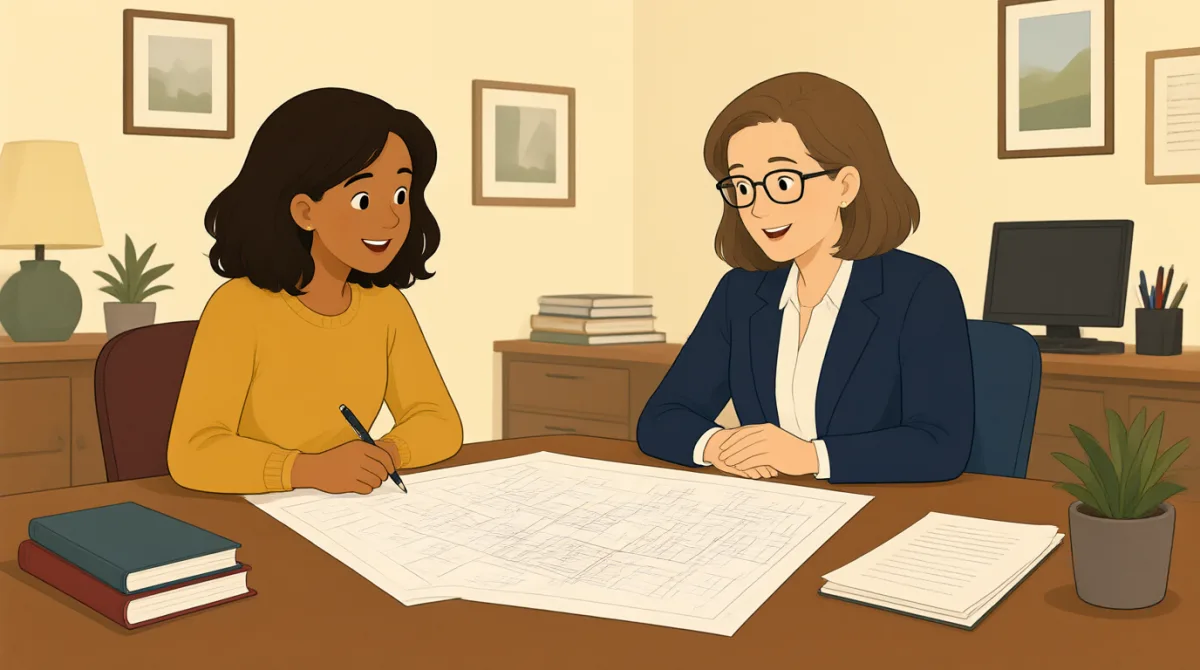
Reporter Emma Carter briefs editor Grace Wilson on allegations of improper safety inspections at a local plant. They map out what is known, what remains unverified, and how to approach a source who may be reluctant to speak.
記者のエマ・カーターは、地元の工場で安全点検が不適切に行われていたという疑惑について、編集者のグレース・ウィルソンに報告します。何が分かっていて、何がまだ確認できていないのかを整理し、話すことをためらっているかもしれない情報源にどう接触するかを話し合います。
会話10

I’ve received two accounts alleging that safety inspections at the plant were signed off without being completed. I want to separate what we can document from what we’ve only been told.
工場の安全点検が、実施されていないのに承認されたという証言を二つ得ました。記録で裏付けられることと、人から聞いただけのことを分けたいです。

Good. At this stage, treat those accounts as leads, not findings. What do the records actually show, and do the two sources have firsthand knowledge?
いいですね。今の段階では、その証言は調査の手がかりとして扱い、確定した事実とは見なさないでください。記録には実際に何が示されていますか? それに、二人の情報源は直接見聞きしたことを話しているのでしょうか?
One worked on the inspection team; the other says they saw completed forms entered after the fact. I haven’t seen the original forms, and neither has provided documentation yet.
一人は点検チームで働いていました。もう一人は、記入済みの書類が後から入力されるのを見たと言っています。私は原本を見ていませんし、どちらからもまだ証拠資料を受け取っていません。
Then don’t collapse those into one claim. Ask each person what they observed directly, when they observed it, and what they’re inferring from someone else’s account.
では、その二つを一つの主張にまとめないでください。それぞれに、何を直接見たのか、いつ見たのか、そして他人の話から何を推測しているのかを聞いてください。
I’m trying to reach a former employee who may know how the records were handled. They’re wary of being identified and haven’t agreed to speak yet.
記録がどう扱われていたかを知っているかもしれない元従業員に連絡を取ろうとしています。身元が明かされるのを警戒していて、まだ話すことには同意していません。
Be clear about the purpose of the conversation and the ground rules before asking anything sensitive. Don’t promise anonymity unless we can realistically protect it.
デリケートなことを聞く前に、話をする目的と、事前に合意する条件を明確に伝えてください。現実的に守れるのでない限り、匿名を保証してはいけません。
I can explain that we’ll discuss attribution first and that they can decline questions. But I can’t guarantee their identity could never be inferred from the details.
まず、情報源の名前をどのように出すかを話し合うこと、そして質問に答えない選択もできることを説明できます。ただ、詳しい情報から身元が推測される可能性が絶対にないとは保証できません。
Exactly. Also, don’t imply that a source’s account proves misconduct. We need the inspection logs, the underlying forms, and a response from the plant before drawing conclusions.
そのとおりです。それから、情報源の話が不正の証拠になるかのように示唆してはいけません。結論を出す前に、点検記録と元の書類を入手し、工場側の見解も聞く必要があります。
I’ll request the public logs and look for dates, signatures, and any gaps that can be independently checked. If something conflicts, I’ll ask whether there’s a routine explanation.
公開されている記録を請求して、日付や署名、不備がないかを調べ、第三者が確認できる点を探します。食い違いがあれば、通常の理由で説明できるかどうか尋ねます。
And keep a careful record of what we asked and what each person said. If the source agrees to speak, we can revisit attribution after we understand the evidence and the risks.
こちらが何を尋ね、それぞれが何と答えたか、注意深く記録しておいてください。情報源が話すことに同意したら、証拠とリスクを把握したあとで、名前の出し方を改めて話し合いましょう。
語彙7
- leads手がかり
Leads are pieces of information that may help an investigation but have not been confirmed. Here, the accounts point to issues that still need to be checked.
手がかりとは、調査に役立つ可能性はあるものの、まだ確認されていない情報のことです。ここでは、証言が問題の可能性を示していますが、まだ確かめる必要があります。
- firsthand knowledge直接の知識
This means knowing something from your own direct experience, rather than hearing it from someone else. Journalists ask about it to assess how reliable a source’s information may be.
人から聞いたのではなく、自分自身の経験を通じて何かを知っているという意味です。記者は、情報源の話がどれほど信頼できるかを判断するために、直接見聞きしたことかどうかを尋ねます。
- after the fact事後に
This means something was done after the event it was supposed to record. Here, the phrase suggests forms may have been entered after the inspections took place.
記録すべき出来事が起きたあとに、何かが行われたという意味です。ここでは、点検のあとで書類が入力された可能性を示しています。
- ground rules事前に合意する条件
Ground rules are the conditions or expectations agreed on before a conversation. In an interview, they can cover attribution, confidentiality, and the source’s right not to answer.
話を始める前に合意しておく条件や期待のことです。取材では、情報源の名前の出し方、秘密の保持、質問に答えない権利などを含む場合があります。
- attribution情報源の明示
Attribution is how a journalist identifies or describes the source of information. It matters because a source may agree to speak only under certain conditions.
情報源の明示とは、記者が情報を提供した人をどのように特定したり説明したりするかということです。情報源が特定の条件でしか話さない場合もあるため、大切な点です。
- independently checked独立して確認できる
This describes information that can be verified using evidence separate from the original account. Dates, signatures, and records can help confirm whether a claim is accurate.
元の証言とは別の証拠を使って確かめられる情報を表します。日付や署名、記録などがあれば、主張が正確かどうかを確認する助けになります。
- routine explanation通常の説明
A routine explanation is an ordinary, non-misconduct reason for something that appears unusual. Asking about one helps a journalist test competing interpretations fairly.
通常の説明とは、不審に見えることについて、不正行為ではない普通の理由を説明するものです。こうした可能性を尋ねることで、記者は異なる解釈を公平に検討できます。
重要な文8
- 1
At this stage, treat those accounts as leads, not findings.
今の段階では、その証言は調査の手がかりとして扱い、確定した事実とは見なさないでください。
This sentence clearly distinguishes unverified information from established facts. Reuse the structure “Treat X as Y, not Z” when you need to emphasize caution.
この文は、まだ確認されていない情報と、確立された事実をはっきり区別しています。慎重さを強調したいときは、“Treat X as Y, not Z”(XをZではなくYとして扱う)という形を使ってみましょう。
- 2
What do the records actually show, and do the two sources have firsthand knowledge?
記録には実際に何が示されていますか? それに、二人の情報源は直接見聞きしたことを話しているのでしょうか?
This is a useful way to focus an investigation on evidence and the source’s direct experience. You can adapt it to ask what documents show and whether a person witnessed an event themselves.
調査の焦点を証拠と情報源の直接の経験に絞るのに役立つ表現です。書類が何を示しているか、また、その人自身が出来事を目撃したのかを尋ねる形に応用できます。
- 3
Then don’t collapse those into one claim.
では、その二つを一つの主張にまとめないでください。
This concise sentence warns against merging separate accounts or allegations into a single assertion. Use “don’t collapse X into Y” when different details need to remain distinct.
別々の証言や疑惑を一つの主張にまとめてしまわないよう、簡潔に注意を促す文です。異なる内容を区別しておく必要があるときは、“don’t collapse X into Y”(XをYにまとめない)という表現が使えます。
- 4
Be clear about the purpose of the conversation and the ground rules before asking anything sensitive.
デリケートなことを聞く前に、話をする目的と、事前に合意する条件を明確に伝えてください。
This gives practical guidance for beginning a delicate interview transparently. The structure “Be clear about X before doing Y” is useful for setting expectations in professional conversations.
慎重さが必要な取材を、透明性を保ちながら始めるための実践的な助言です。“Be clear about X before doing Y”(Yをする前にXを明確にする)という形は、仕事上の会話で事前に期待をすり合わせるのに役立ちます。
- 5
Don’t promise anonymity unless we can realistically protect it.
現実的に守れるのでない限り、匿名を保証してはいけません。
This sentence expresses an important ethical limit: do not guarantee protection you may be unable to provide. Reuse “Don’t promise X unless…” to set a careful boundary.
この文は、実現できないかもしれない保護を約束しないという、重要な倫理的な境界を示しています。“Don’t promise X unless…”(…でない限りXを約束しない)という形で、慎重な線引きを表せます。
- 6
We need the inspection logs, the underlying forms, and a response from the plant before drawing conclusions.
結論を出す前に、点検記録と元の書類を入手し、工場側の見解も聞く必要があります。
This sentence lists the evidence needed before reaching a judgment. It is useful to adapt the pattern “We need X, Y, and Z before…” when explaining what must happen next.
判断を下す前に必要な証拠を挙げている文です。“We need X, Y, and Z before…”(…する前にXとYとZが必要です)という形は、次に何が必要かを説明するときに応用できます。
- 7
If something conflicts, I’ll ask whether there’s a routine explanation.
食い違いがあれば、通常の理由で説明できるかどうか尋ねます。
This shows how to investigate discrepancies without assuming wrongdoing. Use “If something conflicts, I’ll ask whether…” to describe a fair, evidence-minded next step.
不正があったと決めつけずに食い違いを調べる方法を示しています。“If something conflicts, I’ll ask whether…”(食い違いがあれば、…かどうか尋ねます)という形で、公平に証拠を確かめる次の手順を説明できます。
- 8
If the source agrees to speak, we can revisit attribution after we understand the evidence and the risks.
情報源が話すことに同意したら、証拠とリスクを把握したあとで、名前の出し方を改めて話し合いましょう。
This sentence explains that attribution can be discussed again once the situation is clearer. The pattern “If X, we can revisit Y after…” is useful for describing a conditional plan.
状況がより明確になってから、情報源の名前の出し方を改めて相談できると伝える文です。“If X, we can revisit Y after…”(Xなら、…したあとでYを再検討できます)という形は、条件付きの計画を説明するのに役立ちます。