Inquiring about Holiday Hours
छुट्टियों के दौरान खुलने के समय के बारे में पूछना
A customer asks an employee or checks a sign for special operating hours during a public holiday or seasonal event.
एक ग्राहक सार्वजनिक छुट्टी या मौसमी आयोजन के दौरान दुकान के विशेष खुलने के समय के बारे में किसी कर्मचारी से पूछता है या सूचना-पट्ट देखता है।
संवाद8
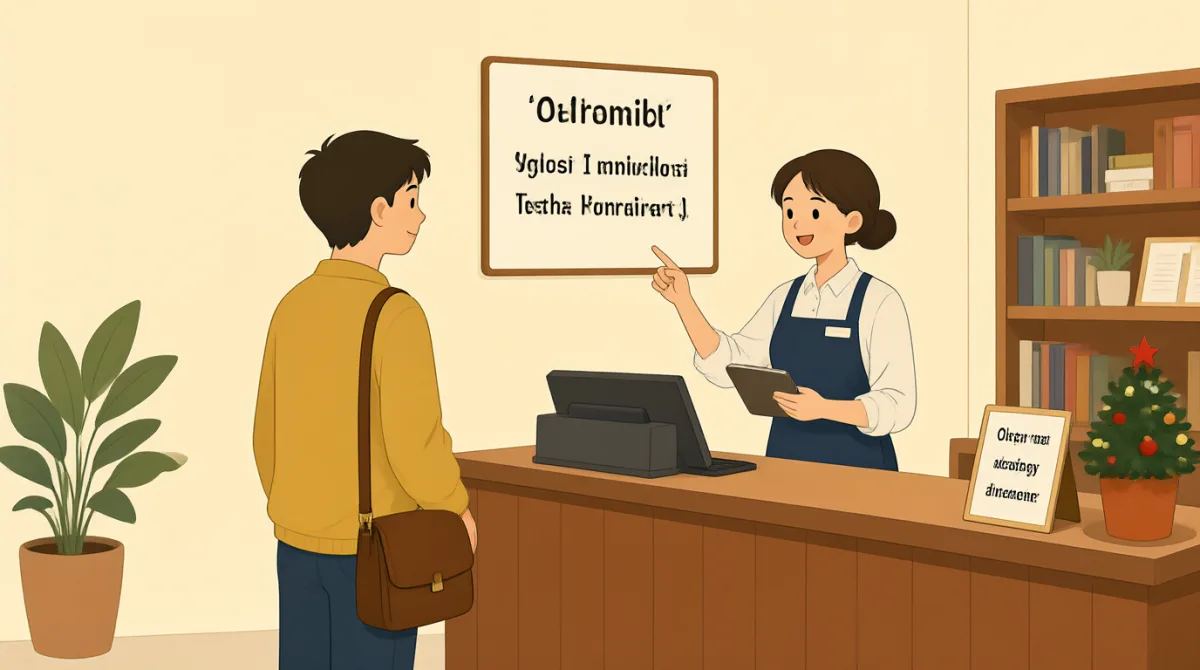

Excuse me, I was wondering if you're open on Christmas Day?
माफ़ कीजिए, मैं जानना चाहती थी कि क्या आप क्रिसमस के दिन खुले रहते हैं?

Hi there! No, we'll actually be closed on Christmas Day itself.
नमस्ते! नहीं, दरअसल क्रिसमस के दिन हमारी दुकान बंद रहेगी।
Oh, alright. How about Christmas Eve? Do you have special hours then?
अच्छा, ठीक है। क्रिसमस की पूर्व संध्या पर? क्या उस दिन आपके खुलने का समय अलग होगा?
Yes, on Christmas Eve, we'll be open from 9 AM to 5 PM. We'll be closing a bit earlier than usual.
जी हाँ, क्रिसमस की पूर्व संध्या पर हम सुबह 9 बजे से शाम 5 बजे तक खुले रहेंगे। हम आम दिनों से थोड़ा पहले बंद हो जाएँगे।
Got it. So, normal hours resume on December 26th?
समझ गई। तो 26 दिसंबर से सामान्य समय फिर शुरू हो जाएगा?
That's right! We'll be back to our regular schedule on the 26th. Anything else I can help you with?
बिल्कुल! 26 तारीख से हमारा सामान्य समय फिर से शुरू हो जाएगा। क्या मैं आपकी किसी और तरह से मदद कर सकता हूँ?
No, that's all. Thanks for the information!
नहीं, बस इतना ही। जानकारी देने के लिए धन्यवाद!
You're welcome! Happy holidays!
आपका स्वागत है! छुट्टियाँ मुबारक!
शब्दावली7
- openखुला
Means a store or business is available for customers to enter and shop. Use it to ask if a place is operating, like 'Are you open today?'
इसका मतलब है कि दुकान या कारोबार ग्राहकों के आने और खरीदारी करने के लिए खुला है। किसी जगह के खुलने के बारे में पूछने के लिए इसका इस्तेमाल करें, जैसे 'Are you open today?' (क्या आप आज खुले हैं?)
- closedबंद
The opposite of open; means a business is not operating and customers cannot enter. Common in announcements like 'The store is closed on holidays.'
'खुला' का उलटा; इसका मतलब है कि कारोबार चालू नहीं है और ग्राहक अंदर नहीं आ सकते। छुट्टियों की सूचना में यह आम है, जैसे 'The store is closed on holidays.' (छुट्टियों में दुकान बंद रहती है।)
- wonderingजानना चाहना
A polite way to say you are curious or thinking about something. Use it to soften questions, like 'I was wondering if you have this item?'
किसी बात को जानने की जिज्ञासा या उसके बारे में सोचने को विनम्रता से कहने का तरीका। सवाल को नरम बनाने के लिए इसका इस्तेमाल करें, जैसे 'I was wondering if you have this item?' (मैं जानना चाहती थी कि क्या आपके पास यह चीज़ है?)
- special hoursविशेष खुलने का समय
Refers to different operating times on certain days, like holidays. Useful for asking about changes, as in 'Do you have special hours on weekends?'
कुछ खास दिनों, जैसे छुट्टियों में, खुलने के अलग समय को कहते हैं। समय में बदलाव के बारे में पूछने के लिए उपयोगी है, जैसे 'Do you have special hours on weekends?' (क्या सप्ताहांत में आपके खुलने का समय अलग होता है?)
- resumeफिर से शुरू होना
Means to start again after a pause. In business, it means returning to normal operations, like 'Classes resume next week.'
रुकने के बाद दोबारा शुरू होने का मतलब है। कारोबार के संदर्भ में इसका अर्थ सामान्य कामकाज फिर से शुरू होना है, जैसे 'Classes resume next week.' (कक्षाएँ अगले हफ़्ते फिर शुरू होंगी।)
- regular scheduleसामान्य समय-सारणी
The usual or standard timetable for opening and closing. Use it to confirm normal times, such as 'What is your regular schedule?'
खुलने और बंद होने का आम या तय समय। सामान्य समय की पुष्टि करने के लिए इसका इस्तेमाल करें, जैसे 'What is your regular schedule?' (आपकी सामान्य समय-सारणी क्या है?)
- happy holidaysछुट्टियाँ मुबारक
A friendly greeting used during holiday seasons like Christmas. It's a polite way to end a conversation, similar to 'Merry Christmas.'
क्रिसमस जैसे त्योहारों के मौसम में इस्तेमाल होने वाला दोस्ताना अभिवादन। बातचीत के अंत में यह विनम्र विदाई है, जो 'Merry Christmas.' (क्रिसमस की शुभकामनाएँ।) जैसा है।
मुख्य वाक्य8
- 1
Excuse me, I was wondering if you're open on Christmas Day?
माफ़ कीजिए, मैं जानना चाहती थी कि क्या आप क्रिसमस के दिन खुले रहते हैं?
This is a polite way to start a question about availability. 'I was wondering' makes it indirect and courteous. Use it when asking about store hours on specific days to sound natural and respectful.
उपलब्धता के बारे में सवाल शुरू करने का यह एक विनम्र तरीका है। 'I was wondering' सवाल को सीधे पूछने के बजाय अप्रत्यक्ष और शिष्ट बनाता है। किसी खास दिन दुकान के समय के बारे में पूछते हुए स्वाभाविक और सम्मानजनक लगने के लिए इसका इस्तेमाल करें।
- 2
No, we'll actually be closed on Christmas Day itself.
नहीं, दरअसल क्रिसमस के दिन हमारी दुकान बंद रहेगी।
A clear negative response with 'actually' for emphasis and 'itself' to specify the exact day. Useful for service workers to explain closures; the contraction 'we'll' is common in spoken English.
'actually' बात पर ज़ोर देता है और 'itself' ठीक उसी दिन को स्पष्ट करता है। दुकान या सेवा से जुड़े कर्मचारी बंद रहने की जानकारी देने के लिए इसका इस्तेमाल कर सकते हैं। बोलचाल की अंग्रेज़ी में 'we'll' का इस्तेमाल आम है।
- 3
How about Christmas Eve? Do you have special hours then?
क्रिसमस की पूर्व संध्या पर? क्या उस दिन आपके खुलने का समय अलग होगा?
This follows up on a previous answer by suggesting an alternative. 'How about' introduces a new option politely. Great for conversations where you need more details on different dates.
इस वाक्य में पहले मिले जवाब के बाद एक दूसरा विकल्प पूछा गया है। 'How about' विनम्रता से नया विकल्प सामने रखता है। अलग-अलग तारीखों के बारे में और जानकारी चाहिए हो, तो यह बातचीत में बहुत काम आता है।
- 4
Yes, on Christmas Eve, we'll be open from 9 AM to 5 PM.
जी हाँ, क्रिसमस की पूर्व संध्या पर हम सुबह 9 बजे से शाम 5 बजे तक खुले रहेंगे।
Provides specific time information using 'from...to' for ranges. 'We'll be open' is future tense for planned hours. Use this pattern to describe schedules clearly.
'from...to' का इस्तेमाल करके समय की एक सीमा बताई गई है। 'We'll be open' भविष्य में तय समय पर खुला रहने की बात कहता है। समय-सारणी साफ़-साफ़ बताने के लिए इस ढाँचे का इस्तेमाल करें।
- 5
So, normal hours resume on December 26th?
तो 26 दिसंबर से सामान्य समय फिर शुरू हो जाएगा?
A confirming question using 'so' to summarize and 'resume' for restarting normal operations. The rising intonation at the end makes it a yes/no question. Ideal for verifying details in inquiries.
यह पुष्टि करने वाला सवाल है, जिसमें 'so' से पिछली बात का सार बताया गया है और 'resume' से सामान्य कामकाज फिर शुरू होने की बात कही गई है। अंत में आवाज़ का ऊपर उठना इसे हाँ-या-ना वाला सवाल बनाता है। पूछताछ में जानकारी की पुष्टि करने के लिए यह उपयोगी है।
- 6
That's right! We'll be back to our regular schedule on the 26th.
बिल्कुल! 26 तारीख से हमारा सामान्य समय फिर से शुरू हो जाएगा।
Agrees with the customer using 'That's right' for confirmation. 'Back to' means returning to normal. This is a helpful response in customer service to reassure and close the topic.
'That's right' से ग्राहक की बात की पुष्टि की जाती है। 'Back to' का मतलब है सामान्य स्थिति में लौटना। ग्राहक सेवा में यह जवाब आश्वस्त करने और विषय समाप्त करने में मददगार है।
- 7
Anything else I can help you with?
क्या मैं आपकी किसी और तरह से मदद कर सकता हूँ?
A standard polite offer for more assistance. It's open-ended and uses 'can' for possibility. Use it at the end of interactions to show good service and invite further questions.
यह और मदद की पेशकश करने का एक आम और विनम्र तरीका है। यह खुला सवाल है और संभावना जताने के लिए 'can' का इस्तेमाल करता है। अच्छी सेवा दिखाने और ग्राहक को आगे सवाल पूछने का मौका देने के लिए बातचीत के अंत में इसका इस्तेमाल करें।
- 8
You're welcome! Happy holidays!
आपका स्वागत है! छुट्टियाँ मुबारक!
A courteous reply to thanks, with 'Happy holidays' as a seasonal farewell. 'You're welcome' is the common response to 'thank you.' Perfect for ending positive exchanges during festive times.
यह धन्यवाद के जवाब में कहा जाने वाला विनम्र वाक्य है और इसमें 'Happy holidays' त्योहारों के मौसम की विदाई के रूप में आता है। 'You're welcome' का जवाब आम तौर पर 'thank you' के बाद दिया जाता है। त्योहारों के समय खुशनुमा बातचीत समाप्त करने के लिए यह बहुत अच्छा है।