Preparing With the Risk Manager
آمادهشدن با مدیر ریسک
Dr. Mia Patel meets with risk manager David Chen before speaking with the family. They review the confirmed facts, consider what remains uncertain, and plan how to disclose the error clearly without speculating.
دکتر میا پاتل پیش از صحبت با خانواده، با دیوید چن، مدیر ریسک، دیدار میکند. آنها واقعیتهای تأییدشده را مرور میکنند، موارد نامشخص را در نظر میگیرند و برنامهریزی میکنند که خطا را بدون گمانهزنی، روشن و شفاف توضیح دهند.
گفتوگو12
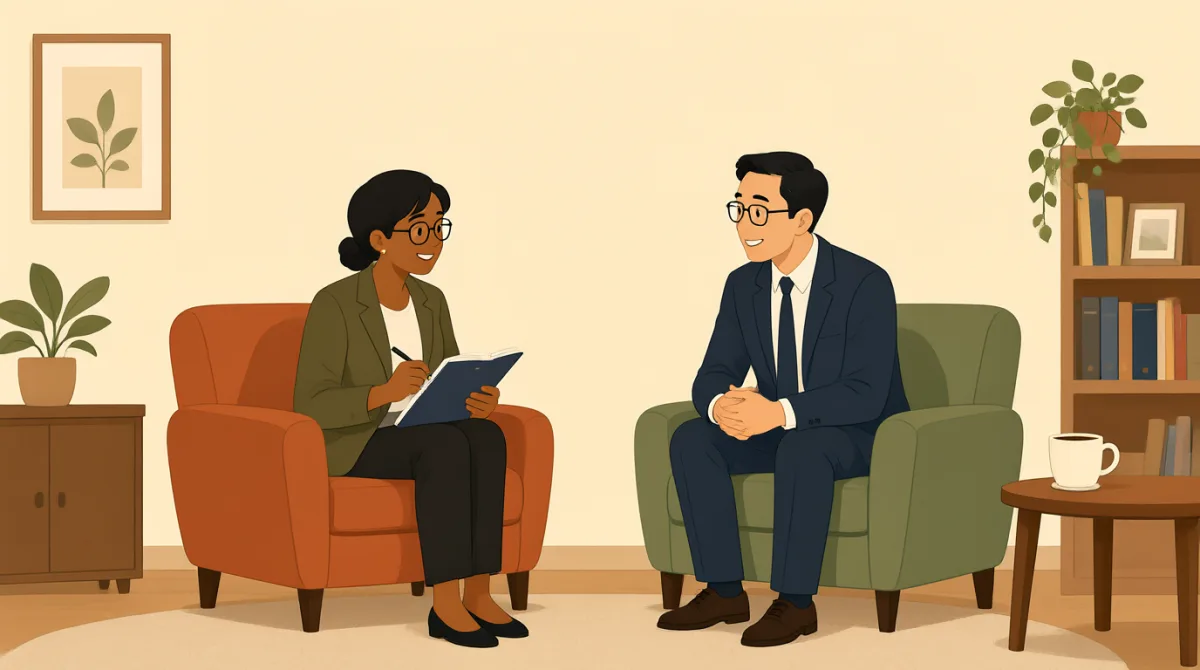

Before we meet with the family, I want to make sure I can explain the confirmed facts plainly and distinguish them from what we’re still investigating.
قبل از اینکه با خانواده دیدار کنیم، میخواهم مطمئن شوم میتوانم واقعیتهای تأییدشده را ساده و روشن توضیح بدهم و آنها را از مواردی که هنوز در حال بررسیشان هستیم جدا کنم.

That’s the right approach. The medication record confirms that the patient received a dose intended for a different schedule. We should not infer how the error occurred until the review establishes that.
روش درستی است. سوابق دارویی تأیید میکند که بیمار دوزی را دریافت کرده که برای برنامه زمانی دیگری در نظر گرفته شده بود. نباید دربارهٔ چگونگی وقوع خطا نتیجهگیری کنیم تا بررسیها آن را مشخص کند.
We also know his condition worsened afterward, and the care team treated him. But we can’t yet say with confidence that the incorrect dose caused the change in his condition.
همچنین میدانیم که بعد از آن حالش بدتر شد و تیم درمان به او رسیدگی کرد. اما هنوز نمیتوانیم با اطمینان بگوییم دوز اشتباه باعث تغییر وضعیتش شده است.
Exactly. Be transparent about the sequence, but don’t present timing as proof of causation. If his daughter asks whether the medication caused harm, tell her what’s known and what remains unresolved.
دقیقاً. دربارهٔ ترتیب رویدادها شفاف باشید، اما زمانبندی را دلیل قطعیِ رابطهٔ علت و معلولی جلوه ندهید. اگر دخترش پرسید آیا دارو به او آسیب زده، بگویید چه چیزهایی را میدانیم و چه چیزهایی هنوز روشن نشدهاند.
I’m concerned that saying “we’re still investigating” may sound evasive. I want to be honest about the uncertainty without making it seem as though we’re withholding information.
نگرانم که گفتنِ «هنوز داریم بررسی میکنیم» طفرهرفتن به نظر برسد. میخواهم دربارهٔ نامشخصبودن موضوع صادق باشم، بیآنکه اینطور به نظر برسد که اطلاعاتی را پنهان میکنیم.
Then pair the uncertainty with specifics: say what the record confirms, what the team has done, and what the review is examining. Avoid vague reassurance or promises about the outcome.
پس این نامشخصبودن را با جزئیات همراه کنید: بگویید سوابق چه چیزی را تأیید میکنند، تیم چه کارهایی انجام داده و بررسیها روی چه چیزی متمرکز است. از اطمینانبخشیِ مبهم یا وعدهدادن دربارهٔ نتیجه خودداری کنید.
Should I explain that the dose was given incorrectly, even though we don’t yet know whether it affected his condition? I don’t want the family to hear a softened version of what happened.
با اینکه هنوز نمیدانیم روی وضعیتش تأثیری داشته یا نه، باید توضیح بدهم که دوز دارو اشتباه داده شده؟ نمیخواهم خانواده روایت ملایمشدهای از اتفاق بشنوند.
Yes. Name the error directly. You can say the patient received medication in a way that did not match the prescribed schedule, then explain that the clinical impact is still being assessed.
بله. خطا را صریح بیان کنید. میتوانید بگویید دارو برخلاف برنامهٔ زمانیِ تجویزشده به بیمار داده شده و بعد توضیح دهید که تأثیر بالینی آن هنوز در حال ارزیابی است.
And if I don’t know the answer to something, I should say so, rather than fill the silence. I can tell her we’ll follow up when we have reliable information.
و اگر جواب چیزی را ندانم، باید همین را بگویم، نه اینکه برای پرکردن سکوت چیزی بگویم. میتوانم به او بگویم وقتی اطلاعات قابلاعتماد به دستمان رسید، پیگیری میکنیم.
Right. Don’t speculate about who was responsible or why it happened. We can explain that the review will examine the circumstances and share its findings with the family as they become available.
درست است. دربارهٔ اینکه چه کسی مسئول بوده یا چرا این اتفاق افتاده، گمانهزنی نکنید. میتوانیم توضیح دهیم که بررسیها شرایط را بررسی میکند و هر وقت یافتهها آماده شد، آنها را با خانواده در میان میگذاریم.
I’ll keep the conversation direct and leave room for their questions. I can’t undo the error, but I can make sure they hear an accurate account and know what we’re doing next.
گفتوگو را صریح پیش میبرم و برای پرسشهایشان هم فرصت میگذارم. نمیتوانم خطا را جبران کنم، اما میتوانم مطمئن شوم که شرح دقیقی از ماجرا میشنوند و میدانند قدم بعدی ما چیست.
That’s what they need from us: candor, not certainty we don’t have. If the conversation becomes difficult, pause, listen, and answer only what we can support with facts.
آنها همین را از ما میخواهند: صراحت، نه اطمینانی که نداریم. اگر گفتوگو دشوار شد، مکث کنید، گوش بدهید و فقط به چیزهایی پاسخ دهید که میتوانیم با واقعیتها تأییدشان کنیم.
واژگان8
- confirmed factsواقعیتهای تأییدشده
Information that has been verified and is supported by evidence. Use this phrase to distinguish established details from assumptions.
اطلاعاتی که راستیآزمایی شده و شواهد از آن پشتیبانی میکنند. از این عبارت برای جداکردن جزئیات قطعی از فرضها استفاده کنید.
- inferاستنباط کردن
To form a conclusion from available information, even when it has not been directly confirmed. Here, the speaker cautions against guessing how the error happened.
از اطلاعات موجود به نتیجهای رسیدن، حتی اگر آن نتیجه مستقیماً تأیید نشده باشد. در اینجا گوینده هشدار میدهد که دربارهٔ چگونگی وقوع خطا حدس نزنیم.
- with confidenceبا اطمینان
In a way that is sufficiently certain or well-supported. Use this phrase when explaining what can or cannot yet be stated as fact.
به شکلی که بهاندازهٔ کافی قطعی یا مستند باشد. وقتی توضیح میدهید چه چیزی را میتوان یا نمیتوان فعلاً بهعنوان واقعیت بیان کرد، از این عبارت استفاده کنید.
- causationرابطهٔ علت و معلولی
A relationship in which one event or action directly produces another. The dialogue distinguishes a sequence of events from proof that one caused the other.
رابطهای که در آن یک رویداد یا اقدام مستقیماً باعث رویداد دیگری میشود. در این گفتوگو، ترتیب رویدادها از اثبات اینکه یکی باعث دیگری شده متمایز میشود.
- evasiveطفرهآمیز
Seeming to avoid answering directly. This is useful when discussing how an honest but incomplete answer might be perceived.
به نظر برسد که کسی از پاسخدادن مستقیم خودداری میکند. این واژه برای صحبت دربارهٔ برداشتی مفید است که ممکن است از پاسخی صادقانه اما ناقص ایجاد شود.
- pair the uncertainty with specificsنامشخصبودن را با جزئیات همراه کردن
Explain what is not yet known while also giving concrete information that is known. This helps make an uncertain answer transparent rather than vague.
در کنار توضیح اینکه هنوز چه چیزی را نمیدانیم، اطلاعات مشخصی را هم که میدانیم بیان کنیم. این کار باعث میشود پاسخی که در آن ابهام وجود دارد شفاف باشد، نه مبهم.
- speculateگمانهزنی کردن
To make a guess without enough reliable evidence. In this context, it means avoiding unsupported claims about responsibility or causes.
بدون شواهد قابلاعتماد کافی حدسزدن. در این موقعیت، یعنی از ادعاهای بیپشتوانه دربارهٔ مسئولیت یا علتها پرهیز کنیم.
- candorصراحت
Honest, direct communication. The dialogue presents candor as more important than pretending to have certainty.
ارتباطی صادقانه و بیپرده. در این گفتوگو، صراحت مهمتر از وانمودکردن به داشتن اطمینان دانسته میشود.
جملات کلیدی8
- 1
Before we meet with the family, I want to make sure I can explain the confirmed facts plainly and distinguish them from what we’re still investigating.
قبل از اینکه با خانواده دیدار کنیم، میخواهم مطمئن شوم میتوانم واقعیتهای تأییدشده را ساده و روشن توضیح بدهم و آنها را از مواردی که هنوز در حال بررسیشان هستیم جدا کنم.
This sentence sets a careful, transparent goal for a difficult conversation. Reuse the structure “distinguish [known information] from [what remains uncertain]” when clarifying complex issues.
این جمله هدفی سنجیده و شفاف را برای گفتوگویی دشوار بیان میکند. برای روشنکردن مسائل پیچیده، از ساختار «[اطلاعات معلوم] را از [آنچه هنوز نامشخص است] جدا کردن» استفاده کنید.
- 2
We should not infer how the error occurred until the review establishes that.
نباید دربارهٔ چگونگی وقوع خطا نتیجهگیری کنیم تا بررسیها آن را مشخص کند.
This is a concise way to avoid presenting an unverified explanation as fact. Reuse “We should not infer [claim] until [evidence or process] establishes that” in professional discussions.
این جمله راهی مختصر برای پرهیز از بیان توضیحی تأییدنشده بهعنوان واقعیت است. در گفتوگوهای کاری، از ساختار «نباید دربارهٔ [ادعا] نتیجهگیری کنیم تا [شواهد یا فرایند] آن را مشخص کند» استفاده کنید.
- 3
But we can’t yet say with confidence that the incorrect dose caused the change in his condition.
اما هنوز نمیتوانیم با اطمینان بگوییم دوز اشتباه باعث تغییر وضعیتش شده است.
This sentence communicates uncertainty about causation without denying the known sequence of events. Reuse “We can’t yet say with confidence that…” when evidence is incomplete.
این جمله، بدون انکار ترتیب معلوم رویدادها، نامشخصبودن رابطهٔ علت و معلولی را بیان میکند. وقتی شواهد کامل نیستند، از «هنوز نمیتوانیم با اطمینان بگوییم که...» استفاده کنید.
- 4
Be transparent about the sequence, but don’t present timing as proof of causation.
دربارهٔ ترتیب رویدادها شفاف باشید، اما زمانبندی را دلیل قطعیِ رابطهٔ علت و معلولی جلوه ندهید.
This sentence gives practical guidance for describing events accurately without overstating what they prove. The contrastive pattern “Be [quality], but don’t [risk]” is useful for setting clear limits.
این جمله راهنمایی کاربردی برای توصیف دقیق رویدادهاست، بیآنکه بیش از آنچه ثابت میکنند ادعایی مطرح شود. الگوی تقابلی «[ویژگی] باشید، اما [از خطر] بپرهیزید» برای تعیین حدومرزهای روشن مفید است.
- 5
Then pair the uncertainty with specifics: say what the record confirms, what the team has done, and what the review is examining.
پس این نامشخصبودن را با جزئیات همراه کنید: بگویید سوابق چه چیزی را تأیید میکنند، تیم چه کارهایی انجام داده و بررسیها روی چه چیزی متمرکز است.
This provides a concrete method for making an uncertain response informative rather than evasive. Reuse “pair [uncertainty or concern] with specifics” when explaining how to communicate clearly.
این جمله روشی روشن برای مفیدکردن پاسخ نامطمئن، بهجای طفرهآمیزبودن آن، ارائه میدهد. هنگام توضیح اینکه چطور شفاف ارتباط برقرار کنیم، از عبارت «[نامشخصبودن یا نگرانی] را با جزئیات همراه کردن» استفاده کنید.
- 6
Name the error directly.
خطا را صریح بیان کنید.
This short sentence emphasizes the importance of using plain, direct language instead of softening difficult facts. It can be reused as advice when accurate disclosure matters.
این جملهٔ کوتاه بر اهمیت زبان ساده و مستقیم تأکید میکند و میگوید واقعیتهای دشوار را نباید ملایم جلوه داد. وقتی بیان دقیق واقعیت اهمیت دارد، میتوان از آن بهعنوان توصیه استفاده کرد.
- 7
I can tell her we’ll follow up when we have reliable information.
میتوانم به او بگویم وقتی اطلاعات قابلاعتماد به دستمان رسید، پیگیری میکنیم.
This offers a clear next step without promising an answer before the facts are known. Reuse “We’ll follow up when we have reliable information” to set a realistic expectation.
این جمله گام بعدی روشنی را پیشنهاد میکند، بیآنکه پیش از روشنشدن واقعیتها قول پاسخ بدهد. برای تعیین انتظاری واقعبینانه، از عبارت «وقتی اطلاعات قابلاعتماد به دستمان رسید، پیگیری میکنیم» استفاده کنید.
- 8
That’s what they need from us: candor, not certainty we don’t have.
آنها همین را از ما میخواهند: صراحت، نه اطمینانی که نداریم.
This sentence contrasts honesty with unsupported confidence and summarizes the approach to the conversation. The pattern “They need [quality], not [thing we cannot provide]” is useful for emphasizing priorities.
این جمله صداقت را در برابر اطمینان بیپشتوانه قرار میدهد و رویکرد گفتوگو را خلاصه میکند. الگوی «آنها [ویژگی] را میخواهند، نه [چیزی را که نمیتوانیم فراهم کنیم]» برای تأکید بر اولویتها مفید است.