Preparing With the Risk Manager
الاستعداد مع مسؤول إدارة المخاطر
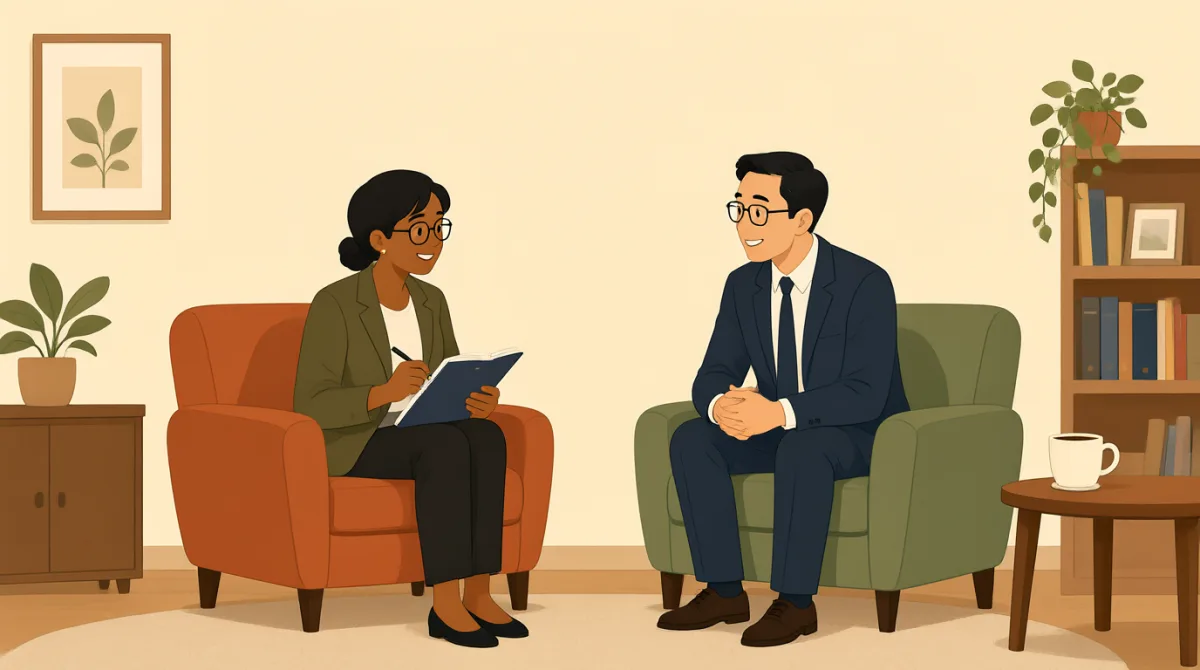
Dr. Mia Patel meets with risk manager David Chen before speaking with the family. They review the confirmed facts, consider what remains uncertain, and plan how to disclose the error clearly without speculating.
تلتقي الدكتورة ميا باتيل بمسؤول إدارة المخاطر ديفيد تشين قبل التحدث إلى الأسرة. يراجعان الوقائع المؤكدة، ويناقشان ما لا يزال غير محسوم، ويخططان لكيفية الإفصاح عن الخطأ بوضوح من دون تكهن.
حوار12

Before we meet with the family, I want to make sure I can explain the confirmed facts plainly and distinguish them from what we’re still investigating.
قبل أن نلتقي بالأسرة، أريد أن أتأكد من أنني أستطيع شرح الوقائع المؤكدة بوضوح، وتمييزها عما لا نزال نتحرى عنه.

That’s the right approach. The medication record confirms that the patient received a dose intended for a different schedule. We should not infer how the error occurred until the review establishes that.
هذا هو النهج الصحيح. يؤكد سجل الأدوية أن المريض تلقى جرعة مخصصة لجدول مختلف. ينبغي ألا نستنتج كيف وقع الخطأ إلى أن يثبت ذلك التحقيق.
We also know his condition worsened afterward, and the care team treated him. But we can’t yet say with confidence that the incorrect dose caused the change in his condition.
نعلم أيضًا أن حالته ساءت بعد ذلك، وأن فريق الرعاية عالجه. لكن لا يمكننا حتى الآن أن نقول بثقة إن الجرعة غير الصحيحة تسببت في تغير حالته.
Exactly. Be transparent about the sequence, but don’t present timing as proof of causation. If his daughter asks whether the medication caused harm, tell her what’s known and what remains unresolved.
بالضبط. كوني شفافة بشأن تسلسل الأحداث، لكن لا تقدّمي التوقيت على أنه دليل على السببية. إذا سألت ابنته عما إذا كان الدواء قد ألحق به ضررًا، فأخبريها بما نعرفه وما لا يزال غير محسوم.
I’m concerned that saying “we’re still investigating” may sound evasive. I want to be honest about the uncertainty without making it seem as though we’re withholding information.
أخشى أن يبدو قول «ما زلنا نتحرى» مراوغًا. أريد أن أكون صريحة بشأن ما لا نعرفه، من دون أن أبدو وكأننا نحجب معلومات.
Then pair the uncertainty with specifics: say what the record confirms, what the team has done, and what the review is examining. Avoid vague reassurance or promises about the outcome.
إذًا اقرني ما لا نعرفه بتفاصيل محددة: اذكري ما يؤكده السجل، وما فعله الفريق، وما يدرسه التحقيق. وتجنبي التطمينات المبهمة أو الوعود بشأن النتيجة.
Should I explain that the dose was given incorrectly, even though we don’t yet know whether it affected his condition? I don’t want the family to hear a softened version of what happened.
هل ينبغي أن أوضح أن الجرعة أُعطيت على نحو غير صحيح، رغم أننا لا نعرف بعد ما إذا كانت قد أثرت في حالته؟ لا أريد أن تسمع الأسرة رواية مخففة لما حدث.
Yes. Name the error directly. You can say the patient received medication in a way that did not match the prescribed schedule, then explain that the clinical impact is still being assessed.
نعم. اذكري الخطأ مباشرة. يمكنك أن تقولي إن المريض تلقى الدواء بطريقة لا تتوافق مع الجدول الموصوف، ثم توضحي أن الأثر السريري لا يزال قيد التقييم.
And if I don’t know the answer to something, I should say so, rather than fill the silence. I can tell her we’ll follow up when we have reliable information.
وإذا لم أعرف إجابة سؤال ما، فعليّ أن أقول ذلك بدلًا من ملء الصمت. يمكنني إخبارها بأننا سنتابع معها عندما تتوفر لدينا معلومات موثوقة.
Right. Don’t speculate about who was responsible or why it happened. We can explain that the review will examine the circumstances and share its findings with the family as they become available.
صحيح. لا تتكهني بشأن المسؤول عن الأمر أو سبب حدوثه. يمكننا أن نوضح أن التحقيق سيدرس ملابسات الواقعة، وسنطلع الأسرة على نتائجه فور توفرها.
I’ll keep the conversation direct and leave room for their questions. I can’t undo the error, but I can make sure they hear an accurate account and know what we’re doing next.
سأحرص على أن يكون الحديث مباشرًا، وأن أترك مجالًا لأسئلتهم. لا أستطيع التراجع عن الخطأ، لكن يمكنني التأكد من أنهم سيسمعون رواية دقيقة ويعرفون ما سنفعله بعد ذلك.
That’s what they need from us: candor, not certainty we don’t have. If the conversation becomes difficult, pause, listen, and answer only what we can support with facts.
هذا ما يحتاجون إليه منا: الصراحة، لا يقينًا لا نملكه. إذا صار الحديث صعبًا، فتوقفي قليلًا، واستمعي، ولا تجيبي إلا بما يمكننا دعمه بالوقائع.
المفردات8
- confirmed factsالوقائع المؤكدة
Information that has been verified and is supported by evidence. Use this phrase to distinguish established details from assumptions.
معلومات جرى التحقق منها وتدعمها الأدلة. استخدم هذا التعبير للتمييز بين التفاصيل الثابتة والافتراضات.
- inferيستنتج
To form a conclusion from available information, even when it has not been directly confirmed. Here, the speaker cautions against guessing how the error happened.
أن تتوصل إلى نتيجة استنادًا إلى المعلومات المتاحة، حتى إن لم تُؤكَّد مباشرة. هنا، يحذر المتحدث من التخمين بشأن كيفية وقوع الخطأ.
- with confidenceبثقة
In a way that is sufficiently certain or well-supported. Use this phrase when explaining what can or cannot yet be stated as fact.
بدرجة كافية من اليقين أو الاستناد إلى الأدلة. استخدم هذا التعبير عند توضيح ما يمكن أو لا يمكن الجزم به كحقيقة حتى الآن.
- causationالسببية
A relationship in which one event or action directly produces another. The dialogue distinguishes a sequence of events from proof that one caused the other.
علاقة ينتج فيها حدث أو فعل حدثًا آخر مباشرة. يميز الحوار بين تعاقب الأحداث ووجود دليل على أن أحدها تسبب في الآخر.
- evasiveمراوغ
Seeming to avoid answering directly. This is useful when discussing how an honest but incomplete answer might be perceived.
يبدو كأنه يتجنب الإجابة المباشرة. يفيد هذا التعبير عند مناقشة كيف يمكن أن يُفهم جواب صريح لكنه غير مكتمل.
- pair the uncertainty with specificsاقرن ما لا تعرفه بتفاصيل محددة
Explain what is not yet known while also giving concrete information that is known. This helps make an uncertain answer transparent rather than vague.
اشرح ما لم يتضح بعد، مع تقديم معلومات ملموسة معروفة. يساعد ذلك على جعل الإجابة التي تعبّر عن عدم اليقين واضحة بدلًا من أن تكون مبهمة.
- speculateيتكهّن
To make a guess without enough reliable evidence. In this context, it means avoiding unsupported claims about responsibility or causes.
أن تخمّن من دون أدلة موثوقة كافية. في هذا السياق، يعني تجنب الادعاءات غير المدعومة بشأن المسؤولية أو الأسباب.
- candorالصراحة
Honest, direct communication. The dialogue presents candor as more important than pretending to have certainty.
التواصل الصادق والمباشر. يعرض الحوار الصراحة على أنها أهم من التظاهر باليقين.
الجمل الأساسية8
- 1
Before we meet with the family, I want to make sure I can explain the confirmed facts plainly and distinguish them from what we’re still investigating.
قبل أن نلتقي بالأسرة، أريد أن أتأكد من أنني أستطيع شرح الوقائع المؤكدة بوضوح، وتمييزها عما لا نزال نتحرى عنه.
This sentence sets a careful, transparent goal for a difficult conversation. Reuse the structure “distinguish [known information] from [what remains uncertain]” when clarifying complex issues.
تحدد هذه الجملة هدفًا حذرًا وشفافًا لمحادثة صعبة. أعد استخدام التركيب “distinguish [known information] from [what remains uncertain]” عند توضيح مسائل معقدة.
- 2
We should not infer how the error occurred until the review establishes that.
ينبغي ألا نستنتج كيف وقع الخطأ إلى أن يثبت التحقيق ذلك.
This is a concise way to avoid presenting an unverified explanation as fact. Reuse “We should not infer [claim] until [evidence or process] establishes that” in professional discussions.
هذه طريقة موجزة لتجنب عرض تفسير غير متحقق منه على أنه حقيقة. أعد استخدام “We should not infer [claim] until [evidence or process] establishes that” في النقاشات المهنية.
- 3
But we can’t yet say with confidence that the incorrect dose caused the change in his condition.
لكن لا يمكننا حتى الآن أن نقول بثقة إن الجرعة غير الصحيحة تسببت في تغير حالته.
This sentence communicates uncertainty about causation without denying the known sequence of events. Reuse “We can’t yet say with confidence that…” when evidence is incomplete.
تعبّر هذه الجملة عن عدم اليقين بشأن السببية من دون إنكار تسلسل الأحداث المعروف. أعد استخدام “We can’t yet say with confidence that…” عندما تكون الأدلة غير مكتملة.
- 4
Be transparent about the sequence, but don’t present timing as proof of causation.
كونوا واضحين بشأن تسلسل الأحداث، لكن لا تقدّموا التوقيت على أنه دليل على السببية.
This sentence gives practical guidance for describing events accurately without overstating what they prove. The contrastive pattern “Be [quality], but don’t [risk]” is useful for setting clear limits.
تقدم هذه الجملة إرشادًا عمليًا لوصف الأحداث بدقة من دون المبالغة فيما تثبته. يفيد النمط المقابِل “Be [quality], but don’t [risk]” في وضع حدود واضحة.
- 5
Then pair the uncertainty with specifics: say what the record confirms, what the team has done, and what the review is examining.
إذًا اقرنوا ما لا تعرفونه بتفاصيل محددة: اذكروا ما يؤكده السجل، وما فعله الفريق، وما يدرسه التحقيق.
This provides a concrete method for making an uncertain response informative rather than evasive. Reuse “pair [uncertainty or concern] with specifics” when explaining how to communicate clearly.
تقدم هذه الجملة طريقة ملموسة لجعل الإجابة التي تعبّر عن عدم اليقين مفيدة بدلًا من أن تبدو مراوغة. أعد استخدام “pair [uncertainty or concern] with specifics” عند شرح كيفية التواصل بوضوح.
- 6
Name the error directly.
اذكروا الخطأ مباشرة.
This short sentence emphasizes the importance of using plain, direct language instead of softening difficult facts. It can be reused as advice when accurate disclosure matters.
تؤكد هذه الجملة القصيرة أهمية استخدام لغة واضحة ومباشرة بدلًا من التخفيف من حدة الوقائع الصعبة. ويمكن إعادة استخدامها نصيحةً عندما يكون الإفصاح الدقيق مهمًا.
- 7
I can tell her we’ll follow up when we have reliable information.
يمكنني أن أخبرها بأننا سنتابع معها عندما تتوفر لدينا معلومات موثوقة.
This offers a clear next step without promising an answer before the facts are known. Reuse “We’ll follow up when we have reliable information” to set a realistic expectation.
توضح هذه الجملة الخطوة التالية من دون الوعد بإجابة قبل معرفة الوقائع. أعد استخدام “We’ll follow up when we have reliable information” لتحديد توقعات واقعية.
- 8
That’s what they need from us: candor, not certainty we don’t have.
هذا ما يحتاجونه منا: الصراحة، لا يقينًا لا نملكه.
This sentence contrasts honesty with unsupported confidence and summarizes the approach to the conversation. The pattern “They need [quality], not [thing we cannot provide]” is useful for emphasizing priorities.
تقارن هذه الجملة بين الصدق والثقة التي لا تدعمها الأدلة، وتلخص النهج المتبع في المحادثة. يفيد النمط “They need [quality], not [thing we cannot provide]” في توضيح الأولويات.