Preparing With the Risk Manager
जोखिम प्रबंधक के साथ तैयारी
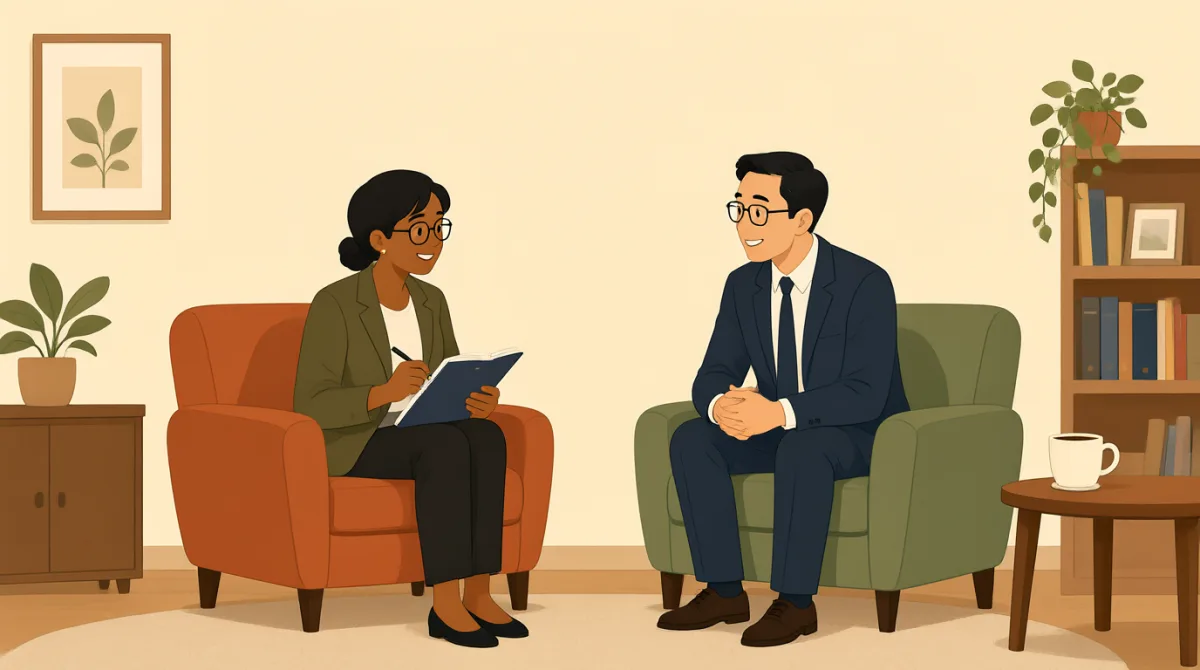
Dr. Mia Patel meets with risk manager David Chen before speaking with the family. They review the confirmed facts, consider what remains uncertain, and plan how to disclose the error clearly without speculating.
परिवार से बात करने से पहले डॉ. मिया पटेल जोखिम प्रबंधक डेविड चेन से मिलती हैं। वे पुष्ट तथ्यों की समीक्षा करते हैं, देखते हैं कि क्या अभी अनिश्चित है, और बिना अटकल लगाए गलती को स्पष्ट रूप से बताने की योजना बनाते हैं।
संवाद12

Before we meet with the family, I want to make sure I can explain the confirmed facts plainly and distinguish them from what we’re still investigating.
परिवार से मिलने से पहले, मैं यह सुनिश्चित करना चाहती हूँ कि पुष्ट तथ्यों को साफ़-साफ़ समझा सकूँ और उन्हें उन बातों से अलग बता सकूँ जिनकी हम अभी जाँच कर रहे हैं।

That’s the right approach. The medication record confirms that the patient received a dose intended for a different schedule. We should not infer how the error occurred until the review establishes that.
यह सही तरीका है। दवा के रिकॉर्ड से पुष्टि होती है कि मरीज़ को ऐसी खुराक दी गई जो किसी दूसरे समय-सारणी के लिए निर्धारित थी। समीक्षा से यह स्थापित होने तक कि गलती कैसे हुई, हमें इसका अनुमान नहीं लगाना चाहिए।
We also know his condition worsened afterward, and the care team treated him. But we can’t yet say with confidence that the incorrect dose caused the change in his condition.
हमें यह भी पता है कि उसके बाद उसकी हालत बिगड़ी और देखभाल करने वाली टीम ने उसका इलाज किया। लेकिन अभी हम विश्वास के साथ यह नहीं कह सकते कि गलत खुराक के कारण उसकी हालत में बदलाव आया।
Exactly. Be transparent about the sequence, but don’t present timing as proof of causation. If his daughter asks whether the medication caused harm, tell her what’s known and what remains unresolved.
बिल्कुल। घटनाओं का क्रम पारदर्शी ढंग से बताइए, लेकिन समय के क्रम को कारण होने का प्रमाण मत बताइए। अगर उसकी बेटी पूछे कि क्या दवा से नुकसान हुआ, तो उसे बताइए कि क्या मालूम है और क्या अभी स्पष्ट नहीं है।
I’m concerned that saying “we’re still investigating” may sound evasive. I want to be honest about the uncertainty without making it seem as though we’re withholding information.
मुझे चिंता है कि “हम अभी जाँच कर रहे हैं” कहने से ऐसा लग सकता है कि हम सीधा जवाब देने से बच रहे हैं। मैं अनिश्चितता के बारे में ईमानदार रहना चाहती हूँ, लेकिन ऐसा नहीं लगना चाहिए कि हम जानकारी छिपा रहे हैं।
Then pair the uncertainty with specifics: say what the record confirms, what the team has done, and what the review is examining. Avoid vague reassurance or promises about the outcome.
तो अनिश्चितता के साथ ठोस बातें भी बताइए: रिकॉर्ड से किस बात की पुष्टि होती है, टीम ने क्या किया है और समीक्षा में किन बातों की जाँच हो रही है। अस्पष्ट आश्वासन देने या नतीजे के बारे में वादे करने से बचिए।
Should I explain that the dose was given incorrectly, even though we don’t yet know whether it affected his condition? I don’t want the family to hear a softened version of what happened.
क्या मुझे यह साफ़-साफ़ बताना चाहिए कि खुराक गलत तरीके से दी गई थी, जबकि हमें अभी नहीं पता कि उससे उसकी हालत पर असर पड़ा या नहीं? मैं नहीं चाहती कि परिवार को जो हुआ उसका नरम किया हुआ रूप सुनने को मिले।
Yes. Name the error directly. You can say the patient received medication in a way that did not match the prescribed schedule, then explain that the clinical impact is still being assessed.
हाँ। गलती को सीधे तौर पर बताइए। आप कह सकती हैं कि मरीज़ को दवा निर्धारित समय-सारणी के अनुसार नहीं दी गई, और फिर समझा सकती हैं कि उसके चिकित्सकीय असर का अभी आकलन किया जा रहा है।
And if I don’t know the answer to something, I should say so, rather than fill the silence. I can tell her we’ll follow up when we have reliable information.
और अगर मुझे किसी बात का जवाब न पता हो, तो मुझे चुप्पी भरने के लिए कुछ कहने के बजाय यह बता देना चाहिए। मैं उनसे कह सकती हूँ कि विश्वसनीय जानकारी मिलने पर हम उनसे फिर संपर्क करेंगे।
Right. Don’t speculate about who was responsible or why it happened. We can explain that the review will examine the circumstances and share its findings with the family as they become available.
बिल्कुल। यह अनुमान मत लगाइए कि ज़िम्मेदार कौन था या ऐसा क्यों हुआ। हम समझा सकते हैं कि समीक्षा में परिस्थितियों की जाँच की जाएगी और निष्कर्ष उपलब्ध होते ही परिवार के साथ साझा किए जाएँगे।
I’ll keep the conversation direct and leave room for their questions. I can’t undo the error, but I can make sure they hear an accurate account and know what we’re doing next.
मैं बातचीत सीधी रखूँगी और उनके सवालों के लिए जगह छोड़ूँगी। मैं गलती को पहले जैसा नहीं कर सकती, लेकिन यह ज़रूर सुनिश्चित कर सकती हूँ कि उन्हें सही जानकारी मिले और पता हो कि हम आगे क्या कर रहे हैं।
That’s what they need from us: candor, not certainty we don’t have. If the conversation becomes difficult, pause, listen, and answer only what we can support with facts.
उन्हें हमसे यही चाहिए: स्पष्ट और ईमानदार बात, न कि ऐसा यक़ीन जिसका हमारे पास आधार ही नहीं है। अगर बातचीत मुश्किल हो जाए, तो रुकिए, उनकी बात सुनिए और सिर्फ़ उन्हीं बातों का जवाब दीजिए जिन्हें तथ्यों से पुष्ट कर सकते हैं।
शब्दावली8
- confirmed factsपुष्ट तथ्य
Information that has been verified and is supported by evidence. Use this phrase to distinguish established details from assumptions.
ऐसी जानकारी जिसकी जाँच हो चुकी हो और जिसे सबूतों का समर्थन प्राप्त हो। इस पदबंध का उपयोग स्थापित बातों को धारणाओं से अलग बताने के लिए करें।
- inferअनुमान लगाना
To form a conclusion from available information, even when it has not been directly confirmed. Here, the speaker cautions against guessing how the error happened.
उपलब्ध जानकारी से निष्कर्ष निकालना, भले ही उसकी सीधे पुष्टि न हुई हो। यहाँ वक्ता सावधान कर रहे हैं कि गलती कैसे हुई, इसका अंदाज़ा न लगाया जाए।
- with confidenceविश्वास के साथ
In a way that is sufficiently certain or well-supported. Use this phrase when explaining what can or cannot yet be stated as fact.
इतनी निश्चितता या पर्याप्त आधार के साथ कि किसी बात को भरोसे से कहा जा सके। इस पदबंध का उपयोग यह बताने के लिए करें कि किसी बात को अभी तथ्य के रूप में कहा जा सकता है या नहीं।
- causationकारणता
A relationship in which one event or action directly produces another. The dialogue distinguishes a sequence of events from proof that one caused the other.
ऐसा संबंध जिसमें कोई घटना या कार्रवाई सीधे तौर पर दूसरी घटना को जन्म देती है। संवाद में घटनाओं के क्रम और इस प्रमाण के बीच अंतर बताया गया है कि एक घटना दूसरी का कारण बनी।
- evasiveटालमटोल करता हुआ
Seeming to avoid answering directly. This is useful when discussing how an honest but incomplete answer might be perceived.
ऐसा लगना कि कोई सीधे जवाब देने से बच रहा है। ईमानदार लेकिन अधूरे जवाब को दूसरे लोग किस तरह समझ सकते हैं, इस पर बात करते समय यह उपयोगी है।
- pair the uncertainty with specificsअनिश्चितता के साथ ठोस बातें बताना
Explain what is not yet known while also giving concrete information that is known. This helps make an uncertain answer transparent rather than vague.
जो अभी मालूम नहीं है, उसे बताते हुए ऐसी ठोस जानकारी भी दें जो मालूम है। इससे अनिश्चित जवाब अस्पष्ट लगने के बजाय पारदर्शी बनता है।
- speculateअटकल लगाना
To make a guess without enough reliable evidence. In this context, it means avoiding unsupported claims about responsibility or causes.
पर्याप्त विश्वसनीय सबूत के बिना अंदाज़ा लगाना। इस संदर्भ में इसका मतलब है ज़िम्मेदारी या कारणों के बारे में बिना आधार के दावे करने से बचना।
- candorस्पष्टवादिता
Honest, direct communication. The dialogue presents candor as more important than pretending to have certainty.
ईमानदार और सीधी बातचीत। संवाद में स्पष्टवादिता को ऐसा दिखावा करने से ज़्यादा अहम बताया गया है मानो पूरी निश्चितता हो।
मुख्य वाक्य8
- 1
Before we meet with the family, I want to make sure I can explain the confirmed facts plainly and distinguish them from what we’re still investigating.
परिवार से मिलने से पहले, मैं यह सुनिश्चित करना चाहती हूँ कि पुष्ट तथ्यों को साफ़-साफ़ समझा सकूँ और उन्हें उन बातों से अलग बता सकूँ जिनकी हम अभी जाँच कर रहे हैं।
This sentence sets a careful, transparent goal for a difficult conversation. Reuse the structure “distinguish [known information] from [what remains uncertain]” when clarifying complex issues.
यह वाक्य एक कठिन बातचीत के लिए सोच-समझकर और पारदर्शी ढंग से लक्ष्य तय करता है। जटिल मुद्दों को स्पष्ट करते समय “distinguish [known information] from [what remains uncertain]” की संरचना दोबारा इस्तेमाल करें।
- 2
We should not infer how the error occurred until the review establishes that.
समीक्षा से यह स्थापित होने तक कि गलती कैसे हुई, हमें इसका अनुमान नहीं लगाना चाहिए।
This is a concise way to avoid presenting an unverified explanation as fact. Reuse “We should not infer [claim] until [evidence or process] establishes that” in professional discussions.
बिना पुष्टि वाली व्याख्या को तथ्य के रूप में पेश करने से बचने का यह एक संक्षिप्त तरीका है। पेशेवर बातचीत में “We should not infer [claim] until [evidence or process] establishes that” का दोबारा उपयोग करें।
- 3
But we can’t yet say with confidence that the incorrect dose caused the change in his condition.
लेकिन अभी हम विश्वास के साथ यह नहीं कह सकते कि गलत खुराक के कारण उसकी हालत में बदलाव आया।
This sentence communicates uncertainty about causation without denying the known sequence of events. Reuse “We can’t yet say with confidence that…” when evidence is incomplete.
यह वाक्य घटनाओं के ज्ञात क्रम को नकारे बिना कारणता के बारे में अनिश्चितता बताता है। जब सबूत अधूरे हों, तो “We can’t yet say with confidence that…” का दोबारा उपयोग करें।
- 4
Be transparent about the sequence, but don’t present timing as proof of causation.
घटनाओं का क्रम पारदर्शी ढंग से बताइए, लेकिन समय के क्रम को कारण होने का प्रमाण मत बताइए।
This sentence gives practical guidance for describing events accurately without overstating what they prove. The contrastive pattern “Be [quality], but don’t [risk]” is useful for setting clear limits.
यह वाक्य घटनाओं का सटीक वर्णन करने और उनके प्रमाण से अधिक दावा न करने के लिए व्यावहारिक मार्गदर्शन देता है। स्पष्ट सीमाएँ तय करने के लिए “Be [quality], but don’t [risk]” का विरोध दर्शाने वाला ढाँचा उपयोगी है।
- 5
Then pair the uncertainty with specifics: say what the record confirms, what the team has done, and what the review is examining.
तो अनिश्चितता के साथ ठोस बातें भी बताइए: रिकॉर्ड से किस बात की पुष्टि होती है, टीम ने क्या किया है और समीक्षा में किन बातों की जाँच हो रही है।
This provides a concrete method for making an uncertain response informative rather than evasive. Reuse “pair [uncertainty or concern] with specifics” when explaining how to communicate clearly.
यह अनिश्चित जवाब को टालमटोल के बजाय जानकारीपूर्ण बनाने का ठोस तरीका बताता है। स्पष्ट रूप से बात करने का तरीका समझाते समय “pair [uncertainty or concern] with specifics” का दोबारा उपयोग करें।
- 6
Name the error directly.
गलती को सीधे तौर पर बताइए।
This short sentence emphasizes the importance of using plain, direct language instead of softening difficult facts. It can be reused as advice when accurate disclosure matters.
यह छोटा वाक्य कठिन तथ्यों को नरम करके बताने के बजाय सरल और सीधे शब्दों का उपयोग करने की अहमियत पर ज़ोर देता है। जब सही जानकारी देना ज़रूरी हो, तो इसे सलाह के रूप में दोबारा इस्तेमाल किया जा सकता है।
- 7
I can tell her we’ll follow up when we have reliable information.
मैं उनसे कह सकती हूँ कि विश्वसनीय जानकारी मिलने पर हम उनसे फिर संपर्क करेंगे।
This offers a clear next step without promising an answer before the facts are known. Reuse “We’ll follow up when we have reliable information” to set a realistic expectation.
यह तथ्यों के सामने आने से पहले जवाब देने का वादा किए बिना अगला कदम साफ़ बताता है। यथार्थवादी अपेक्षा तय करने के लिए “We’ll follow up when we have reliable information” का दोबारा उपयोग करें।
- 8
That’s what they need from us: candor, not certainty we don’t have.
उन्हें हमसे यही चाहिए: स्पष्ट और ईमानदार बात, न कि ऐसा यक़ीन जिसका हमारे पास आधार ही नहीं है।
This sentence contrasts honesty with unsupported confidence and summarizes the approach to the conversation. The pattern “They need [quality], not [thing we cannot provide]” is useful for emphasizing priorities.
यह वाक्य ईमानदारी और बिना आधार के भरोसे के बीच अंतर बताता है और बातचीत के तरीके का सार प्रस्तुत करता है। प्राथमिकताओं पर ज़ोर देने के लिए “They need [quality], not [thing we cannot provide]” का ढाँचा उपयोगी है।