Planning the Investigation With an Editor
برنامهریزی برای تحقیق با سردبیر
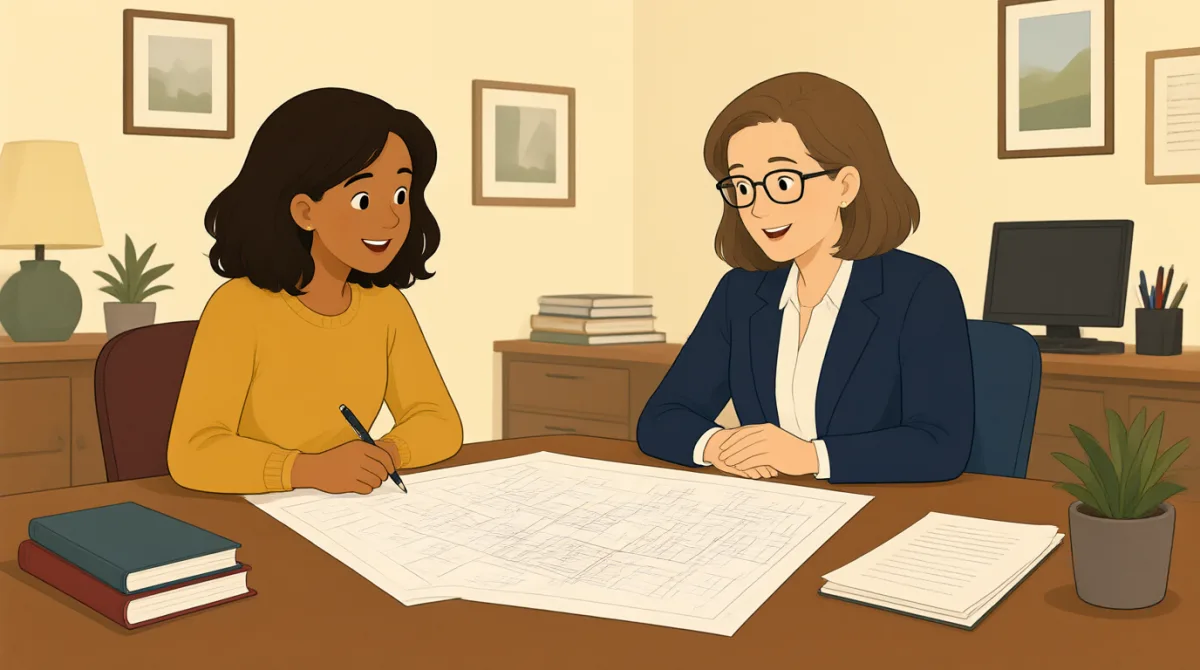
Reporter Emma Carter briefs editor Grace Wilson on allegations of improper safety inspections at a local plant. They map out what is known, what remains unverified, and how to approach a source who may be reluctant to speak.
اما کارتر، خبرنگار، سردبیرش گریس ویلسون را در جریان اتهامهایی دربارهٔ انجامنشدن بازرسیهای ایمنی در یک کارخانهٔ محلی میگذارد. آنها بررسی میکنند چه چیزهایی معلوم است، چه مواردی هنوز تأیید نشده و چطور باید با منبعی صحبت کرد که ممکن است تمایلی به حرفزدن نداشته باشد.
گفتوگو10

I’ve received two accounts alleging that safety inspections at the plant were signed off without being completed. I want to separate what we can document from what we’ve only been told.
دو روایت دریافت کردهام که میگویند برگههای بازرسی ایمنی کارخانه را بدون انجام بازرسی امضا کردهاند. میخواهم آنچه را میتوانیم مستند کنیم از چیزهایی که فقط به ما گفتهاند جدا کنم.

Good. At this stage, treat those accounts as leads, not findings. What do the records actually show, and do the two sources have firsthand knowledge?
خوبه. فعلاً این روایتها رو سرنخ بدون، نه یافتهٔ قطعی. سوابق واقعاً چه چیزی رو نشون میدن؟ و آیا هر دو منبع اطلاعات دستاول دارن؟
One worked on the inspection team; the other says they saw completed forms entered after the fact. I haven’t seen the original forms, and neither has provided documentation yet.
یکی از آنها در گروه بازرسی کار میکرده؛ دیگری میگوید دیده که فرمهای تکمیلشده را بعداً ثبت کردهاند. من اصل فرمها را ندیدهام و هیچکدام هم هنوز مدرکی ارائه نکردهاند.
Then don’t collapse those into one claim. Ask each person what they observed directly, when they observed it, and what they’re inferring from someone else’s account.
پس اینها رو در هم ادغام نکن و به یک ادعا تبدیل نکن. از هر نفر بپرس دقیقاً چه چیزی رو خودش دیده، چه زمانی دیده و چه چیزی رو از روایت شخص دیگه برداشت کرده.
I’m trying to reach a former employee who may know how the records were handled. They’re wary of being identified and haven’t agreed to speak yet.
دارم تلاش میکنم با یکی از کارکنان سابق تماس بگیرم که شاید بداند با سوابق چطور برخورد میشده. نگران است هویتش فاش شود و هنوز حاضر نشده صحبت کند.
Be clear about the purpose of the conversation and the ground rules before asking anything sensitive. Don’t promise anonymity unless we can realistically protect it.
قبل از پرسیدن هر سؤال حساسی، هدف گفتوگو و قواعدش رو روشن توضیح بده. قول ناشناسماندن نده، مگر اینکه واقعاً بتونیم ازش محافظت کنیم.
I can explain that we’ll discuss attribution first and that they can decline questions. But I can’t guarantee their identity could never be inferred from the details.
میتونم توضیح بدم که اول دربارهٔ نحوهٔ ذکر نامش توافق میکنیم و اینکه میتونه به سؤالها جواب نده. اما نمیتونم تضمین کنم که هیچوقت از روی جزئیات نتونن هویتش رو حدس بزنن.
Exactly. Also, don’t imply that a source’s account proves misconduct. We need the inspection logs, the underlying forms, and a response from the plant before drawing conclusions.
دقیقاً. همینطور طوری حرف نزن که انگار روایت یک منبع تخلف رو ثابت میکنه. قبل از نتیجهگیری، به گزارشهای بازرسی، فرمهای اصلی و پاسخ کارخانه نیاز داریم.
I’ll request the public logs and look for dates, signatures, and any gaps that can be independently checked. If something conflicts, I’ll ask whether there’s a routine explanation.
گزارشهای عمومی رو درخواست میکنم و دنبال تاریخها، امضاها و هر مورد ناقصی میگردم که بشه مستقلاً بررسیش کرد. اگر چیزی با بقیه جور درنیاد، میپرسم آیا توضیح معمولیای براش وجود داره یا نه.
And keep a careful record of what we asked and what each person said. If the source agrees to speak, we can revisit attribution after we understand the evidence and the risks.
و با دقت ثبت کن که چه سؤالهایی پرسیدیم و هرکس چه جوابی داد. اگر منبع قبول کرد صحبت کنه، بعد از اینکه شواهد و خطرها رو بررسی کردیم میتونیم دوباره دربارهٔ نحوهٔ ذکر نامش تصمیم بگیریم.
واژگان7
- leadsسرنخها
Leads are pieces of information that may help an investigation but have not been confirmed. Here, the accounts point to issues that still need to be checked.
سرنخها اطلاعاتی هستند که ممکن است به یک تحقیق کمک کنند، اما هنوز تأیید نشدهاند. اینجا، روایتها به مواردی اشاره میکنند که هنوز باید بررسی شوند.
- firsthand knowledgeاطلاعات دستاول
This means knowing something from your own direct experience, rather than hearing it from someone else. Journalists ask about it to assess how reliable a source’s information may be.
این عبارت یعنی چیزی را از تجربهٔ مستقیم خودتان بدانید، نه اینکه آن را از شخص دیگری شنیده باشید. خبرنگارها دربارهٔ این موضوع میپرسند تا میزان اعتبار اطلاعات یک منبع را بسنجند.
- after the factبعد از واقعه
This means something was done after the event it was supposed to record. Here, the phrase suggests forms may have been entered after the inspections took place.
این عبارت یعنی کاری پس از رویدادی انجام شده که قرار بوده آن را ثبت کند. اینجا، منظور این است که شاید فرمها بعد از انجام بازرسیها ثبت شده باشند.
- ground rulesقواعد گفتوگو
Ground rules are the conditions or expectations agreed on before a conversation. In an interview, they can cover attribution, confidentiality, and the source’s right not to answer.
قواعد گفتوگو شرایط یا انتظاراتی هستند که پیش از یک گفتوگو بر سر آنها توافق میشود. در مصاحبه، این قواعد میتوانند نحوهٔ ذکر نام منبع، محرمانگی و حق پاسخندادن به سؤالها را در بر بگیرند.
- attributionنحوهٔ ذکر منبع
Attribution is how a journalist identifies or describes the source of information. It matters because a source may agree to speak only under certain conditions.
نحوهٔ ذکر منبع یعنی اینکه خبرنگار منبع اطلاعات را چطور معرفی یا توصیف میکند. این موضوع مهم است، چون ممکن است منبع فقط با شرایط خاصی حاضر به صحبت باشد.
- independently checkedقابل بررسیِ مستقل
This describes information that can be verified using evidence separate from the original account. Dates, signatures, and records can help confirm whether a claim is accurate.
این عبارت اطلاعاتی را توصیف میکند که میتوان آن را با شواهدی جدا از روایت اولیه راستیآزمایی کرد. تاریخها، امضاها و سوابق میتوانند کمک کنند تا درستی یک ادعا را تأیید کنیم.
- routine explanationتوضیح معمولی
A routine explanation is an ordinary, non-misconduct reason for something that appears unusual. Asking about one helps a journalist test competing interpretations fairly.
توضیح معمولی، دلیلی عادی و غیرمرتبط با تخلف برای چیزی است که غیرعادی به نظر میرسد. پرسیدن دربارهٔ چنین توضیحی به خبرنگار کمک میکند برداشتهای متفاوت را منصفانه بررسی کند.
جملات کلیدی8
- 1
At this stage, treat those accounts as leads, not findings.
فعلاً این روایتها را سرنخ بدان، نه یافتهٔ قطعی.
This sentence clearly distinguishes unverified information from established facts. Reuse the structure “Treat X as Y, not Z” when you need to emphasize caution.
این جمله اطلاعات تأییدنشده را بهروشنی از واقعیتهای ثابتشده جدا میکند. وقتی میخواهید بر احتیاط تأکید کنید، میتوانید از ساختار “Treat X as Y, not Z” (با X مثل Y برخورد کن، نه Z) استفاده کنید.
- 2
What do the records actually show, and do the two sources have firsthand knowledge?
سوابق واقعاً چه چیزی را نشان میدهند و آیا هر دو منبع اطلاعات دستاول دارند؟
This is a useful way to focus an investigation on evidence and the source’s direct experience. You can adapt it to ask what documents show and whether a person witnessed an event themselves.
این روش خوبی است تا تحقیق را بر شواهد و تجربهٔ مستقیم منبع متمرکز کنید. میتوانید از این الگو استفاده کنید تا بپرسید اسناد چه چیزی را نشان میدهند و آیا کسی خودش شاهد رویدادی بوده است.
- 3
Then don’t collapse those into one claim.
پس اینها را در هم ادغام نکن و به یک ادعا تبدیل نکن.
This concise sentence warns against merging separate accounts or allegations into a single assertion. Use “don’t collapse X into Y” when different details need to remain distinct.
این جملهٔ کوتاه هشدار میدهد که روایتها یا اتهامهای جداگانه را در یک ادعای واحد ادغام نکنید. وقتی لازم است جزئیات متفاوت از هم جدا بمانند، از “don’t collapse X into Y” (X را در Y ادغام نکن) استفاده کنید.
- 4
Be clear about the purpose of the conversation and the ground rules before asking anything sensitive.
پیش از پرسیدن هر سؤال حساسی، هدف گفتوگو و قواعد آن را روشن کنید.
This gives practical guidance for beginning a delicate interview transparently. The structure “Be clear about X before doing Y” is useful for setting expectations in professional conversations.
این جمله راهنمایی کاربردی برای شروع شفاف یک مصاحبهٔ حساس ارائه میدهد. ساختار “Be clear about X before doing Y” (پیش از انجام Y، دربارهٔ X شفاف باشید) برای مشخصکردن انتظارات در گفتوگوهای حرفهای مفید است.
- 5
Don’t promise anonymity unless we can realistically protect it.
قول ناشناسماندن ندهید، مگر اینکه واقعاً بتوانیم از آن محافظت کنیم.
This sentence expresses an important ethical limit: do not guarantee protection you may be unable to provide. Reuse “Don’t promise X unless…” to set a careful boundary.
این جمله یک محدودیت اخلاقی مهم را بیان میکند: چیزی را که شاید نتوانید فراهم کنید، تضمین نکنید. برای تعیین حدومرزهای محتاطانه، از “Don’t promise X unless…” (قول X را ندهید، مگر اینکه...) استفاده کنید.
- 6
We need the inspection logs, the underlying forms, and a response from the plant before drawing conclusions.
پیش از نتیجهگیری، به گزارشهای بازرسی، فرمهای اصلی و پاسخ کارخانه نیاز داریم.
This sentence lists the evidence needed before reaching a judgment. It is useful to adapt the pattern “We need X, Y, and Z before…” when explaining what must happen next.
این جمله شواهدی را فهرست میکند که پیش از قضاوت لازماند. وقتی میخواهید توضیح دهید چه کارهایی باید انجام شود، میتوانید از الگوی “We need X, Y, and Z before…” (پیش از ... به X، Y و Z نیاز داریم) استفاده کنید.
- 7
If something conflicts, I’ll ask whether there’s a routine explanation.
اگر چیزی با بقیه جور درنیاید، میپرسم آیا توضیح معمولیای برایش وجود دارد یا نه.
This shows how to investigate discrepancies without assuming wrongdoing. Use “If something conflicts, I’ll ask whether…” to describe a fair, evidence-minded next step.
این جمله نشان میدهد چطور میشود اختلافها را بررسی کرد، بیآنکه از پیش فرض کنیم تخلفی رخ داده است. برای توصیف گام بعدیِ منصفانه و مبتنی بر شواهد، از “If something conflicts, I’ll ask whether…” (اگر چیزی با بقیه جور درنیاید، میپرسم آیا...) استفاده کنید.
- 8
If the source agrees to speak, we can revisit attribution after we understand the evidence and the risks.
اگر منبع قبول کند صحبت کند، بعد از اینکه شواهد و خطرها را بررسی کردیم میتوانیم دوباره دربارهٔ نحوهٔ ذکر نامش گفتوگو کنیم.
This sentence explains that attribution can be discussed again once the situation is clearer. The pattern “If X, we can revisit Y after…” is useful for describing a conditional plan.
این جمله میگوید که وقتی وضعیت روشنتر شد، میتوان دوباره دربارهٔ نحوهٔ ذکر نام منبع صحبت کرد. الگوی “If X, we can revisit Y after…” (اگر X، بعد از ... میتوانیم دوباره Y را بررسی کنیم) برای توضیح یک برنامهٔ مشروط مفید است.