Cross-Checking the Evidence
راستیآزمایی شواهد
Emma consults David Chen, a veteran records specialist, to authenticate documents and compare their dates with public inspection logs. David cautions her that inconsistencies may point to clerical errors rather than deliberate tampering.
اِما با دیوید چِن، متخصص باتجربهٔ اسناد و سوابق، مشورت میکند تا اصالت مدارک را تأیید کند و تاریخهایشان را با گزارشهای عمومی بازرسی مقایسه کند. دیوید به او هشدار میدهد که ناهماهنگیها ممکن است ناشی از خطاهای دفتری باشند، نه دستکاری عمدی.
گفتوگو12
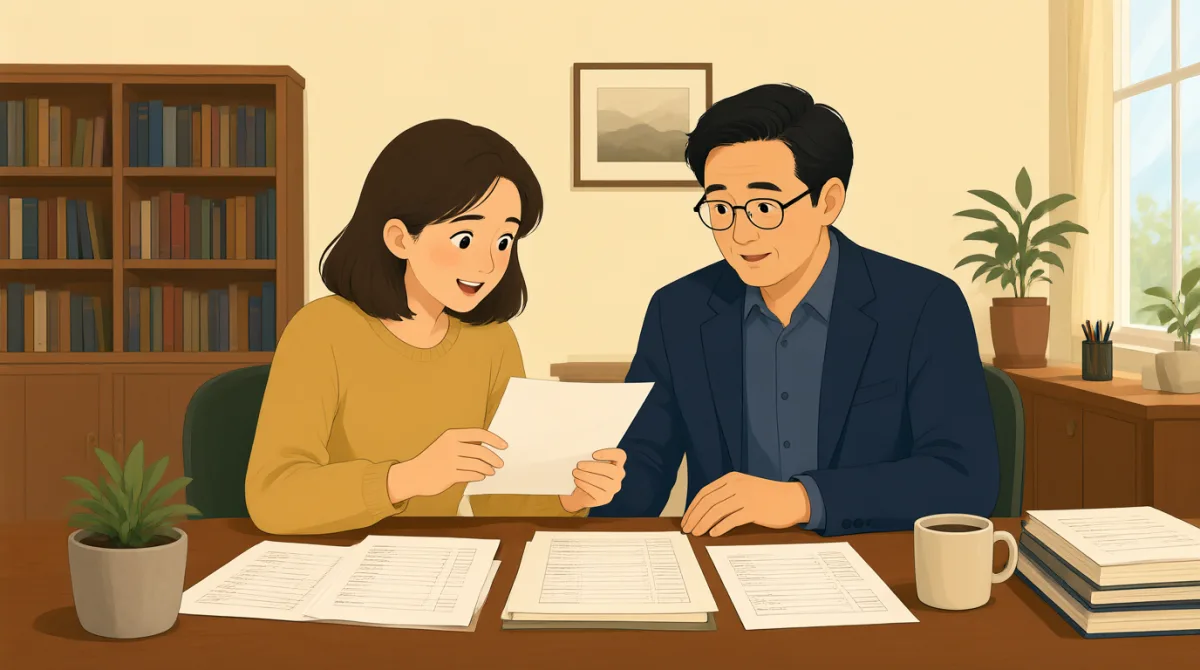

I’ve brought the inspection forms and the public logs. The dates don’t line up, but I don’t want to call that evidence of tampering before we know how these records were created.
فرمهای بازرسی و گزارشهای عمومی رو آوردم. تاریخها با هم جور درنمیان، ولی نمیخوام قبل از اینکه بفهمیم این سوابق چطور تهیه شدن، بگم اینها مدرک دستکاری هستن.

Good instinct. A discrepancy is a question, not a conclusion. First, let’s establish whether these are original records, copies, or entries exported from a database that may have been updated later.
درست فکر میکنی. اختلاف یه پرسشه، نه نتیجهگیری. اول باید مشخص کنیم اینها اصل مدارکن، کپیان یا دادههایی هستن که از پایگاه دادهای گرفته شدن که ممکنه بعداً بهروزرسانی شده باشه.
The forms came from a former employee. They have handwritten dates and initials, but there’s no cover sheet, and I can’t tell whether the pages are complete or in their original order.
فرمها رو از یکی از کارمندهای سابق گرفتم. تاریخها و حروف اول اسمها با دست نوشته شدن، ولی صفحهٔ رویی ندارن و نمیتونم بفهمم صفحهها کاملن یا به ترتیب اصلیشون هستن.
Then we should treat provenance as unresolved. Do you have the files as they were received, including the email or message that transmitted them? Metadata and transmission history may help establish what changed—and when.
پس باید منشأ مدارک رو هنوز نامشخص بدونیم. فایلها رو همونطور که دریافتشون کردی داری، از جمله ایمیل یا پیامی که اونها رو فرستاده؟ فرادادهها و سابقهٔ ارسال ممکنه کمک کنن بفهمیم چه چیزی و چه زمانی تغییر کرده.
I saved the original attachment and made a working copy. The attachment’s timestamp is two years later than the handwritten inspection date, though, so it could simply be a scan made after the fact.
پیوست اصلی رو ذخیره کردم و یه کپی کاری هم ساختم. البته زمان ثبتشدهٔ پیوست دو سال از تاریخ دستنویس بازرسی دیرتره، ولی ممکنه فقط اسکنش رو بعداً گرفته باشن.
Exactly. A file timestamp usually tells you when that digital file was created or modified, not when the underlying inspection occurred. We’ll need to separate what the metadata proves from what it merely suggests.
دقیقاً. زمان ثبتشدهٔ فایل معمولاً نشون میده اون فایل دیجیتال کی ساخته یا ویرایش شده، نه اینکه بازرسی اصلی کی انجام شده. باید فرق بذاریم بین چیزی که فراداده ثابت میکنه و چیزی که فقط بهش اشاره داره.
The public log lists an inspection on that date, but it describes a different section of the plant. Could that indicate the form was misdated, or are we comparing records that use different location codes?
گزارش عمومی برای اون تاریخ یه بازرسی ثبت کرده، ولی میگه بازرسی از بخش دیگهای از کارخانه بوده. ممکنه فرم تاریخ اشتباهی داشته باشه یا داریم سوابقی رو مقایسه میکنیم که از کدهای مکانی متفاوتی استفاده میکنن؟
Either is possible. Let’s compare the codes against the agency’s documentation, then check whether its log records the inspection date, the filing date, or the date an entry was entered into the system.
هر دو احتمال هست. بیا کدها رو با مستندات سازمان مقایسه کنیم و بعد ببینیم گزارشش تاریخ بازرسی رو ثبت میکنه، تاریخ بایگانی رو یا تاریخی رو که اطلاعات وارد سامانه شده.
If the log was entered later, a mismatch might be routine. But if the initials on the form match the inspector’s signature elsewhere, would that strengthen the document’s authenticity?
اگه گزارش بعداً وارد شده باشه، این ناهماهنگی ممکنه عادی باشه. ولی اگه حروف اول اسم روی فرم با امضای بازرس در یه مدرک دیگه جور دربیاد، اصالت سند رو بیشتر تأیید میکنه؟
It would be one useful point of comparison, not proof by itself. We should verify the signature against an independent record and ask the agency how its forms were handled at the time.
این میتونه یه مورد مفید برای مقایسه باشه، اما بهتنهایی اثباتش نمیکنه. باید امضا رو با یه سابقهٔ مستقل بررسی کنیم و از سازمان بپرسیم اون موقع با فرمها چطور برخورد میشده.
Understood. I’ll preserve the originals, document how I received them, and request the agency’s filing procedures and the relevant log history. I won’t describe the discrepancy as deliberate alteration unless the evidence supports that.
متوجه شدم. اصل مدارک رو نگه میدارم، نحوهٔ دریافتشون رو ثبت میکنم و از سازمان دربارهٔ روالهای بایگانی و سابقهٔ گزارش مربوطه اطلاعات میخوام. تا وقتی شواهد تأیید نکنن، این اختلاف رو تغییر عمدی توصیف نمیکنم.
That’s the right standard. And keep a clear distinction in your notes between what the documents show, what someone told you, and what you’re still trying to establish. Readers deserve that precision.
این معیار درستیه. توی یادداشتهات هم روشن و جداگانه بنویس مدارک چی نشون میدن، چه چیزی رو از کسی شنیدی و هنوز داری سعی میکنی چی رو ثابت کنی. خوانندهها حق دارن این دقت رو ازت ببینن.
واژگان7
- discrepancyناهماهنگی
A difference between two pieces of information that are expected to match. Here, it describes the dates or details that do not line up across records.
تفاوت میان دو داده که انتظار میرود با هم مطابقت داشته باشند. در اینجا به تاریخها یا جزئیاتی اشاره دارد که در سوابق مختلف با هم جور درنمیآیند.
- provenanceمنشأ
The history of where a document came from and how it has been handled. Journalists use provenance to assess a record’s reliability.
پیشینهٔ اینکه یک سند از کجا آمده و چطور با آن برخورد شده است. روزنامهنگاران برای سنجیدن اعتبار یک سابقه، منشأ آن را بررسی میکنند.
- metadataفراداده
Information about a digital file, such as when it was created or modified. It may help establish a file’s history, but not necessarily the date of the event described in it.
اطلاعاتی دربارهٔ یک فایل دیجیتال، مثل زمان ساخت یا ویرایش آن. این اطلاعات ممکن است به روشنشدن پیشینهٔ فایل کمک کند، اما لزوماً تاریخ رویدادی را که فایل به آن اشاره دارد نشان نمیدهد.
- underlying inspectionبازرسی اصلی
The actual inspection that a document refers to, as distinct from the later creation of a digital copy. The phrase helps separate an event’s date from a file’s timestamp.
خود بازرسیای که سند به آن اشاره میکند، در تمایز با ساختن نسخهٔ دیجیتال در زمانی بعدتر. این عبارت کمک میکند تاریخ یک رویداد را از زمان ثبت فایل جدا کنیم.
- independent recordسابقهٔ مستقل
A separate source that can be used to check a claim. Comparing a signature with an independent record can support authentication, though it does not prove it on its own.
منبعی جداگانه که میتوان از آن برای بررسی یک ادعا استفاده کرد. مقایسهٔ امضا با یک سابقهٔ مستقل میتواند به تأیید اصالت کمک کند، اما بهتنهایی آن را ثابت نمیکند.
- filing proceduresروالهای بایگانی
The rules or routine steps an organization follows to submit and store records. Asking about them can help explain why dates or entries differ.
قواعد یا مراحل معمولی که یک سازمان برای ثبت و نگهداری سوابق دنبال میکند. پرسیدن دربارهٔ این روالها میتواند کمک کند بفهمیم چرا تاریخها یا اطلاعات ثبتشده متفاوتاند.
- deliberate alterationتغییر عمدی
An intentional change made to a document or record. The phrase should be used only when evidence supports the conclusion that the change was intentional.
تغییری که آگاهانه در یک سند یا سابقه ایجاد شده باشد. این عبارت را فقط وقتی به کار ببرید که شواهد از این نتیجهگیری پشتیبانی کنند که تغییر عمدی بوده است.
جملات کلیدی7
- 1
A discrepancy is a question, not a conclusion.
ناهماهنگی یک پرسشه، نه نتیجهگیری.
This concise sentence cautions against treating an inconsistency as proof. Use it to emphasize that a finding needs further investigation before it supports a conclusion.
این جملهٔ کوتاه هشدار میدهد که نباید ناهماهنگی را مدرک قطعی به حساب آورد. وقتی میخواهید تأکید کنید که یک یافته پیش از پشتیبانی از نتیجهگیری به بررسی بیشتری نیاز دارد، از آن استفاده کنید.
- 2
Then we should treat provenance as unresolved.
پس باید منشأ مدارک رو هنوز نامشخص بدونیم.
This is a careful way to say that a document’s origins and handling have not yet been established. Reuse the pattern “treat [issue] as unresolved” when evidence is incomplete.
این جمله راهی محتاطانه برای گفتن این است که هنوز مشخص نشده سند از کجا آمده و چطور با آن برخورد شده است. وقتی شواهد کامل نیستند، از الگوی “treat [issue] as unresolved” (موضوعی را هنوز حلنشده دانستن) استفاده کنید.
- 3
We’ll need to separate what the metadata proves from what it merely suggests.
باید فرق بذاریم بین چیزی که فراداده ثابت میکنه و چیزی که فقط بهش اشاره داره.
This sentence distinguishes confirmed facts from possible interpretations. It is useful when explaining why digital information should be interpreted cautiously.
این جمله واقعیتهای تأییدشده را از برداشتهای احتمالی جدا میکند. وقتی میخواهید توضیح دهید چرا باید اطلاعات دیجیتال را با احتیاط تفسیر کرد، مفید است.
- 4
Either is possible.
هر دو احتمال هست.
This brief response acknowledges multiple plausible explanations without choosing between them prematurely. Use it when the available evidence does not yet settle a question.
این پاسخ کوتاه میپذیرد که چند توضیح ممکن وجود دارد، بیآنکه زودهنگام یکی را انتخاب کند. وقتی شواهد موجود هنوز پاسخی قطعی به پرسش نمیدهند، از آن استفاده کنید.
- 5
It would be one useful point of comparison, not proof by itself.
این میتونه یه مورد مفید برای مقایسه باشه، اما بهتنهایی اثباتش نمیکنه.
This sentence explains that a piece of supporting evidence has limits. Reuse the structure “one useful point of comparison, not proof by itself” to describe evidence that needs corroboration.
این جمله توضیح میدهد که شواهد پشتیبان محدودیتهایی دارند. از ساختار “one useful point of comparison, not proof by itself” (یک مورد مفید برای مقایسه، نه مدرک قطعی بهتنهایی) برای توصیف شواهدی استفاده کنید که به تأیید بیشتر نیاز دارند.
- 6
I’ll preserve the originals, document how I received them, and request the agency’s filing procedures and the relevant log history.
اصل مدارک رو نگه میدارم، نحوهٔ دریافتشون رو ثبت میکنم و از سازمان دربارهٔ روالهای بایگانی و سابقهٔ گزارش مربوطه اطلاعات میخوام.
This sentence lays out practical steps for maintaining a clear record of evidence and seeking context. Its parallel verbs make it useful when describing a careful investigation plan.
این جمله گامهای عملی برای ثبت دقیق شواهد و بهدستآوردن اطلاعات زمینهای را بیان میکند. فعلهای همساخت آن برای توضیح یک برنامهٔ تحقیقی دقیق و محتاطانه مفیدند.
- 7
Readers deserve that precision.
خوانندهها حق دارن این دقت رو ازت ببینن.
This short statement connects accurate reporting with responsibility to the audience. Use it to underscore why a journalist should distinguish facts, claims, and unanswered questions.
این جملهٔ کوتاه گزارش دقیق را به مسئولیت در برابر مخاطب پیوند میدهد. از آن استفاده کنید تا تأکید کنید چرا روزنامهنگار باید واقعیتها، ادعاها و پرسشهای بیپاسخ را از هم جدا کند.