The First Group Run
اولین دوی گروهی
Emma joins Grace and Leo for her first group run. They talk about the route and how far they plan to run.
اما برای اولین دوی گروهیاش به گریس و لئو میپیوندد. آنها دربارهٔ مسیر و مسافتی که قصد دارند بدوند صحبت میکنند.
گفتوگو8
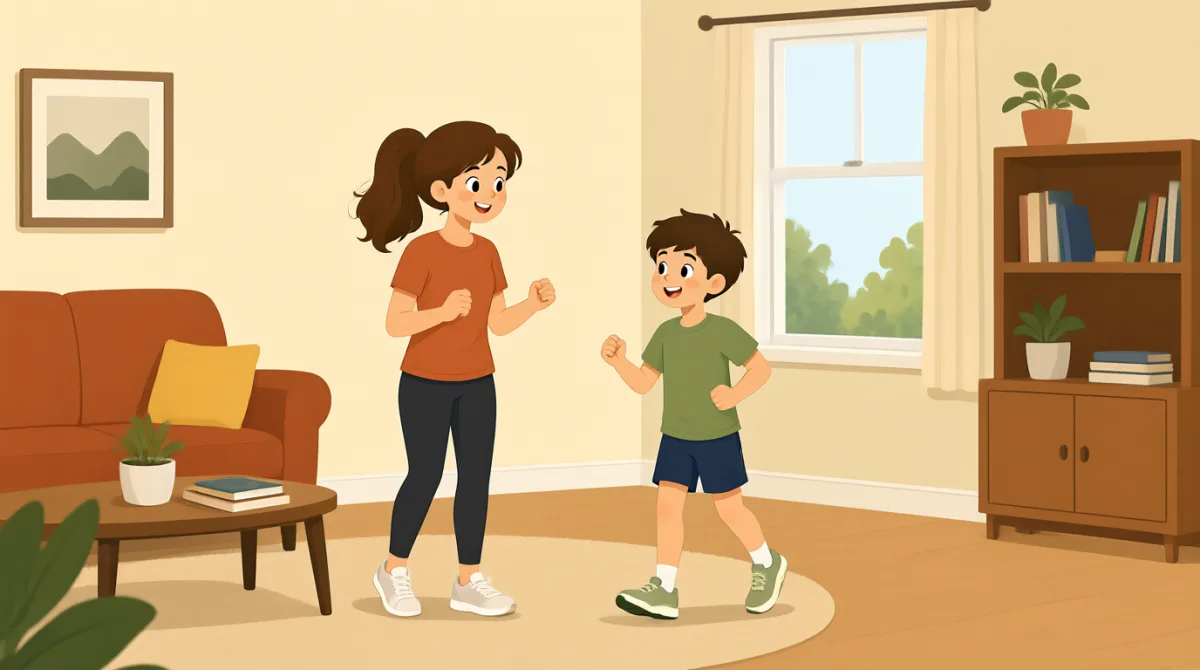

Hi, Emma! Ready for your first group run?
سلام، اما! برای اولین دوی گروهیات آمادهای؟

Yes! Where are we running today?
آره! امروز کجا میدویم؟
We’ll run along the river path and then turn around.
در امتداد مسیر کنار رودخونه میدویم و بعد برمیگردیم.

It’s a nice, flat route. We plan to run three miles.
مسیر قشنگ و همواریه. برنامهمون اینه که سه مایل بدویم.
Three miles sounds good. Can I run at my own pace?
سه مایل خوبه. میتونم با سرعت خودم بدوم؟
Of course. We’ll stay together, and you can slow down anytime.
البته. با هم میمونیم و هر وقت خواستی میتونی سرعتت رو کم کنی.
I might start a little fast, but Grace will keep me in line.
شاید اولش کمی تند بدوم، ولی گریس حواسش هست زیادهروی نکنم.
Great! Let’s get going. I’m excited to run with you.
عالیه! بزن بریم. خیلی خوشحالم که باهاتون میدوم.
واژگان8
- group runدوی گروهی
A group run is a run that you do with other people. You can use this phrase for a planned run with friends or a club.
«دوی گروهی» یعنی دویدن همراه با چند نفر دیگر. میتوانی این عبارت را برای دویدنی برنامهریزیشده با دوستان یا اعضای یک باشگاه به کار ببری.
- along the river pathدر امتداد مسیر کنار رودخانه
This means following a path beside the river. Use “along” to say you are moving beside something.
یعنی در مسیری حرکت کردن که کنار رودخانه است. از “along” برای گفتن اینکه در امتداد چیزی حرکت میکنی استفاده میشود.
- turn aroundبرگشتن، دور زدن و برگشتن
To turn around is to change direction and go back the way you came. You can use it when giving directions.
“turn around” یعنی تغییر جهت دادن و از همان راهی که آمدهای برگشتن. میتوانی هنگام آدرس دادن از این عبارت استفاده کنی.
- flat routeمسیر هموار
A flat route has no steep hills. This phrase is useful when talking about how easy or difficult a route is.
“flat route” مسیری است که سربالاییهای تند ندارد. این عبارت وقتی به کار میآید که دربارهٔ آسان یا سخت بودن یک مسیر صحبت میکنی.
- at my own paceبا سرعت خودم
This means at the speed that feels comfortable for me. You can say it when you want to move at a speed that suits you.
“at my own pace” یعنی با سرعتی که برایم راحت است. وقتی میخواهی با سرعتی حرکت کنی که مناسب خودت باشد، میتوانی این عبارت را به کار ببری.
- stay togetherبا هم ماندن
This means to remain with the other people in your group. Use it when making a plan to go somewhere as a group.
“stay together” یعنی کنار بقیهٔ افراد گروه ماندن. وقتی برای رفتن به جایی بهصورت گروهی برنامهریزی میکنید، از این عبارت استفاده کن.
- slow downسرعت را کم کردن
To slow down is to move less quickly. You can use it when asking someone to go more slowly or describing what you will do.
“slow down” یعنی آهستهتر حرکت کردن. میتوانی وقتی از کسی میخواهی آهستهتر برود یا میگویی خودت این کار را میکنی، از آن استفاده کنی.
- get goingراه افتادن، شروع کردن
This means to start moving or begin an activity. It is a casual way to say it is time to start.
“get going” یعنی حرکت کردن یا شروع کردن به انجام کاری. این عبارت خودمانی راهی برای گفتن این است که وقت شروع کردن رسیده.
جملات کلیدی8
- 1
Where are we running today?
امروز کجا میدویم؟
This is a simple way to ask about the plan for a run. You can reuse the question with another activity, such as “Where are we walking today?”
این راه سادهای برای پرسیدن دربارهٔ برنامهٔ دویدن است. میتوانی همین پرسش را برای فعالیت دیگری هم به کار ببری؛ مثلاً “Where are we walking today?” (امروز کجا پیادهروی میکنیم؟).
- 2
We’ll run along the river path and then turn around.
در امتداد مسیر کنار رودخانه میدویم و بعد برمیگردیم.
This sentence explains a route and what the group will do next. Use “We’ll” to describe a plan for the future.
این جمله مسیر و کاری را که گروه بعد از آن انجام میدهد توضیح میدهد. از “We’ll” برای گفتن برنامهای در آینده استفاده کن.
- 3
We plan to run three miles.
برنامهمان این است که سه مایل بدویم.
This is a clear way to say how far you intend to run. You can use “We plan to” before another activity or goal.
این جمله روش روشنی برای گفتن مسافتی است که قصد دارید بدوید. میتوانی پیش از گفتن یک فعالیت یا هدف دیگر از “We plan to” استفاده کنی.
- 4
Can I run at my own pace?
میتونم با سرعت خودم بدوم؟
This is a polite way to ask if you can choose your own speed. You can use “at my own pace” for other activities, such as studying or walking.
این راهی مؤدبانه برای پرسیدن این است که آیا میتوانی سرعت خودت را انتخاب کنی. میتوانی عبارت “at my own pace” را برای فعالیتهای دیگری مثل درس خواندن یا پیادهروی هم به کار ببری.
- 5
We’ll stay together, and you can slow down anytime.
با هم میمانیم و هر وقت خواستی میتوانی سرعتت را کم کنی.
This sentence offers reassurance and gives someone permission to move more slowly. Use “anytime” to show that they can do it whenever they need to.
این جمله به طرف مقابل اطمینان خاطر میدهد و به او اجازه میدهد آهستهتر حرکت کند. “anytime” نشان میدهد که هر وقت نیاز داشت میتواند این کار را انجام دهد.
- 6
I might start a little fast, but Grace will keep me in line.
شاید اولش کمی تند بدوم، ولی گریس کمک میکند زیادهروی نکنم.
This sentence says what may happen and who will help. “Might” is useful for talking about something that is possible but not certain.
این جمله میگوید چه اتفاقی ممکن است بیفتد و چه کسی کمک میکند. “Might” برای صحبت دربارهٔ چیزی مفید است که ممکن است رخ دهد، اما قطعی نیست.
- 7
Let’s get going.
بزن بریم.
This is a casual way to suggest starting an activity. You can use it when it is time to leave or begin.
این راهی خودمانی برای پیشنهاد شروع یک فعالیت است. وقتی وقت رفتن یا شروع کردن است، میتوانی از آن استفاده کنی.
- 8
I’m excited to run with you.
خیلی خوشحالم که باهات میدوم.
This sentence shows that you are happy about doing an activity with someone. You can reuse “I’m excited to” with other plans, such as “I’m excited to meet you.”
این جمله نشان میدهد که از انجام کاری با کسی خوشحالی. میتوانی عبارت “I’m excited to” را برای برنامههای دیگری هم به کار ببری؛ مثلاً “I’m excited to meet you.” (خیلی مشتاقم ببینمت.)