Pressing the Stop Button
فشردن دکمهٔ توقف
Your stop is the next one, and you locate and press the 'stop' or 'bell' button to signal the driver.
مقصدتان ایستگاه بعدی است و دکمهٔ «stop» یا «bell» را پیدا میکنید و فشار میدهید تا به راننده علامت بدهید.
گفتوگو7
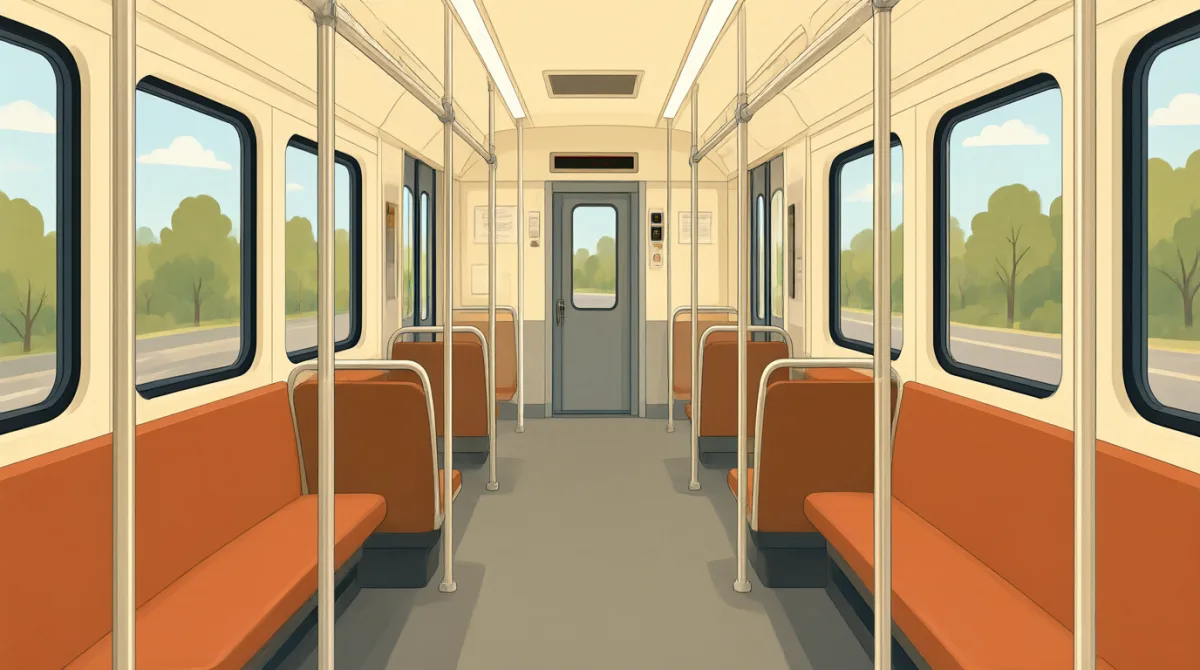

Okay, almost there! My stop is the next one.
خب، تقریباً رسیدیم! ایستگاه من بعدیه.

Are you sure? It looks like we're still a bit away.
مطمئنی؟ به نظر میاد هنوز یه کم مونده.
Yep, totally sure. I can see the landmark from here. Just need to hit the button.
آره، کاملاً مطمئنم. از اینجا اون نشونه رو میبینم. فقط باید دکمه رو بزنم.
Right. Don't forget to push the stop button, or the driver might just pass it.
درسته. یادت نره دکمهٔ توقف رو فشار بدی، وگرنه ممکنه راننده همینطوری رد بشه.
Got it. Looking for it now... Ah, there it is! *presses button*
باشه. دارم دنبالش میگردم... آها، اونجاست! *دکمه را فشار میدهد*
Good. You hear that ding? That means it registered.
خوبه. اون صدای زنگ رو شنیدی؟ یعنی درخواست ثبت شده.
Yes, perfect! Now just wait for the bus to pull over.
آره، عالیه! حالا فقط صبر کن تا اتوبوس کنار بزنه.
واژگان6
- stopایستگاه
In this context, 'stop' refers to a bus stop, a place where the bus pauses to let passengers get on or off. It's essential for public transport conversations.
در اینجا، 'stop' به ایستگاه اتوبوس اشاره دارد؛ جایی که اتوبوس برای سوار یا پیاده کردن مسافران توقف میکند. این واژه در مکالمههای مربوط به حملونقل عمومی کاربرد زیادی دارد.
- buttonدکمه
A 'button' is a small switch you press to activate something, like the stop button on a bus to signal the driver. Commonly used in vehicles and machines.
'button' کلید کوچکی است که با فشار دادنش چیزی فعال میشود؛ مثلاً دکمهٔ توقف اتوبوس که با آن به راننده علامت میدهید. این واژه برای وسایل نقلیه و دستگاهها هم به کار میرود.
- landmarkنشانهٔ شاخص
A 'landmark' is a famous or easily recognizable building or feature that helps you identify your location. Useful for describing where you are or need to go.
'landmark' ساختمان یا ویژگی مشهوری است که بهراحتی میتوان آن را شناخت و با کمکش موقعیت خود را پیدا کرد. وقتی میخواهید بگویید کجا هستید یا به کجا باید بروید، این واژه به کار میآید.
- pushفشار دادن
To 'push' means to press or apply force on something, like pushing a button. In buses, you push the stop button to request a stop.
'push' یعنی چیزی را فشار دادن یا به آن نیرو وارد کردن؛ مثلاً دکمهای را فشار دادن. در اتوبوس، دکمهٔ توقف را فشار میدهید تا درخواست توقف کنید.
- dingصدای زنگ
A 'ding' is a short, ringing sound, often from a bell or button, signaling that your request is noted. On buses, it confirms the stop signal is sent.
'ding' صدای کوتاه زنگمانندی است که معمولاً از زنگ یا دکمه شنیده میشود و نشان میدهد درخواست شما دریافت شده است. در اتوبوس، این صدا تأیید میکند که علامت توقف فرستاده شده.
- pull overکنار زدن و توقف کردن
To 'pull over' means for a vehicle to move to the side of the road and stop. Drivers do this when signaled to let passengers off.
'pull over' یعنی وسیلهٔ نقلیه به کنار جاده برود و توقف کند. رانندهها وقتی علامت میگیرند تا مسافران پیاده شوند، این کار را انجام میدهند.
جملات کلیدی5
- 1
My stop is the next one.
ایستگاه من بعدیه.
This sentence tells others that your destination is the upcoming bus stop. It's useful for informing friends or confirming with the driver. Simple present tense for facts; practice saying it clearly when traveling.
با این جمله به دیگران میگویید مقصدتان ایستگاه بعدی اتوبوس است. برای خبر دادن به دوستان یا تأیید مقصد با راننده مفید است. از زمان حال ساده برای بیان واقعیت استفاده شده؛ موقع سفر، جمله را واضح بگویید.
- 2
Just need to hit the button.
فقط باید دکمه رو بزنم.
Here, 'hit the button' is an informal way to say 'press the button.' It's casual and practical for quick actions on public transport. Use it when describing what you're about to do; 'just need to' expresses a simple necessity.
اینجا، 'hit the button' راهی خودمانی برای گفتن 'press the button' (دکمه را فشار دادن) است. در حملونقل عمومی، برای گفتن کاری سریع و کاربردی به کار میرود. وقتی میخواهید بگویید همین الان چه کاری قرار است انجام دهید، از آن استفاده کنید؛ 'just need to' هم یک نیاز ساده را بیان میکند.
- 3
Don't forget to push the stop button, or the driver might just pass it.
یادت نره دکمهٔ توقف رو فشار بدی، وگرنه ممکنه راننده همینطوری رد بشه.
This warns someone to remember an action to avoid a problem. Useful for giving advice in transport situations. Conditional 'might just pass' shows possibility; the comma connects the reminder and consequence.
این جمله به کسی یادآوری میکند کاری را انجام دهد تا مشکلی پیش نیاید. در موقعیتهای مربوط به رفتوآمد، برای توصیه کردن مفید است. ساختار احتمالی 'might just pass' امکان رد شدن اتوبوس را نشان میدهد؛ ویرگول هم یادآوری را به پیامد آن وصل میکند.
- 4
You hear that ding? That means it registered.
اون صدای زنگ رو شنیدی؟ یعنی درخواست ثبت شده.
This asks if someone noticed a sound and explains its meaning. Great for confirming signals in noisy places like buses. Question form for engagement; 'that means' introduces explanation.
در این جمله میپرسید کسی صدایی را شنیده یا نه و بعد معنای آن را توضیح میدهید. برای تأیید علامتها در جاهای شلوغی مثل اتوبوس خیلی کاربردی است. پرسشی بودن جمله توجه طرف مقابل را جلب میکند و 'that means' توضیح را شروع میکند.
- 5
Now just wait for the bus to pull over.
حالا فقط صبر کن تا اتوبوس کنار بزنه.
This instructs to wait patiently for the bus to stop at the side. Helpful after signaling; use in sequences of actions. Infinitive 'to pull over' after 'wait for'; 'just' softens the command.
این جمله میگوید با حوصله منتظر بمانید تا اتوبوس کنار جاده توقف کند. بعد از علامت دادن، گفتن این جمله مفید است و میتوانید از آن در بیان مراحل کار استفاده کنید. بعد از 'wait for' مصدر 'to pull over' آمده و 'just' لحن دستور را ملایمتر میکند.