Explaining Route by Landmarks
ল্যান্ডমার্ক ধরে পথ বুঝিয়ে বলা
A passenger or driver explains a route or a stop's location by referencing nearby landmarks, rather than just street names.
শুধু রাস্তার নাম না বলে, কাছাকাছি পরিচিত স্থানের কথা উল্লেখ করে কোনো যাত্রী বা চালক পথ কিংবা বাসস্টপের অবস্থান বুঝিয়ে দেন।
সংলাপ8
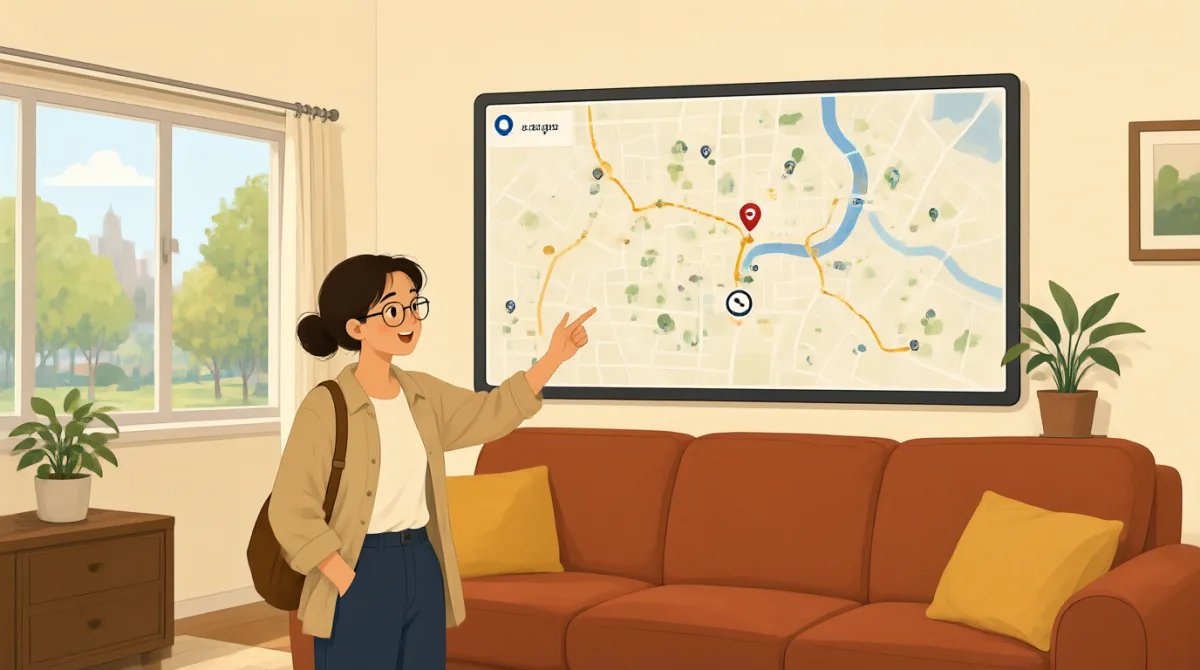

Excuse me, I'm trying to get to the City Library. Does this bus go there?
মাফ করবেন, আমি সিটি লাইব্রেরিতে যাওয়ার চেষ্টা করছি। এই বাস কি ওখানে যায়?

Yes, it does. You need to get off at the stop right after the big park.
হ্যাঁ, যায়। বড় পার্কটার ঠিক পরের স্টপে আপনাকে নামতে হবে।
The big park? Is that the Central Park?
বড় পার্কটা? ওটা কি সেন্ট্রাল পার্ক?
That's right. After Central Park, you'll see a large fountain on your left. The stop is just past that, on the right side of the street.
ঠিক তাই। সেন্ট্রাল পার্কের পর আপনার বাঁ দিকে একটা বড় ঝরনা দেখতে পাবেন। সেটার একটু পরেই রাস্তার ডান পাশে স্টপটা।
Okay, so Central Park, then the fountain, and then my stop. Got it. Is the library visible from the bus stop?
বেশ, তাহলে সেন্ট্রাল পার্ক, তারপর ঝরনা, তারপর আমার স্টপ। বুঝেছি। বাসস্টপ থেকে লাইব্রেরিটা কি দেখা যায়?
Not directly from the stop. Once you get off, walk a bit back towards the fountain, and you'll see a large building with a grand staircase. That's the library.
স্টপ থেকে সরাসরি দেখা যায় না। নেমে ঝরনার দিকে একটু পেছনে হাঁটবেন, আর একটা বড় সিঁড়িওয়ালা বিশাল ভবন দেখতে পাবেন। ওটাই লাইব্রেরি।
A grand staircase. That's very helpful! Thank you so much!
বড় সিঁড়ি আছে। খুব কাজে দিল! অনেক ধন্যবাদ!
You're welcome! Enjoy your visit.
স্বাগতম! ঘুরে বেড়ানো উপভোগ করুন।
শব্দভান্ডার7
- excuse meমাফ করবেন
A polite phrase used to get someone's attention when you need to ask a question, like starting a conversation on a bus.
কাউকে কোনো প্রশ্ন করতে বা বাসে কথাবার্তা শুরু করতে তাঁর দৃষ্টি আকর্ষণের জন্য এই ভদ্র কথাটি বলা হয়।
- get offনামা
To leave a vehicle like a bus or train at a stop; it's a common phrasal verb for public transportation.
বাস বা ট্রেনের মতো যান থেকে কোনো স্টপে নেমে যাওয়া। গণপরিবহনে ব্যবহৃত এটি একটি প্রচলিত phrasal verb।
- stopস্টপ
A place where a bus pauses to let passengers get on or off; in this context, it refers to a bus stop.
যে জায়গায় বাস থেমে যাত্রী ওঠায় বা নামায়। এই প্রসঙ্গে এটি বাসস্টপ বোঝায়।
- right afterঠিক পরেই
Immediately following something, used to describe the next location or action in a sequence.
কোনো কিছুর সঙ্গে সঙ্গেই পরে—ক্রমের পরের জায়গা বা কাজ বোঝাতে এই কথাটি ব্যবহৃত হয়।
- fountainঝরনা
A structure with water shooting up, often in parks or public areas; here, it's used as a landmark to help describe directions.
এমন একটি স্থাপনা, যেখান থেকে পানি ফোয়ারার মতো ওপরে ছিটকে ওঠে। পার্ক বা জনসমাগমের জায়গায় প্রায়ই দেখা যায়; এখানে এটি পথ চেনানোর ল্যান্ডমার্ক।
- visibleদেখা যায় এমন
Able to be seen; in travel, it means you can spot something from where you are, like from a bus stop.
যা চোখে দেখা সম্ভব। ভ্রমণের প্রসঙ্গে এর অর্থ হলো, কোনো জায়গা থেকে—যেমন বাসস্টপ থেকে—কোনো কিছুকে দেখতে পাওয়া যায়।
- staircaseসিঁড়ি
A set of stairs inside or outside a building; 'grand staircase' means an impressive, large one, helping identify the library.
কোনো ভবনের ভেতরে বা বাইরে ওঠানামার জন্য ধাপের সারি। 'grand staircase' বলতে চমৎকার ও বড়সড় সিঁড়ি বোঝায়, যা দেখে লাইব্রেরিটি চেনা যায়।
গুরুত্বপূর্ণ বাক্য6
- 1
Excuse me, I'm trying to get to the City Library. Does this bus go there?
মাফ করবেন, আমি সিটি লাইব্রেরিতে যাওয়ার চেষ্টা করছি। এই বাস কি ওখানে যায়?
This is a polite way to ask for directions on public transport. 'I'm trying to get to' expresses your destination goal, and the question uses 'does' for yes/no answers about routes. Useful for starting inquiries.
গণপরিবহনে পথ জানতে ভদ্রভাবে এভাবে প্রশ্ন করতে পারেন। 'I'm trying to get to' দিয়ে আপনি কোথায় যেতে চান তা বোঝায়, আর রুট সম্পর্কে হ্যাঁ-না প্রশ্নে 'does' ব্যবহৃত হয়েছে। কোনো কিছু জানতে কথাবার্তা শুরু করতে এটি কাজে লাগে।
- 2
Yes, it does. You need to get off at the stop right after the big park.
হ্যাঁ, যায়। বড় পার্কটার ঠিক পরের স্টপে আপনাকে নামতে হবে।
A helpful response confirming a route. 'It does' is a short affirmative answer to a yes/no question. 'You need to get off' gives clear instructions using a modal verb 'need to' for necessity. Great for giving directions by landmarks.
রুট নিশ্চিত করে সহায়ক উত্তর দেওয়ার একটি উদাহরণ। 'It does' হ্যাঁ-না প্রশ্নের সংক্ষিপ্ত ইতিবাচক উত্তর। 'You need to get off' দিয়ে 'need to' ব্যবহার করে স্পষ্ট নির্দেশ দেওয়া হয়েছে। ল্যান্ডমার্ক ধরে পথ বুঝিয়ে বলতে এটি বেশ কাজে লাগে।
- 3
After Central Park, you'll see a large fountain on your left.
সেন্ট্রাল পার্কের পর আপনার বাঁ দিকে একটা বড় ঝরনা দেখতে পাবেন।
This describes a sequence of landmarks using 'after' for order and 'you'll see' for future prediction. 'On your left' specifies direction. It's practical for explaining routes without street names, common in real-life navigation.
'after' দিয়ে ক্রম এবং 'you'll see' দিয়ে ভবিষ্যতে কী দেখতে পাবেন তা বোঝিয়ে এখানে ল্যান্ডমার্কগুলোর ধারাবাহিকতা বলা হয়েছে। 'On your left' দিক নির্দেশ করে। রাস্তার নাম ছাড়াই পথ বোঝানোর এই পদ্ধতি বাস্তব জীবনে খুব কাজে লাগে।
- 4
Okay, so Central Park, then the fountain, and then my stop. Got it.
বেশ, তাহলে সেন্ট্রাল পার্ক, তারপর ঝরনা, তারপর আমার স্টপ। বুঝেছি।
This shows summarizing directions with 'so' for clarification and 'then' for sequence. 'Got it' is informal slang meaning 'I understand.' Useful for confirming understanding in conversations to avoid mistakes.
এখানে পরিষ্কার করে বোঝাতে 'so' এবং ধারাবাহিকতা বোঝাতে 'then' ব্যবহার করে নির্দেশনাগুলো সংক্ষেপে বলা হয়েছে। 'Got it' কথ্য, অনানুষ্ঠানিক অভিব্যক্তি; এর অর্থ 'বুঝেছি'। ভুল এড়াতে কথোপকথনে অপর পক্ষের কথা বুঝেছেন কি না নিশ্চিত করতে এটি কাজে লাগে।
- 5
Once you get off, walk a bit back towards the fountain, and you'll see a large building with a grand staircase.
নেমে ঝরনার দিকে একটু পেছনে হাঁটবেন, আর একটা বড় সিঁড়িওয়ালা বিশাল ভবন দেখতে পাবেন।
Gives step-by-step instructions after alighting. 'Once you get off' means immediately after, 'walk a bit back' suggests a short distance, and 'towards' indicates direction. The relative clause 'with a grand staircase' describes the building. Ideal for detailed guidance.
যান থেকে নামার পর কী করতে হবে, তা ধাপে ধাপে বলা হয়েছে। 'Once you get off' মানে নামার পরপরই, 'walk a bit back' মানে অল্পটা পেছনের দিকে হাঁটা, আর 'towards' দিক নির্দেশ করে। 'with a grand staircase' অংশটি ভবনটির বর্ণনা দেয়। বিস্তারিত পথনির্দেশ দিতে এই বাক্যটি আদর্শ।
- 6
That's very helpful! Thank you so much!
খুব কাজে দিল! অনেক ধন্যবাদ!
Expresses gratitude politely. 'That's very helpful' acknowledges useful information, and 'thank you so much' is an emphatic way to say thanks. Always use this to end helpful interactions positively.
ভদ্রভাবে কৃতজ্ঞতা প্রকাশ করার উপায় এটি। 'That's very helpful' বলে উপকারী তথ্যের জন্য কৃতজ্ঞতা জানানো হয়, আর 'thank you so much' হলো জোর দিয়ে ধন্যবাদ জানানোর কথা। কারও সহায়তা পেলে ইতিবাচকভাবে কথোপকথন শেষ করতে এভাবে বলতে পারেন।