Explaining Route by Landmarks
توضیح مسیر با استفاده از نشانههای مکانی
A passenger or driver explains a route or a stop's location by referencing nearby landmarks, rather than just street names.
مسافر یا راننده با اشاره به مکانهای دیدنی و شناختهشدهٔ اطراف، مسیر یا محل ایستگاه را توضیح میدهد، نه فقط با نام خیابانها.
گفتوگو8
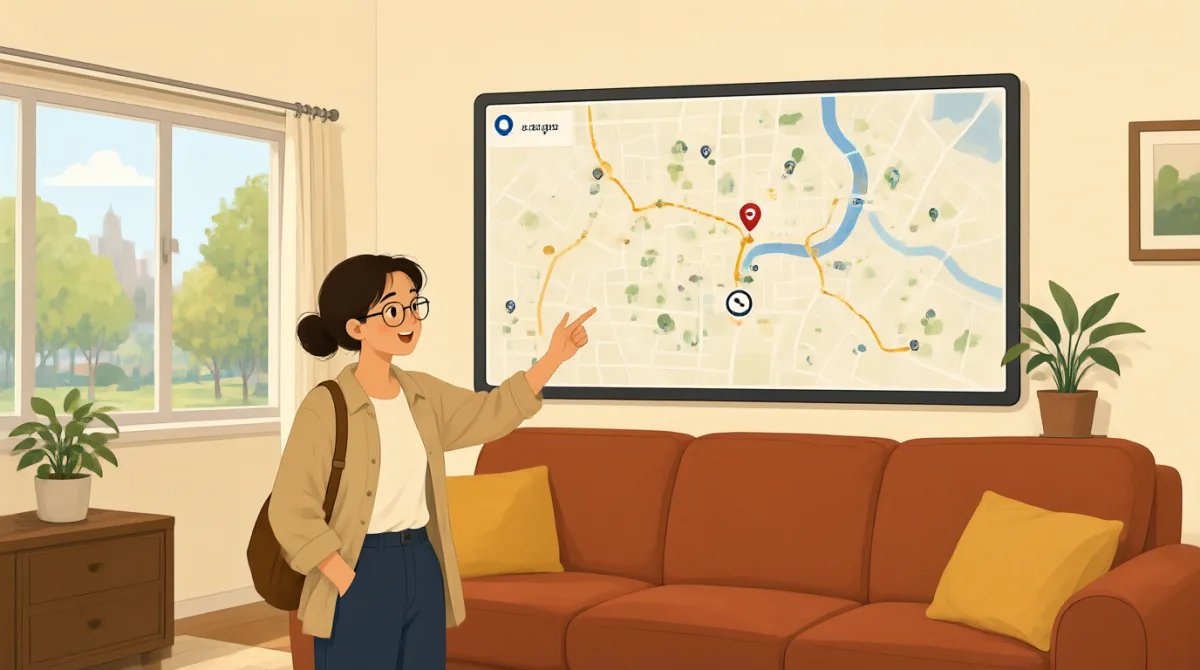

Excuse me, I'm trying to get to the City Library. Does this bus go there?
ببخشید، میخواهم به کتابخانهٔ شهر بروم. این اتوبوس به آنجا میرود؟

Yes, it does. You need to get off at the stop right after the big park.
بله، میرود. باید در ایستگاهی که درست بعد از پارک بزرگ است پیاده شوید.
The big park? Is that the Central Park?
پارک بزرگ؟ منظورتان پارک مرکزی است؟
That's right. After Central Park, you'll see a large fountain on your left. The stop is just past that, on the right side of the street.
درست است. بعد از پارک مرکزی، یک فوارهٔ بزرگ در سمت چپتان میبینید. ایستگاه کمی بعد از آن، سمت راست خیابان است.
Okay, so Central Park, then the fountain, and then my stop. Got it. Is the library visible from the bus stop?
خب، پس اول پارک مرکزی، بعد فواره و بعد ایستگاه من. فهمیدم. کتابخانه از ایستگاه اتوبوس دیده میشود؟
Not directly from the stop. Once you get off, walk a bit back towards the fountain, and you'll see a large building with a grand staircase. That's the library.
مستقیم از ایستگاه دیده نمیشود. وقتی پیاده شدید، کمی به سمت فواره برگردید و یک ساختمان بزرگ با پلکانی باشکوه میبینید. آن کتابخانه است.
A grand staircase. That's very helpful! Thank you so much!
پلکانی باشکوه. خیلی کمکم کردید! واقعاً ممنونم!
You're welcome! Enjoy your visit.
خواهش میکنم! از بازدیدتان لذت ببرید.
واژگان7
- excuse meببخشید
A polite phrase used to get someone's attention when you need to ask a question, like starting a conversation on a bus.
عبارتی مؤدبانه برای جلب توجه کسی است، وقتی میخواهید سؤالی بپرسید؛ مثلاً برای شروع صحبت در اتوبوس.
- get offپیاده شدن
To leave a vehicle like a bus or train at a stop; it's a common phrasal verb for public transportation.
از وسیلهٔ نقلیهای مثل اتوبوس یا قطار، در یک ایستگاه بیرون آمدن؛ این فعل عبارتی در حملونقل عمومی بسیار رایج است.
- stopایستگاه
A place where a bus pauses to let passengers get on or off; in this context, it refers to a bus stop.
جایی که اتوبوس برای سوار یا پیاده کردن مسافران توقف میکند؛ در اینجا منظور ایستگاه اتوبوس است.
- right afterدرست بعد از
Immediately following something, used to describe the next location or action in a sequence.
بلافاصله پس از چیزی؛ برای توصیف مکان یا کاری که در یک ترتیب، مورد بعدی است به کار میرود.
- fountainفواره
A structure with water shooting up, often in parks or public areas; here, it's used as a landmark to help describe directions.
سازهای که آب را به بالا میپاشد و اغلب در پارکها یا فضاهای عمومی دیده میشود؛ اینجا از آن بهعنوان نشانهای مکانی برای توضیح مسیر استفاده شده است.
- visibleقابلدیدن
Able to be seen; in travel, it means you can spot something from where you are, like from a bus stop.
چیزی که میتوان آن را دید؛ در سفر یعنی میتوانید از جایی که هستید، مثلاً از ایستگاه اتوبوس، چیزی را ببینید.
- staircaseپلکان
A set of stairs inside or outside a building; 'grand staircase' means an impressive, large one, helping identify the library.
مجموعهای از پلهها در داخل یا بیرون ساختمان؛ 'grand staircase' یعنی پلکانی بزرگ و باشکوه که به شناسایی کتابخانه کمک میکند.
جملات کلیدی6
- 1
Excuse me, I'm trying to get to the City Library. Does this bus go there?
ببخشید، میخواهم به کتابخانهٔ شهر بروم. این اتوبوس به آنجا میرود؟
This is a polite way to ask for directions on public transport. 'I'm trying to get to' expresses your destination goal, and the question uses 'does' for yes/no answers about routes. Useful for starting inquiries.
این راهی مؤدبانه برای پرسیدن مسیر در وسایل حملونقل عمومی است. 'I'm trying to get to' مقصدی را که میخواهید به آن برسید بیان میکند و در این پرسش، 'does' برای پرسیدن پاسخ بله یا خیر دربارهٔ مسیر به کار رفته است. برای شروع پرسوجو عبارت مناسبی است.
- 2
Yes, it does. You need to get off at the stop right after the big park.
بله، میرود. باید در ایستگاهی که درست بعد از پارک بزرگ است پیاده شوید.
A helpful response confirming a route. 'It does' is a short affirmative answer to a yes/no question. 'You need to get off' gives clear instructions using a modal verb 'need to' for necessity. Great for giving directions by landmarks.
پاسخی مفید برای تأیید مسیر است. 'It does' پاسخ مثبت کوتاهی به پرسشی است که جوابش بله یا خیر است. 'You need to get off' با استفاده از 'need to' برای بیان ضرورت، دستورالعمل روشنی میدهد. این عبارت برای راهنمایی با کمک نشانههای مکانی بسیار مناسب است.
- 3
After Central Park, you'll see a large fountain on your left.
بعد از پارک مرکزی، یک فوارهٔ بزرگ در سمت چپتان میبینید.
This describes a sequence of landmarks using 'after' for order and 'you'll see' for future prediction. 'On your left' specifies direction. It's practical for explaining routes without street names, common in real-life navigation.
این جمله ترتیب نشانههای مکانی را با 'after' نشان میدهد و با 'you'll see' چیزی را که در ادامه خواهید دید پیشبینی میکند. 'On your left' جهت را مشخص میکند. این روش برای توضیح مسیر بدون نام بردن از خیابانها کاربردی است و در راهیابی روزمره زیاد استفاده میشود.
- 4
Okay, so Central Park, then the fountain, and then my stop. Got it.
خب، پس اول پارک مرکزی، بعد فواره و بعد ایستگاه من. فهمیدم.
This shows summarizing directions with 'so' for clarification and 'then' for sequence. 'Got it' is informal slang meaning 'I understand.' Useful for confirming understanding in conversations to avoid mistakes.
در این جمله مسیر با 'so' برای روشنکردن موضوع و 'then' برای نشاندادن ترتیب خلاصه میشود. 'Got it' اصطلاحی غیررسمی به معنی «فهمیدم» است. برای اطمینان از اینکه مسیر را درست متوجه شدهاید و جلوگیری از اشتباه، در گفتگوها از آن استفاده کنید.
- 5
Once you get off, walk a bit back towards the fountain, and you'll see a large building with a grand staircase.
وقتی پیاده شدید، کمی به سمت فواره برگردید و یک ساختمان بزرگ با پلکانی باشکوه میبینید.
Gives step-by-step instructions after alighting. 'Once you get off' means immediately after, 'walk a bit back' suggests a short distance, and 'towards' indicates direction. The relative clause 'with a grand staircase' describes the building. Ideal for detailed guidance.
این جمله پس از پیادهشدن، راهنمایی را مرحلهبهمرحله بیان میکند. 'Once you get off' یعنی درست بعد از پیادهشدن، 'walk a bit back' به مسافتی کوتاه به سمت عقب اشاره دارد و 'towards' جهت حرکت را نشان میدهد. عبارت موصولی 'with a grand staircase' ساختمان را توصیف میکند. برای راهنمایی دقیق بسیار مناسب است.
- 6
That's very helpful! Thank you so much!
خیلی کمکم کردید! واقعاً ممنونم!
Expresses gratitude politely. 'That's very helpful' acknowledges useful information, and 'thank you so much' is an emphatic way to say thanks. Always use this to end helpful interactions positively.
این جمله مؤدبانه قدردانی را بیان میکند. 'That's very helpful' نشان میدهد که اطلاعات مفید بوده و 'thank you so much' راهی برای تشکر صمیمانه و پررنگ است. برای پایاندادن مثبت به گفتگویی که در آن کمکتان کردهاند، از این عبارت استفاده کنید.