Meeting the Pet Sitter
لقاء جليسة الحيوانات الأليفة
Emma meets Jack and introduces him to her dog, Buddy. They talk about Buddy’s routine and how Jack can get into the house.
تلتقي إيما بجاك وتعرّفه إلى كلبها بادي. يتحدثان عن روتين بادي وكيف يمكن لجاك دخول المنزل.
حوار8
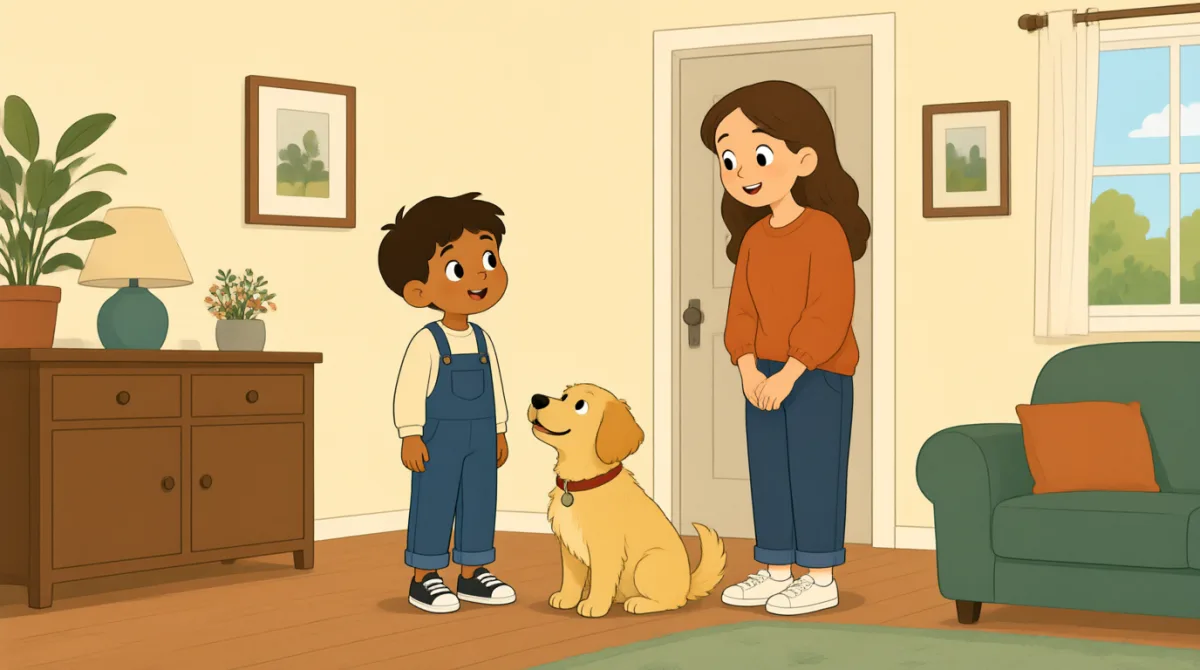

Hi, Jack. Thanks for coming over to meet Buddy.
مرحبًا يا جاك. شكرًا لمجيئك للقاء بادي.

Hi, Emma. He’s a friendly dog. Can I say hello?
مرحبًا يا إيما. إنه كلب ودود. هل يمكنني إلقاء التحية عليه؟
Sure. He may bark at first, but he’ll calm down soon.
بالتأكيد. قد ينبح في البداية، لكنه سيهدأ قريبًا.
That’s okay. What’s his usual routine during the day?
لا بأس. ما روتينه المعتاد خلال النهار؟
He eats breakfast at seven and dinner at six. He needs two walks.
يتناول الفطور في السابعة والعشاء في السادسة. ويحتاج إلى الخروج للتنزه مرتين.
Got it. Where can I find the leash and the house key?
فهمت. أين أجد المقود ومفتاح المنزل؟
The leash is by the front door. I’ll leave the key under the mat.
المقود بجانب الباب الأمامي. سأترك المفتاح تحت الدعّاسة.
Great. I’ll keep the door closed so Buddy doesn’t run out.
رائع. سأُبقي الباب مغلقًا حتى لا يخرج بادي راكضًا.
المفردات8
- coming overالمجيء إلى منزل شخص
To come to someone’s home. Here, Jack is visiting Emma to meet Buddy.
تعني القدوم إلى منزل شخص ما. هنا، يزور جاك إيما ليلتقي بادي.
- say helloإلقاء التحية
To greet someone. You can also use this phrase when greeting a pet.
تعني تحية شخص ما. ويمكنك استخدام هذه العبارة أيضًا عند تحية حيوان أليف.
- calm downيهدأ
To become quiet or relaxed. Here, Buddy may stop barking after a short time.
أن يصبح الشخص أو الحيوان هادئًا أو مسترخيًا. هنا، قد يتوقف بادي عن النباح بعد وقت قصير.
- usual routineالروتين المعتاد
The things someone usually does each day. You can ask about a person’s or pet’s daily routine.
الأمور التي يفعلها شخص ما عادةً كل يوم. يمكنك السؤال عن الروتين اليومي لشخص أو حيوان أليف.
- walksنزهات
Here, walks are times when Buddy goes outside for exercise. You can say a dog needs one or two walks a day.
المقصود هنا أوقات خروج بادي إلى الخارج لممارسة الرياضة. يمكنك القول إن الكلب يحتاج إلى نزهة أو نزهتين يوميًا.
- front doorالباب الأمامي
The main door at the entrance of a house. This phrase is useful when giving directions.
الباب الرئيسي عند مدخل المنزل. تفيد هذه العبارة عند إعطاء الإرشادات.
- under the matتحت الدعّاسة
In the space below a mat. People sometimes leave a key there so someone can get into the house.
في المساحة أسفل الدعّاسة. يترك الناس المفتاح هناك أحيانًا حتى يتمكن أحدهم من دخول المنزل.
- run outيخرج راكضًا
To leave a place quickly, often by running. Here, Jack wants to stop Buddy from getting outside.
مغادرة مكان بسرعة، وغالبًا بالركض. هنا، يريد جاك منع بادي من الخروج إلى الخارج.
الجمل الأساسية7
- 1
Thanks for coming over to meet Buddy.
شكرًا لمجيئك للقاء بادي.
Use this to thank someone for visiting your home. You can replace “meet Buddy” with another reason for the visit.
استخدم هذه العبارة لشكر شخص على زيارة منزلك. يمكنك استبدال “meet Buddy” بسبب آخر للزيارة.
- 2
Can I say hello?
هل يمكنني إلقاء التحية عليه؟
Use this to politely ask if you can greet someone. It also works when asking to greet a pet.
استخدم هذه العبارة لتسأل بأدب إن كان بإمكانك تحية شخص ما. وتصلح أيضًا لطلب الإذن بتحية حيوان أليف.
- 3
What’s his usual routine during the day?
ما روتينه المعتاد خلال النهار؟
Use this question to ask what someone usually does each day. You can replace “his” with “your” or “her.”
استخدم هذا السؤال لتسأل عمّا يفعله شخص ما عادةً كل يوم. يمكنك استبدال “his” بـ “your” أو “her.”
- 4
He eats breakfast at seven and dinner at six.
يتناول الفطور في السابعة والعشاء في السادسة.
This sentence gives a simple daily schedule. You can use the same pattern to talk about meal times.
توضح هذه الجملة جدولًا يوميًا بسيطًا. يمكنك استخدام النمط نفسه للحديث عن مواعيد الوجبات.
- 5
Where can I find the leash and the house key?
أين أجد المقود ومفتاح المنزل؟
Use this to ask where two things are. Replace “the leash and the house key” with the items you need.
استخدم هذه العبارة للسؤال عن مكان شيئين. استبدل “the leash and the house key” بالأشياء التي تحتاج إليها.
- 6
I’ll leave the key under the mat.
سأترك المفتاح تحت الدعّاسة.
Use “I’ll” to say what you will do in the future. You can replace “under the mat” with another location.
استخدم “I’ll” لتقول ما ستفعله في المستقبل. يمكنك استبدال “under the mat” بمكان آخر.
- 7
I’ll keep the door closed so Buddy doesn’t run out.
سأُبقي الباب مغلقًا حتى لا يخرج بادي راكضًا.
Use “I’ll keep” to say you will make sure something stays a certain way. “So” explains the reason.
استخدم “I’ll keep” لتقول إنك ستتأكد من بقاء شيء على حال معينة. وتوضح “so” السبب.