Meeting the Pet Sitter
পোষা প্রাণীর দেখাশোনাকারীর সঙ্গে পরিচয়
Emma meets Jack and introduces him to her dog, Buddy. They talk about Buddy’s routine and how Jack can get into the house.
এমা জ্যাকের সঙ্গে দেখা করে এবং তার কুকুর বাডির সঙ্গে পরিচয় করিয়ে দেয়। তারা বাডির দৈনন্দিন রুটিন এবং জ্যাক কীভাবে বাড়িতে ঢুকতে পারে, সে সম্পর্কে কথা বলে।
সংলাপ8
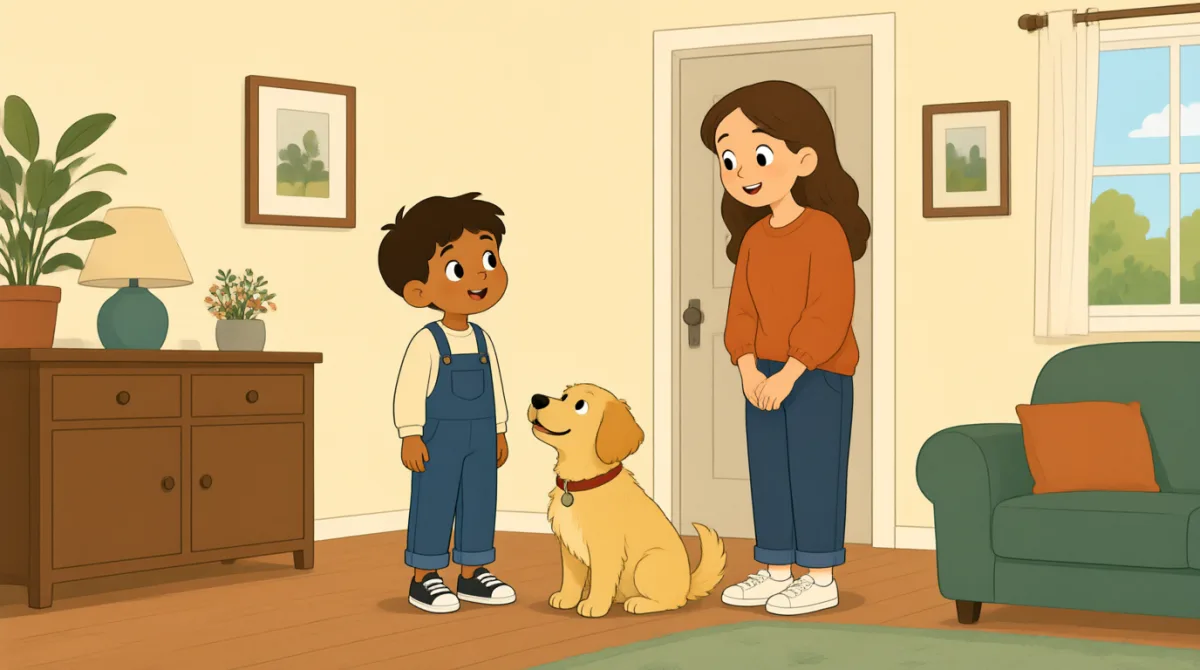

Hi, Jack. Thanks for coming over to meet Buddy.
হাই, জ্যাক। বাডির সঙ্গে দেখা করতে আমাদের বাড়িতে আসার জন্য ধন্যবাদ।

Hi, Emma. He’s a friendly dog. Can I say hello?
হাই, এমা। ও খুব বন্ধুসুলভ কুকুর। আমি কি ওকে আদর করে হ্যালো বলতে পারি?
Sure. He may bark at first, but he’ll calm down soon.
অবশ্যই। প্রথমে ও একটু ঘেউ ঘেউ করতে পারে, তবে শিগগিরই শান্ত হয়ে যাবে।
That’s okay. What’s his usual routine during the day?
সমস্যা নেই। দিনের বেলায় ওর সাধারণত কী রুটিন থাকে?
He eats breakfast at seven and dinner at six. He needs two walks.
ও সাতটায় সকালের খাবার খায় আর ছয়টায় রাতের খাবার। ওকে দুবার হাঁটাতে নিয়ে যেতে হয়।
Got it. Where can I find the leash and the house key?
বুঝেছি। поводা আর বাড়ির চাবি কোথায় পাব?
The leash is by the front door. I’ll leave the key under the mat.
повादा সামনের দরজার পাশে আছে। চাবিটা পাপোশের নিচে রেখে যাব।
Great. I’ll keep the door closed so Buddy doesn’t run out.
দারুণ। দরজাটা বন্ধ রাখব, যাতে বাডি বাইরে ছুটে যেতে না পারে।
শব্দভান্ডার8
- coming overকারও বাড়িতে আসা
To come to someone’s home. Here, Jack is visiting Emma to meet Buddy.
কারও বাড়িতে যাওয়া বোঝায়। এখানে জ্যাক বাডির সঙ্গে দেখা করতে এমার বাড়িতে এসেছে।
- say helloহ্যালো বলা
To greet someone. You can also use this phrase when greeting a pet.
কাউকে অভিবাদন জানানো বোঝায়। পোষা প্রাণীকে অভিবাদন জানাতেও এই কথাটি ব্যবহার করা যায়।
- calm downশান্ত হওয়া
To become quiet or relaxed. Here, Buddy may stop barking after a short time.
চুপচাপ বা নিরুদ্বিগ্ন হয়ে যাওয়া বোঝায়। এখানে, কিছুক্ষণ পর বাডির ঘেউ ঘেউ করা থেমে যেতে পারে।
- usual routineসাধারণ রুটিন
The things someone usually does each day. You can ask about a person’s or pet’s daily routine.
কেউ প্রতিদিন সাধারণত যা যা করে। কোনো ব্যক্তি বা পোষা প্রাণীর দৈনন্দিন রুটিন সম্পর্কে জানতে এই কথাটি ব্যবহার করতে পারো।
- walksহাঁটতে নিয়ে যাওয়া
Here, walks are times when Buddy goes outside for exercise. You can say a dog needs one or two walks a day.
এখানে, হাঁটতে নিয়ে যাওয়া বলতে ব্যায়ামের জন্য বাডিকে বাইরে নিয়ে যাওয়া বোঝায়। বলতে পারো, একটি কুকুরকে দিনে একবার বা দুবার হাঁটাতে নিয়ে যেতে হয়।
- front doorসামনের দরজা
The main door at the entrance of a house. This phrase is useful when giving directions.
বাড়ির প্রবেশপথের প্রধান দরজা। কাউকে পথনির্দেশ দেওয়ার সময় এই কথাটি কাজে লাগে।
- under the matপাপোশের নিচে
In the space below a mat. People sometimes leave a key there so someone can get into the house.
পাপোশের তলার জায়গায়। কাউকে বাড়িতে ঢোকার সুযোগ দিতে অনেকে সেখানে চাবি রেখে যায়।
- run outদৌড়ে বেরিয়ে যাওয়া
To leave a place quickly, often by running. Here, Jack wants to stop Buddy from getting outside.
কোনো জায়গা থেকে দ্রুত, প্রায়ই দৌড়ে, চলে যাওয়া বোঝায়। এখানে, জ্যাক বাডিকে বাইরে চলে যাওয়া থেকে আটকাতে চায়।
গুরুত্বপূর্ণ বাক্য7
- 1
Thanks for coming over to meet Buddy.
বাডির সঙ্গে দেখা করতে আমাদের বাড়িতে আসার জন্য ধন্যবাদ।
Use this to thank someone for visiting your home. You can replace “meet Buddy” with another reason for the visit.
কেউ তোমার বাড়িতে বেড়াতে এলে তাকে ধন্যবাদ জানাতে এই বাক্যটি ব্যবহার করো। “meet Buddy” (বাডির সঙ্গে দেখা করা)-এর জায়গায় আসার অন্য কোনো কারণ বসাতে পারো।
- 2
Can I say hello?
আমি কি হ্যালো বলতে পারি?
Use this to politely ask if you can greet someone. It also works when asking to greet a pet.
কাউকে অভিবাদন জানাতে পারবে কি না, ভদ্রভাবে জানতে এই বাক্যটি ব্যবহার করো। পোষা প্রাণীকে অভিবাদন জানাতেও এটি বলা যায়।
- 3
What’s his usual routine during the day?
দিনের বেলায় ওর সাধারণত কী রুটিন থাকে?
Use this question to ask what someone usually does each day. You can replace “his” with “your” or “her.”
কেউ প্রতিদিন সাধারণত কী করে, তা জানতে এই প্রশ্নটি করো। “his”-এর জায়গায় “your” বা “her” বসাতে পারো।
- 4
He eats breakfast at seven and dinner at six.
ও সাতটায় সকালের খাবার খায় আর ছয়টায় রাতের খাবার।
This sentence gives a simple daily schedule. You can use the same pattern to talk about meal times.
এই বাক্যে দিনের একটি সহজ সময়সূচি জানানো হয়েছে। খাবারের সময় বলতে একই ধরন ব্যবহার করতে পারো।
- 5
Where can I find the leash and the house key?
পোশাক আর বাড়ির চাবি কোথায় পাব?
Use this to ask where two things are. Replace “the leash and the house key” with the items you need.
দুটি জিনিস কোথায় আছে, তা জানতে এই বাক্যটি ব্যবহার করো। “the leash and the house key”-এর জায়গায় তোমার দরকারি জিনিসগুলোর নাম বসাও।
- 6
I’ll leave the key under the mat.
চাবিটা পাপোশের নিচে রেখে যাব।
Use “I’ll” to say what you will do in the future. You can replace “under the mat” with another location.
ভবিষ্যতে কী করবে তা বলতে “I’ll” ব্যবহার করো। “under the mat”-এর জায়গায় অন্য কোনো জায়গার নাম বসাতে পারো।
- 7
I’ll keep the door closed so Buddy doesn’t run out.
দরজাটা বন্ধ রাখব, যাতে বাডি বাইরে ছুটে যেতে না পারে।
Use “I’ll keep” to say you will make sure something stays a certain way. “So” explains the reason.
কোনো কিছু একটি নির্দিষ্ট অবস্থায় থাকবে, তা নিশ্চিত করবে বোঝাতে “I’ll keep” ব্যবহার করো। “So” দিয়ে কারণ বোঝানো হয়।