單元 56
單字 1101–1120 · progress, truth, nobody, examine, lay, speed
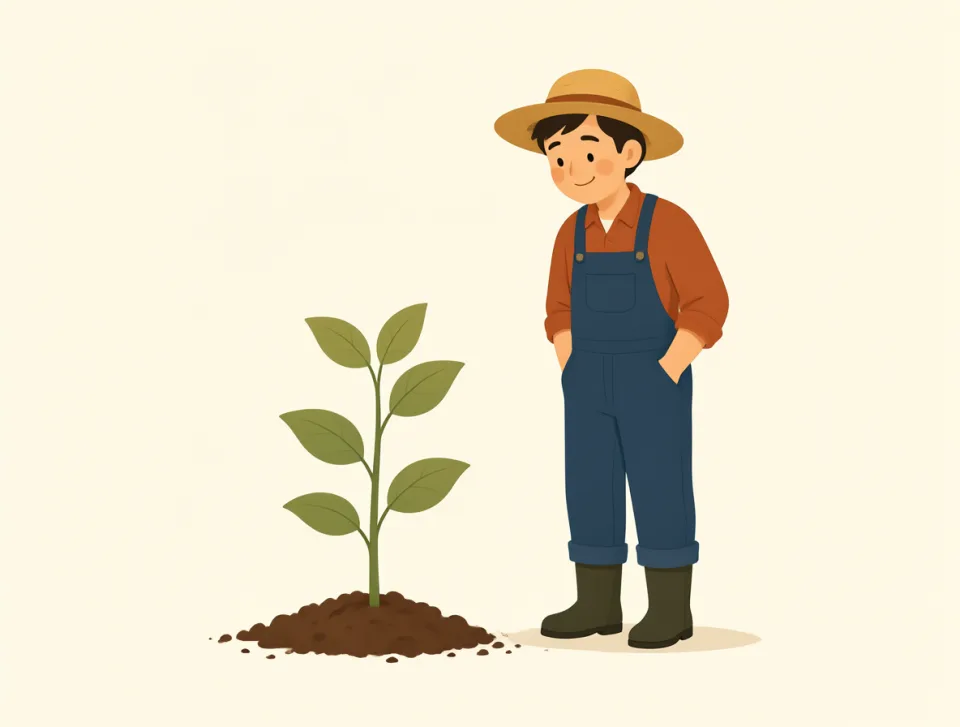
progress
#1101noun, verb
進步; 進展
Movement toward a better or more advanced state, or the act of developing gradually.
向更好或更先進的狀態發展,或逐漸發展的過程。
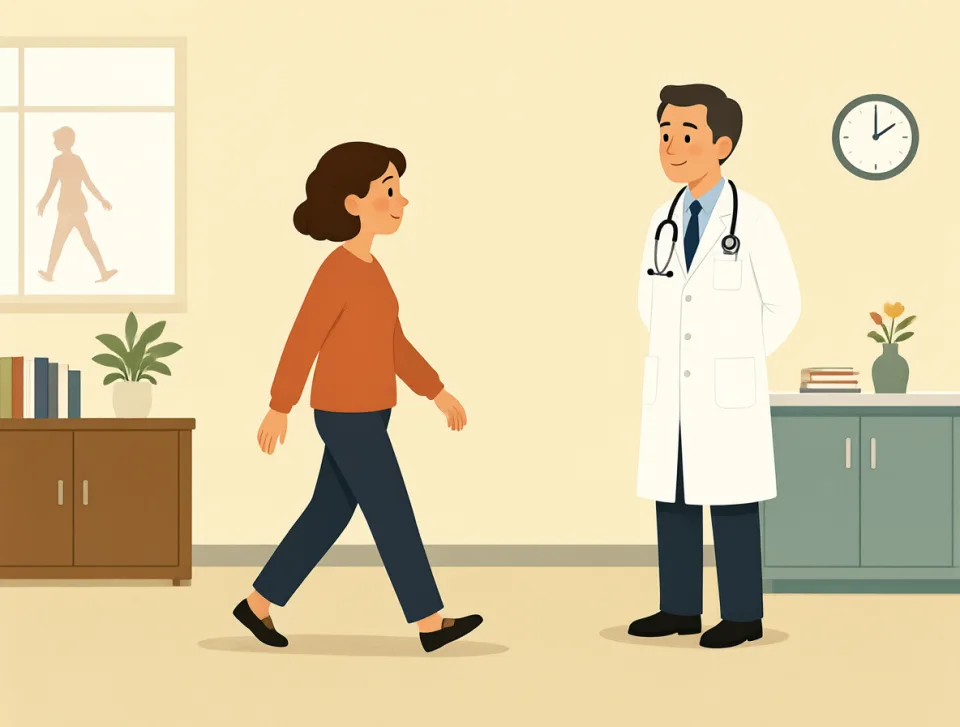
The new medicine helped her make good progress.
這種新藥幫助她取得了很大的進步。

We are making progress on our school project.
我們的學校專案正在取得進展。
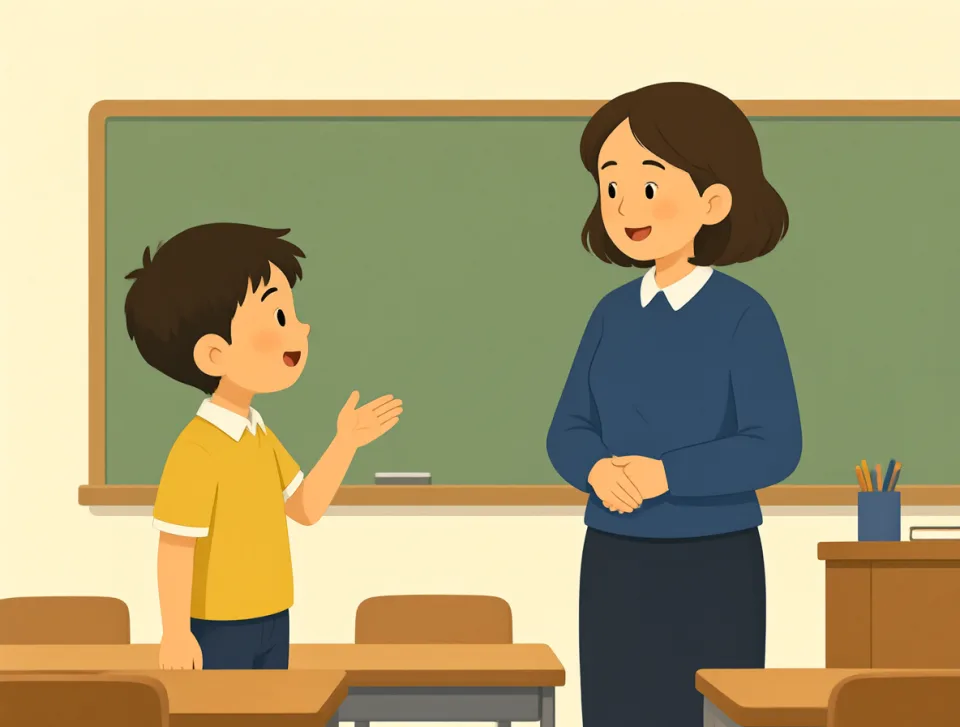
His English has improved greatly over the past year.
過去一年裡,他的英語進步很大。

The builders progressed quickly after the rain stopped.
雨停後,建築工人們很快就加快了進度。
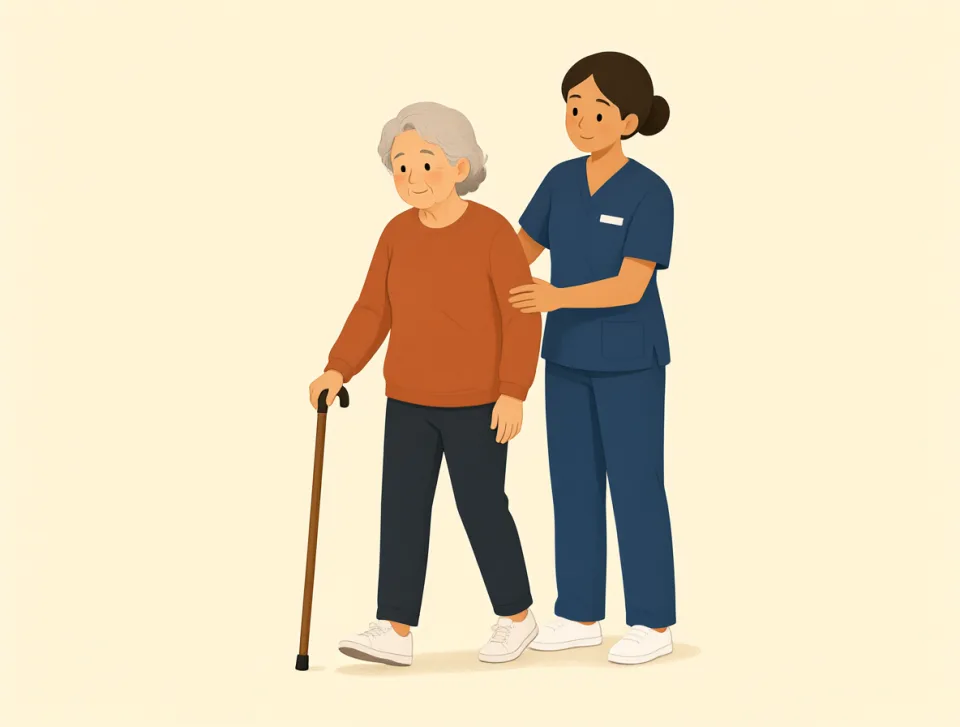
She is progressing well after her knee operation.
她膝蓋手術後的恢復進展順利。

truth
#1102noun
真相; 事實
The facts about something, rather than what someone thinks or says.
關於某件事的事實,而不是某人的想法或說法。
Please tell me the truth about what happened yesterday.
請告訴我昨天發生的事情真相。

The truth is that we cannot afford a new car.
事實是,我們買不起一輛新車。

She finally found out the truth about her missing passport.
她終於發現了護照丟失的真相。

He always tells the truth, even when it is difficult.
他總是說實話,即使這很難做到。
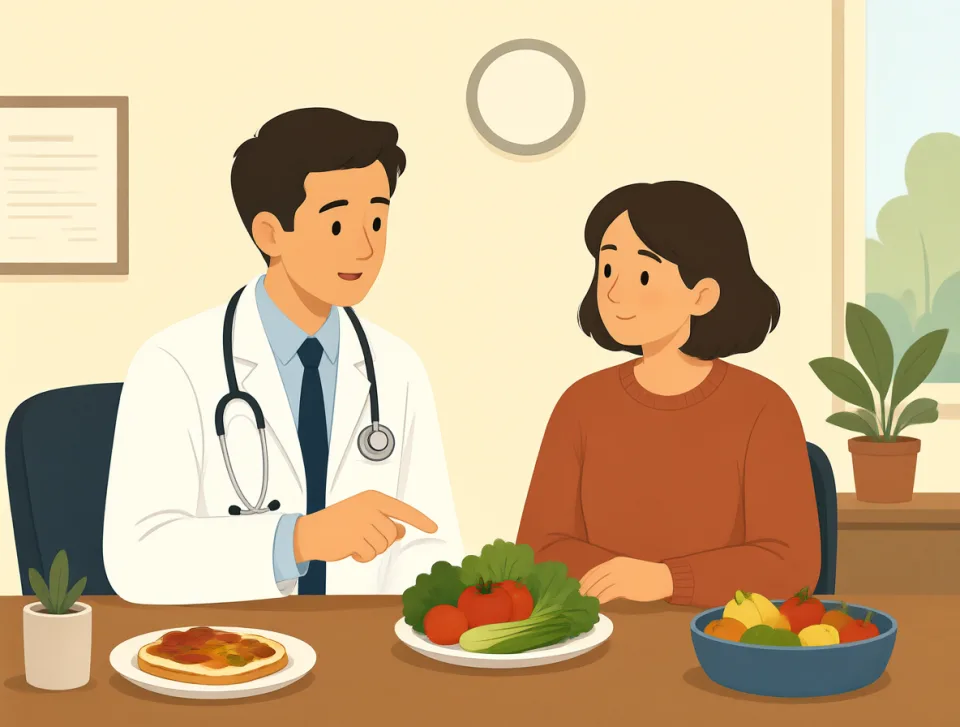
The doctor helped me face the truth about my unhealthy diet.
醫生幫助我面對不健康飲食這一事實。
nobody
#1103pronoun
沒有人; 誰也沒有
Not one person; no person at all.
一個人也沒有;完全沒有人。
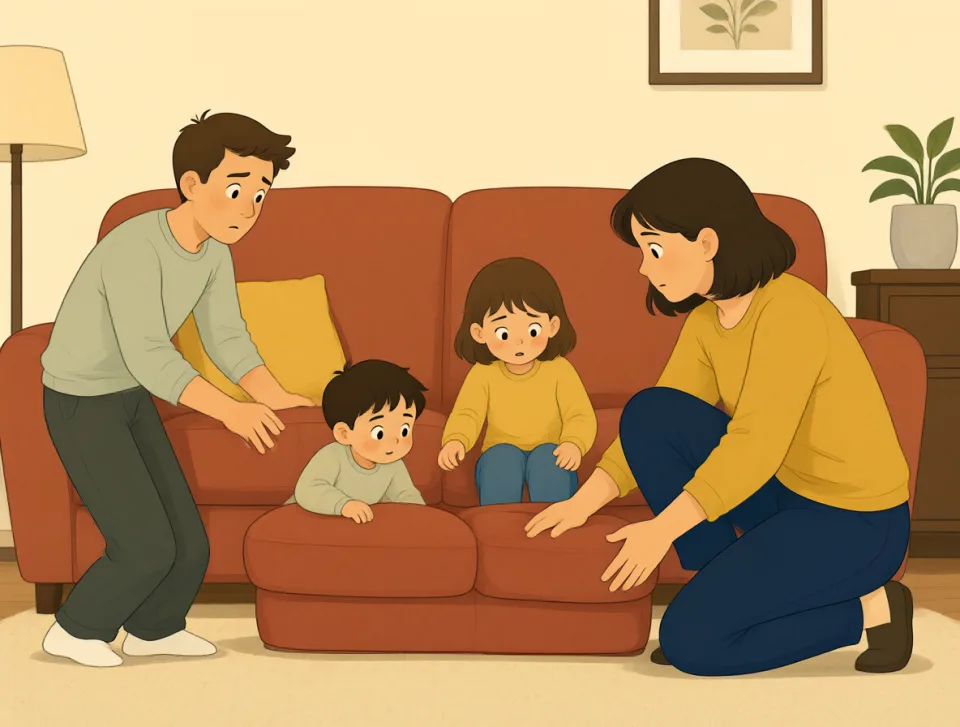
Nobody knows where the missing keys are.
沒有人知道丟失的鑰匙在哪裡。

Nobody came to the party because of the storm.
因為暴風雨,沒人來參加聚會。
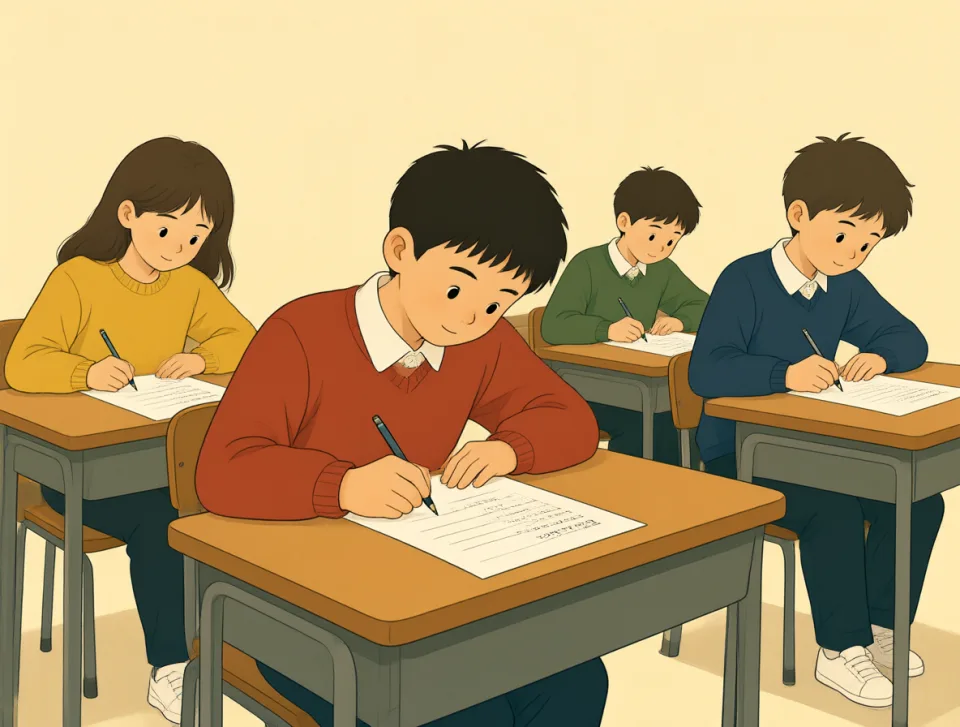
Nobody in my class finished the difficult test early.
我們班沒有人提前做完那份難題。
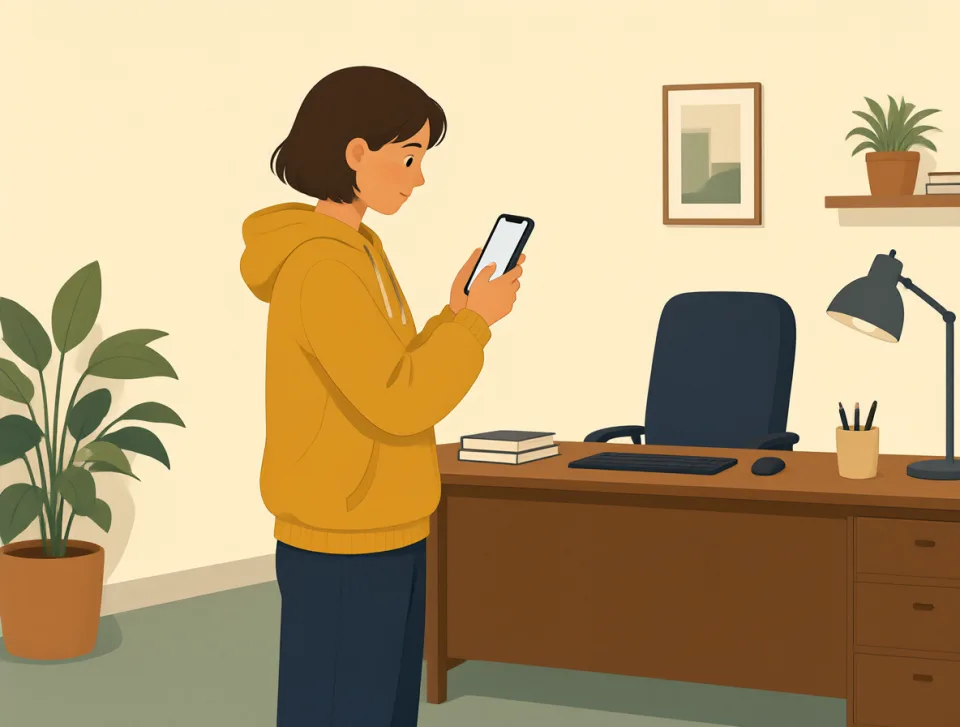
Nobody answered the phone when I called the office.
我給辦公室打電話時,沒有人接。
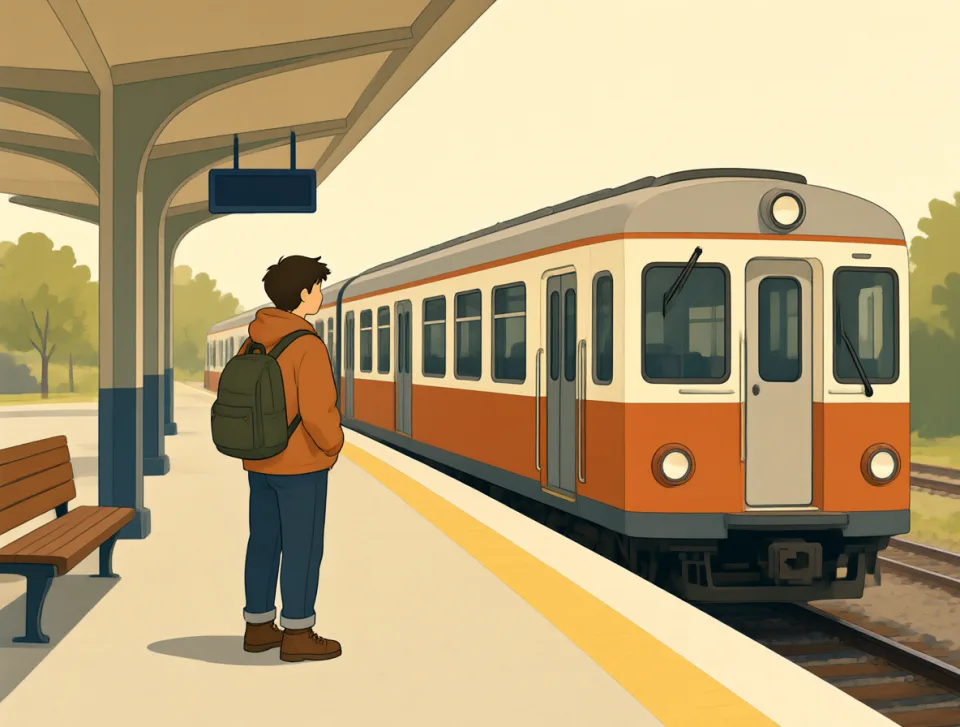
There was nobody at the station when our train arrived.
我們的火車到站時,車站裡一個人也沒有。
examine
#1104verb
檢查;仔細檢視
to look at something carefully to learn about it or find a problem
仔細檢視某物,以瞭解它或找出問題
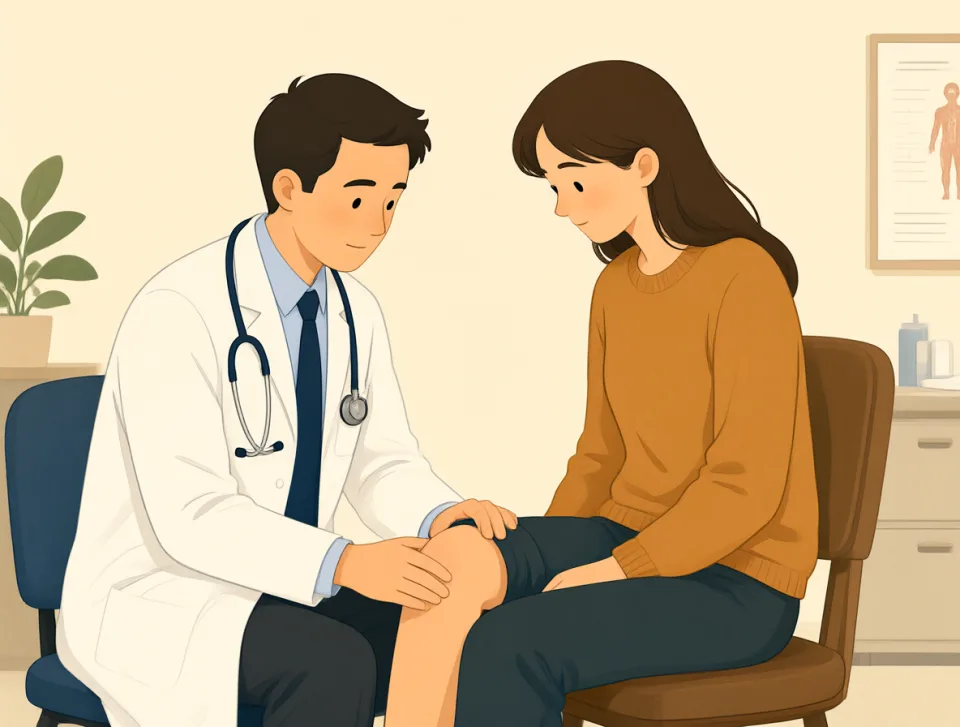
The doctor examined my knee and asked if it hurt.
醫生檢查了我的膝蓋,還問我疼不疼。

The mechanic examined the car before giving us a price.
修理工檢查了汽車,然後才給我們報價。

Students examined the leaves during their science lesson.
科學課上,學生們仔細觀察了樹葉。

Please examine the shirt carefully before buying it.
買這件襯衫前,請仔細檢查一下。

The police examined the broken window for clues.
警方檢查了破碎的窗戶,尋找線索。
lay
#1105verb
放置;下蛋
to put something down gently or carefully
輕輕地或小心地把某物放下

Please lay the baby on the bed for a nap.
請把寶寶輕輕放在床上睡午覺。

She laid the plates on the kitchen table.
她把盤子放在廚房的桌子上。

The hen lays an egg every morning.
這隻母雞每天早上下一個蛋。

He laid his jacket over the chair at work.
他在工作時把外套搭在椅子上。
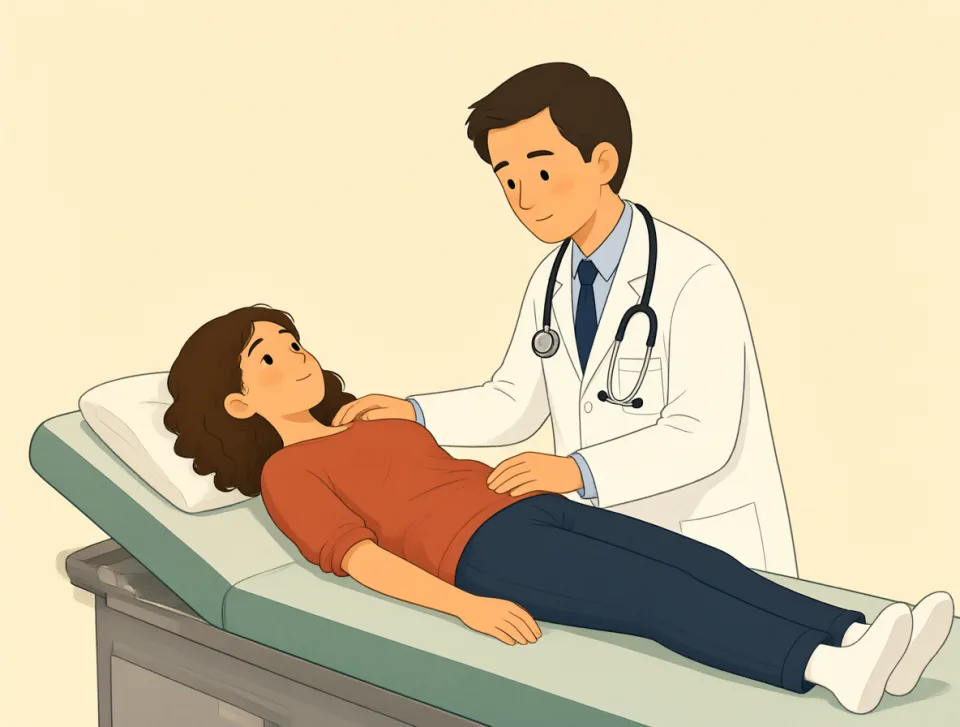
The doctor told me to lay still during the examination.
醫生告訴我檢查時要躺著別動。
speed
#1106noun, verb
速度; 加速
How fast someone or something moves; to move faster.
某人或某物移動的快慢;移動得更快。
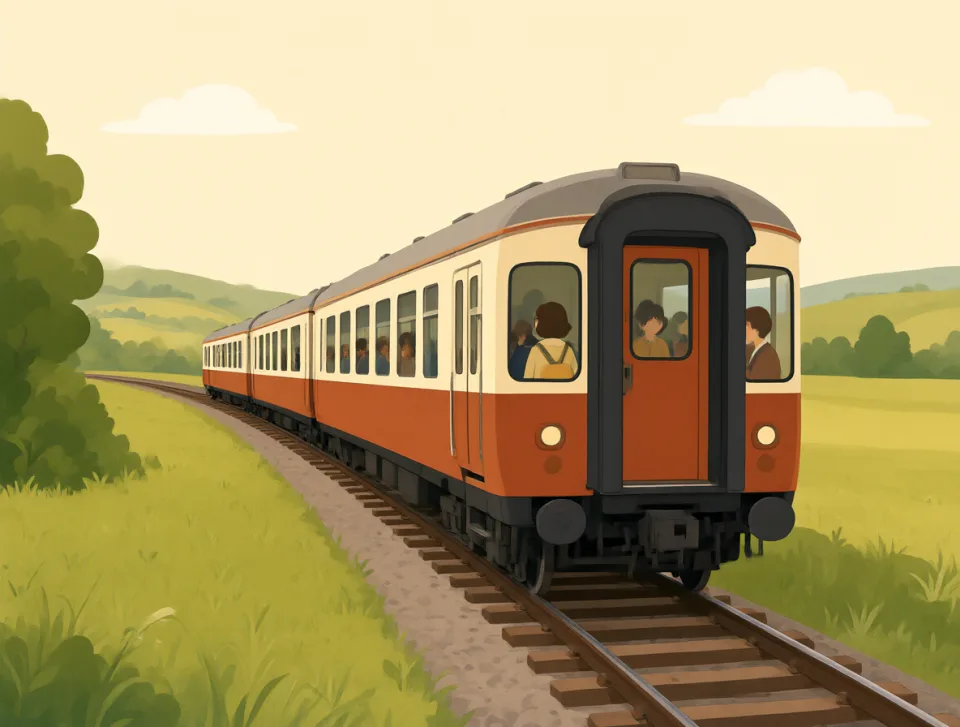
The train picked up speed after leaving the station.
火車離開車站後逐漸加速了。
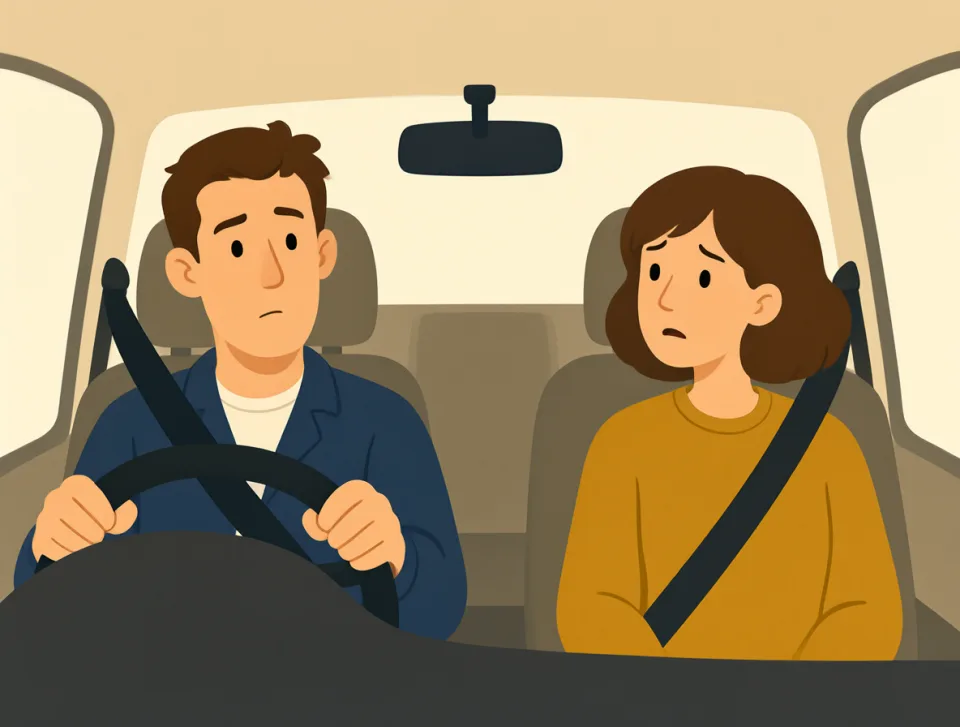
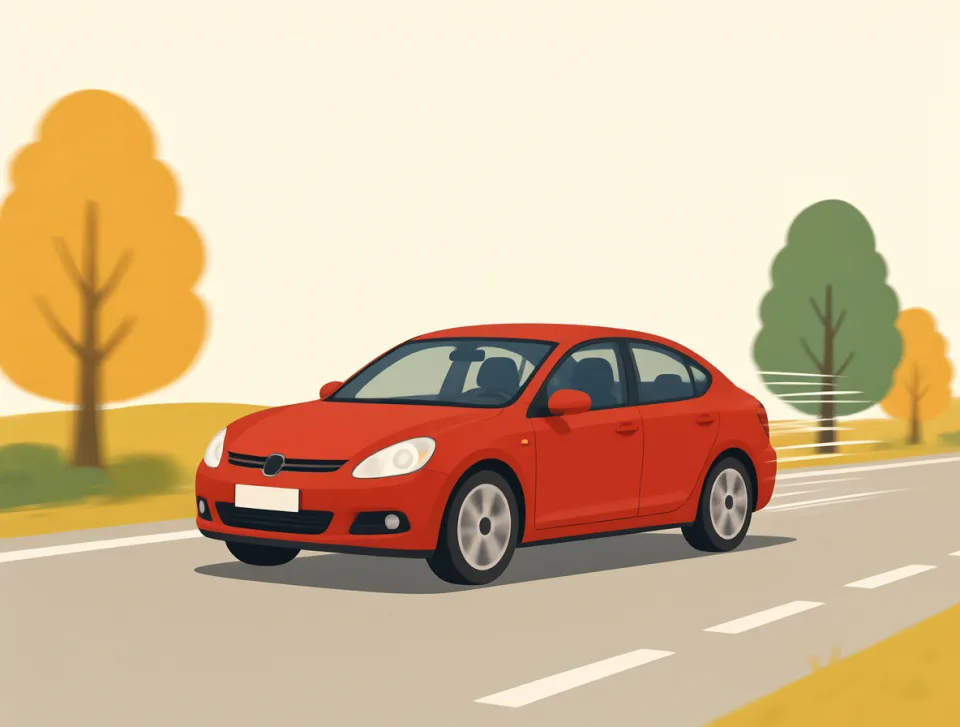
Please slow down; you are driving at a dangerous speed.
請慢一點;你正以危險的速度開車。
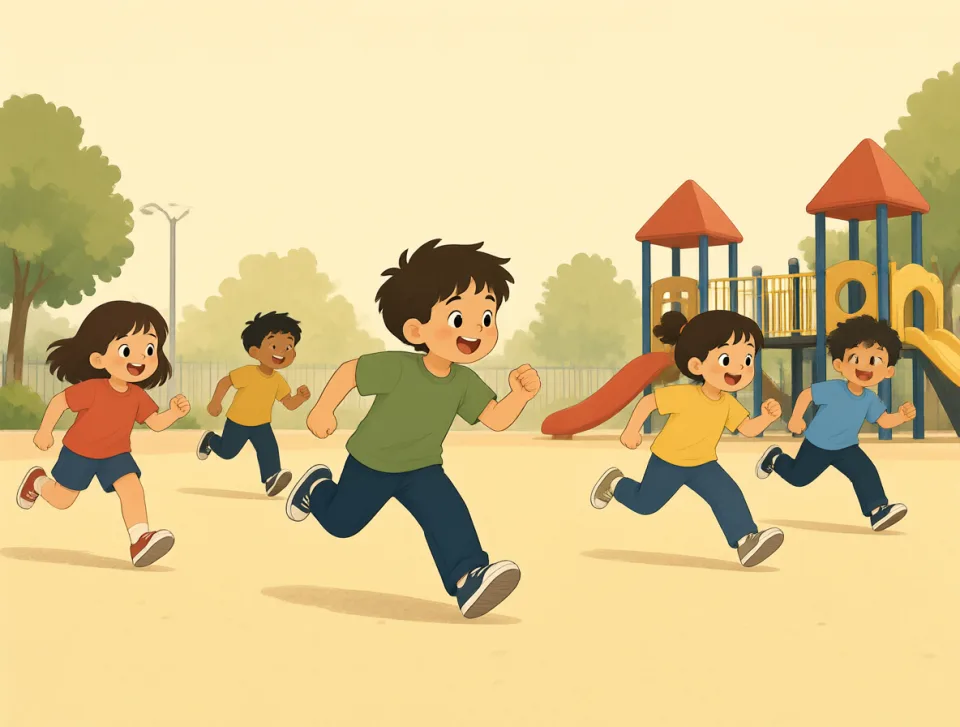
The children ran at full speed across the playground.
孩子們全速跑過了操場。

This internet connection is fast enough for online classes.
這個網際網路連線的速度足夠快,可以上網課。

The chef speeds up dinner by preparing the vegetables first.
廚師先準備好蔬菜,從而加快了晚餐的準備速度。
politics
#1107noun
政治
The activities and ideas involved in governing a country or group.
治理一個國家或群體所涉及的活動和思想。
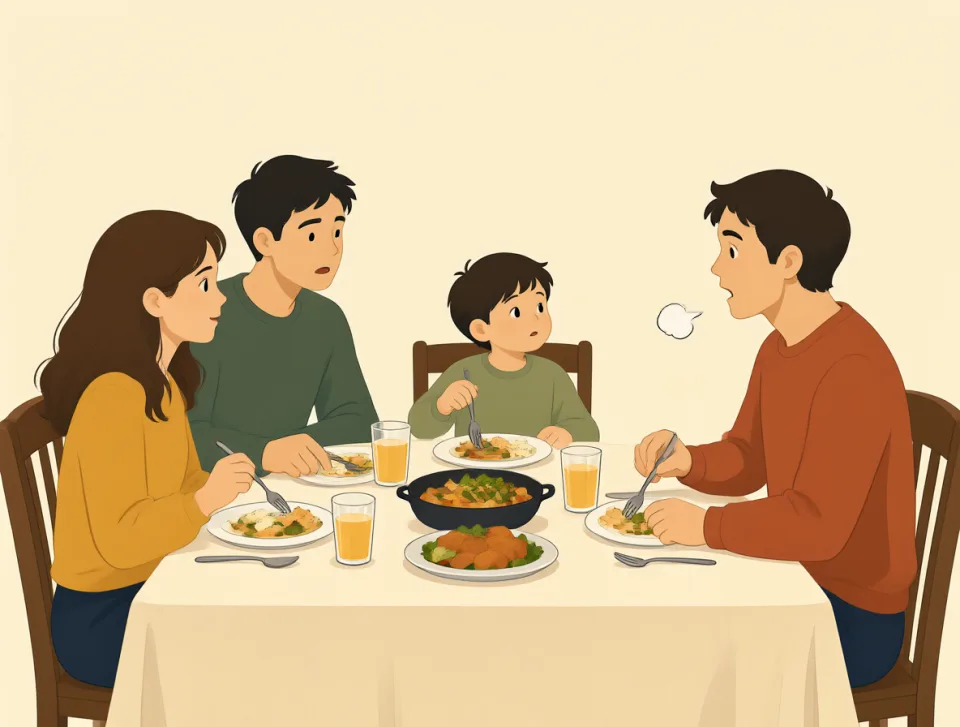
We do not talk about politics at family dinners.
我們家吃晚飯時不談政治。

She is interested in politics and follows the news every day.
她對政治很感興趣,每天都會關注新聞。

Office politics can make teamwork difficult.
辦公室政治會讓團隊合作變得困難。
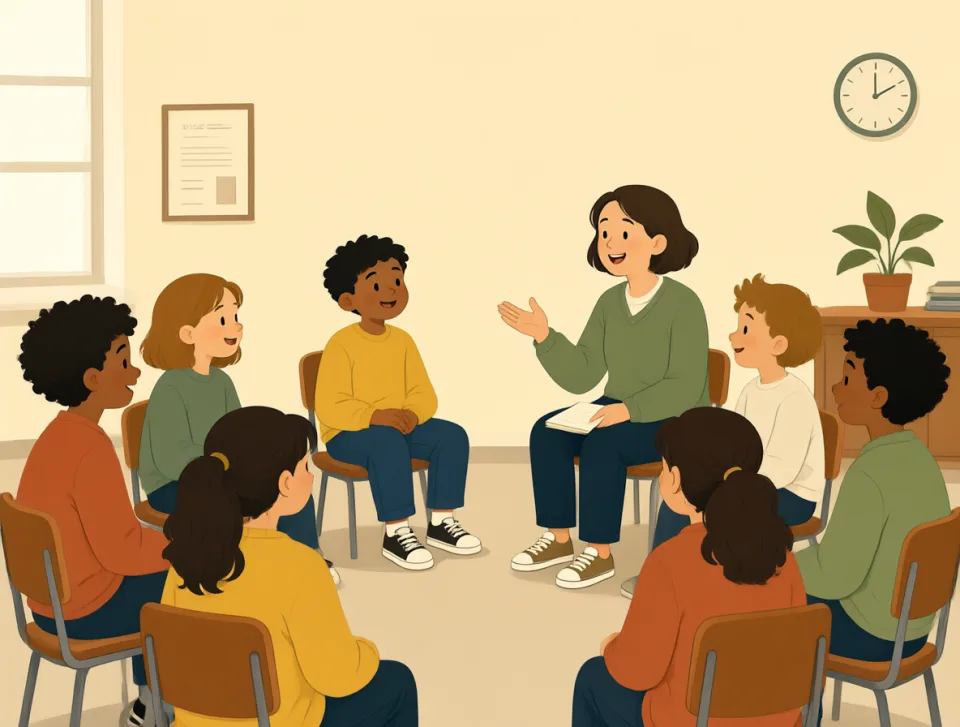
The students discussed local politics in their class.
學生們在課堂上討論了當地的政治。

My friends started arguing about politics during the long train journey.
在漫長的火車旅途中,我的朋友們開始為政治問題爭論起來。

reply
#1108noun, verb
回覆; 回答; 答覆
To answer someone or something by speaking, writing, or doing something.
透過說話、寫作或採取行動來回應某人或某事。

Please reply to my message when you get home.
請你到家後回覆我的訊息。

He replied that he would arrive after lunch.
他回答說午飯後會到。

The shop replied to my complaint and offered a refund.
商店回覆了我的投訴,並提出退款。

She waited all day for a reply from the hotel.
她等了一整天酒店的回覆。
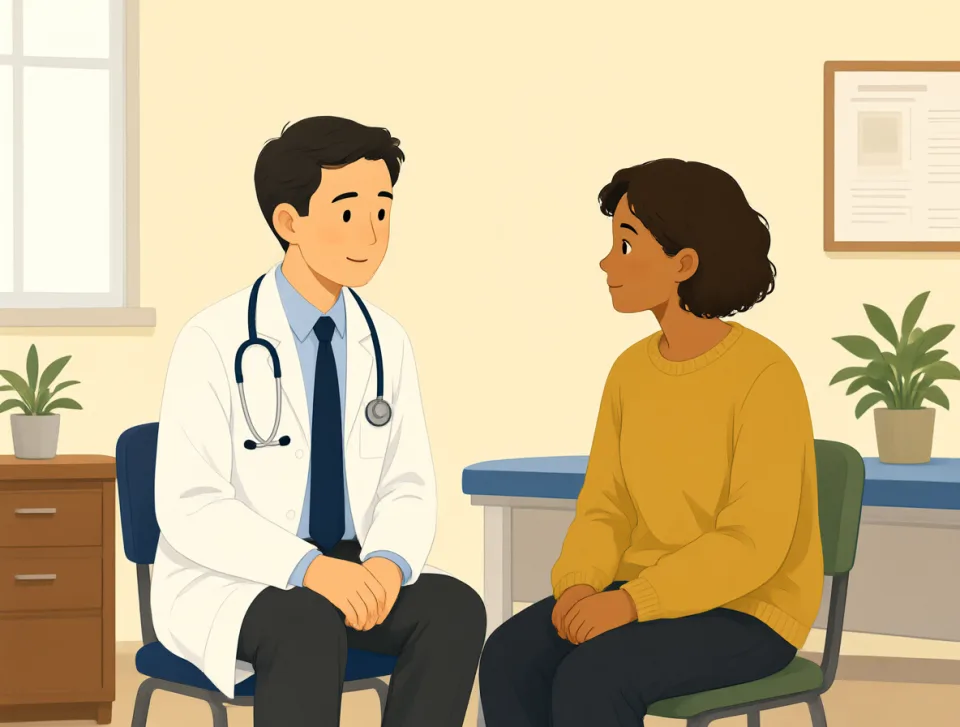
My doctor replied to my question about the new medicine.
我的醫生回答了我關於新藥的問題。

display
#1109noun, verb
顯示;展示;展覽
to show something clearly, or a place where things are shown
清楚地展示某物,或展示物品的地方

The museum displays beautiful paintings from around the world.
這家博物館展出了來自世界各地的精美畫作。

Her phone display is too dark to read outside.
她的手機螢幕太暗了,在戶外看不清。

The shop displayed its best products near the entrance.
這家商店把最好的商品擺在了入口附近。

The children displayed their science projects at school.
孩子們在學校展示了他們的科學專案。
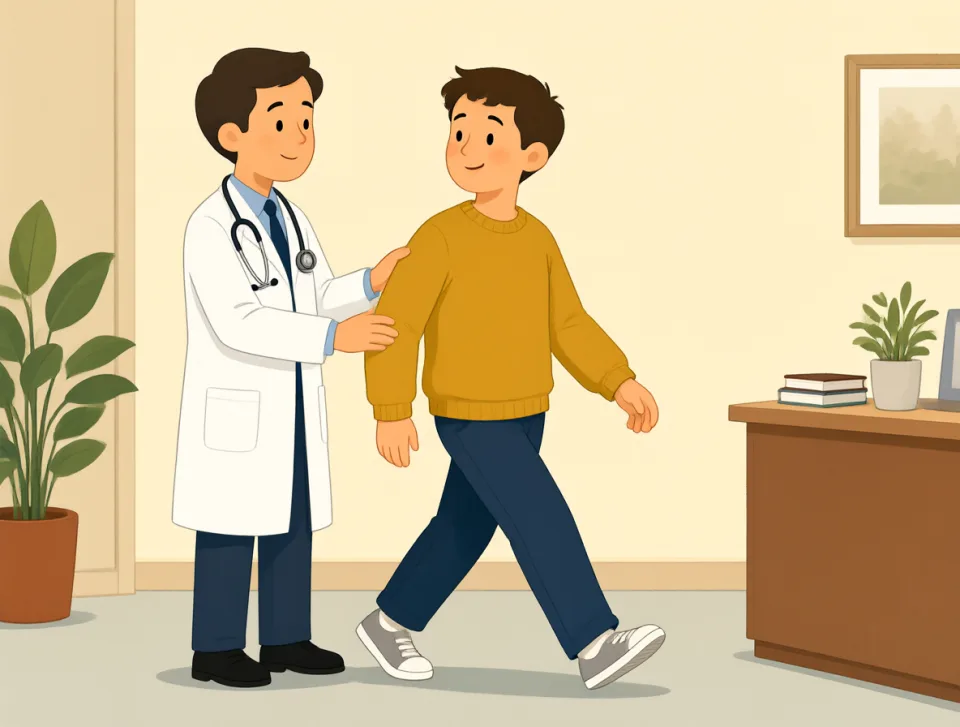
The patient displayed signs of improvement after treatment.
治療後,患者表現出了好轉的跡象。
transfer
#1110noun, verb
轉移;轉賬;轉學;換乘
To move something or someone from one person, place, or account to another.
把某人或某物從一個人、地點或賬戶轉移到另一個人、地點或賬戶。

Please transfer the money to my bank account today.
請今天把錢轉到我的銀行賬戶。

She transferred to a different school last year.
她去年轉到另一所學校。
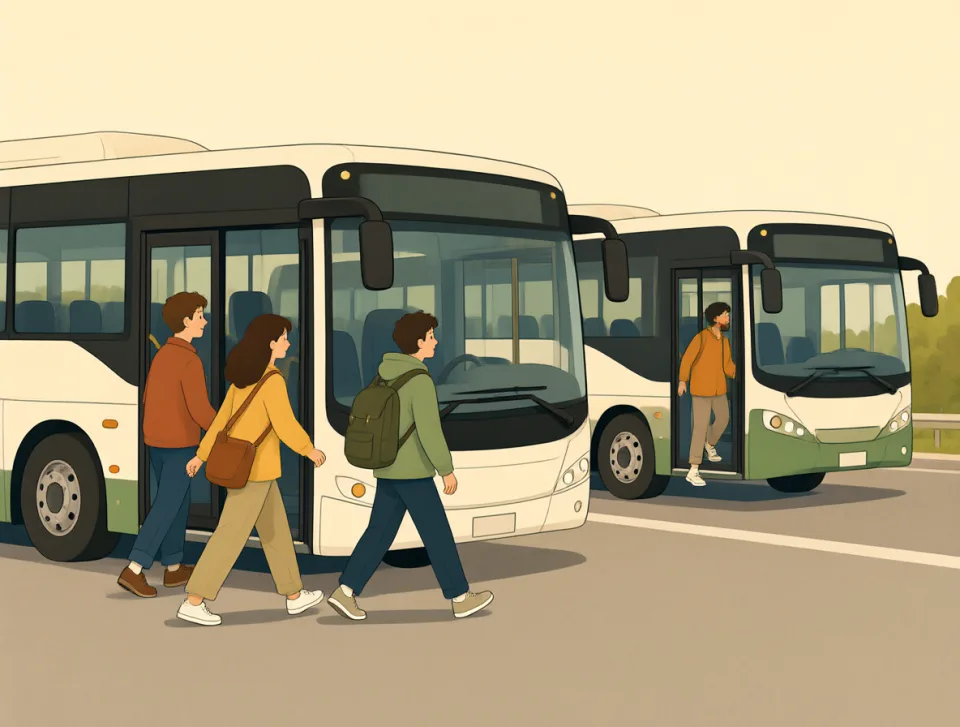
We need to transfer buses at the next stop.
我們需要在下一站換乘公交車。
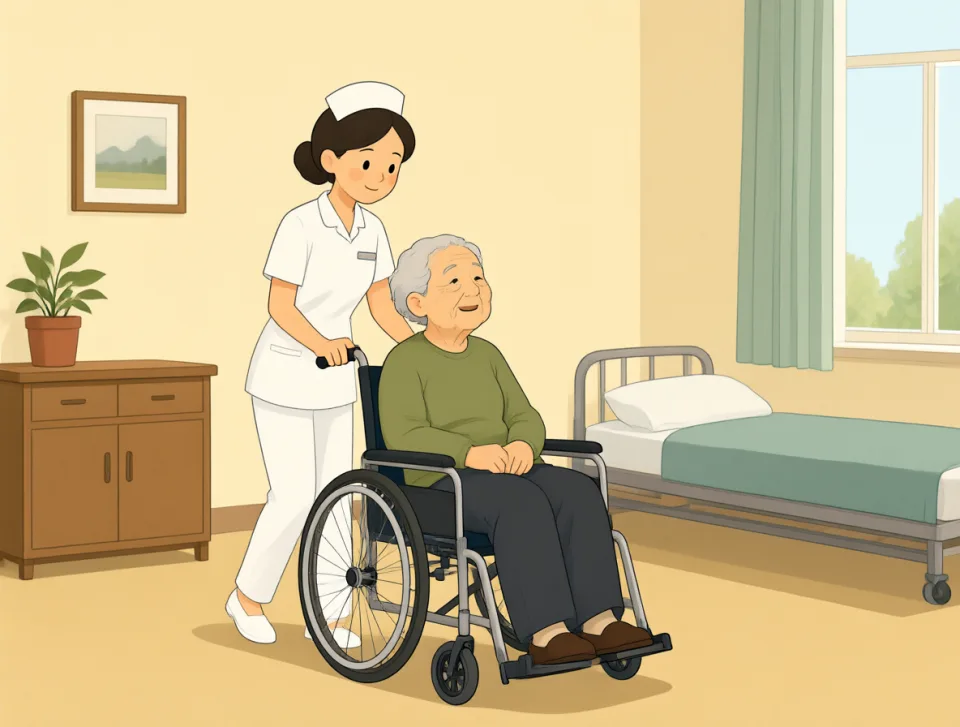
The nurse transferred the patient to a quieter room.
護士把病人轉移到了一個更安靜的房間。
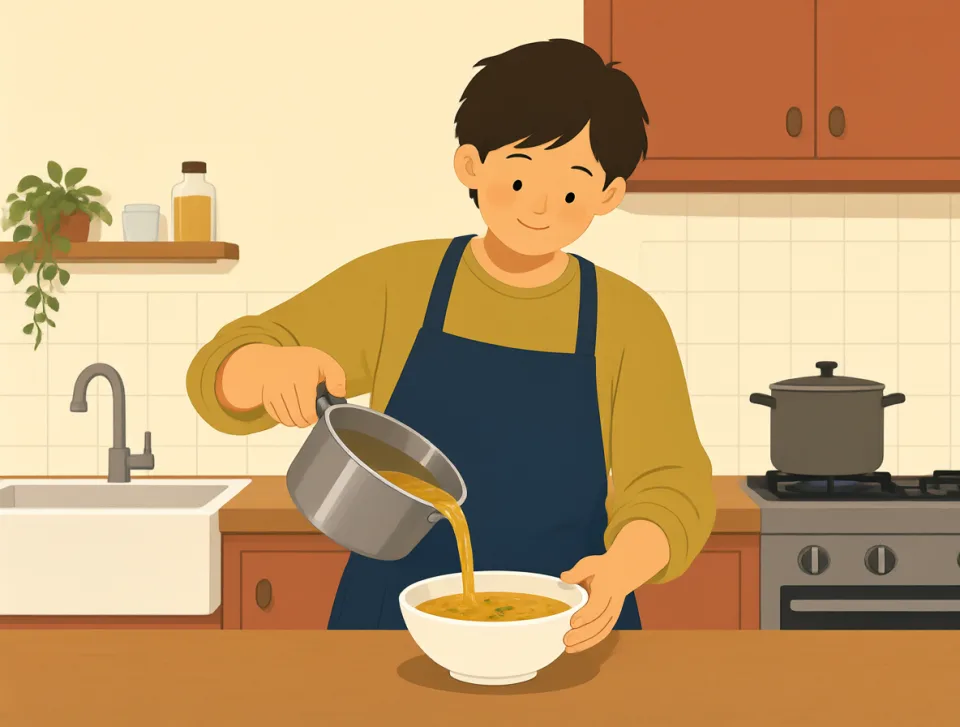
He is transferring the soup into a clean bowl.
他正在把湯倒進一個乾淨的碗裡。
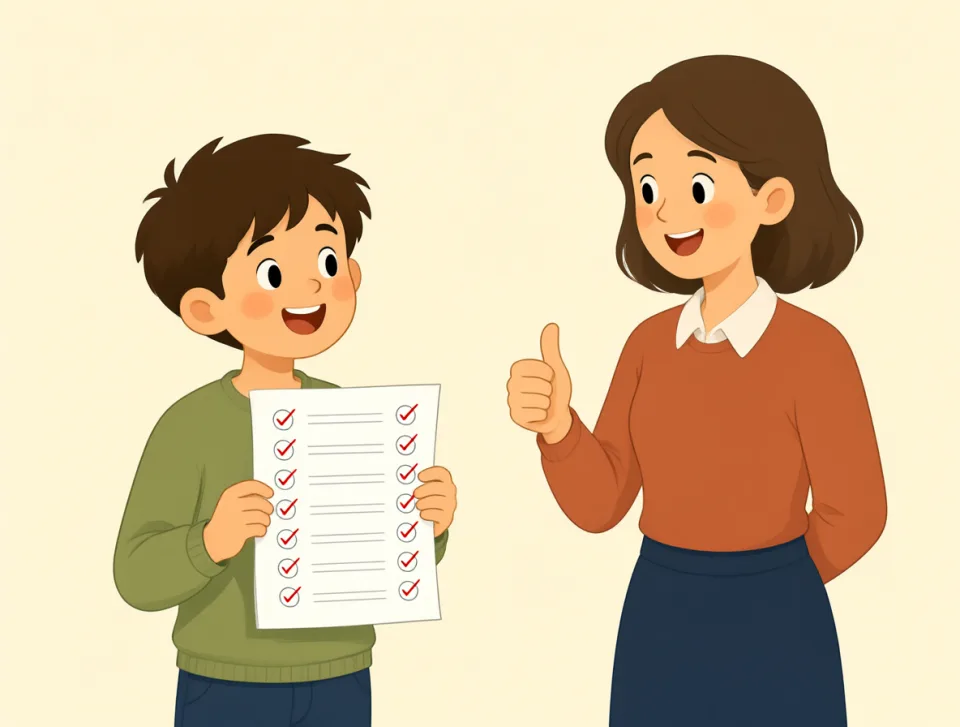
perfect
#1111adjective, noun, verb
完美;使完美
Completely correct, suitable, or without any mistakes or problems.
完全正確、合適,或沒有任何錯誤或問題。

This sunny day is perfect for a picnic in the park.
這個晴朗的天氣非常適合去公園野餐。

She found the perfect dress for her sister's wedding.
她找到了參加姐姐婚禮的完美禮服。
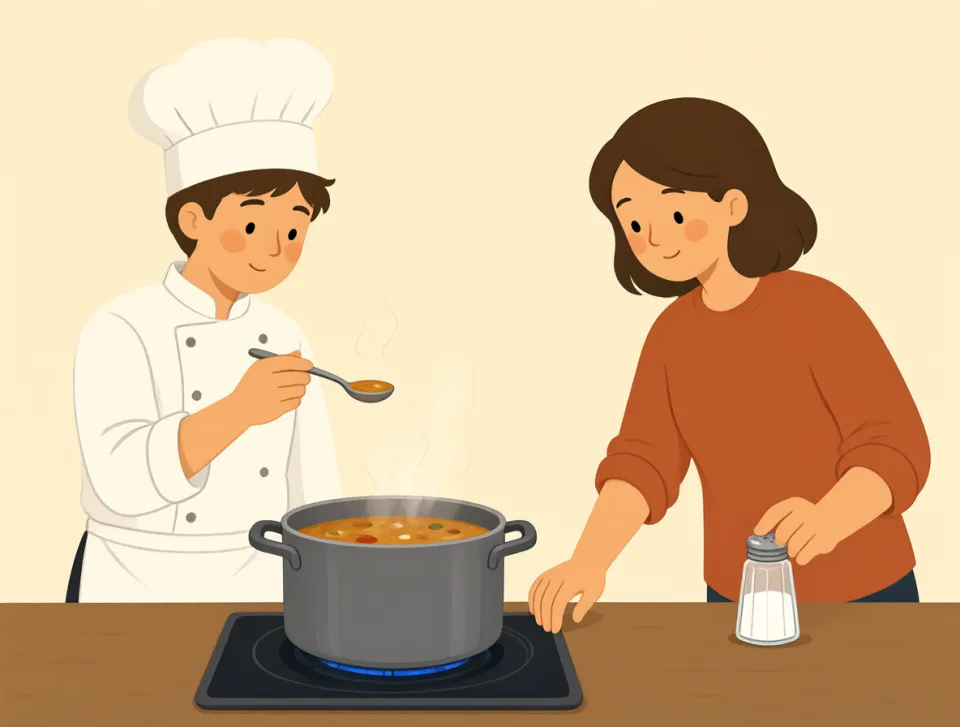
The soup needs more salt to make it perfect.
這湯需要再加點鹽才夠完美。
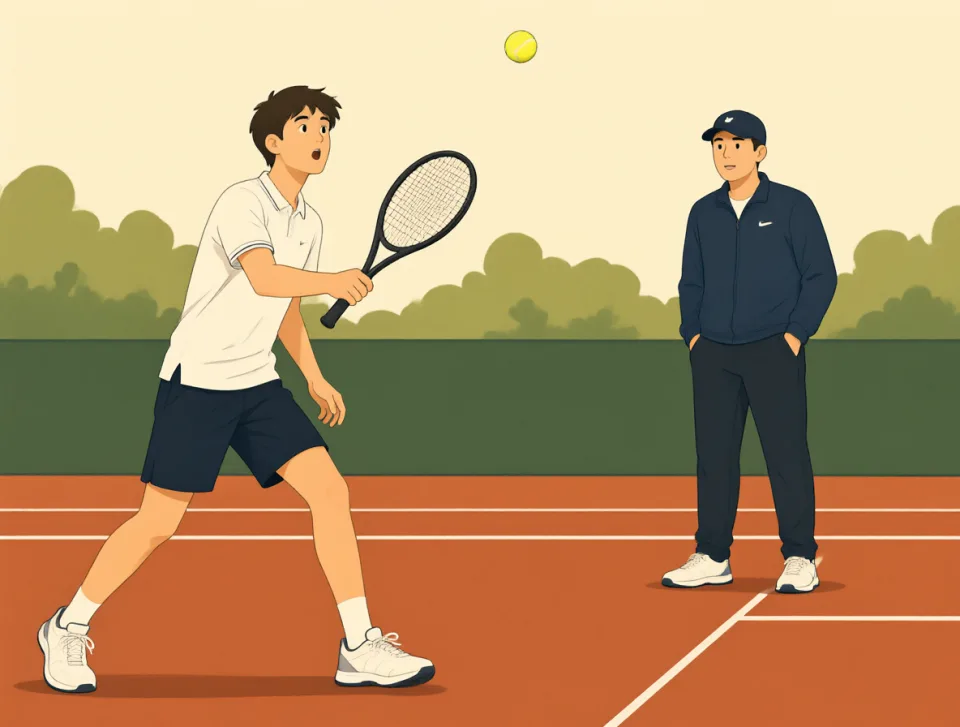
He practiced every day until he perfected his tennis serve.
他每天練習,直到把網球發球練得爐火純青。
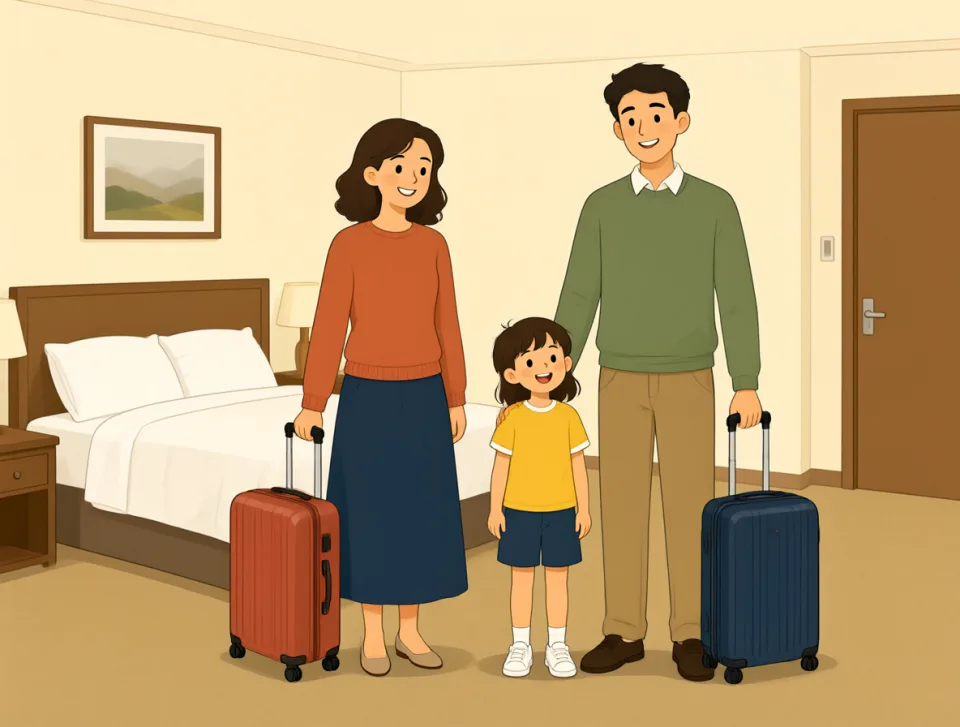
The hotel room was perfect for our family of four.
這間酒店客房非常適合我們一家四口。

slightly
#1112adverb
稍微; 略微
A little, but not very much.
一點,但不多。
The soup is slightly too hot to eat.
湯有點太燙了,喝不了。
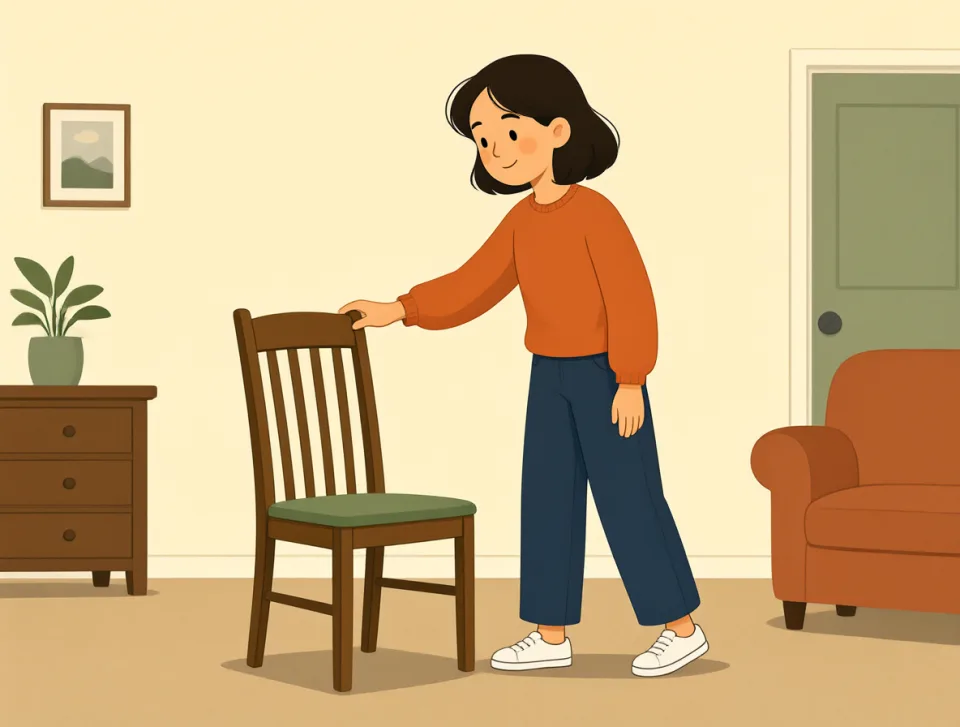
Please move the chair slightly to the left.
請把椅子稍微往左移一點。
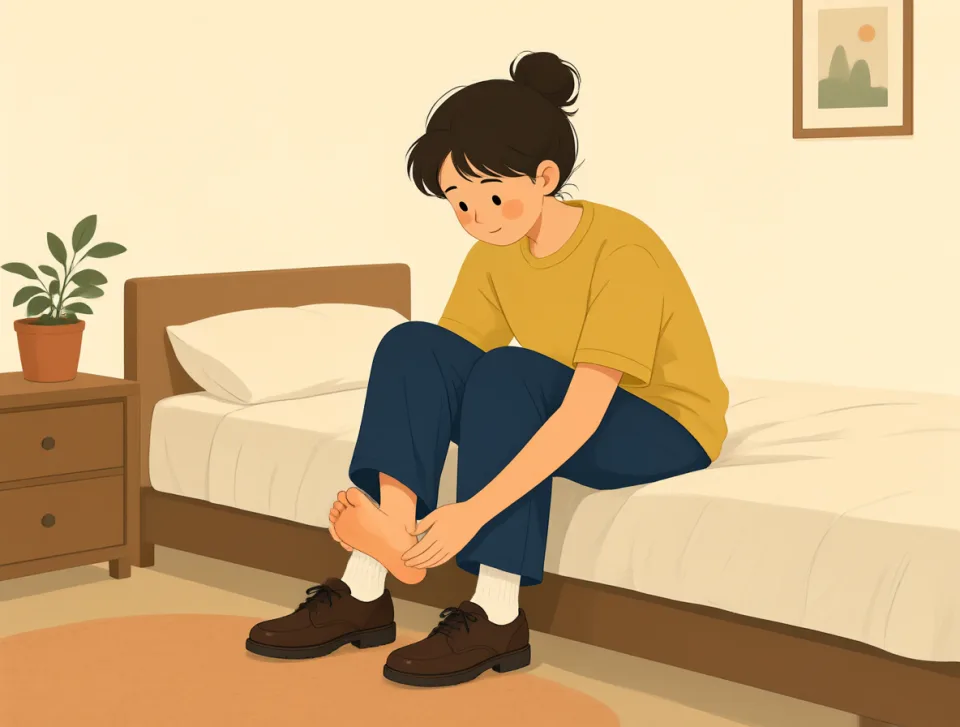
My new shoes are slightly uncomfortable.
我的新鞋穿著有點不舒服。
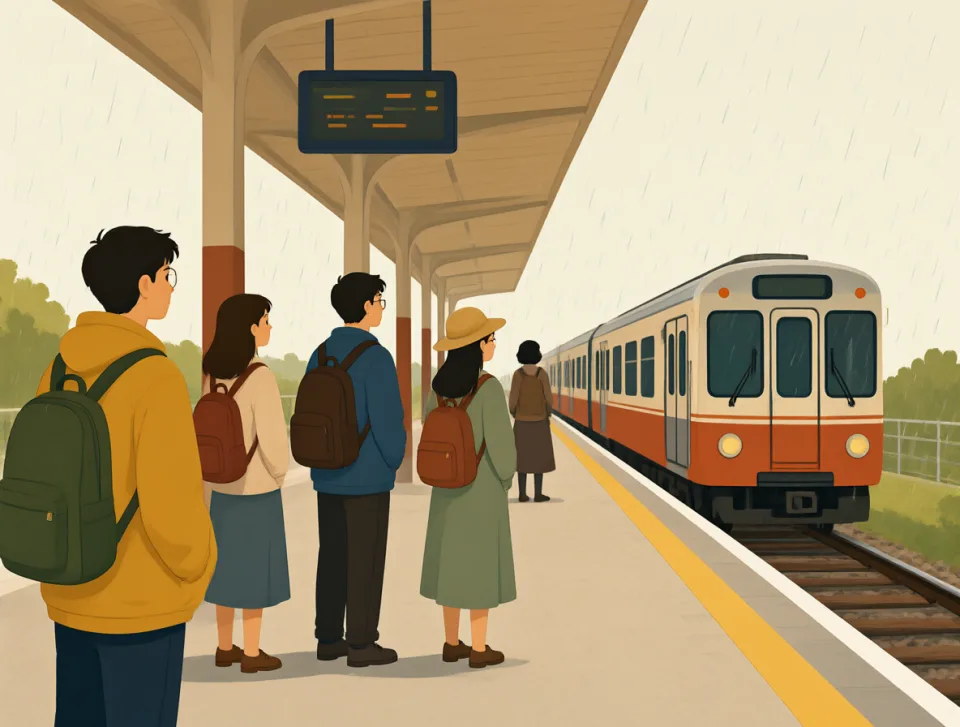
The train was slightly delayed because of heavy rain.
因為下大雨,火車晚點了一會兒。
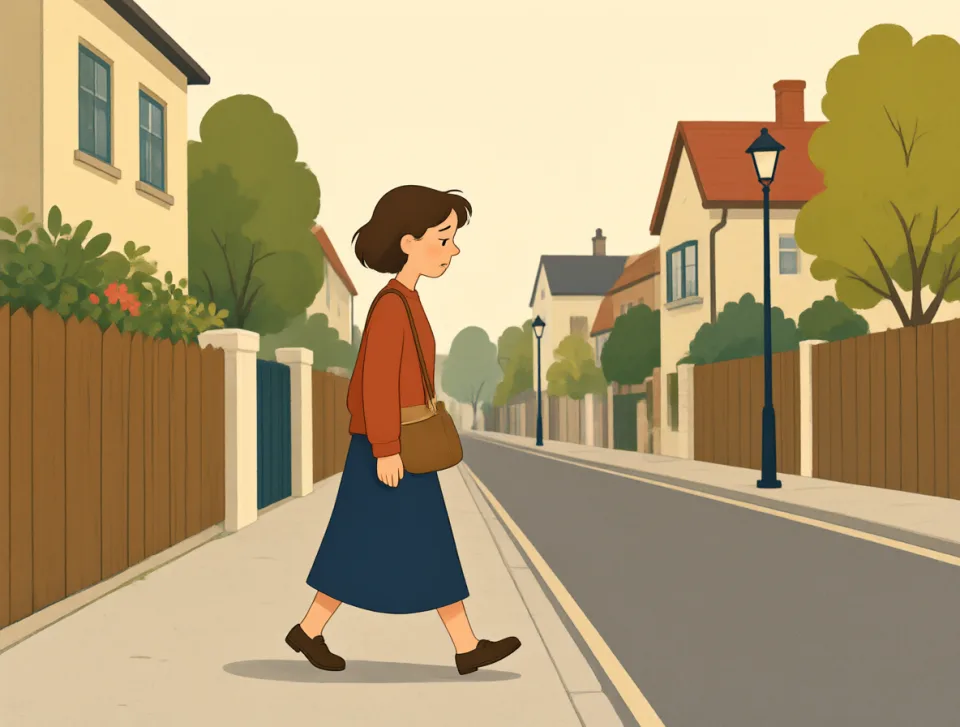
She felt slightly tired after the long walk home.
她走了很長一段路回家後,覺得有點累。

overall
#1113adjective, adverb, noun
總體的; 整體的; 總的來說
Including everything, or considering everything together rather than one part.
包括所有內容,或綜合考慮全部情況,而不是隻看其中一部分。
Overall, the trip was enjoyable despite the rainy weather.
總的來說,儘管天氣下著雨,這次旅行還是很愉快的。

The overall cost of the meal was lower than expected.
這頓飯的總費用比預想的要低。

She was happy with the overall result of her school project.
她對學校專案的整體結果感到滿意。
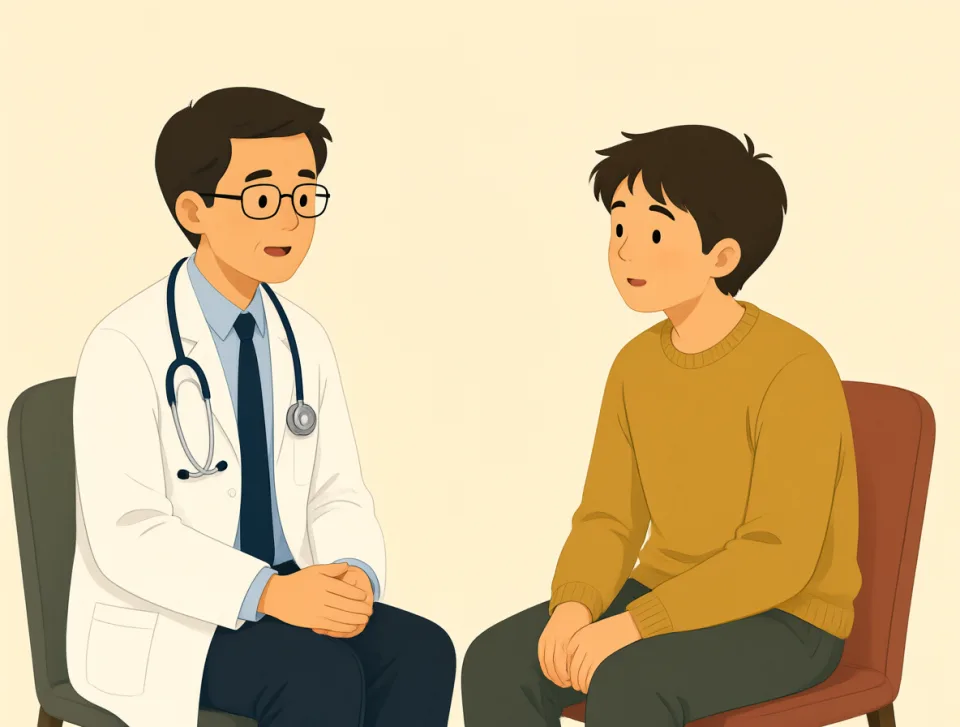
The doctor said his overall health was good.
醫生說他的整體健康狀況良好。

Overall, our team worked well together during the busy week.
總的來說,我們團隊在忙碌的一週裡合作得很好。

intend
#1114verb
打算; 計劃; 想要
to plan or mean to do something
計劃或打算做某事
I intend to finish my homework before dinner.
我打算在晚飯前完成作業。
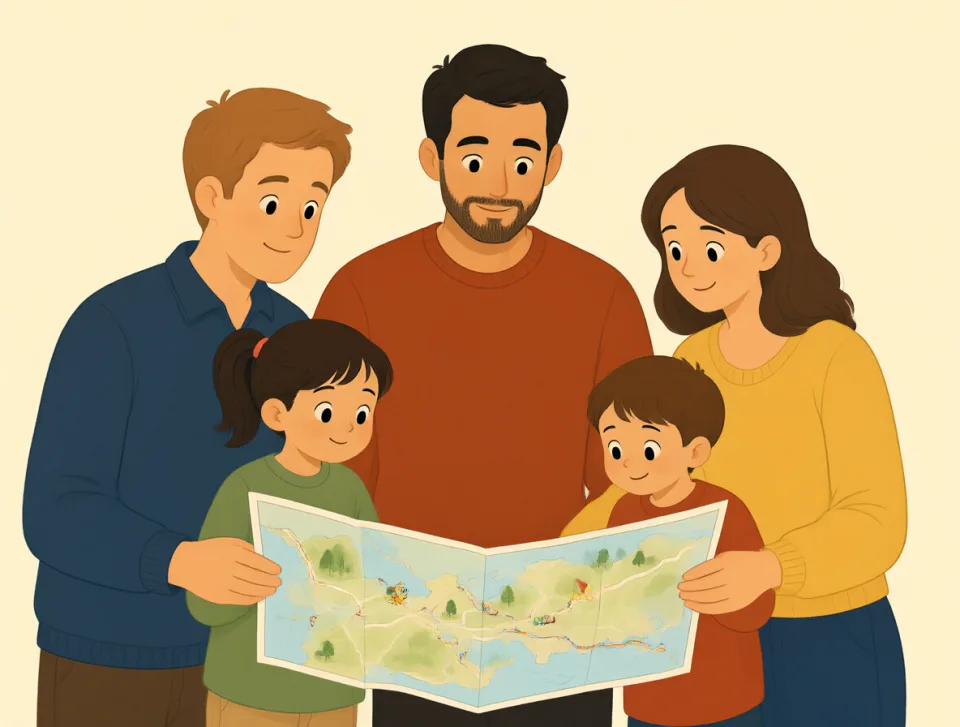
We intend to visit our grandparents next weekend.
我們打算下週末去看望祖父母。

She intended to buy some fruit, but the shop was closed.
她本來打算買些水果,但商店關門了。

The company intends to hire more workers this year.
公司打算今年僱用更多員工。

He is intending to eat healthier meals after his checkup.
體檢後,他打算吃得更健康。

user
#1115noun
使用者
A person who uses a product, service, computer, or website.
使用產品、服務、計算機或網站的人。

Each user needs a separate password for the online banking service.
線上銀行服務的每位使用者都需要單獨的密碼。
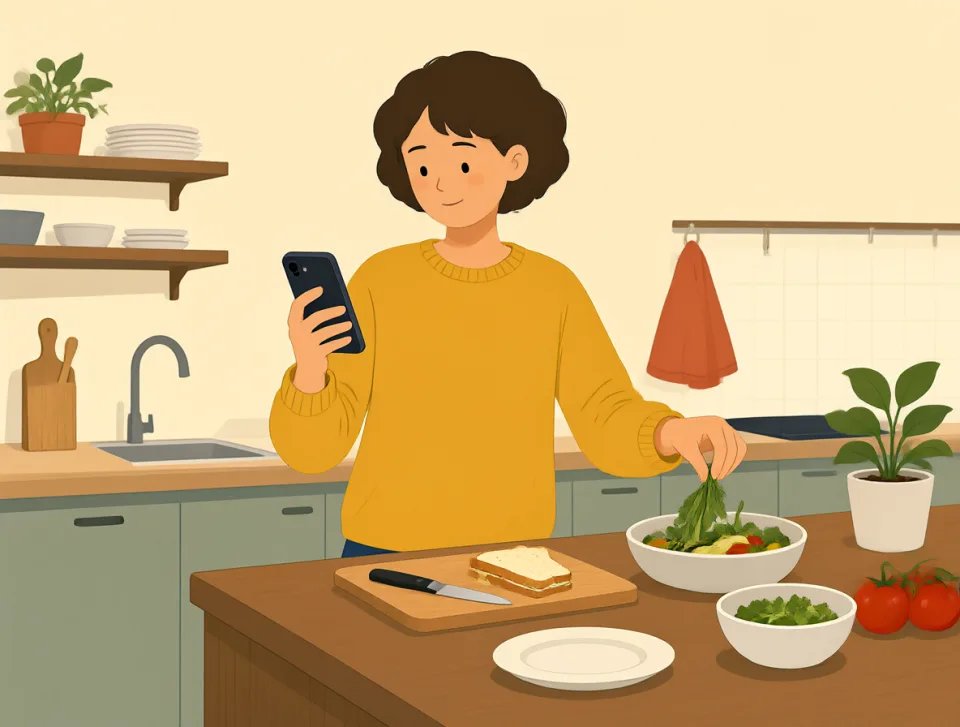
The app helps users find nearby restaurants and order food.
這款應用可以幫助使用者查詢附近的餐廳並訂餐。

The new computer is easy for first-time users to operate.
這臺新電腦很容易操作,初次使用電腦的使用者也能輕鬆上手。

The library asked users to return their books on time.
圖書館要求使用者按時歸還圖書。

The website collects feedback from users after each visit.
該網站會在使用者每次訪問後收集反饋。

respond
#1116verb
回應; 回覆; 反應
to answer or react to something that someone says, asks, or does
回答或回應別人說的話、提出的問題或做出的事情

Please respond to my message when you have time.
你有時間時請回復我的訊息。

She responded politely when the customer asked for help.
顧客尋求幫助時,她禮貌地回應了。
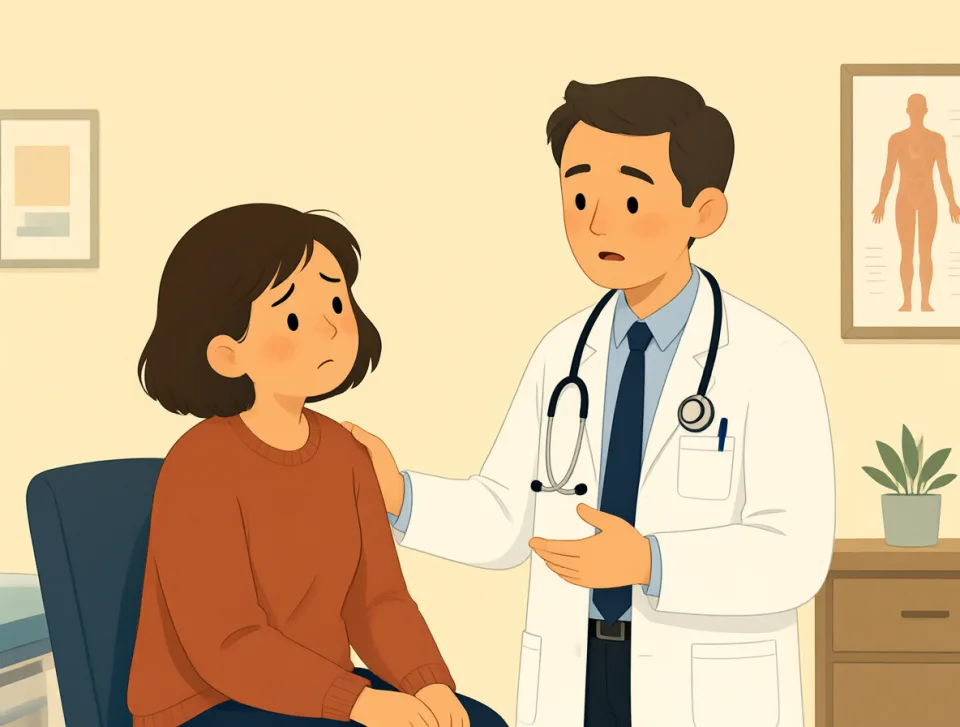
The doctor responded quickly when the patient felt worse.
病人感覺越來越糟時,醫生迅速作出了反應。
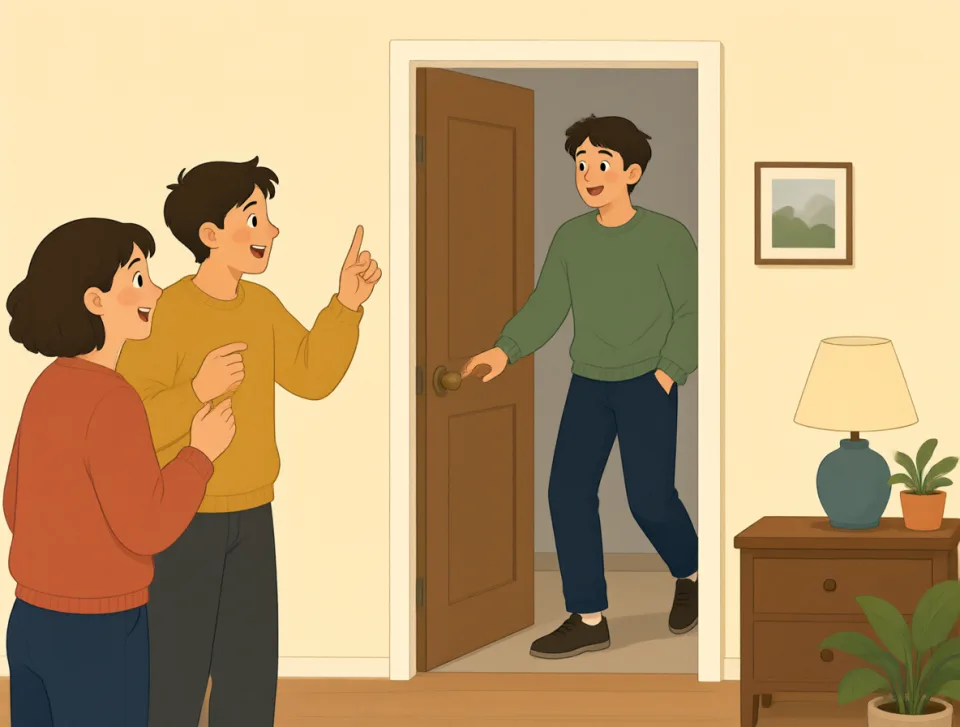
How did your friends respond to the surprise party?
你的朋友們對驚喜派對有什麼反應?

The hotel responded to our complaint and changed our room.
酒店回應了我們的投訴,還給我們換了房間。

dinner
#1117noun
晚餐; 晚飯
The main meal of the day, usually eaten in the evening.
一天中的主餐,通常在晚上吃。

We usually have dinner at seven o'clock.
我們通常七點吃晚飯。

I cooked dinner for my friends last night.
昨晚我為朋友們做了晚飯。

Let's meet for dinner after work.
我們下班後一起吃晚飯吧。
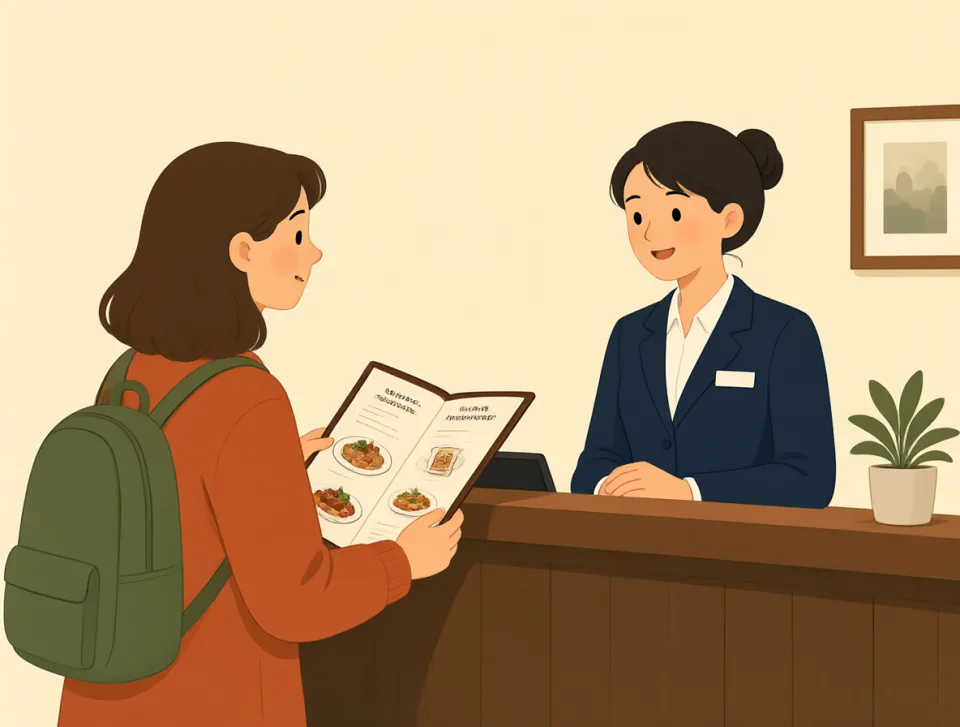
The hotel includes breakfast, but dinner costs extra.
酒店包含早餐,但晚餐需要額外付費。
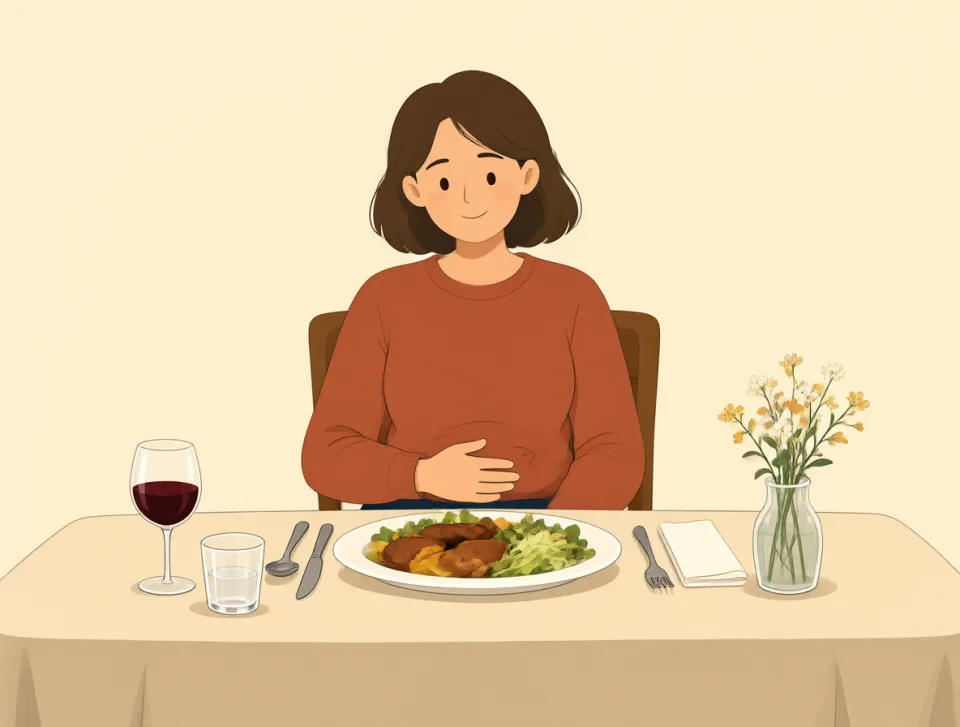
She felt sick after eating a heavy dinner.
她吃了一頓豐盛的晚餐後感到不舒服。

slow
#1118adjective, adverb, verb
慢;緩慢地;放慢
Moving, happening, or operating at a low speed; to reduce speed.
以較低的速度移動、發生或執行;降低速度。
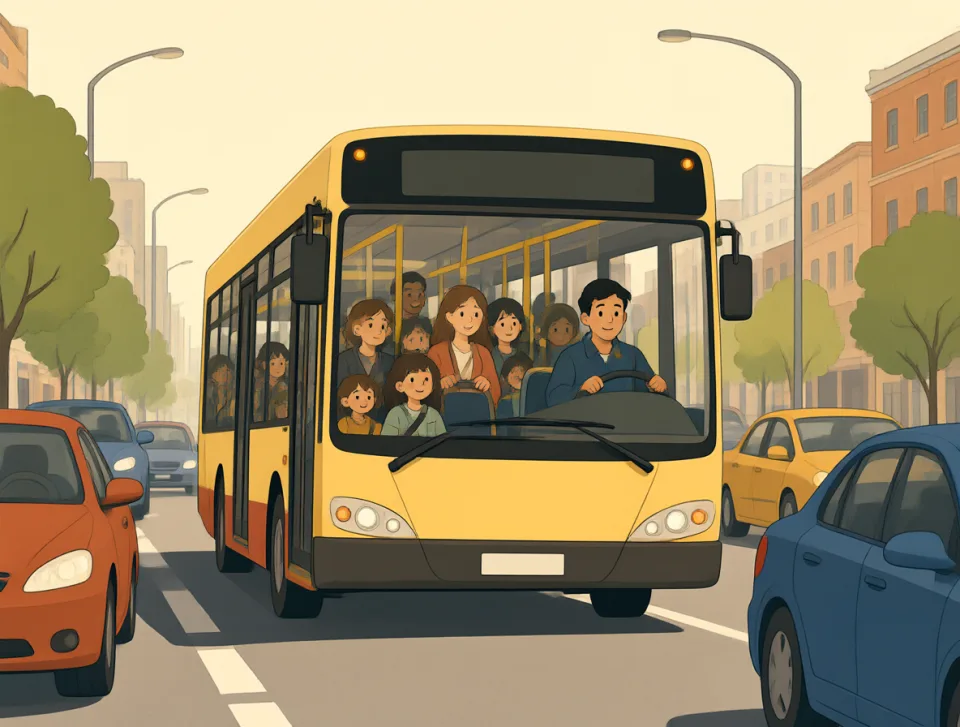
The bus was slow because of heavy traffic.
因為交通擁堵,公交車開得很慢。

Please speak slowly so I can understand you.
請說慢一點,這樣我才能聽懂。

My computer is running slow this morning.
我的電腦今天早上執行得很慢。
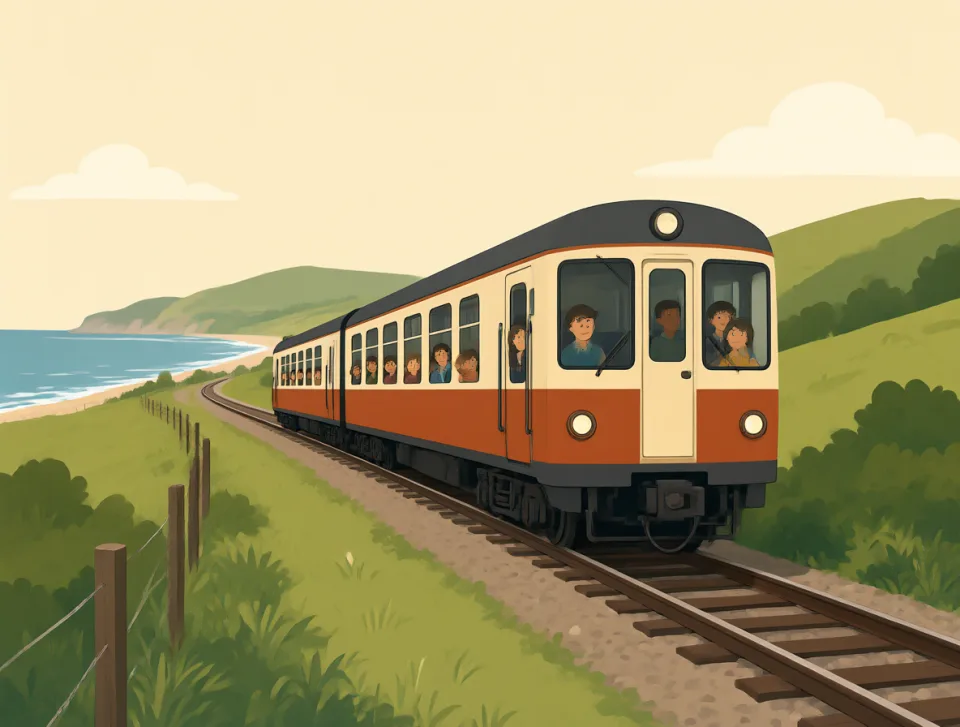
The slow train took three hours to reach the coast.
這趟慢車花了三個小時才到達海岸。
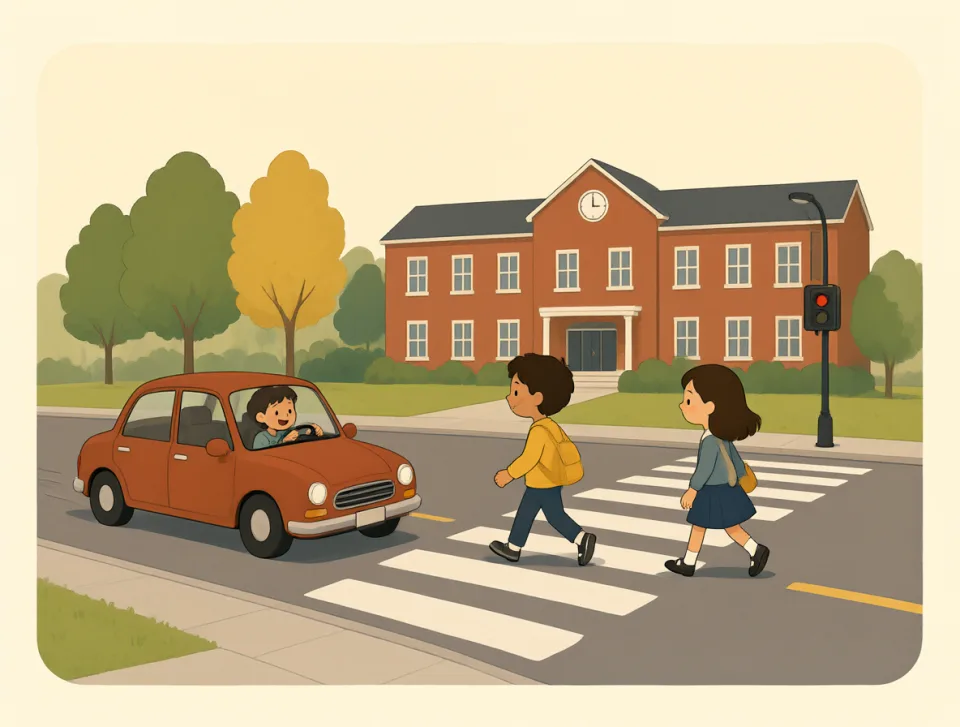
Slow down near the school because children are crossing.
學校附近有孩子過馬路,請減速。

regular
#1119adjective, noun
定期的;有規律的;常客
happening often and following the usual pattern; a usual customer or member
經常發生並遵循通常模式的;常客或固定成員
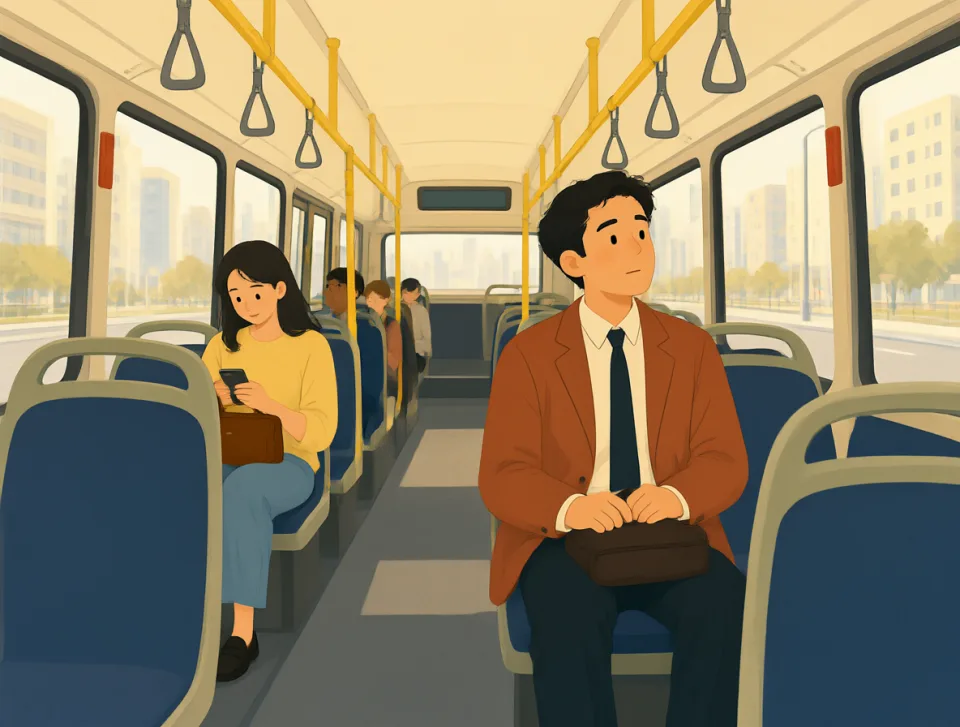
I take a regular bus to work every morning.
我每天早上都坐固定班次的公交車去上班。

She has regular exercise classes on Tuesday and Thursday.
她每週二和週四都有定期的鍛鍊課。
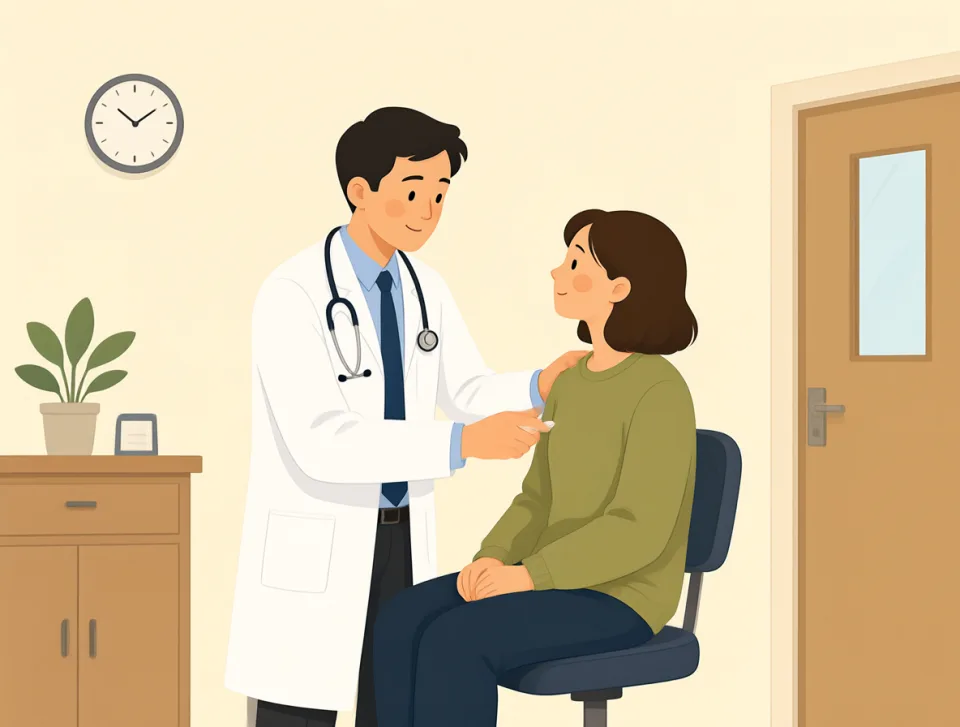
The doctor wants regular checkups to protect his health.
醫生希望他定期做檢查,以保持健康。
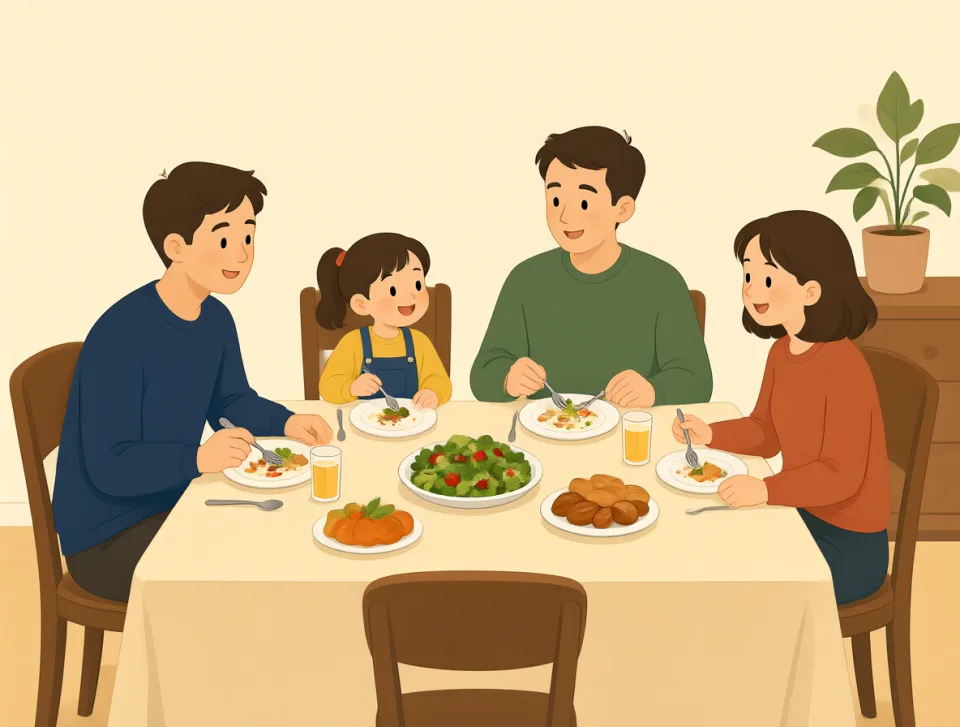
We meet for a regular family dinner every Sunday.
我們每週日都舉行一次固定的家庭晚餐。

The café knows all its regulars and welcomes them warmly.
這家咖啡館認識所有常客,總是熱情地歡迎他們。
physical
#1120adjective
身體的; 物理的; 實體的
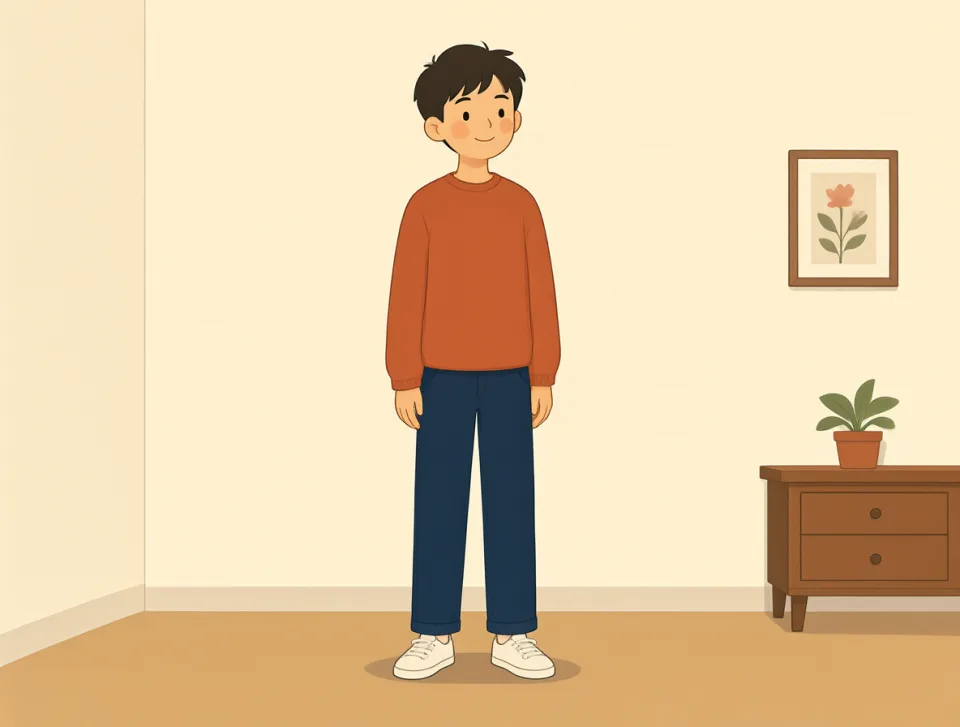
Related to the body or something that can be seen, touched, or measured.
與身體有關,或指能夠看見、觸控或測量的事物。
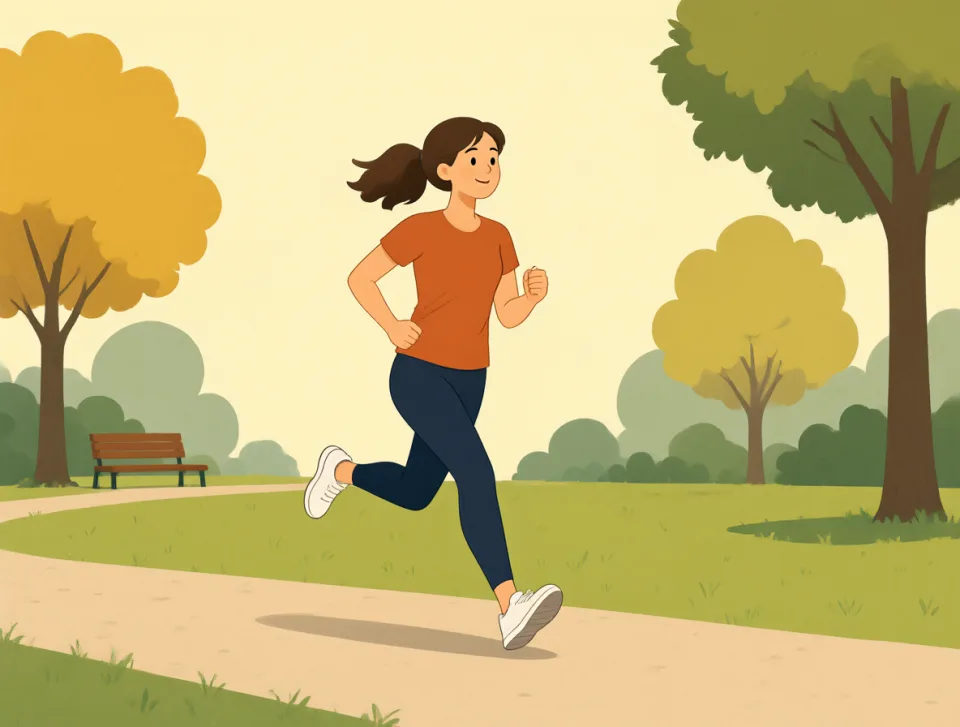
Regular physical exercise helps keep your heart strong.
經常進行身體鍛鍊有助於保持心臟強健。
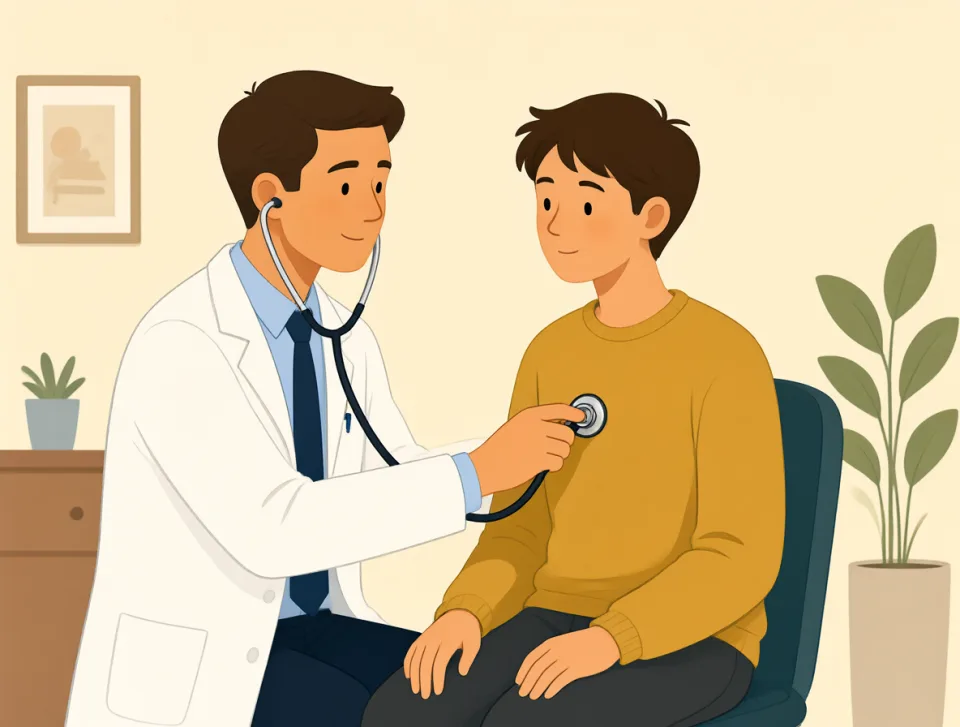
The doctor checked him for physical signs of illness.
醫生檢查了他是否有身體上的患病跡象。

The physical effort of moving house made us very tired.
搬家耗費的體力讓我們非常疲憊。

Students should take a short physical break during long lessons.
長時間上課時,學生應該進行短暫的身體活動休息。

We need a physical copy of your passport at the hotel.
我們需要在酒店出示你的護照實體影印件。