單元 58
單字 1141–1160 · heat, excite, reader, importance, distance, guide
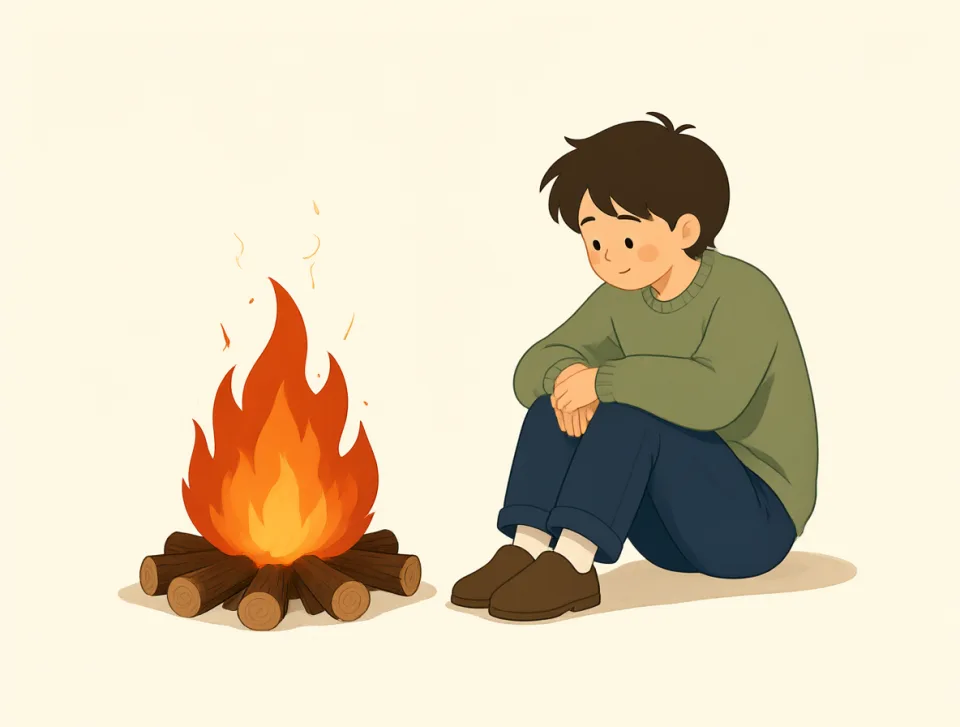
heat
#1141noun, verb
熱;熱量;加熱
the quality of being hot, or to make something hot
熱的狀態;或使某物變熱

The heat was too strong, so we opened the windows.
太熱了,所以我們開啟了窗戶。
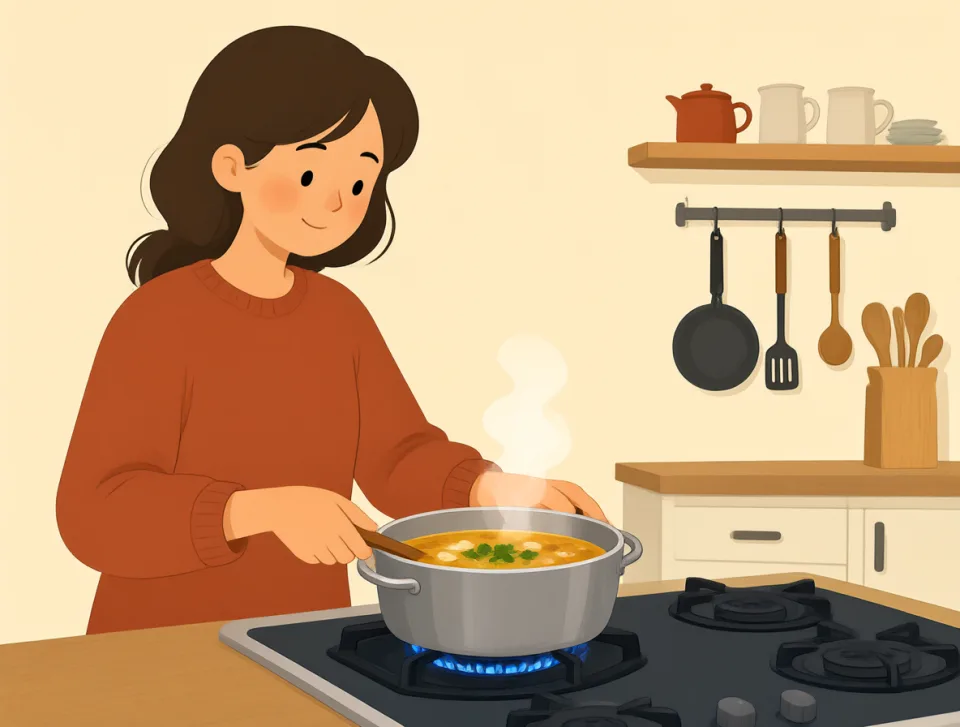
Please heat the soup before serving it.
請先把湯熱一下再端上來。

This jacket will keep you warm in the winter heat.
這件夾克能讓你在冬天感到暖和。

The heat from the oven made the kitchen uncomfortable.
烤箱散發的熱量讓廚房裡很不舒服。

The workers stopped because of the extreme heat.
由於天氣酷熱,工人們停了下來。

excite
#1142verb
使興奮;使激動;使感興趣
to make someone feel very happy, interested, or eager about something
使某人因某事感到非常開心、感興趣或充滿期待

The trip to the beach really excited the children.
這次海灘之旅讓孩子們興奮不已。

I am excited about starting my new job.
我很期待開始新工作。

The science experiment excited the students.
這個科學實驗激發了學生們的興趣。

Our guests were excited by the delicious birthday cake.
美味的生日蛋糕讓客人們興奮不已。

The new treatment excited doctors because patients improved quickly.
新療法讓醫生們感到興奮,因為患者康復得很快。

reader
#1143noun
讀者; 閱讀器
A person who reads books, newspapers, or other written information.
閱讀書籍、報紙或其他書面資訊的人。

She is an avid reader who finishes several books each month.
她是個嗜書如命的讀者,每個月都會讀完好幾本書。

The newspaper reader folded the paper and drank his coffee.
看報紙的人把報紙摺好,喝起了咖啡。

Every reader should bring a book for the long train journey.
每位讀者都應該帶一本書,陪伴自己度過漫長的火車旅程。

The teacher asked each reader to share one favorite story.
老師讓每位讀者分享一個自己最喜歡的故事。

The screen reader helps people with poor eyesight use a computer.
螢幕閱讀器可以幫助視力不佳的人使用電腦。

importance
#1144noun
重要性;重要程度
The quality of being important or having a strong effect.
重要或具有重大影響的性質。
She understands the importance of getting enough sleep every night.
她明白每晚保證充足睡眠的重要性。

The teacher explained the importance of practicing English every day.
老師解釋了每天練習英語的重要性。
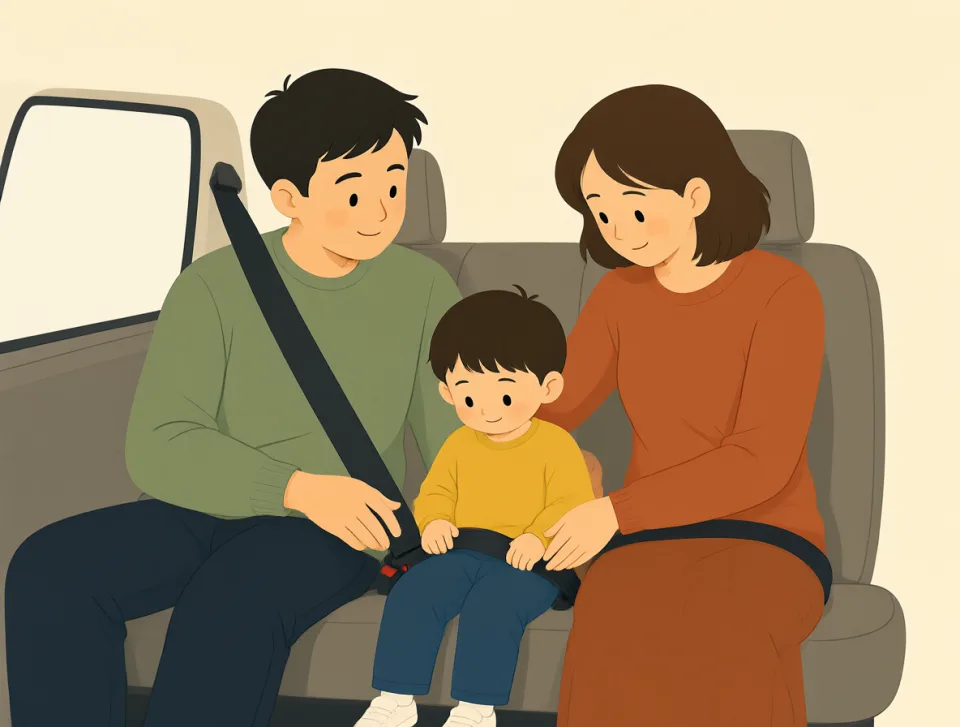
We learned the importance of wearing a seat belt during the trip.
旅途中,我們瞭解了系安全帶的重要性。

The doctor talked about the importance of eating fresh vegetables.
醫生談到了多吃新鮮蔬菜的重要性。

The manager stressed the importance of arriving at work on time.
經理強調了準時上班的重要性。
distance
#1145noun
距離;遠處;遠端
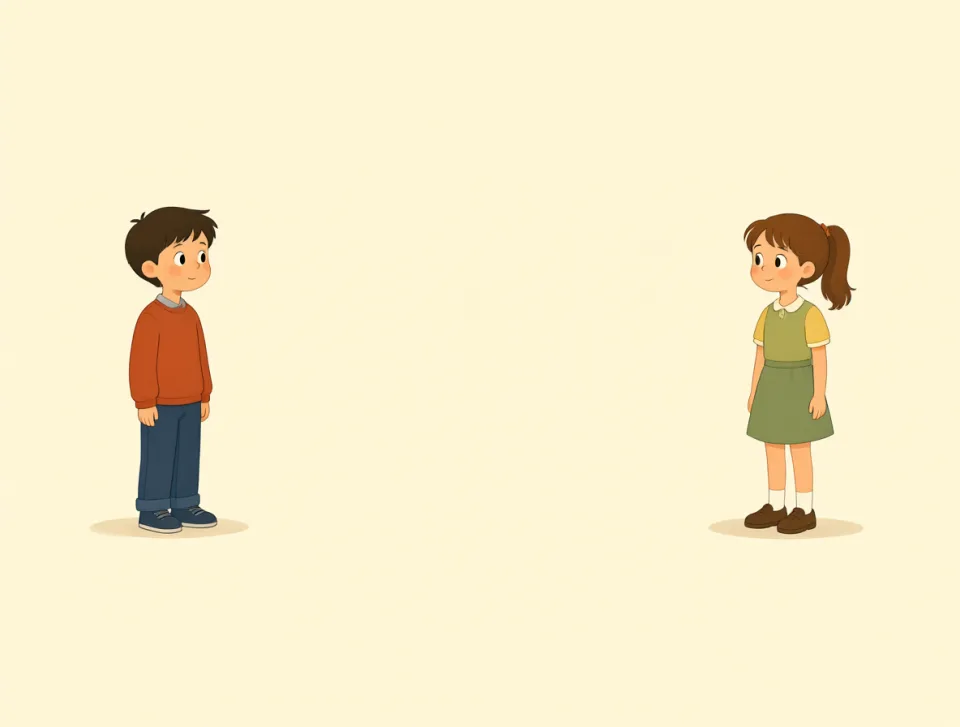
The amount of space between two people, places, or things.
兩個人、地點或物體之間的空間長度。

The distance from my home to school is only two kilometers.
我家到學校只有兩公里。

Please keep your distance from the wild animals at the zoo.
請與動物園裡的野生動物保持距離。
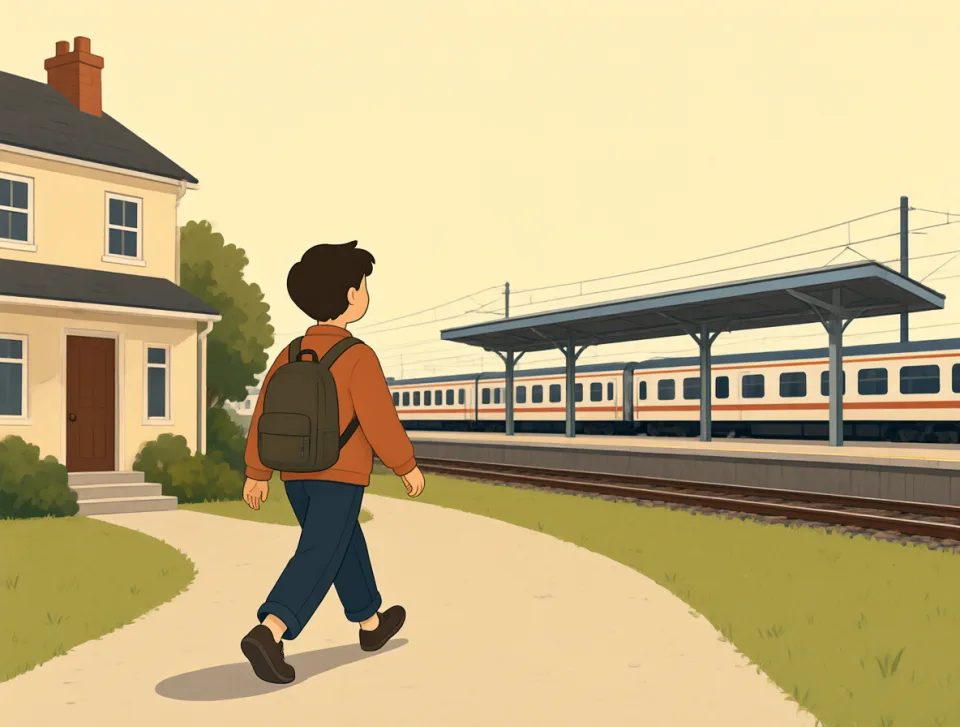
We live within walking distance of the train station.
我們住的地方走路就能到火車站。

I could see mountains in the distance from our hotel.
從我們住的酒店可以看見遠處的群山。

The company offers distance learning for workers in other cities.
這家公司為在其他城市工作的員工提供遠端學習課程。
guide
#1146noun, verb
嚮導;指南;引導
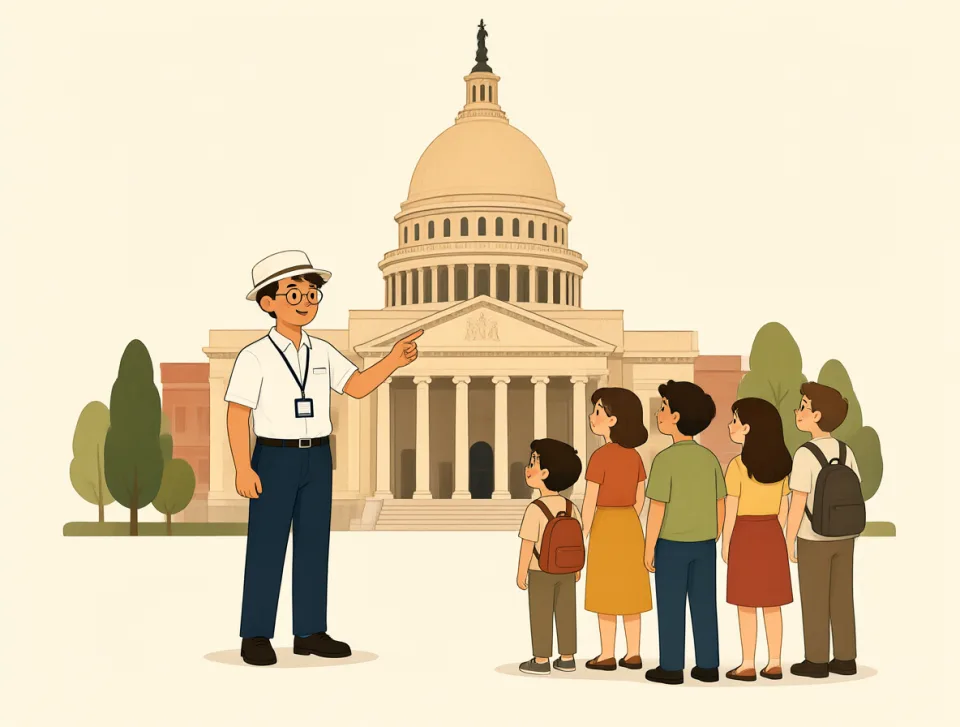
A person who shows you where to go or explains how to do something.
帶你找到目的地或向你說明如何做某事的人。

Our guide showed us around the old castle.
我們的嚮導帶我們參觀了那座古老的城堡。

Please read the guide before using the new coffee machine.
使用這臺新咖啡機前,請先閱讀使用指南。

The teacher guided the students through the difficult experiment.
老師引導學生完成了這個困難的實驗。

A local guide took us to a quiet beach.
一位當地嚮導帶我們去了一個僻靜的海灘。
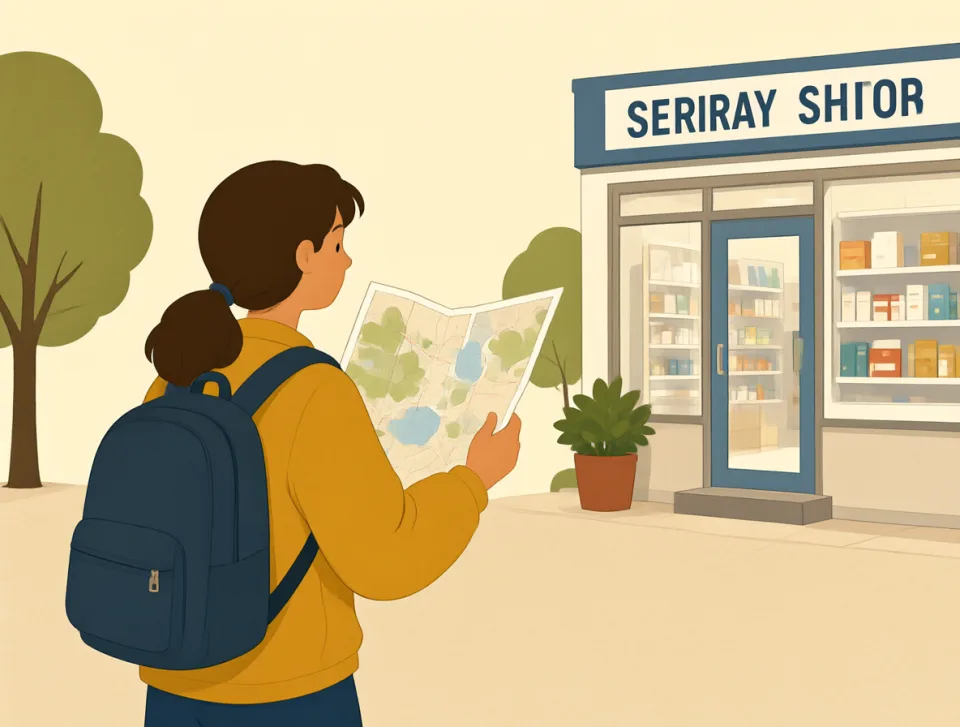
This map will guide you to the nearest pharmacy.
這張地圖會指引你到最近的藥店。

grant
#1147noun, verb
批准;授予;撥款;補助金
To officially give something, or money given for a special project.
正式給予某物;或指為某個特別專案提供的資金。

The college granted her a scholarship after reviewing her application.
學院稽核了她的申請後,授予了她一項獎學金。

The bank granted us a loan for our first home.
銀行批准了我們的貸款申請,讓我們買下了第一套房子。

The city granted permission to build a new playground.
市政府批准修建一座新的遊樂場。

She received a government grant to open a small bakery.
她獲得了一筆政府補助金,用來開一家小麵包店。

His parents finally granted his request for a later curfew.
父母終於答應了他延長宵禁時間的請求。
taxi
#1148noun, verb
計程車;乘計程車
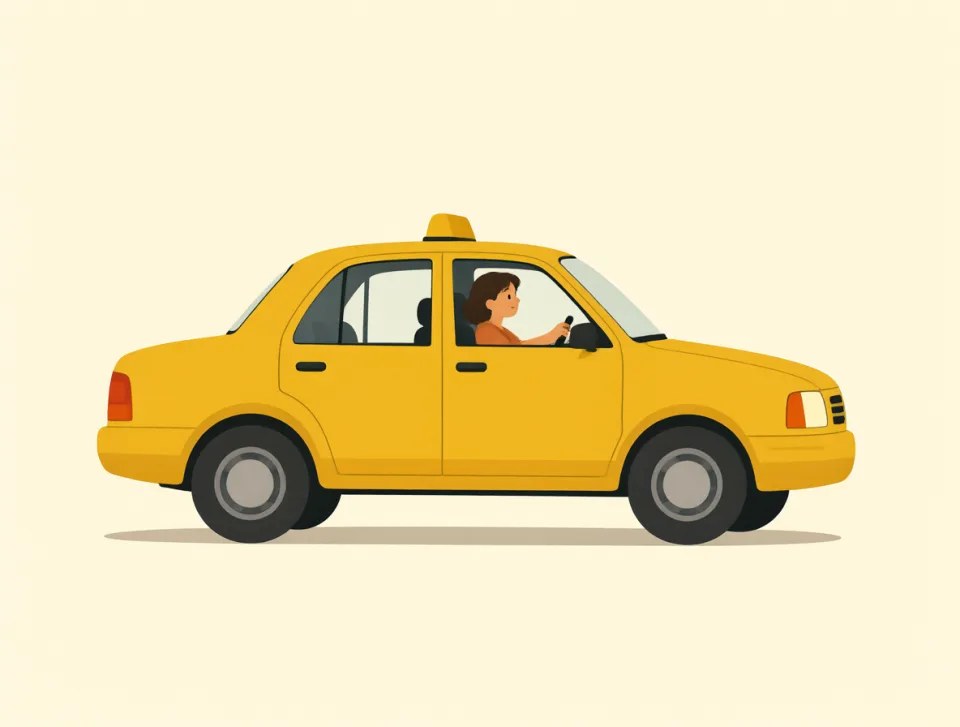
A car with a driver that you pay to take you somewhere.
一種由司機駕駛、你付費讓司機送你去某個地方的汽車。

We took a taxi to the airport early this morning.
今天一大早我們就打車去了機場。
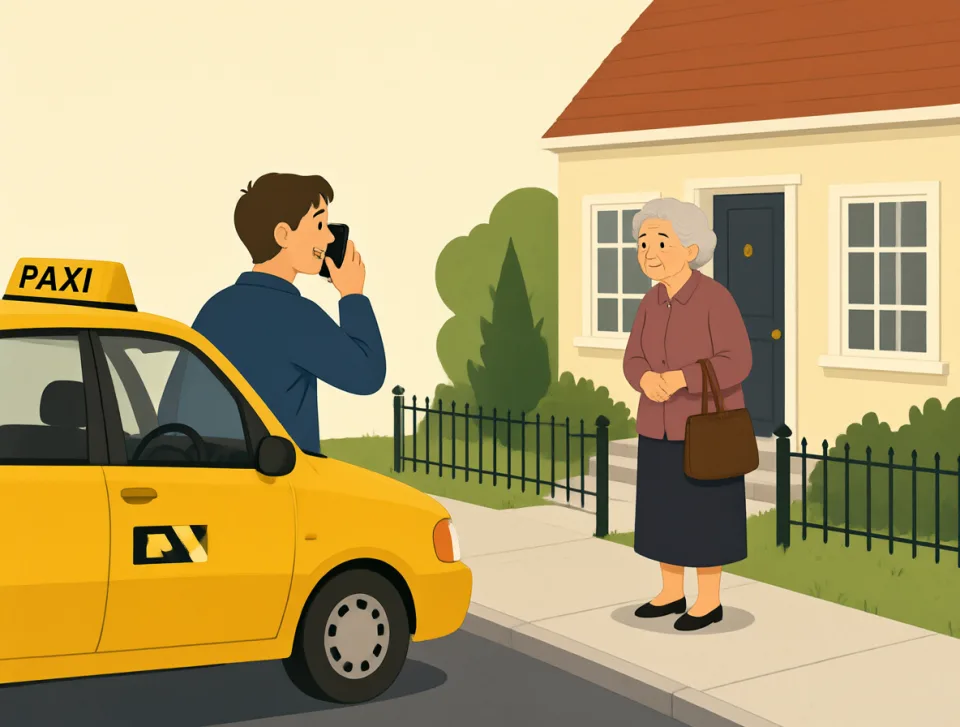
Please call a taxi to take Grandma to the hospital.
請叫輛計程車送奶奶去醫院。

I shared a taxi with two friends after the concert.
演唱會結束後,我和兩個朋友拼車回去。

The taxi driver helped me carry my shopping bags.
計程車司機幫我搬購物袋。
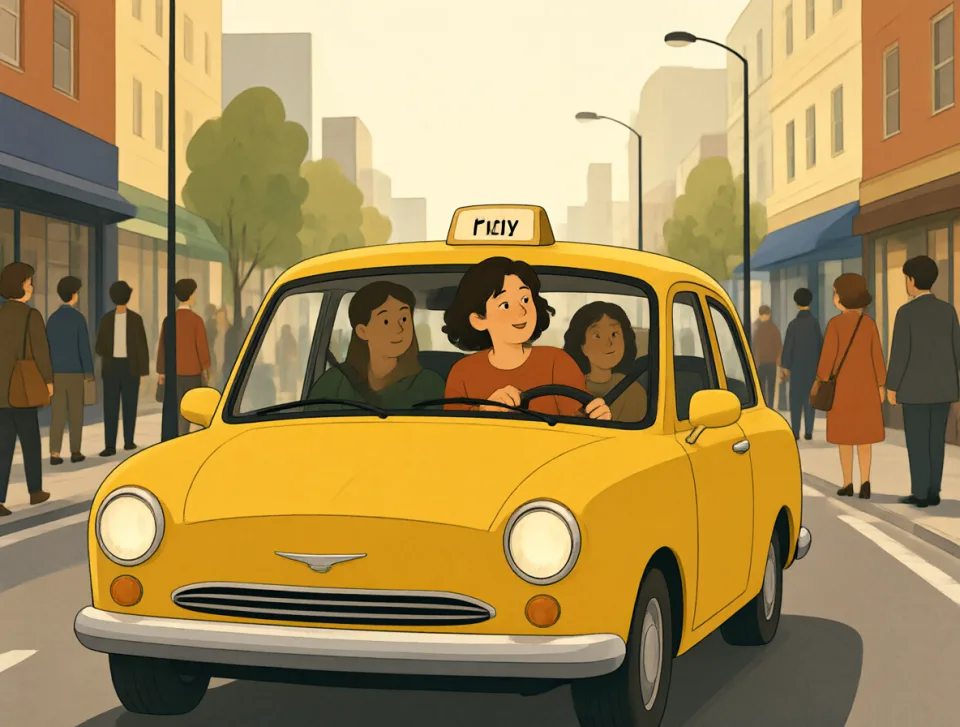
She taxied across town because the buses had stopped running.
因為公交車停運了,她就打車穿過城裡。
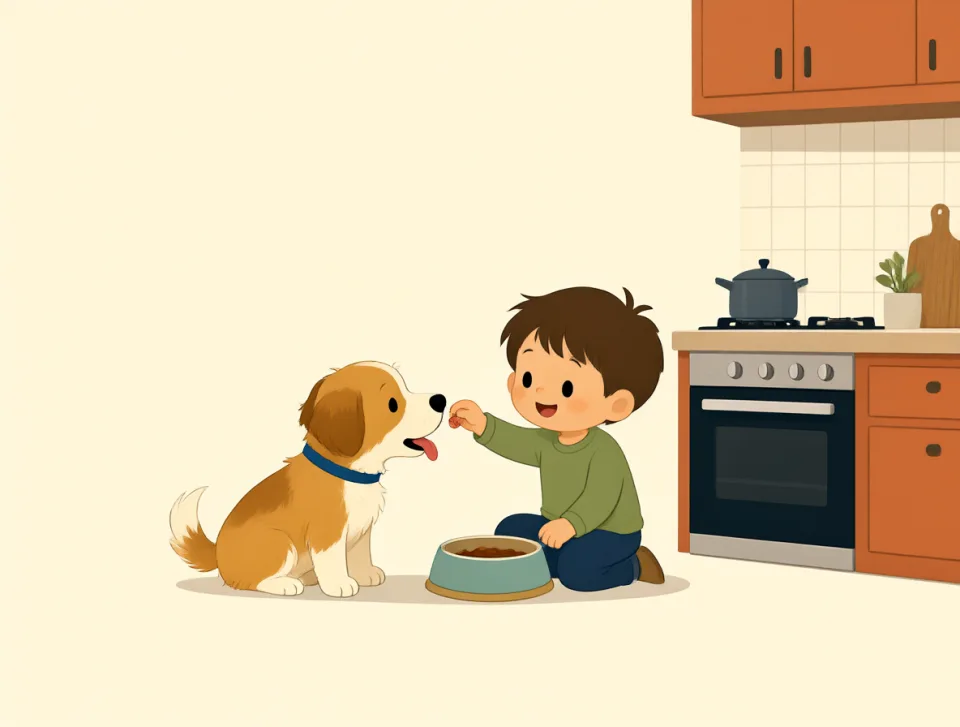
feed
#1149verb, noun
喂;供給;資訊流
to give food to a person or animal; a supply of information or food
給人或動物餵食;食物或資訊的供應
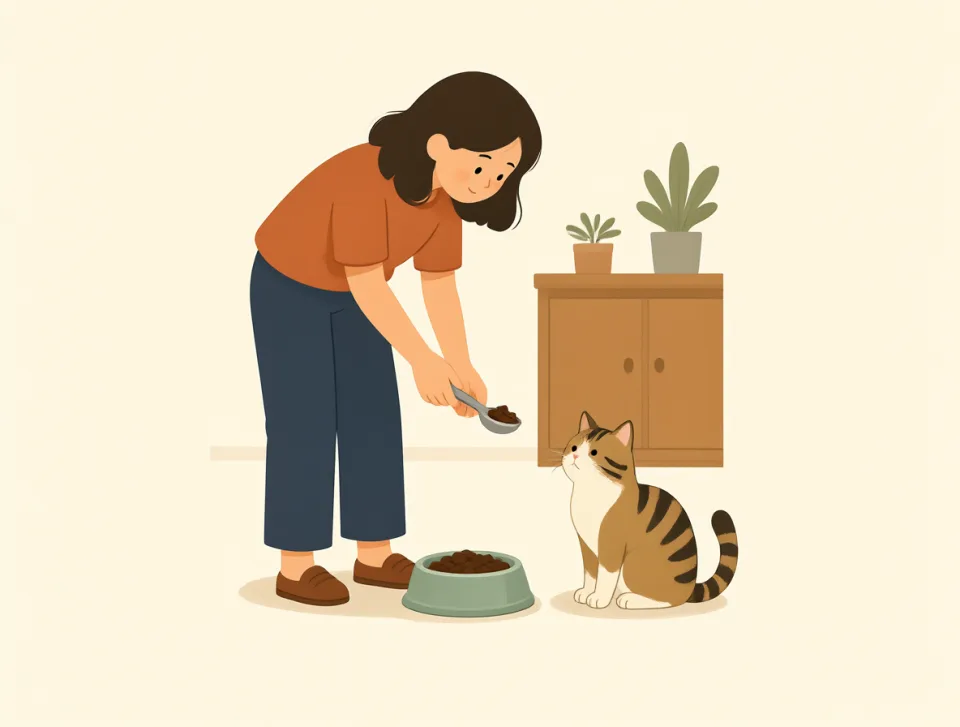
Please feed the cat before you leave for work.
上班前請先喂一下貓。

The baby is feeding herself with a spoon.
寶寶正在用勺子自己吃東西。

We fed the ducks by the lake yesterday.
昨天我們在湖邊餵了鴨子。
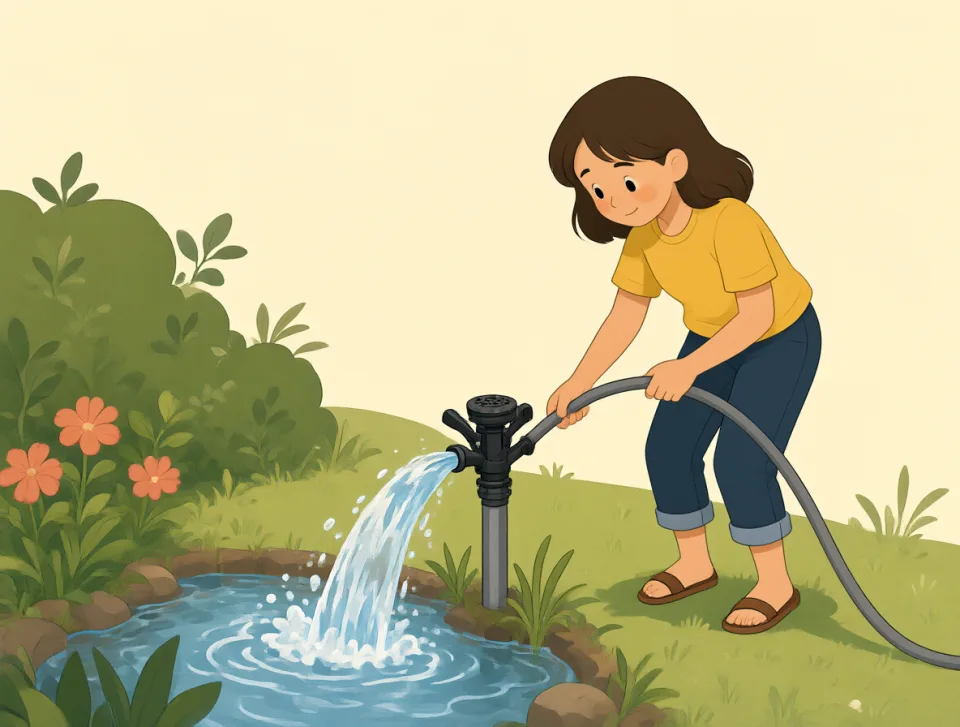
This pipe feeds water into the garden.
這根管子把水引到花園裡。

The news feed showed photos from my friend's trip.
資訊流裡顯示了我朋友旅行時拍的照片。
pain
#1150noun, verb
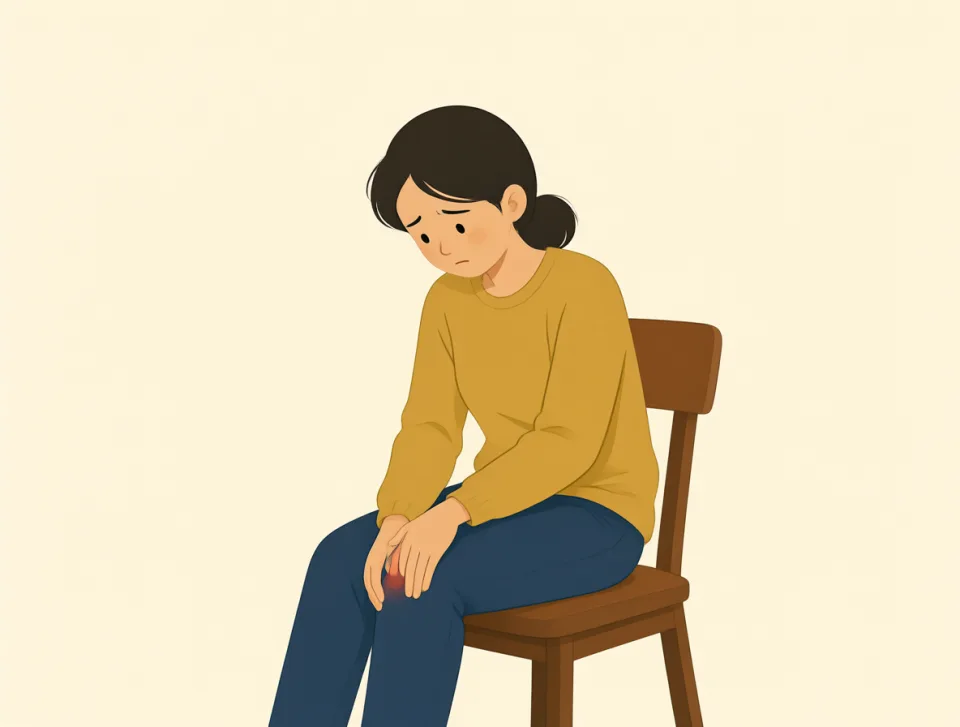
疼痛;使疼痛
A feeling of physical suffering, or to make someone feel physical suffering.
身體上的痛苦感覺,或使某人感到身體上的痛苦。
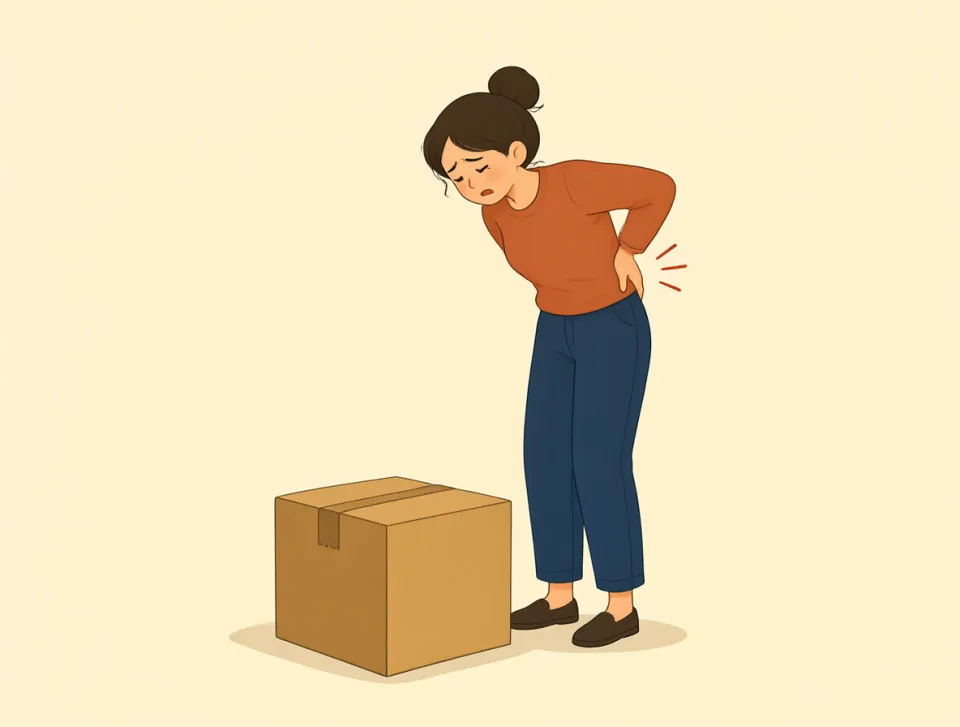
She felt a sharp pain in her back after lifting the box.
搬箱子後,她感到背部一陣劇痛。

The doctor gave me medicine to relieve the pain.
醫生給了我藥來緩解疼痛。

My tooth hurts, and the pain keeps me awake at night.
我的牙疼,而且疼痛讓我晚上睡不著。
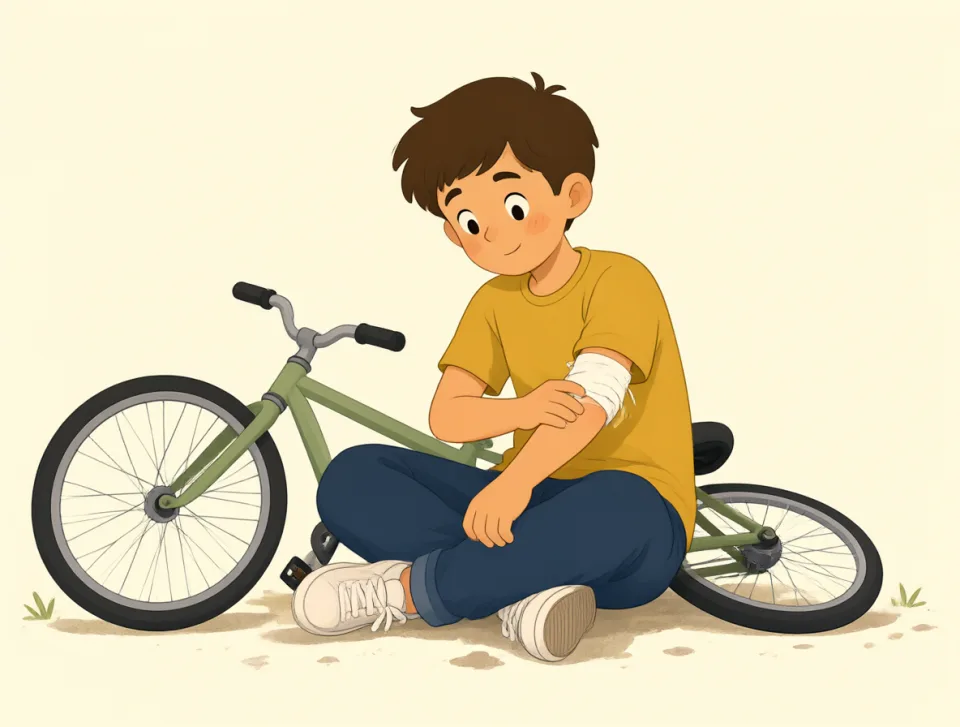
He was in pain after falling off his bicycle.
從腳踏車上摔下來後,他感到很疼。

The painful shoes made walking around the city difficult.
這雙磨腳的鞋讓在城裡四處走動變得很困難。
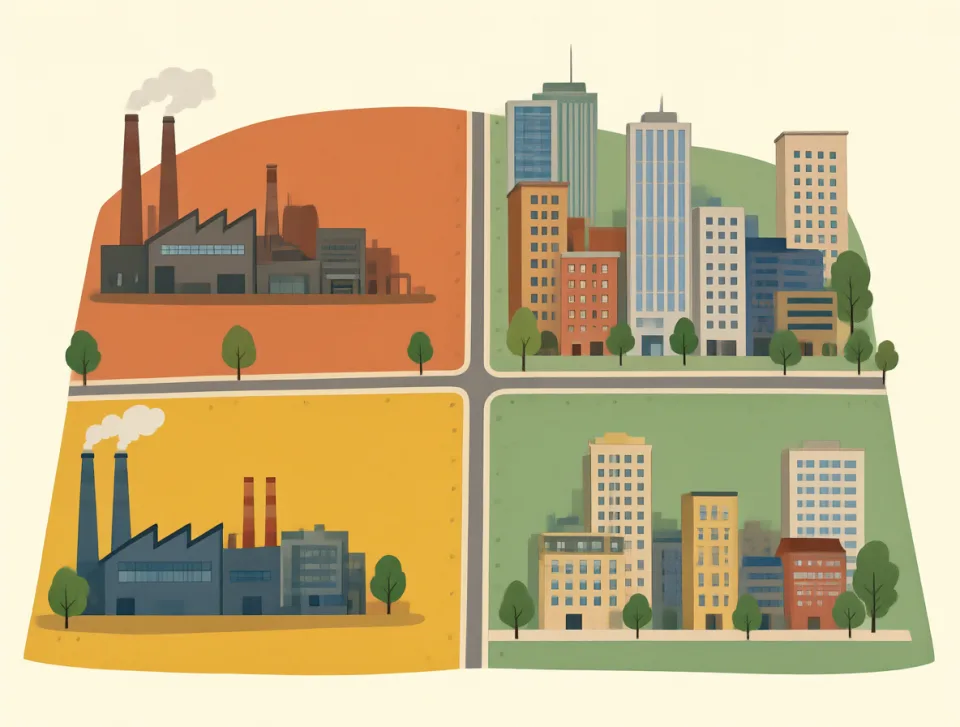
sector
#1151noun
行業;部門;區域
A part of an industry, economy, or area that has a particular purpose.
具有特定用途的行業、經濟領域或地區的一部分。

The technology sector is growing quickly in our country.
我們國家的科技行業發展得很快。
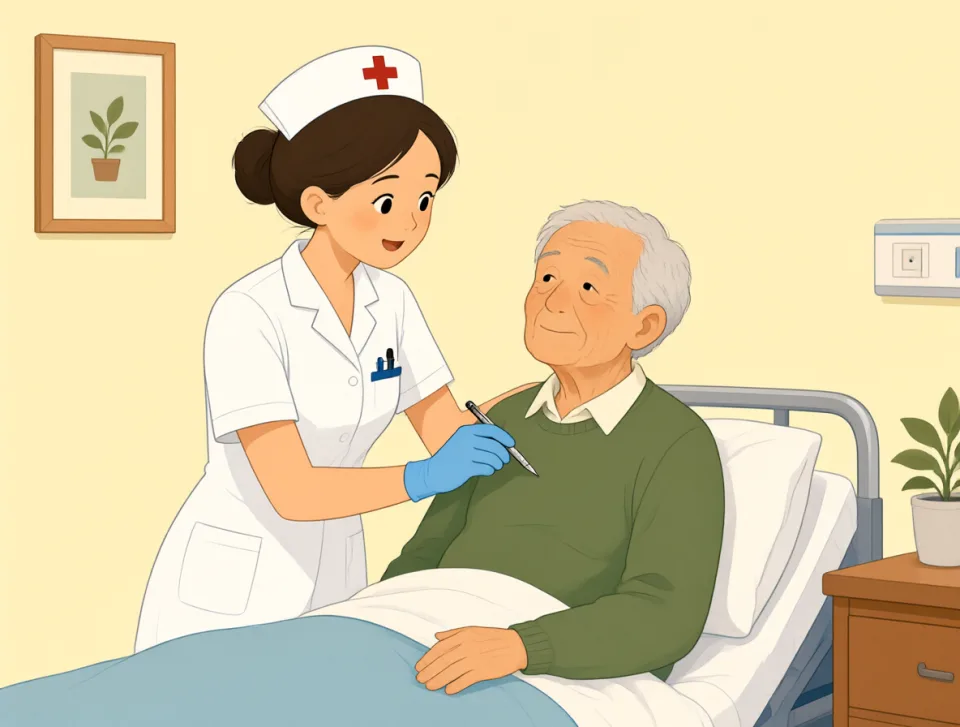
She works in the health sector at a local hospital.
她在當地一家醫院的醫療衛生部門工作。

This sector of the city has many small shops and cafés.
這座城市的這個區域有很多小商店和咖啡館。
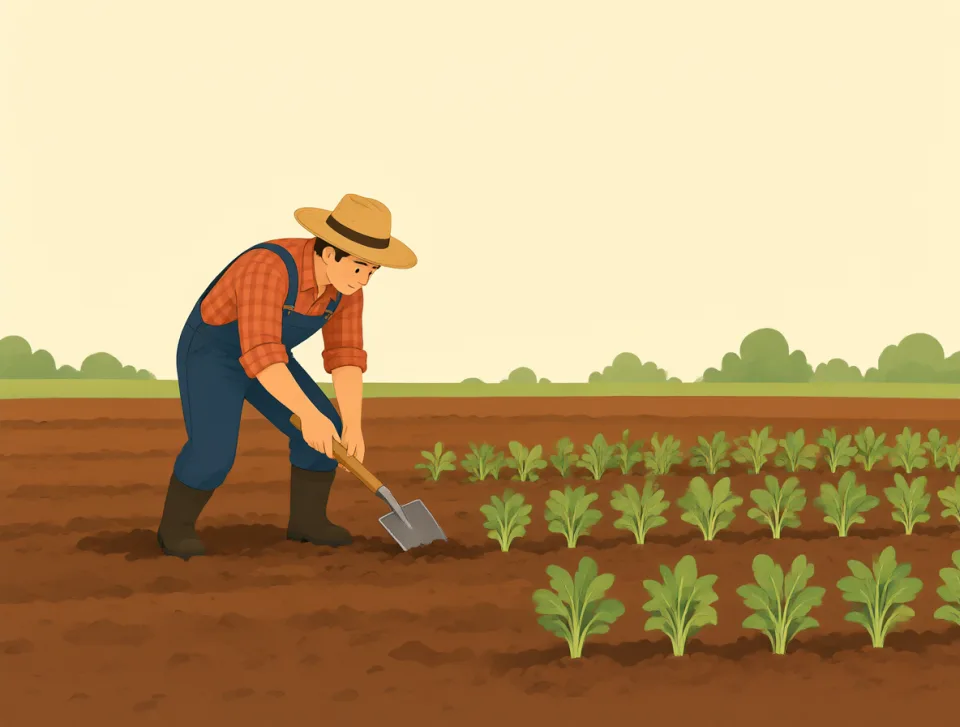
The farmer planted vegetables in one sector of the field.
農民在田地的一塊區域裡種了蔬菜。
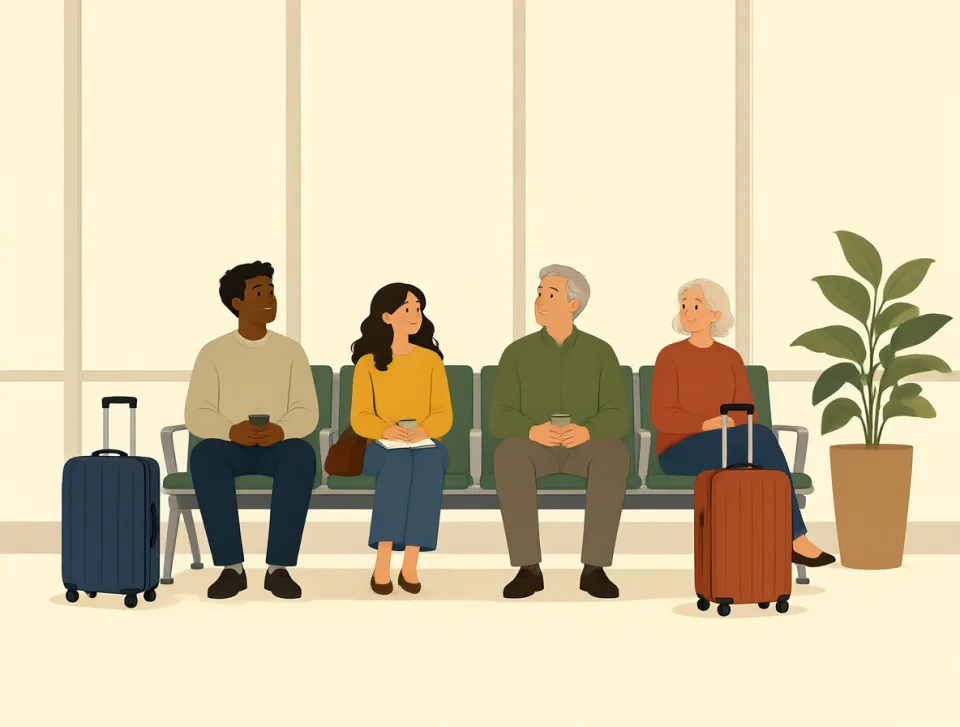
Passengers waited in the quiet sector of the airport.
乘客們在機場安靜的區域等候。

mistake
#1152noun
錯誤; 失誤
Something you do or say that is not correct.
你做或說的不正確的事情。
I made a mistake in my homework and corrected it.
我在作業中犯了一個錯誤,並把它改正了。

She took the wrong bus by mistake.
她不小心坐錯了公交車。
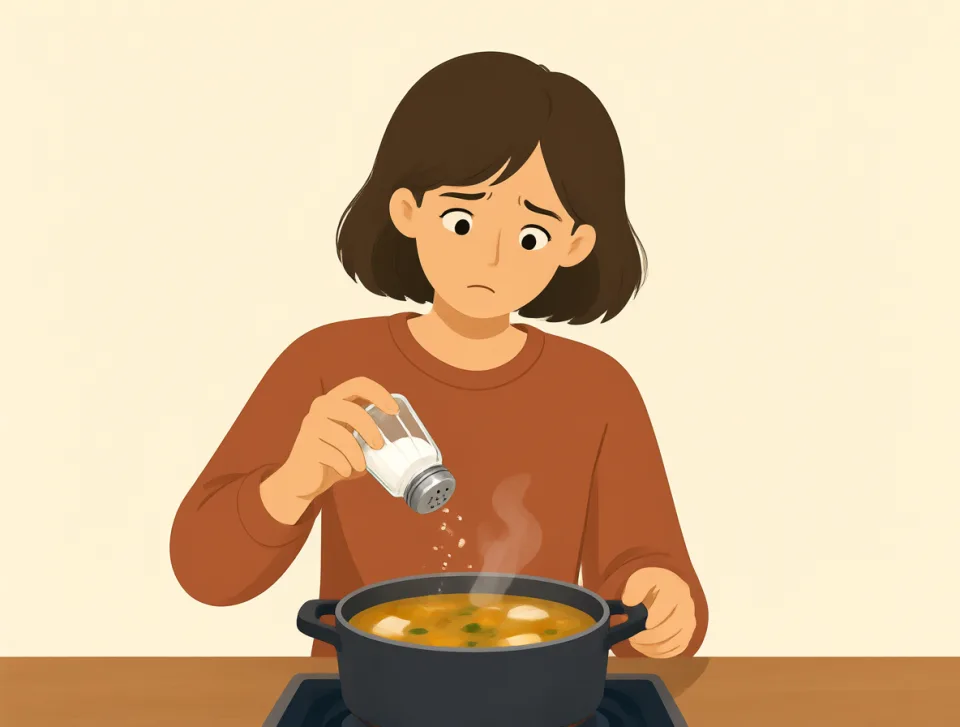
I added too much salt to the soup by mistake.
我不小心往湯里加了太多鹽。

He admitted his mistake and apologized to his friend.
他承認了自己的錯誤,並向朋友道歉。
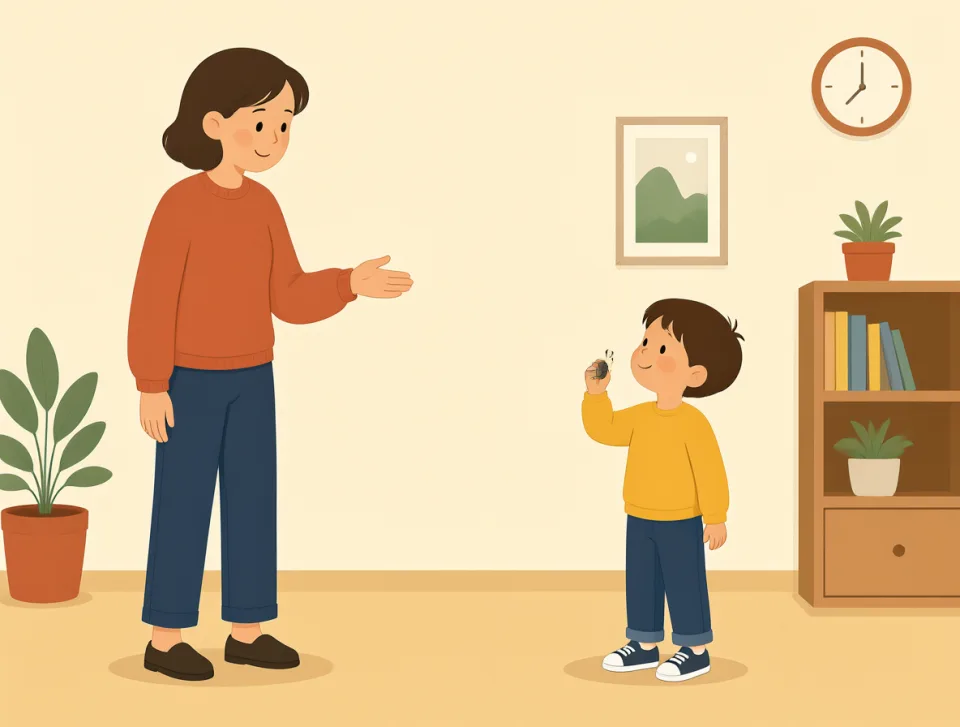
We learn from our mistakes when we try again.
我們會在重新嘗試的過程中吸取教訓。

ensure
#1153verb
確保; 保證
to make certain that something happens or is true
使某事確定發生或確定為真
Please ensure the door is locked before you leave.
請確保離開前門已鎖好。
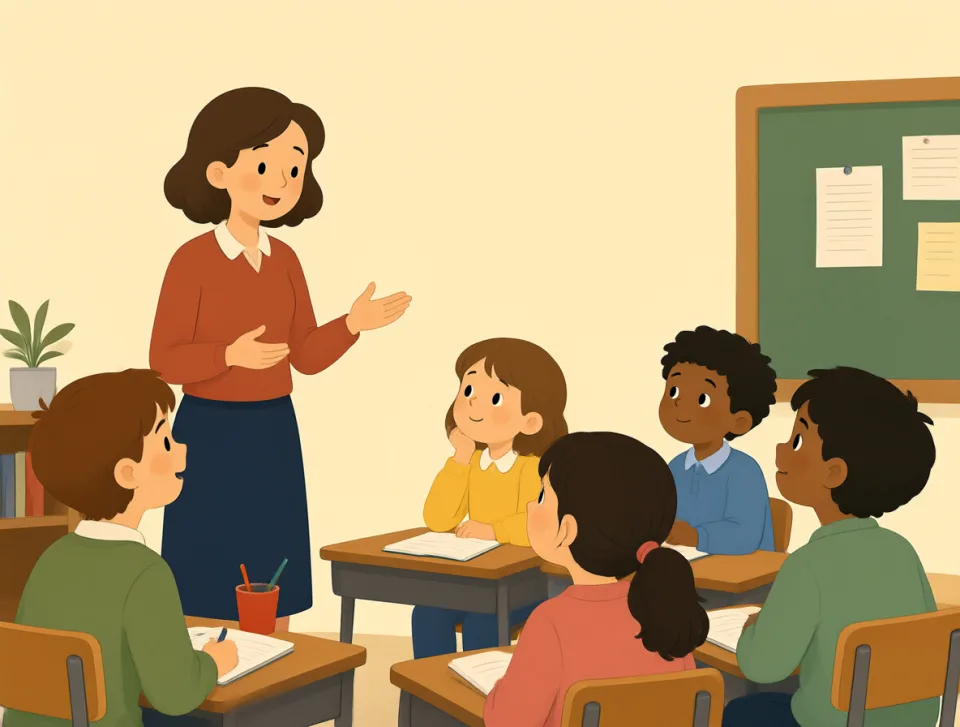
The teacher ensured that every student understood the instructions.
老師確保每個學生都理解了這些說明。

We arrived early to ensure a good seat.
我們提前到達,以確保能有一個好座位。

This cream helps ensure your skin stays soft.
這款面霜有助於確保你的皮膚保持柔軟。

The hotel staff ensured our bags were delivered to our room.
酒店工作人員確保我們的行李送到了房間。

satisfy
#1154verb
使滿意;滿足
to make someone happy or meet a need or requirement
使某人滿意,或滿足某種需要或要求
This meal should satisfy your hunger until dinner.
這頓飯應該能滿足你的飢餓感,讓你撐到晚飯。

The product must satisfy all safety requirements before sale.
這款產品在銷售前必須滿足所有安全要求。

We need to satisfy the customer before she leaves.
我們得讓這位顧客滿意後再讓她離開。

His answer did not satisfy the teacher.
他的回答沒有讓老師滿意。

I was satisfied with the hotel and friendly service.
我對這家酒店和熱情友好的服務感到滿意。

chief
#1155noun, adjective
首領;主要的;最重要的
The most important person or main part of something.
某人或某事物中最重要的人或主要部分。

The police chief spoke to reporters after the accident.
事故發生後,警察局長向記者發表了講話。
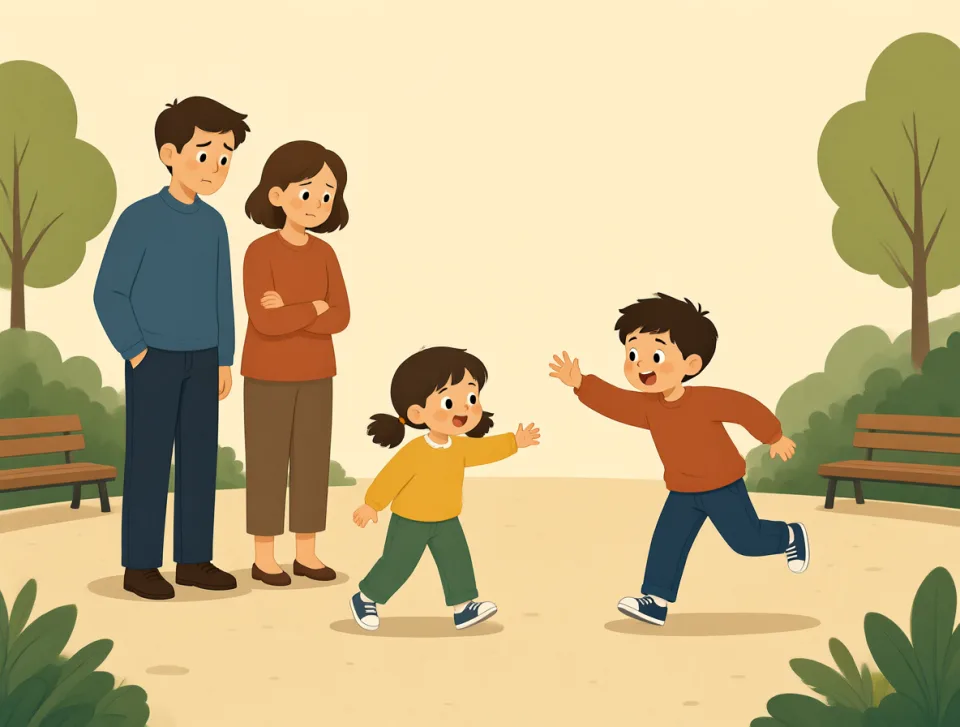
Our chief concern is keeping the children safe.
我們最關心的是確保孩子們的安全。

The village chief welcomed us with a warm smile.
村長面帶溫暖的笑容歡迎我們。
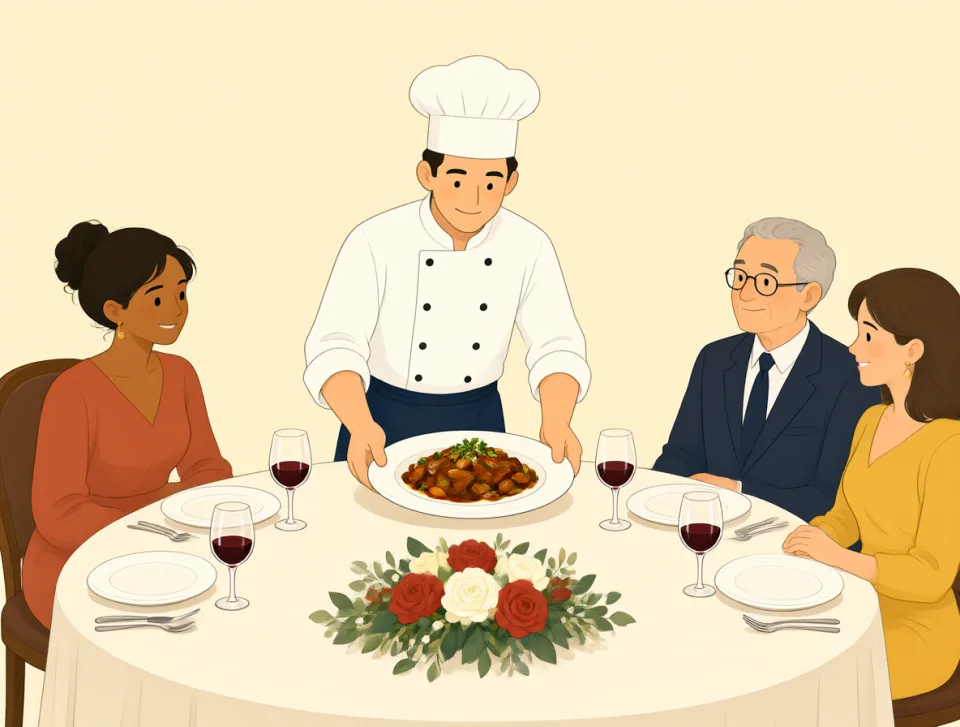
The chef prepared the chief dish for the wedding dinner.
廚師為婚宴準備了主菜。

The chief reason I left was the long working hours.
我離開的主要原因是工作時間太長。

cool
#1156adjective, verb, interjection
涼爽的;使變涼;很棒;冷靜的
Slightly cold; fashionable, calm, or showing that you approve.
稍微有點冷;時髦的、沉著冷靜的,或表示贊同的。

The water feels cool after a long walk in the sun.
在太陽下走了很久,水摸起來涼涼的。
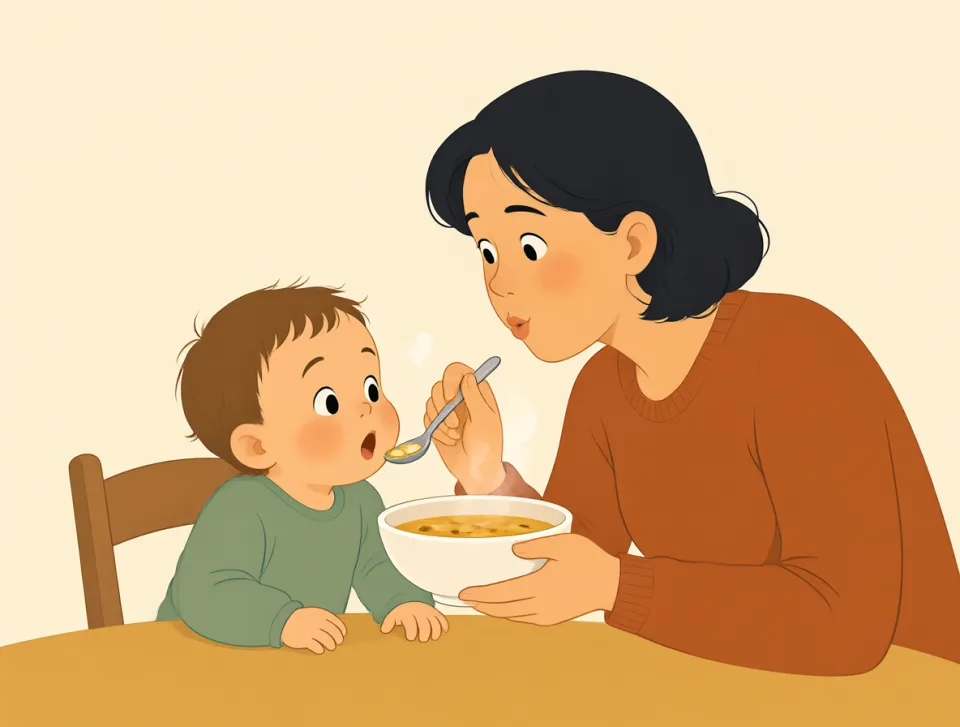
Please cool the soup before you give it to the baby.
給寶寶喝之前,請先把湯放涼。

She wore a cool jacket and looked great at the party.
她穿了件很時髦的夾克,參加派對時看起來特別漂亮。
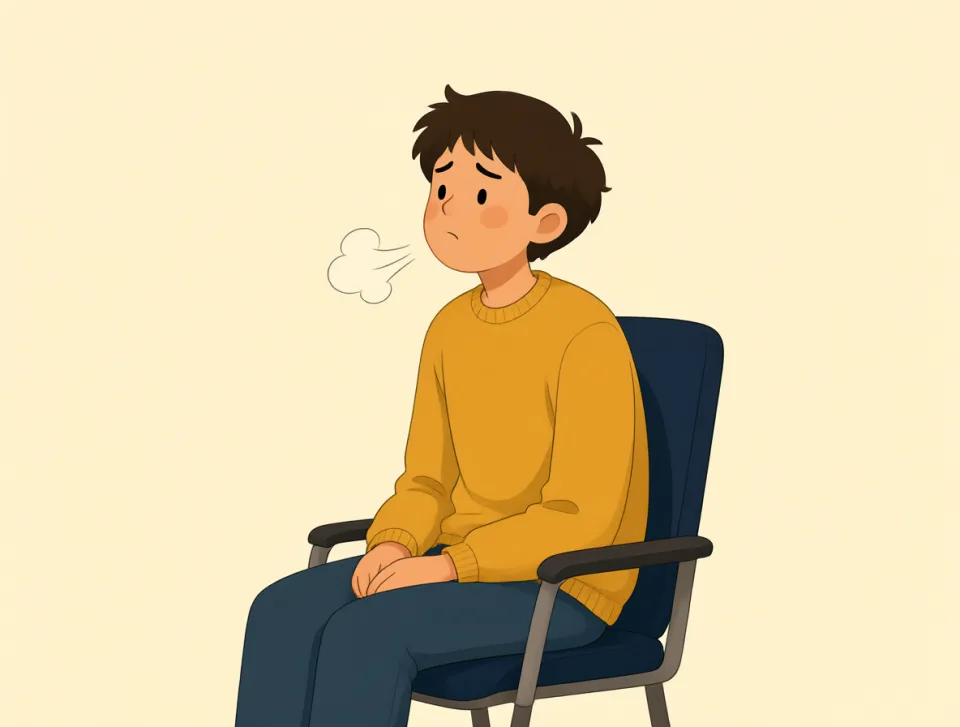
Stay cool and take deep breaths during the interview.
面試時保持冷靜,深呼吸。

“Cool! We can visit the museum after lunch.”
“太棒了!我們可以午飯後去博物館。”

expert
#1157noun, adjective
專家;熟練的
A person with special knowledge or skill in a particular subject or activity.
在某一特定學科或活動方面具有專門知識或技能的人。

We asked an expert for advice about repairing the roof.
我們請教了一位專家,徵求修理屋頂的建議。

She is an expert at making delicious Italian food.
她做美味的義大利菜非常拿手。
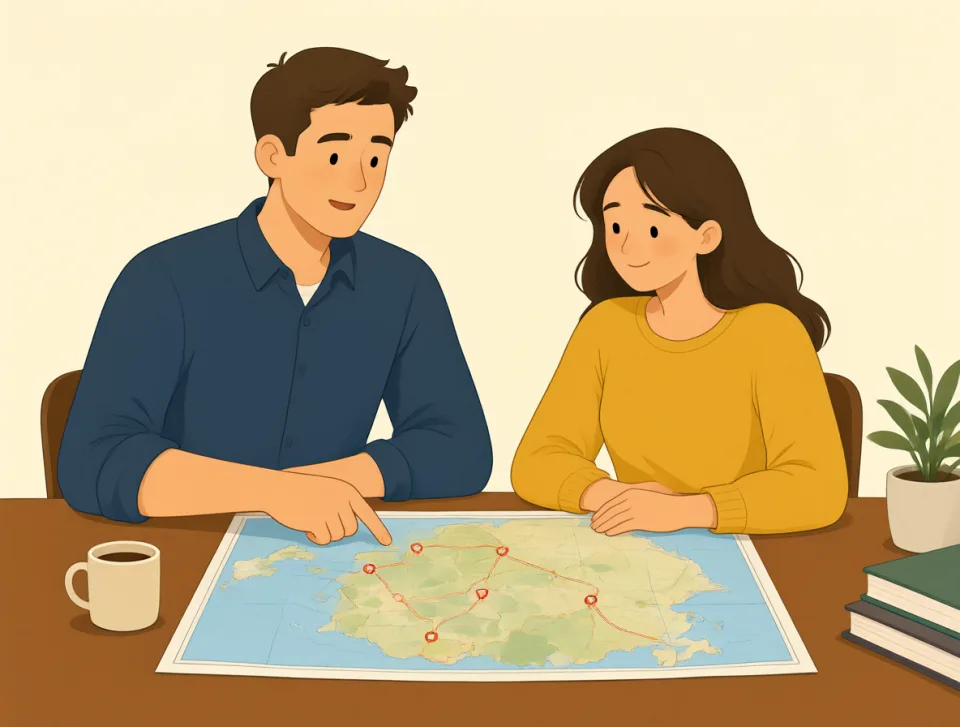
The travel expert helped us plan our trip to Japan.
那位旅遊專家幫我們規劃了去日本的旅行。
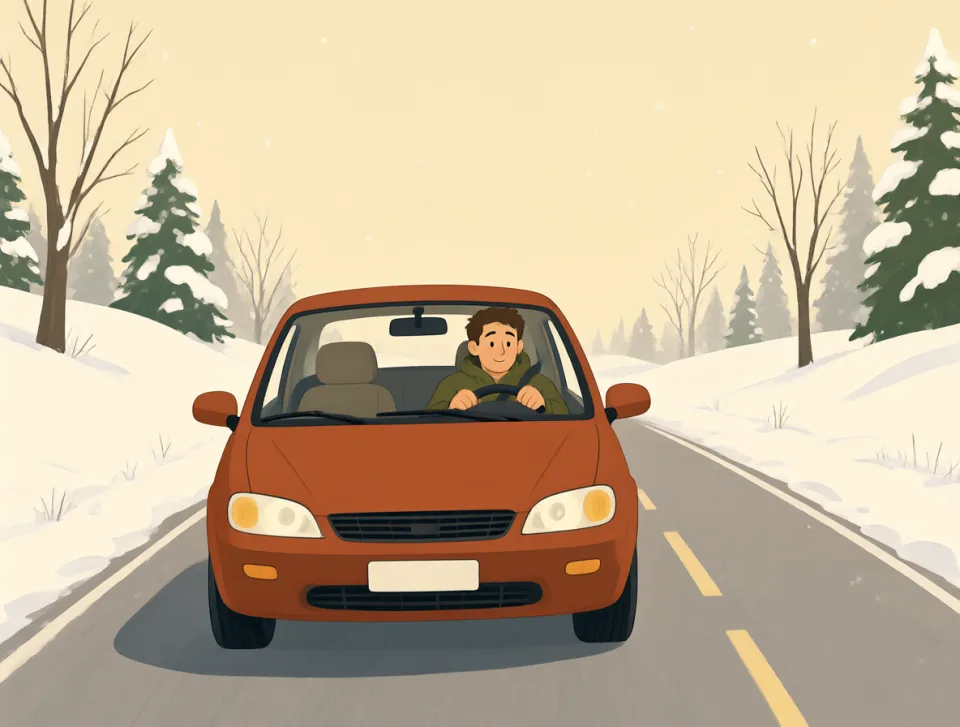
My brother is an expert driver, even on snowy roads.
我哥哥駕駛技術嫻熟,即使在積雪的道路上也一樣。

The school invited a computer expert to speak to students.
學校邀請了一位計算機專家來給學生們做演講。

wave
#1158noun, verb
揮手;波浪
a moving line of water, air, or people; to move your hand to say hello or goodbye
水、空氣或人群形成的移動起伏;揮動手錶示問候或告別
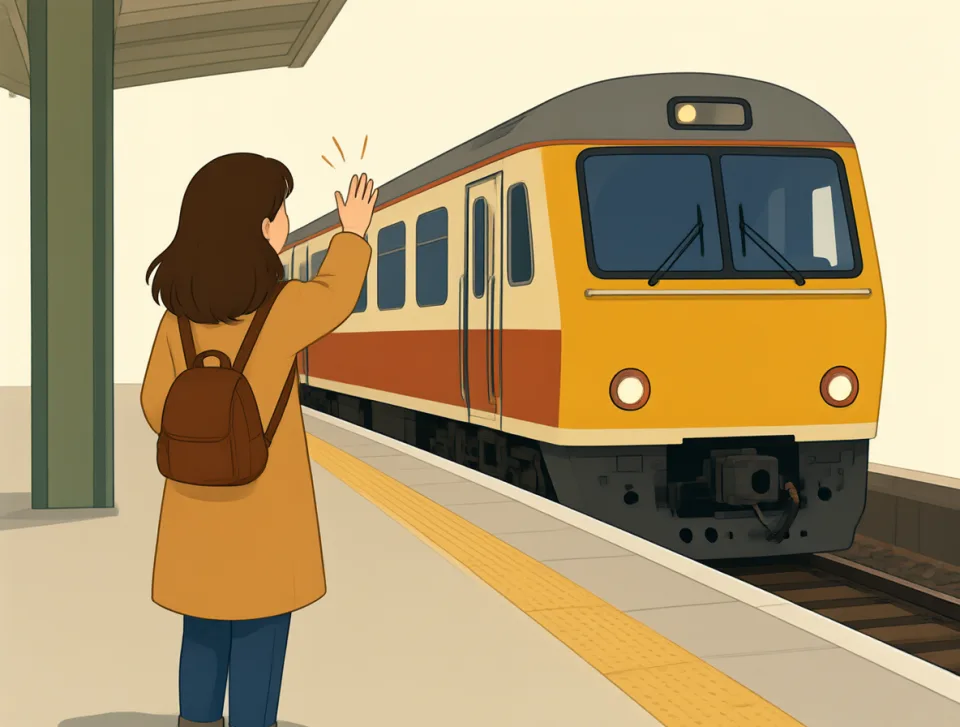
She waved goodbye as the train left the station.
火車駛離車站時,她揮手道別。

He gave me a friendly wave from across the street.
他在街對面友好地向我揮了揮手。

The children jumped over the waves at the beach.
孩子們在海灘上跳過一個個海浪。

A huge wave crashed against the rocks during the storm.
暴風雨中,一個巨浪拍打著岩石。

The crowd waved their hands when the singer came onstage.
歌手登臺時,人群揮舞著雙手。
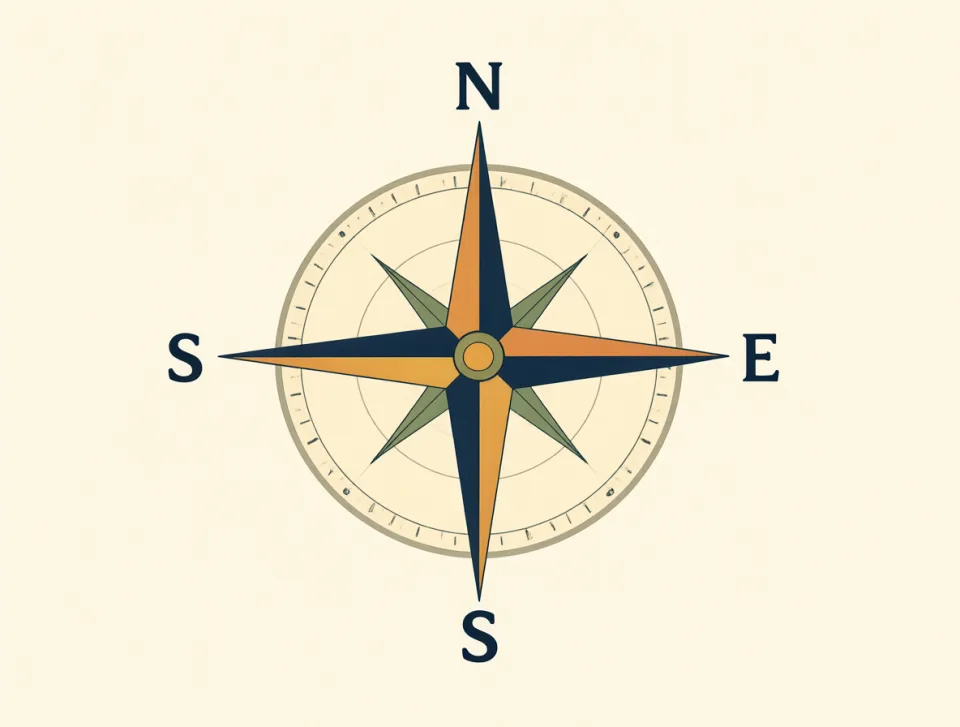
south
#1159noun, adjective, adverb, preposition
南方;南部;向南;朝南
the direction or area opposite north
與北方相反的方向或地區

We drove south to visit my grandparents for the weekend.
我們開車向南走,去看望爺爺奶奶,過個週末。

Our hotel is in the south of the city.
我們的酒店在市南部。

Many birds fly south when the weather becomes colder.
天氣變冷時,許多鳥會飛往南方。
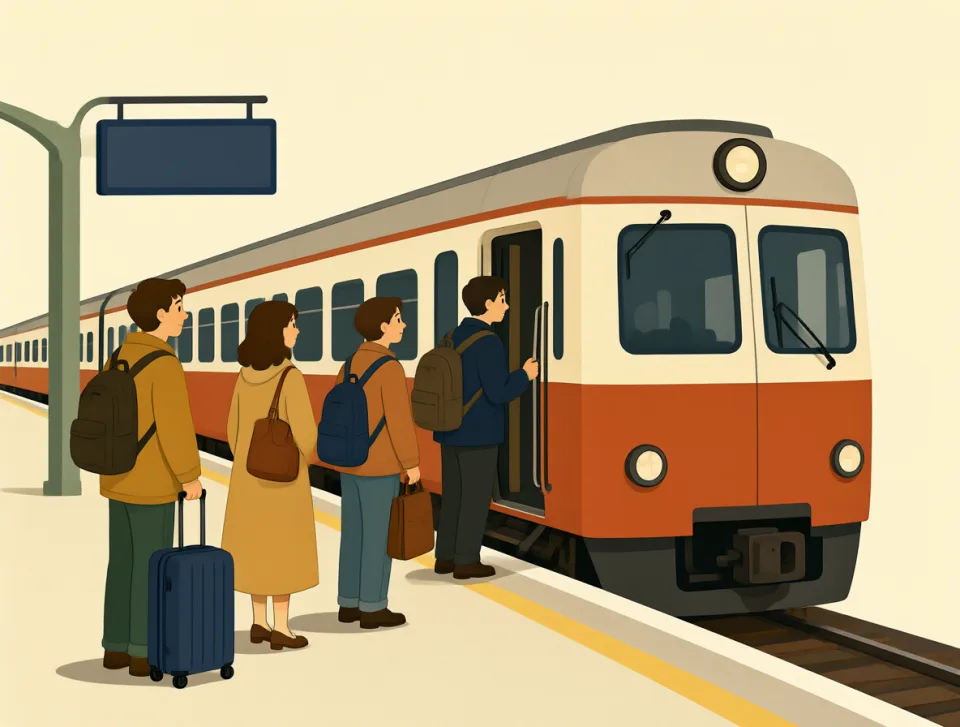
The train leaves for the south at eight tomorrow morning.
火車明天早上八點開往南方。

She moved south for a new job near the beach.
她為了在海灘附近找到一份新工作,搬到了南方。

labor
#1160noun, verb
勞動;勞作;分娩
Work, especially hard physical work, or the process of giving birth.
工作,尤其是繁重的體力勞動,或生孩子的過程。
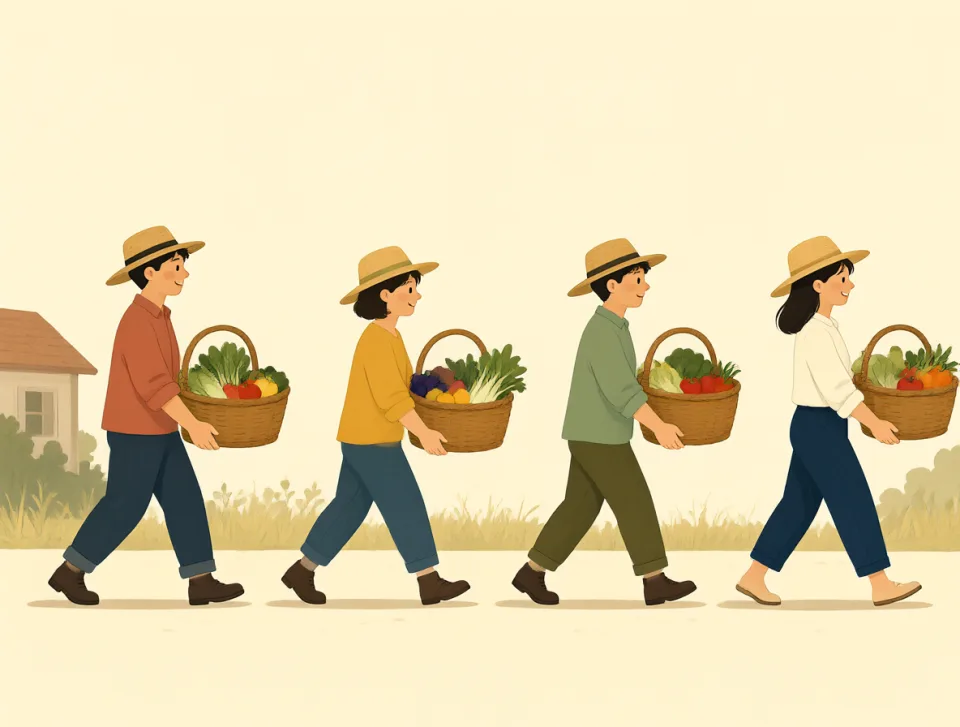
The farm labor was hard, but everyone worked together.
農活很辛苦,但大家齊心協力地幹。

The company hired extra labor for the busy summer season.
公司為繁忙的夏季額外僱用了工人。

She went into labor while visiting her sister.
她去看望姐姐時突然開始分娩。
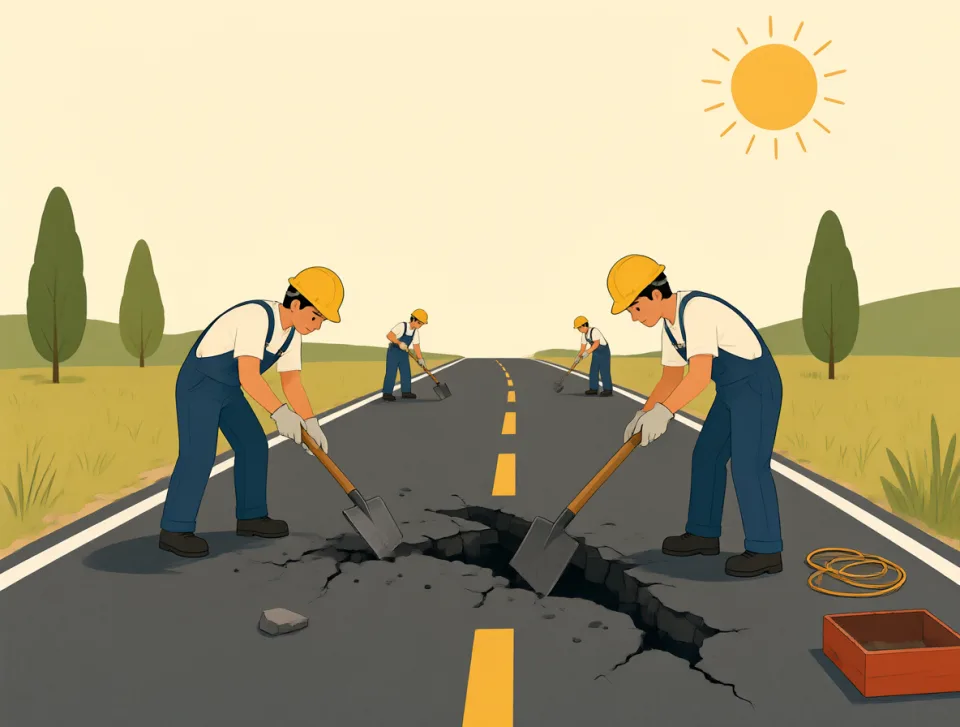
The workers labored all day to repair the damaged road.
工人們辛苦了一整天,修復受損的道路。

The labor of preparing dinner left him tired and hungry.
準備晚餐的勞作讓他又累又餓。