單元 53
單字 1041–1060 · handle, glass, trial, stress, radio, administration
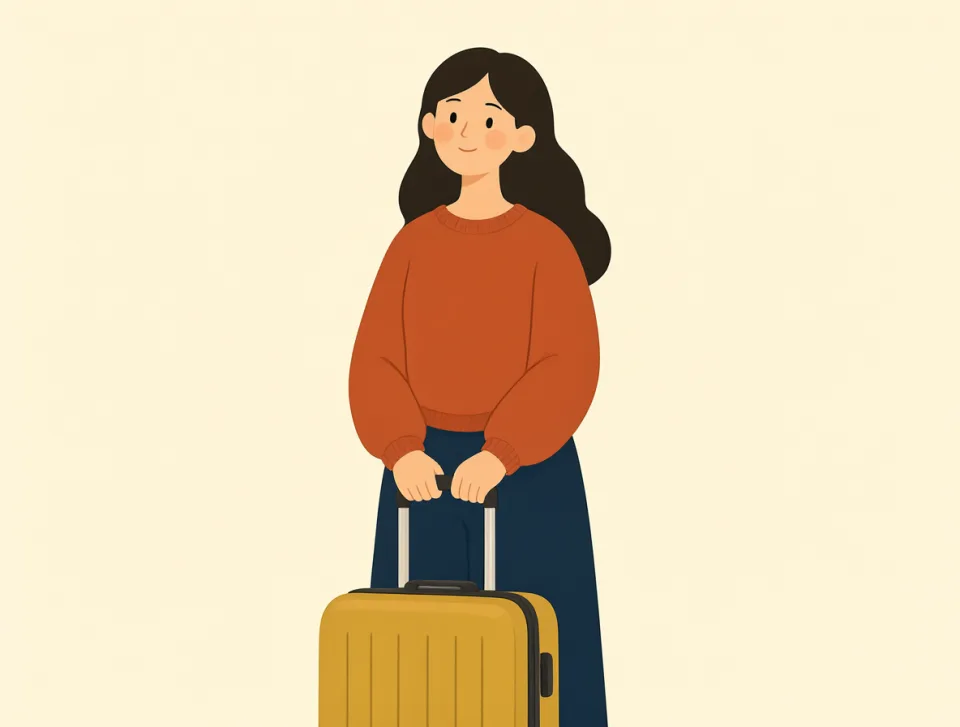
handle
#1041verb, noun
處理;把手
To deal with something; also, the part of an object that you hold.
處理某件事;也指物體上供人握住的部分。
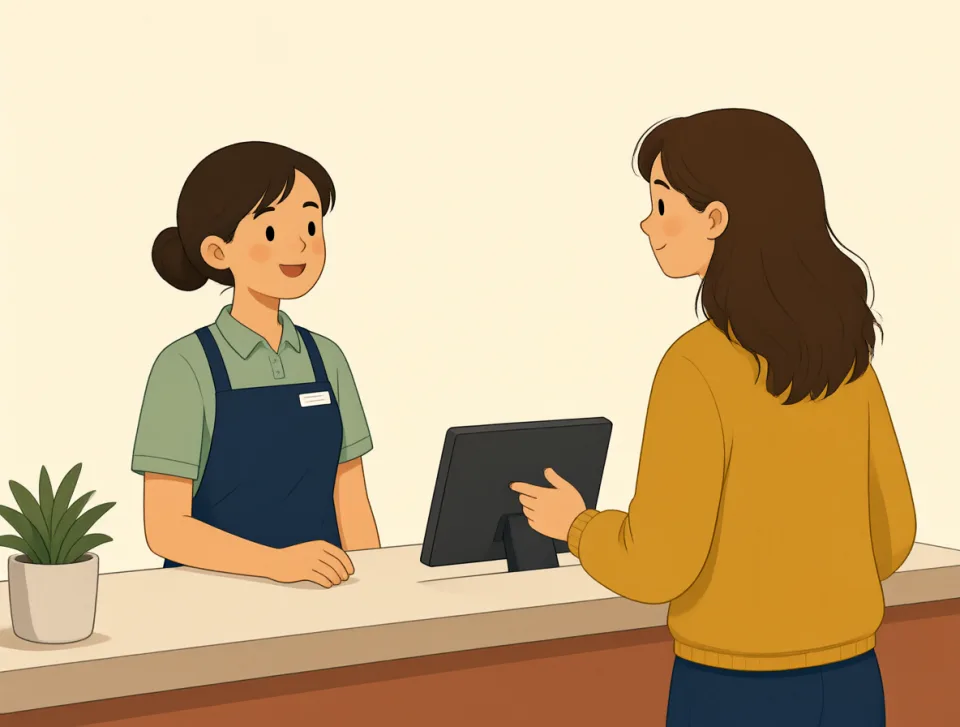
She handles customer questions politely at work every day.
她每天在工作中都很有禮貌地處理客戶的問題。

Can you handle this heavy box with both hands?
你能用雙手拿住這個重箱子嗎?

He handled the difficult situation very calmly.
他非常冷靜地處理了這個棘手的情況。

Please turn the door handle slowly.
請慢慢轉動門把手。
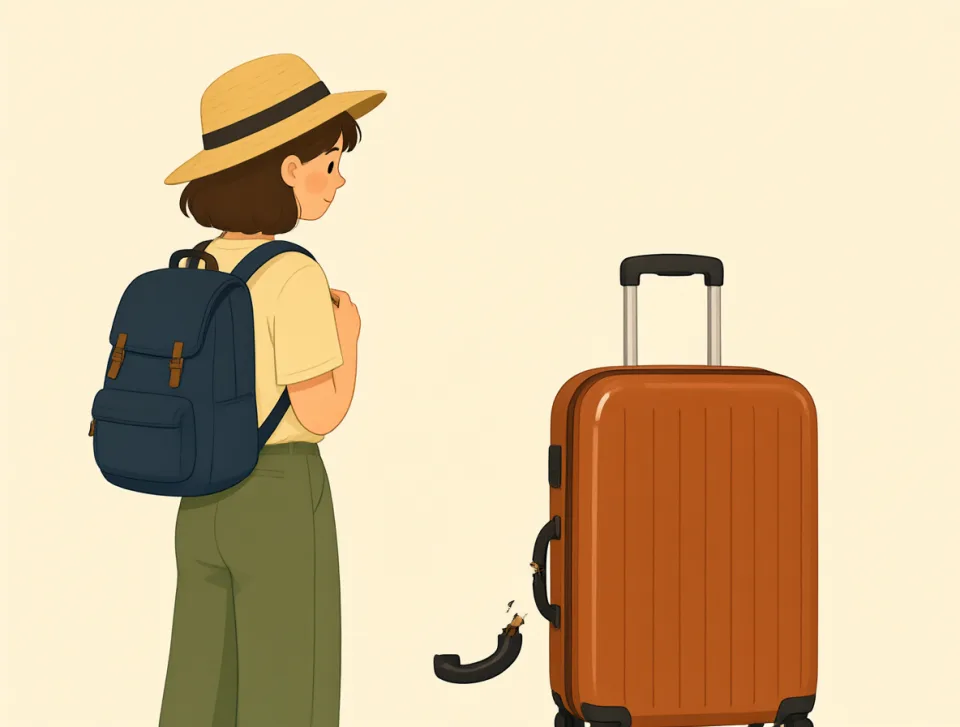
The suitcase has a broken handle.
這個手提箱的把手壞了。

glass
#1042noun
玻璃;玻璃杯;眼鏡
A clear, hard material used for windows and containers, or a drinking container.
一種透明堅硬的材料,用於製作窗戶和容器,也指用來喝水的杯子。

Please pour me a glass of water.
請給我倒一杯水。
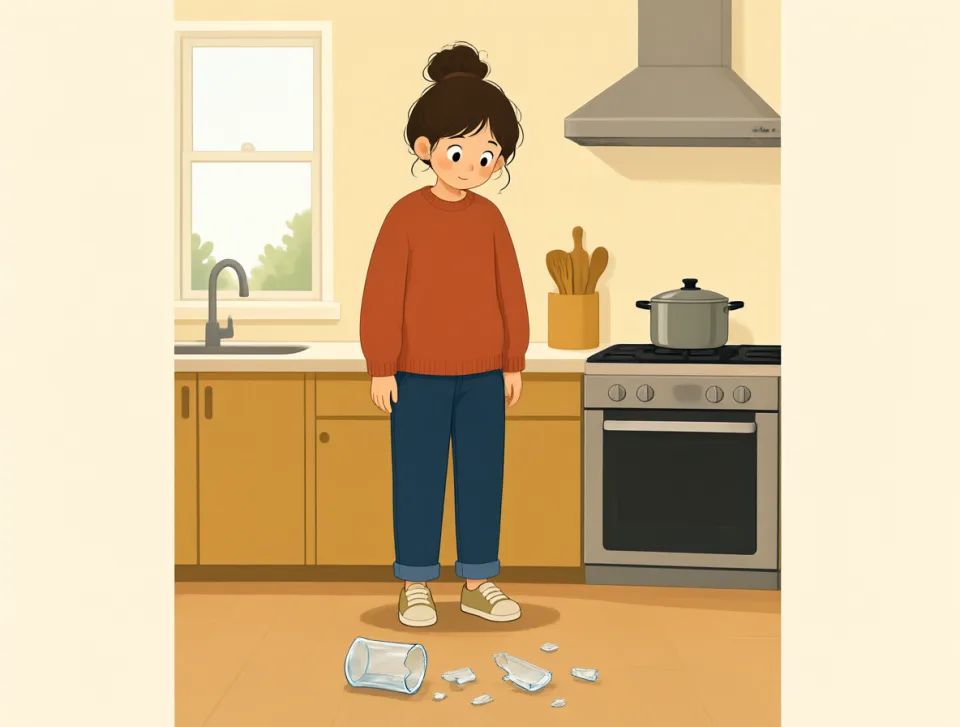
She dropped the glass and broke it on the kitchen floor.
她把玻璃杯掉在廚房地板上,摔碎了。

The shop has large glass windows at the front.
這家店正面有大塊玻璃窗。

He cleaned his glasses before reading the menu.
他在看選單前擦了擦眼鏡。

The glass in this door is very thick.
這扇門上的玻璃非常厚。
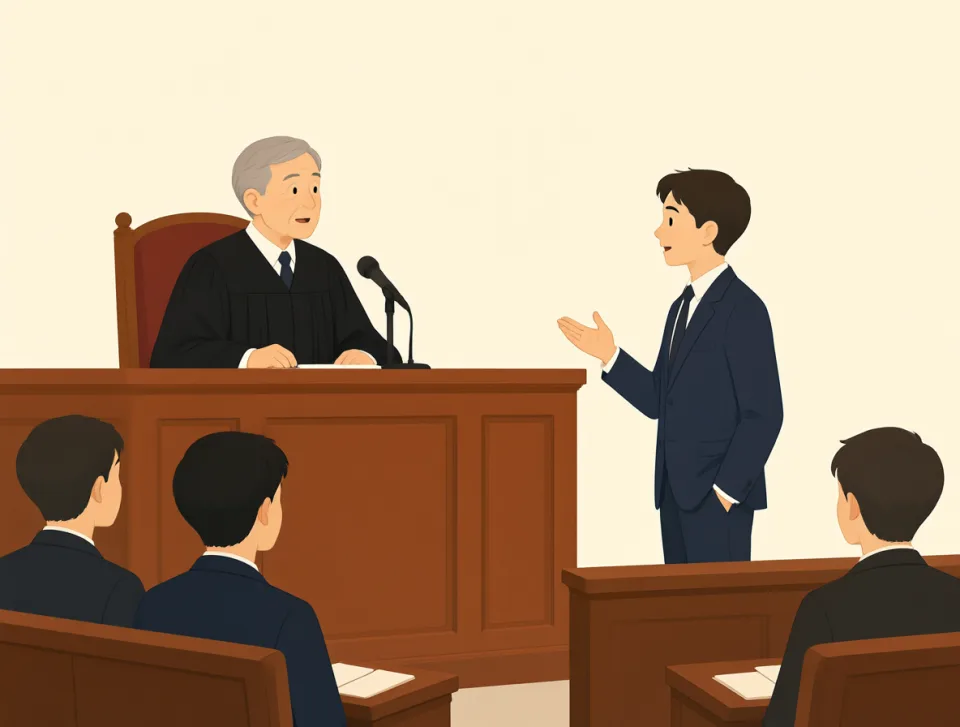
trial
#1043noun, verb
試用; 試驗; 選拔賽; 審判
A test of something new, or a formal court process to decide if someone is guilty.
對新事物進行測試,或透過正式的法庭程式來判定某人是否有罪。

The free trial lets you use the app for one month.
免費試用可以讓你使用這款應用一個月。

The doctor suggested a trial of a different medicine.
醫生建議試用另一種藥。
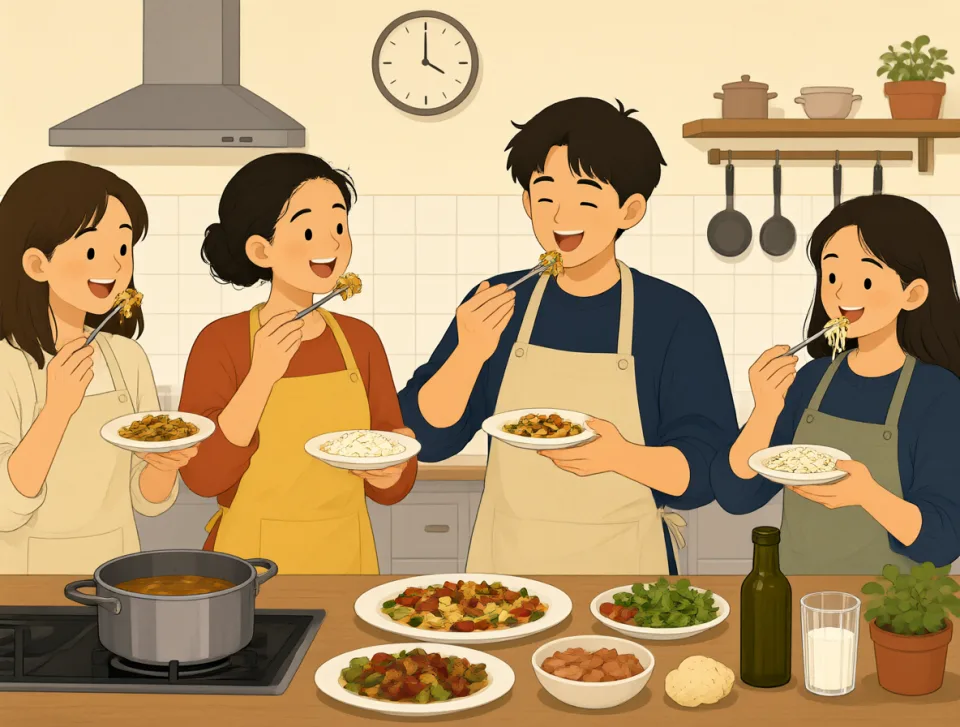
The cooking trial helped us choose the best recipe.
這次試做幫助我們選出了最好的食譜。
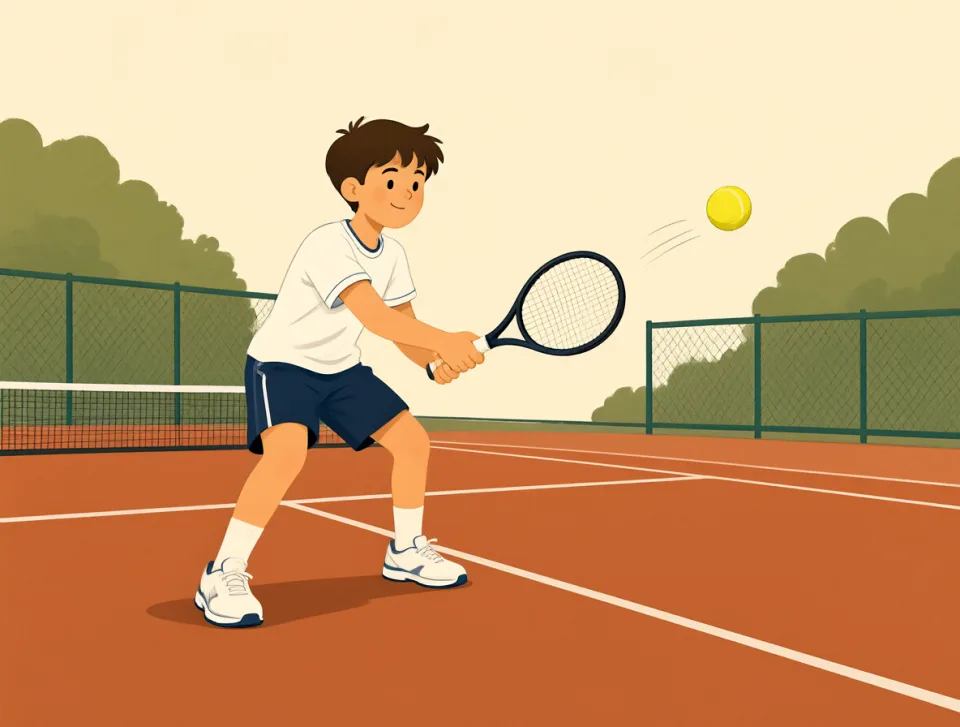
She won the tennis trial and joined the school team.
她在網球選拔賽中勝出,加入了校隊。
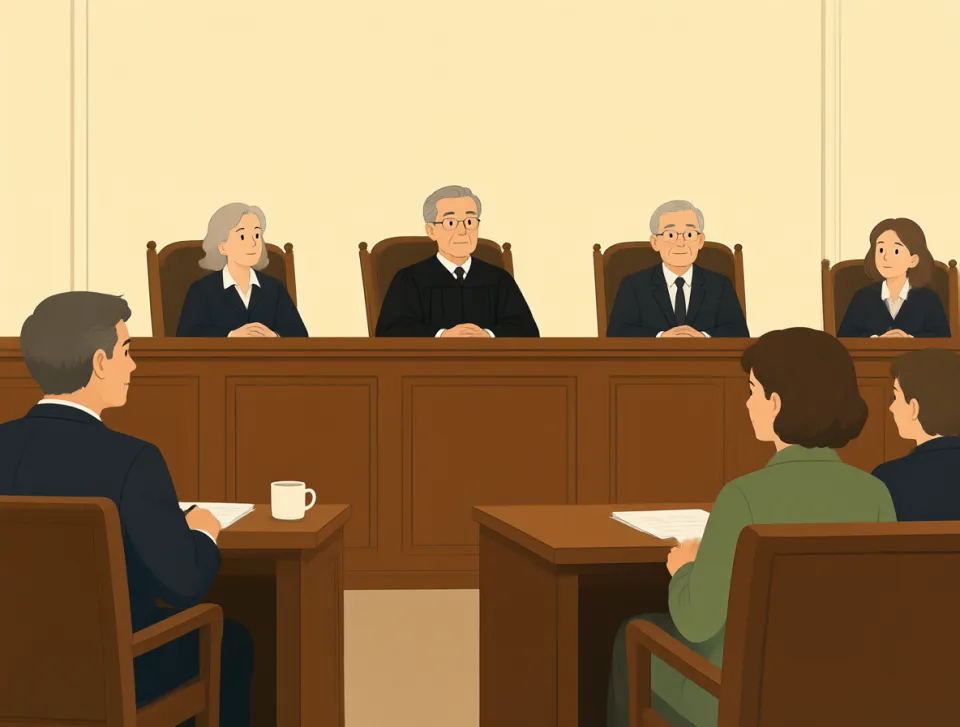
The court trial lasted three days before the judge decided.
法庭審判持續了三天,法官才作出裁決。

stress
#1044noun, verb
壓力;強調
Pressure or worry caused by problems; to give special importance to something.
由問題引起的壓力或擔憂;特別重視某事。
I am under a lot of stress at work.
我在工作中承受著很大的壓力。

Listening to music helps me relieve stress after work.
下班後,聽音樂能幫我緩解壓力。
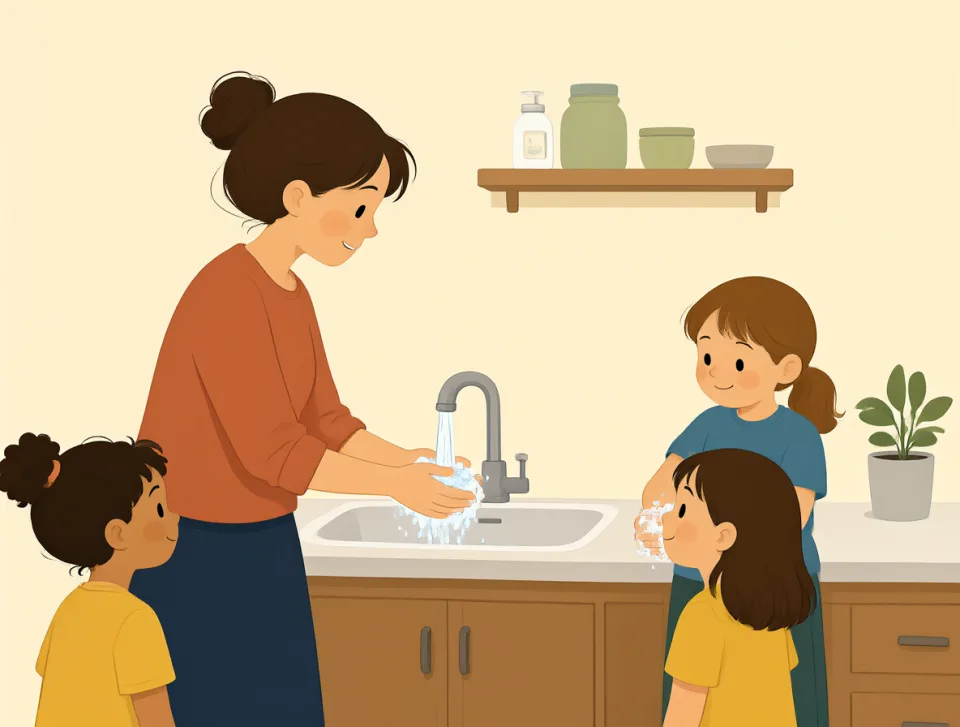
The teacher stressed the importance of washing your hands.
老師強調了洗手的重要性。

The doctor said stress was causing my headaches.
醫生說,壓力是導致我頭痛的原因。
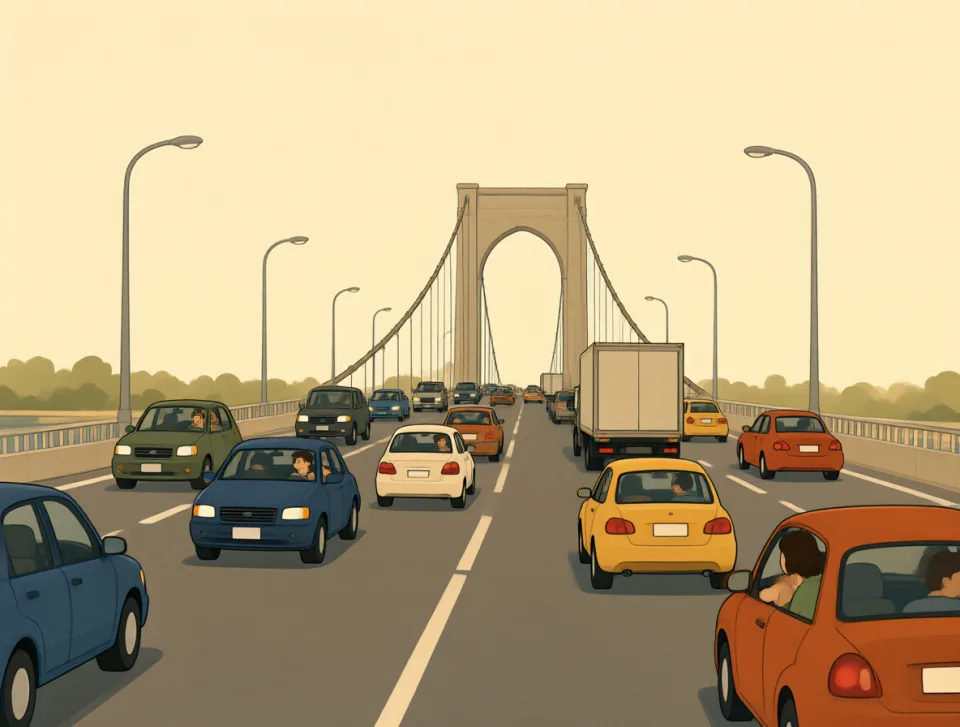
Heavy traffic puts stress on the bridge during rush hour.
交通高峰期,車流量大給這座橋帶來了壓力。
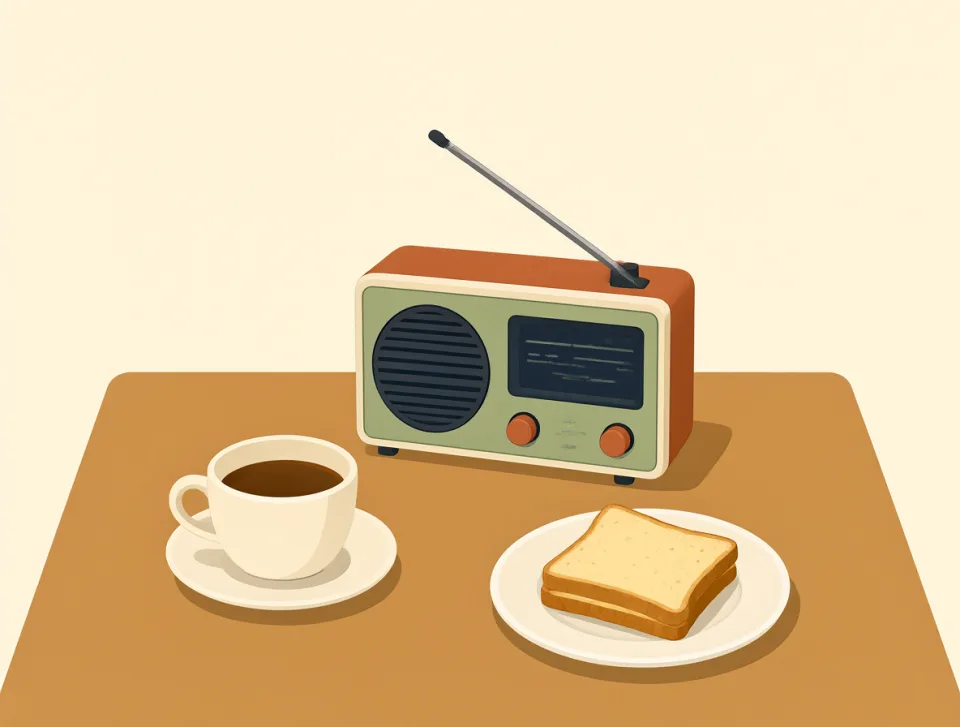
radio
#1045noun
收音機;廣播
A device or service for listening to broadcasts and music.
用來收聽廣播和音樂的裝置或服務。
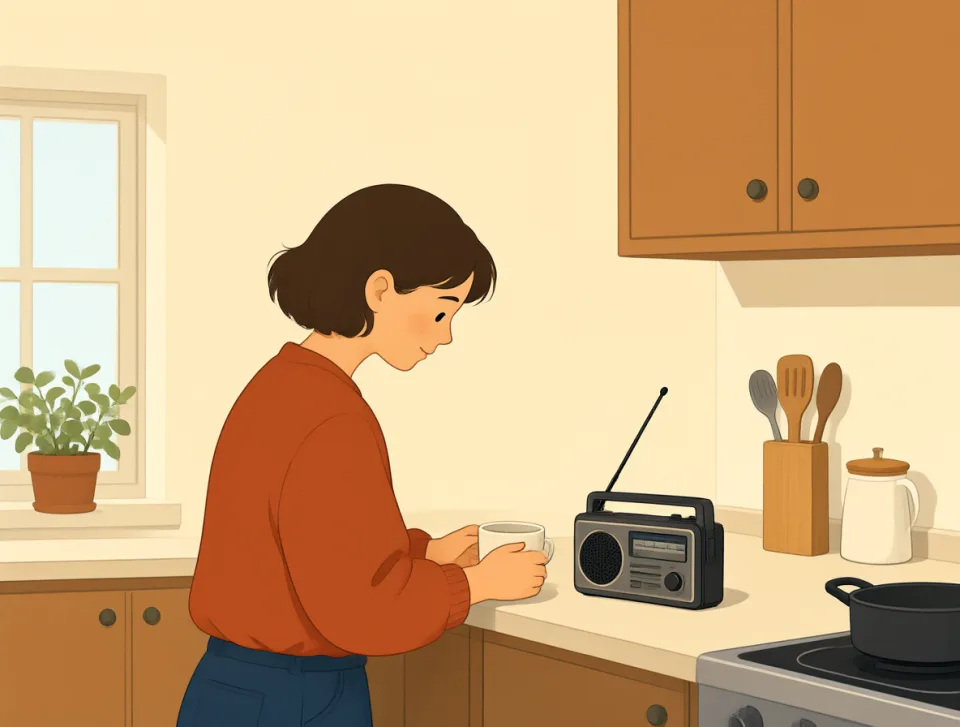
I listen to the radio while making breakfast.
我做早餐的時候聽收音機。

The radio station plays music during my morning drive.
電臺在我早上開車時播放音樂。

We heard the weather forecast on the radio before leaving.
出發前,我們在收音機裡聽到了天氣預報。
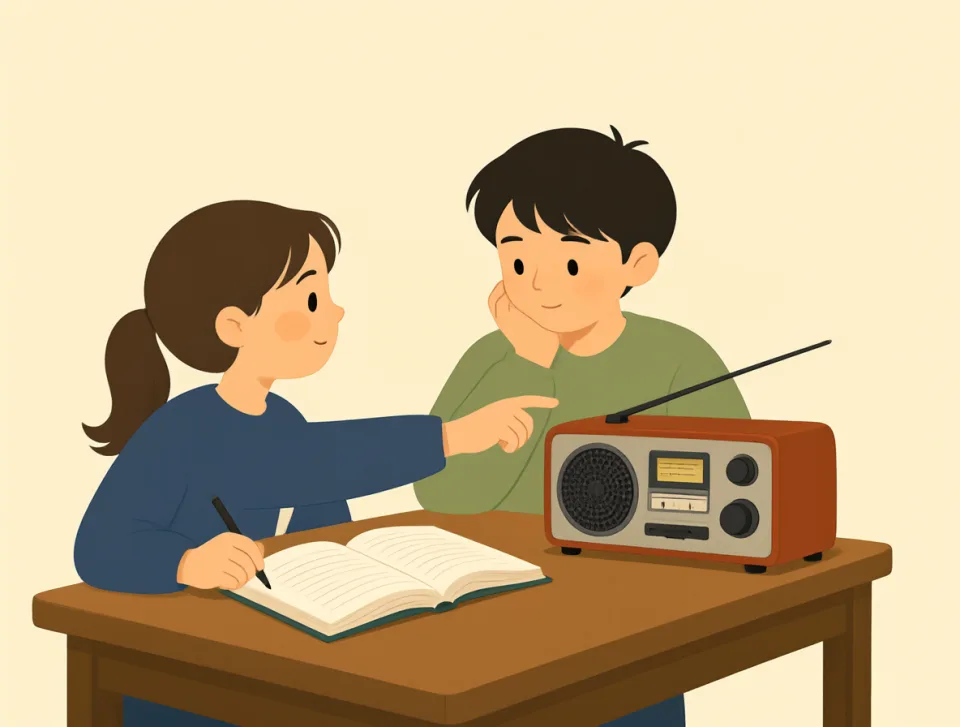
Please turn the radio down; I am studying for an exam.
請把收音機的聲音調小一點,我正在準備考試。

The mechanic fixed the car radio after our long trip.
長途旅行後,修理工修好了汽車收音機。
administration
#1046noun
管理;行政;政府;給藥
The work of managing an organization, business, or government.
管理組織、企業或政府的工作。
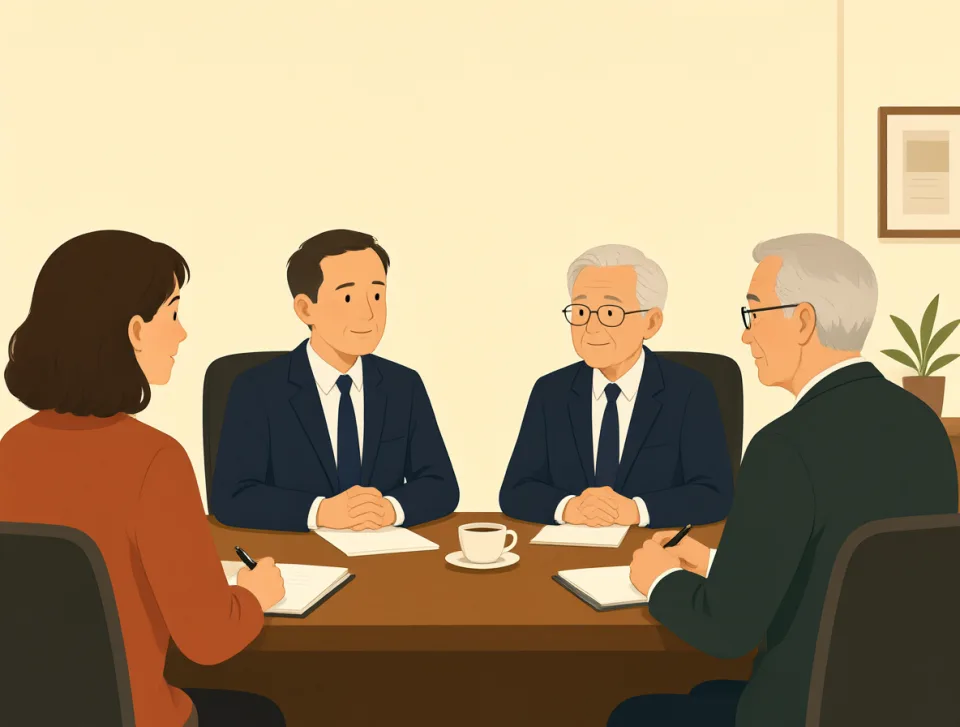
The school administration sent an email to all parents.
校方給所有家長髮了一封電子郵件。
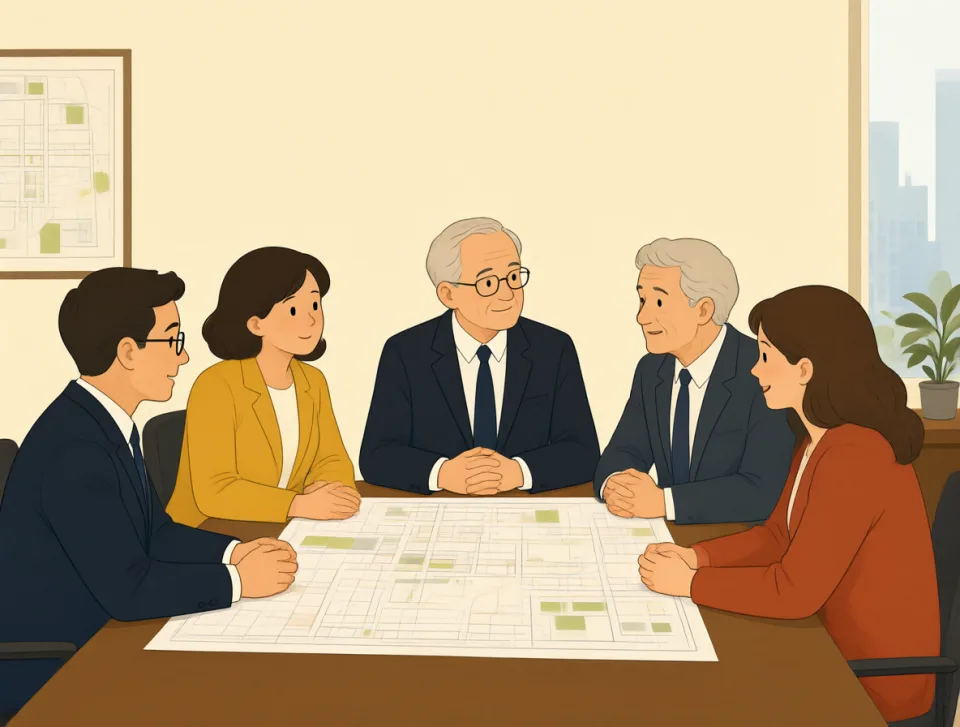
The new administration plans to improve public transport.
新政府計劃改善公共交通。

She works in the administration department at our company.
她在我們公司的行政部門工作。
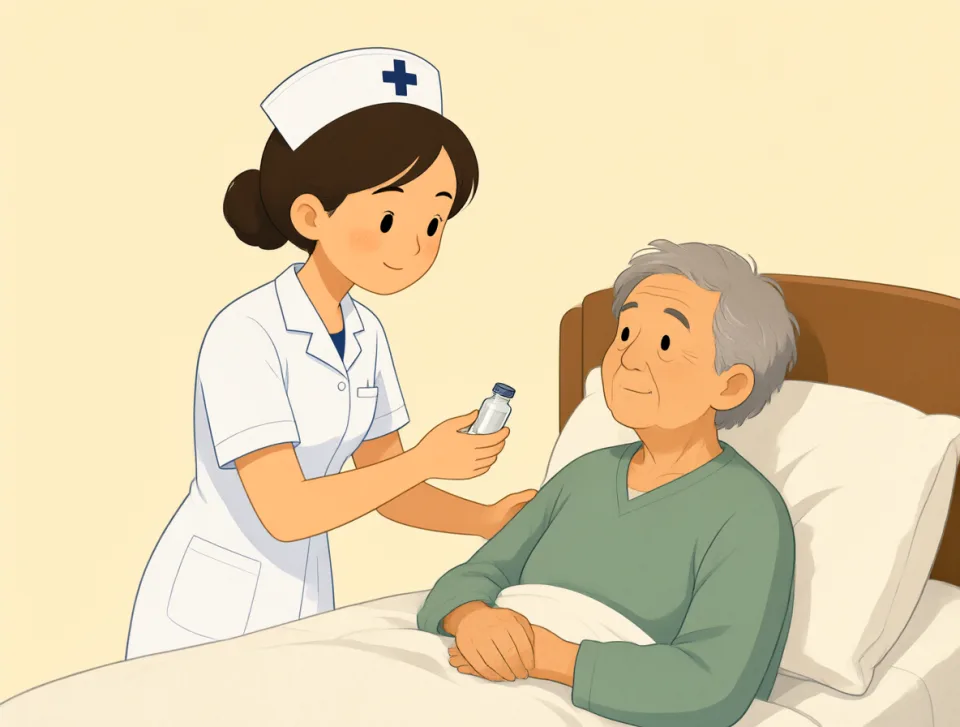
The nurse supervised the administration of the patient's medicine.
護士監督了病人用藥。
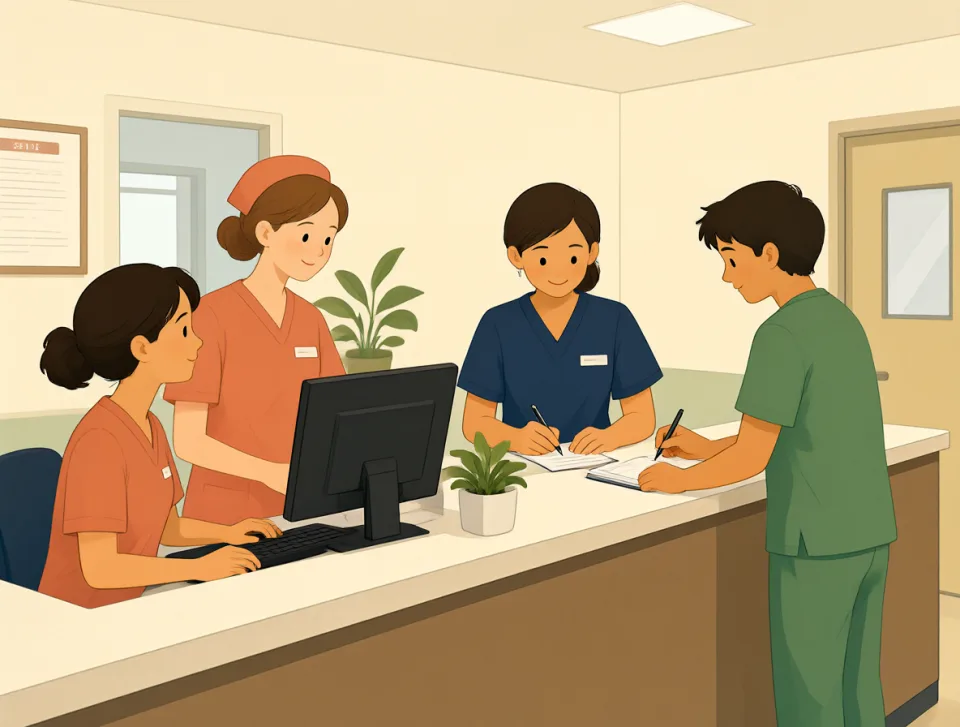
Good administration keeps the hospital running smoothly.
良好的管理能讓醫院順利運轉。

complex
#1047adjective, noun
複雜的;綜合體
made of many connected parts; a group of buildings or related things
由許多相互關聯的部分組成的;一組建築物或相關事物
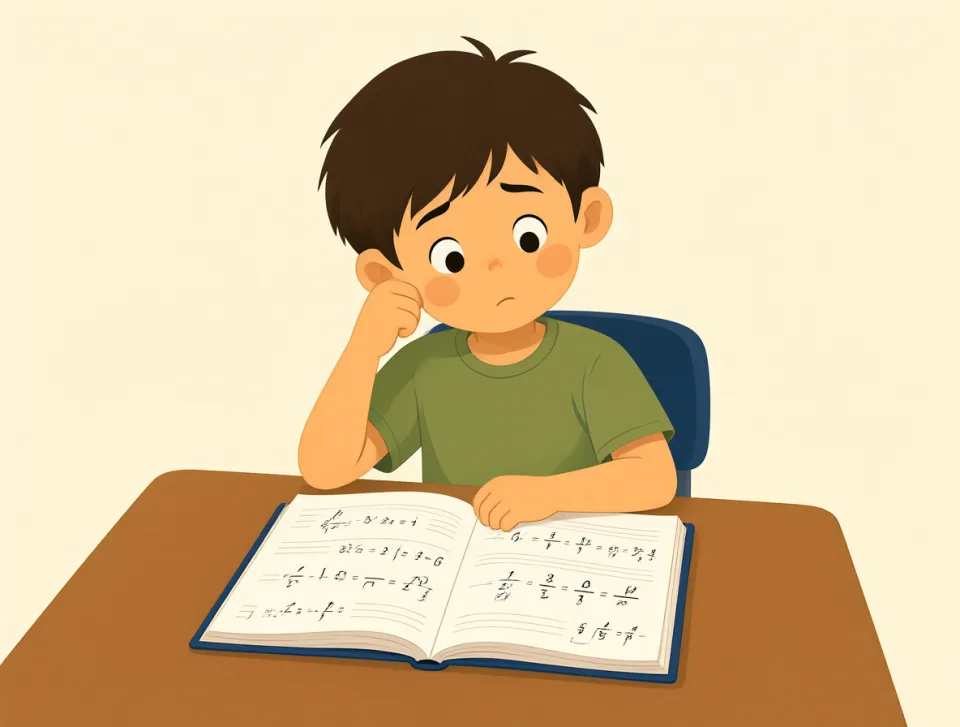
This math problem is too complex for young children.
這道數學題對小孩子來說太複雜了。
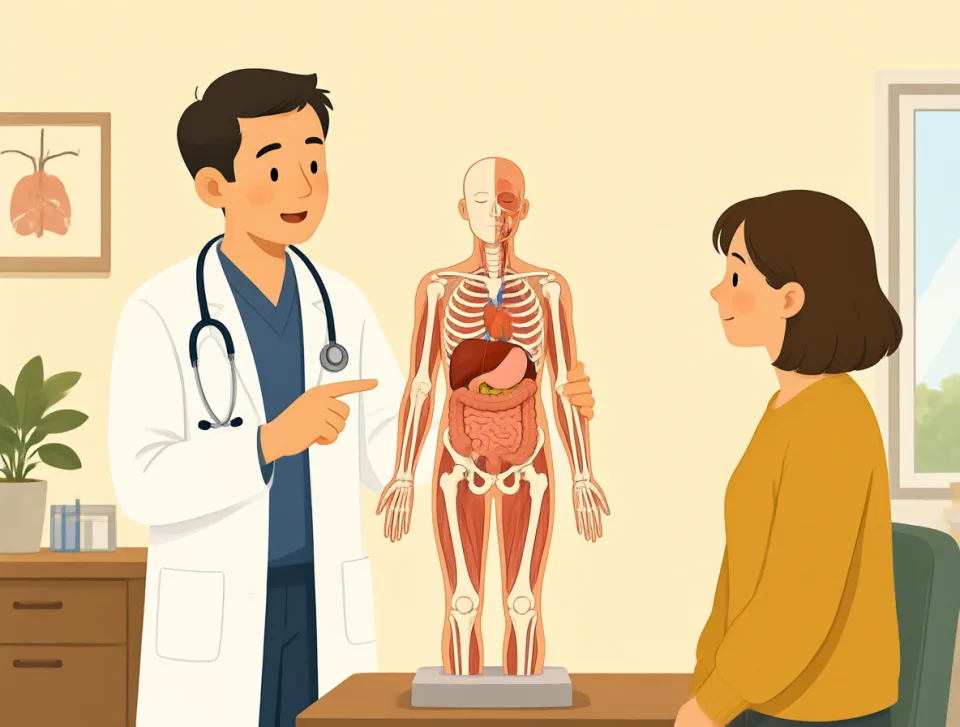
The human body is a complex system of organs.
人體是一個由各種器官組成的複雜系統。
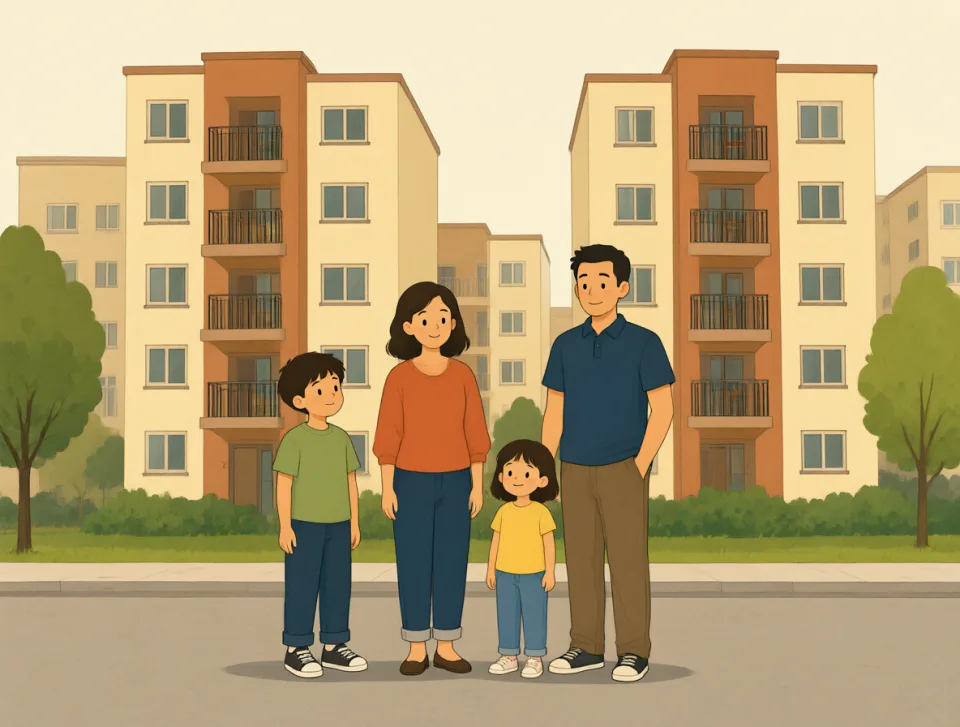
We live in a large apartment complex near the city center.
我們住在市中心附近的一大片公寓樓裡。

The chef prepared a complex meal with many different flavors.
廚師準備了一頓味道豐富、十分複雜的飯菜。
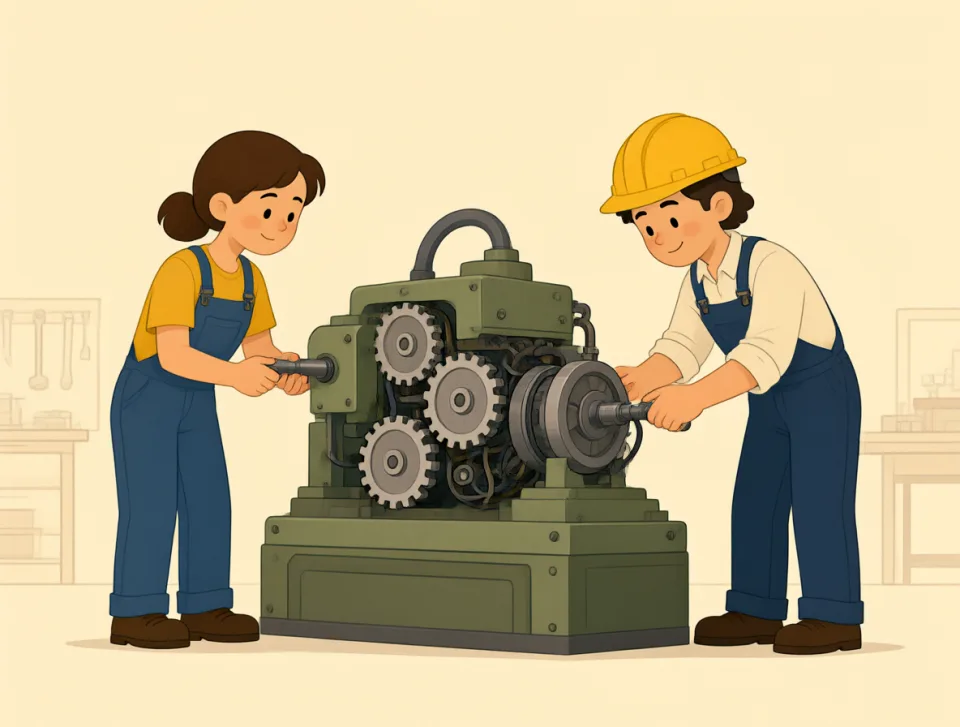
The new machine has a complex design, but it works well.
這臺新機器的設計很複雜,但執行得很好。
text
#1048noun, verb
簡訊; 文字; 發簡訊
Written words, or a short message sent by phone.
書面文字,或透過手機傳送的簡短訊息。

I'll text you when I arrive at the station.
我到車站後給你發簡訊。

She texted her mother to say she got home safely.
她給媽媽發簡訊,說自己已經安全到家了。

I received a text from my doctor this morning.
今天早上我收到了一條醫生髮來的簡訊。
Please read the text carefully before answering the questions.
回答問題前,請仔細閱讀這篇文章。

The teacher asked us to discuss the text in pairs.
老師讓我們兩人一組討論這篇文章。

context
#1049noun
語境; 背景; 上下文
The situation and information that help you understand something.
幫助你理解某件事的情況和相關資訊。
You need to understand the context before judging her words.
在評判她的話之前,你需要先了解事情的背景。
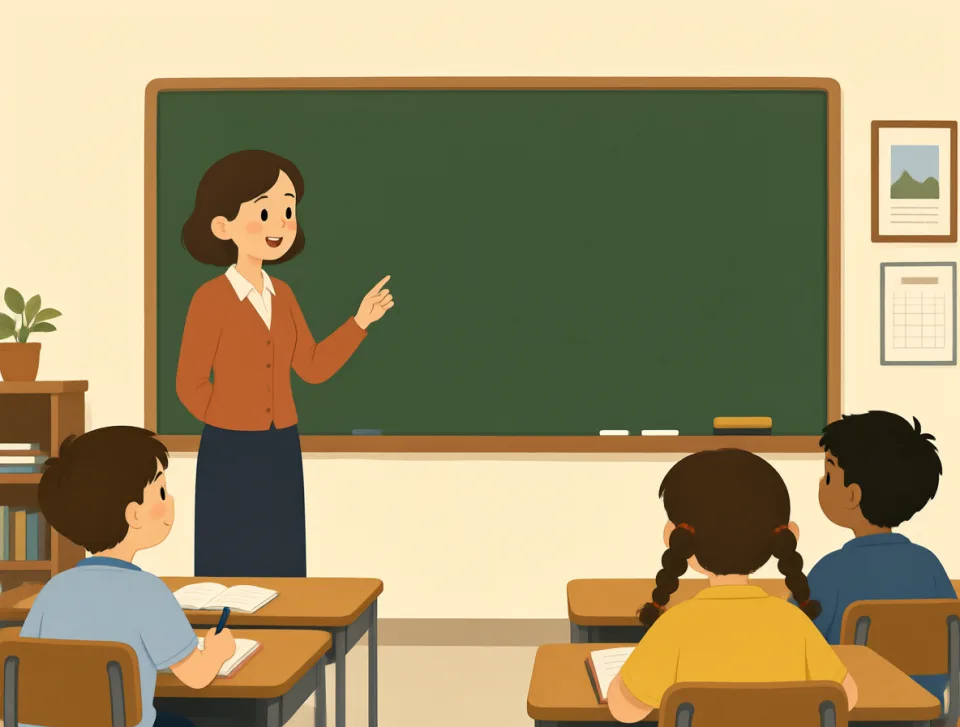
The teacher explained the historical context of the story.
老師解釋了這個故事的歷史背景。

That joke sounds rude when it is taken out of context.
如果脫離語境來看,這個笑話聽起來很無禮。

Please give me some context about this problem at work.
請告訴我一些關於這個工作問題的背景。

The doctor asked for more context about my stomach pain.
醫生詢問了更多關於我胃痛的情況。
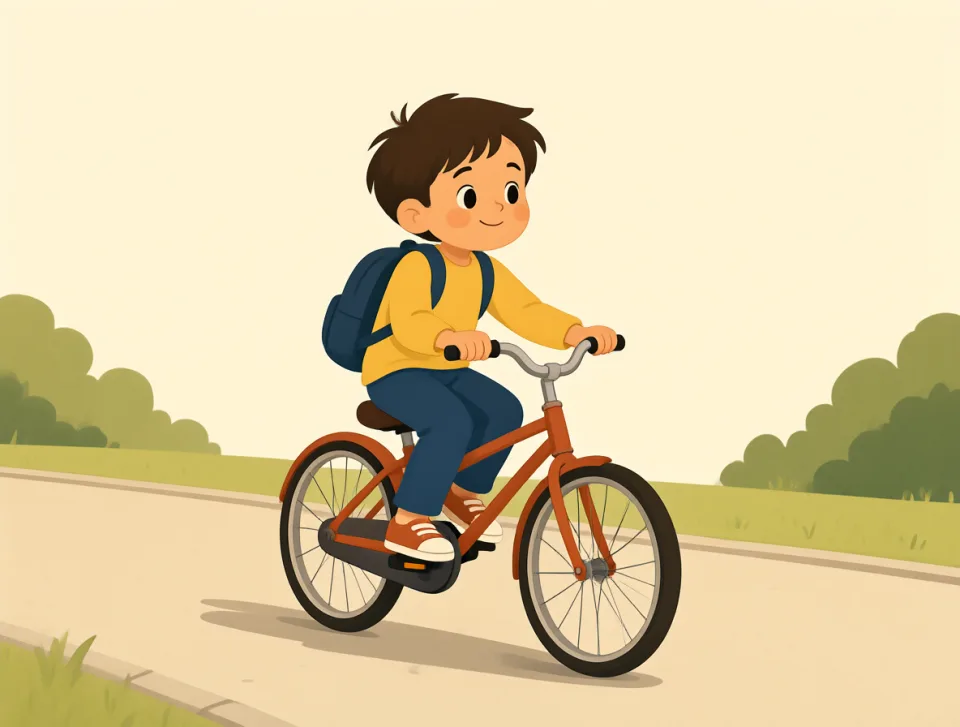
ride
#1050noun, verb
騎;乘坐;搭便車;乘車旅行
to travel on something, or a journey in a vehicle or on an animal
乘坐某種交通工具或騎動物出行,或乘坐車輛、騎動物進行的旅程
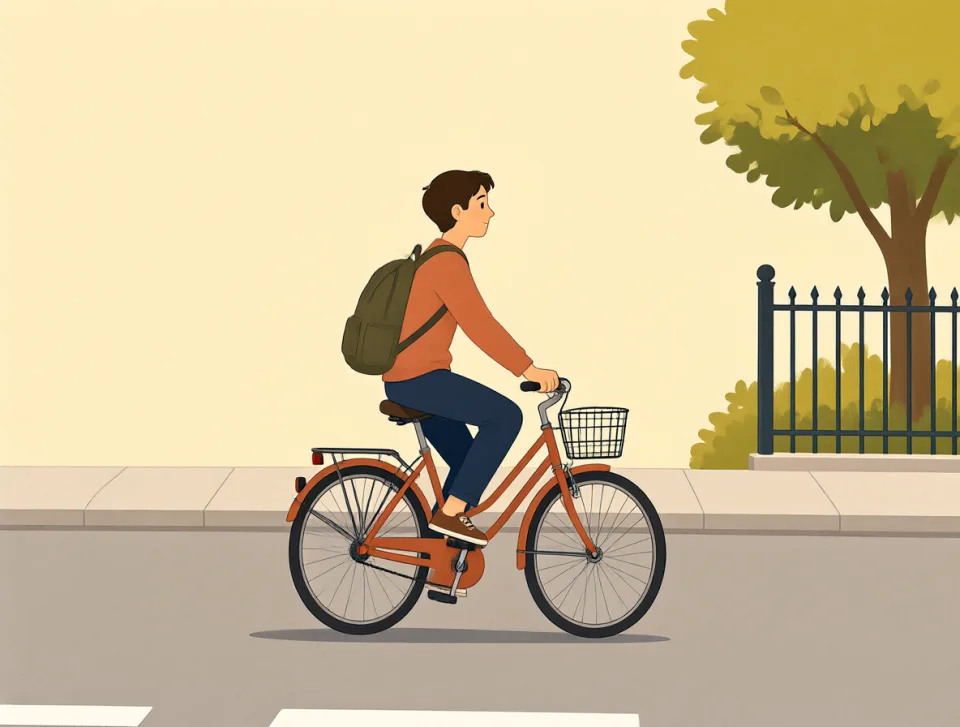
I ride my bike to work every morning.
我每天早上騎腳踏車去上班。

She rides the bus to school every day.
她每天乘公交車去上學。

Can you give me a ride home after dinner?
晚飯後你能送我回家嗎?

The children are riding horses at the farm.
孩子們正在農場騎馬。

We took a short boat ride after lunch.
午飯後我們乘船短途遊覽了一番。

directly
#1051adverb
直接地; 徑直地
in a straight or clear way, without stopping or using someone else
以直線或清晰明確的方式,不停留,也不透過他人

Please speak directly to the manager about your problem.
請直接和經理談談你的問題。
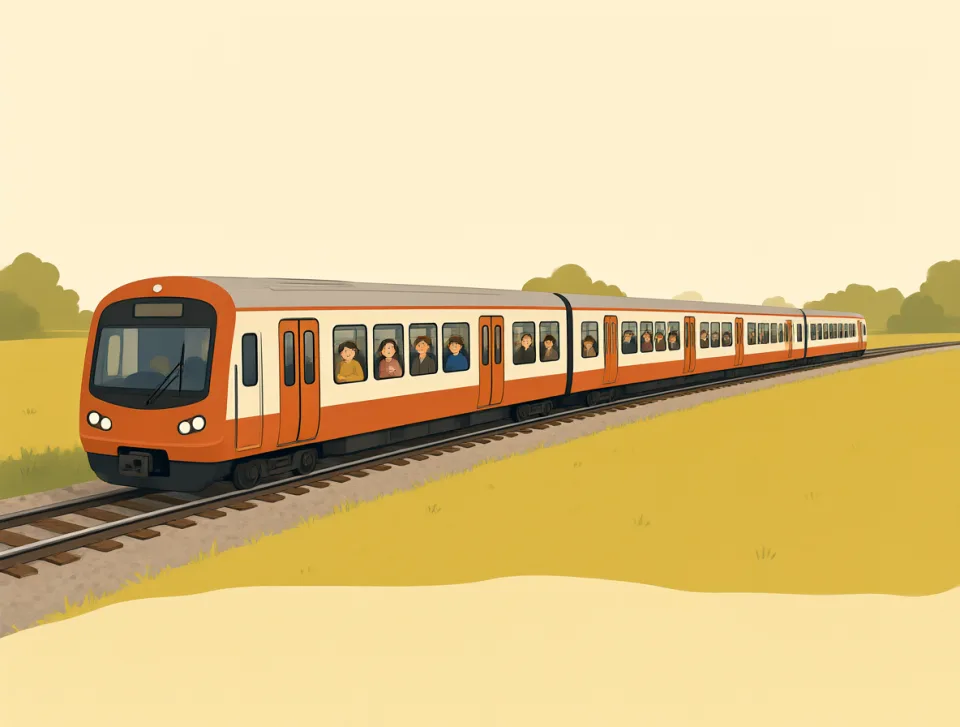
The train goes directly from London to Manchester.
這趟火車從倫敦直達曼徹斯特。
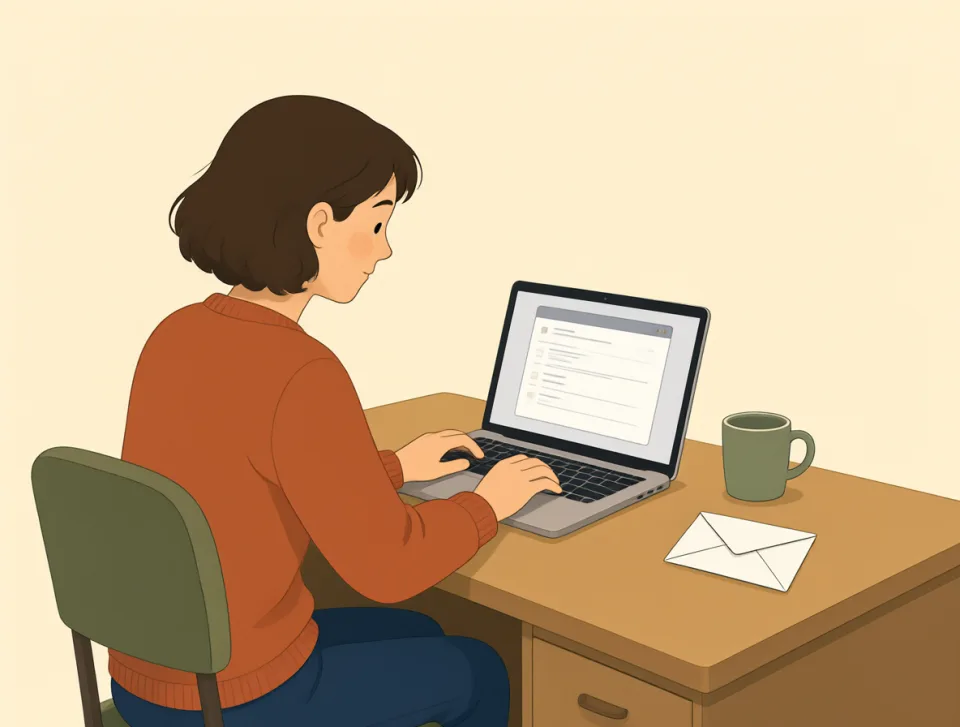
You can email me directly if you have any questions.
如果你有任何問題,可以直接給我發電子郵件。

She looked directly at her friend and smiled.
她直視著朋友,笑了起來。

The doctor spoke directly about the risks of the treatment.
醫生直接談到了這種治療的風險。
heavy
#1052adjective, adverb
重的; 大的; 豐盛的
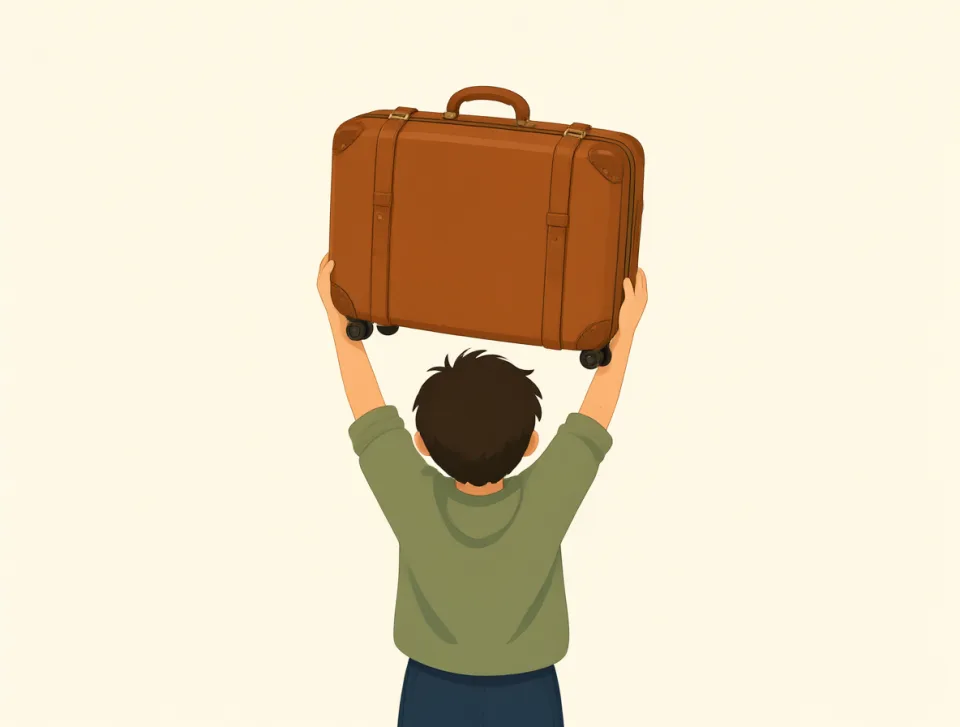
weighing a lot; using or carrying more force than usual
重量很大;使用或承受的力比平時更大
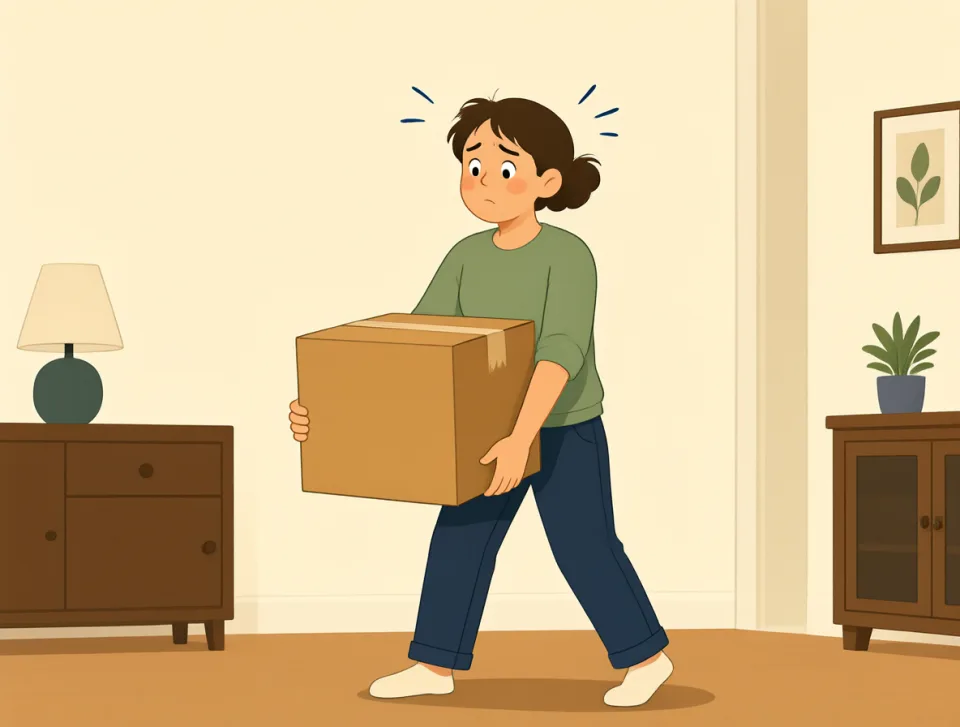
This box is too heavy for me to carry alone.
這個箱子太重了,我一個人搬不動。

Heavy rain flooded several streets during the night.
夜裡下的大雨淹沒了好幾條街道。

She has a heavy bag full of books for school.
她揹著一個裝滿學校課本的沉重書包。

The doctor told him to avoid heavy lifting for a week.
醫生告訴他一週內不要搬重物。

We ate a heavy meal before the long train journey.
長途火車旅行前,我們吃了一頓豐盛的飯。
remove
#1053verb
移除; 去掉; 脫掉
to take something away from a place or person
把某物從某個地方或某個人那裡拿走
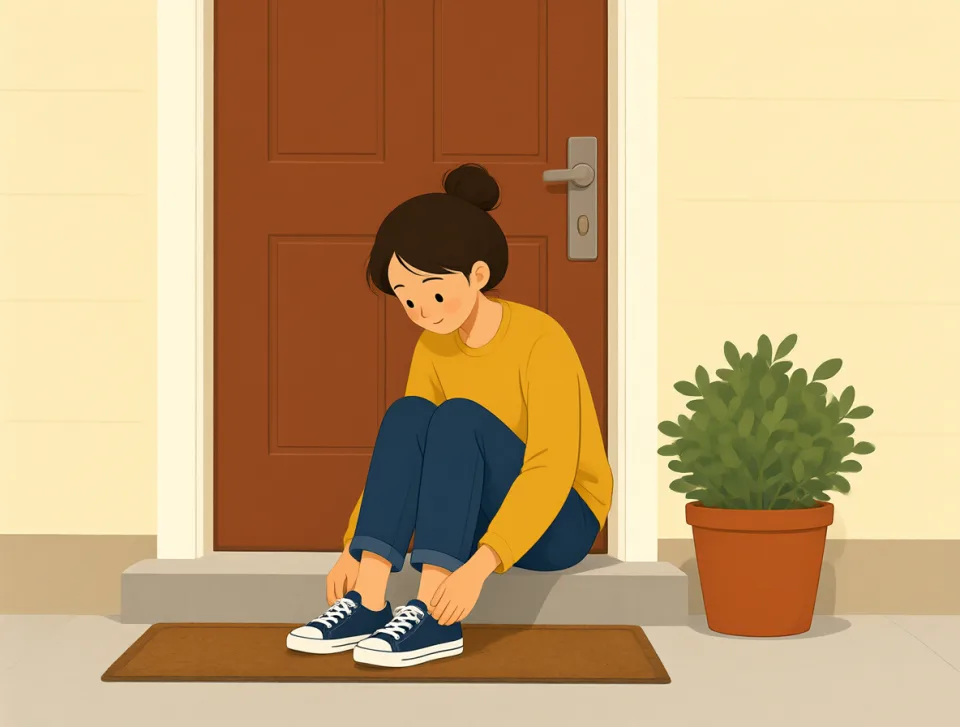
Please remove your shoes before entering the house.
請在進屋前脫掉鞋子。
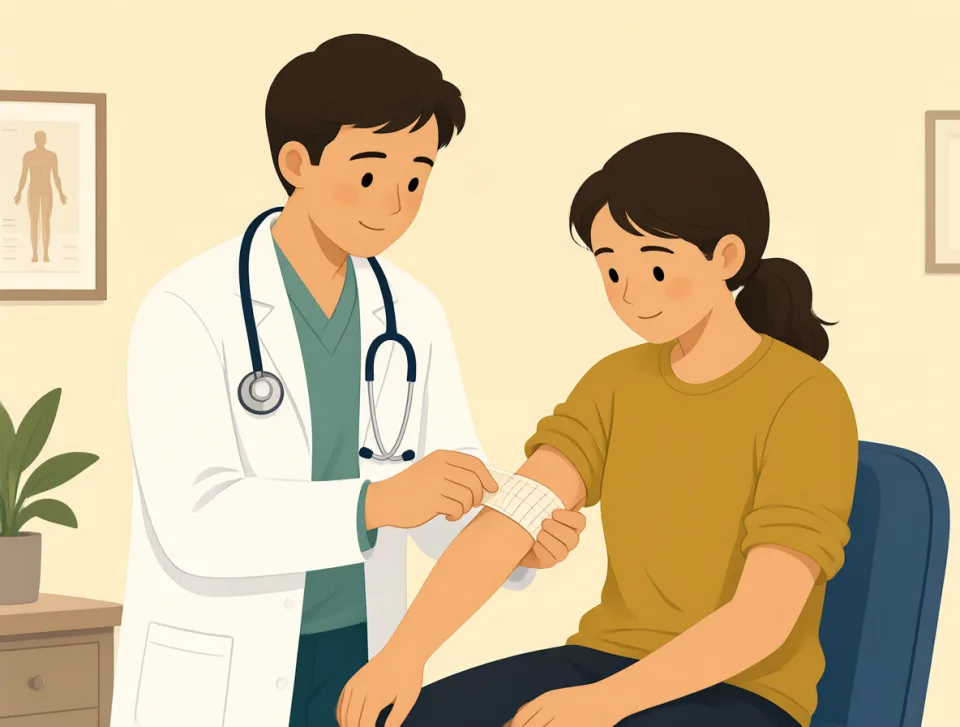
The doctor removed the bandage from my arm.
醫生從我胳膊上拆下了繃帶。

Please remove the old files from your computer.
請刪除電腦裡的舊檔案。
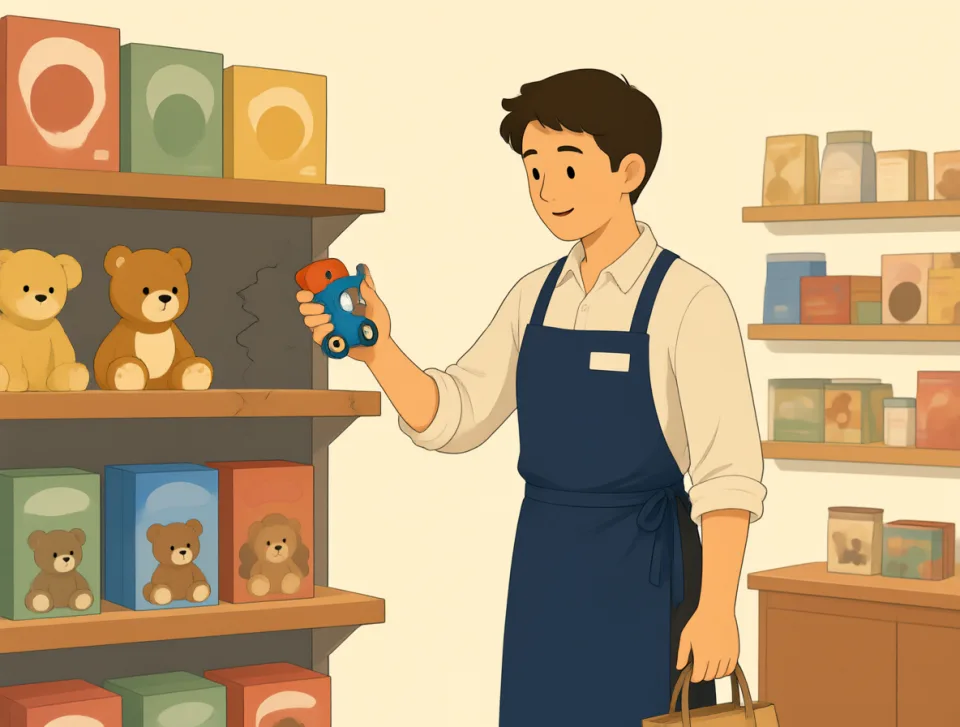
The shop removed the broken toy from the shelf.
商店把壞掉的玩具從貨架上撤了下來。

This cream helps remove small marks from your skin.
這種乳霜有助於去除皮膚上的小痕跡。

conduct
#1054noun, verb
開展;進行;行為
to organize and carry out an activity; or the way someone behaves
組織並開展一項活動;或指某人的行為方式

The company will conduct a survey about customer service.
公司將開展一項關於客戶服務的調查。
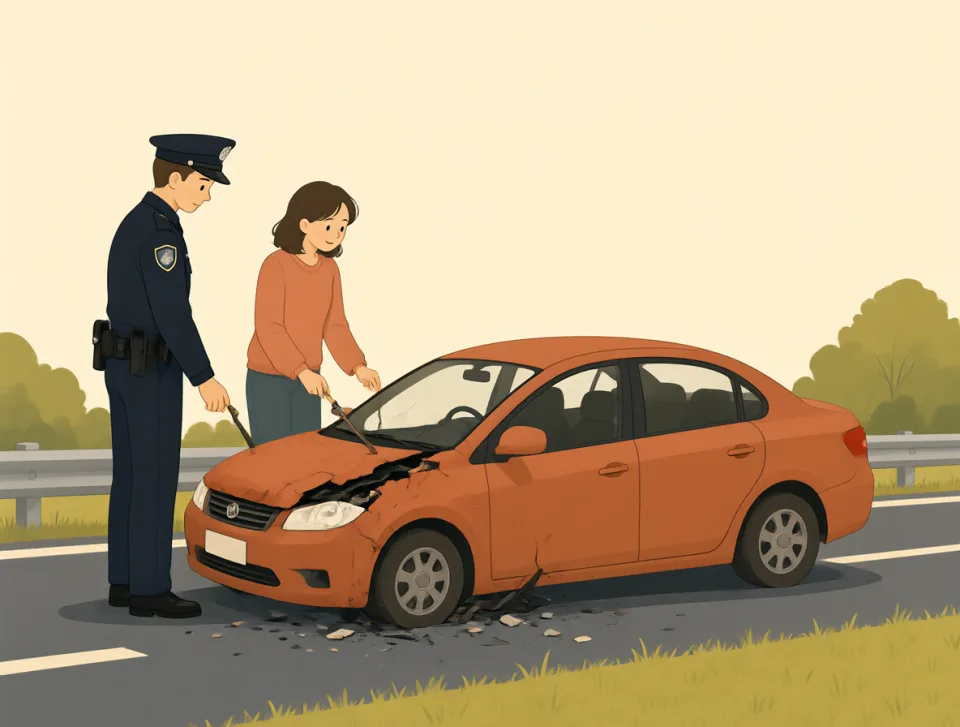
The police are conducting an investigation into the accident.
警方正在對這起事故展開調查。

Our teacher praised the students for their excellent conduct.
老師表揚了學生們的良好表現。

The doctor conducted several tests before giving me the results.
醫生給我看檢查結果之前,先做了幾項測試。
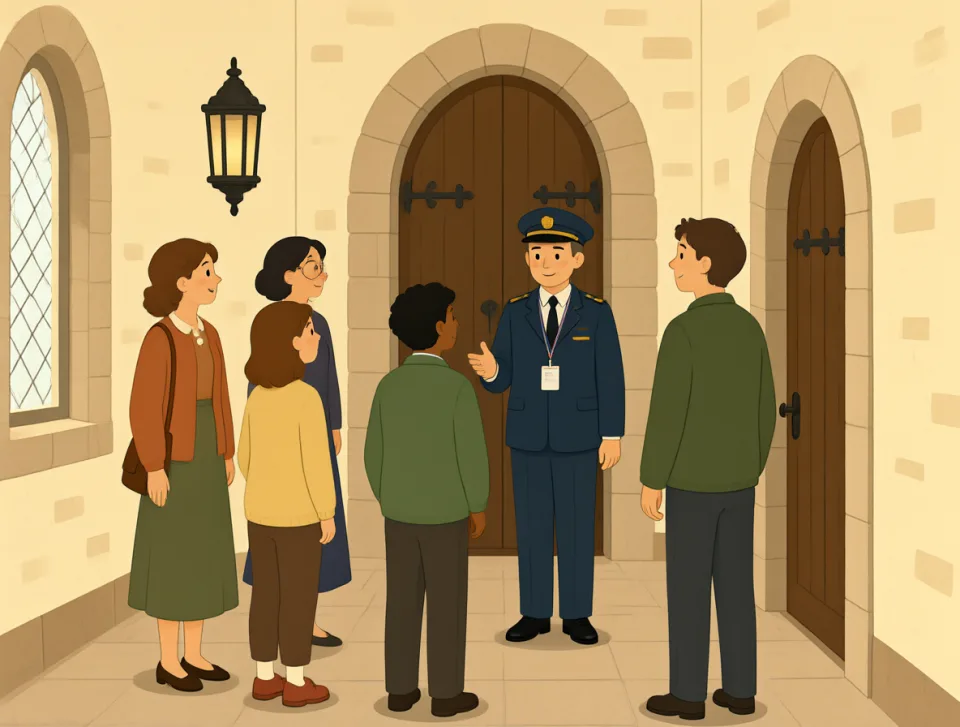
The guide conducted us through the old castle.
導遊帶我們參觀了那座古老的城堡。
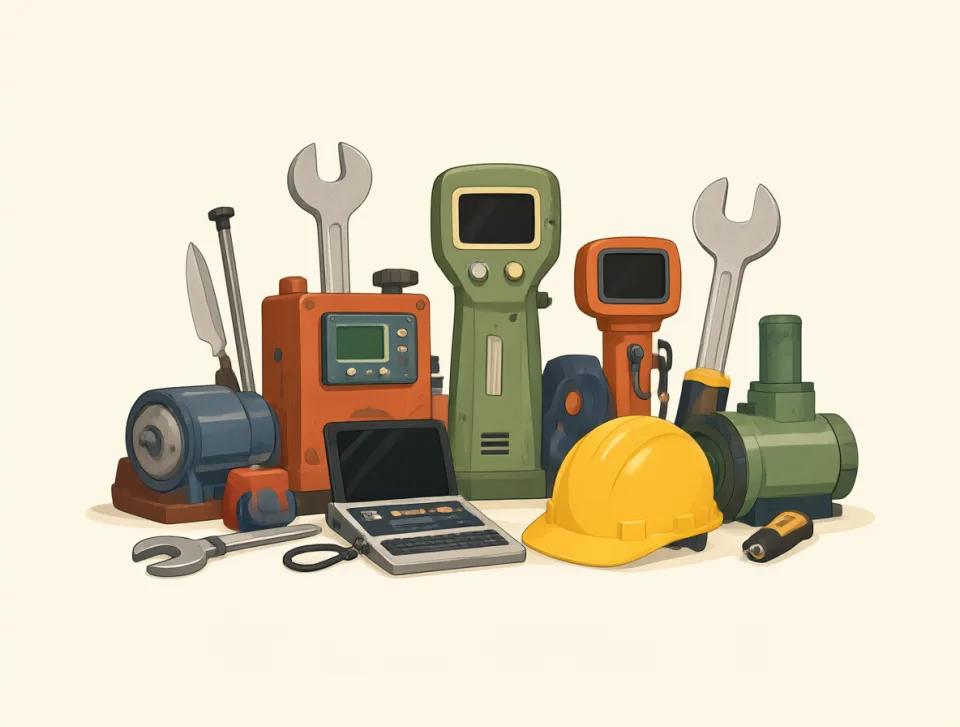
equipment
#1055noun
裝置; 器材
The tools, machines, and other things needed for a particular activity or job.
進行某項活動或工作所需的工具、機器和其他物品。
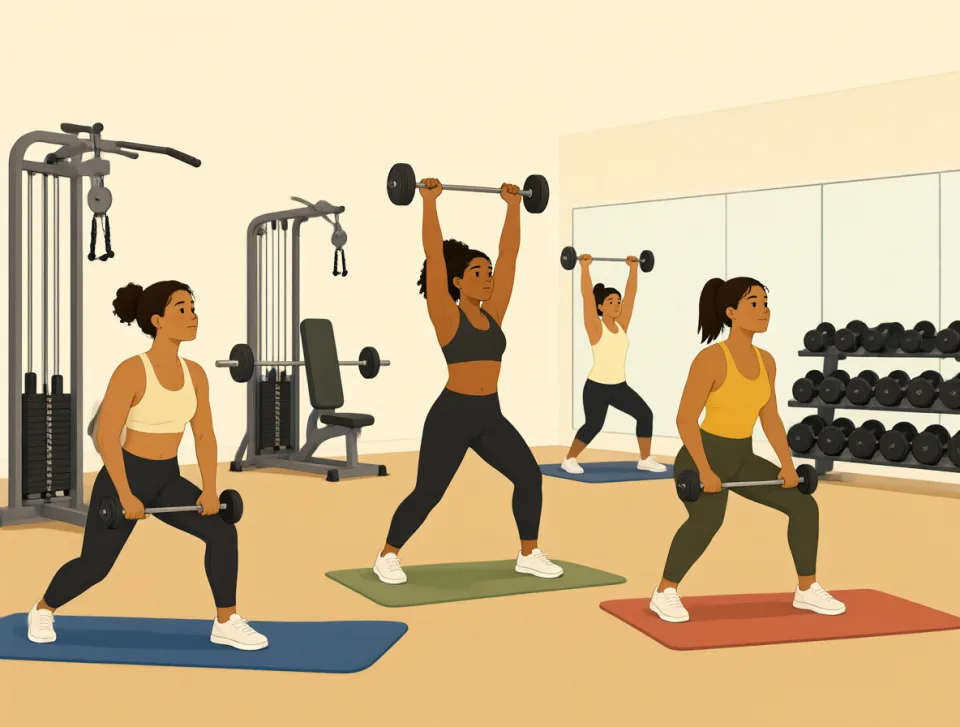
The gym has enough equipment for everyone to exercise safely.
這家健身房有足夠的裝置,供每個人安全鍛鍊。

Please check the safety equipment before starting the job.
開始工作前,請檢查安全裝置。
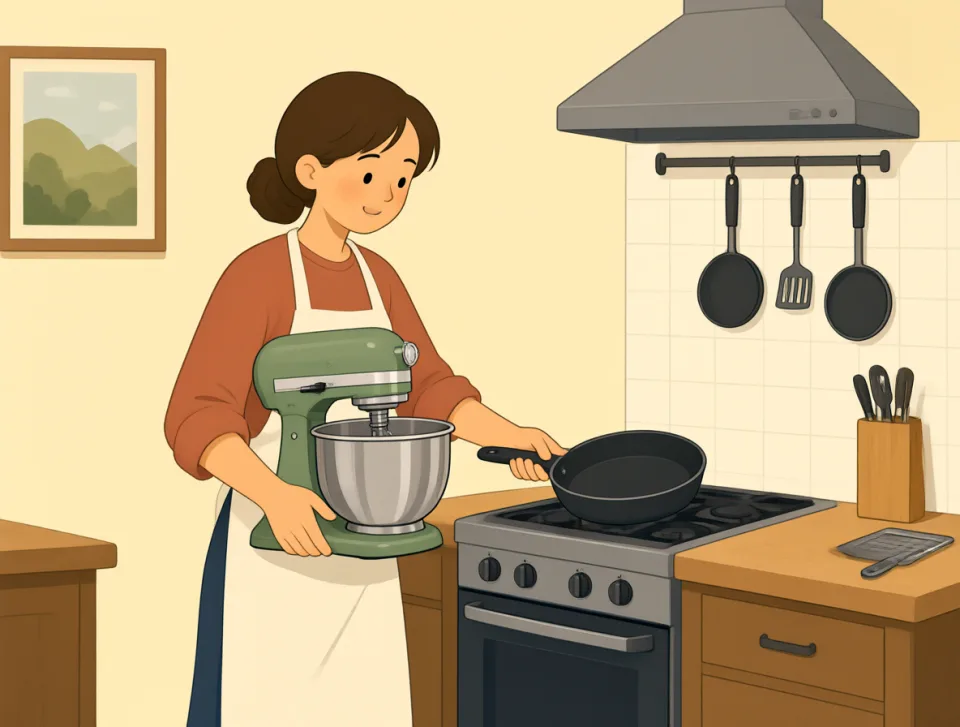
We bought new kitchen equipment for our small restaurant.
我們為自己的小餐館買了新的廚房裝置。
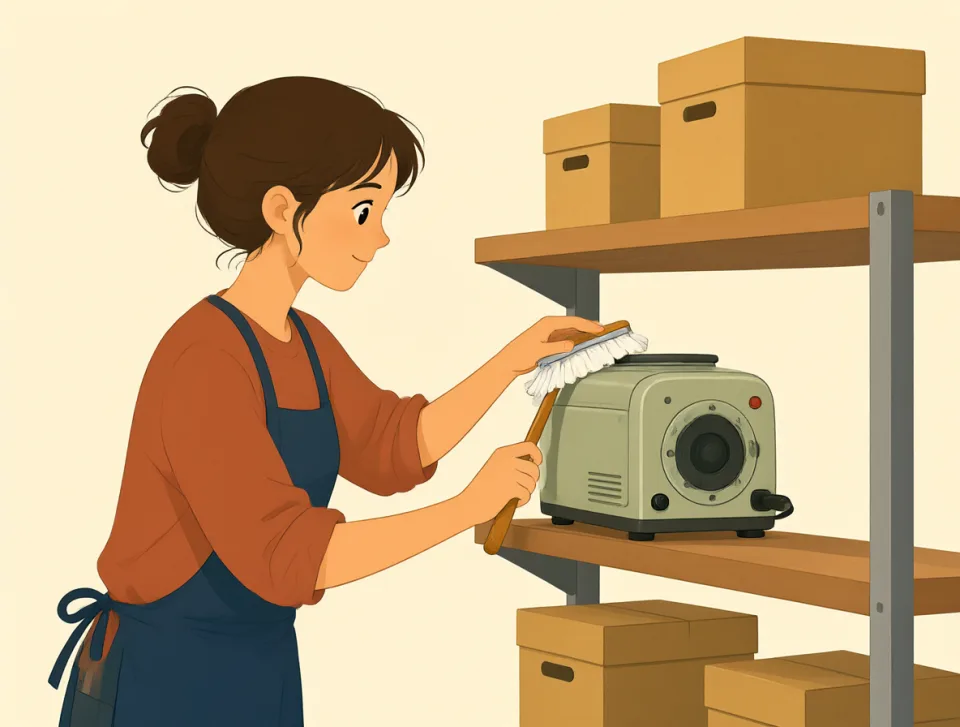
Each piece of equipment needs regular cleaning and careful storage.
每件裝置都需要定期清潔並妥善存放。
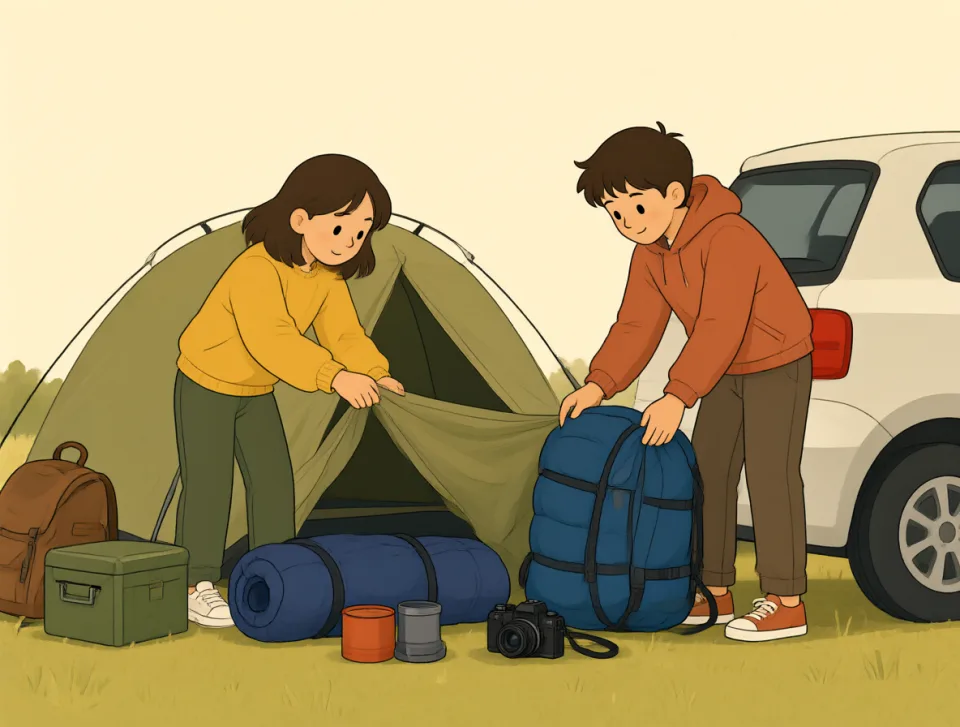
Camping equipment can be expensive, so we borrowed a tent.
露營裝備可能很貴,所以我們借了一頂帳篷。
otherwise
#1056adverb,conjunction
否則; 不然; 以不同方式
Used to say what happens if something is not done or to mean in a different way.
用於表示如果不做某事會發生什麼,或表示以不同的方式。
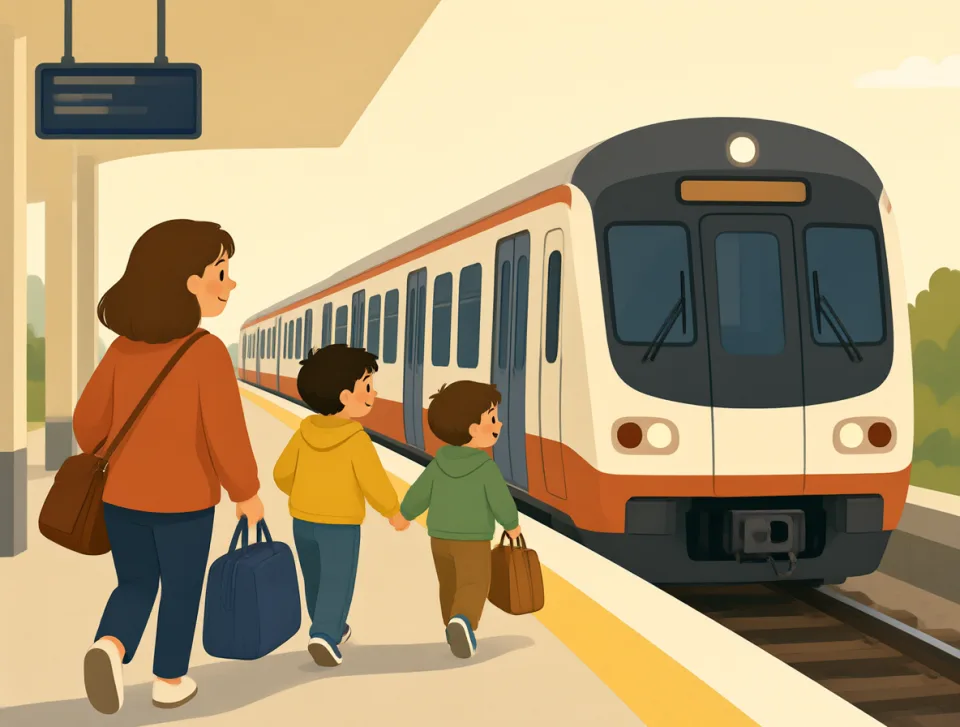
Hurry up, otherwise we will miss the train.
快點,不然我們就趕不上火車了。
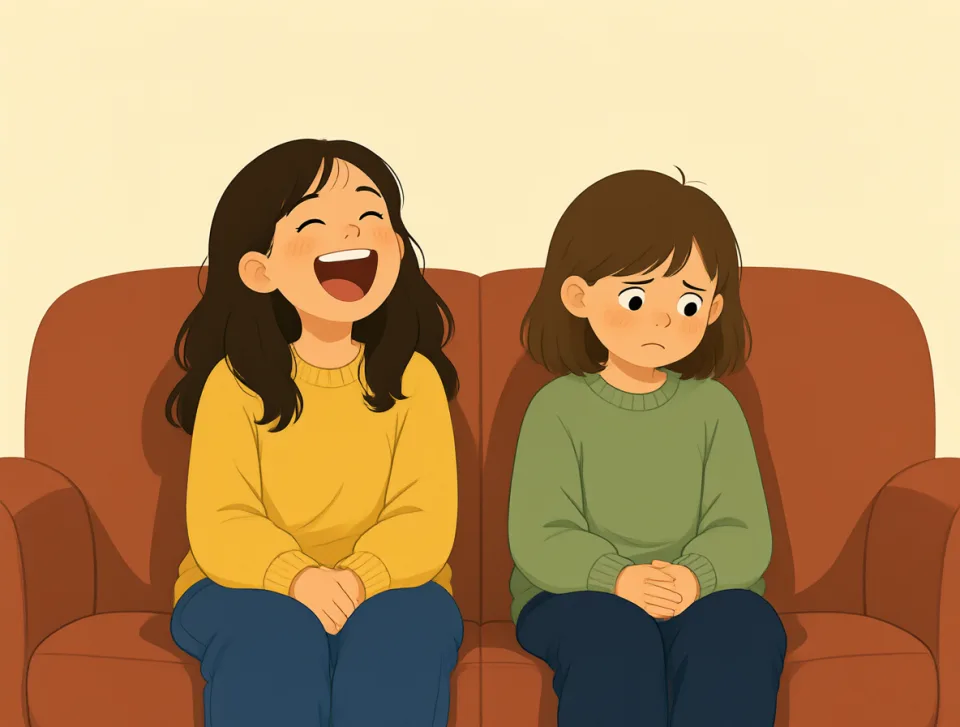
I thought the film was funny, but my sister felt otherwise.
我覺得這部電影很有趣,但我姐姐卻不這麼認為。
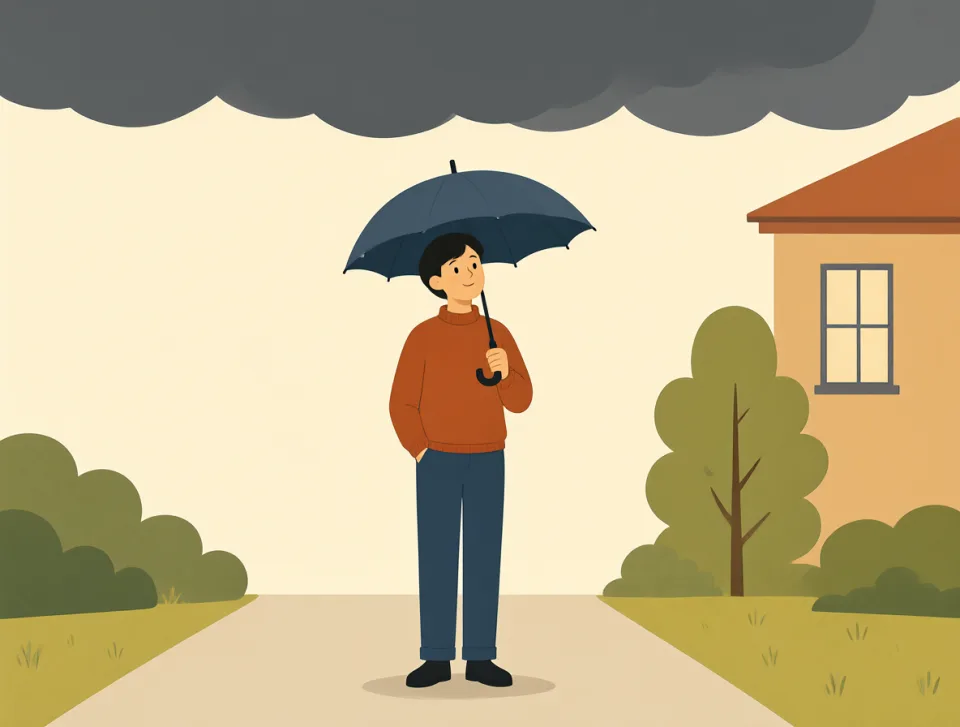
You should take an umbrella; otherwise, you might get wet.
你應該帶把雨傘,否則可能會被淋溼。

The restaurant was full, so we ate somewhere else instead.
餐廳坐滿了,所以我們改去了別的地方吃飯。
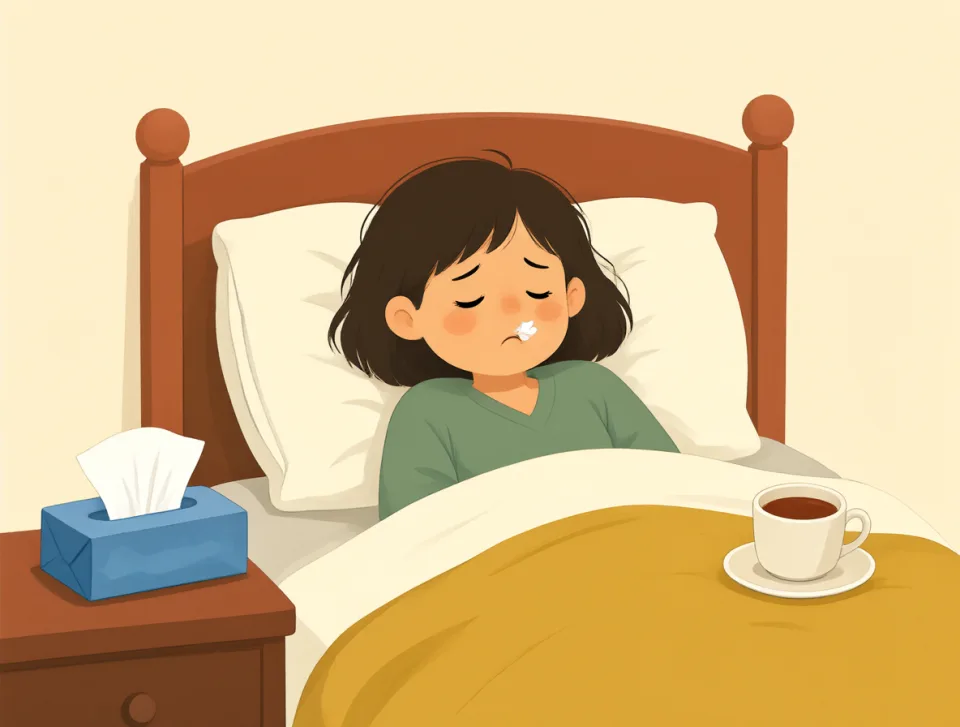
I need to rest today; otherwise, my cold may get worse.
我今天需要休息,否則感冒可能會加重。
title
#1057noun, verb
標題; 頭銜; 稱號; 命名
A name of a book, film, job, or person; to give something a name or position.
書籍、電影、工作或人的名稱;給某物命名或賦予某人職位。

What is the title of your favorite book?
你最喜歡的書叫什麼名字?

She got a new job title at work.
她在公司獲得了一個新的職位頭銜。

The film's title was hard to remember.
這部電影的片名很難記住。

He won the world title in boxing last year.
他去年贏得了拳擊世界冠軍頭銜。

The museum titled the painting Morning Light.
博物館將這幅畫命名為《晨光》。

extra
#1058adjective, noun, adverb
額外的; 另外的; 多餘的
More than usual, needed, or expected; an additional person or thing.
比通常、所需或預期的更多;額外的人或物。

Would you like extra cheese on your pizza?
你的披薩要加芝士嗎?
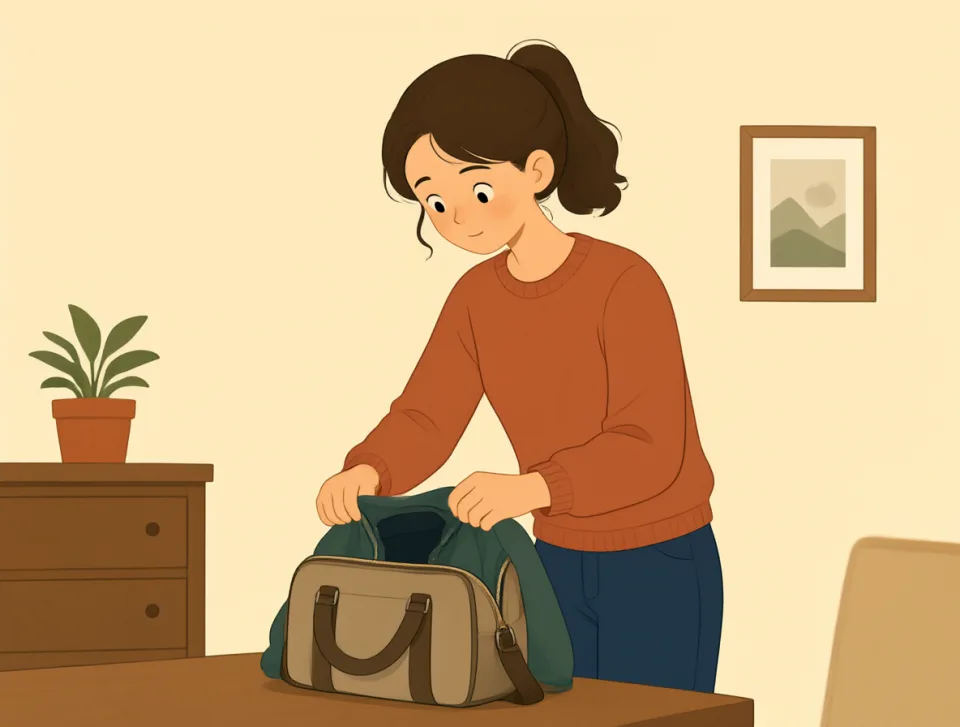
I brought an extra jacket because the evening might be cold.
我多帶了一件外套,因為晚上可能會冷。
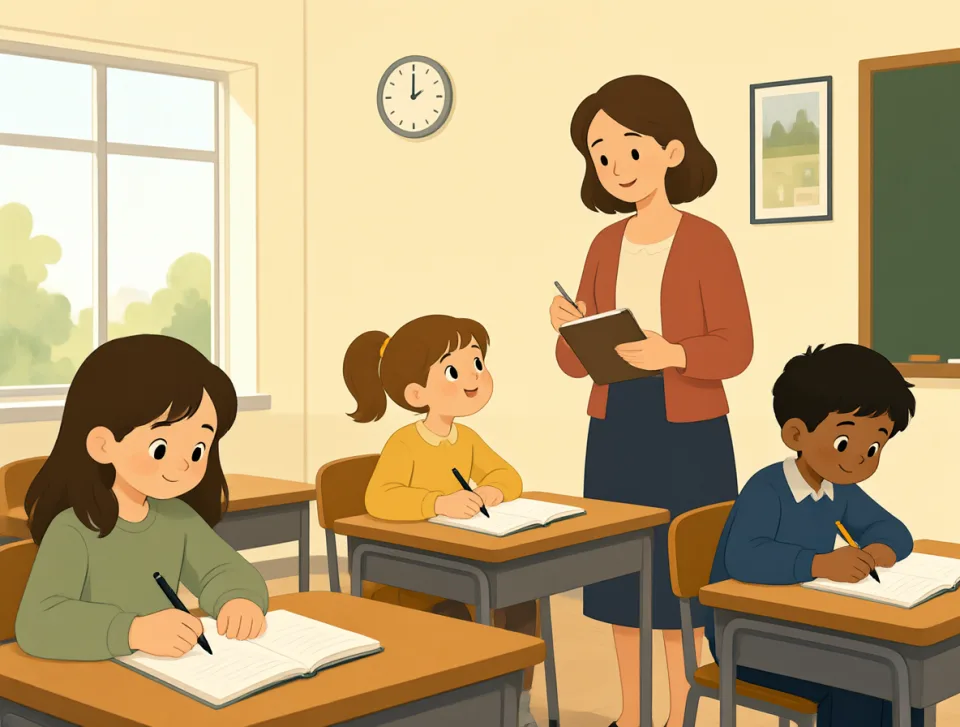
The teacher gave us extra time to finish the test.
老師多給了我們一些時間來完成考試。
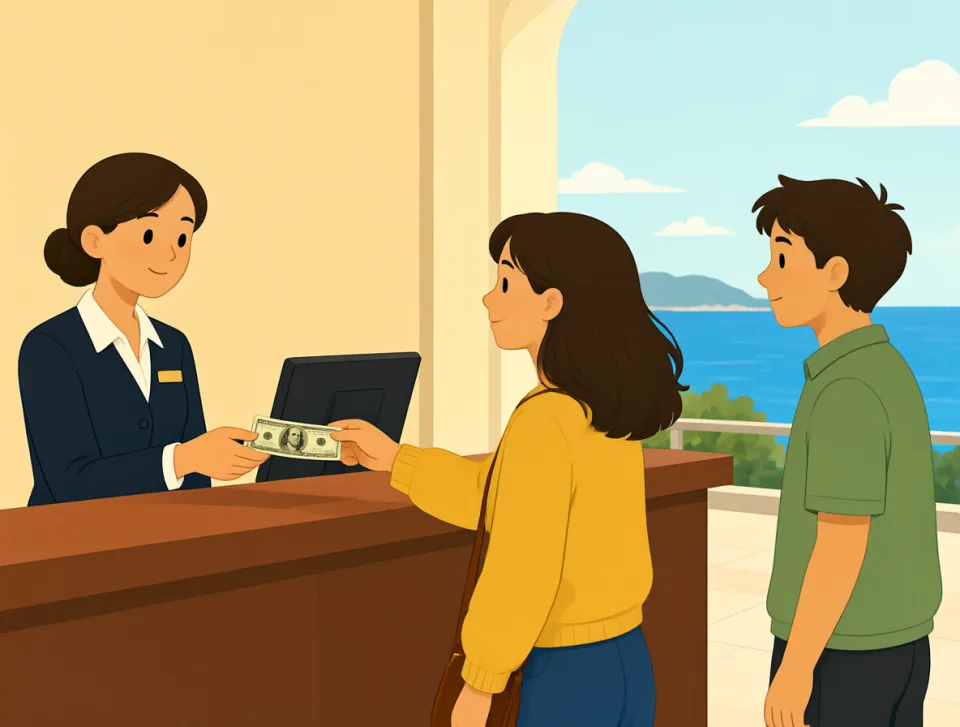
We paid extra for a room with a sea view.
我們額外付了錢,訂了一間能看到海景的房間。
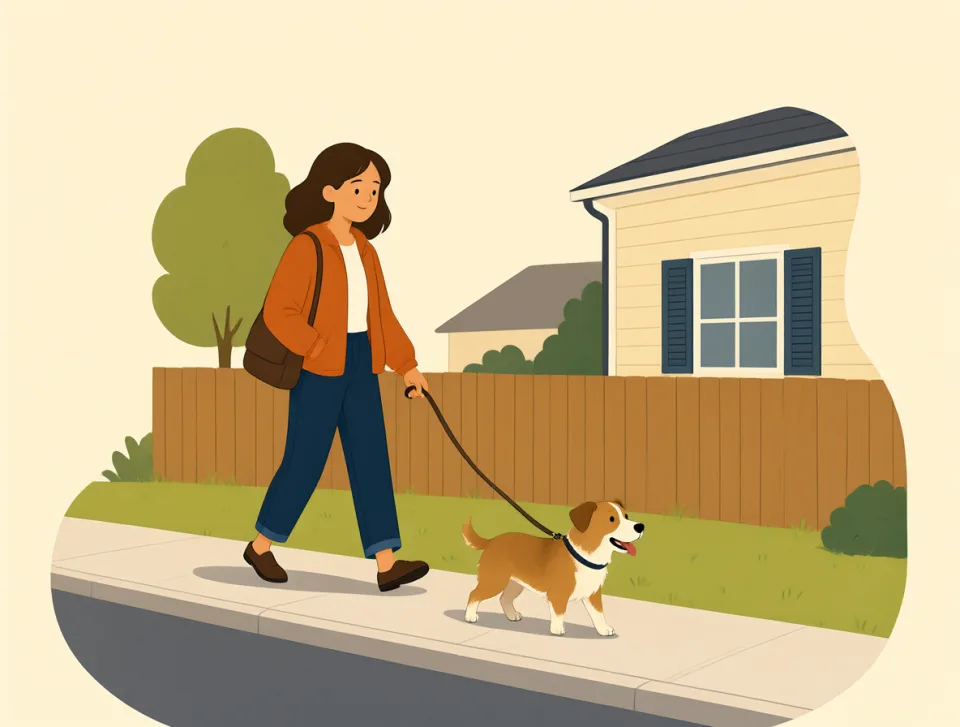
She earns extra money by walking her neighbor's dog.
她靠幫鄰居遛狗賺外快。
executive
#1059noun, adjective
高管;執行的;行政的
A manager with high responsibility, or relating to senior management.
負有重大責任的管理人員,或與高階管理層有關的。

The company executive met the workers before the meeting.
公司高管在會議前會見了員工。

She hopes to become an executive after many years of hard work.
她希望經過多年的努力後成為一名高管。
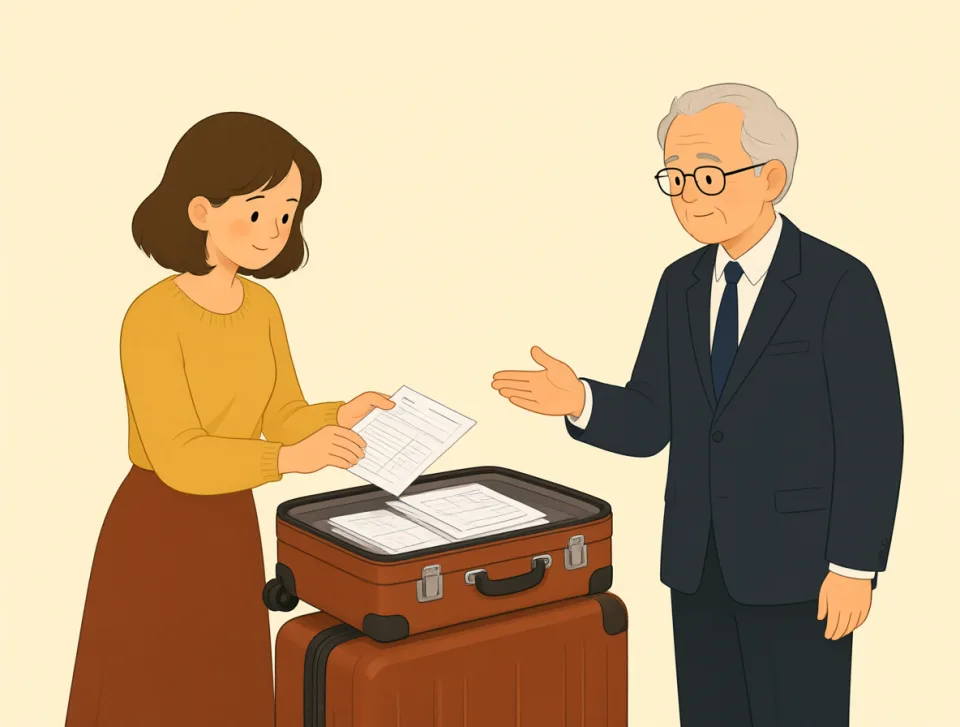
An executive assistant booked his flight and hotel for the business trip.
一名行政助理為他預訂了商務旅行的機票和酒店。
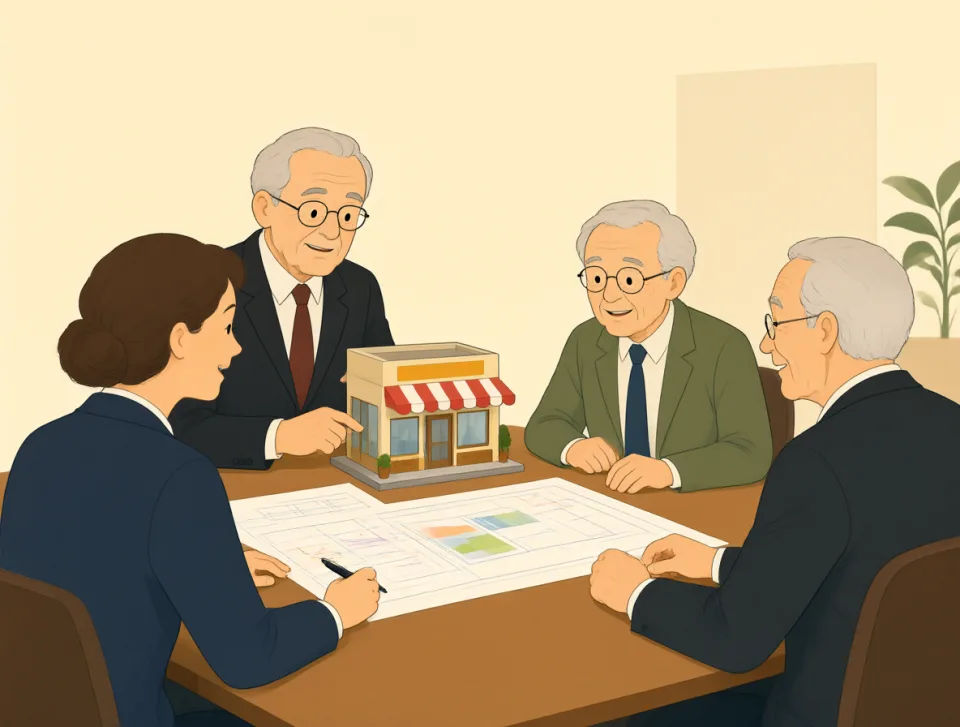
The executive team decided to open a new shop downtown.
高管團隊決定在市中心開一家新店。
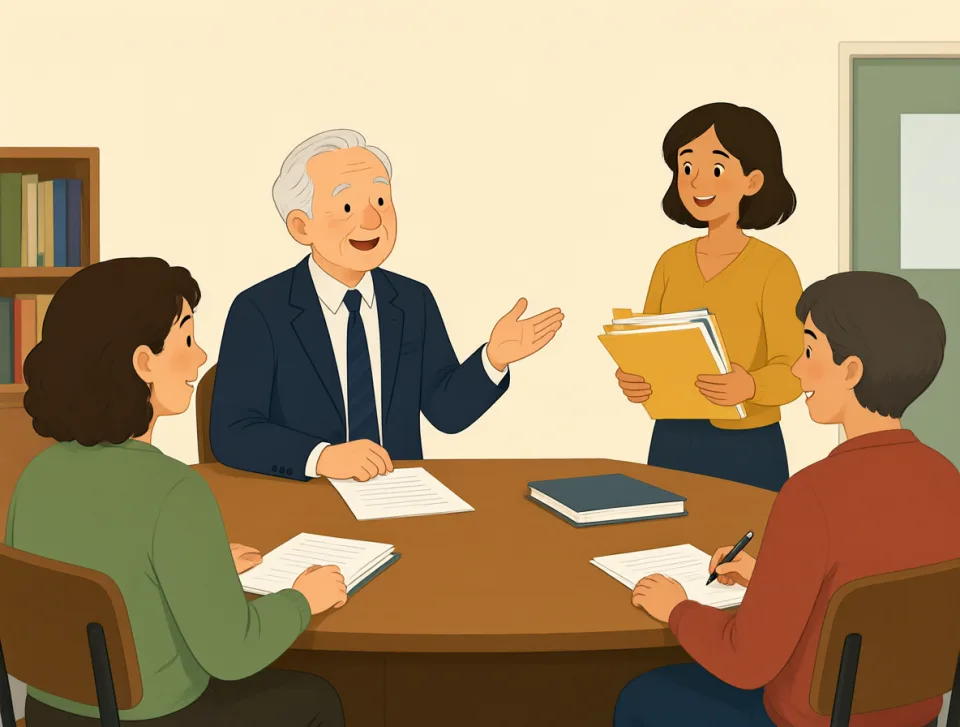
The school hired an executive director to manage its daily work.
學校聘請了一名執行董事來管理日常工作。
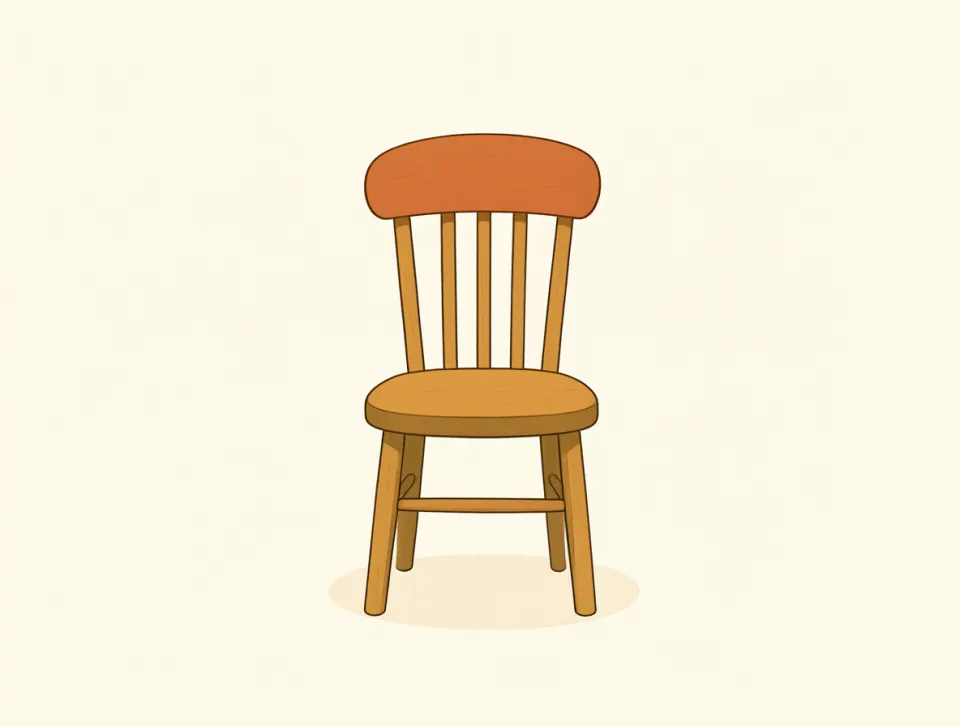
chair
#1060noun, verb
椅子; 主持
A seat with a back, usually for one person; to lead a meeting or committee.
通常供一個人使用的帶靠背座椅;主持會議或委員會。
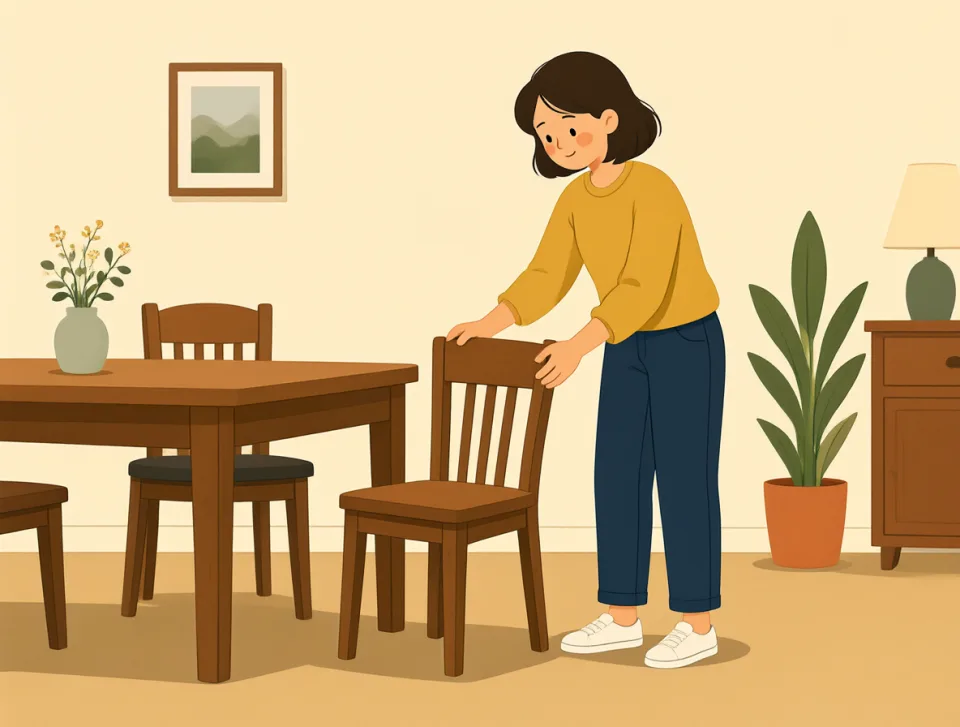
Please put the chair next to the table.
請把椅子放在桌子旁邊。

She sat in a chair by the window and read.
她坐在窗邊的椅子上看書。
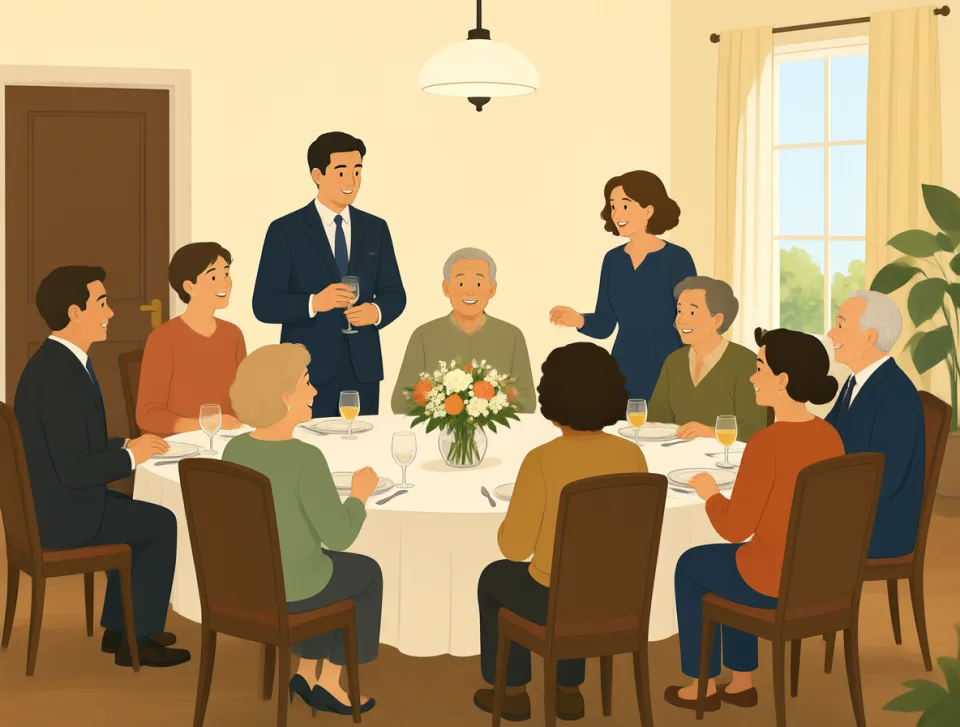
There were not enough chairs for all the guests.
椅子不夠,所有客人都坐不下。
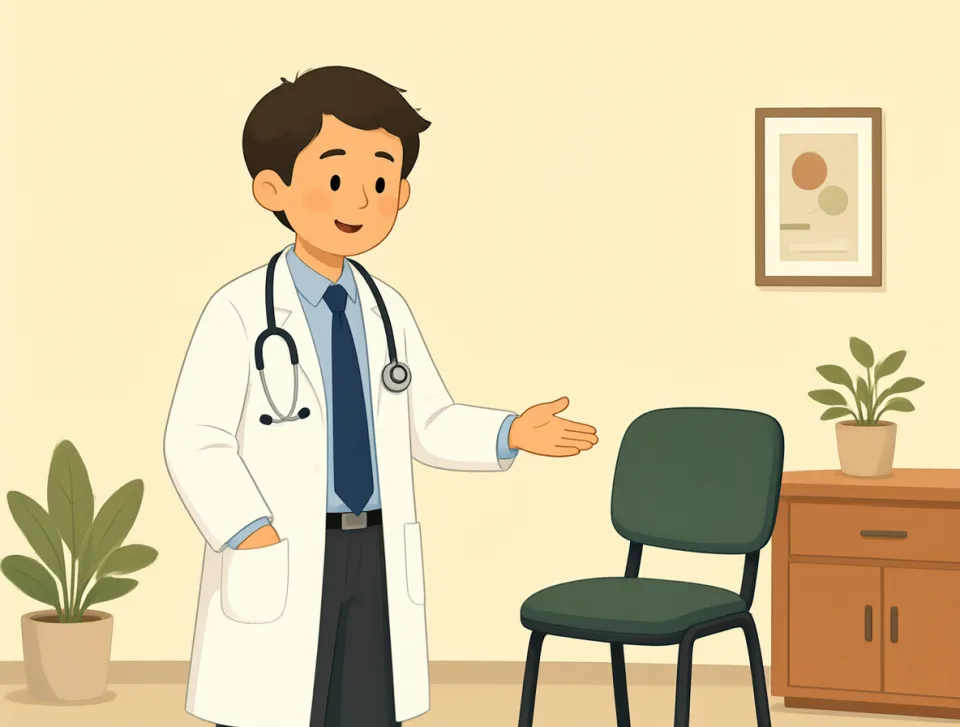
The doctor asked me to sit in the chair.
醫生讓我坐到椅子上。

Mr. Lee will chair the meeting tomorrow morning.
李先生明天上午將主持會議。