單元 74
單字 1461–1480 · skin, prison, switch, acquire, corporate, fairly
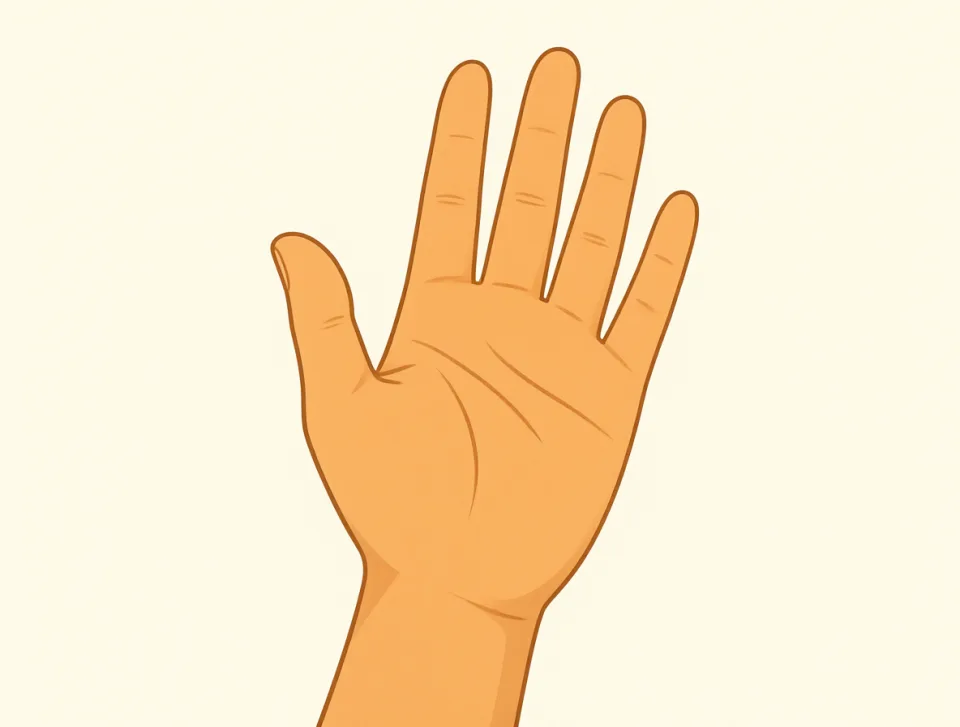
skin
#1461noun, verb
皮膚;皮;外皮
The thin outer layer covering a person's or animal's body.
覆蓋人或動物身體的薄薄外層。
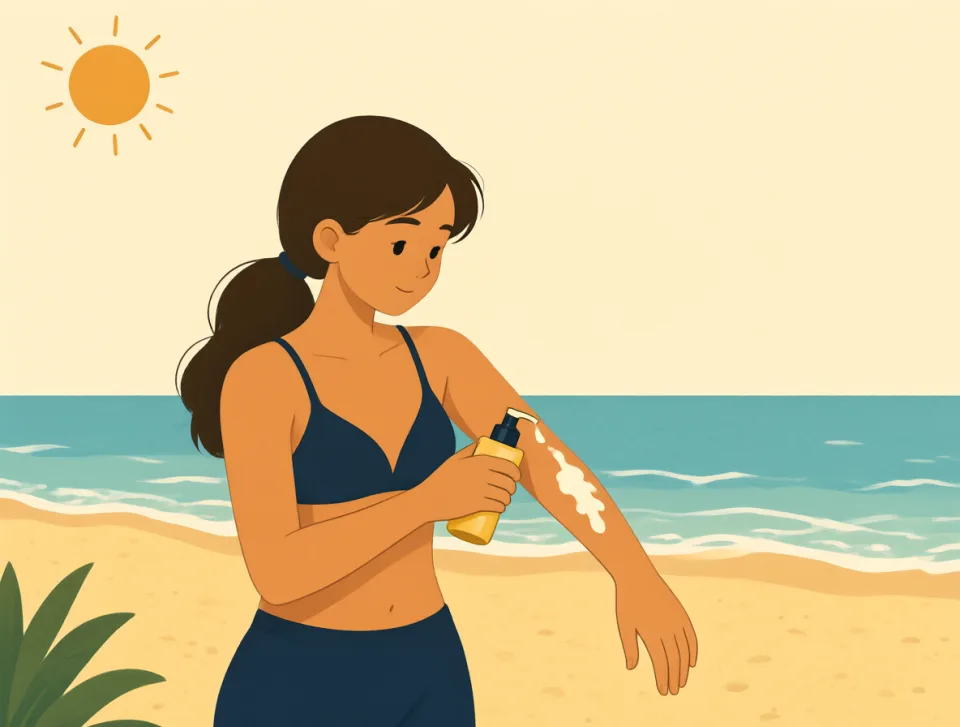
Use sunscreen to protect your skin from the strong summer sun.
使用防曬霜保護皮膚免受強烈夏日陽光的傷害。

My skin gets very dry in cold weather.
天氣寒冷時,我的皮膚會變得很乾燥。
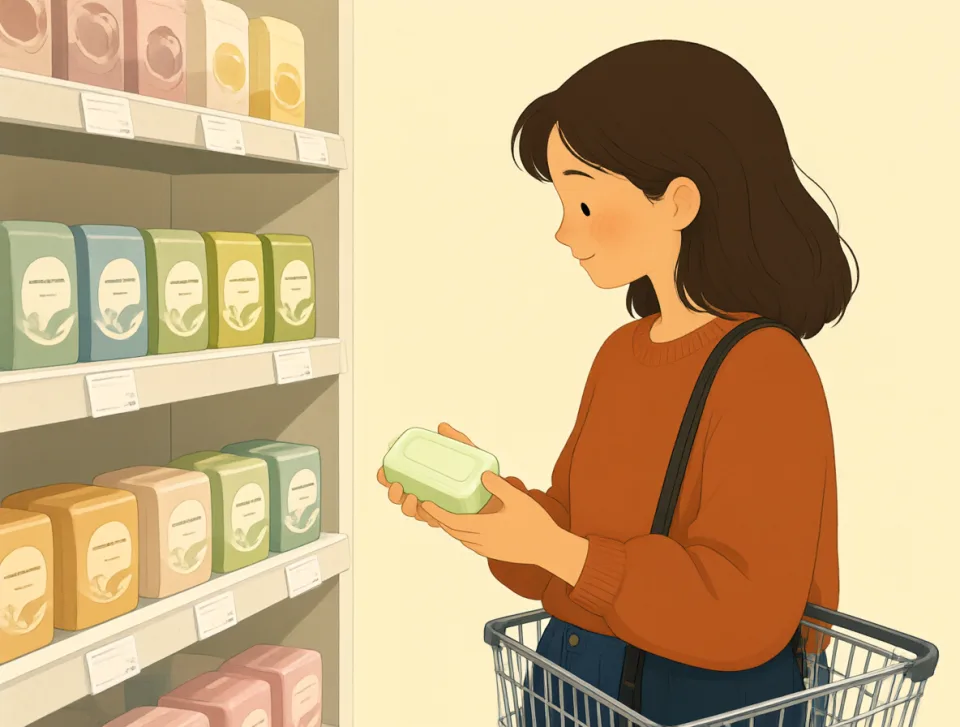
This soap is gentle enough for sensitive skin.
這種肥皂非常溫和,敏感肌也可以使用。
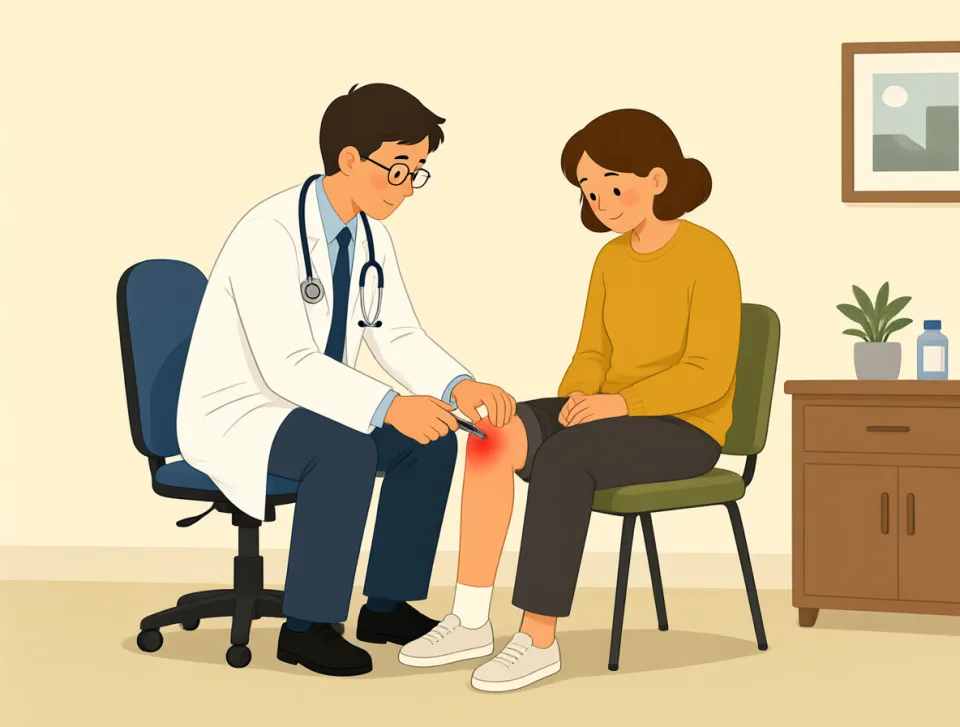
The doctor examined the red skin around my knee.
醫生檢查了我膝蓋周圍發紅的皮膚。
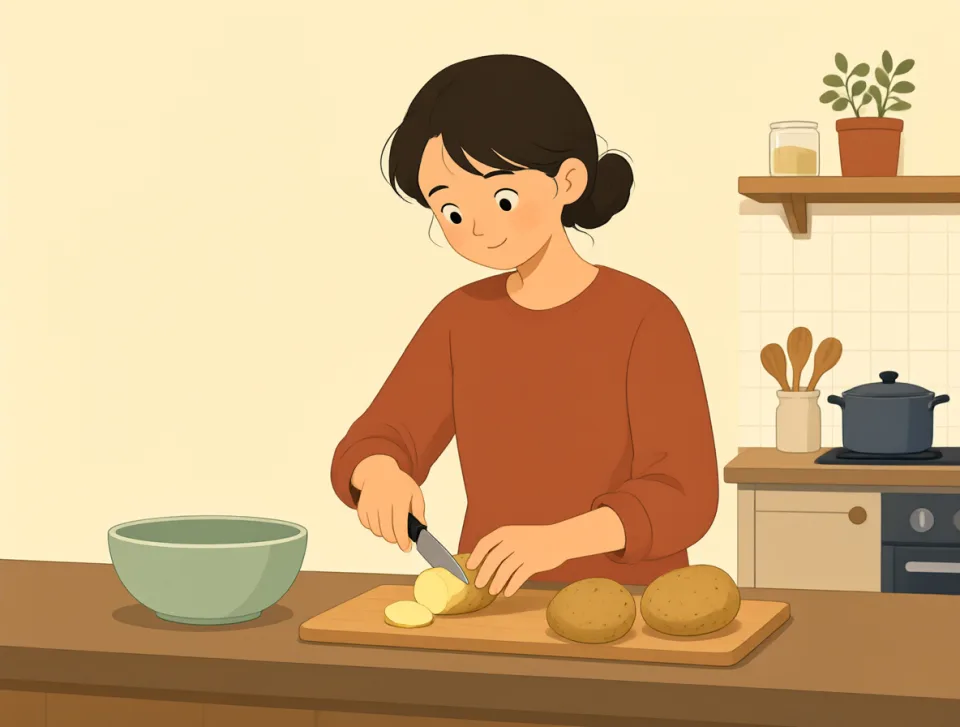
Peel the potatoes and remove their thin skin first.
先把土豆削皮,去掉它們薄薄的外皮。
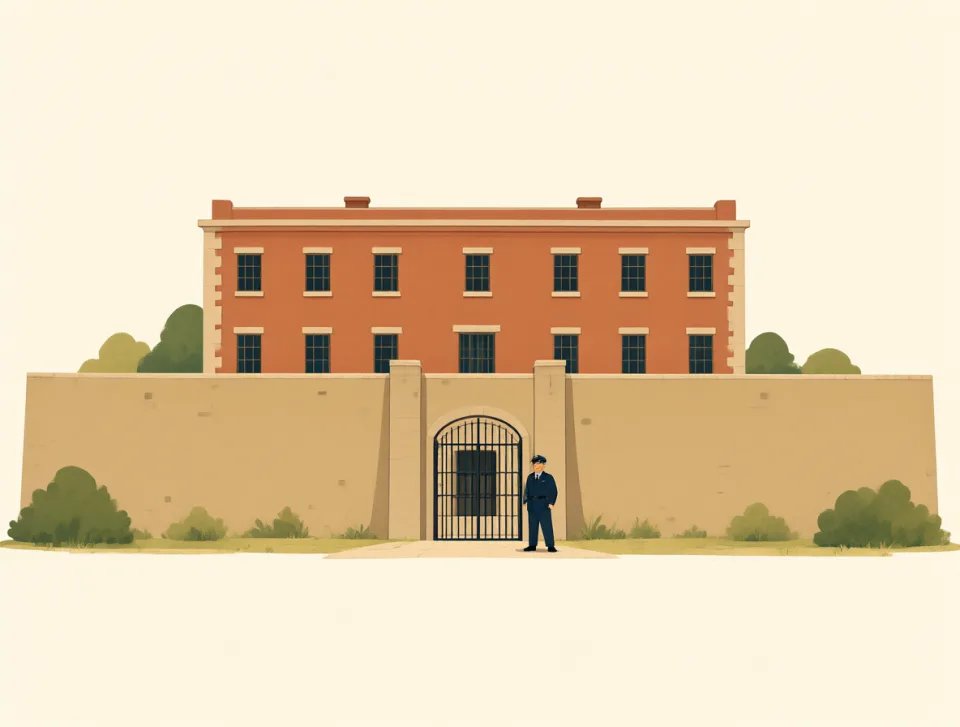
prison
#1462noun
監獄; 牢獄
A place where people are kept as punishment for serious crimes.
關押犯人作為對嚴重犯罪懲罰的地方。
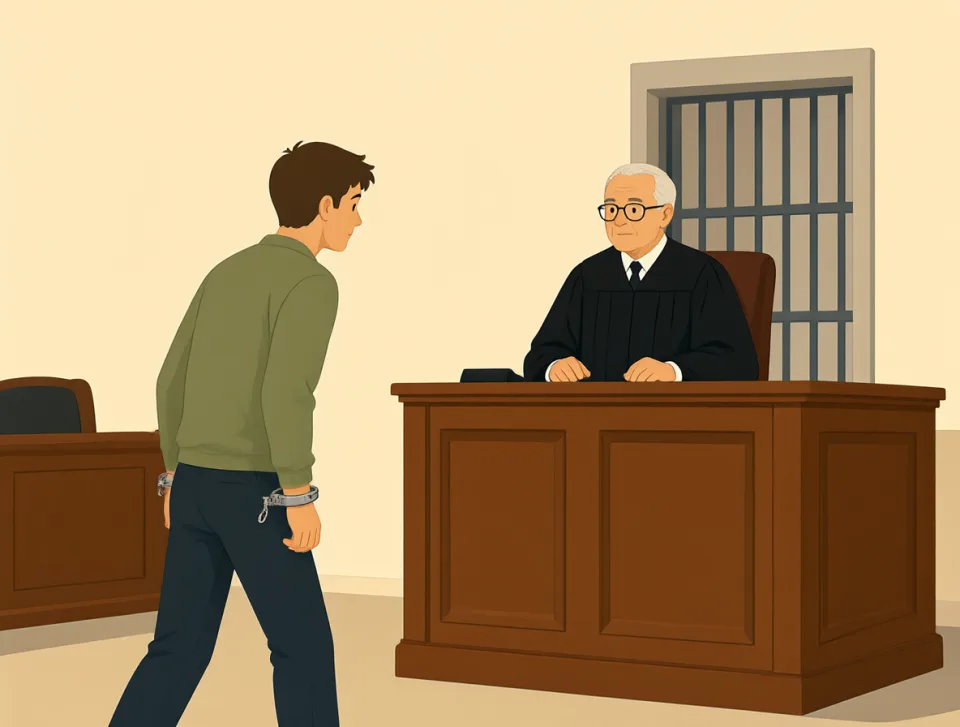
He went to prison for stealing money from a bank.
他因為從銀行偷錢而入獄。
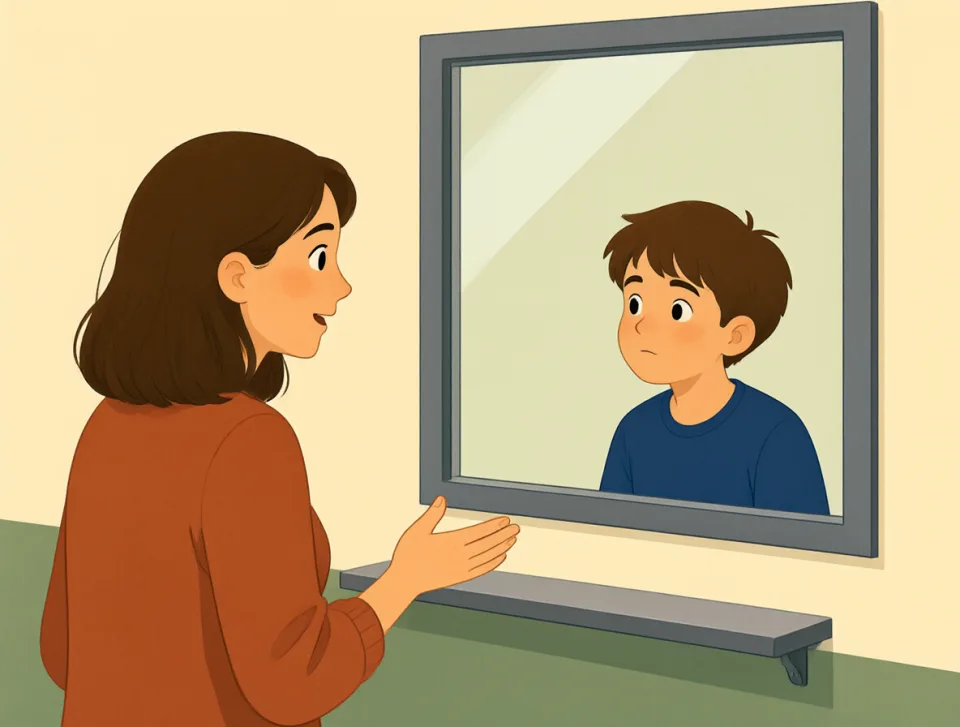
Her brother is still in prison, but he may be released soon.
她哥哥還在監獄裡,但可能很快就會獲釋。
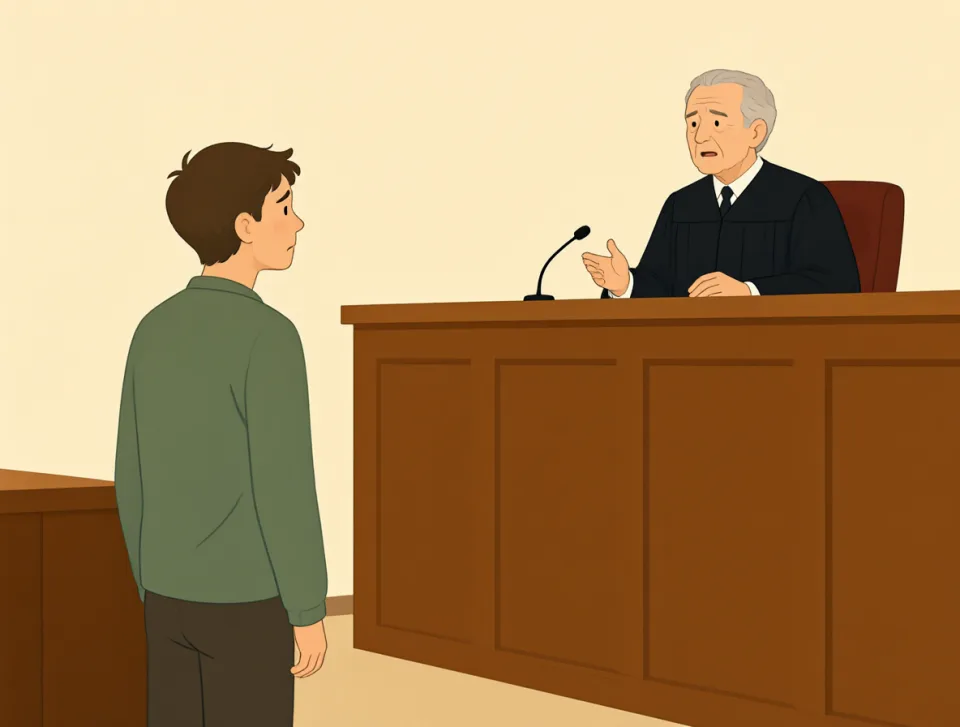
The judge gave him a five-year prison sentence.
法官判處他五年監禁。
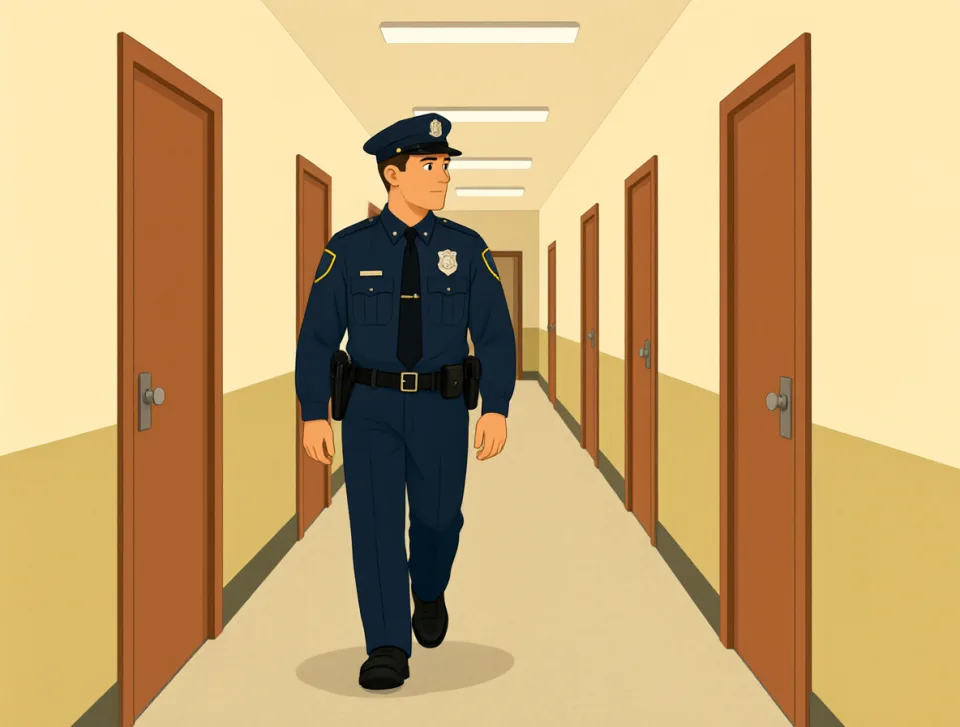
A prison guard checked every cell before breakfast.
一名監獄看守在早餐前檢查了每個牢房。
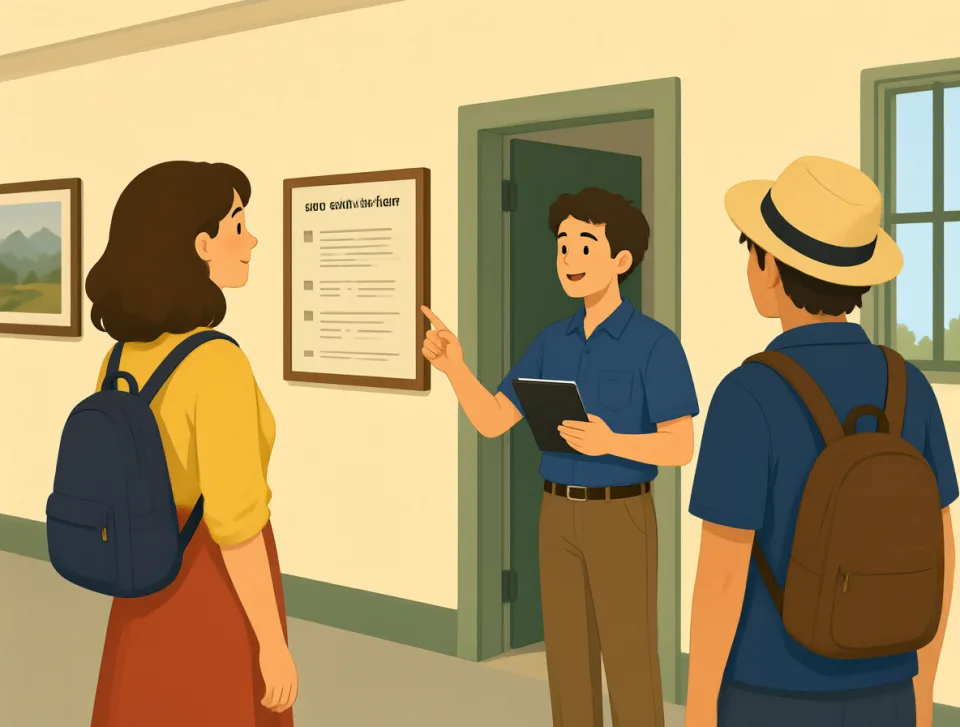
They visited the prison museum during their city tour.
他們在城市觀光期間參觀了監獄博物館。
switch
#1463noun, verb
切換;改變;開關
To change from one thing to another, or a device that controls electricity.
從一種事物轉換為另一種事物,或控制電流的裝置。
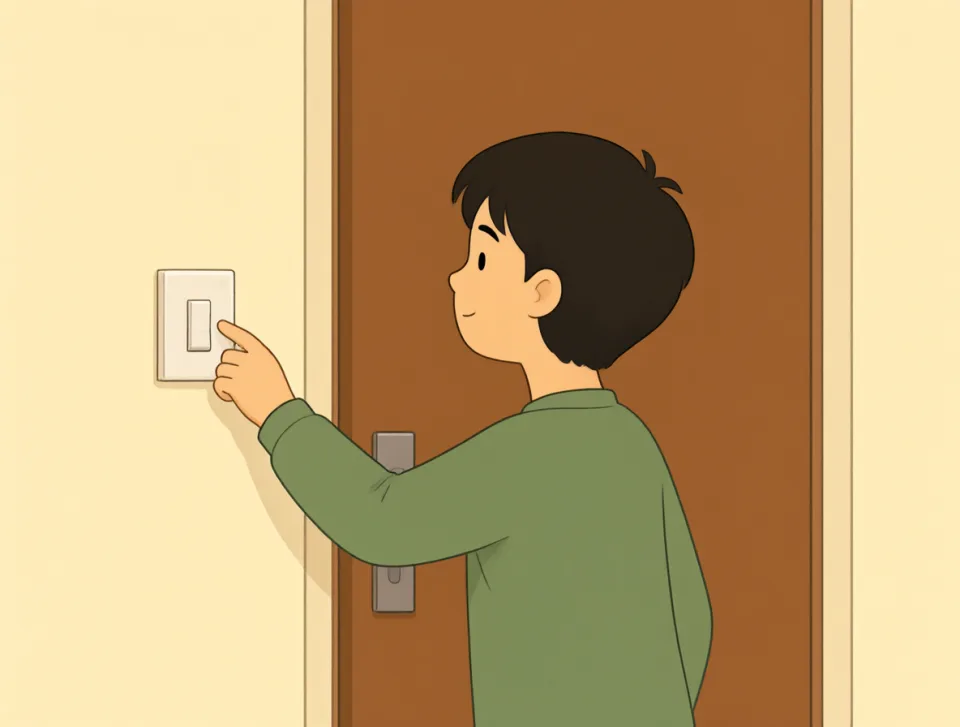
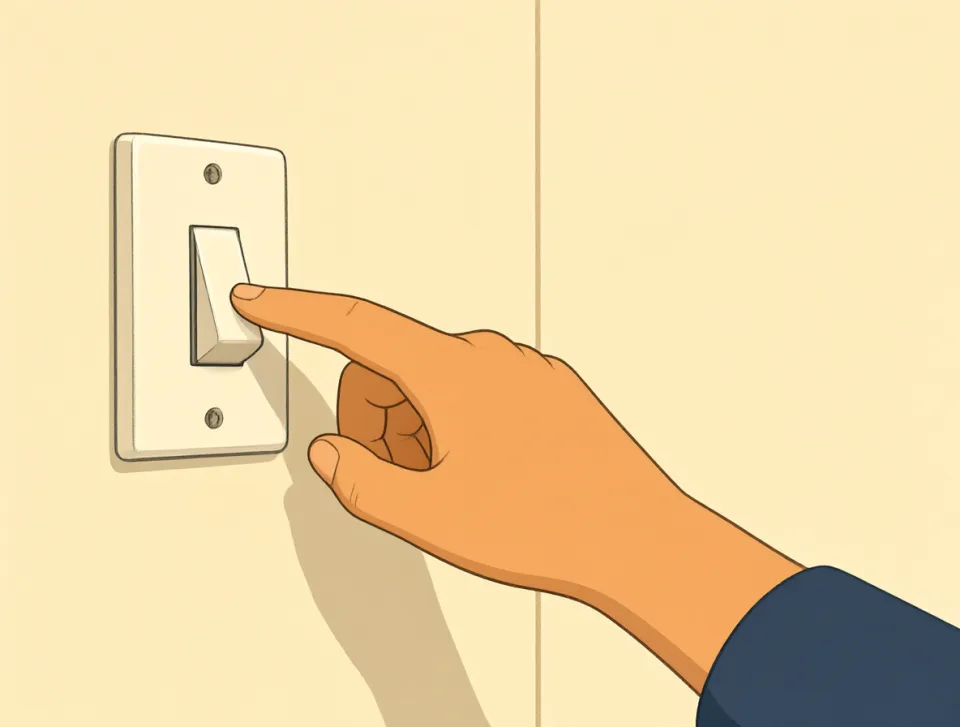
Please switch off the lights before you leave the room.
離開房間前,請關燈。
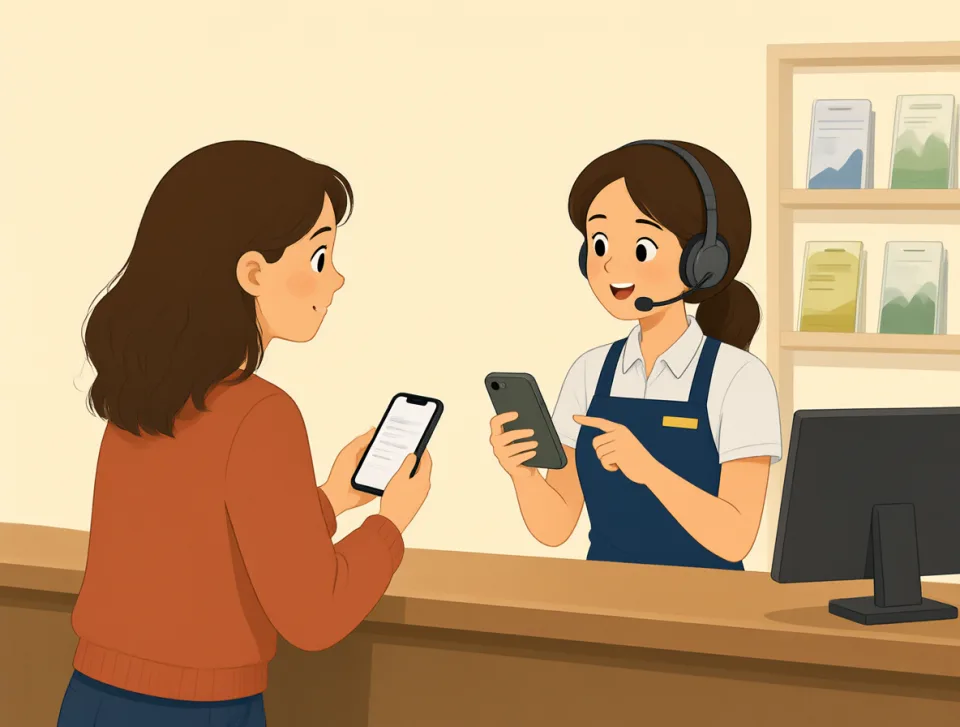
She switched to a cheaper phone plan last month.
上個月,她換成了更便宜的手機套餐。
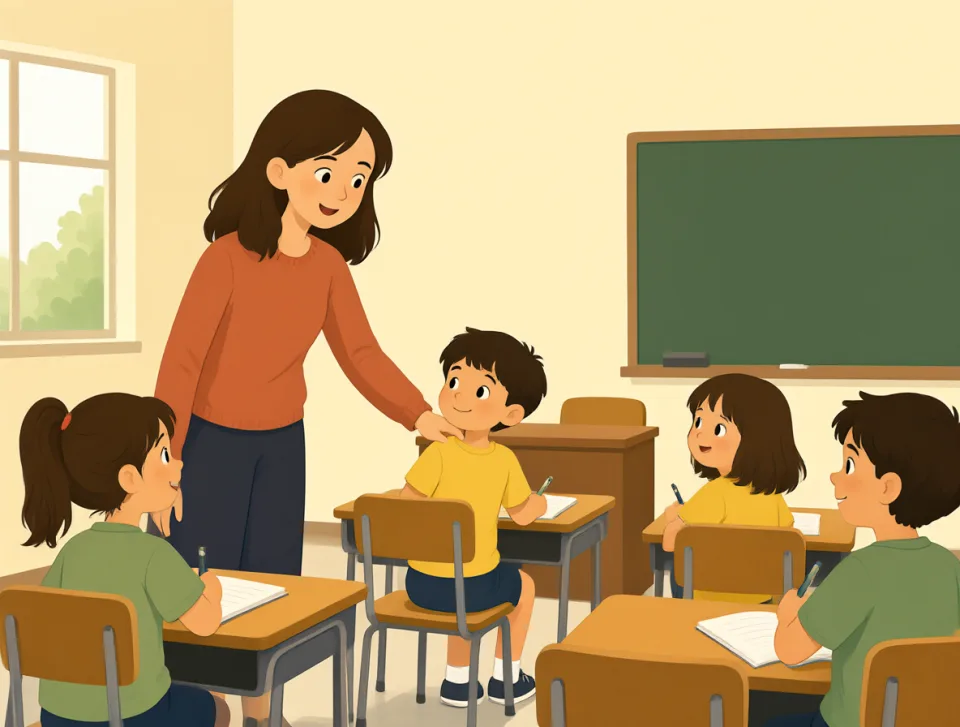
The teacher switched seats so everyone could see the board.
老師調換了座位,這樣每個人都能看到黑板。
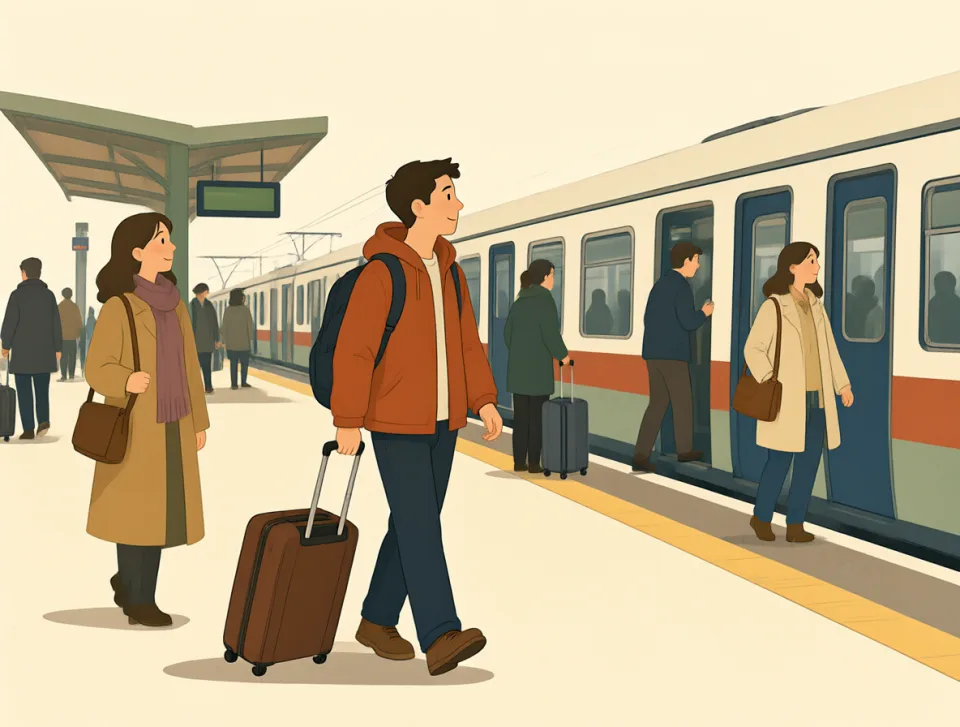
I switched trains in Paris on my way to Rome.
我去羅馬的路上在巴黎換了火車。
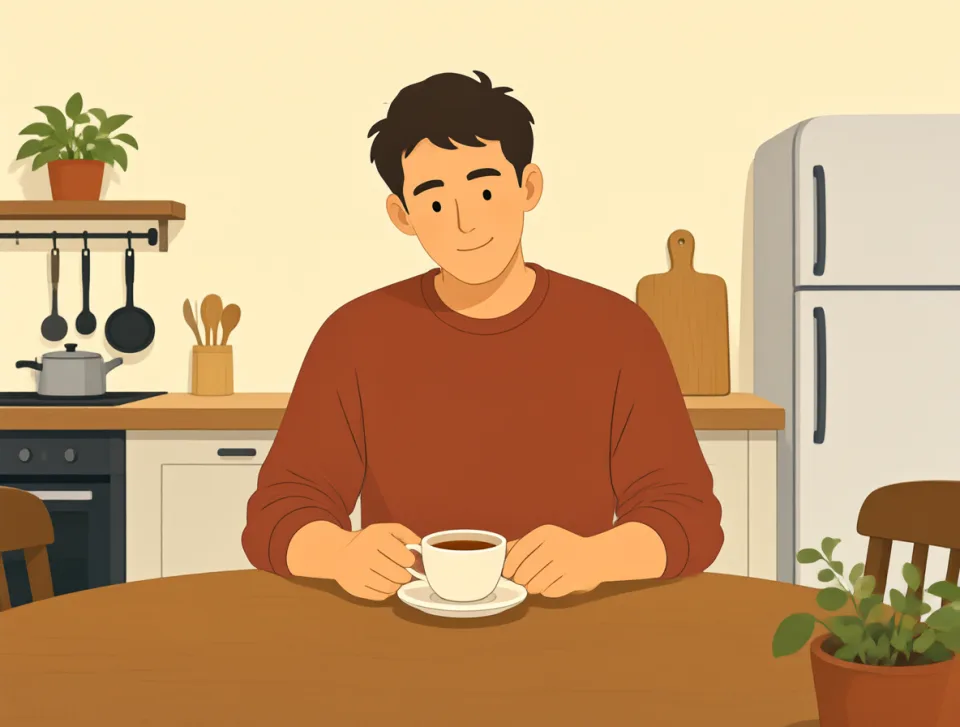
He switched from coffee to tea because coffee hurt his stomach.
他從咖啡改喝茶了,因為咖啡讓他的胃不舒服。
acquire
#1464verb
獲得;學會;購得
to get something, especially knowledge, skills, or possessions
得到某樣東西,尤其是知識、技能或財物
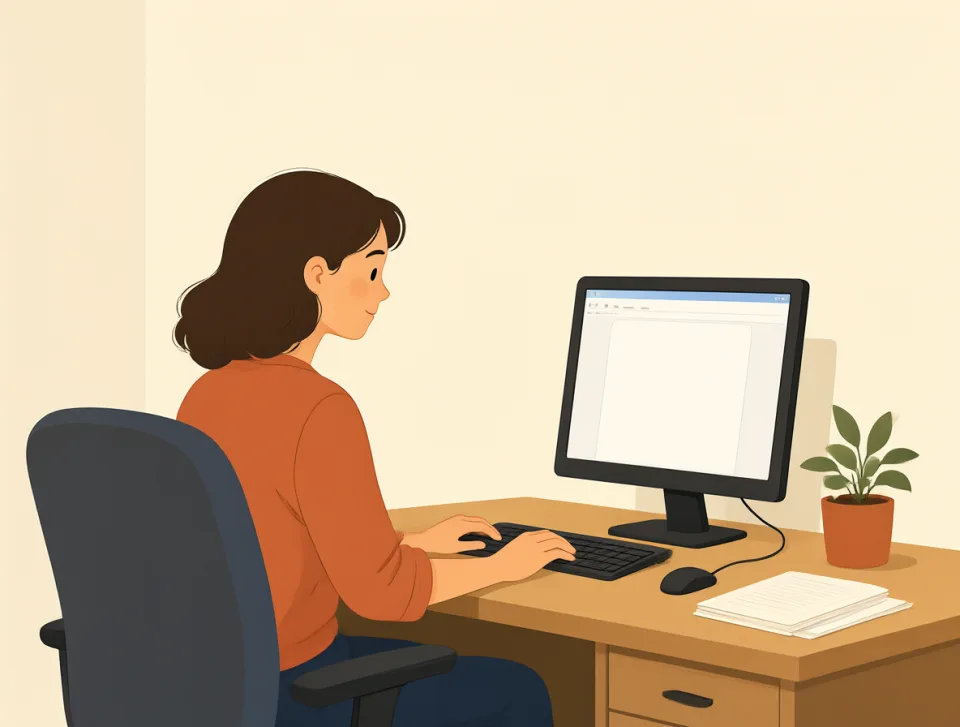
She acquired new computer skills at work.
她在工作中學會了新的計算機技能。
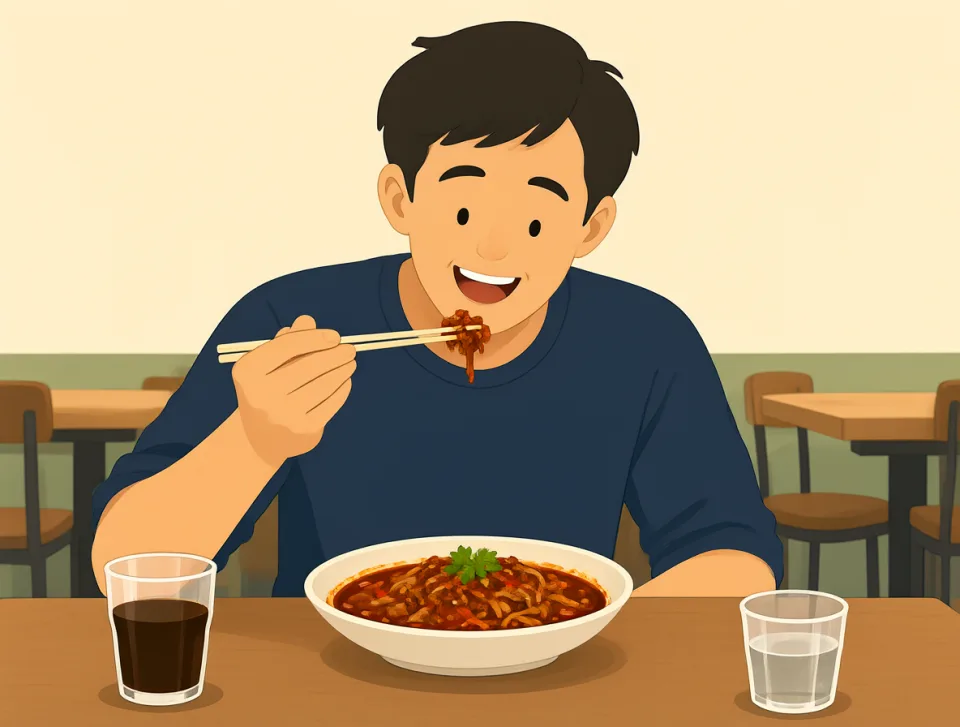
He acquired a taste for spicy food while traveling.
他旅行時漸漸喜歡上了吃辣。
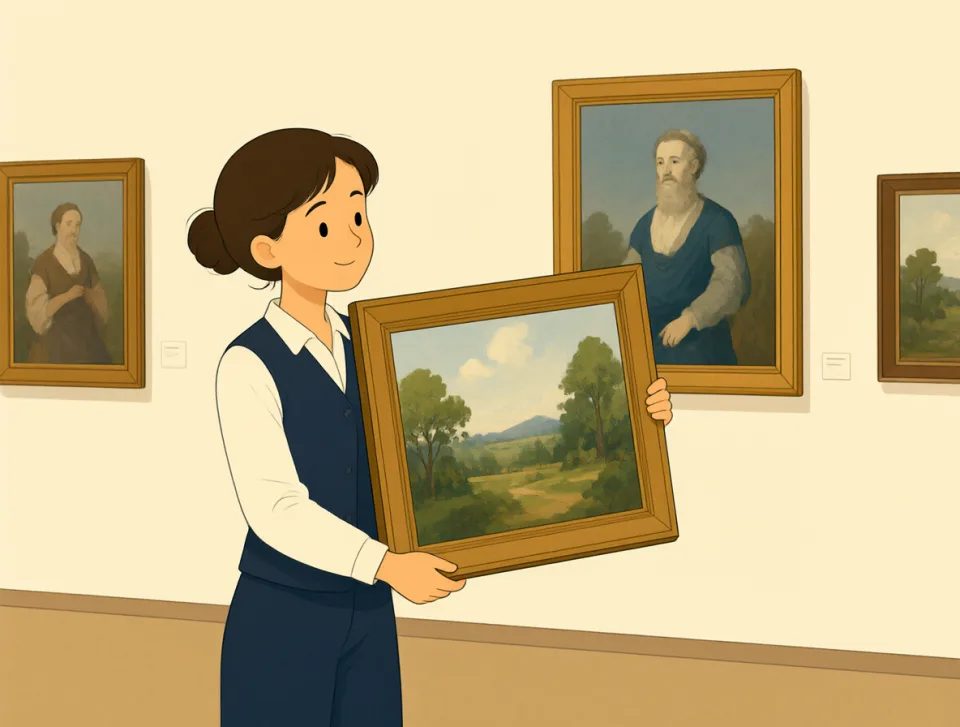
The museum acquired a rare painting last year.
這家博物館去年購得了一幅珍貴的畫作。
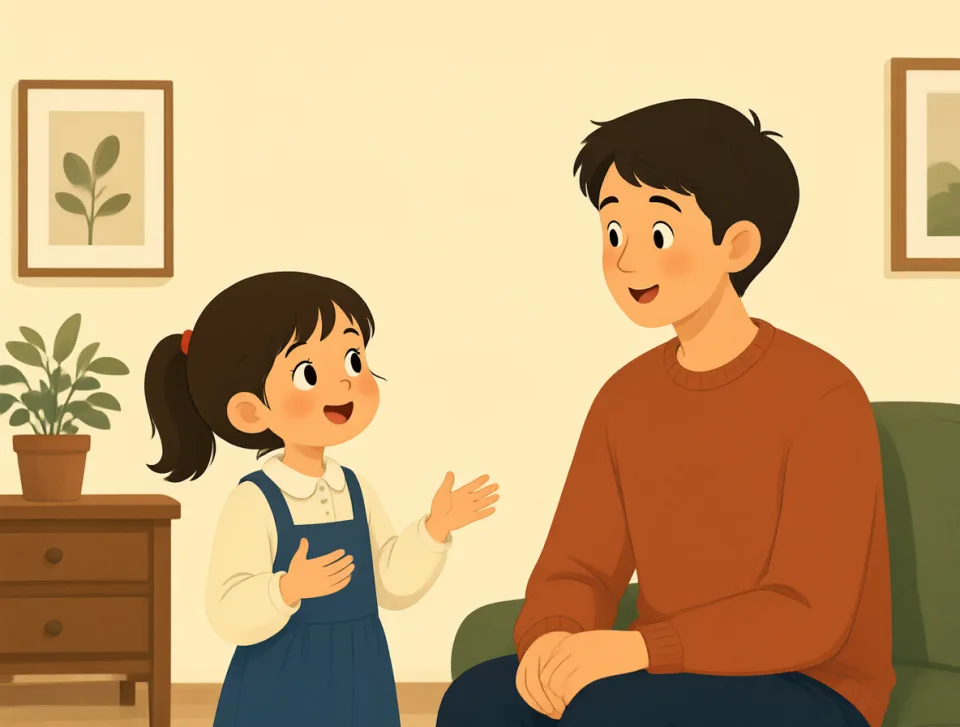
Children acquire language by listening and speaking every day.
孩子們透過每天聽和說來習得語言。

We acquired tickets for the evening train online.
我們在網上買到了晚班火車票。

corporate
#1465adjective
公司的;企業的
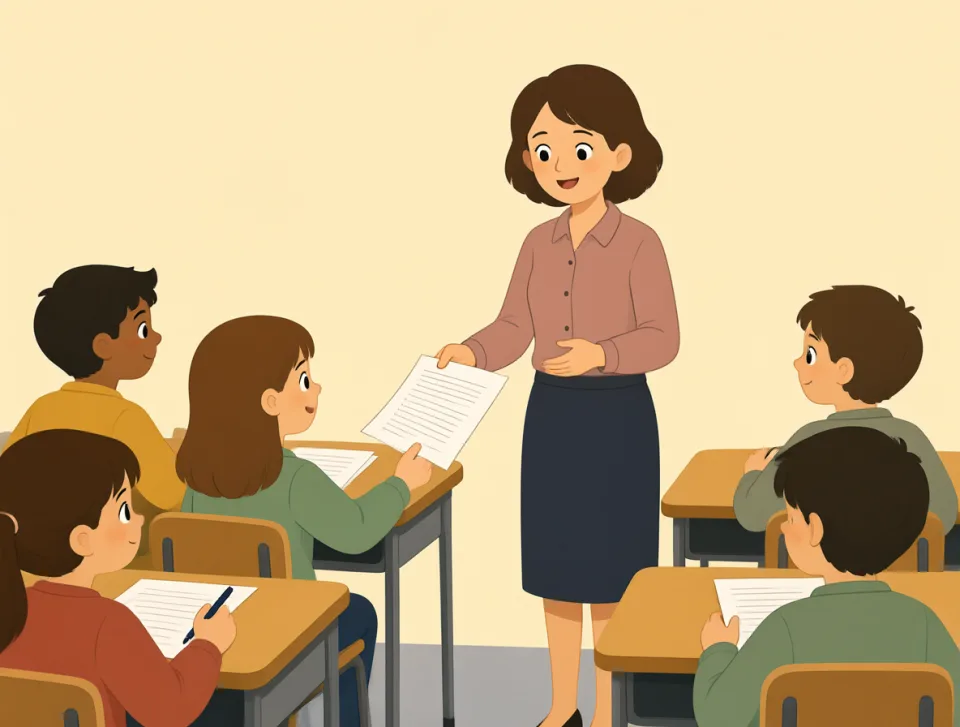
Relating to a large company or business organization.
與大型公司或商業機構有關的。
She left her small company for a corporate job.
她離開了自己的小公司,去一家大公司上班。

Corporate offices often have meeting rooms and shared kitchens.
公司的辦公樓裡通常有會議室和共用廚房。
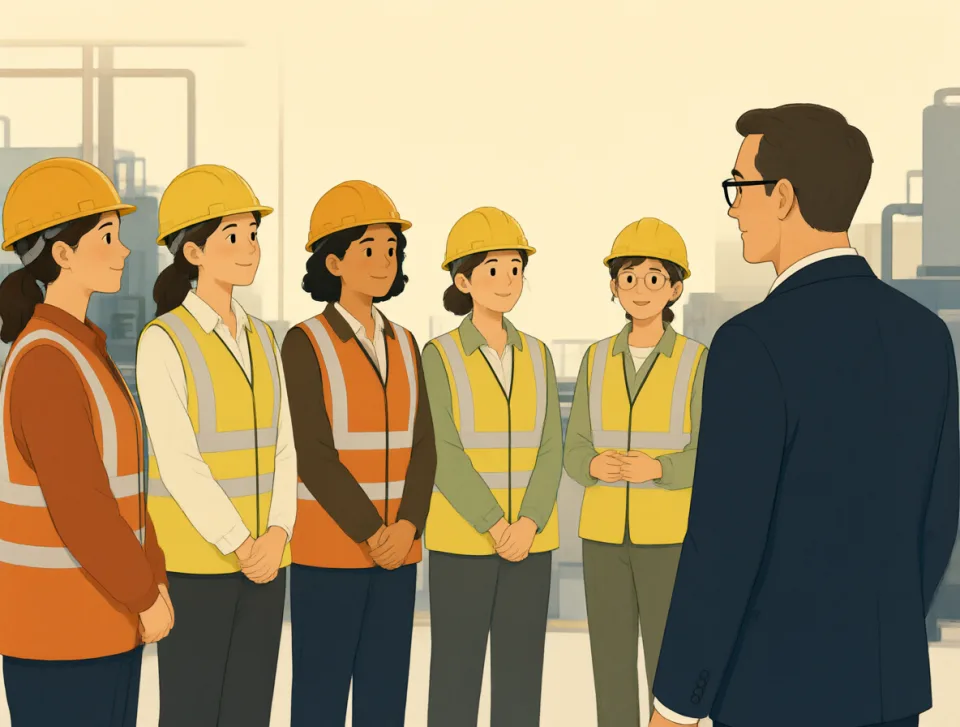
The company follows strict corporate rules about workplace safety.
公司嚴格遵守有關工作場所安全的規章制度。

He bought a corporate gift for the visiting business partners.
他為來訪的商業夥伴買了一份商務禮品。
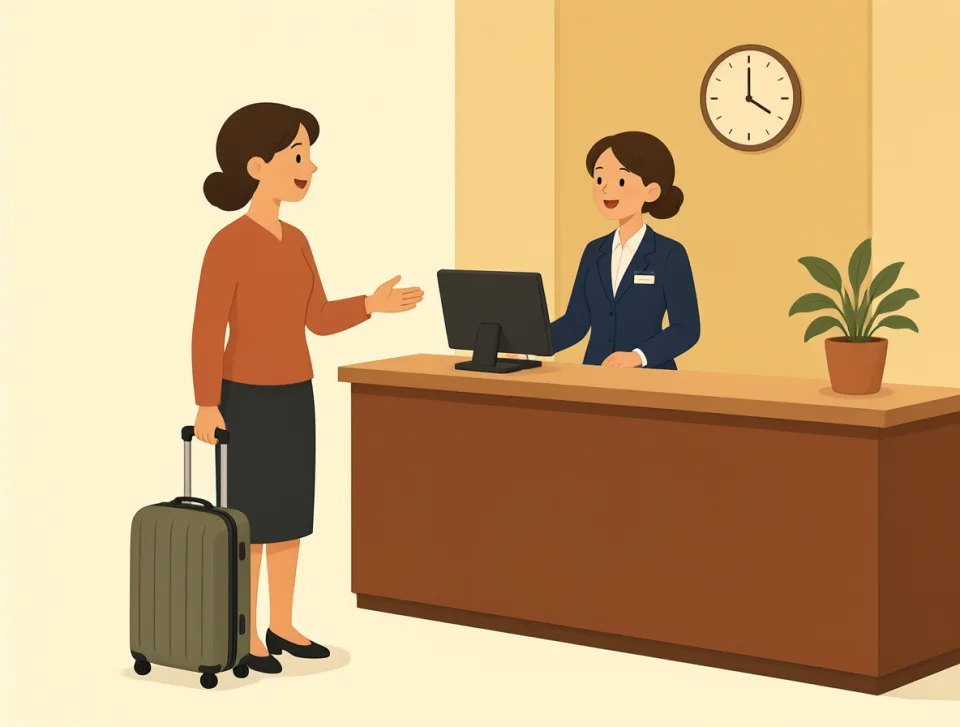
The hotel offered a special rate for corporate travelers.
這家酒店為商務旅客提供了特別優惠價。
fairly
#1466adverb
相當;還算
To a fairly large degree, but not completely or extremely.
在相當大的程度上,但並非完全或極其如此。
The test was fairly easy, so most students finished early.
考試還算簡單,所以大多數學生都提前做完了。

We arrived fairly early and found two empty seats.
我們到得相當早,找到了兩個空座位。
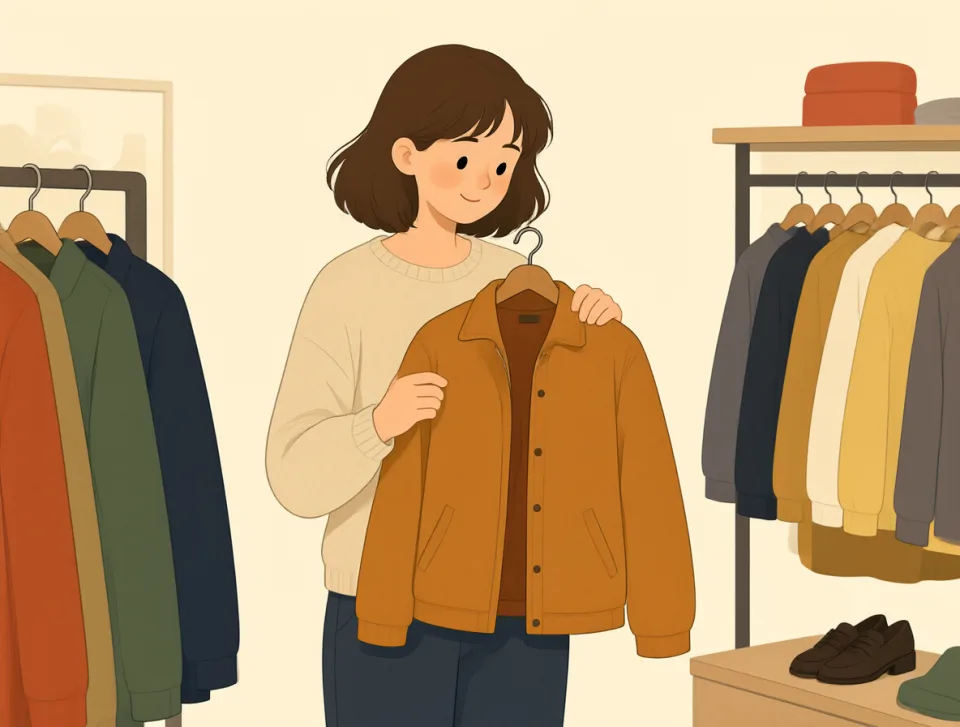
This jacket is fairly cheap, but it feels warm and comfortable.
這件夾克相當便宜,不過穿起來既暖和又舒服。

She speaks fairly slowly when she explains new words.
她講解新單詞時語速比較慢。

The doctor said I was fairly healthy after my checkup.
醫生檢查後說我的身體還算健康。
wood
#1467noun
木材; 木頭
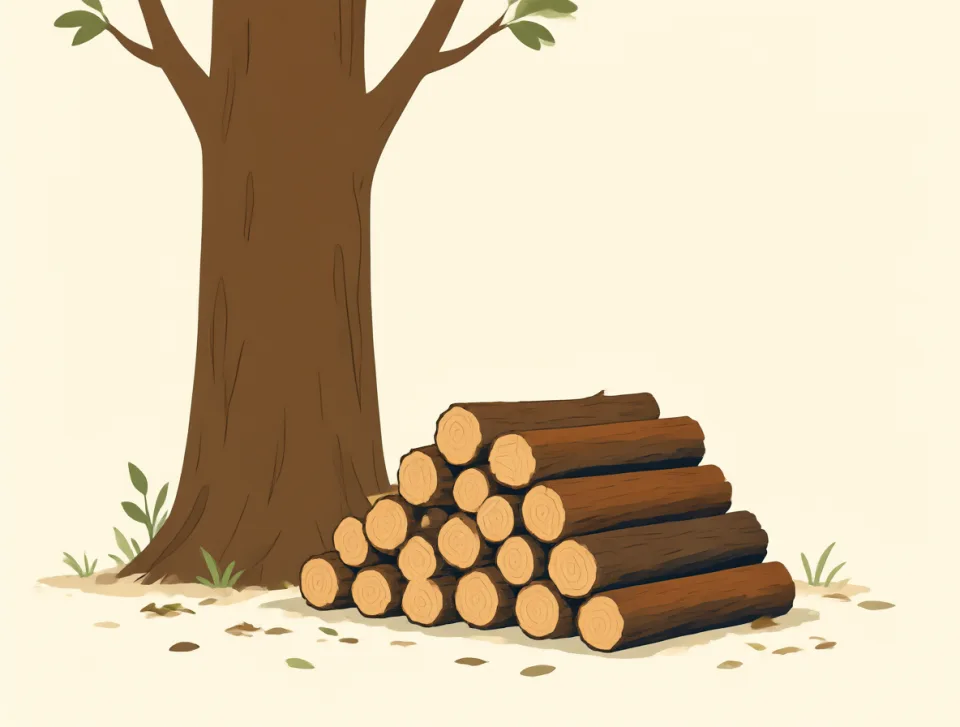
The hard material from trees, used to make furniture, buildings, and fires.
樹木的堅硬材料,可用於製作傢俱、建築物和生火。
The table is made of strong wood.
這張桌子是用堅固的木材做的。
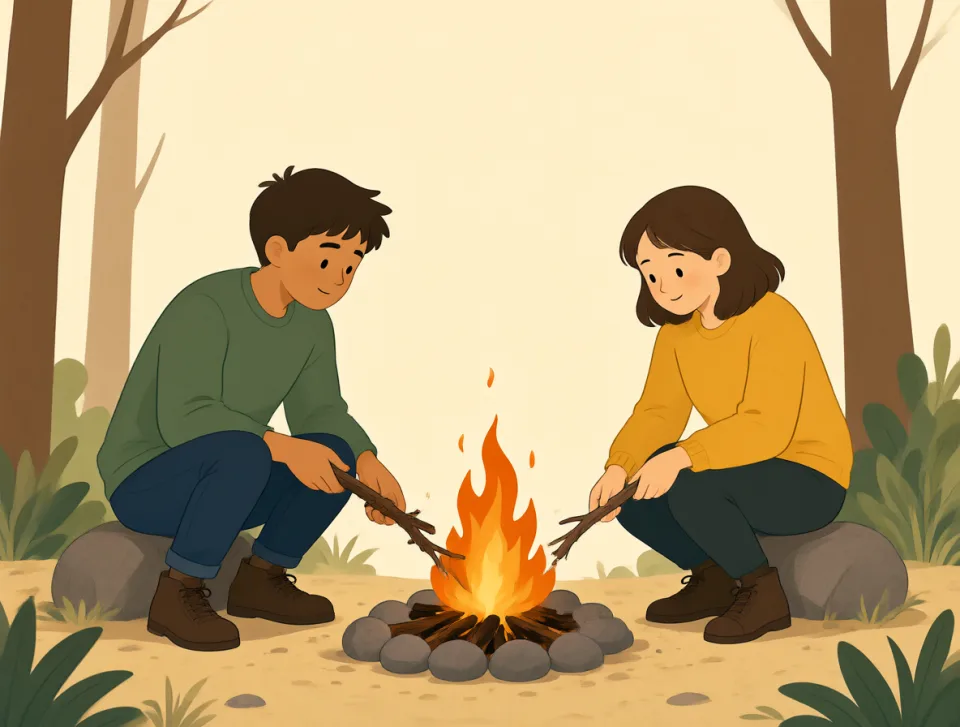
We collected some dry wood for the fire.
我們收集了一些幹木柴來生火。
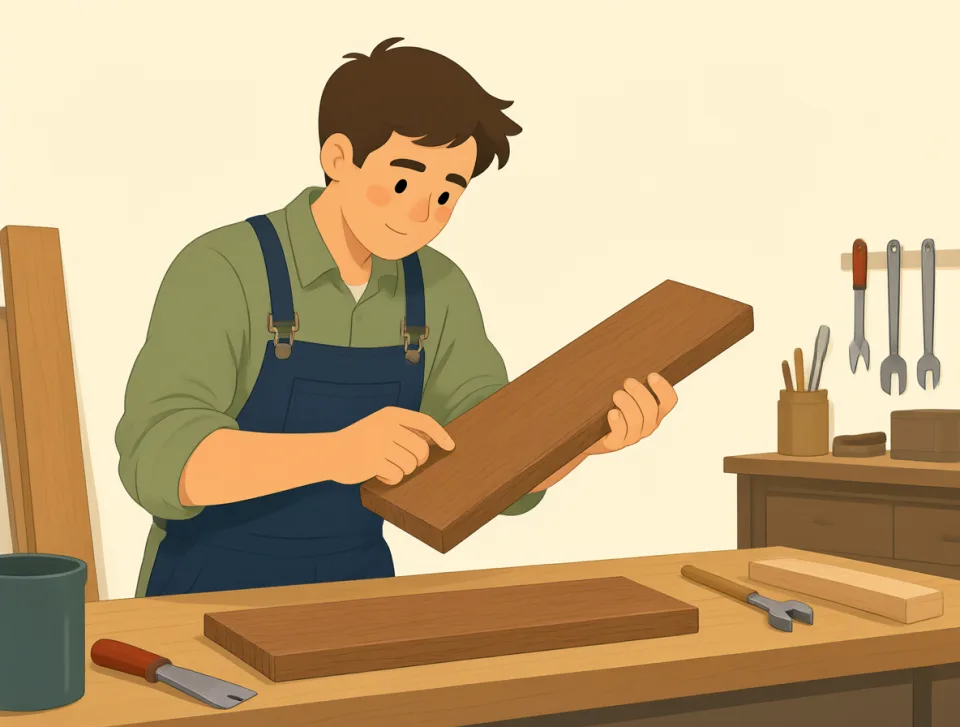
The carpenter chose a beautiful piece of wood.
木匠挑選了一塊漂亮的木料。

The old bridge was built from local wood.
這座老橋是用當地的木材建造的。
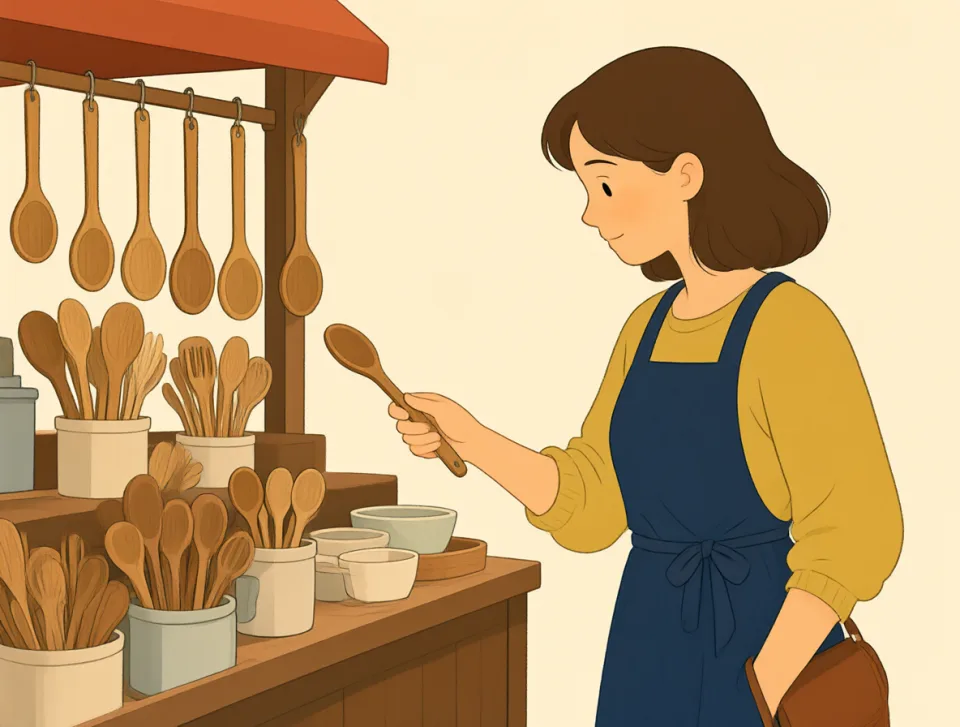
She bought a wooden spoon at the market.
她在市場上買了一把木勺。
participate
#1468verb
參加;參與
to take part in an activity or event with other people
與其他人一起參加某項活動或事件

Everyone can participate in the school sports day.
每個人都可以參加學校的運動會。

She participated in a meeting about the new project.
她參加了一次關於新專案的會議。

Many students participate in class discussions.
許多學生參加課堂討論。
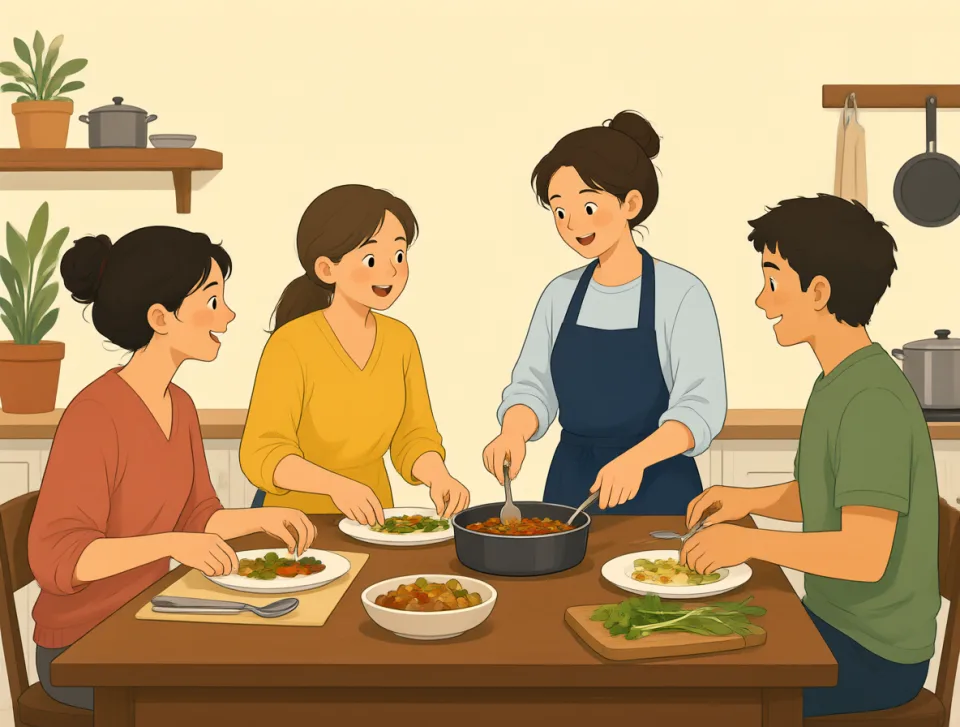
We participated in a cooking class while visiting Italy.
我們在義大利旅行期間參加了一堂烹飪課。

He participates in a weekly swimming group for his health.
為了保持健康,他每週都參加游泳小組。
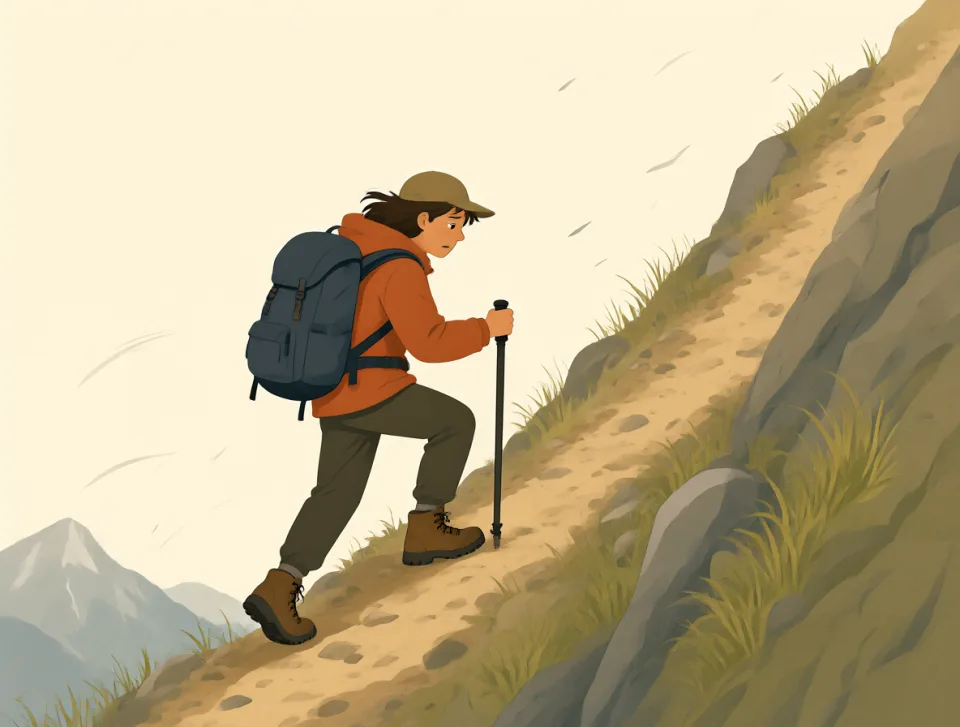
tough
#1469adjective
艱難的;堅韌的;結實的;強硬的
Difficult to do, deal with, or endure; also strong and able to survive hardship.
難以完成、應對或忍受的;也指堅強耐用、能經受住艱難困苦的。

The exam was tough, but I passed it.
考試很難,但我透過了。
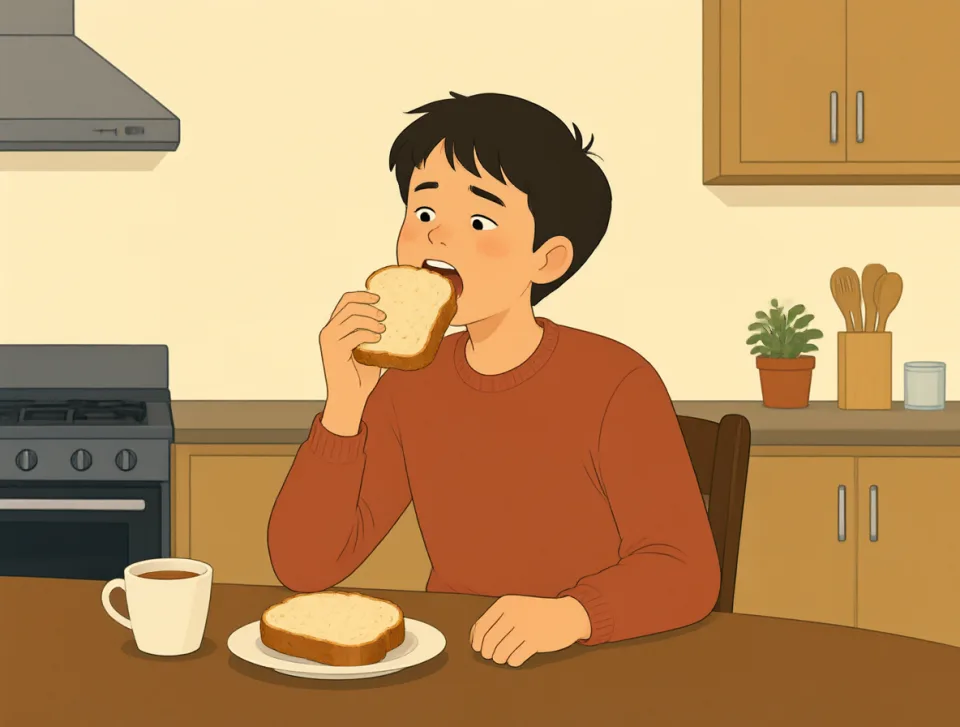
This bread is too tough to eat.
這麵包太硬了,咬不動。

She had a tough day at work.
她今天上班過得很不順心。
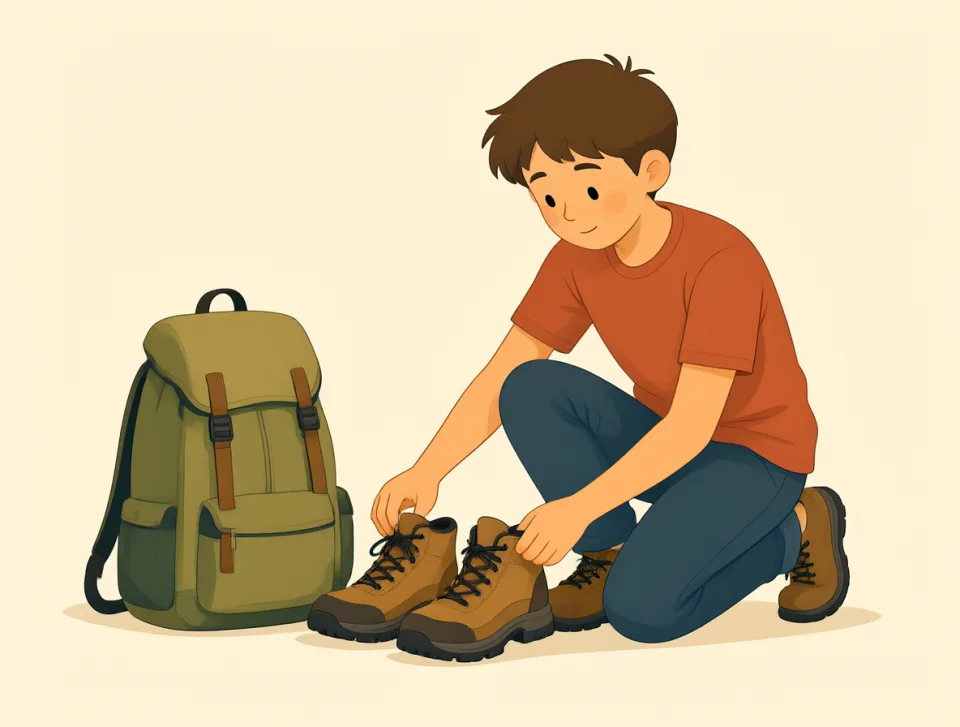
You need tough shoes for this mountain trip.
這次山地之行需要穿結實的鞋子。

He looks tough, but he is very kind.
他看起來很強硬,但其實非常善良。
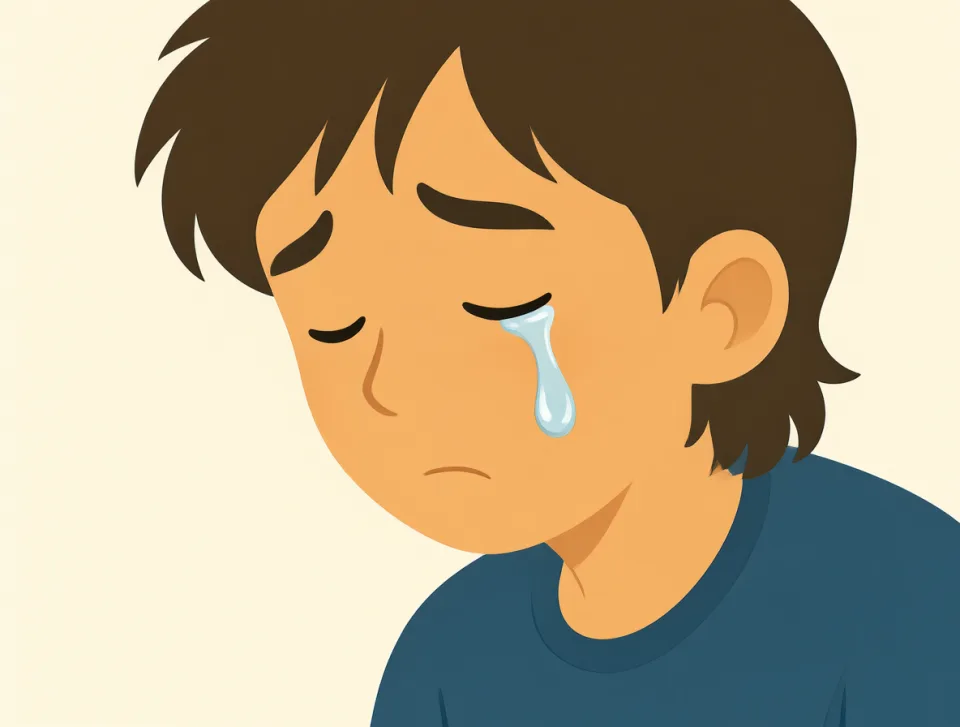
tear
#1470noun, verb
撕裂;眼淚
A drop of liquid from your eye, or to pull or damage something by force.
眼睛裡流出的一滴液體,或用力拉扯、損壞某物。
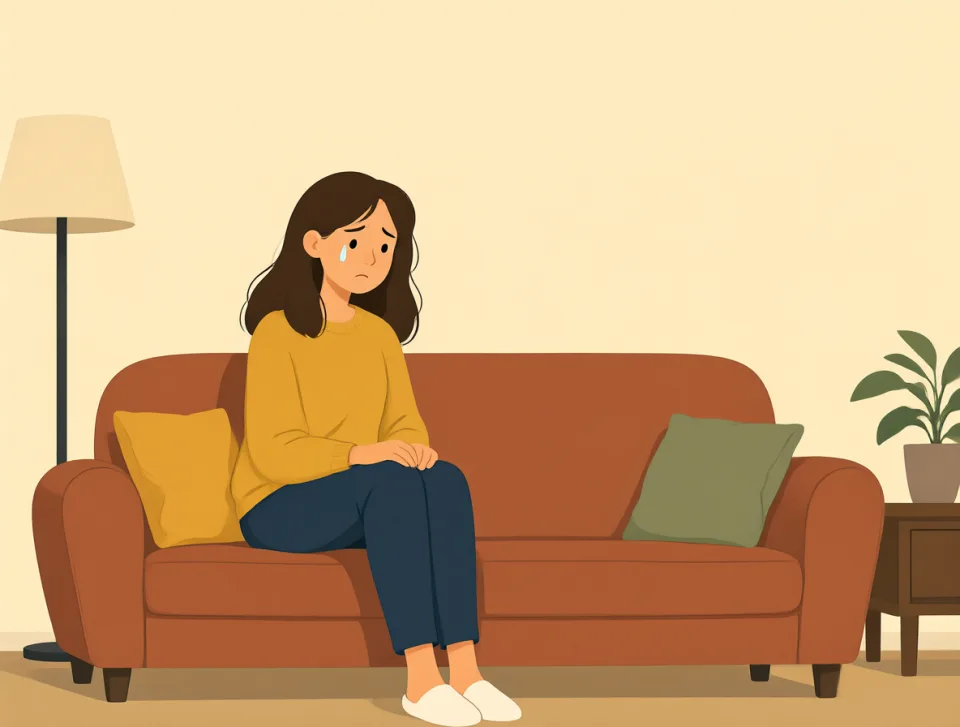
A tear rolled down her cheek during the sad movie.
看悲傷的電影時,一滴眼淚順著她的臉頰滑落。
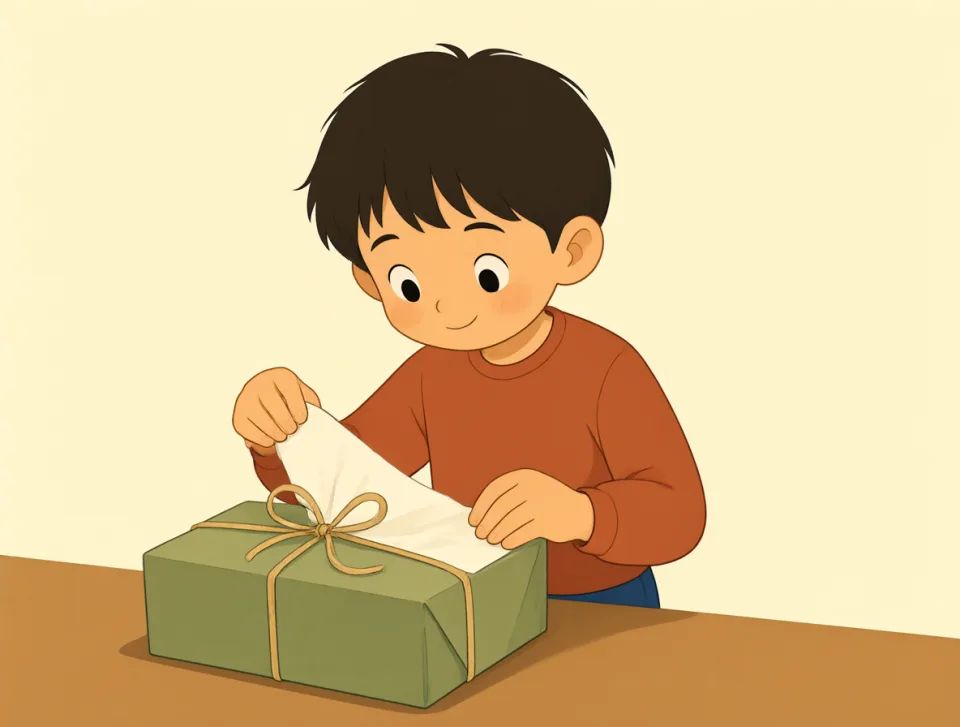
Be careful not to tear the paper when you open it.
開啟時小心點,別把紙撕破了。

He tore his shirt on a sharp branch during the hike.
徒步時,他的襯衫被一根尖樹枝劃破了。
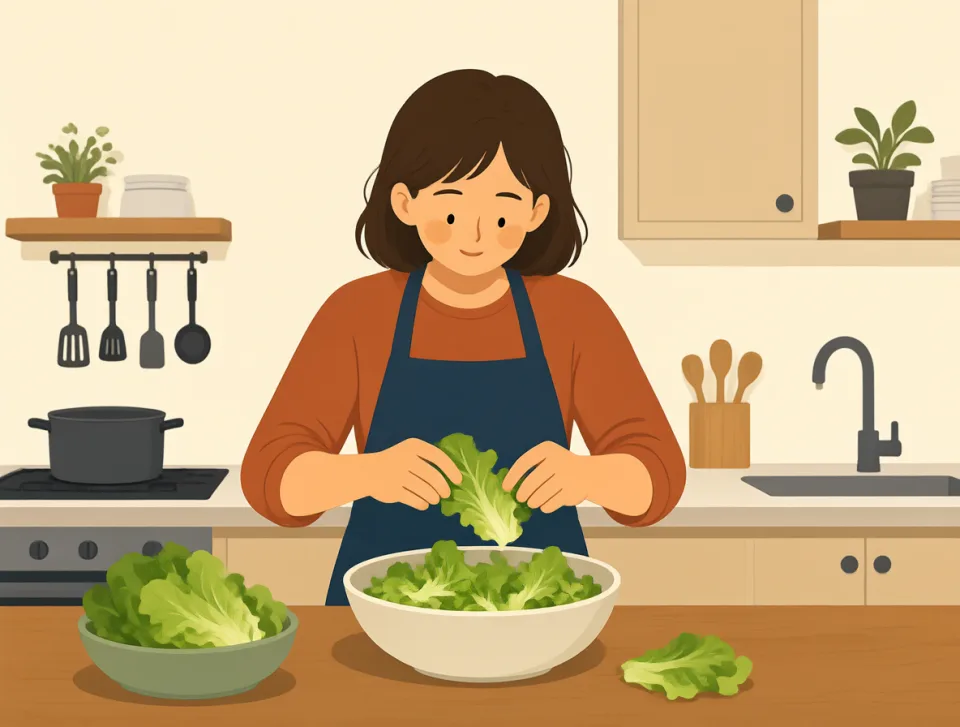
Please tear the lettuce into small pieces for the salad.
請把生菜撕成小塊,做沙拉用。
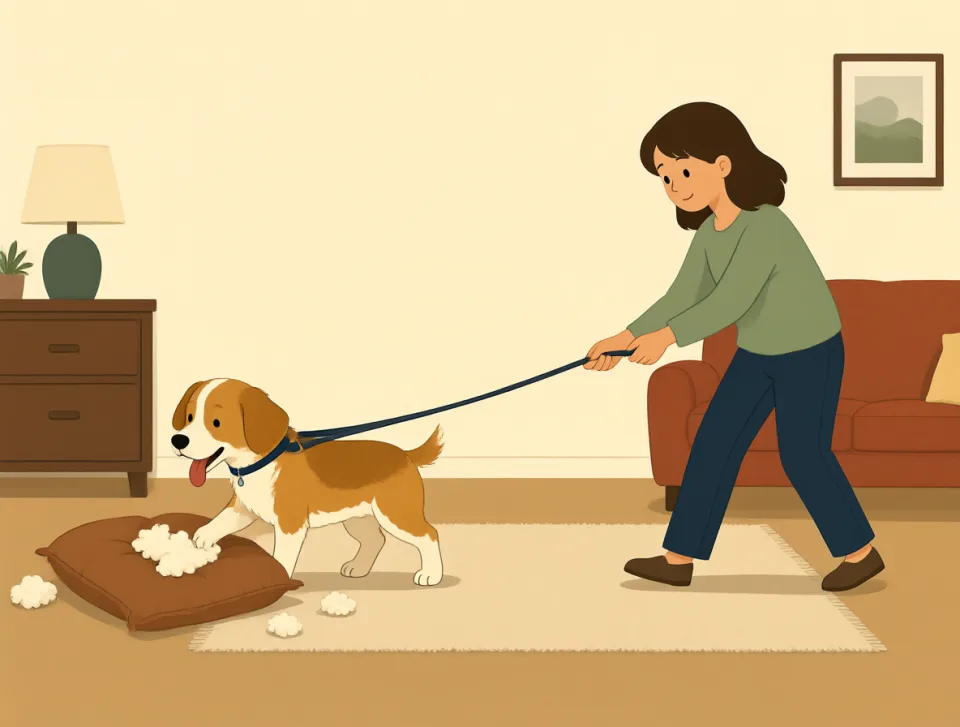
The dog tore the cushion while everyone was at work.
大家都去上班時,狗把靠墊撕壞了。

representative
#1471noun, adjective, verb
代表;代表性的;代表
A person who speaks or acts for another person or group.
代表另一個人或團體發言或行事的人。

A company representative called to answer my questions.
一位公司代表打電話來回答我的問題。
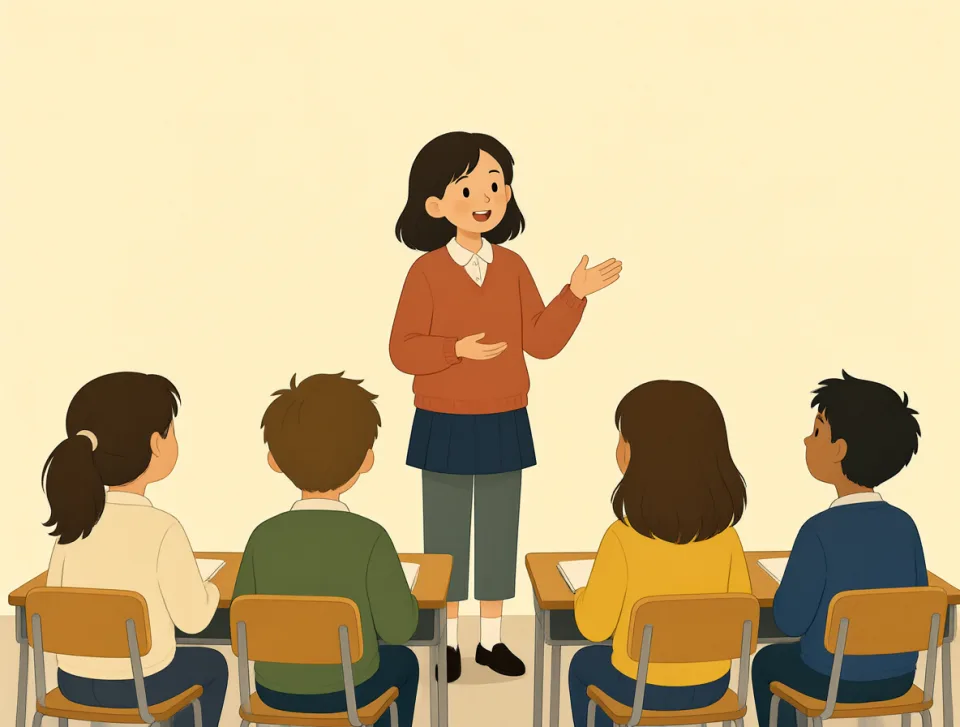
She is our class representative at the school meeting.
她是我們班在學校會議上的代表。
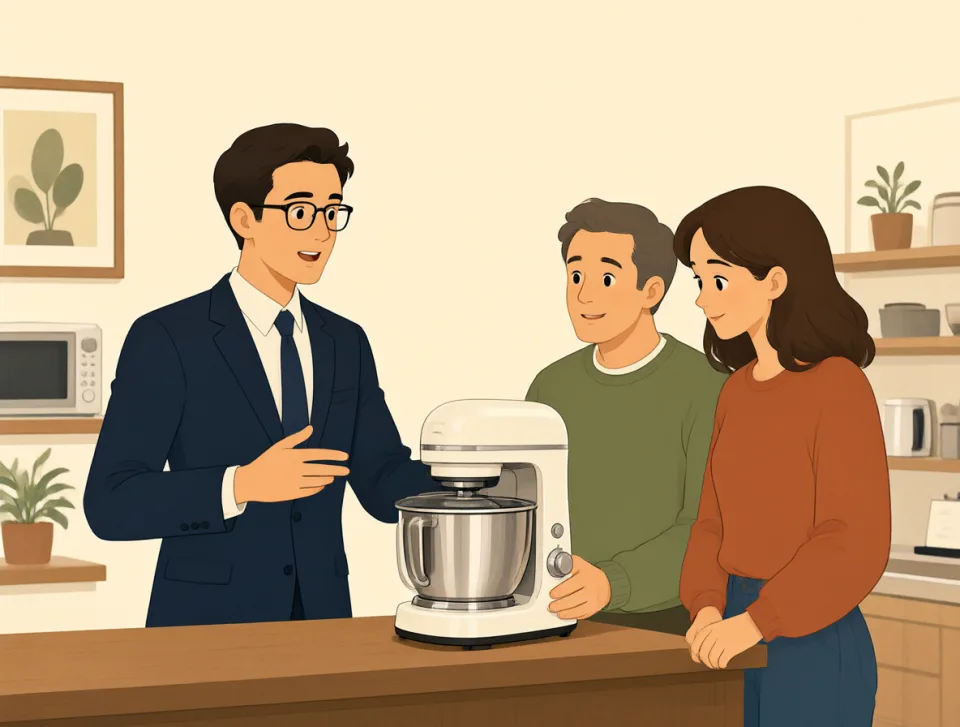
The sales representative showed us three new kitchen machines.
銷售代表向我們展示了三款新型廚房電器。
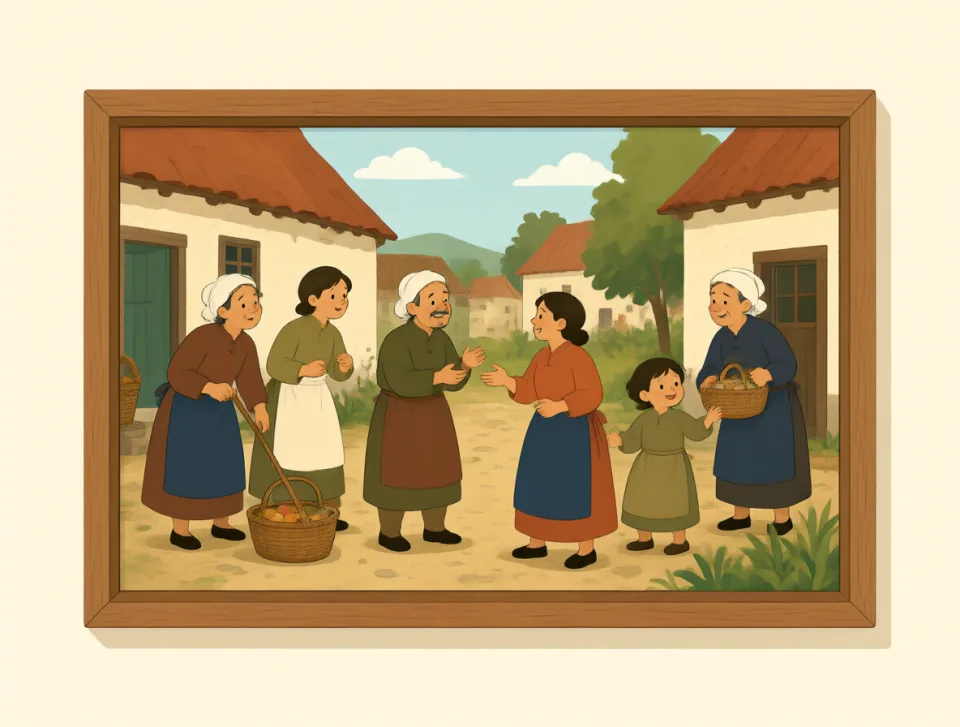
The painting is representative of life in a small village.
這幅畫體現了小村莊的生活。

These flowers represent hope and new beginnings.
這些花象徵著希望和新的開始。
capacity
#1472noun
容量;能力
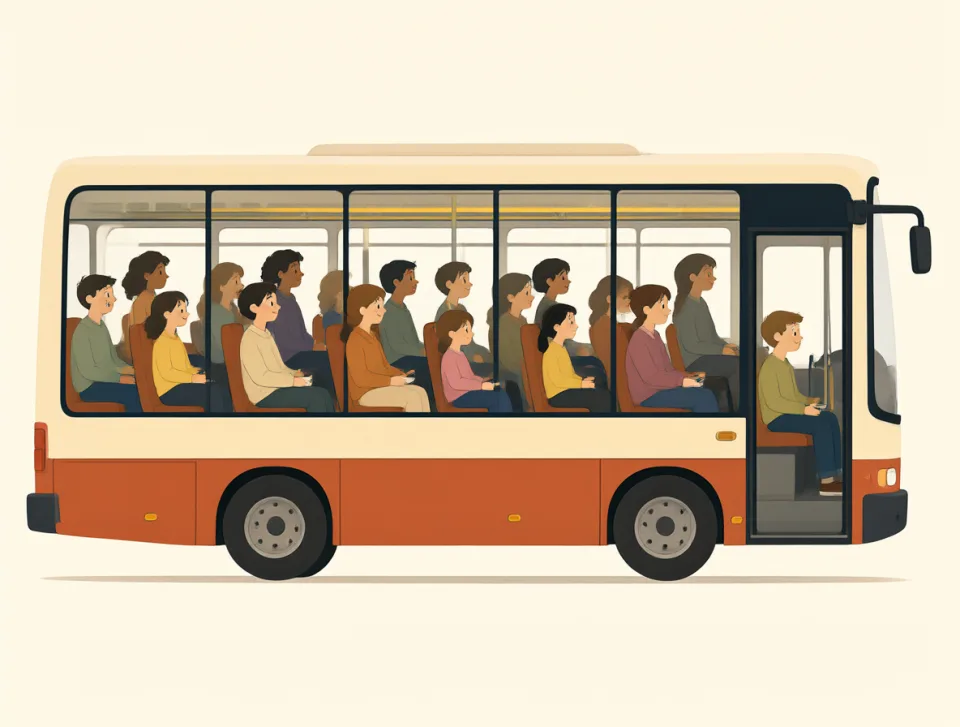
The largest amount that a person, place, or thing can hold or produce.
一個人、地方或事物能夠容納或產生的最大數量。

The stadium has a capacity of fifty thousand people.
這座體育場可容納五萬人。
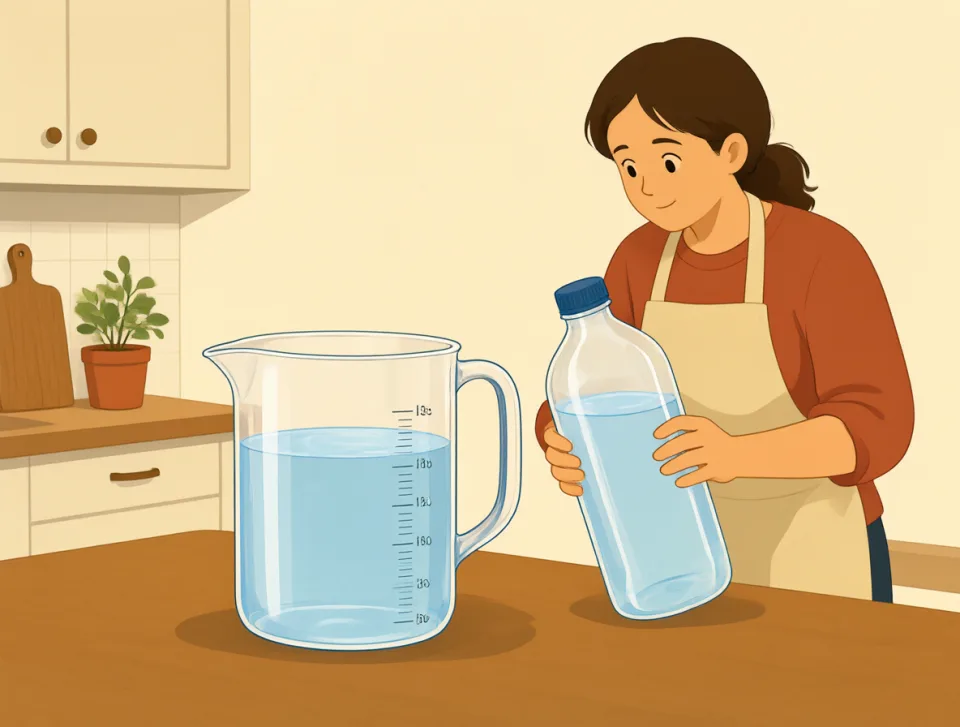
This bottle has enough capacity for two liters of water.
這個瓶子的容量足夠裝兩升水。

The hotel is operating at full capacity this weekend.
這家酒店本週末客滿。
She has the capacity to learn new languages quickly.
她有能力快速學會新的語言。
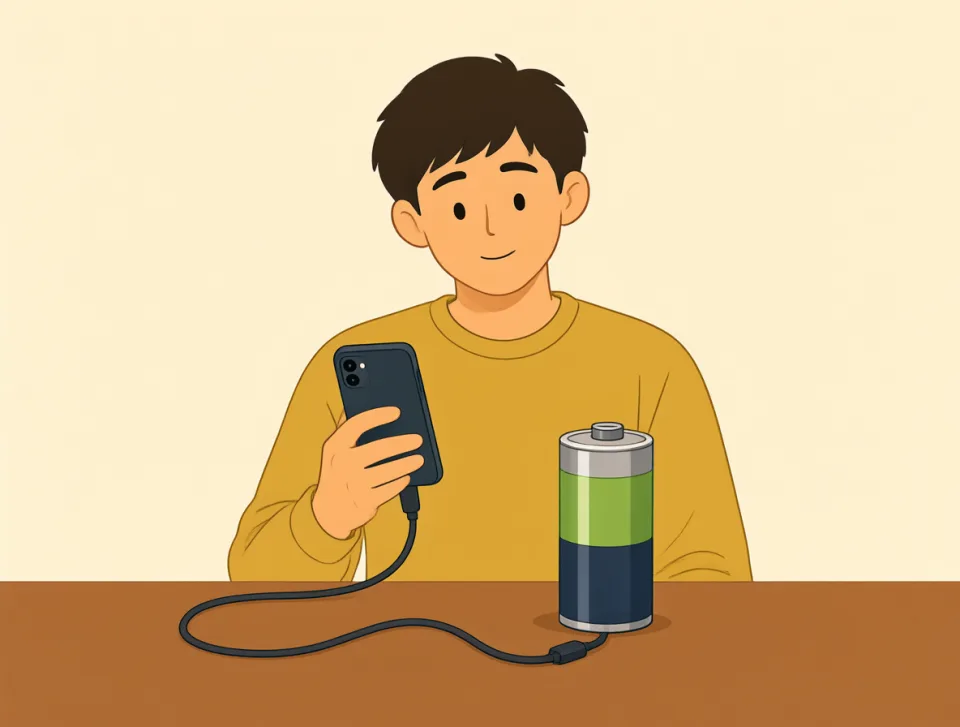
The new battery has more capacity, so my phone lasts longer.
新電池的容量更大,所以我的手機續航時間更長。
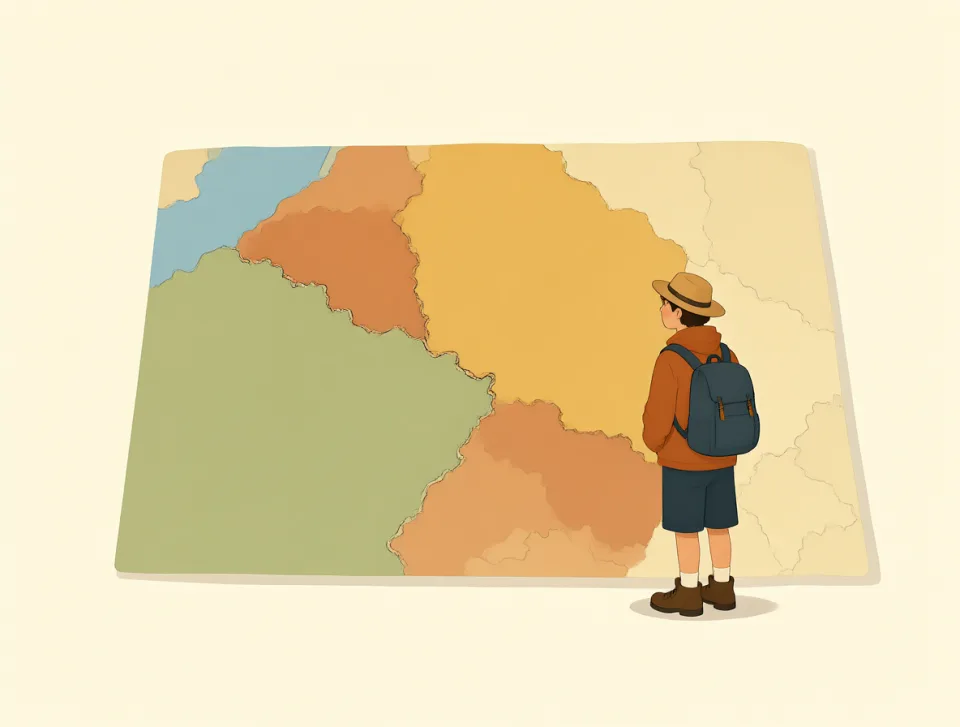
border
#1473noun, verb
邊界;邊境;與……接壤;鑲邊
A line separating two countries, areas, or things; to touch or be next to something.
分隔兩個國家、地區或事物的界線;與某物相接或相鄰。
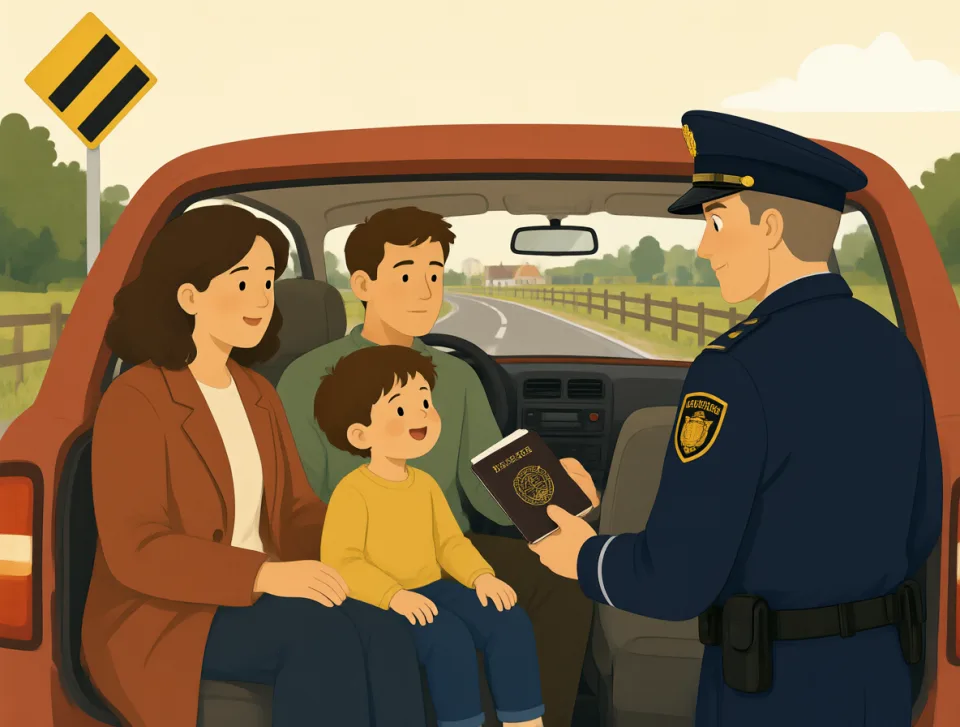
We crossed the border into Canada by car.
我們開車越過邊境進入了加拿大。
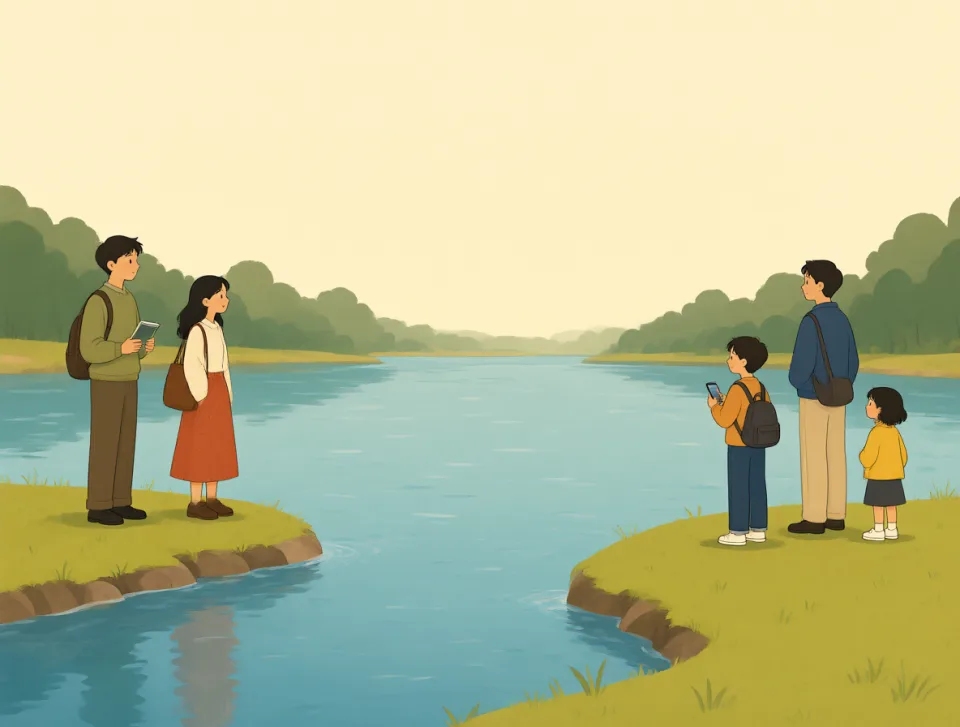
The river forms the border between the two countries.
這條河構成了兩國之間的邊界。
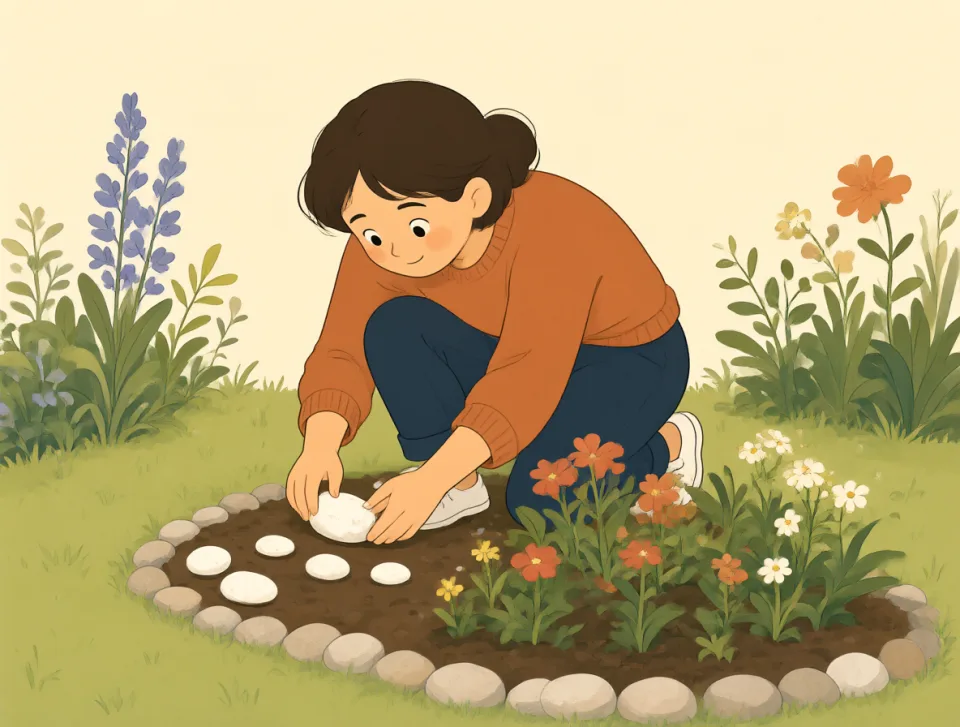
Please border the garden with small white stones.
請用小白石子給花園鑲邊。

Our hotel borders a quiet park near the city center.
我們住的酒店緊鄰市中心附近一座安靜的公園。
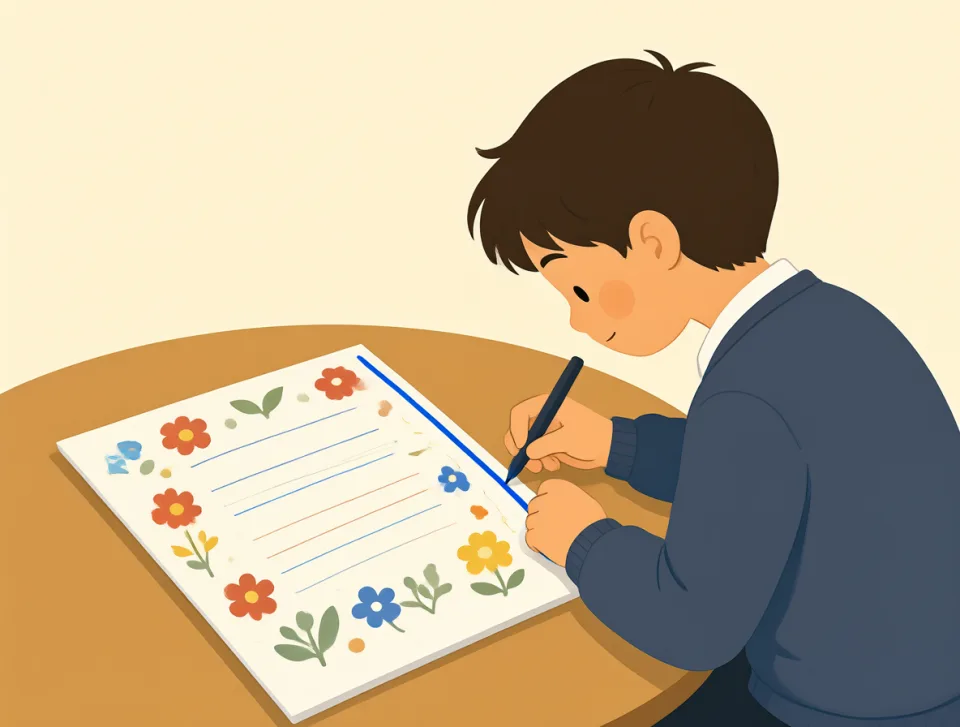
She put a blue border around her school project.
她在學校作業周圍畫了一圈藍色邊框。

shake
#1474verb, noun
搖動;搖晃;握手;奶昔
to move quickly from side to side, or a cold drink made with milk and fruit
快速地左右移動,或用牛奶和水果製成的冷飲。
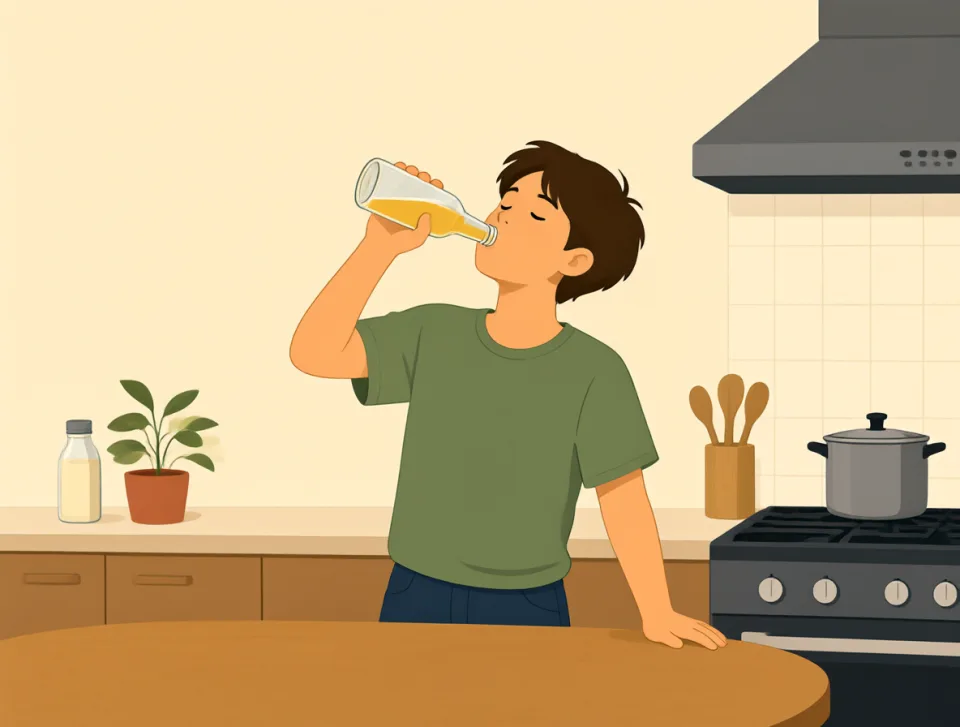
Please shake the bottle well before you drink it.
喝之前請把瓶子充分搖勻。

We shook hands after the meeting ended.
會議結束後,我們握了握手。
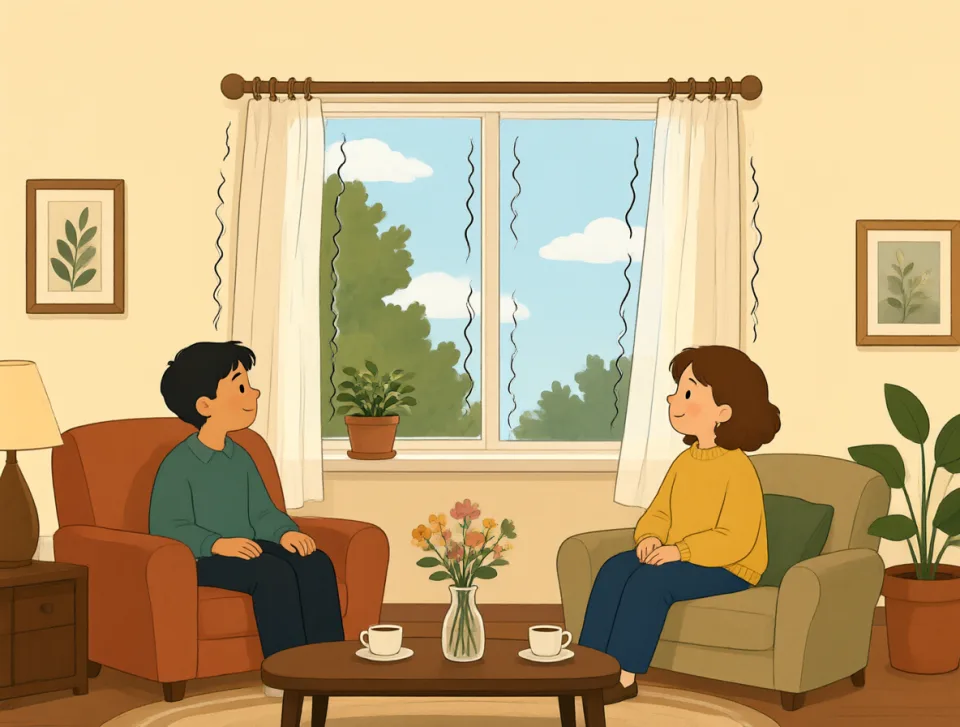
The loud noise made the windows shake.
巨大的噪聲震得窗戶直晃。
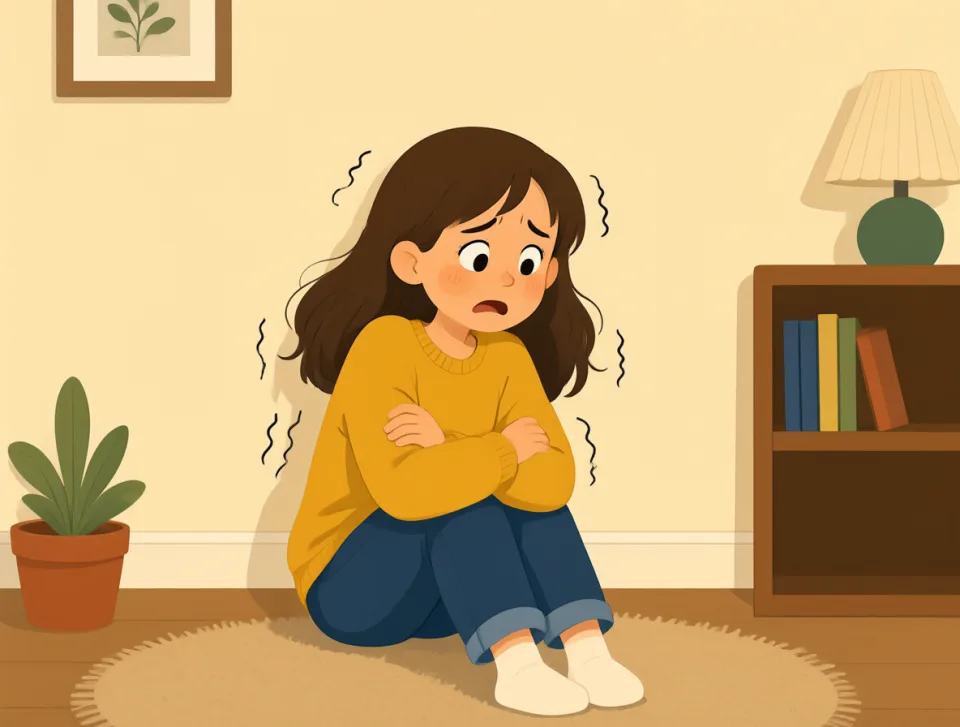
She was shaking with fear during the storm.
暴風雨期間,她嚇得渾身發抖。

I ordered a chocolate shake with my burger.
我點了一杯巧克力奶昔,配漢堡吃。
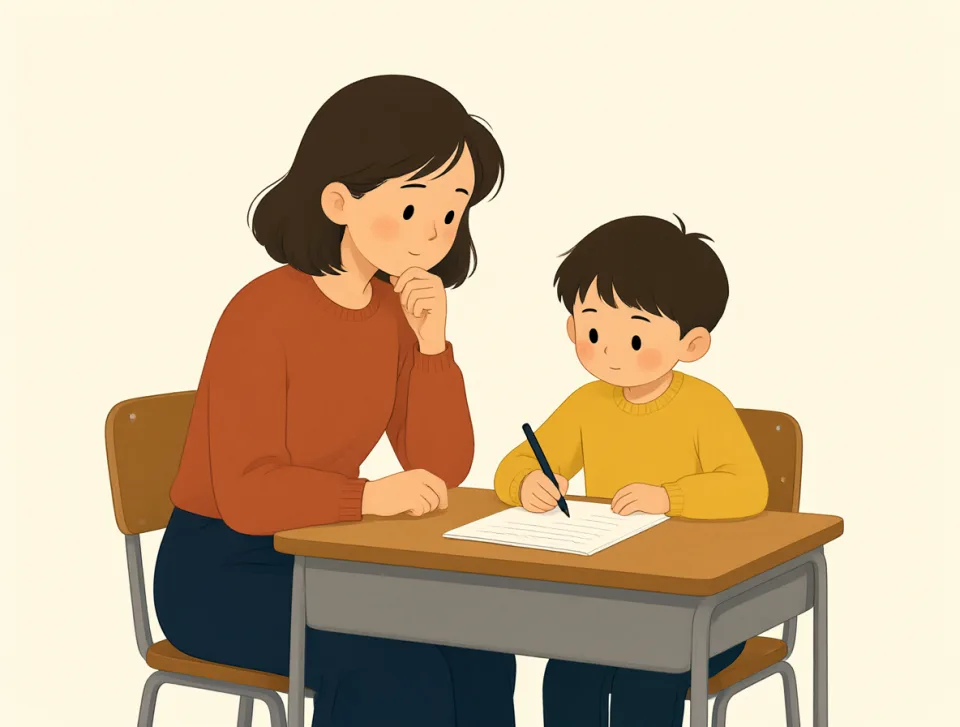
assessment
#1475noun
評估;評價;評定
A careful judgment about someone’s ability, quality, or progress.
對某人的能力、品質或進展作出的仔細判斷。
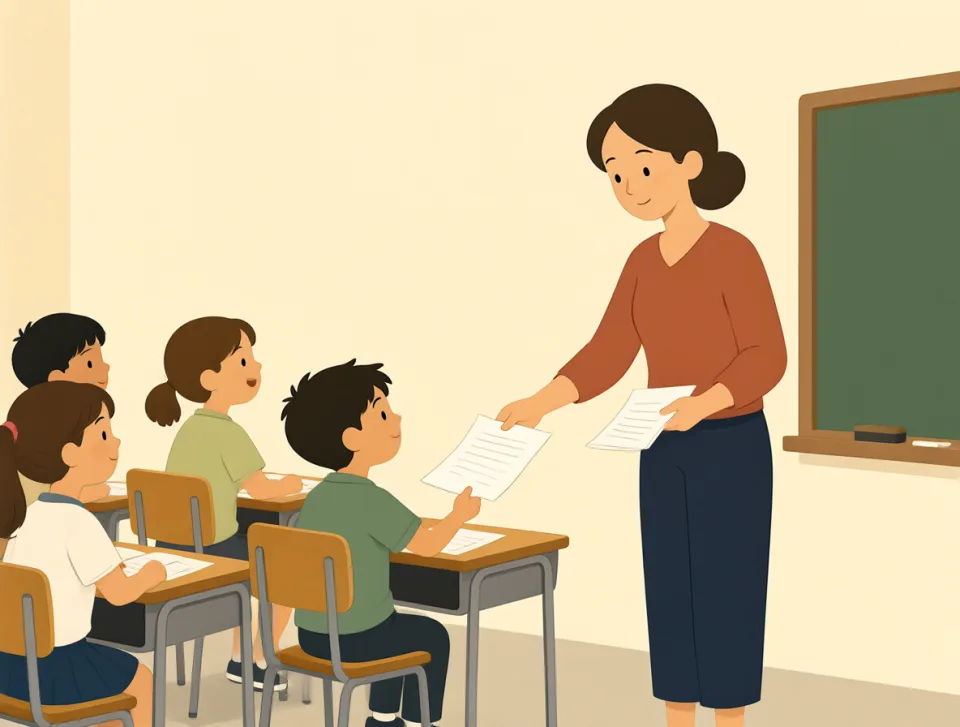
The teacher gave us an assessment at the end of the lesson.
課程結束時,老師給我們做了一次評估。
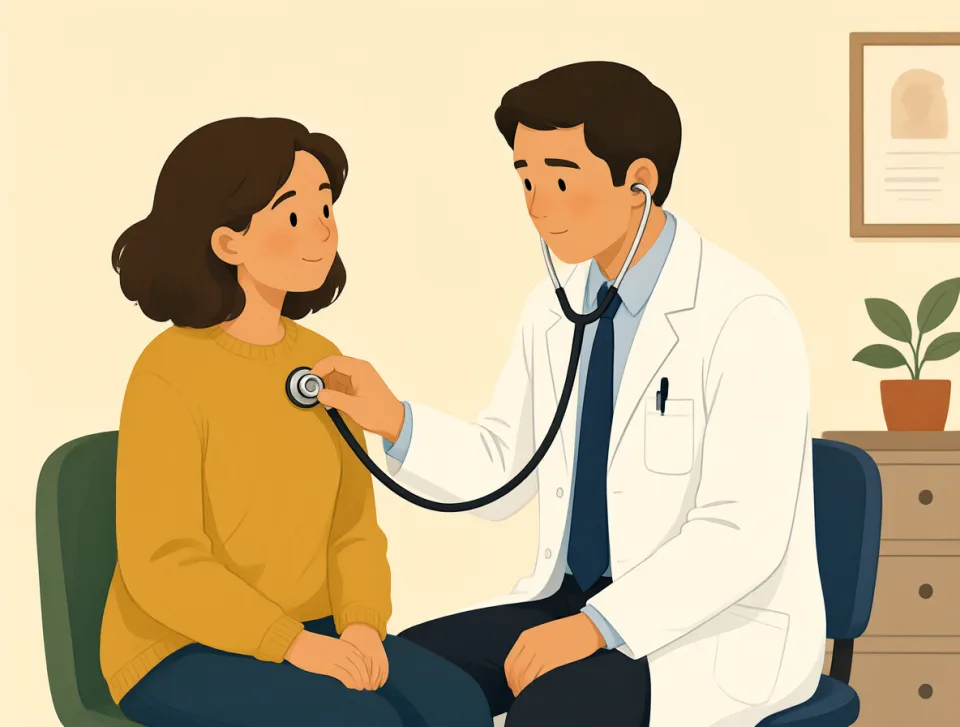
The doctor made an assessment of my health after the examination.
檢查後,醫生對我的健康狀況進行了評估。

Our manager’s assessment of the project helped us improve our work.
經理對這個專案的評估幫助我們改進了工作。
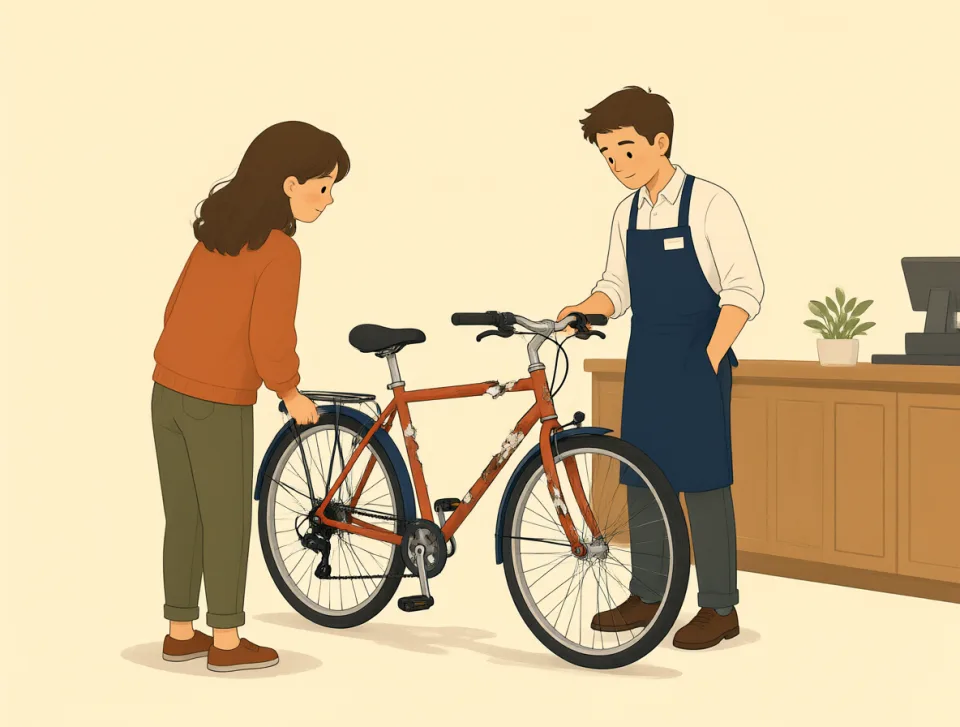
The shop assistant carried out an assessment of the damaged bicycle.
店員對損壞的腳踏車進行了評估。

The travel company asked for an assessment of our hotel experience.
旅行公司要求我們對這次酒店體驗進行評價。
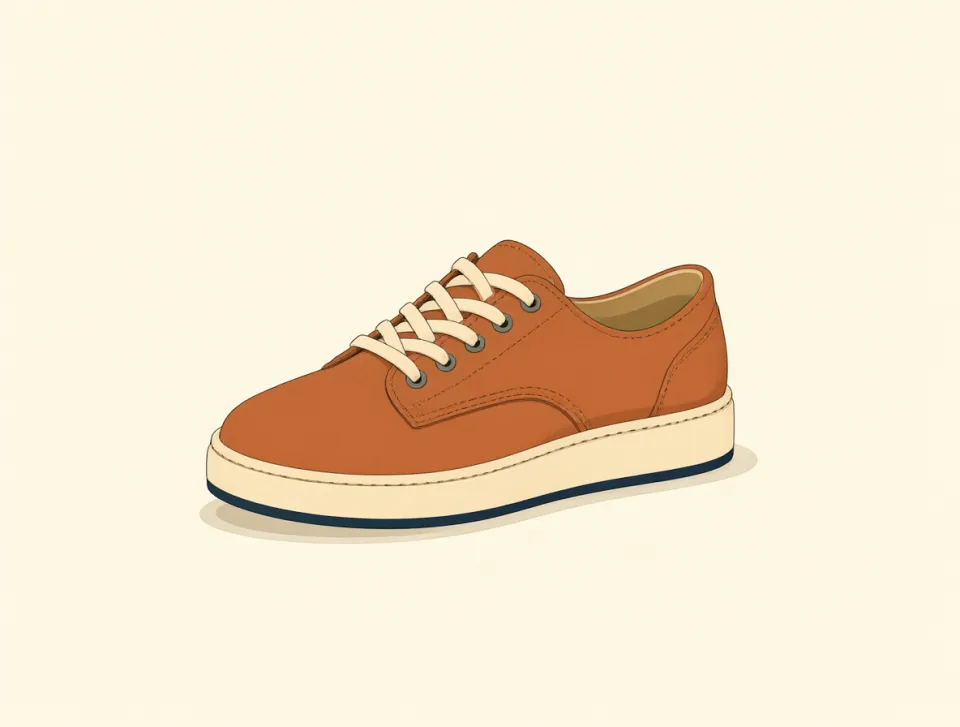
shoe
#1476noun
鞋子
A piece of clothing worn on your foot, usually with a hard sole.
穿在腳上的衣物,通常有堅硬的鞋底。
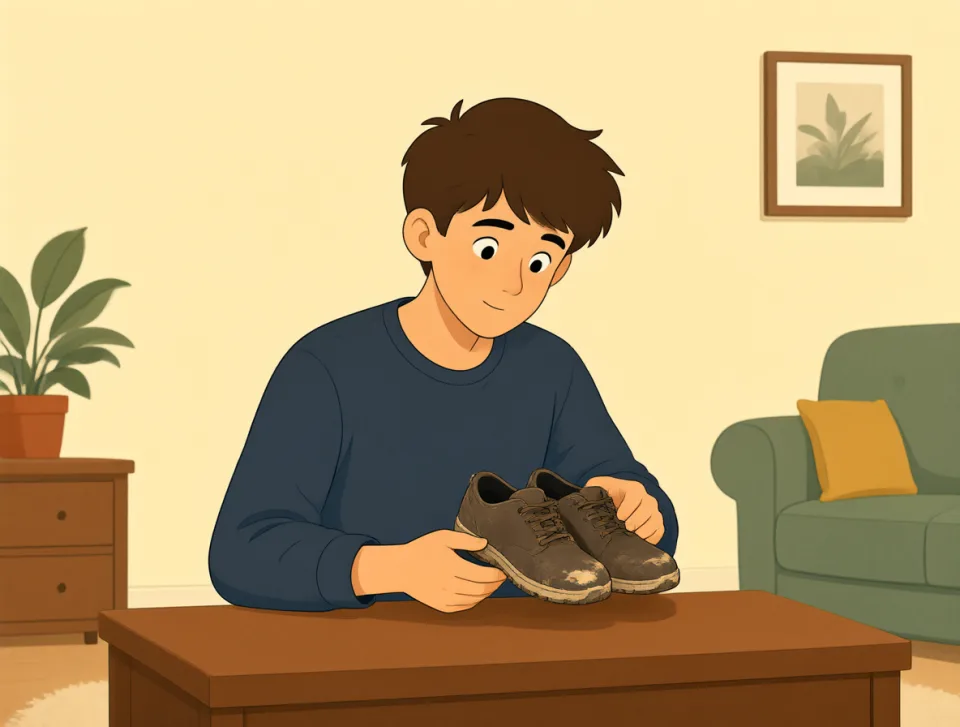
I need new shoes because my old ones are too small.
我需要買雙新鞋,因為舊鞋太小了。
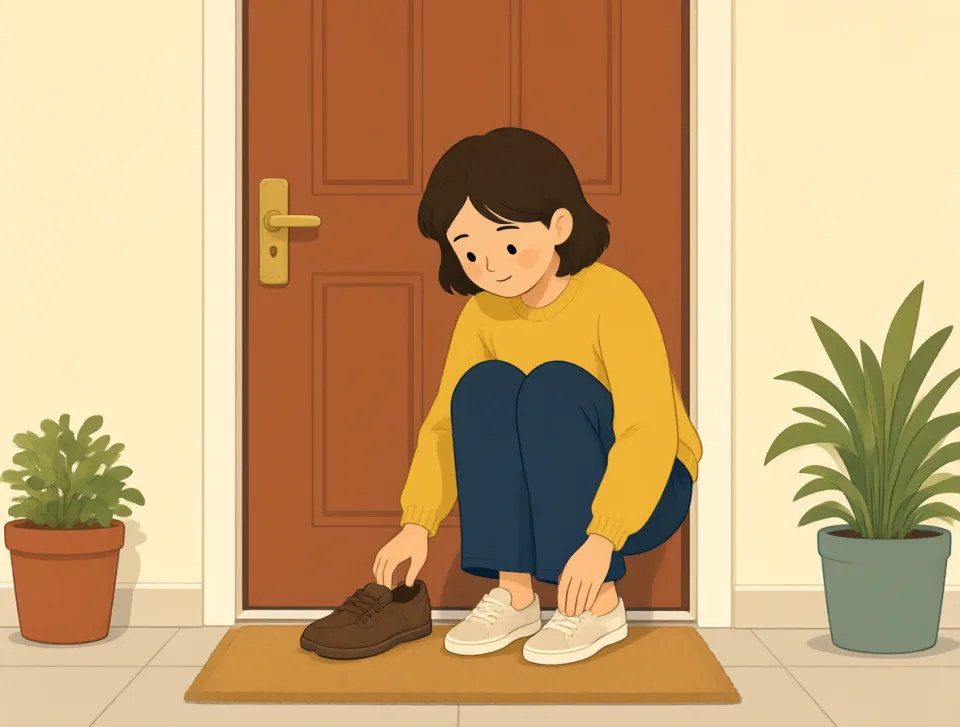
Please take off your shoes before entering the house.
進屋前請把鞋脫掉。
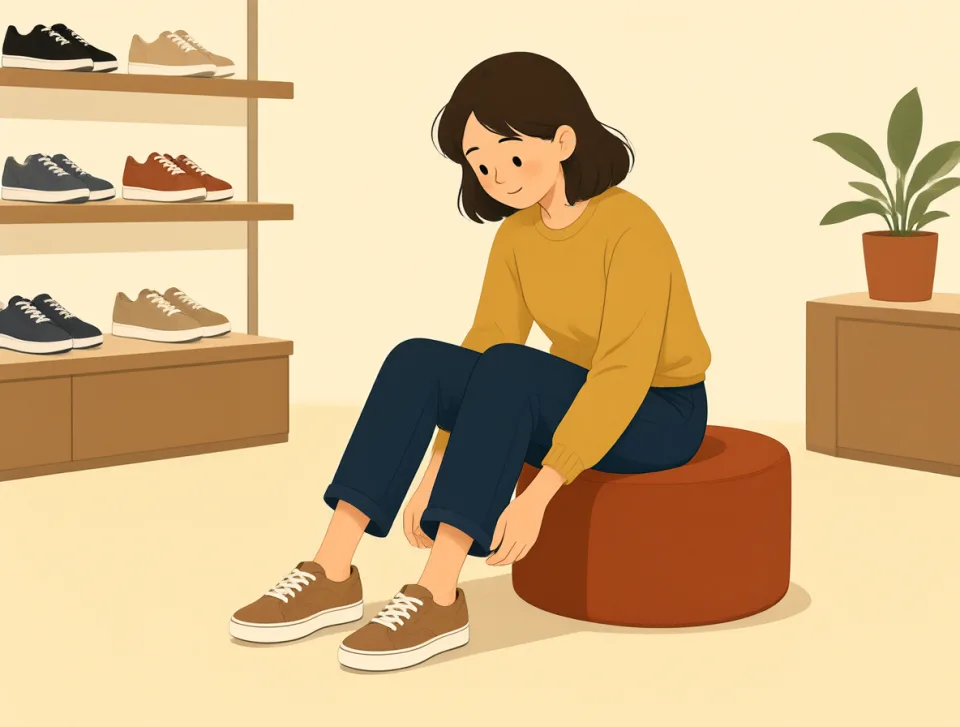
She bought a comfortable pair of shoes for work.
她買了一雙舒適的鞋上班穿。
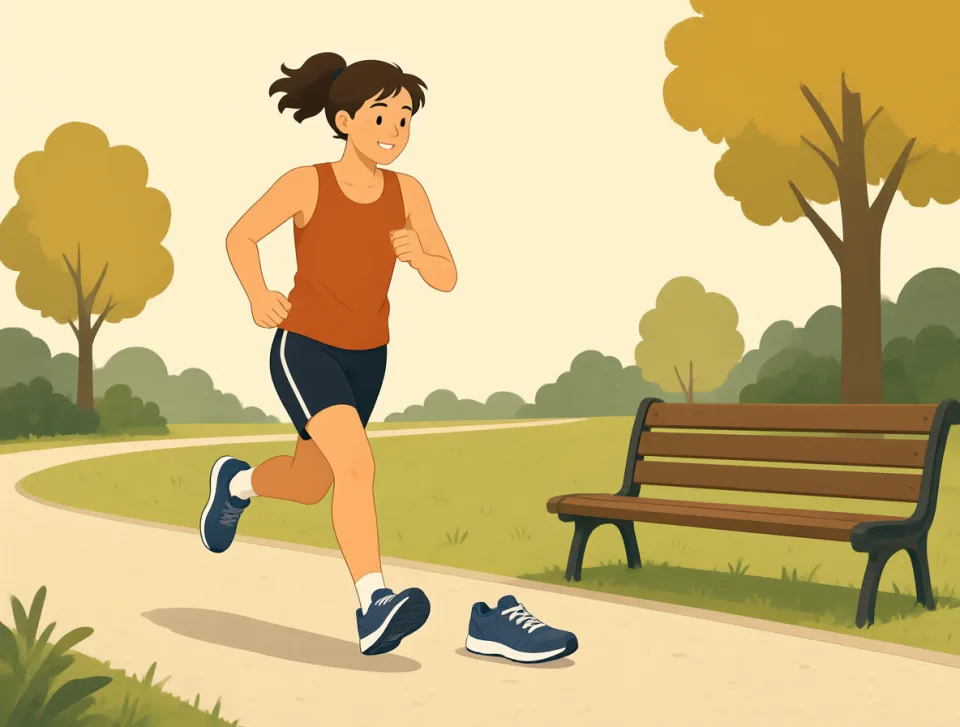
My shoe came off while I was running in the park.
我在公園跑步時,鞋掉了。
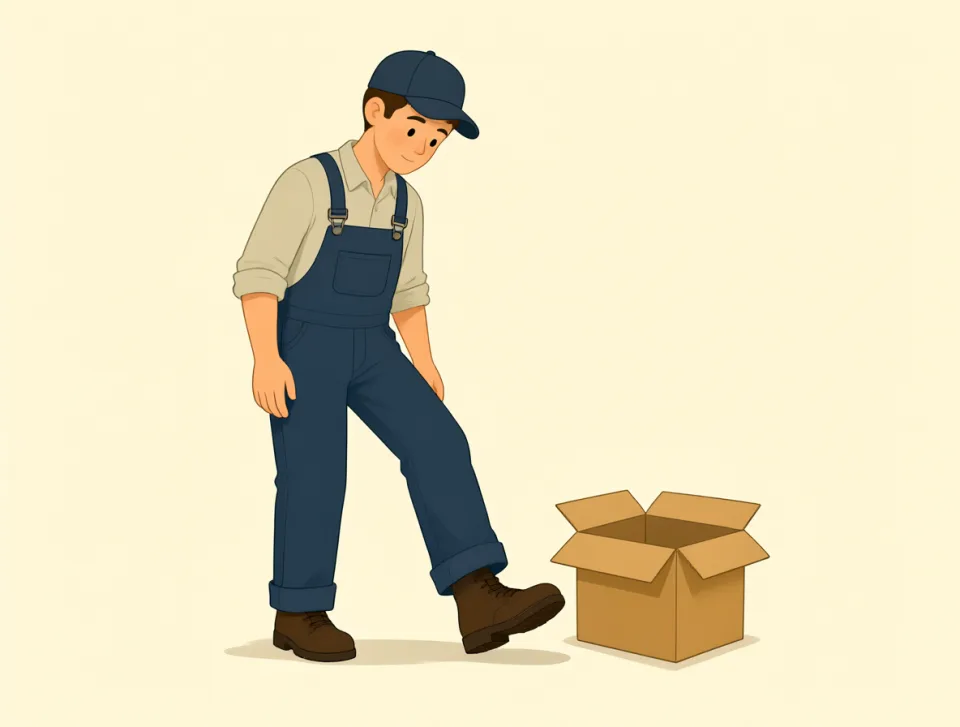
He hurt his foot when a heavy box fell on his shoe.
一個沉重的箱子砸在他的鞋上,把他的腳弄傷了。

ought
#1477modal verb
應該;理應
Used to say what is right, sensible, expected, or likely to happen.
用於表示某事是正確的、明智的、預期會發生的或很可能發生的。
You ought to call your mother tonight.
你今晚應該給你媽媽打個電話。
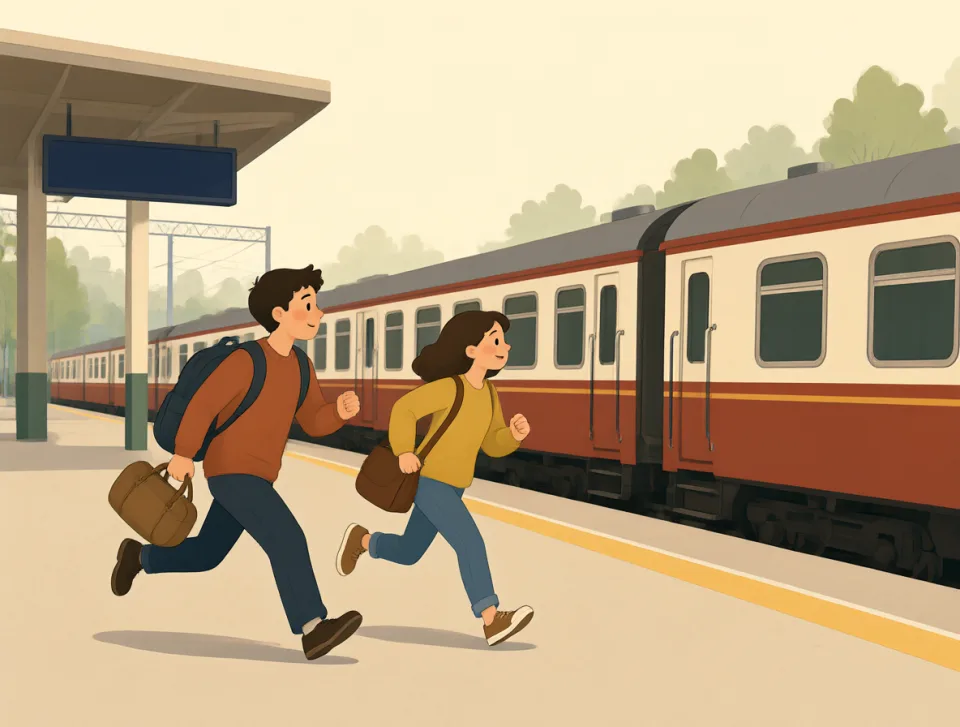
We ought to leave early to catch the train.
我們應該早點出發,好趕上火車。
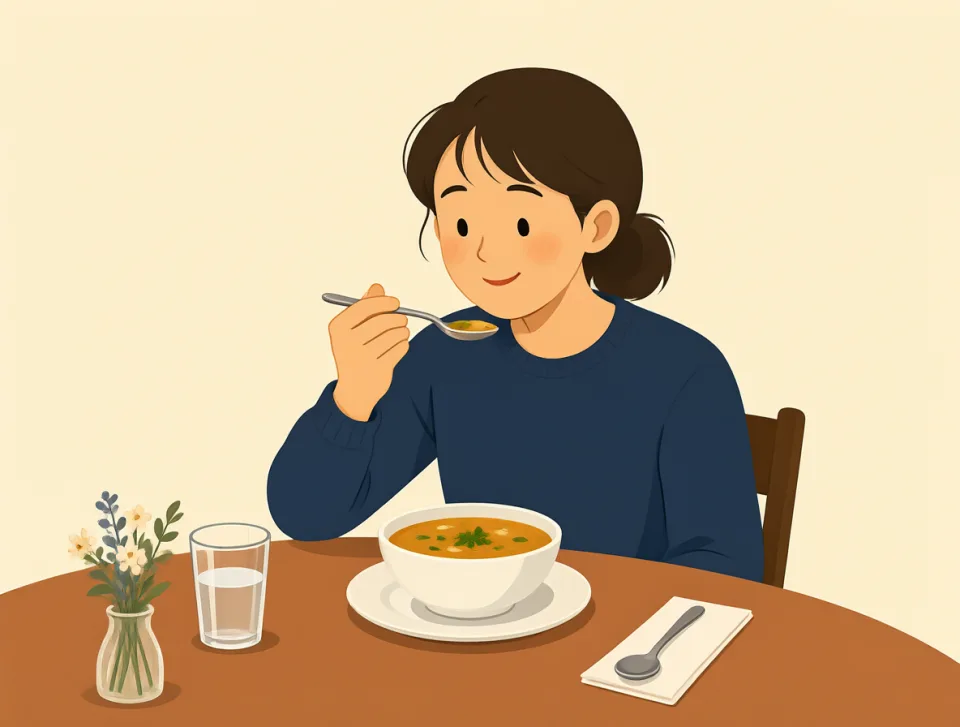
You ought to try the vegetable soup; it is delicious.
你應該嚐嚐蔬菜湯,很好喝。
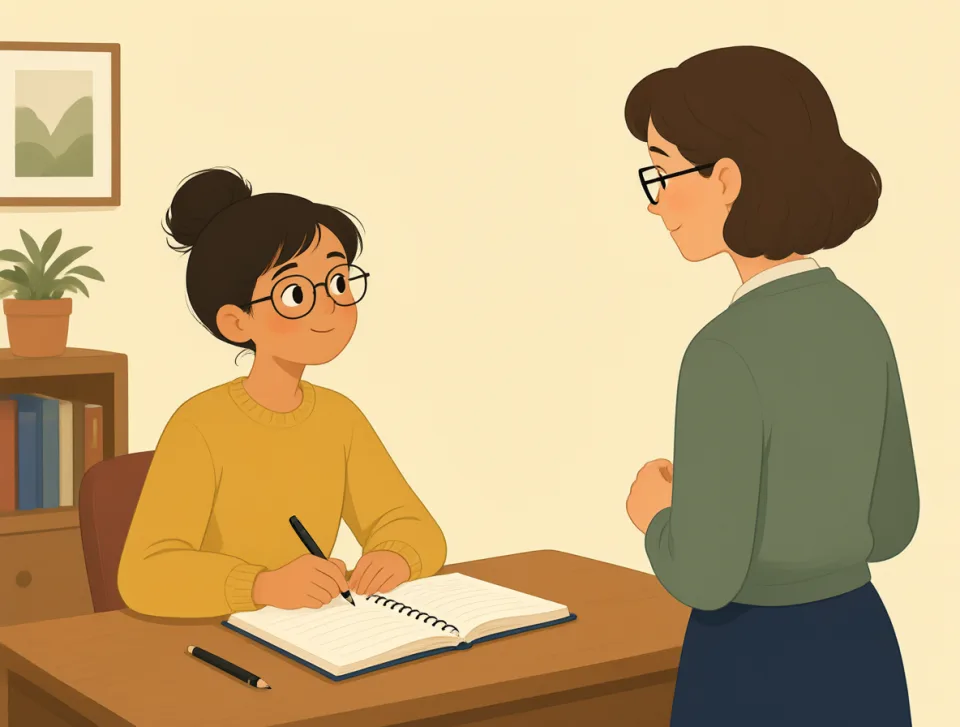
Students ought to check their answers before handing in homework.
學生交作業前應該檢查一下答案。
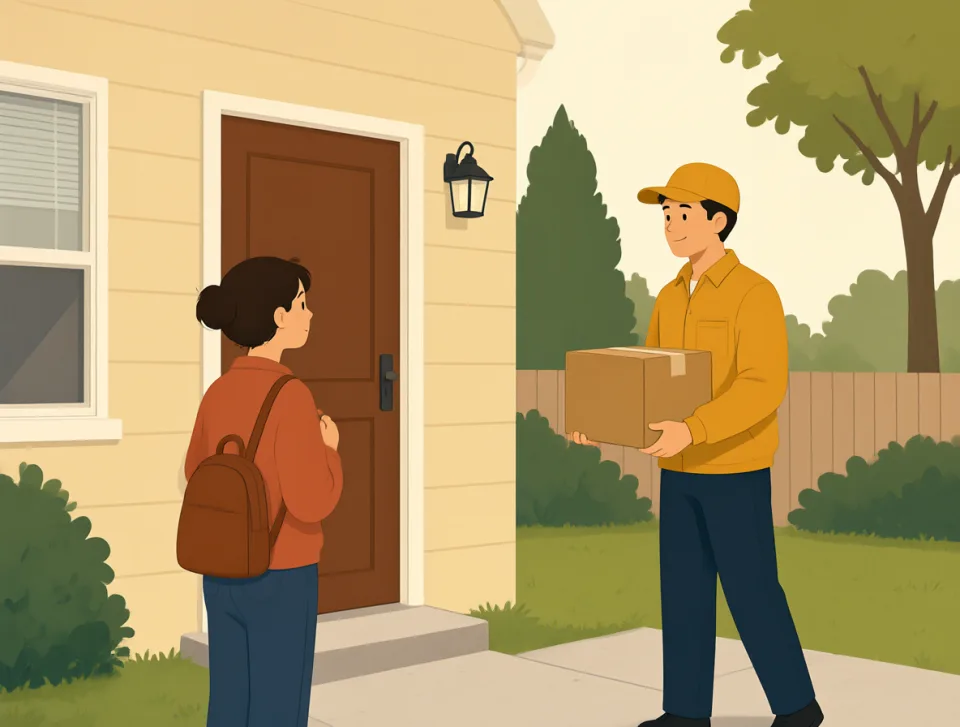
The package ought to arrive before the weekend.
包裹應該會在週末前送到。
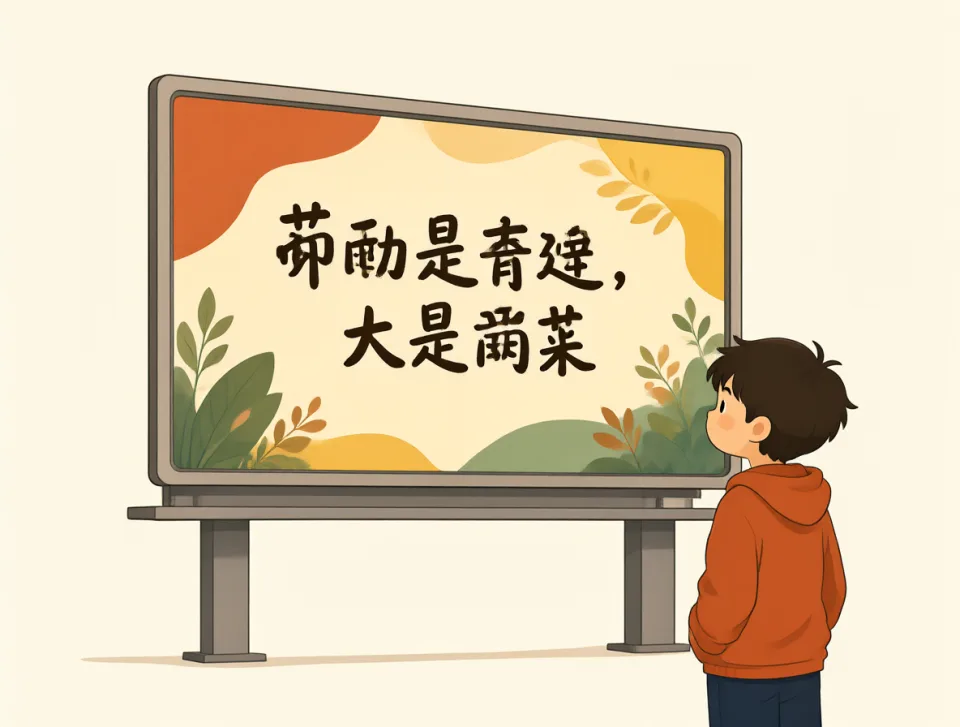
ad
#1478noun
廣告
a notice that tells people about a product, service, event, or job
告知人們某種產品、服務、活動或工作資訊的通知

I saw an ad for a new restaurant on the bus.
我在公交車上看到了一則新餐館的廣告。
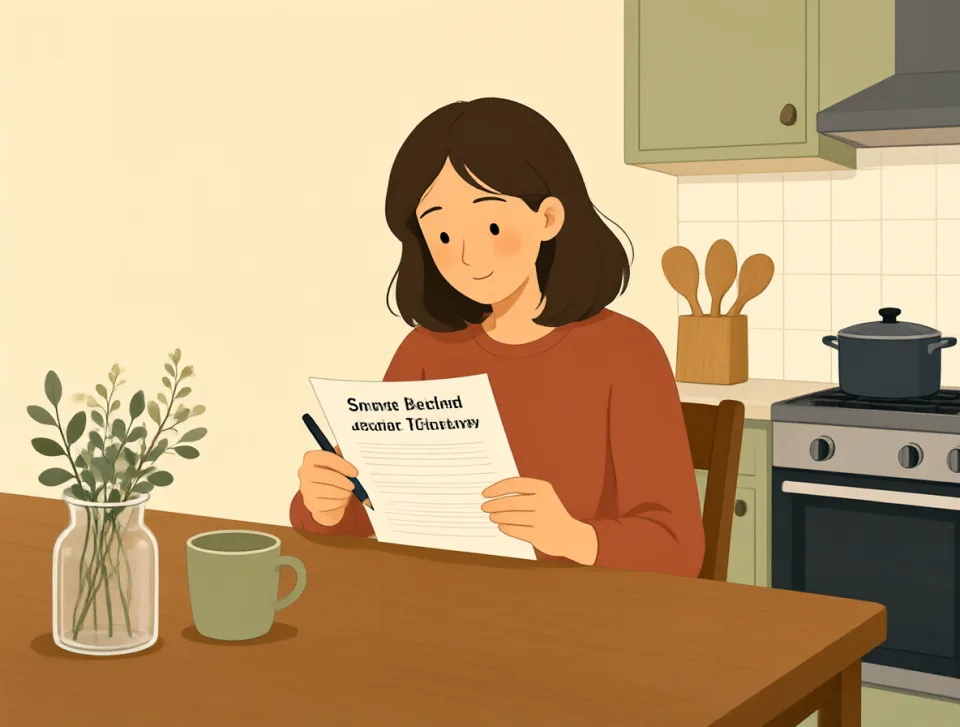
She answered an ad for a part-time job.
她應聘了一則兼職工作的招聘廣告。
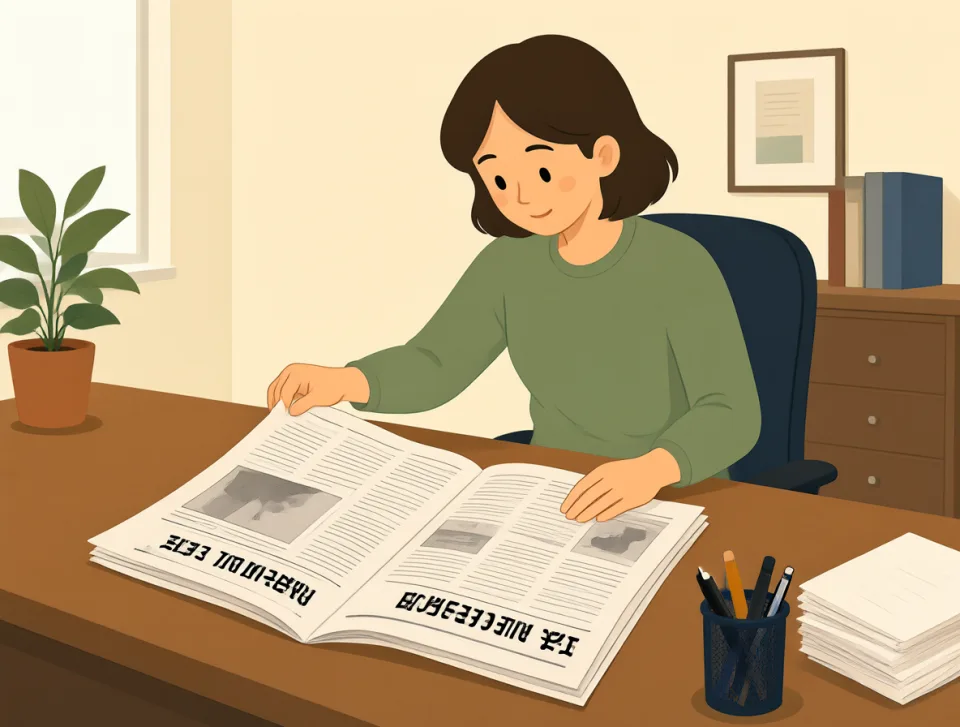
The company placed an ad in the local newspaper.
這家公司在當地報紙上刊登了一則廣告。
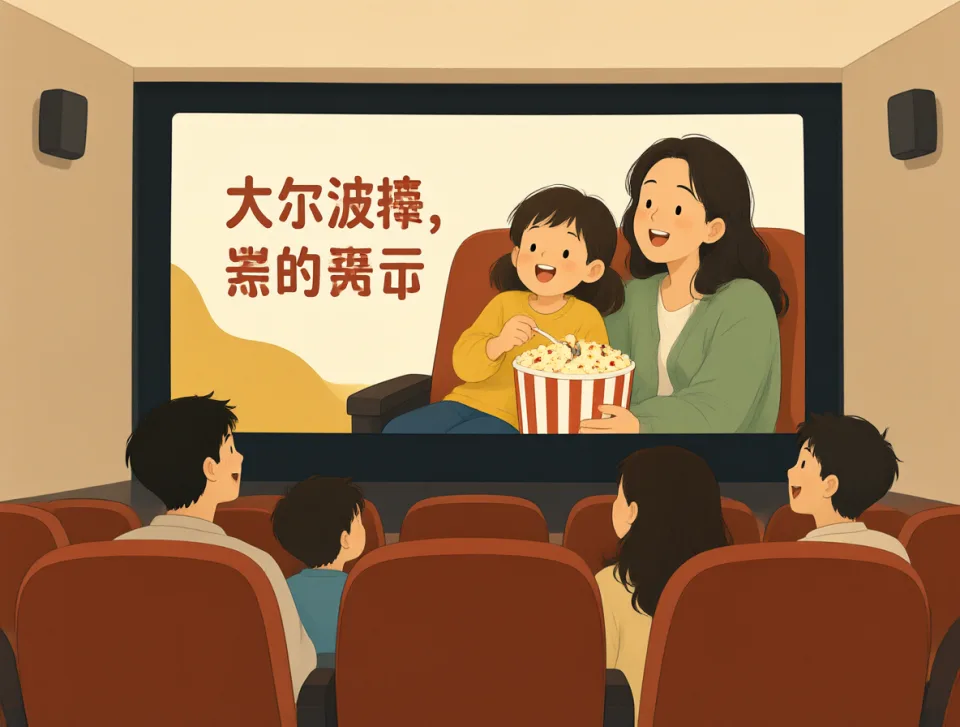
We watched an ad before the movie started.
電影開始前,我們看了一則廣告。
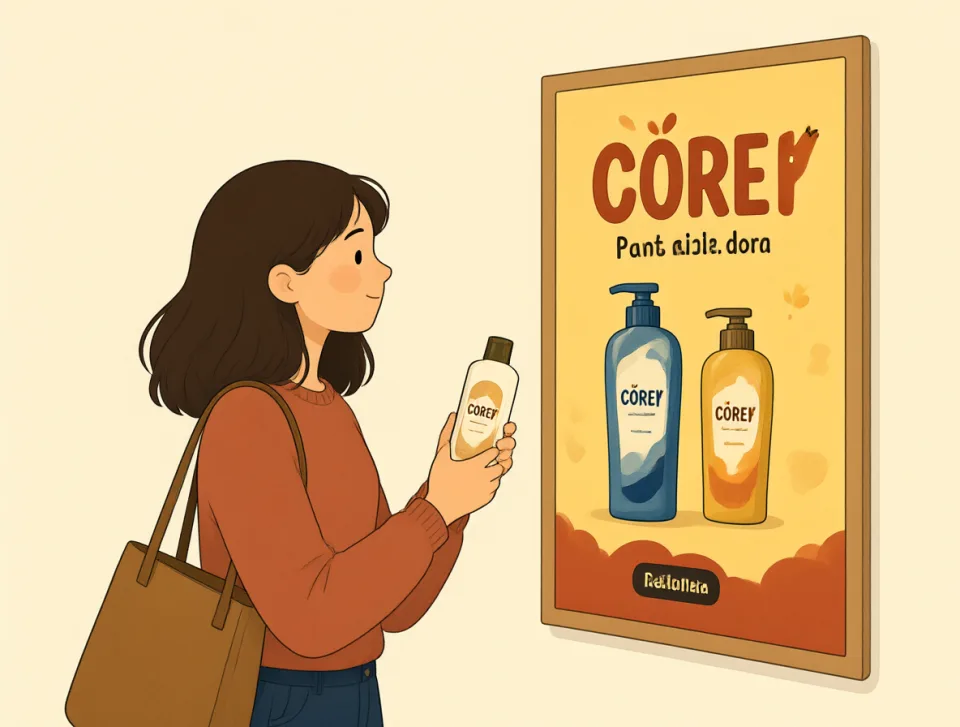
This ad makes the shampoo look perfect for everyone.
這則廣告把這款洗髮水宣傳得好像適合所有人。
fee
#1479noun
費用;收費
an amount of money paid for a service
為某項服務支付的一筆錢

The hotel charges a small fee for parking.
這家酒店收取少量停車費。
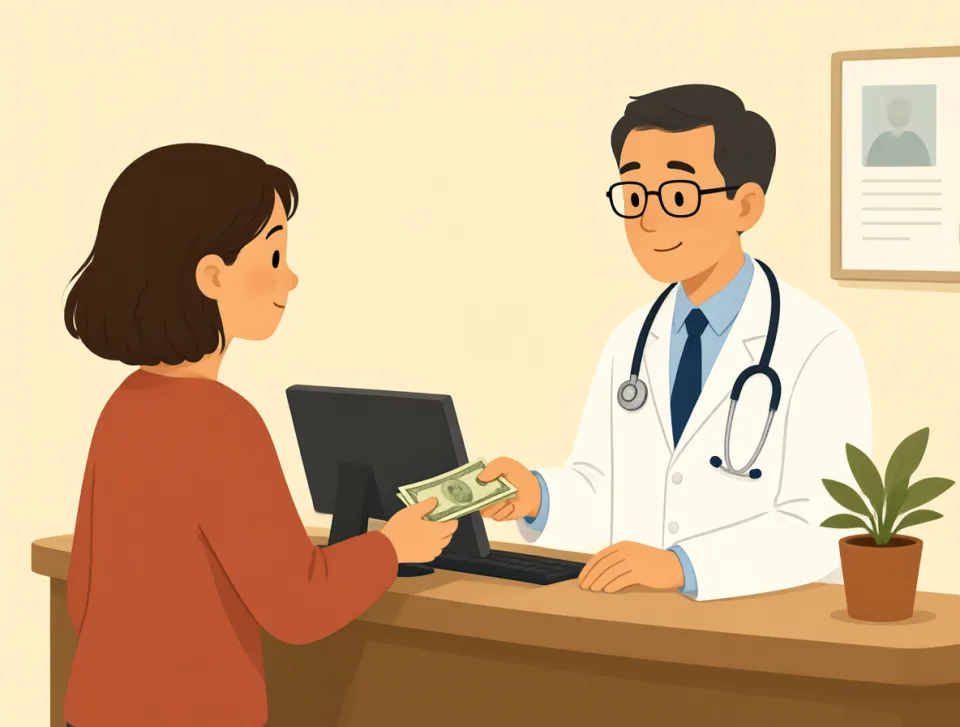
I paid the doctor’s fee after my appointment.
看完醫生後,我付了診費。

There is no delivery fee for orders over fifty dollars.
訂單金額超過五十美元即可免收配送費。

The school asked parents to pay a yearly activity fee.
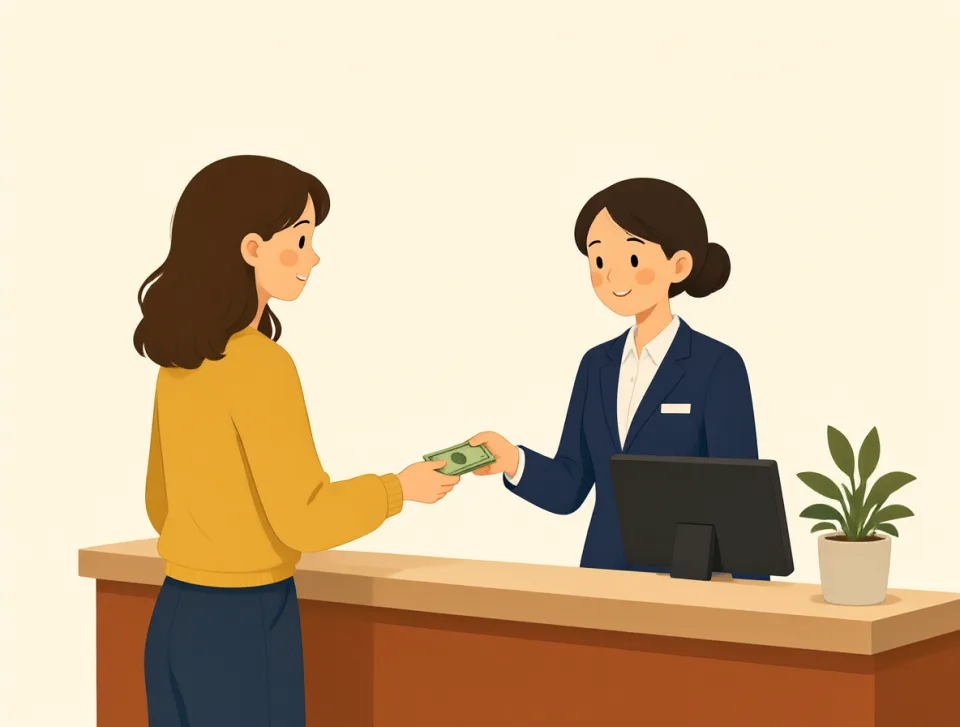
學校要求家長支付每年的活動費。
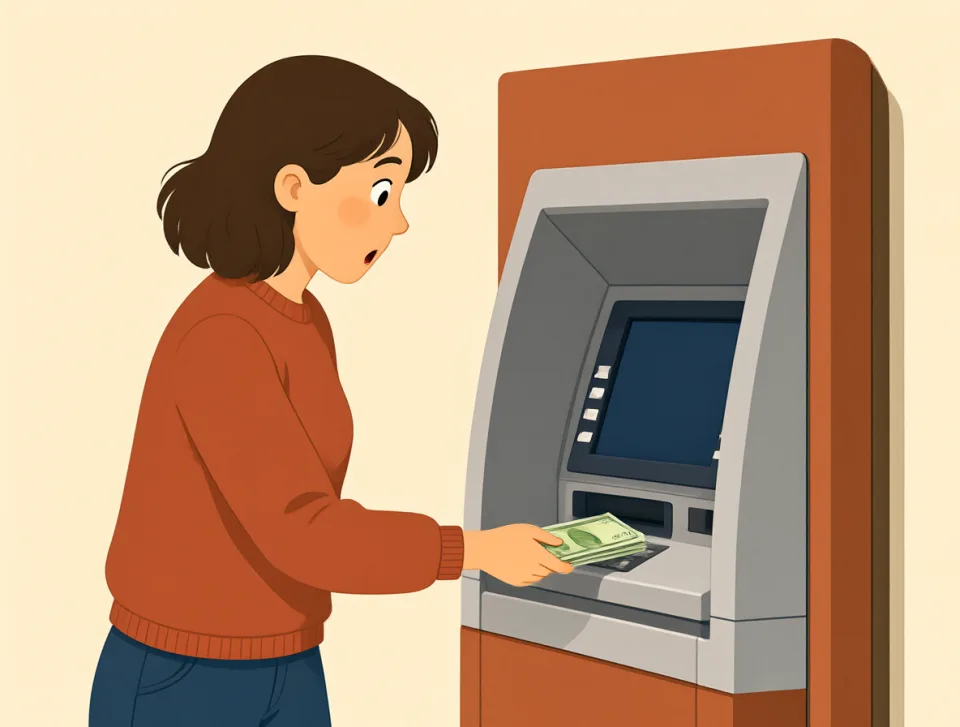
Our bank charges a fee when we use another bank’s ATM.
使用其他銀行的自動取款機時,我們的銀行會收取一筆費用。
hall
#1480noun
走廊; 大廳; 禮堂; 門廳
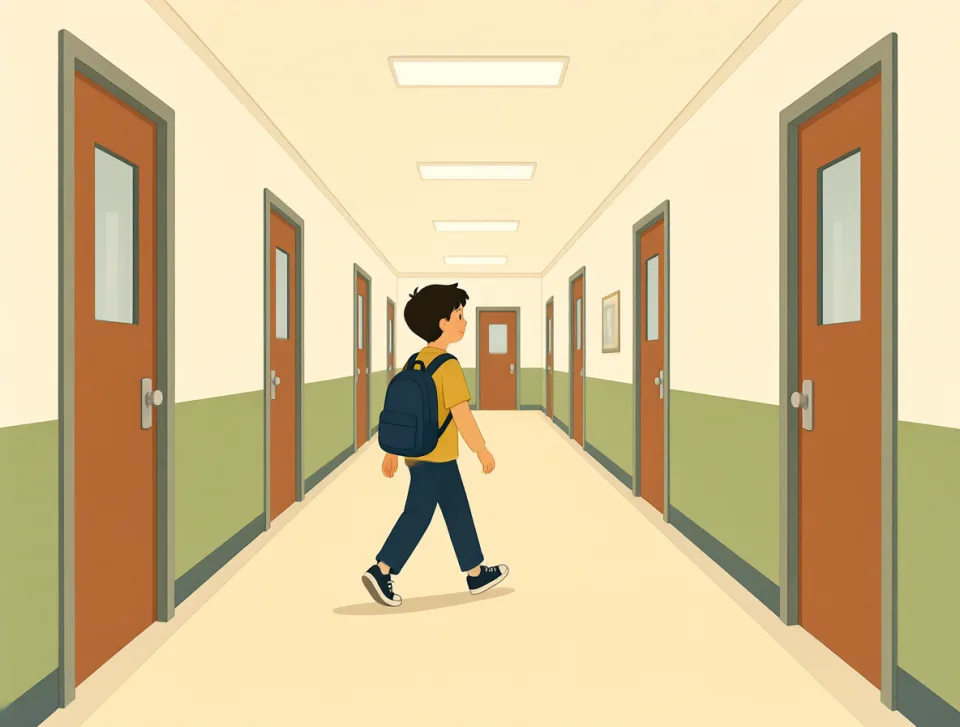
A long passage inside a building, with doors leading to rooms.
建築物內部的一條長通道,兩側有通往各個房間的門。
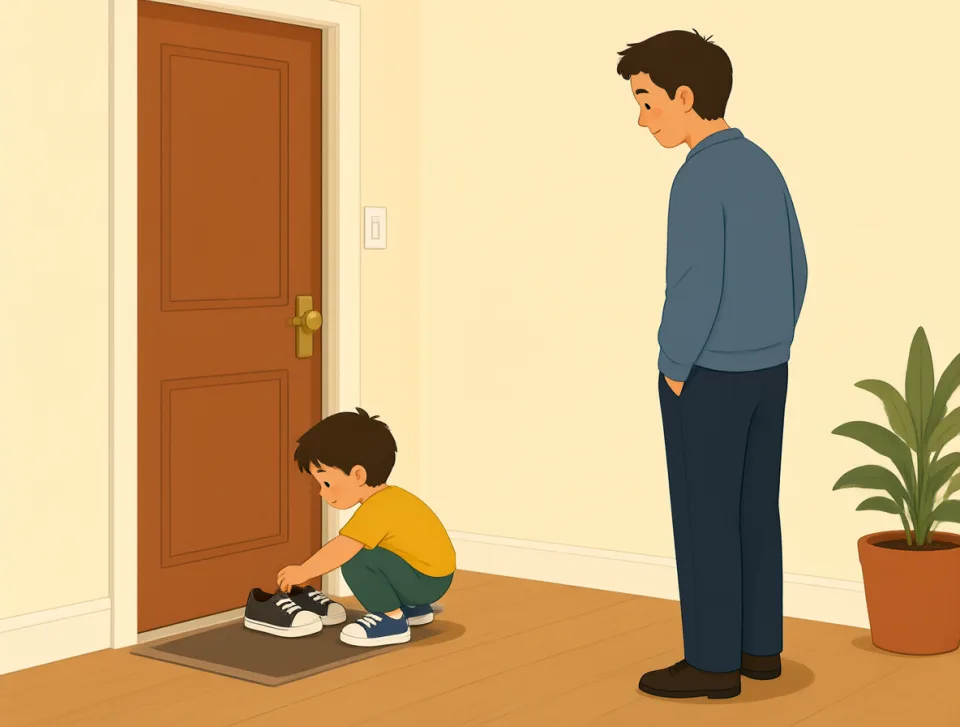
Please leave your shoes in the hall by the front door.
請把鞋放在前門旁邊的門廳裡。

We met in the hotel hall before going to dinner.
我們在去吃晚飯之前在酒店大廳碰了面。

The students gathered in the school hall for a meeting.
學生們聚集在學校禮堂開會。

Her office is at the end of the hall on the left.
她的辦公室在走廊盡頭的左邊。
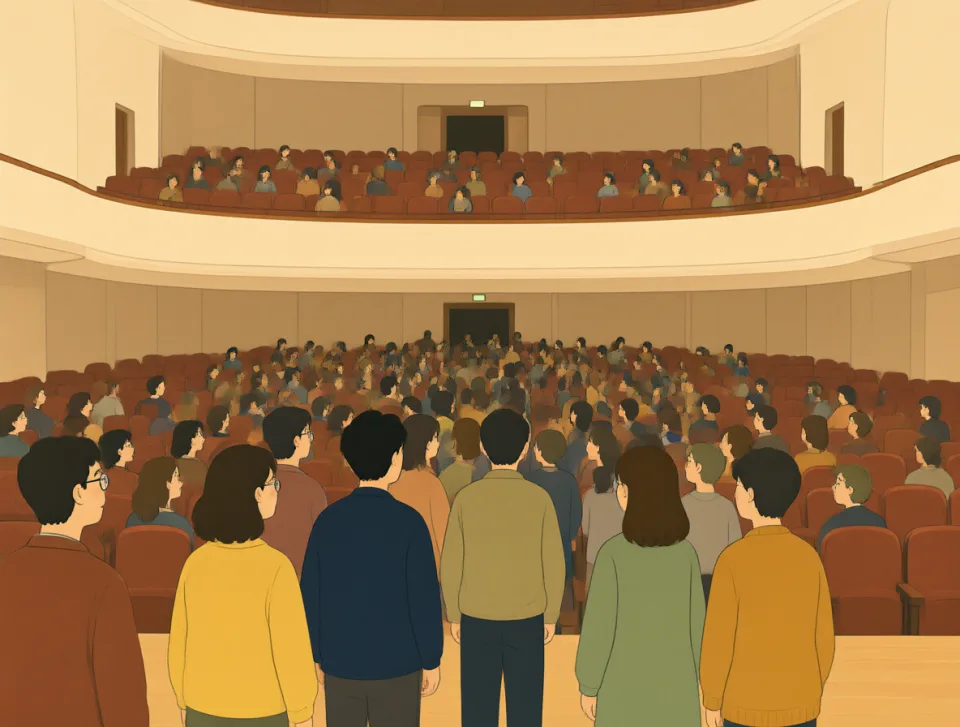
The concert hall was full when we arrived.
我們到達時,音樂廳已經座無虛席。