單元 52
單字 1021–1040 · warm, count, scene, writer, content, prevent

warm
#1021adjective, verb, noun
溫暖的;溫熱的;使變暖;友好的
slightly hot; to make something warmer; friendly and kind
稍微有點熱;使某物變得更暖;友好而善良
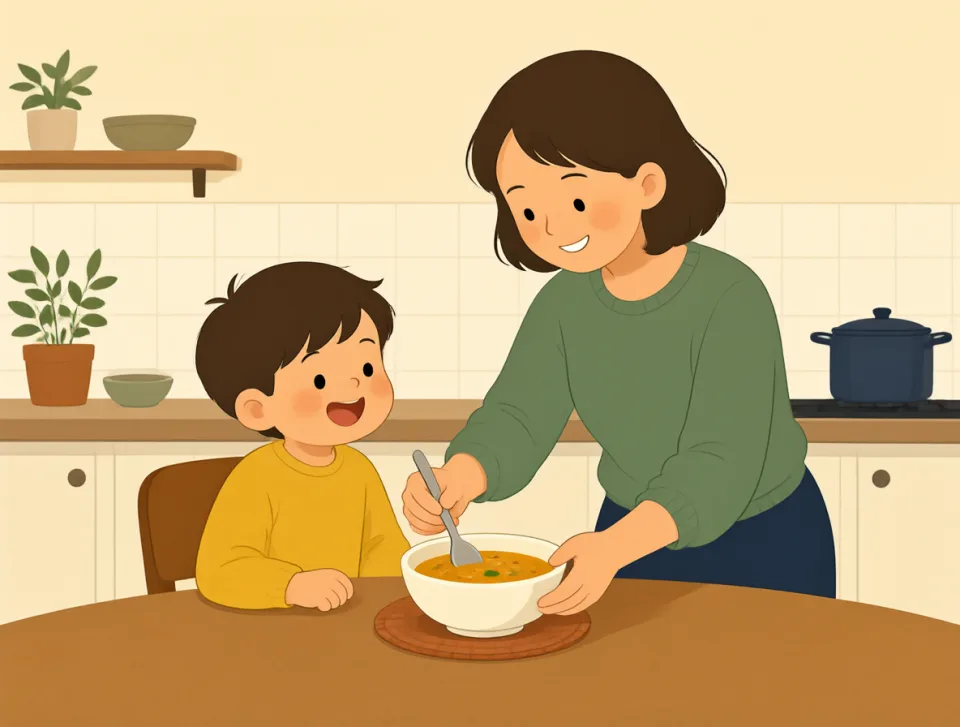
The soup is still warm, so you can eat it now.
湯還是溫的,所以你現在可以喝了。
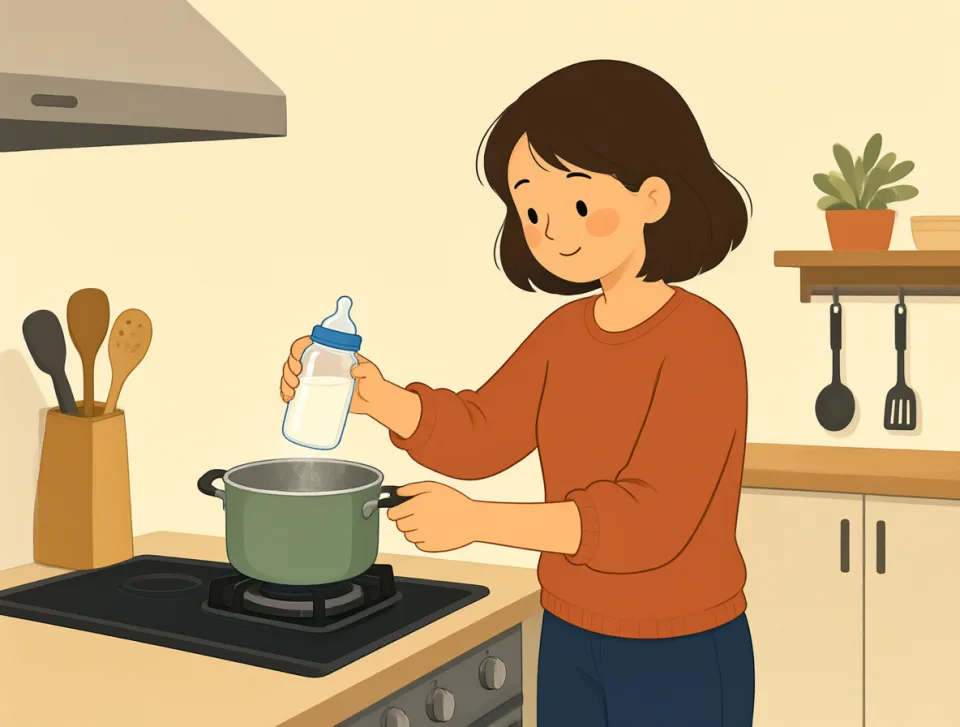
Please warm the milk before giving it to the baby.
給寶寶喝牛奶前,請先把牛奶熱一下。

We wore warm coats during our winter trip to Canada.
我們去加拿大過冬時穿著保暖的外套。

She gave me a warm smile when I arrived at work.
我到公司時,她對我露出了友好的微笑。

The warm afternoon made everyone want to sit outside.
溫暖的午後讓大家都想坐在戶外。
count
#1022verb, noun
數;計算;包括;依靠
To include someone or something, or to find the total number of things.
把某人或某物算在內,或找出事物的總數。
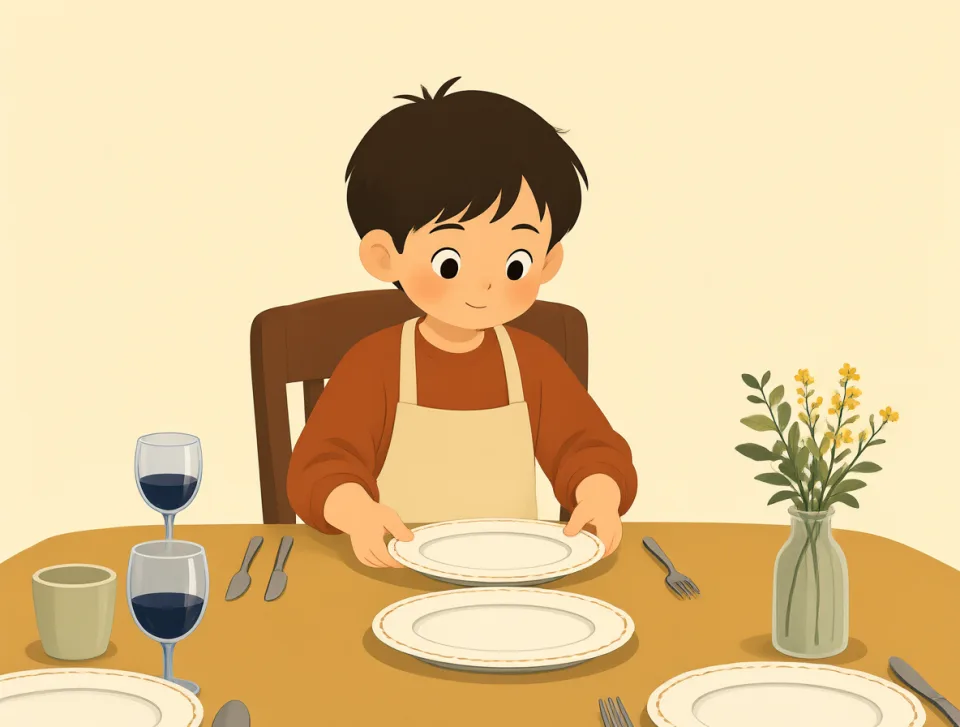
Please count the plates before dinner starts.
請在晚餐開始前數一數盤子。

You can count on Maria to help with the project.
你可以指望瑪麗亞幫忙完成這個專案。
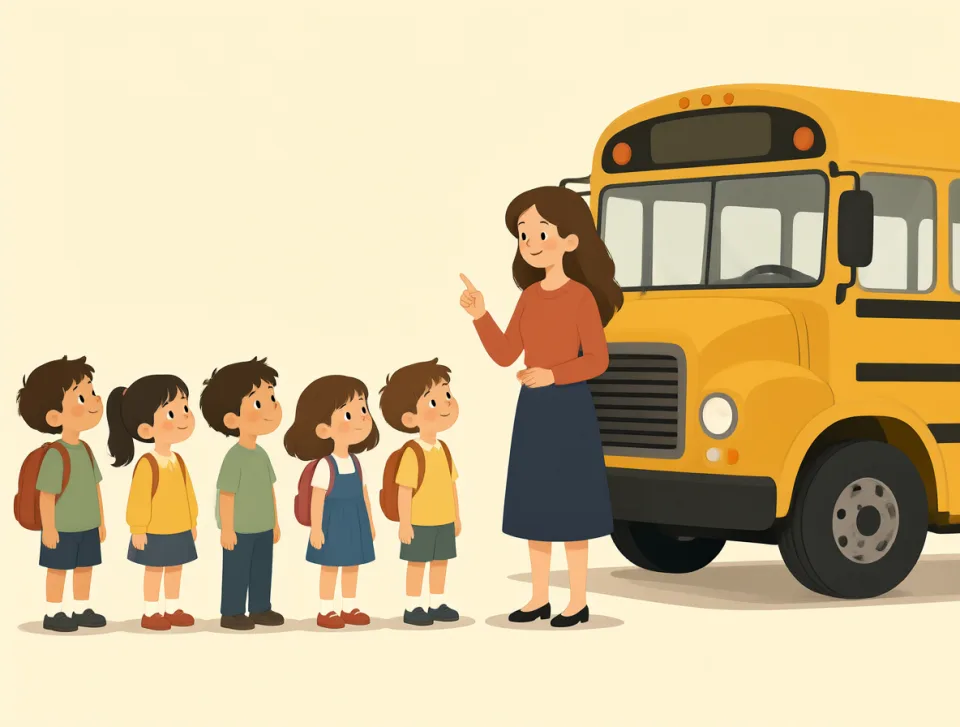
The teacher counted the students before the bus left.
老師在校車開走前清點了學生人數。
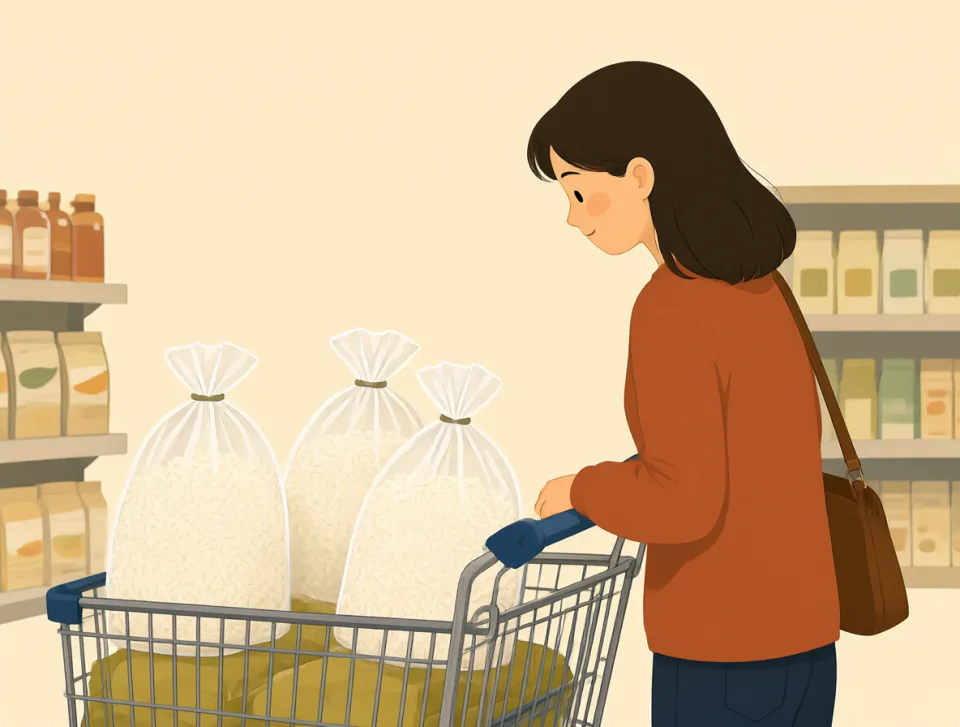
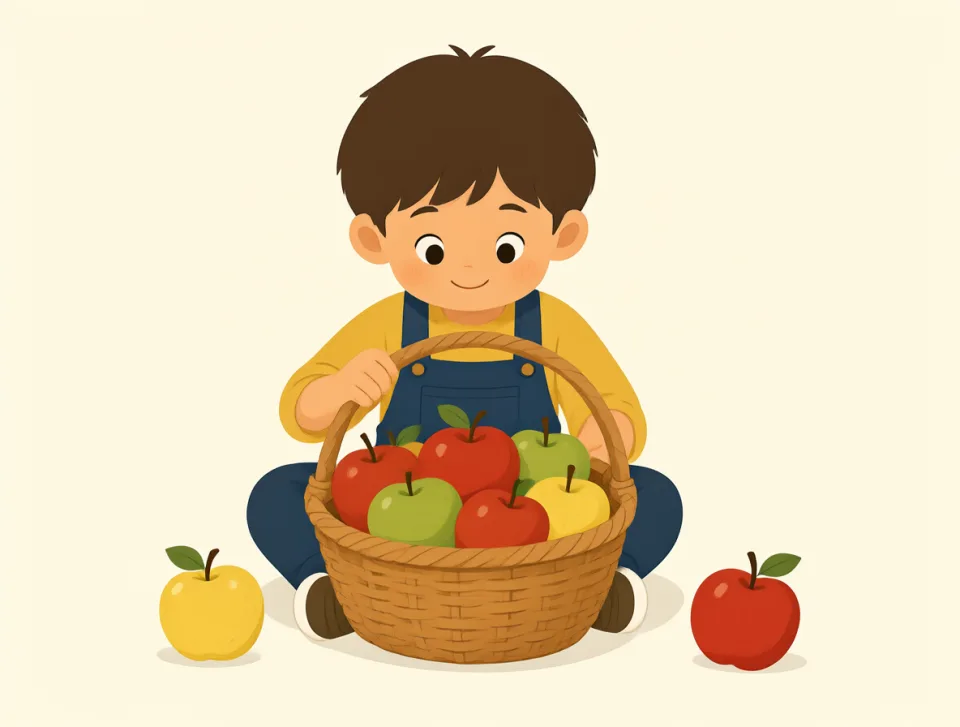
I counted three bags of rice in the shopping cart.
我數了數購物車裡有三袋米。
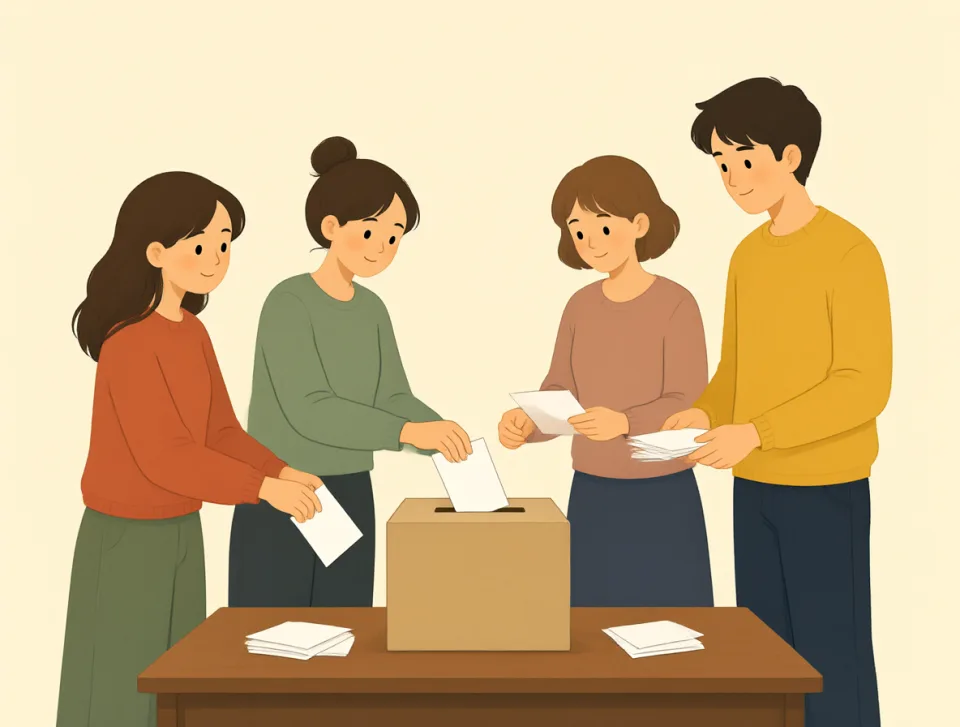
Every vote counts when people choose a new leader.
人們選舉新領導人時,每一票都很重要。

scene
#1023noun
場景; 現場; 鬧劇
a place and the people or events seen there, especially in a film, play, or real situation
一個地點,以及在那裡看到的人或發生的事情,尤其是電影、戲劇或現實情境中的場景

The opening scene of the movie takes place at a busy airport.
這部電影的開場場景發生在一個繁忙的機場。
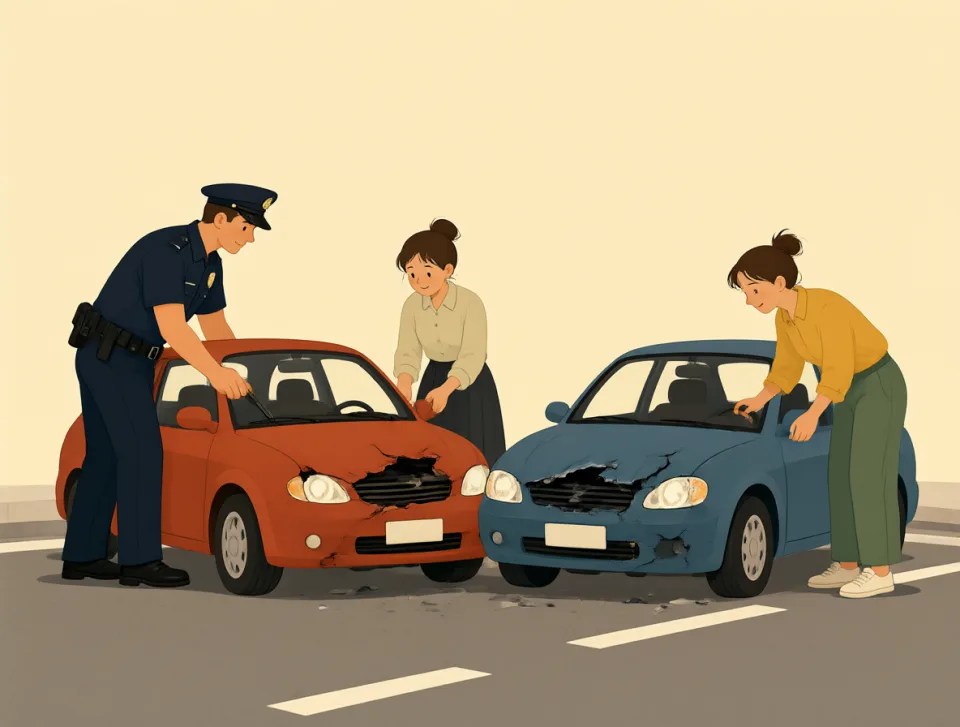
Police arrived quickly after a car accident at the scene.
一場車禍發生後,警察很快趕到了現場。
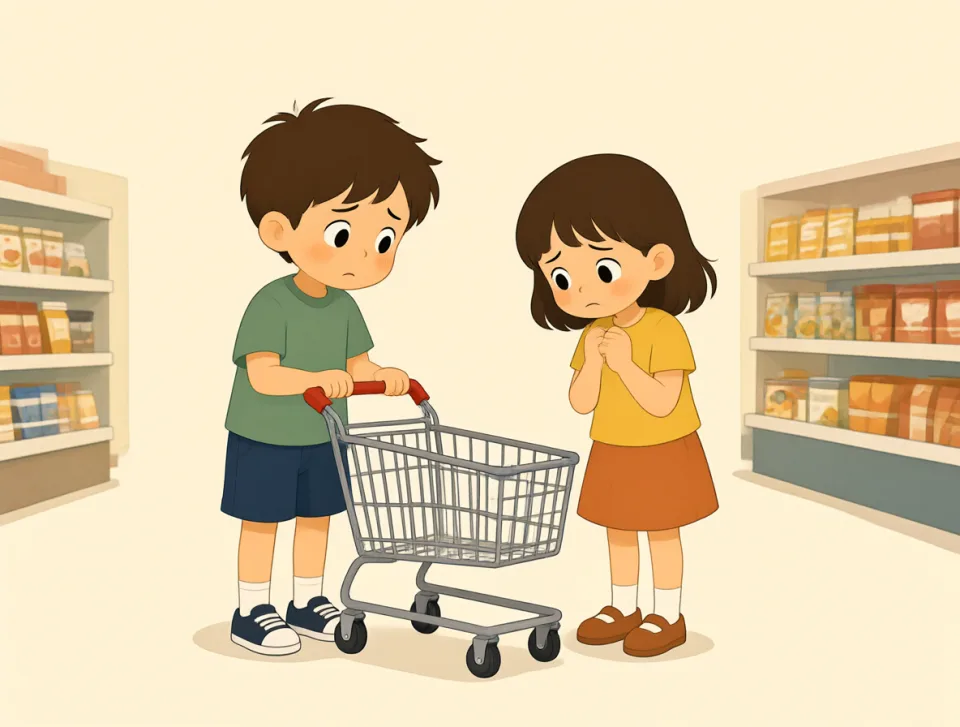
The children made a funny scene in the supermarket yesterday.
孩子們昨天在超市鬧了個笑話。
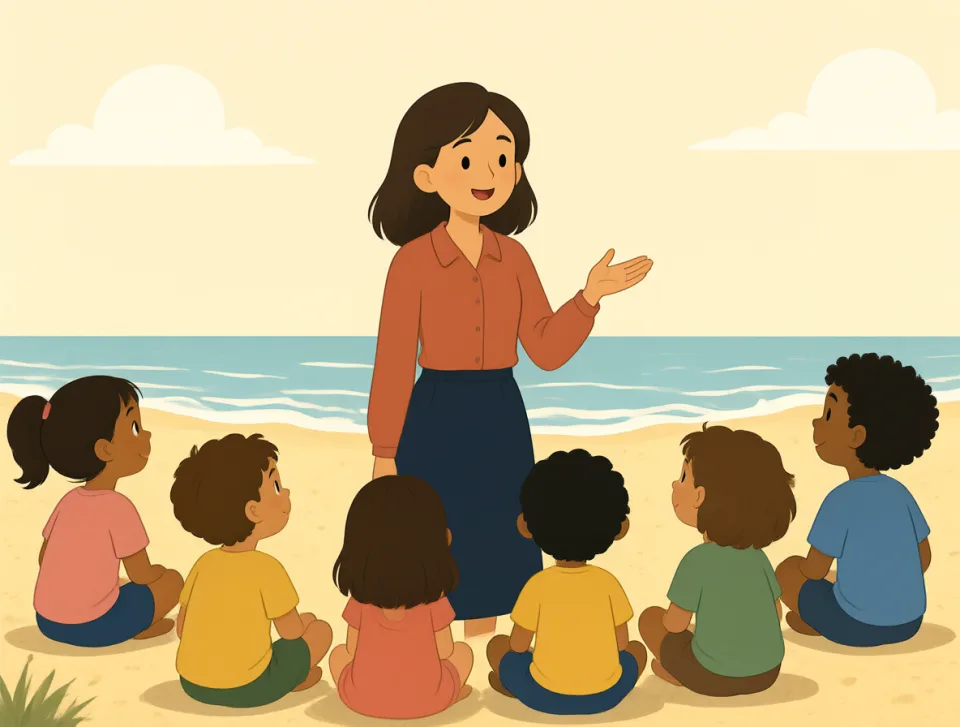
Our teacher described a quiet beach scene in her story.
我們的老師在她的故事中描述了一幅寧靜的海灘景象。
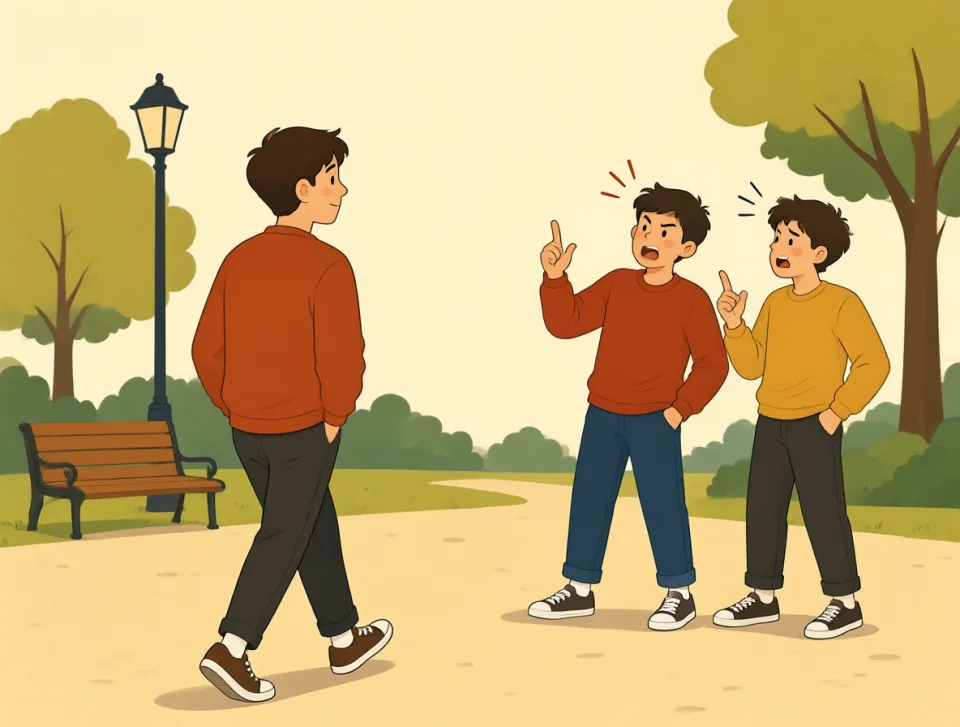
He left the scene when his friends started arguing.
他的朋友開始爭吵後,他離開了現場。
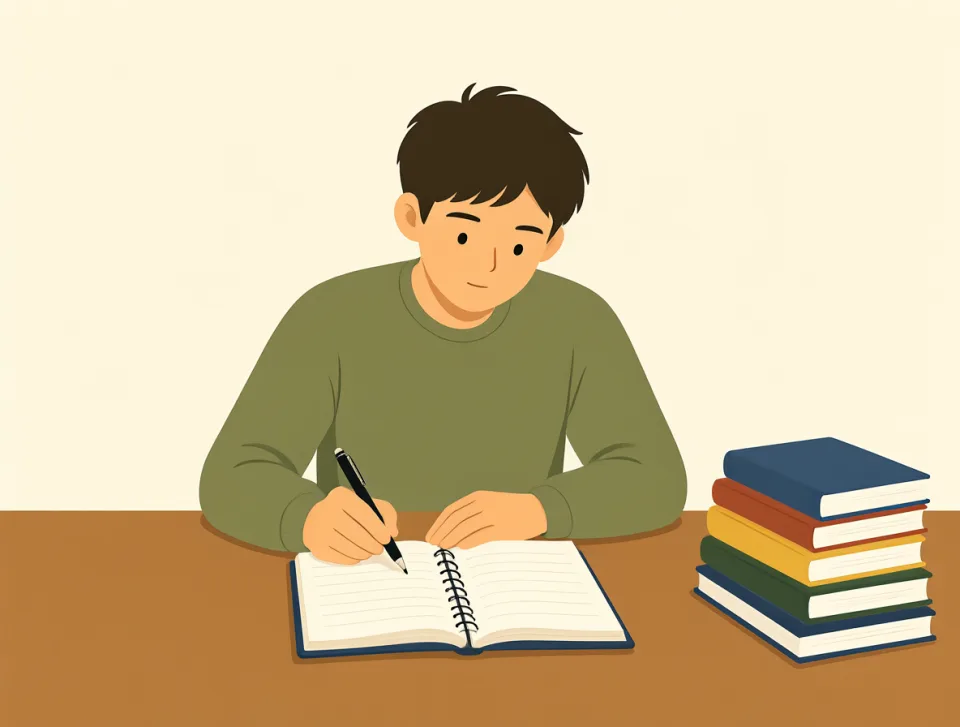
writer
#1024noun
作家; 作者
A person who writes books, stories, articles, or other texts.
寫書、故事、文章或其他文字的人。

The writer published her first novel last year.
這位作家去年出版了她的第一部小說。

My favorite writer creates exciting stories about travel.
我最喜歡的作家創作關於旅行的精彩故事。
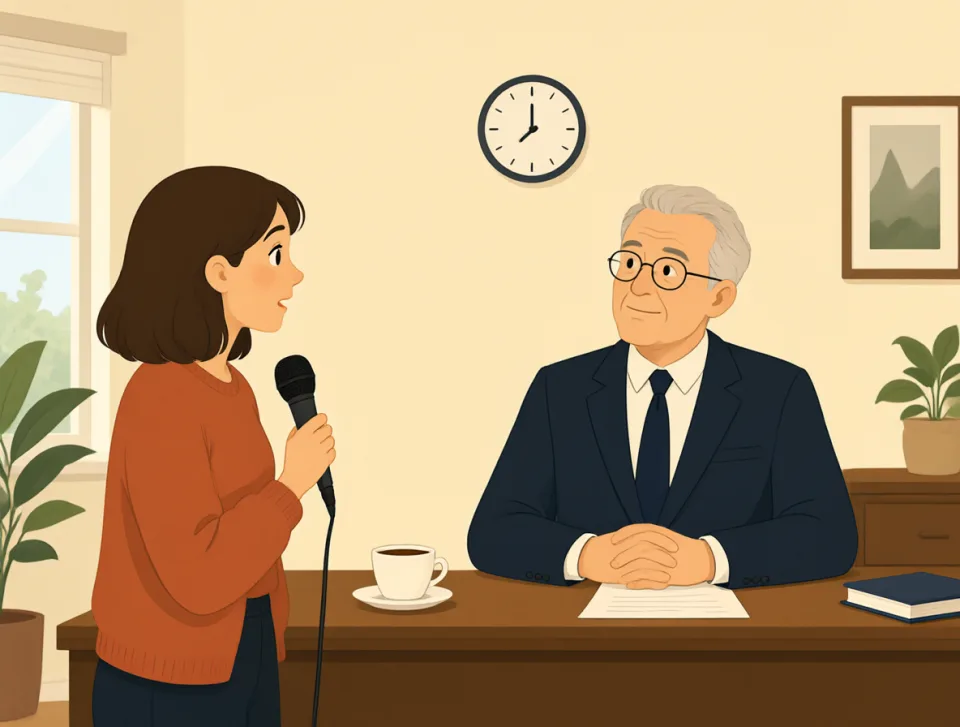
The newspaper writer interviewed the mayor yesterday.
這位報紙記者昨天採訪了市長。

Our teacher invited a children's writer to speak at school.
我們的老師邀請了一位兒童文學作家到學校演講。
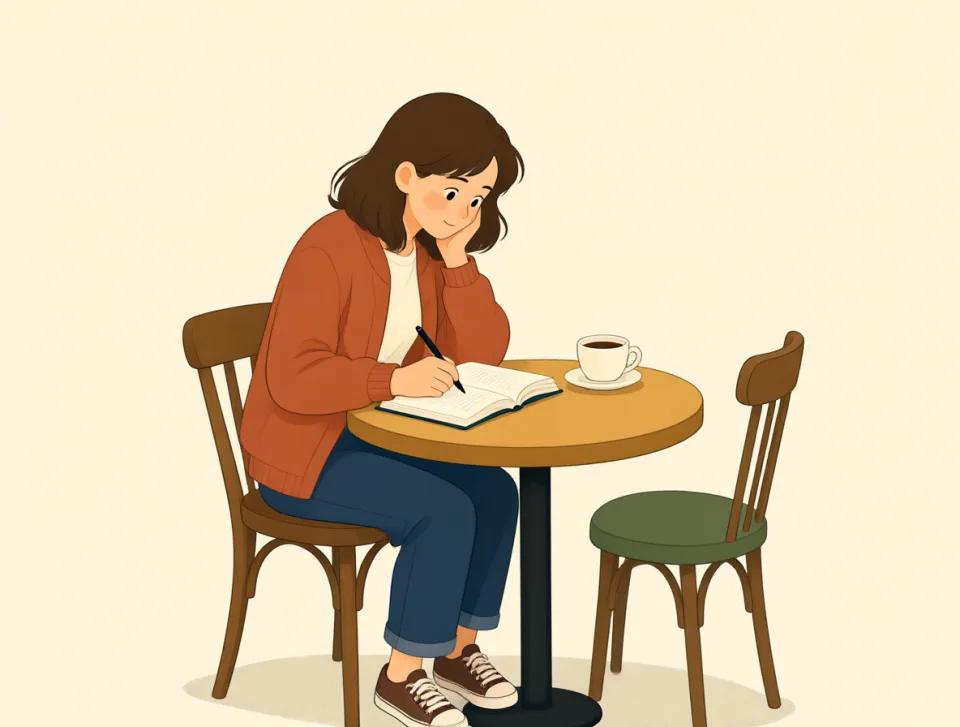
The writer worked quietly in a café all morning.
這位作家整個上午都在咖啡館裡安靜地工作。
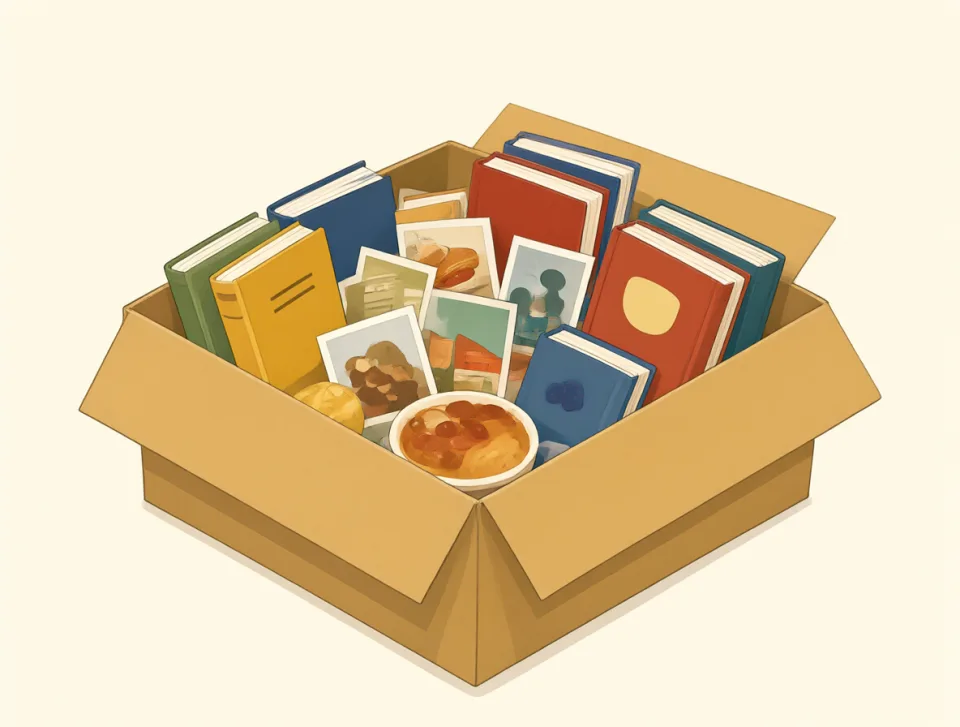
content
#1025noun, adjective, verb
內容;含量;滿意的;使滿意
The ideas, information, or material inside something; happy and satisfied; to make someone happy.
某物裡面的想法、資訊或材料;感到快樂和滿足;使某人感到快樂。
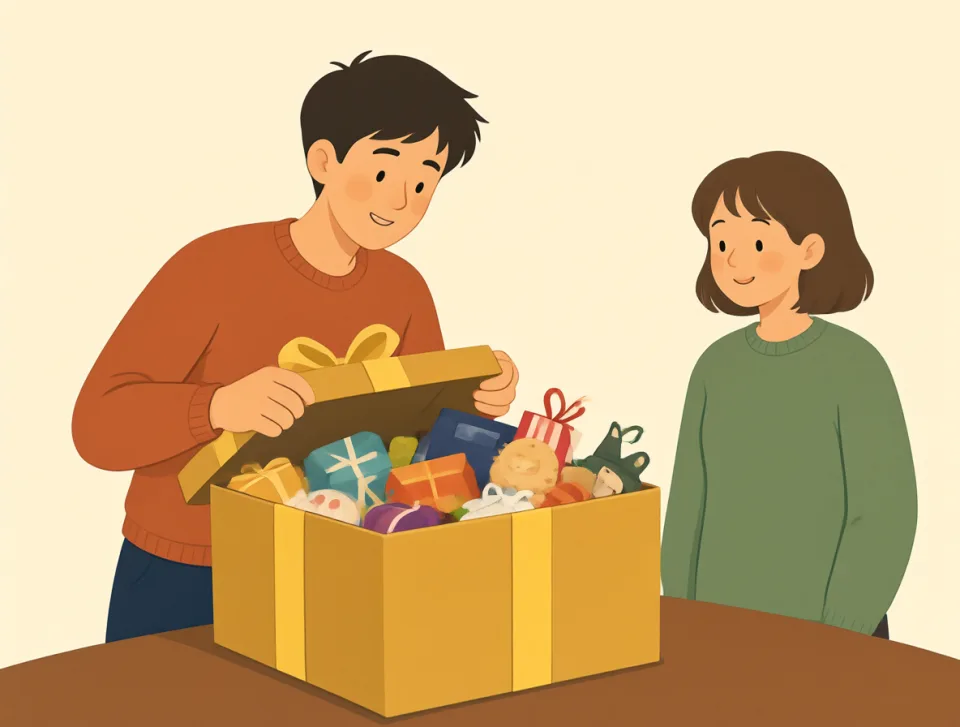
The content of this box is a surprise for you.
這個盒子裡的東西是給你的驚喜。
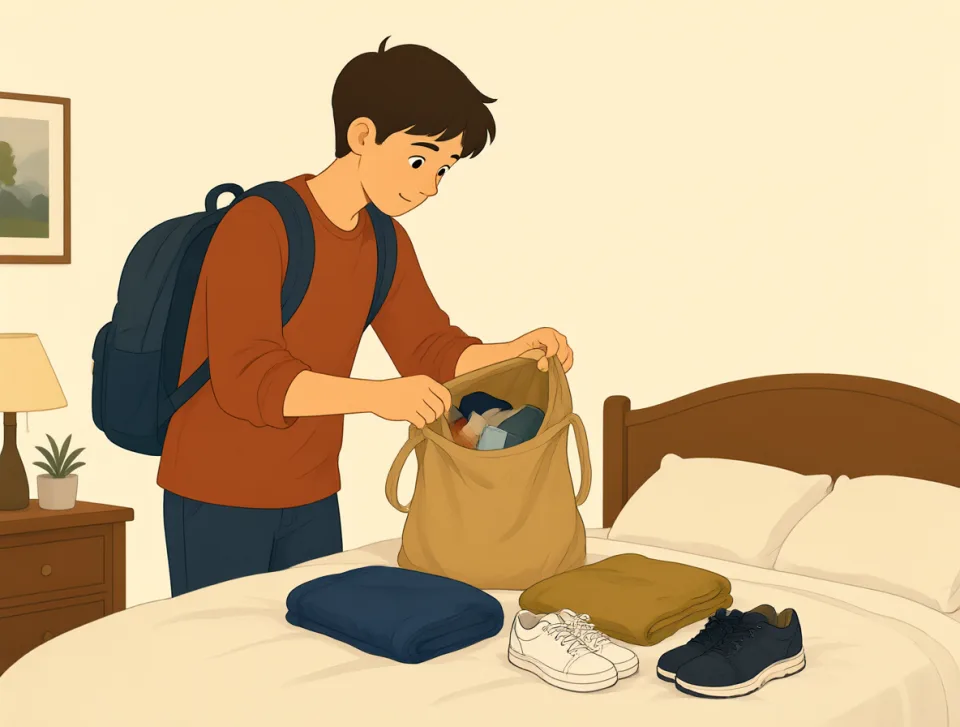
Please check the contents of your bag before leaving.
離開前請檢查一下包裡的東西。
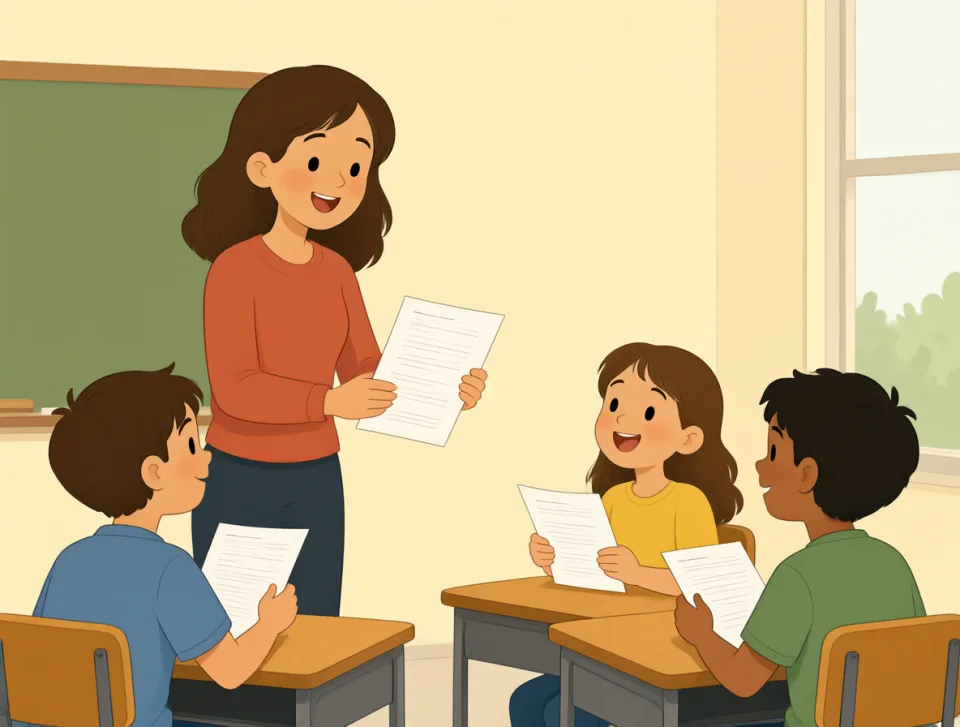
The teacher shared useful online content with the class.
老師和全班同學分享了有用的線上內容。
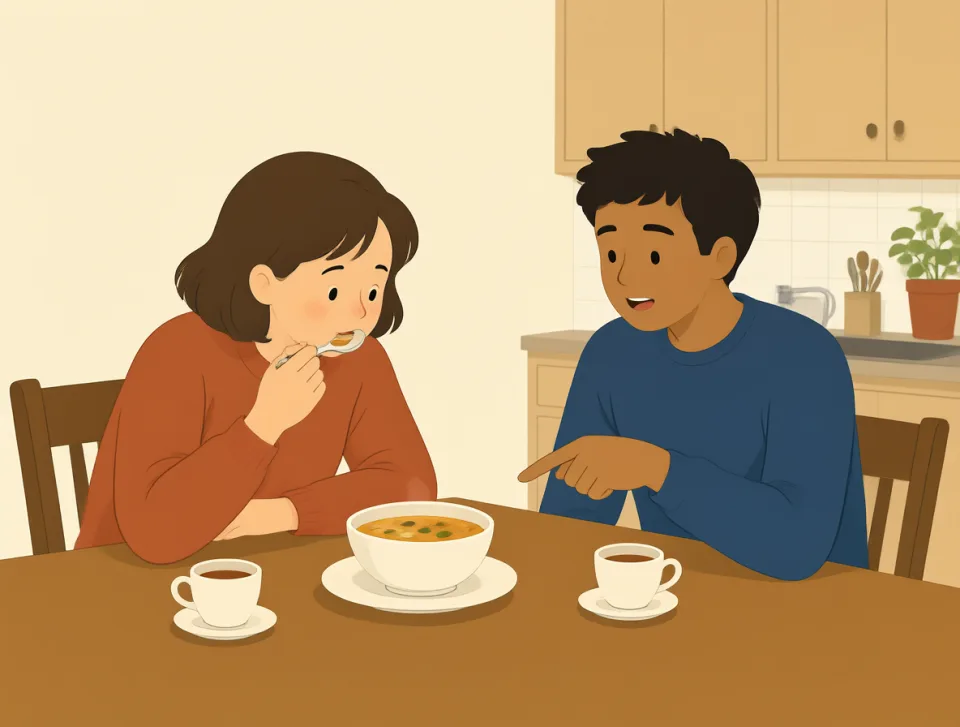
The soup has a high salt content, so eat less.
這道湯的含鹽量很高,所以少喝一點。
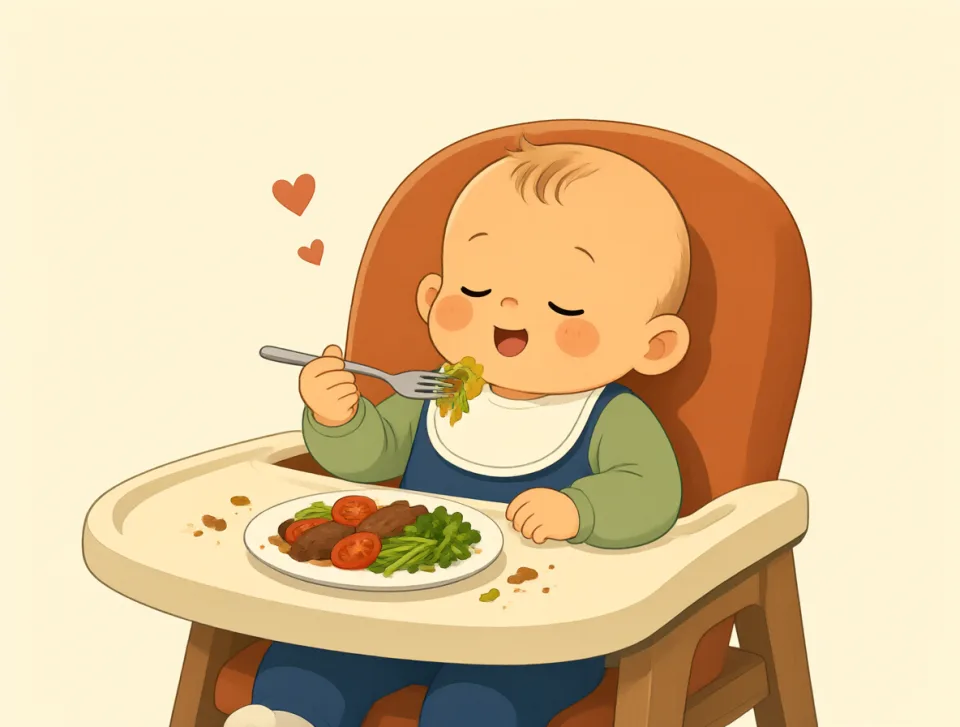
After dinner, the baby was content and fell asleep.
晚飯後,寶寶感到很滿足,很快就睡著了。
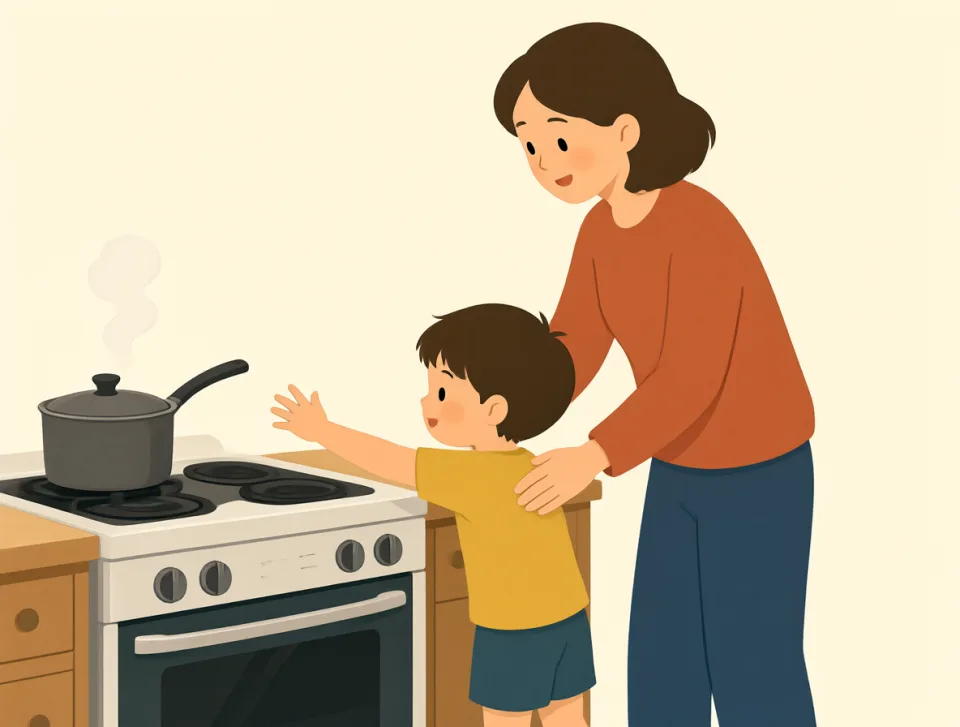
prevent
#1026verb
防止;預防;阻止
to stop something from happening or someone from doing something
防止某事發生或阻止某人做某事
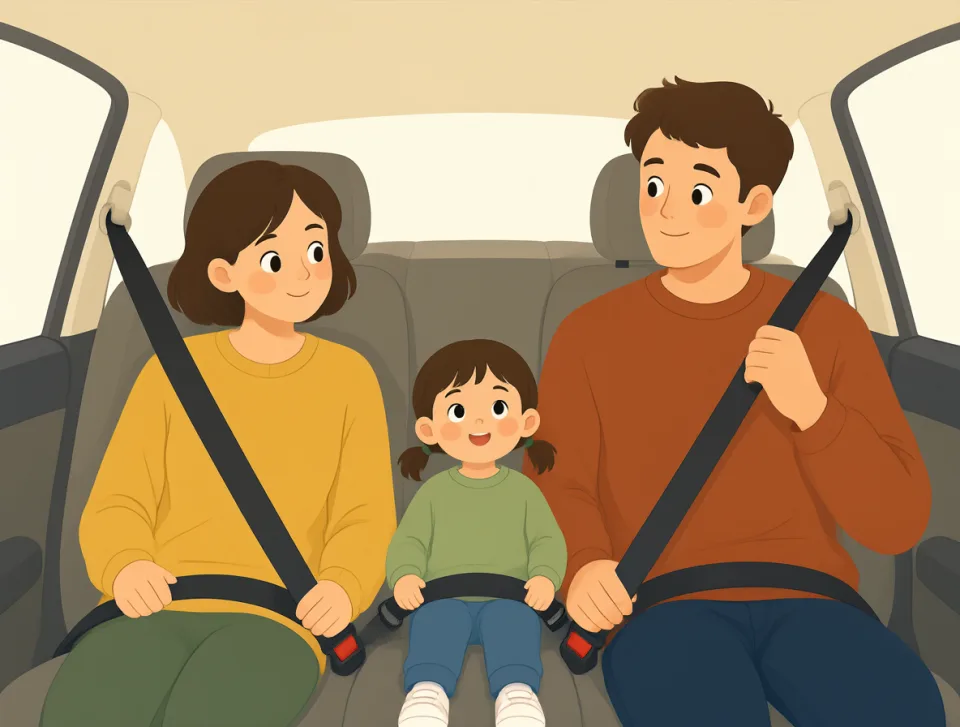
Wearing a seat belt can prevent serious injuries in a car accident.
在車禍中,系安全帶可以防止嚴重受傷。
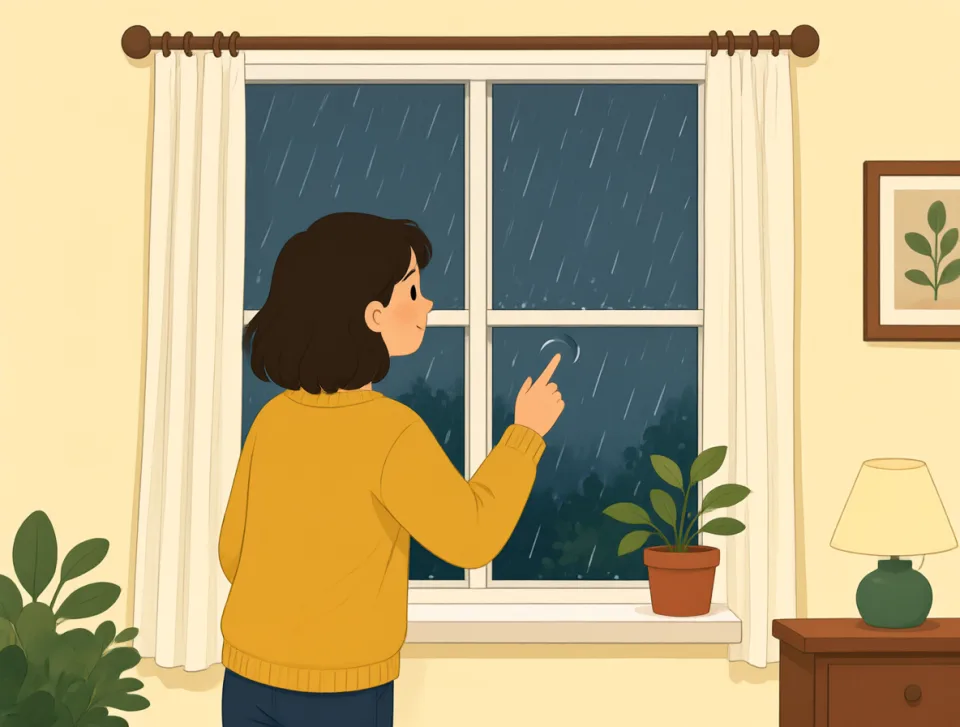
Please close the window to prevent the rain from coming inside.
請關上窗戶,防止雨飄進來。
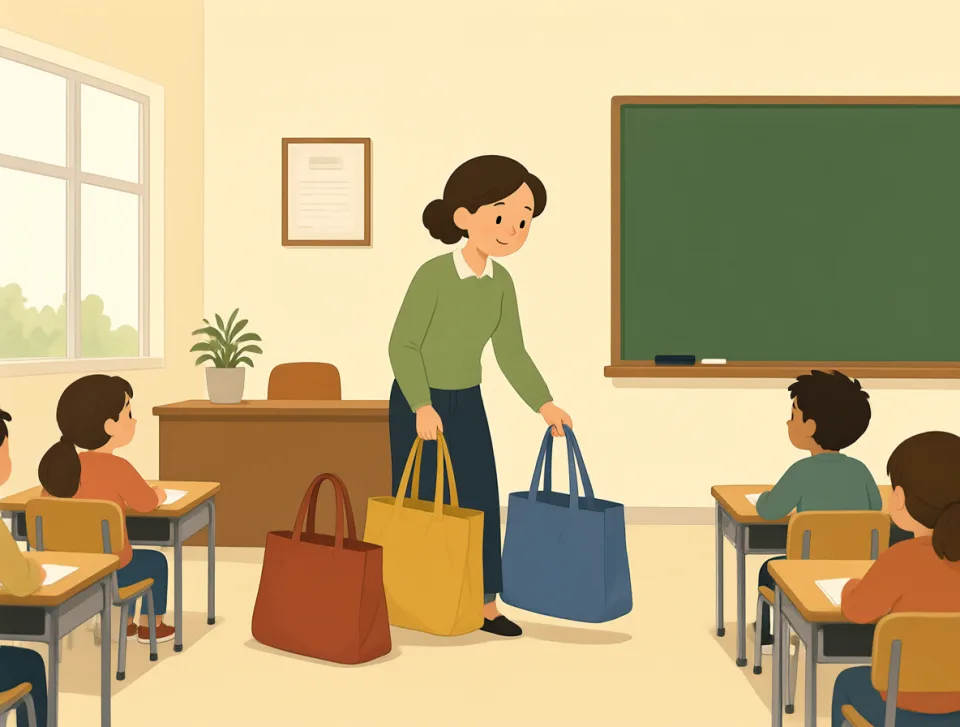
The teacher moved the bags to prevent students from tripping.
老師把袋子挪開,以防學生被絆倒。
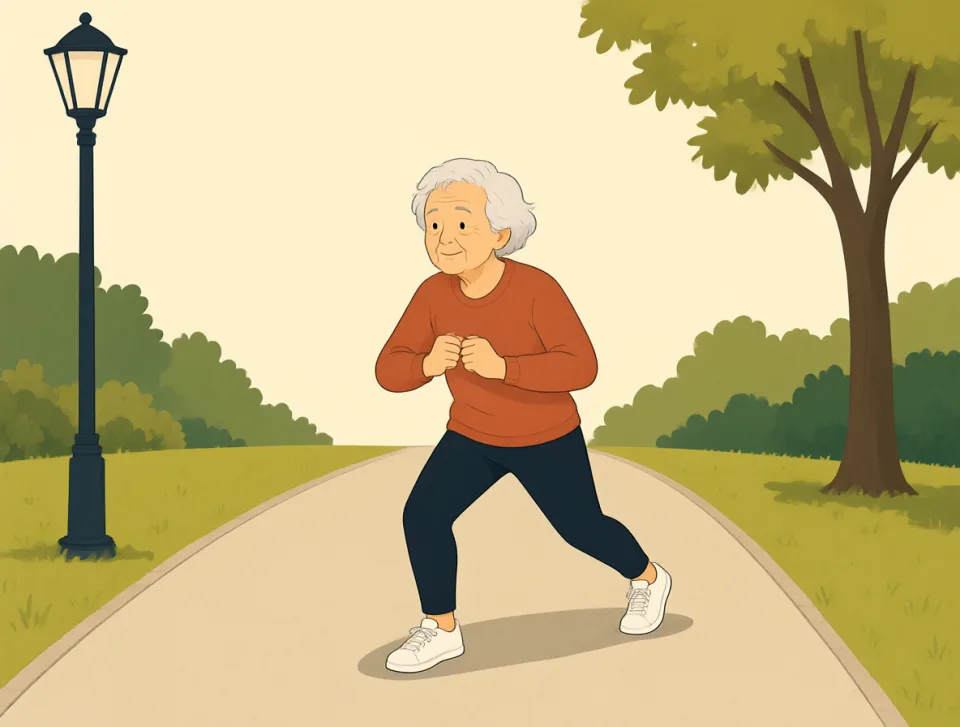
Regular exercise may help prevent heart disease later in life.
經常鍛鍊可能有助於預防日後患心臟病。
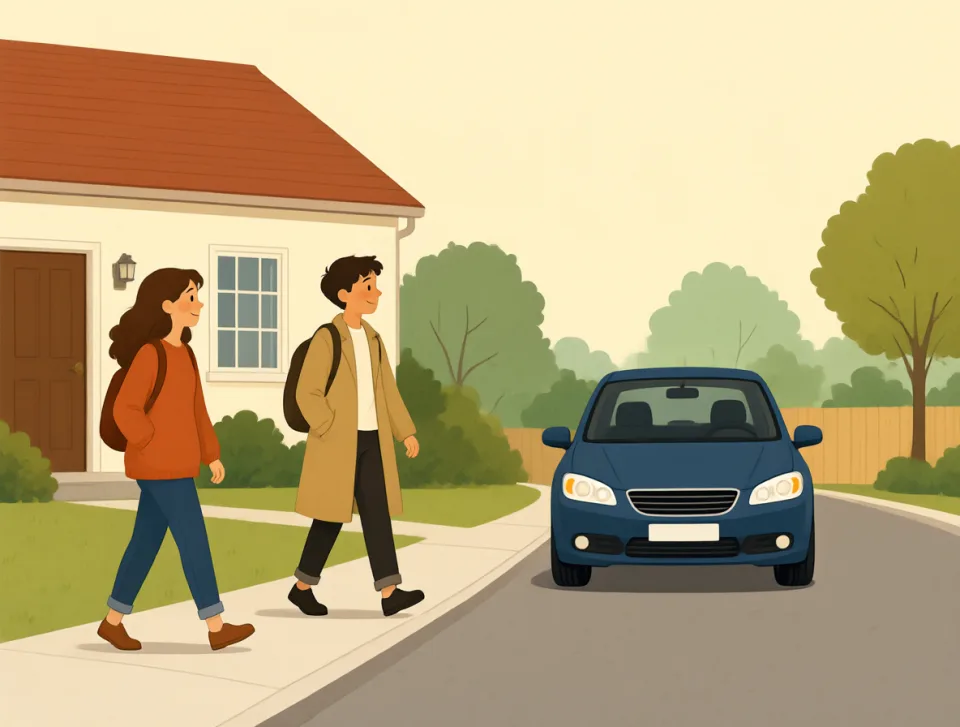
We left early to prevent traffic from making us late.
我們提前出發,以免交通擁堵讓我們遲到。
safe
#1027adjective, noun
安全的; 保險箱
Protected from danger, harm, or loss; a strong metal box for keeping valuable things.
不受危險、傷害或損失威脅的;用來存放貴重物品的堅固金屬箱。
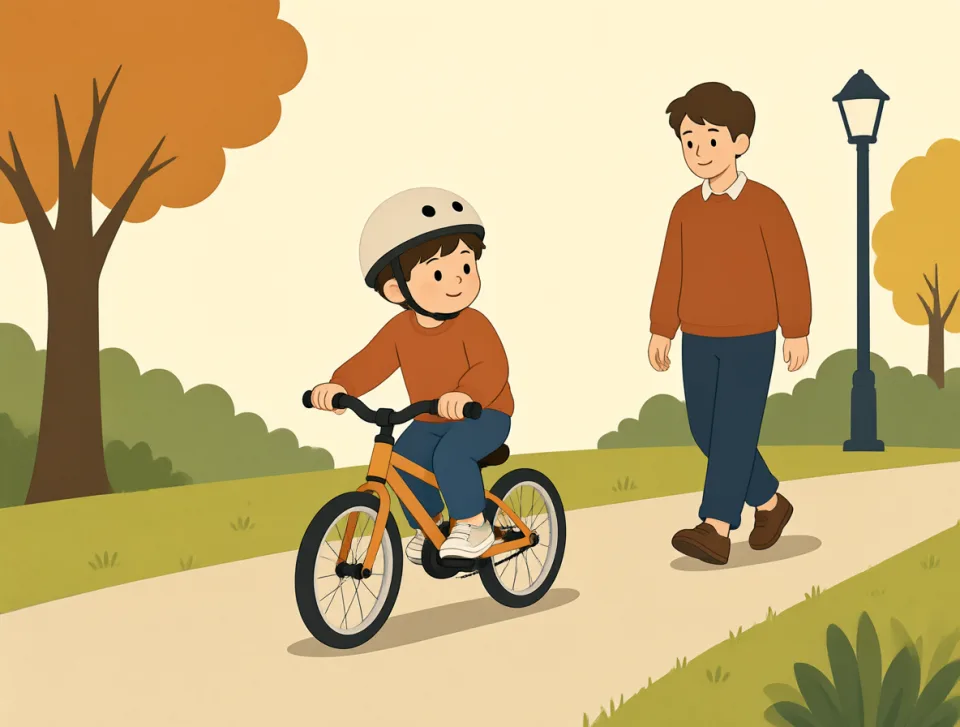
Always wear a helmet to stay safe while riding your bike.
騎腳踏車時一定要戴頭盔,以確保安全。
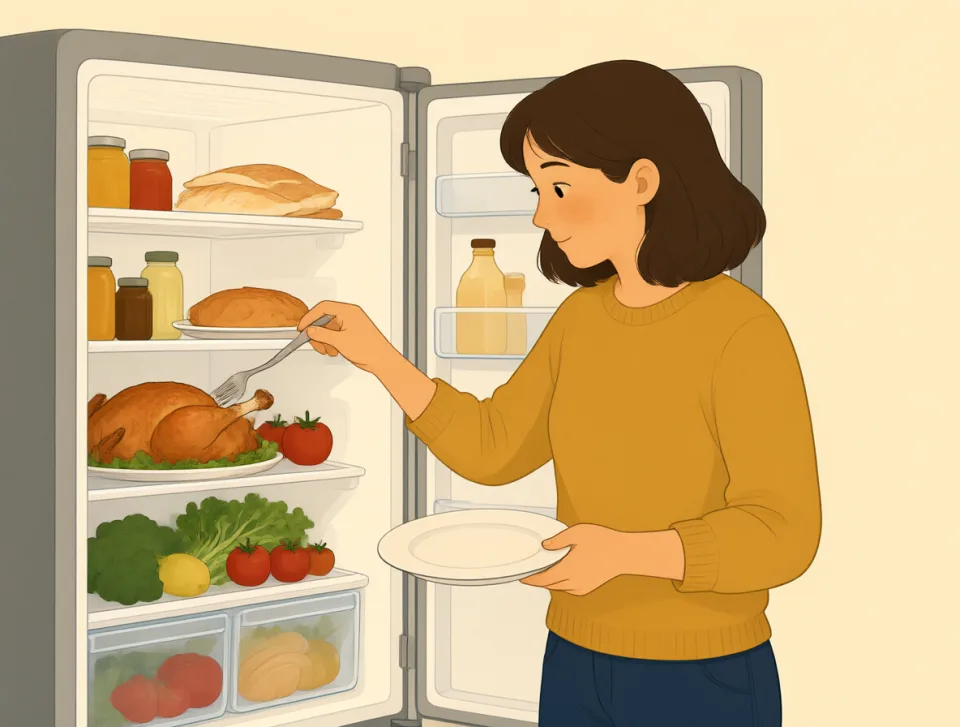
Is this chicken safe to eat after three days in the fridge?
這隻雞肉放在冰箱裡三天後還能吃嗎?
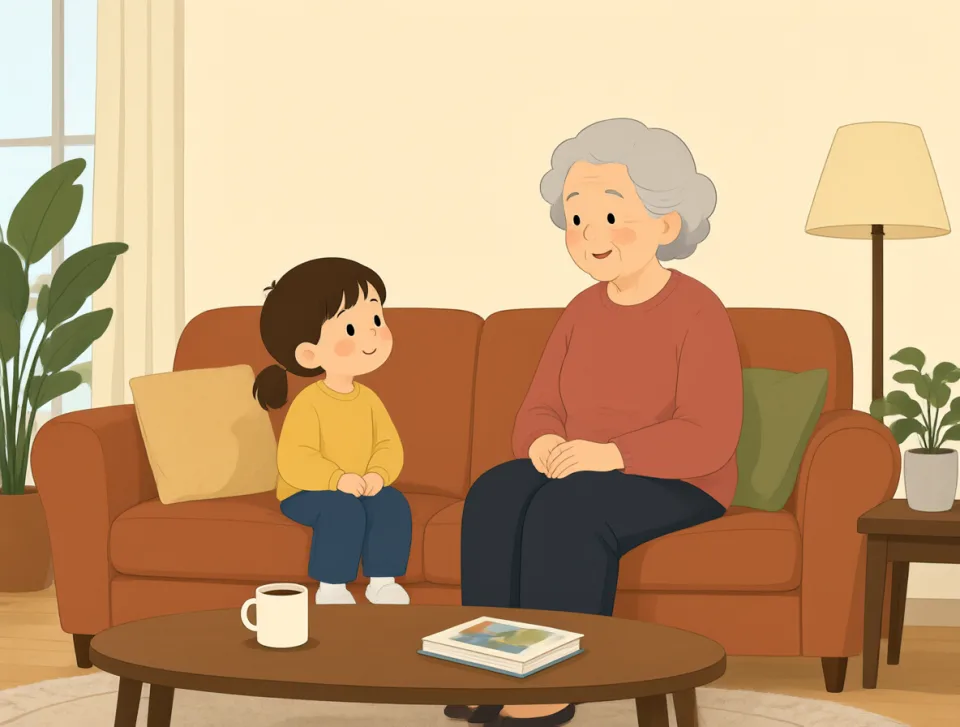
The children are safe at home with their grandmother.
孩子們和奶奶在家裡很安全。
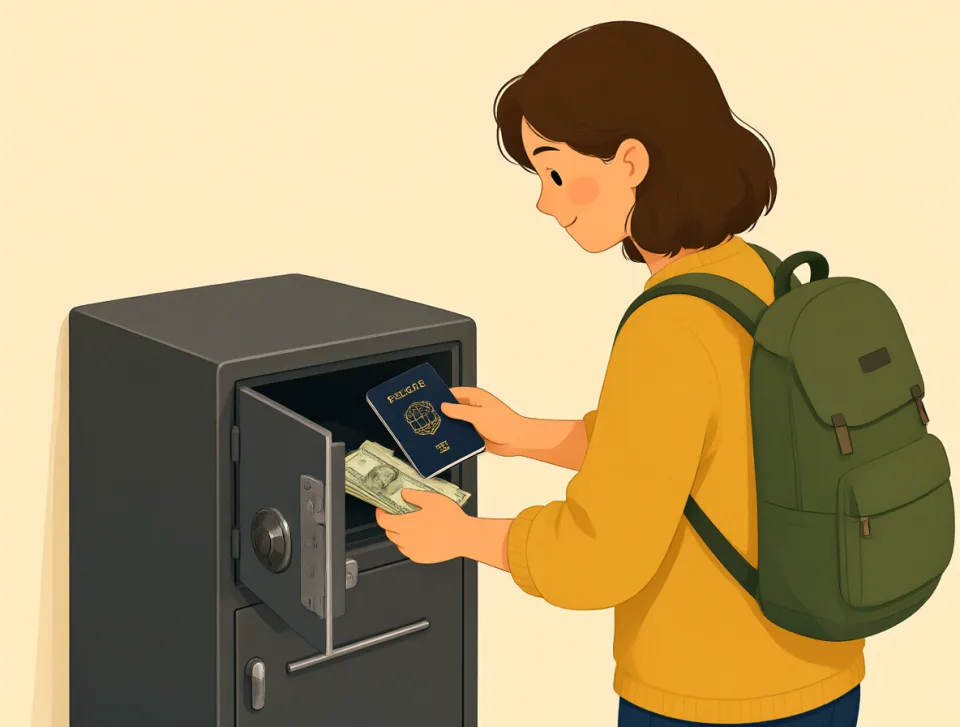
Please keep your passport and money in the hotel safe.
請把護照和錢放在酒店的保險箱裡。
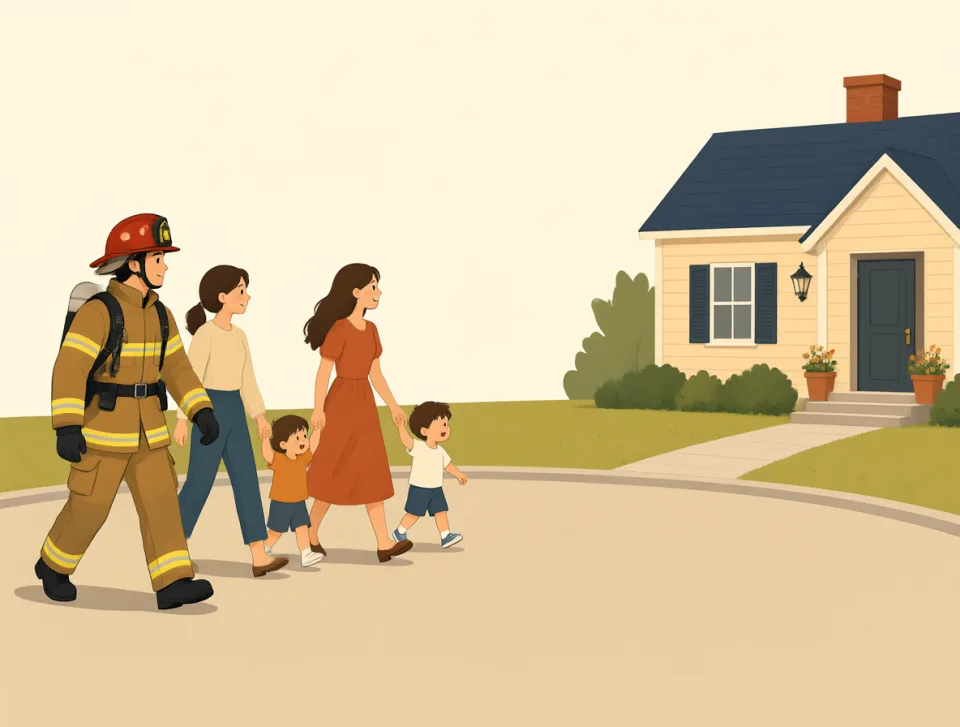
The firefighters brought everyone to a safe place.
消防員把所有人帶到了安全的地方。
invite
#1028verb
邀請
to ask someone to come to an event, place, or activity
邀請某人參加活動、去某個地方或參與某項活動

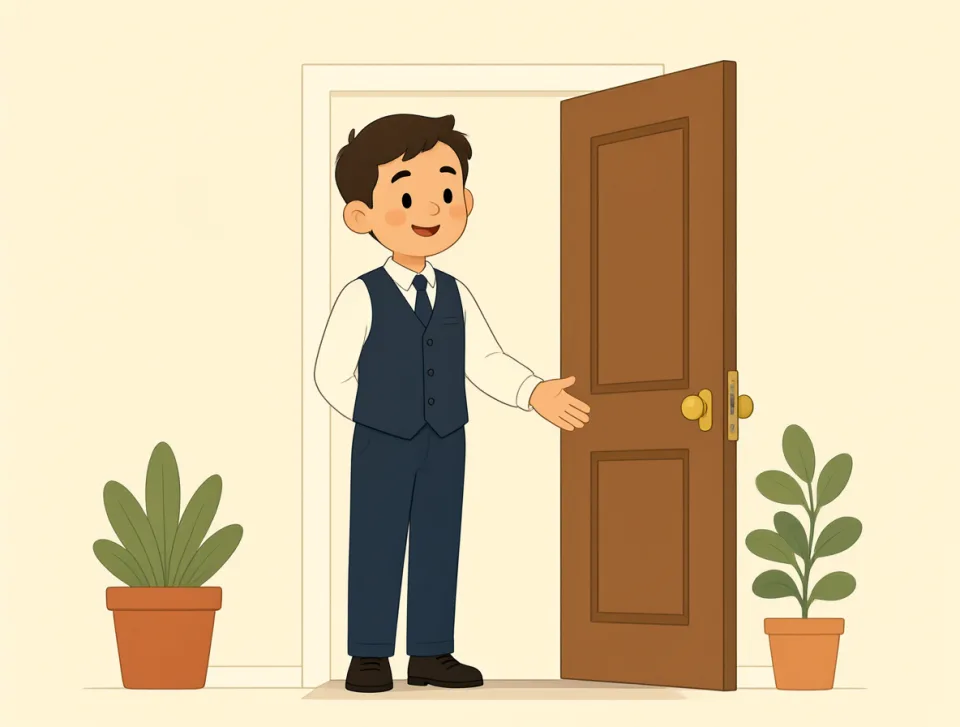
We invited our neighbors to dinner on Saturday.
我們邀請鄰居星期六來吃晚飯。
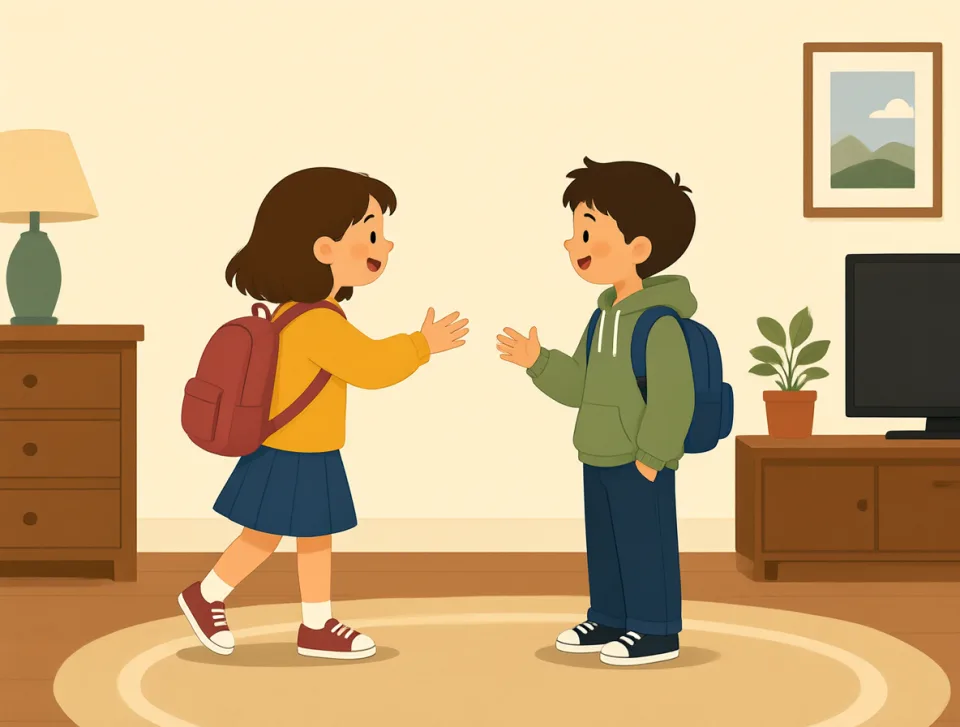
Can I invite my friend over after school?
我可以放學後邀請我的朋友來家裡嗎?
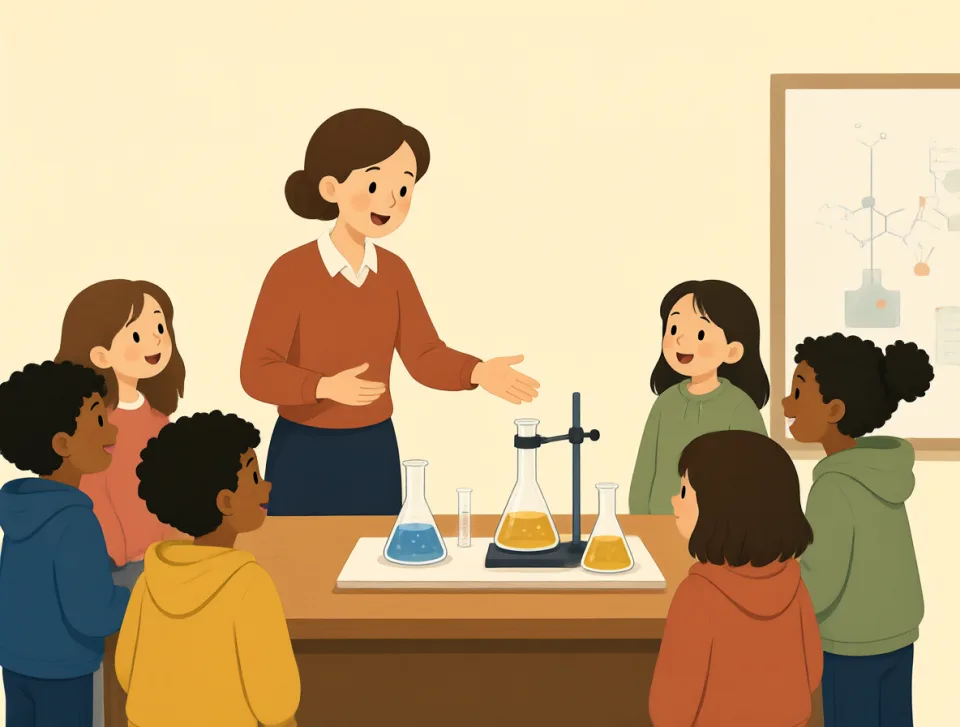
The teacher invited the students to join the science club.
老師邀請學生加入科學俱樂部。

My manager invited me to a meeting about the new project.
我的經理邀請我參加一個關於新專案的會議。

They invited us out for coffee after the train arrived.
火車到站後,他們邀請我們一起出去喝咖啡。

mix
#1029noun, verb
混合;混合物
To combine things together, or a combination of different things.
把不同的東西混合在一起,或指由不同東西組成的混合物。
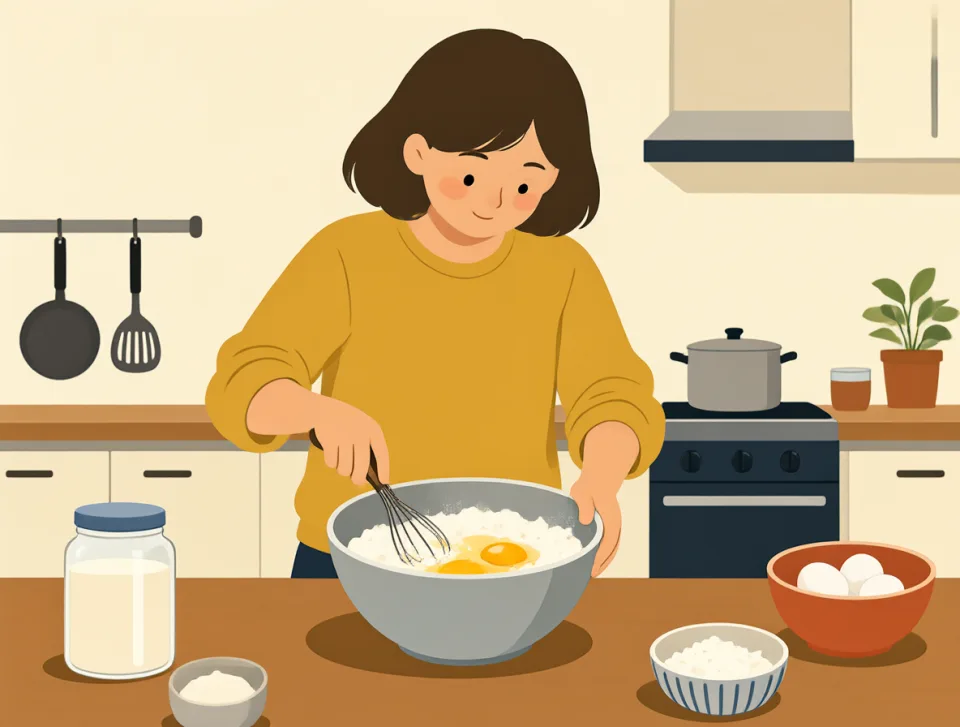
Mix the flour and eggs in a large bowl.
在一個大碗裡把麵粉和雞蛋混合起來。
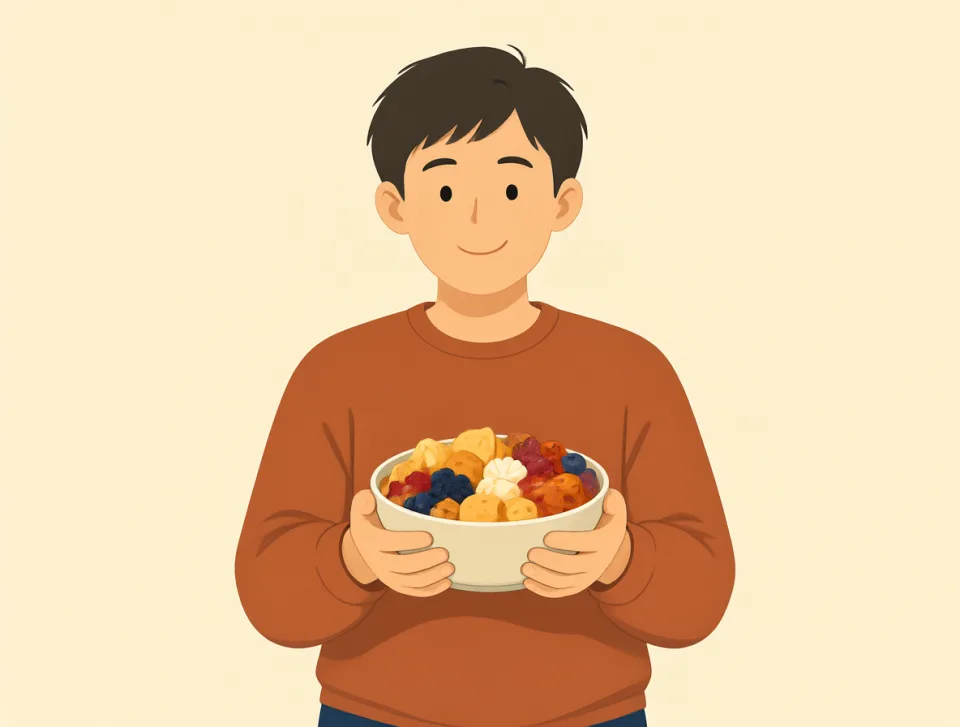
I like this mix of sweet and salty snacks.
我喜歡這種甜味和鹹味零食的混合搭配。
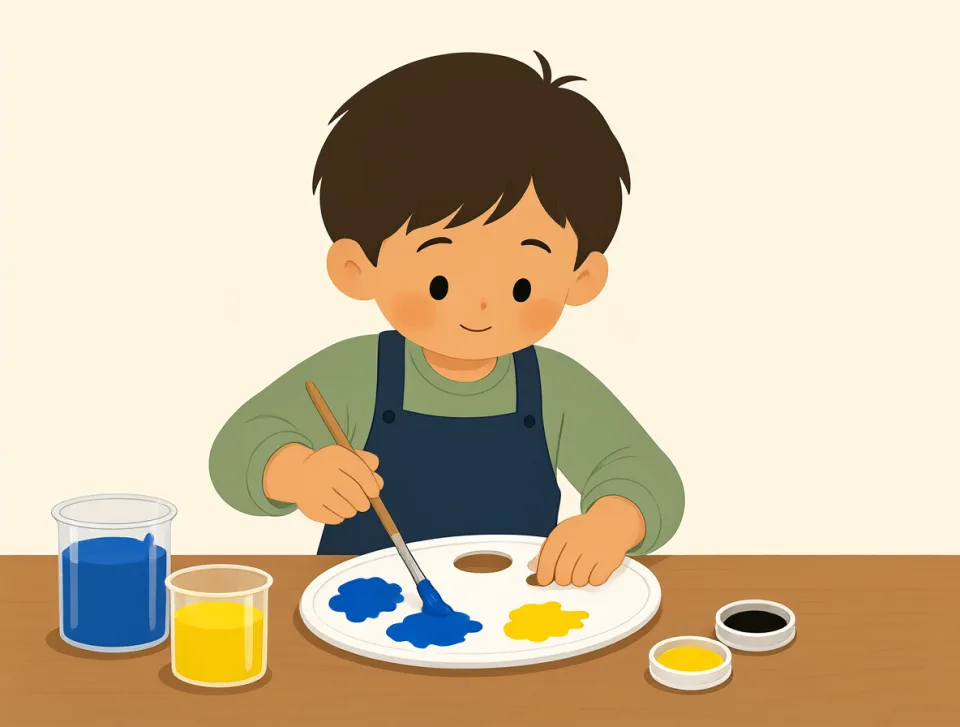
She mixed the blue and yellow paints to make green.
她把藍色和黃色顏料混合在一起,調出了綠色。
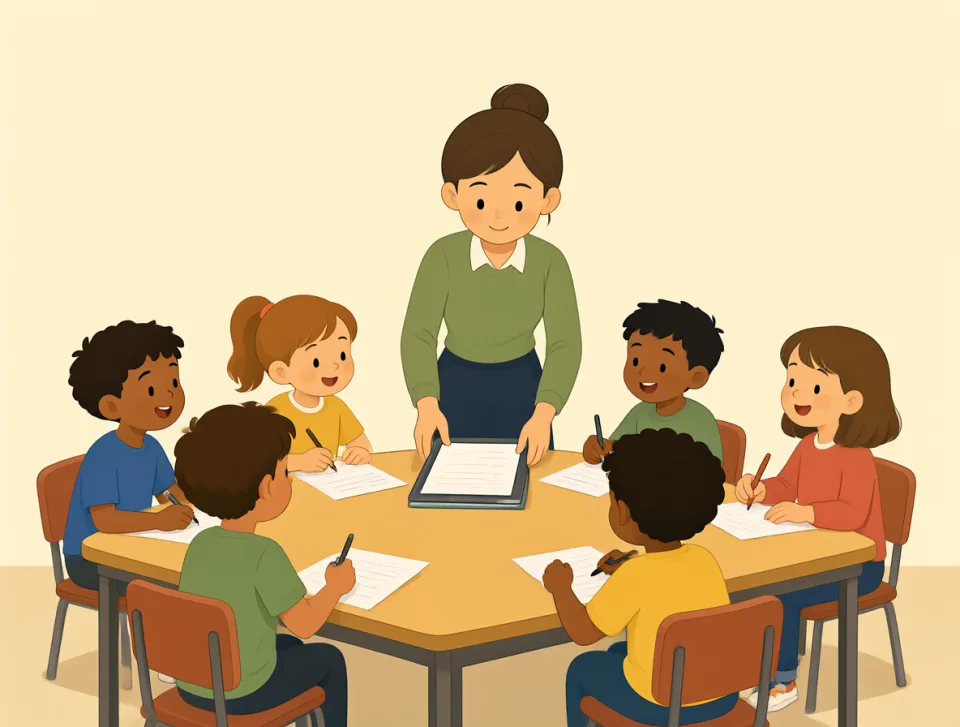
The teacher mixed students from different classes for the activity.
老師把不同班級的學生混在一起參加活動。
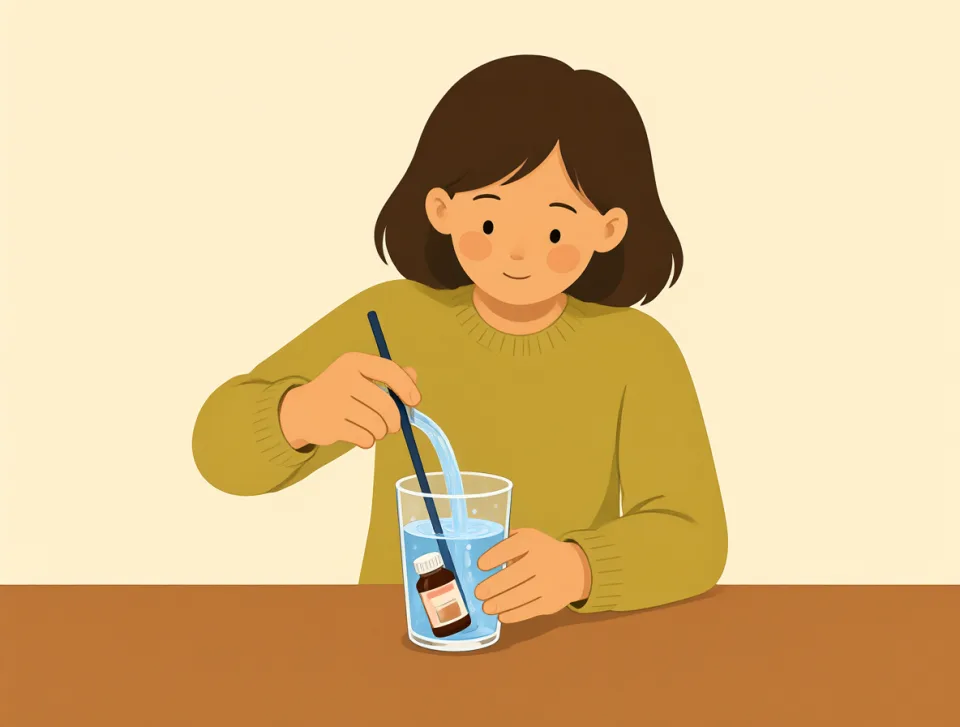
Mix the medicine with water before you drink it.
喝藥前先把藥和水混合在一起。
element
#1030noun
要素; 元素
one part of something larger, or a simple substance found in nature
較大事物的一部分,或自然界中發現的一種簡單物質

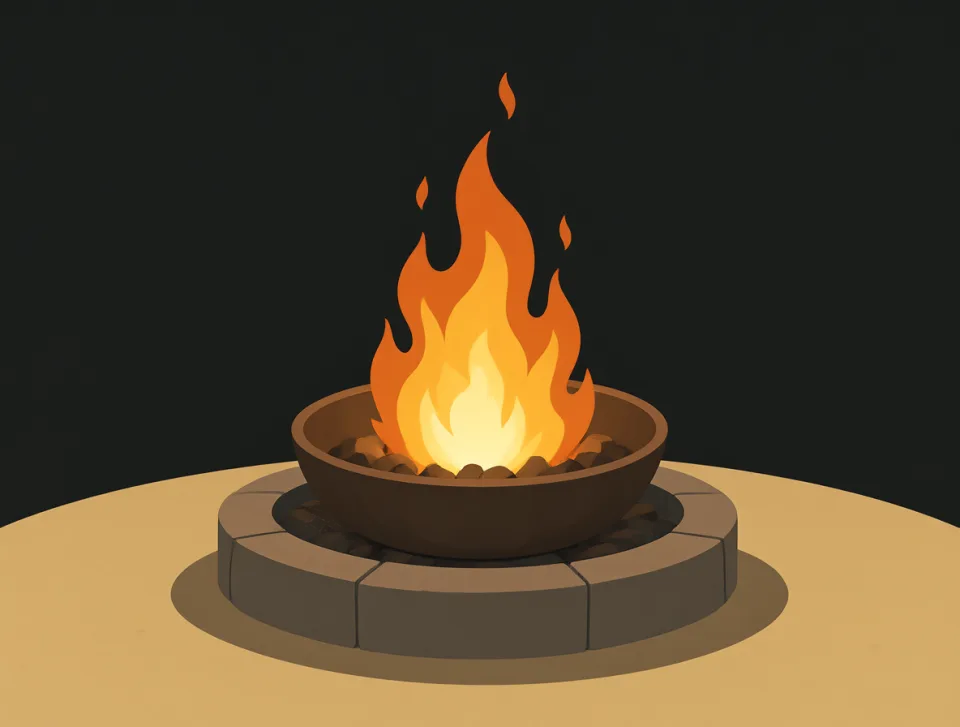
Trust is an important element in every good friendship.
信任是每段美好友誼中的重要要素。
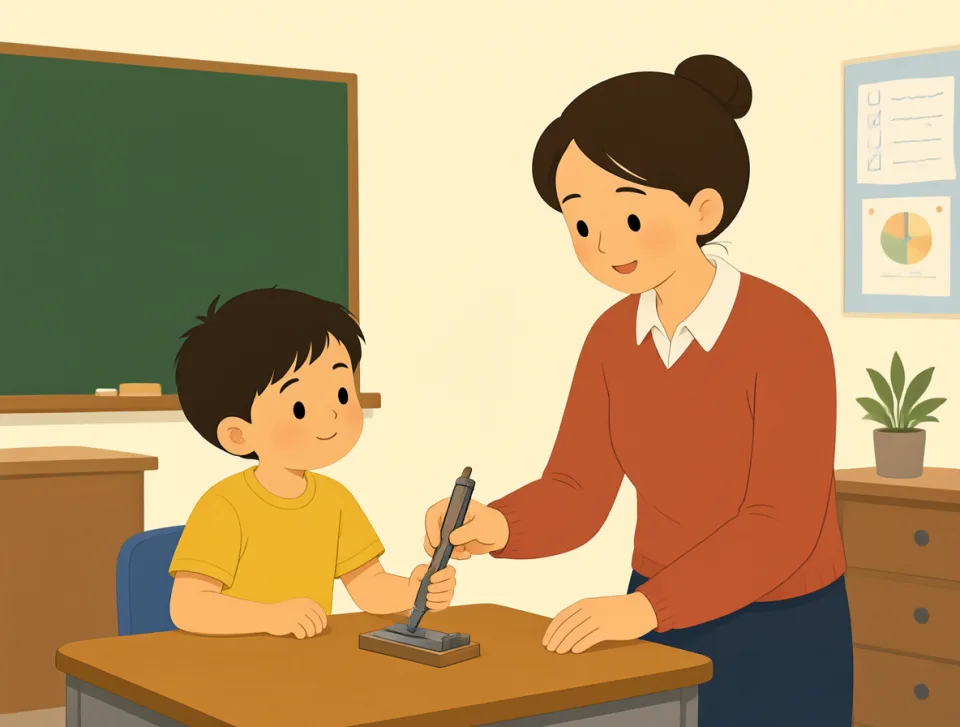
The course includes an element of practical training.
這門課程包含實踐培訓的內容。
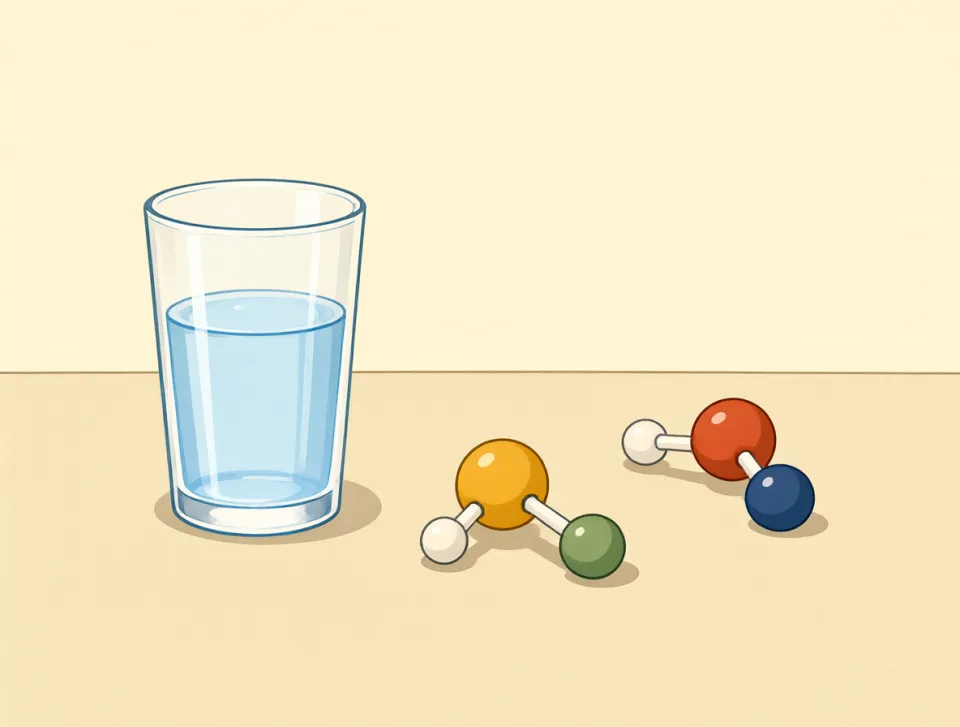
Water is made from the elements hydrogen and oxygen.
水由氫元素和氧元素組成。
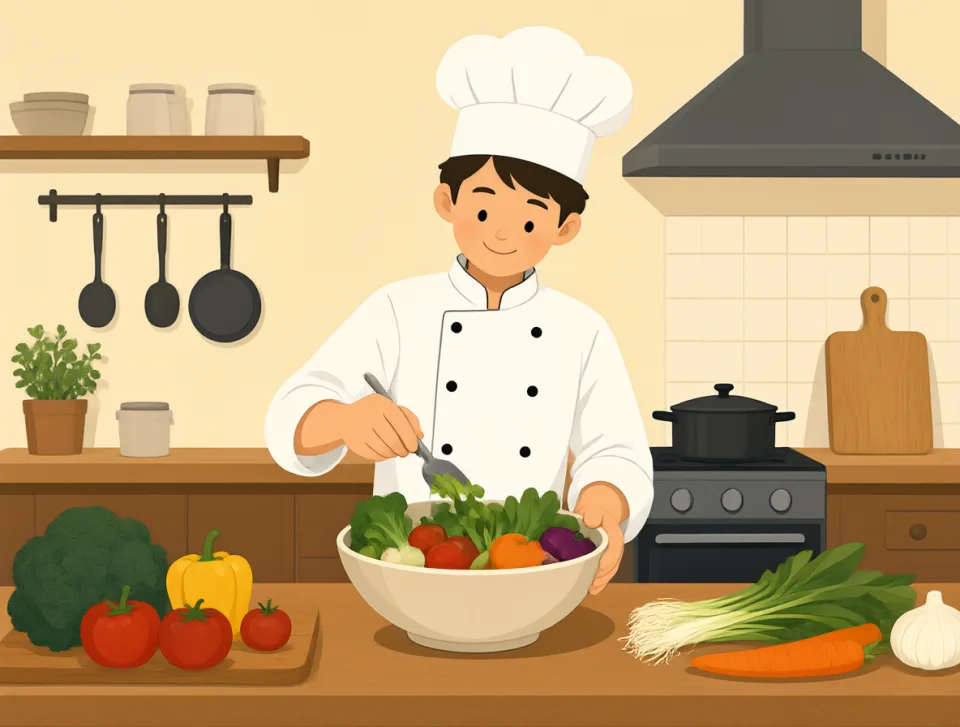
The chef added fresh elements to the traditional recipe.
廚師在傳統食譜中加入了新鮮元素。
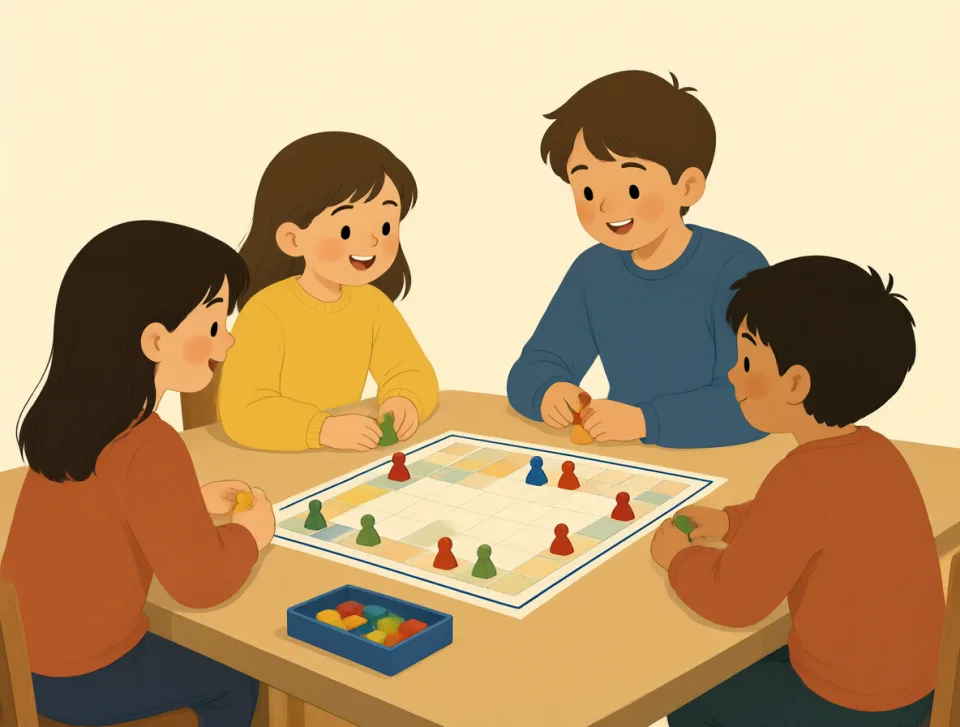
The game has several fun elements for children to enjoy.
這個遊戲包含多個有趣的元素,孩子們一定會喜歡。
effective
#1031adjective
有效的; 有效的
Working well and producing the result you want
運作良好,能夠產生你想要的結果
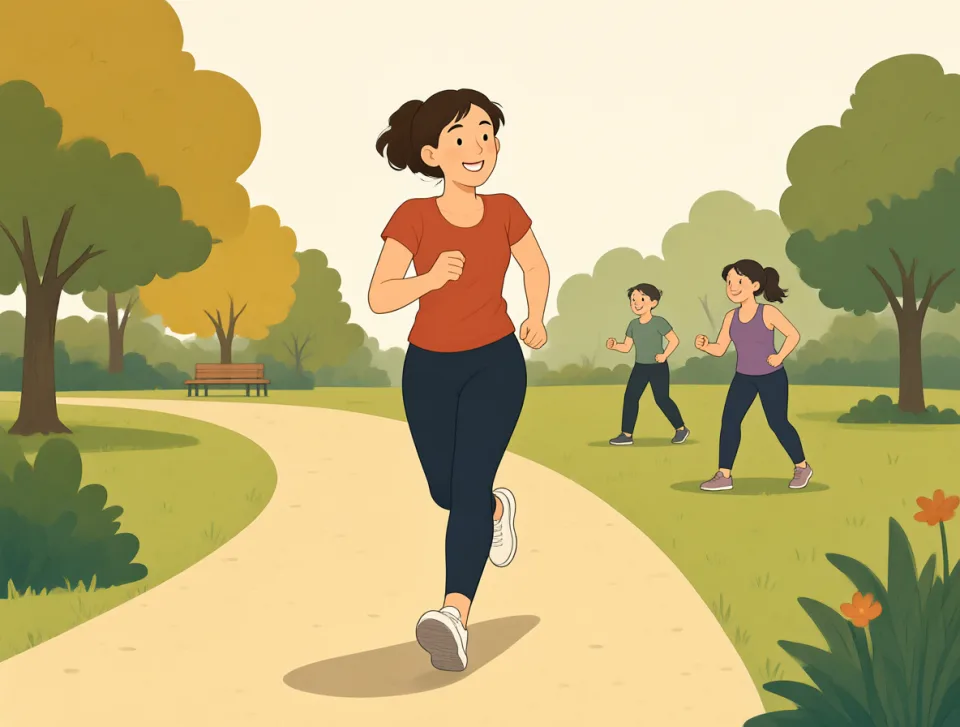
Regular exercise is an effective way to stay healthy.
經常鍛鍊是保持健康的有效方法。

This medicine is effective against headaches.
這種藥對頭痛很有效。
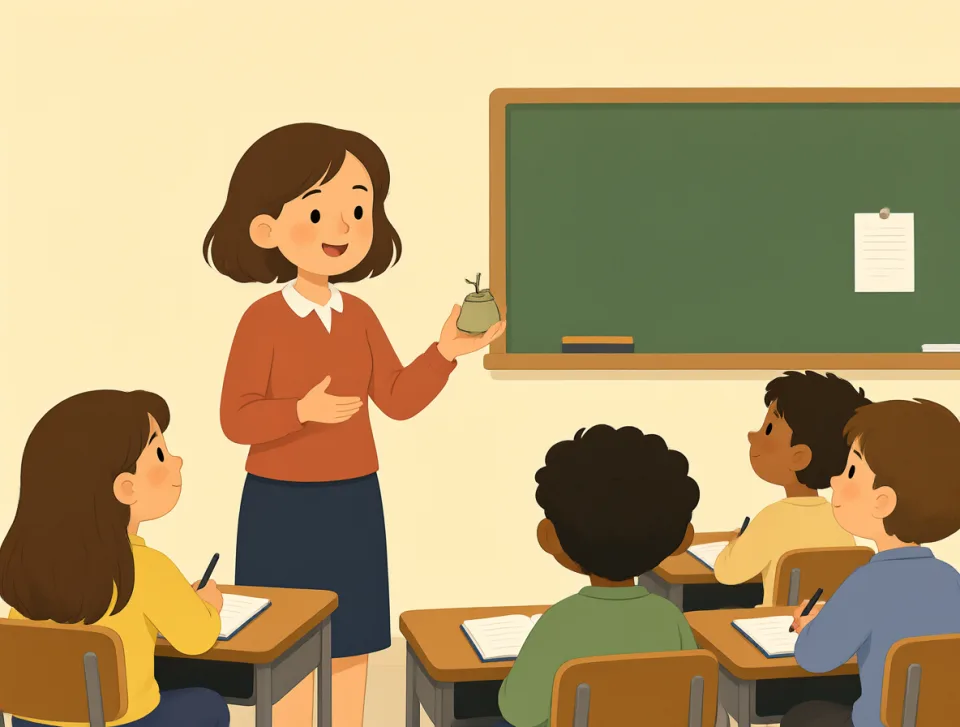
The teacher used an effective method to explain the difficult lesson.
老師用了一種有效的方法來講解這節難課。

We need an effective plan to finish the work on time.
我們需要一個有效的計劃,才能按時完成工作。
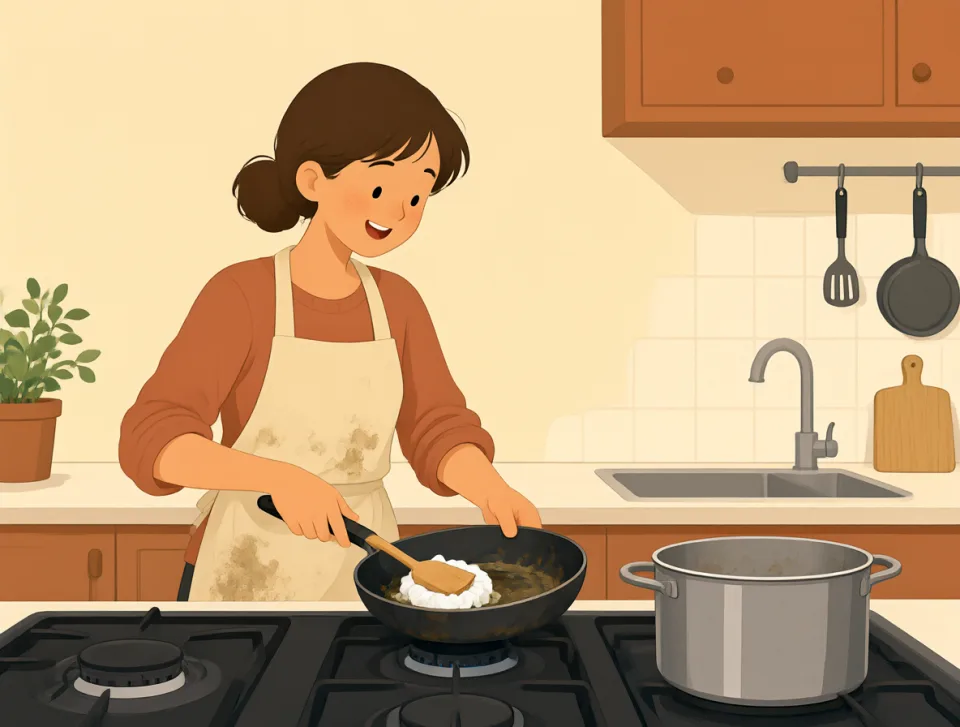
The new cleaner is effective at removing grease from pans.
這種新清潔劑能有效去除平底鍋上的油汙。
correct
#1032adjective, verb
正確的; 改正
Right or free from mistakes; to change something so it becomes right.
正確的或沒有錯誤的;把某事改得正確。
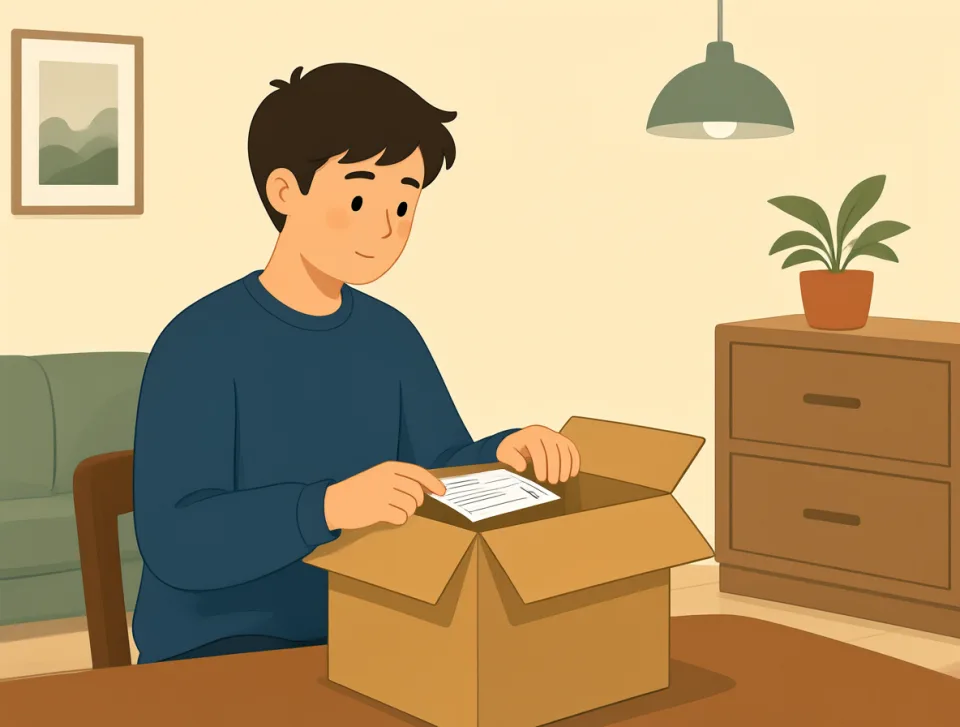
Please check that the address is correct before sending the package.
寄出包裹前,請確認地址無誤。
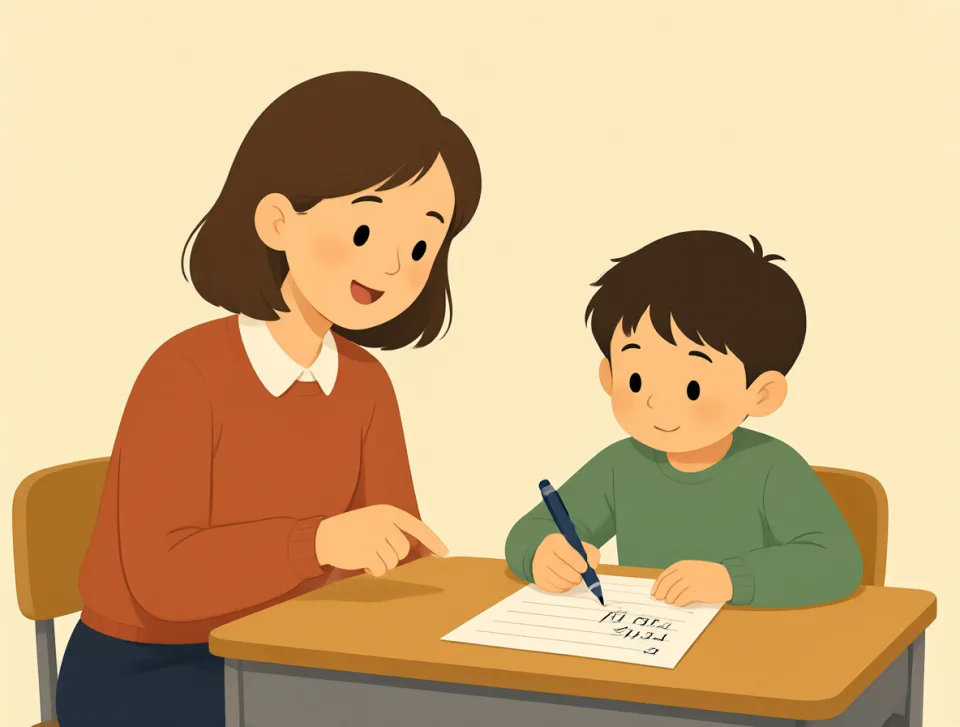
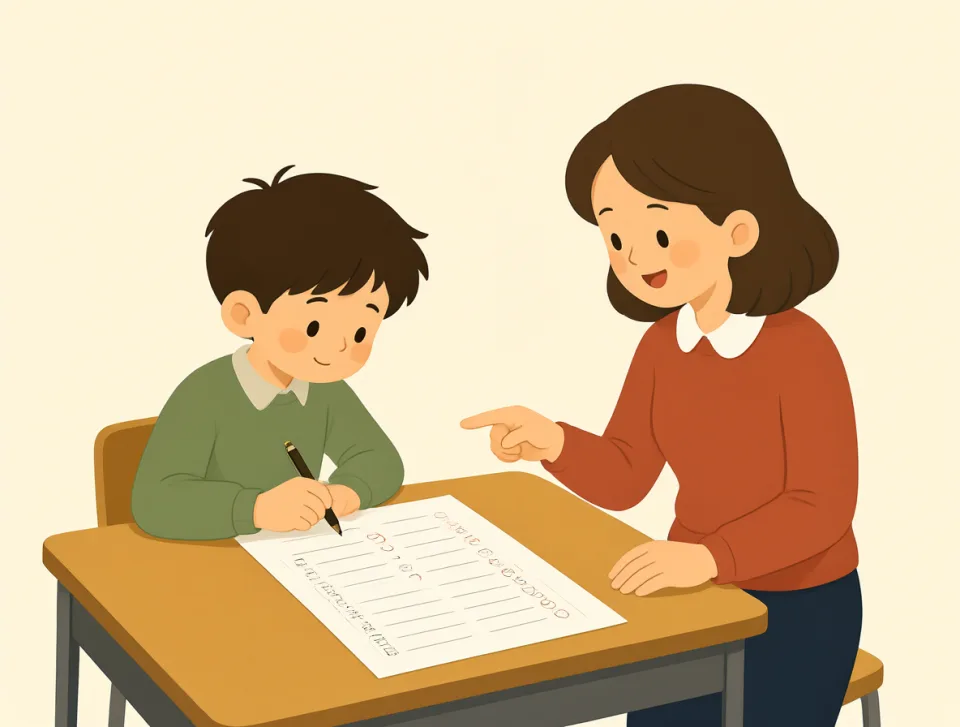
The teacher corrected my spelling mistake after class.
下課後,老師改正了我的拼寫錯誤。
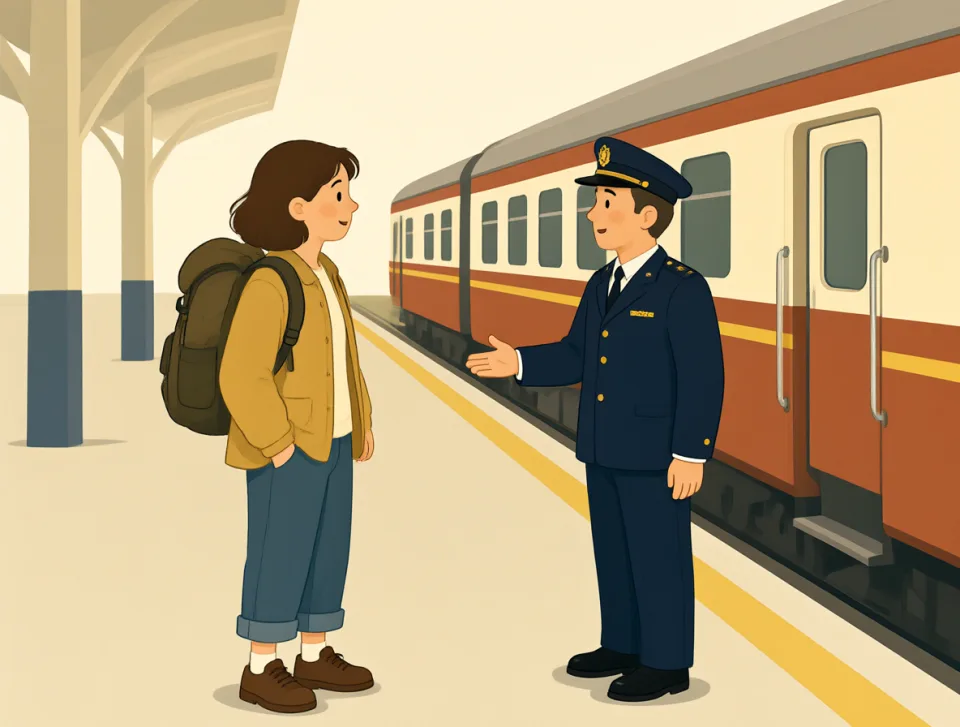
Is this the correct train for the city center?
這是去市中心的正確列車嗎?
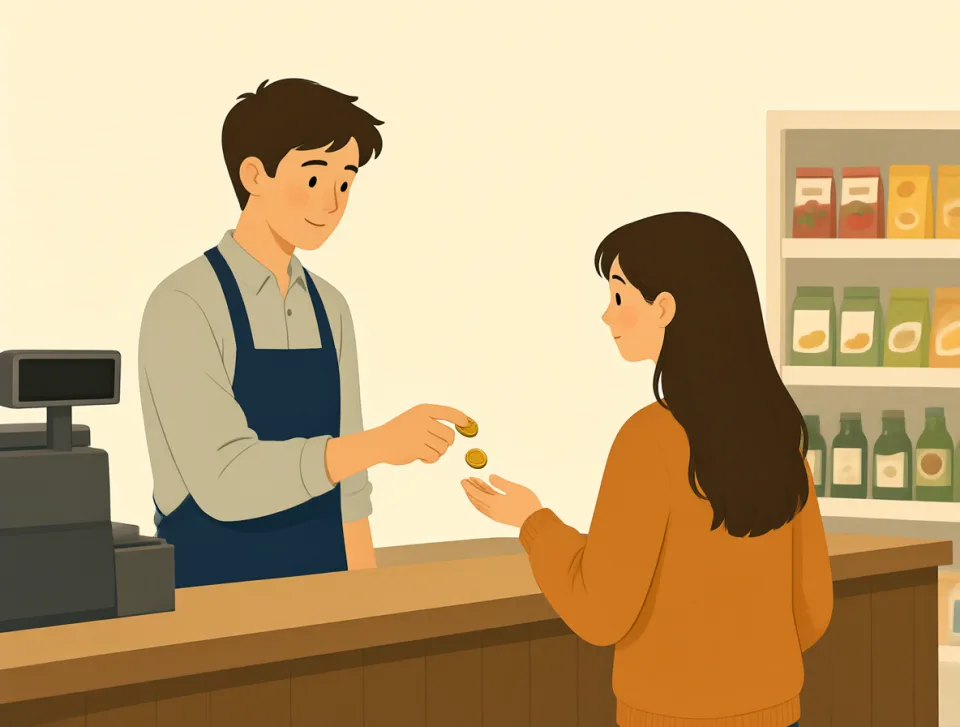
She gave me the correct change at the checkout.
結賬時,她找給我的零錢是對的。
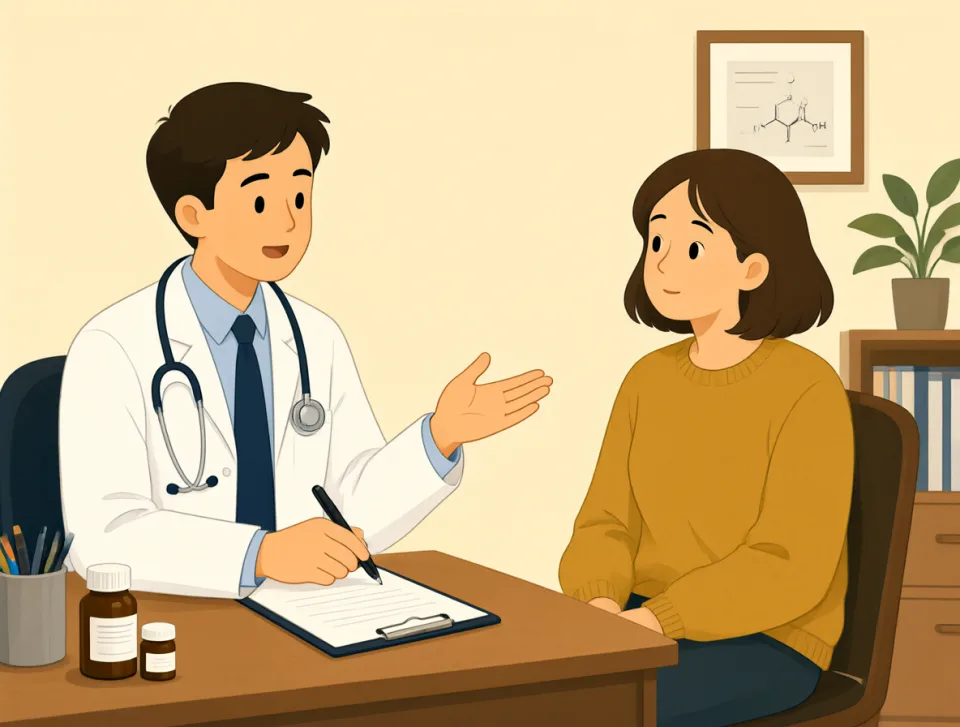
The doctor corrected my treatment after hearing about my new symptoms.
醫生了解我的新症狀後,調整了治療方案。
medical
#1033adjective
醫療的; 醫學的
Connected with medicine, doctors, hospitals, or treating illness
與醫學、醫生、醫院或治療疾病有關的
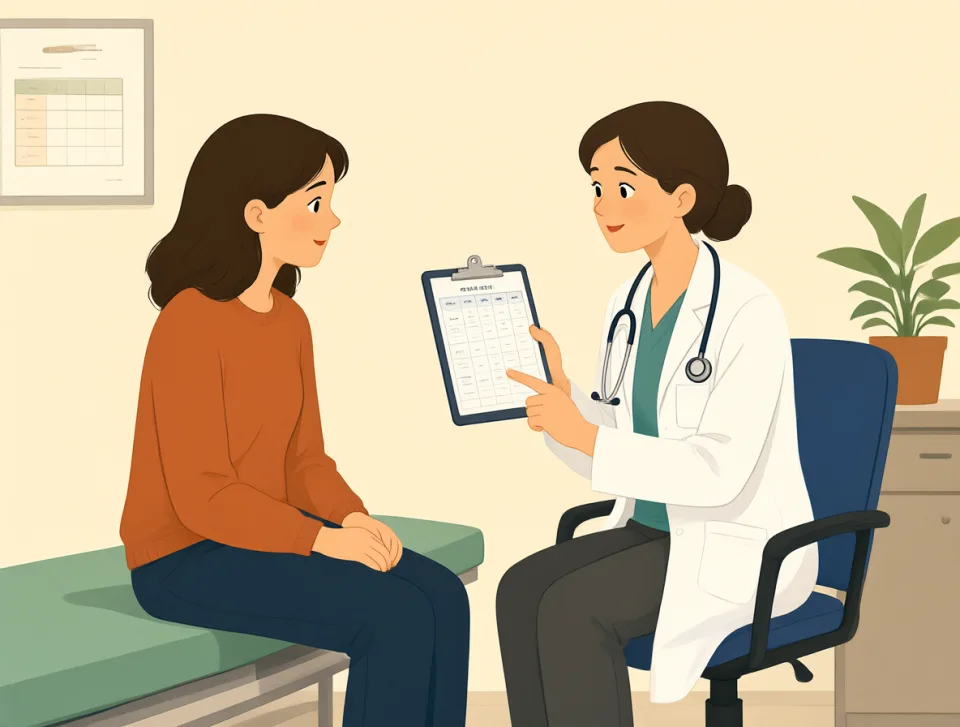
She has a medical appointment with her doctor tomorrow morning.
她明天早上要去看醫生。
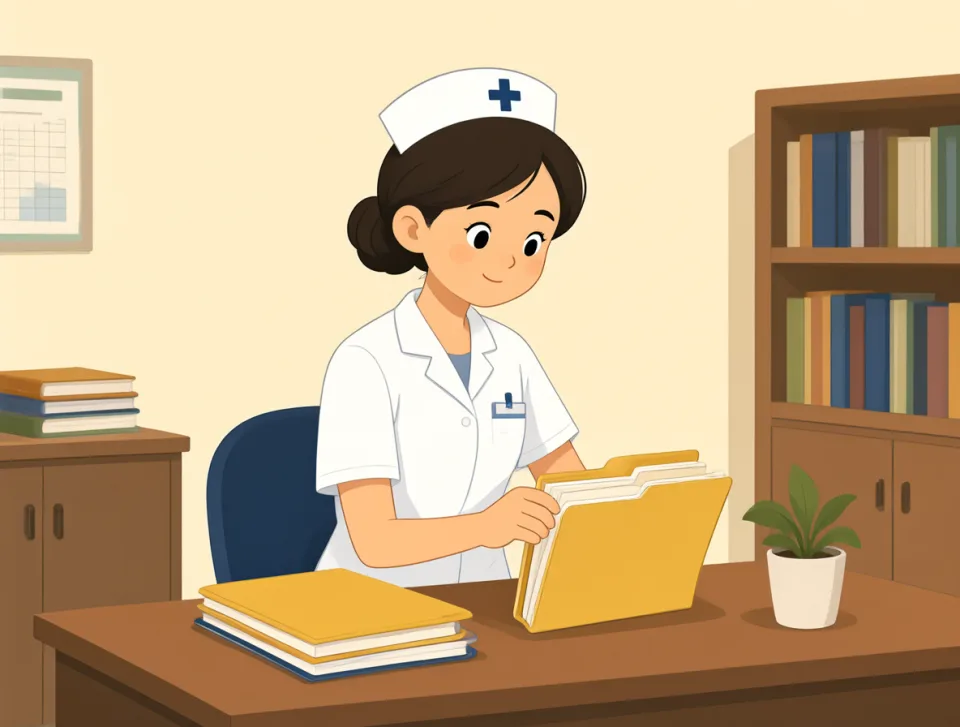
The school keeps medical records for every student.
學校為每位學生儲存醫療記錄。
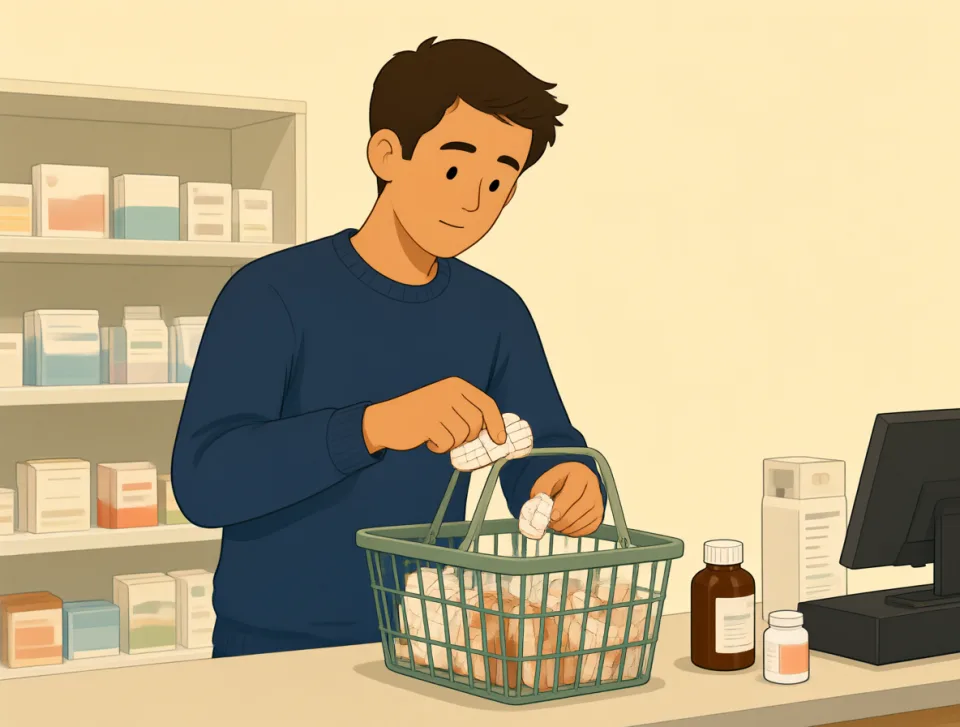
He bought medical supplies for his injured brother.
他為受傷的弟弟買了醫療用品。
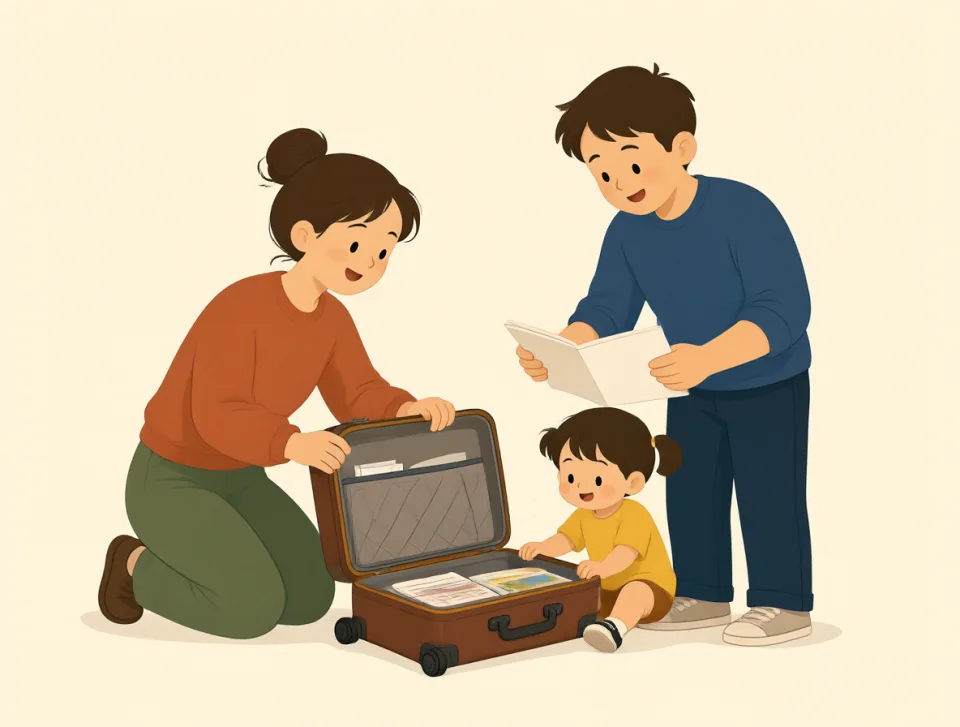
You need medical insurance before traveling abroad.
出國旅行前,你需要購買醫療保險。
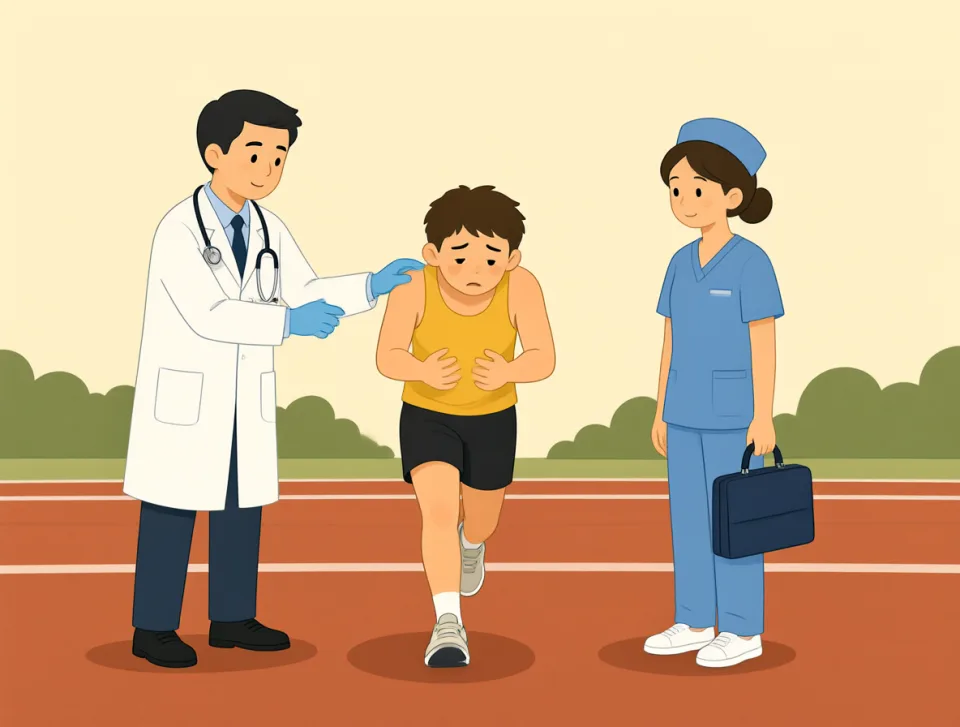
The medical team helped the runner after the race.
比賽結束後,醫療隊幫助了那名跑步運動員。
admit
#1034verb
承認;接收;准許進入
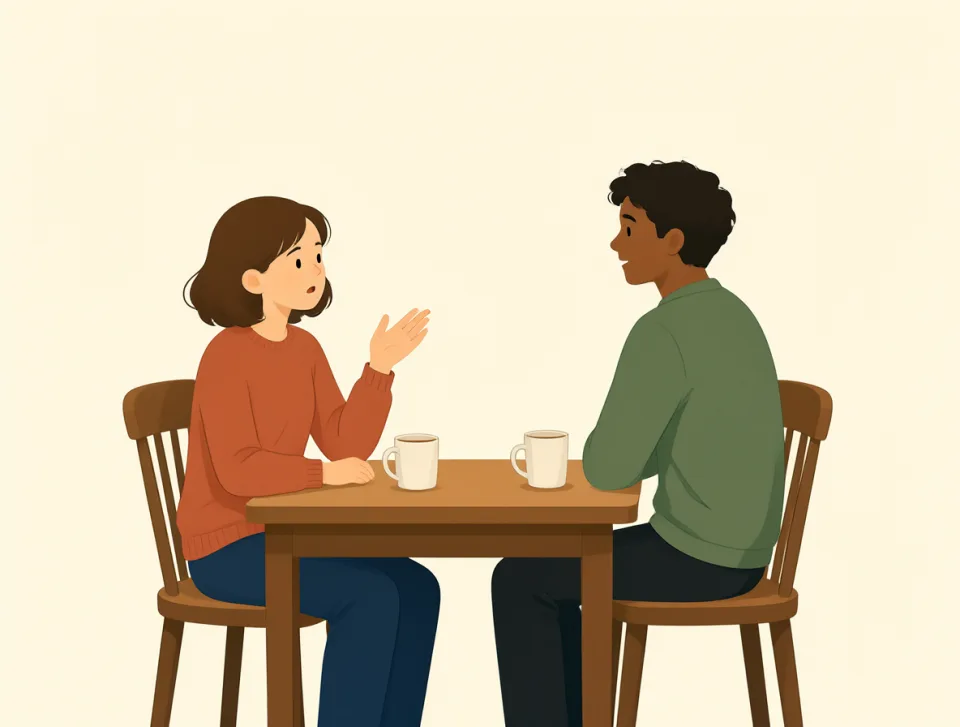
to say that something is true, especially when you do not want to
承認某件事是真的,尤其是在你並不願意承認的時候
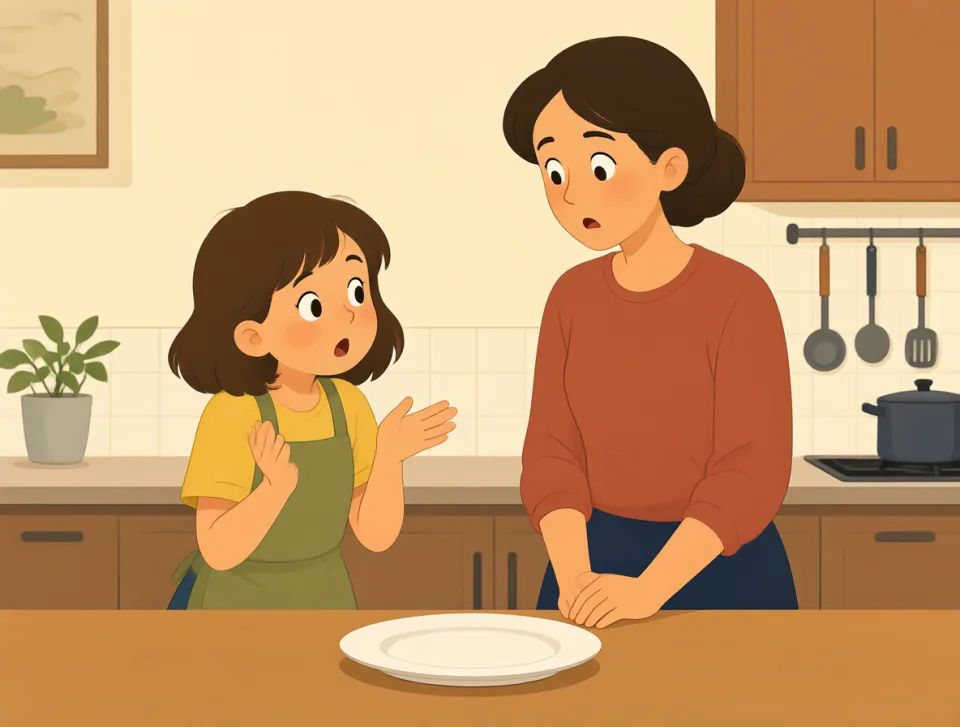
She admitted that she had taken the last cookie.
她承認是自己拿走了最後一塊餅乾。
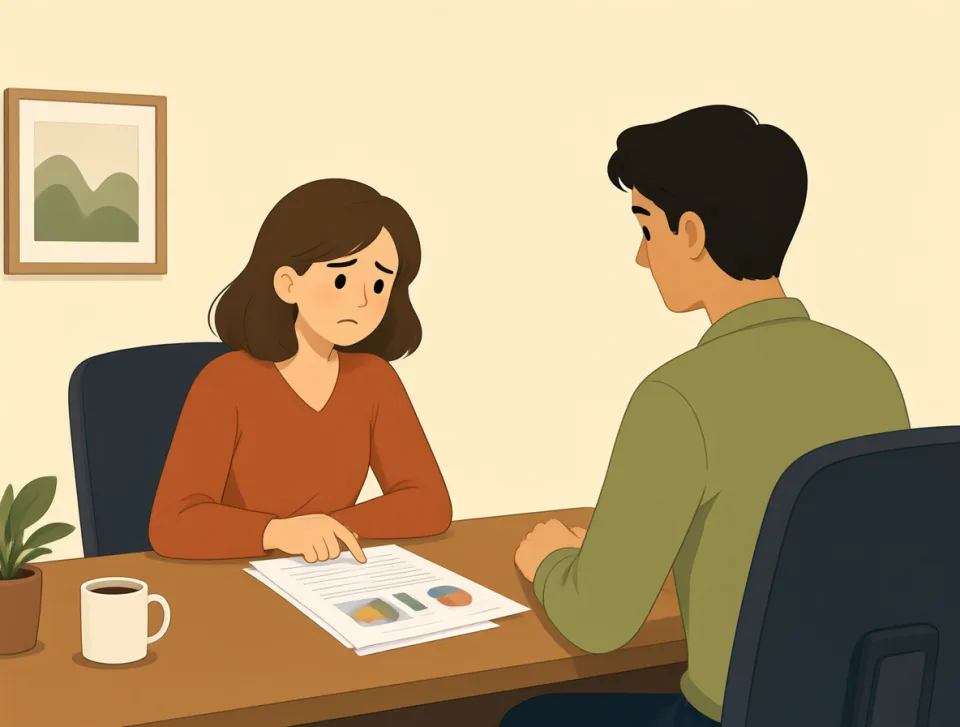
He admitted making a mistake in the report.
他承認自己在報告中犯了一個錯誤。
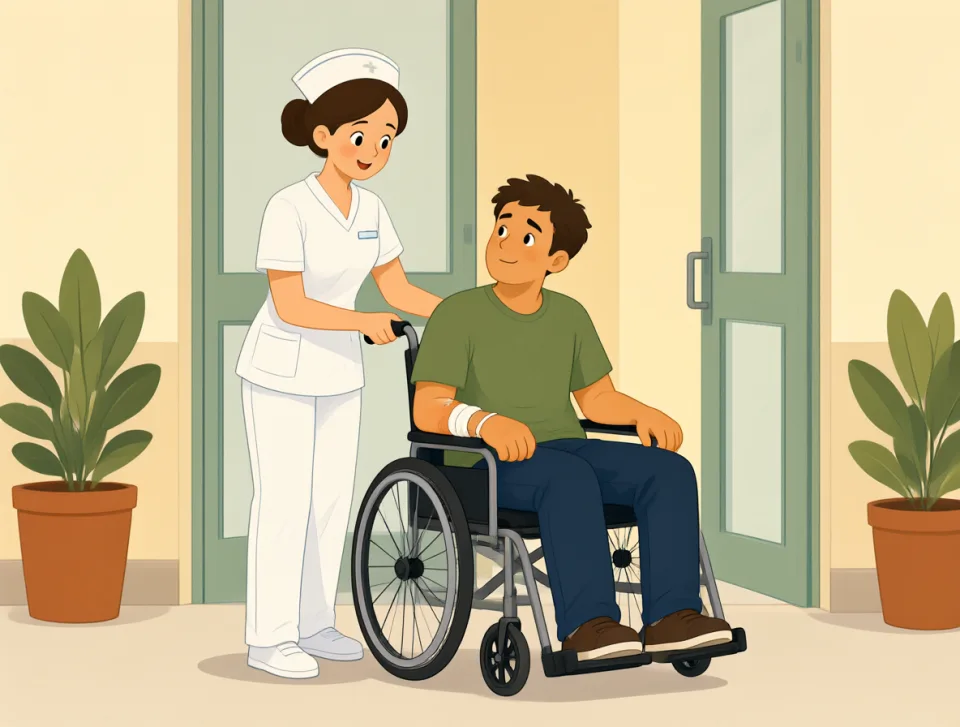
The nurse admitted him to the hospital after the accident.
事故發生後,護士把他送進了醫院。
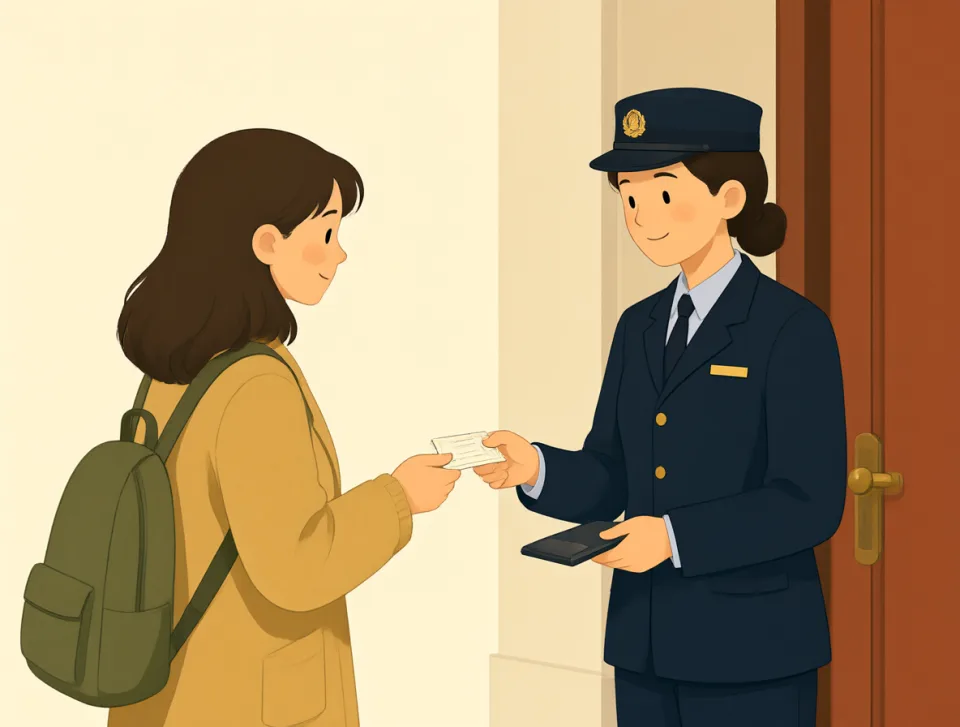
This ticket admits one adult to the museum.
這張票可讓一名成人進入博物館。
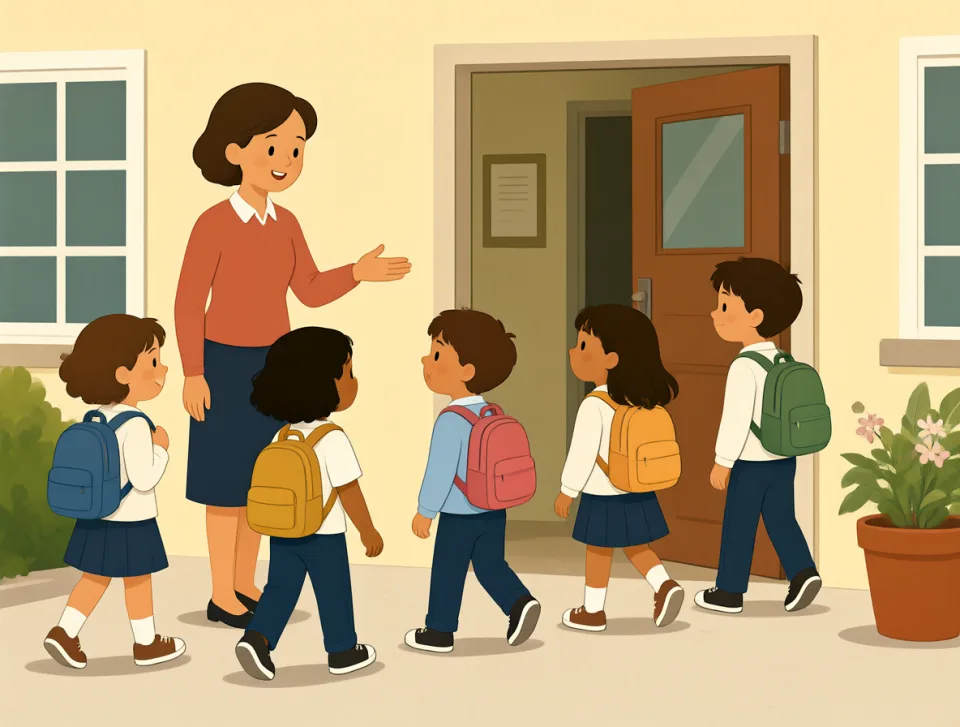
The school admits new students every September.
這所學校每年九月招收新生。
beat
#1035verb, noun
打敗; 攪打; 敲打; 跳動
To defeat someone or something, or to hit repeatedly; a regular rhythm or strong feeling.
擊敗某人或某物,或反覆擊打;有規律的節奏或強烈的感覺。
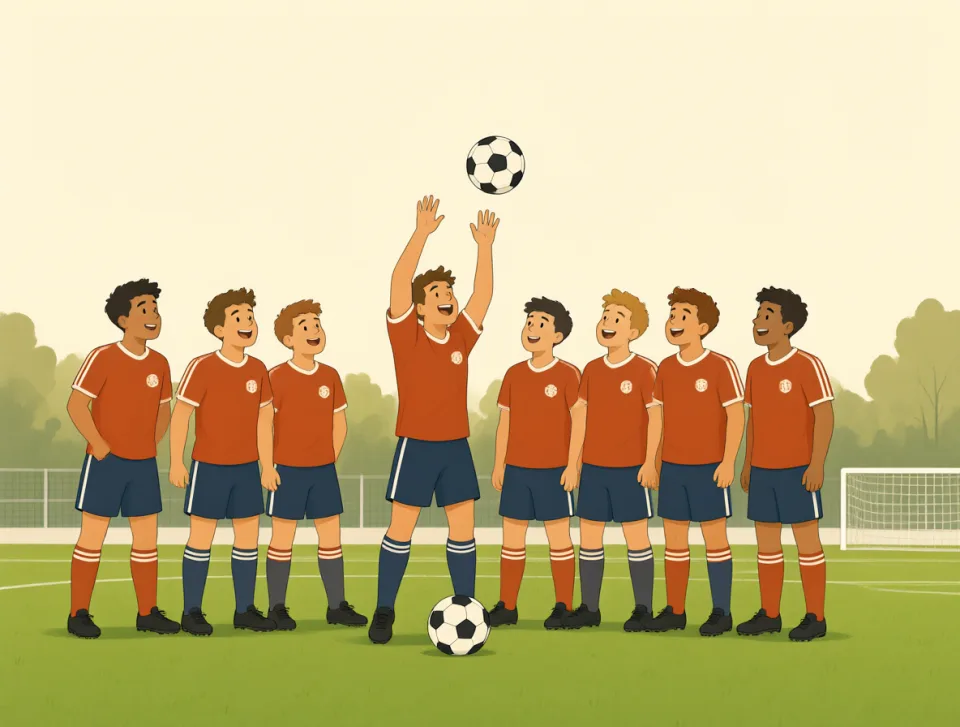
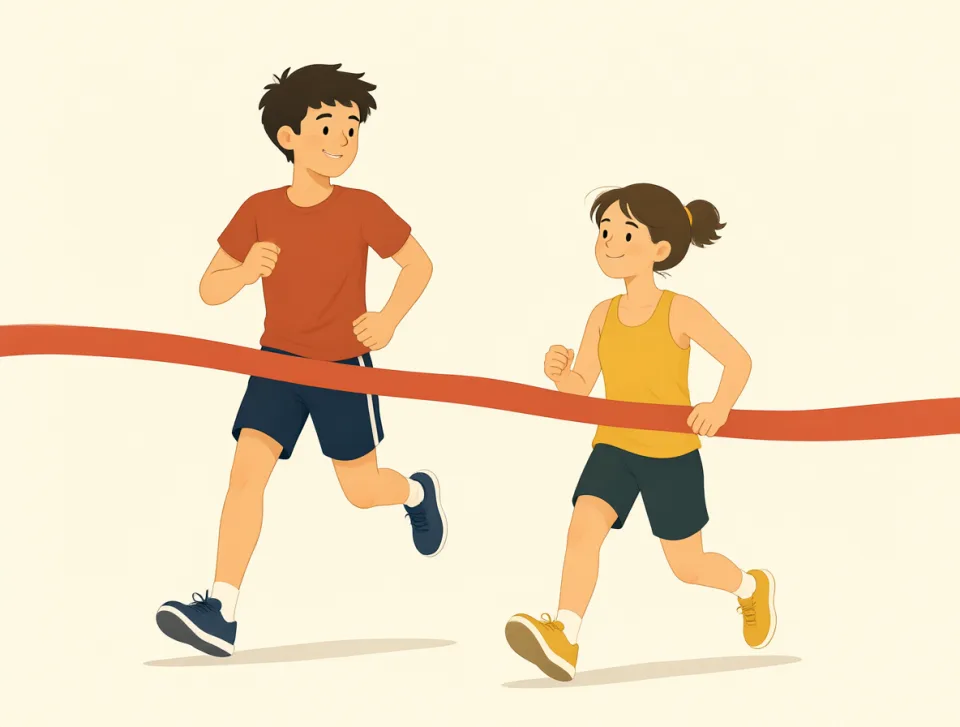
Our team beat the champions in yesterday’s final game.
我們隊在昨天的決賽中擊敗了冠軍隊。
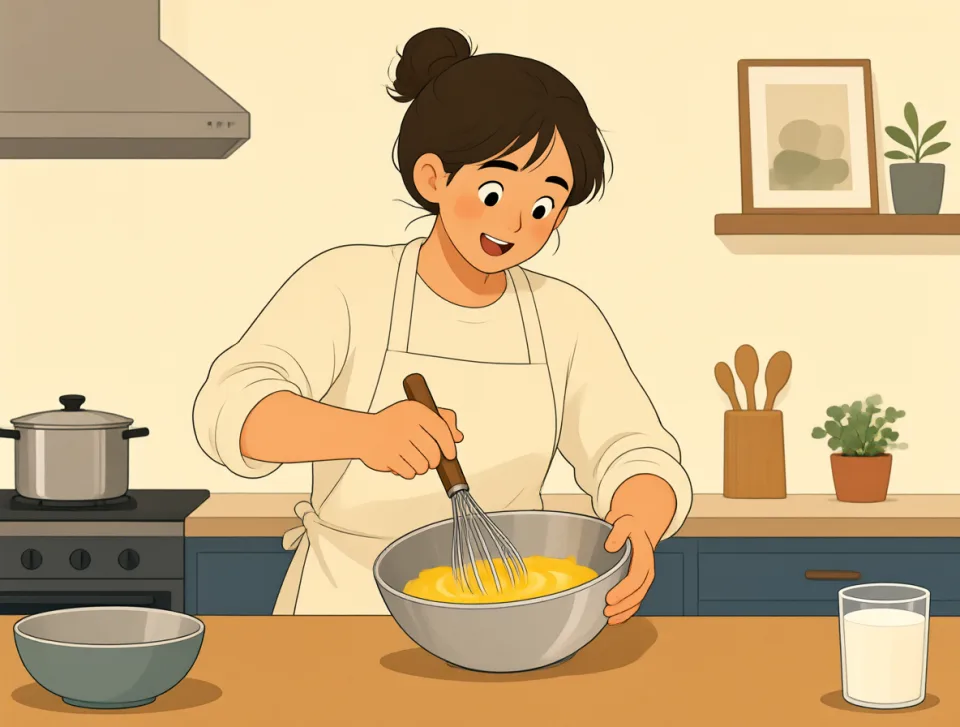
I beat the eggs before adding them to the cake mixture.
我先把雞蛋打好,再加入蛋糕麵糊中。
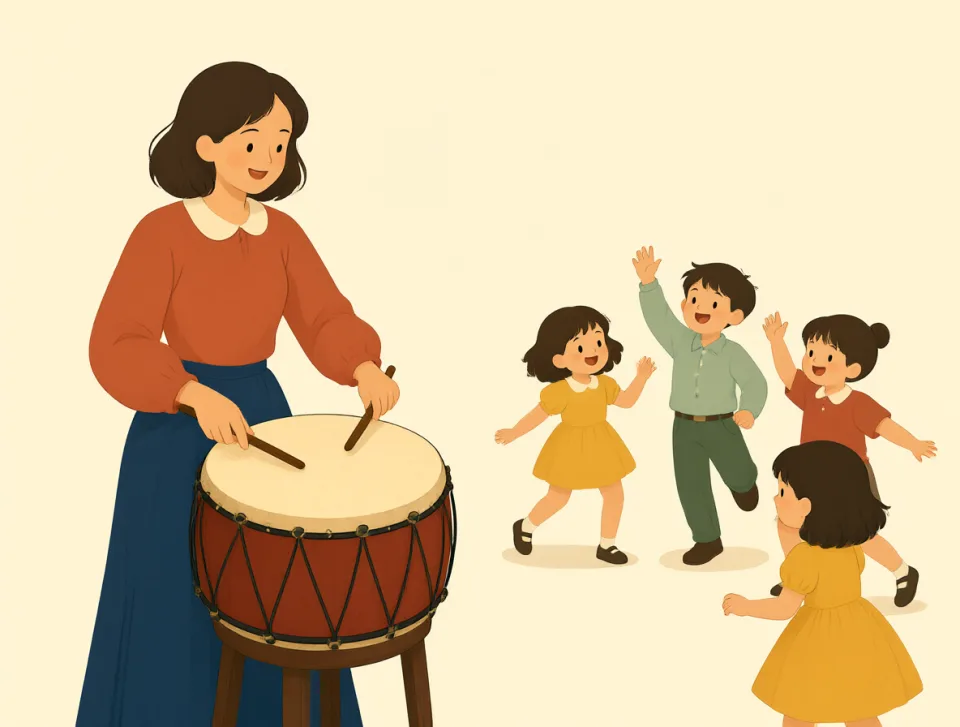
She beat the drum while the children danced around her.
孩子們圍著她跳舞時,她敲打著鼓。

We beat the traffic by leaving home before seven o’clock.
我們在七點前出門,避開了交通擁堵。
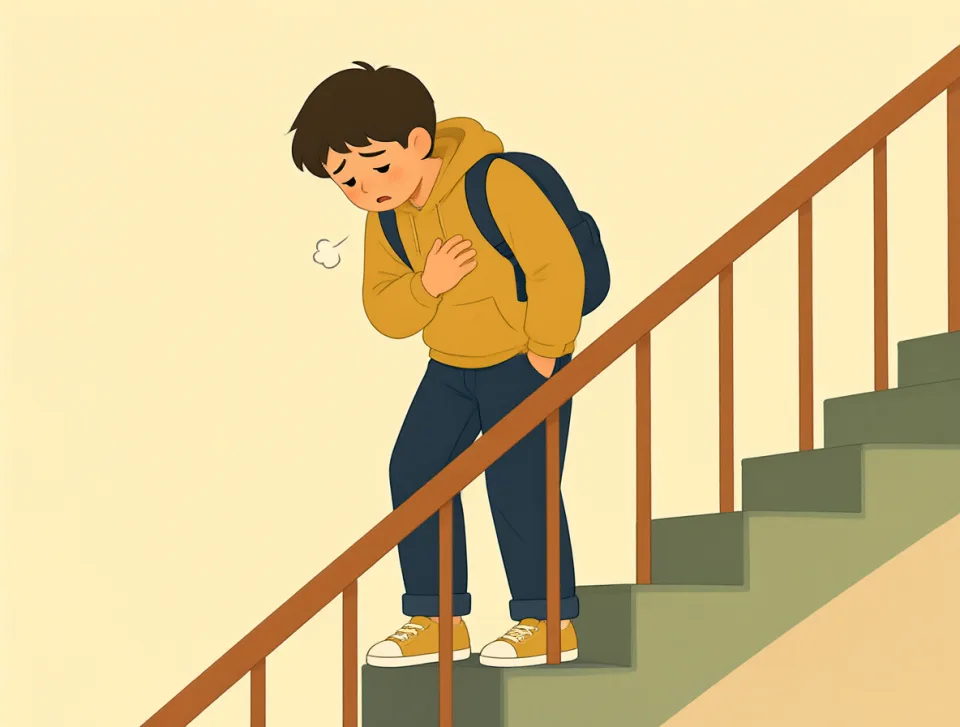
My heart was beating fast after climbing the stairs.
爬完樓梯後,我的心跳得很快。
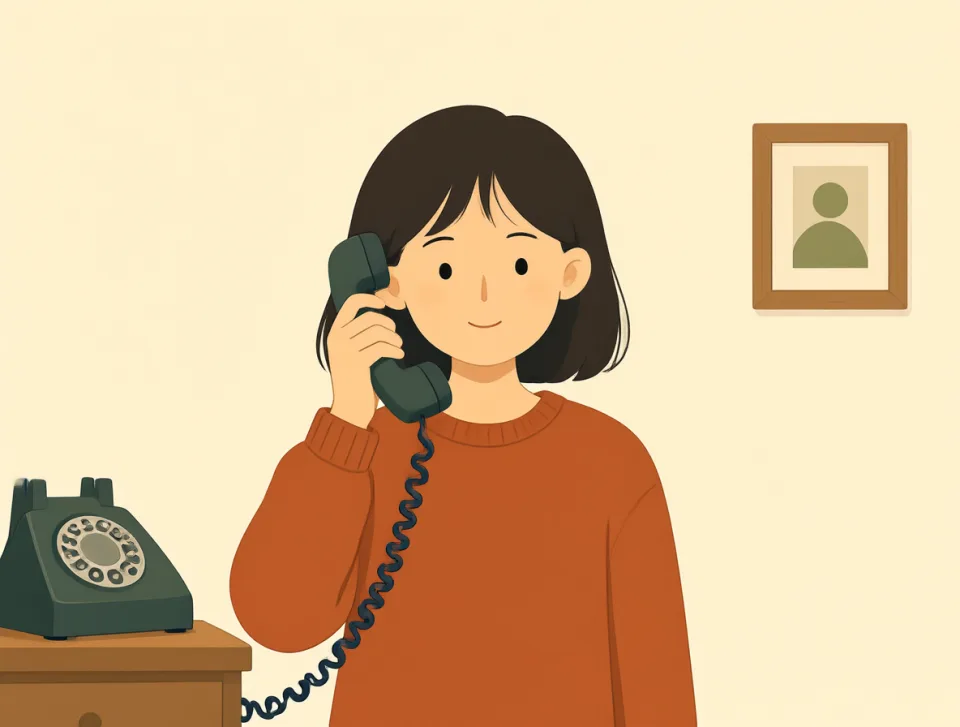
telephone
#1036noun, verb
電話;打電話
a device used to talk to someone in another place
一種用來和異地的人交談的裝置
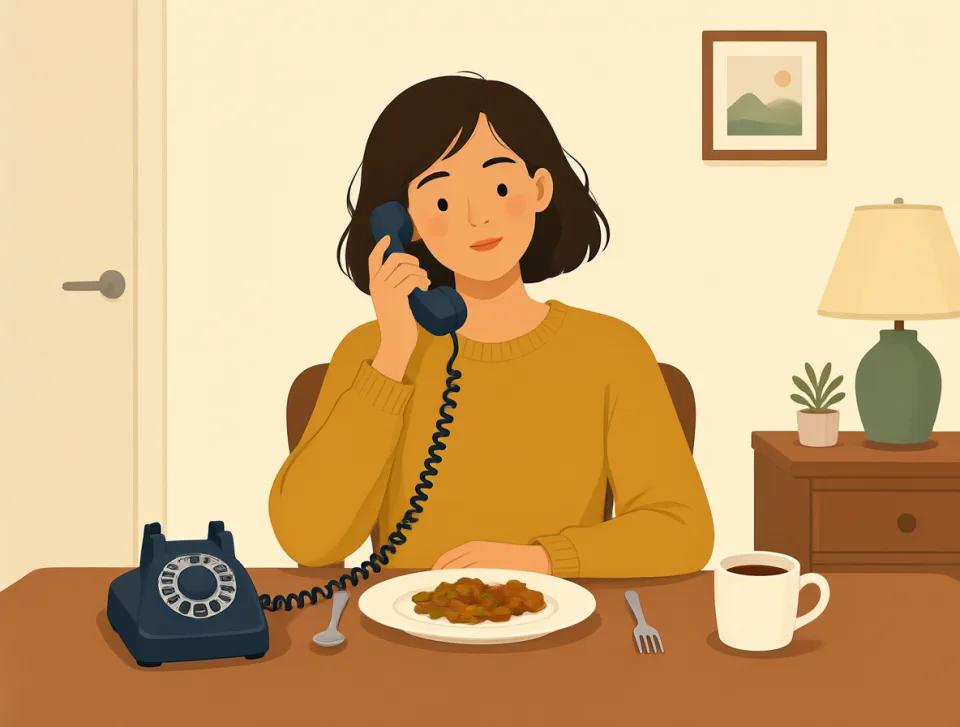
I need to make a telephone call before dinner.
我需要在晚飯前打個電話。
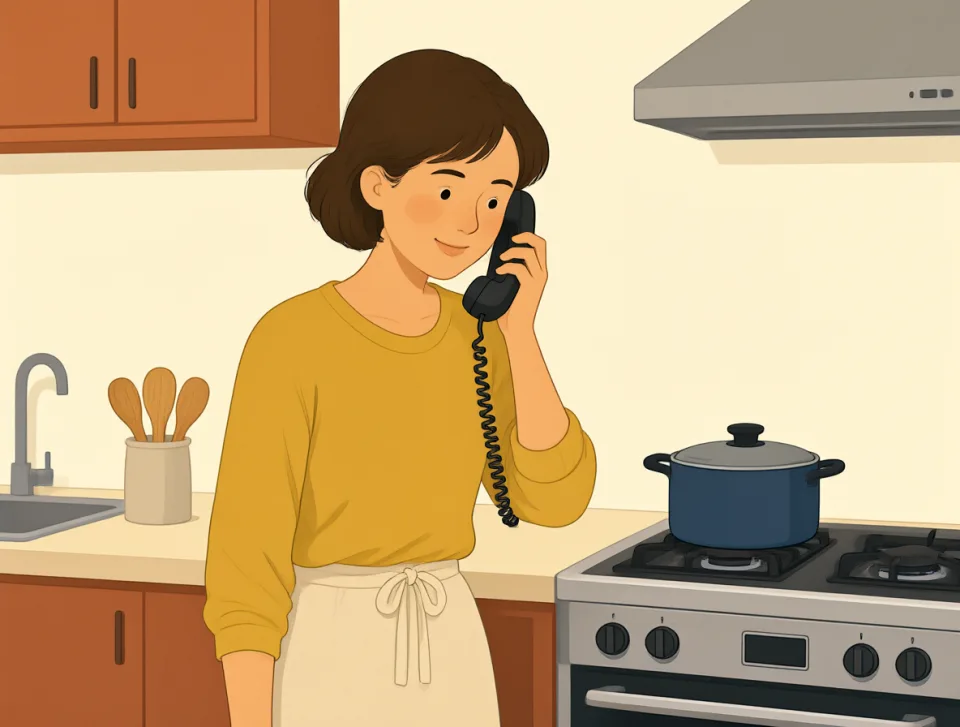
She answered the telephone while cooking lunch.
她做午飯時接了電話。
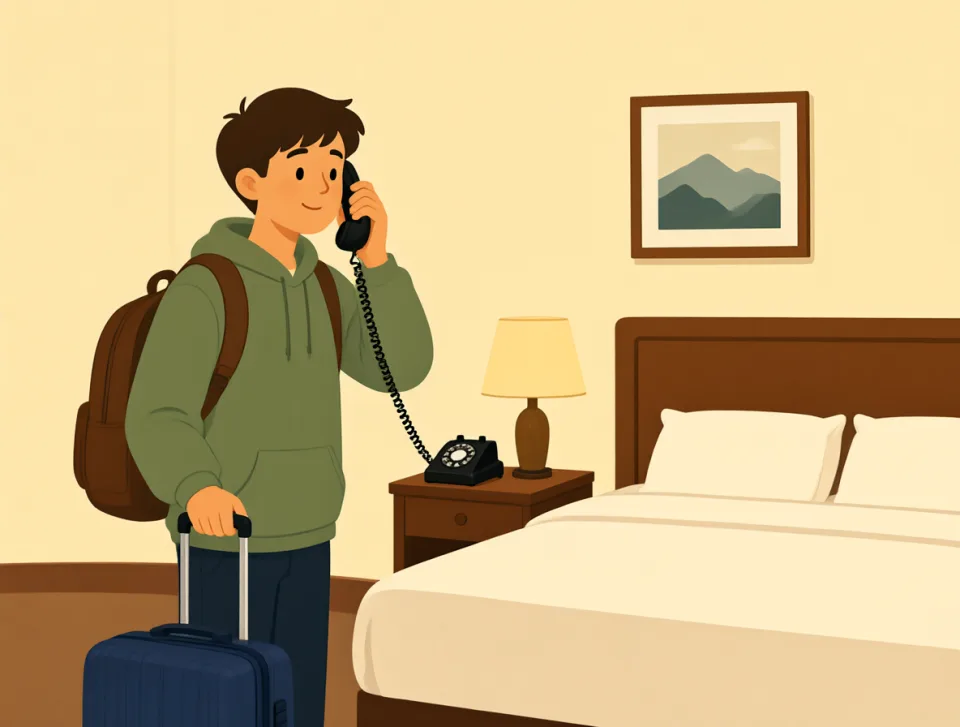
Please telephone me when you arrive at the hotel.
你到酒店後請給我打電話。

The doctor telephoned my mother with the test results.
醫生打電話把檢查結果告訴了我母親。

We ordered a pizza by telephone last night.
我們昨晚透過電話訂了一個披薩。
copy
#1037noun, verb
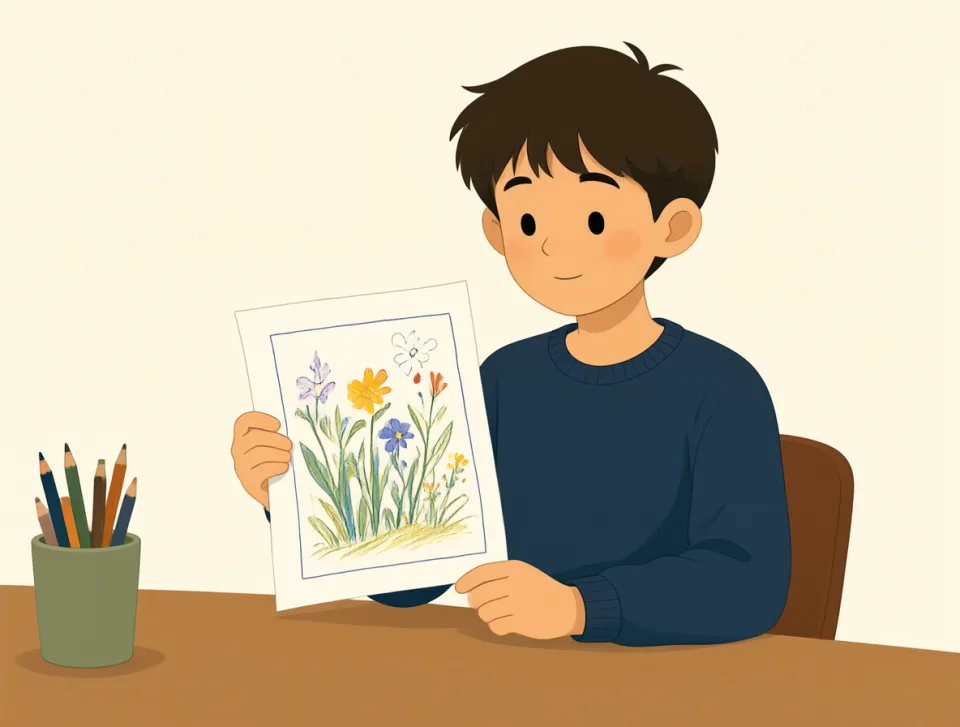
副本; 複製品; 複製; 模仿
A copy is something made to look exactly like another thing, or the act of making one.
副本是製作得與另一件東西一模一樣的東西,也可以指製作副本這一行為。

Please make a copy of this document for everyone.
請把這份檔案影印幾份,給每個人一份。
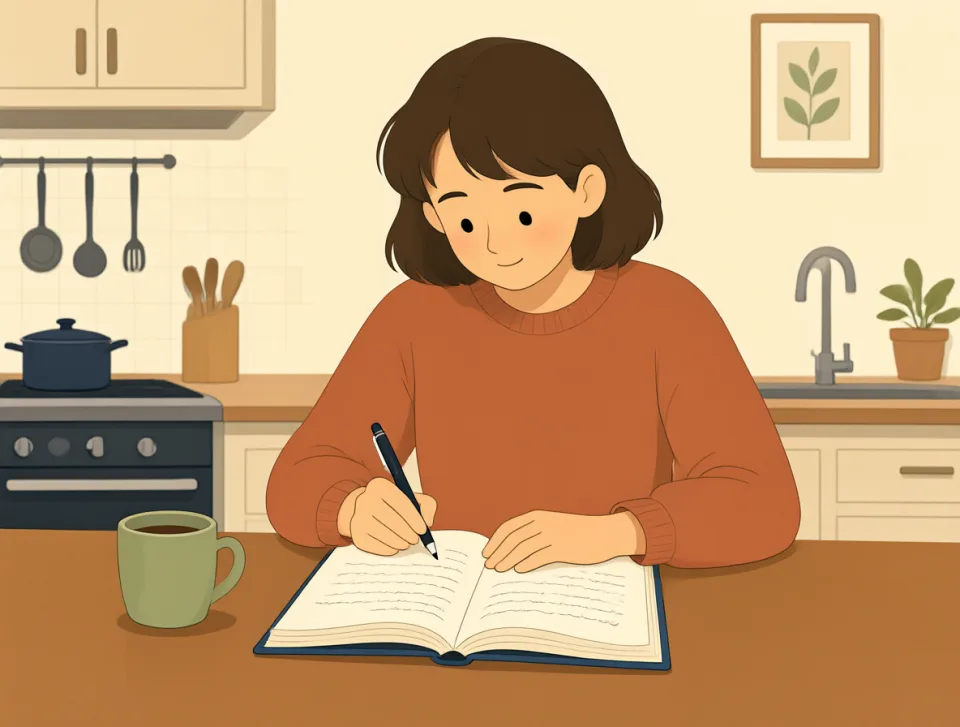
I copied the recipe into my notebook before cooking dinner.
做晚飯前,我把食譜抄到了筆記本上。
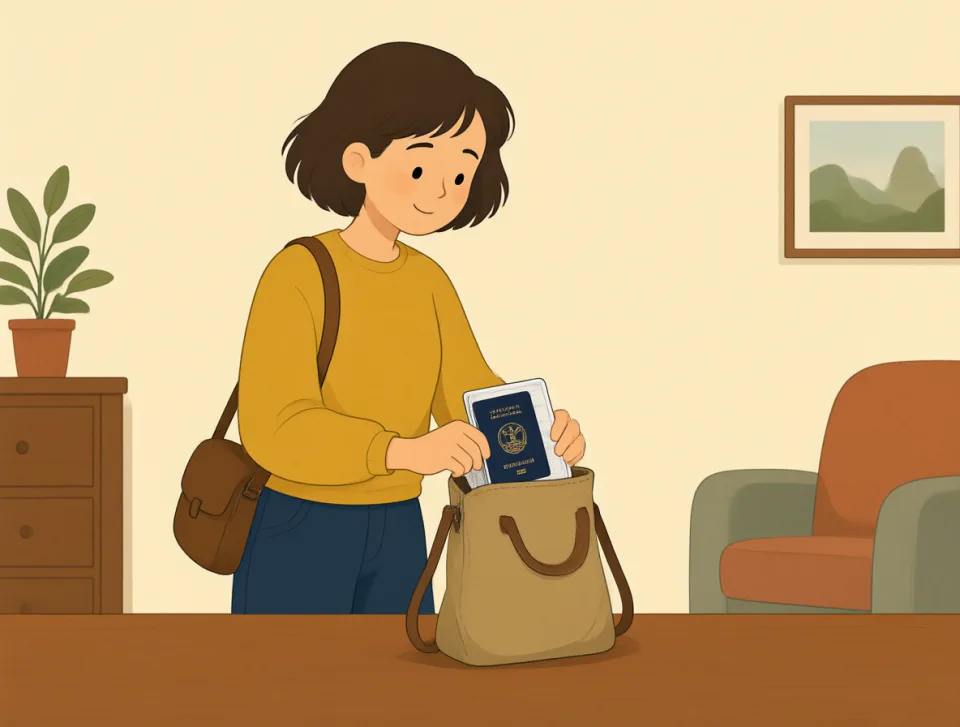
She keeps a spare copy of her passport in her bag.
她在包裡放了一份護照影印件備用。
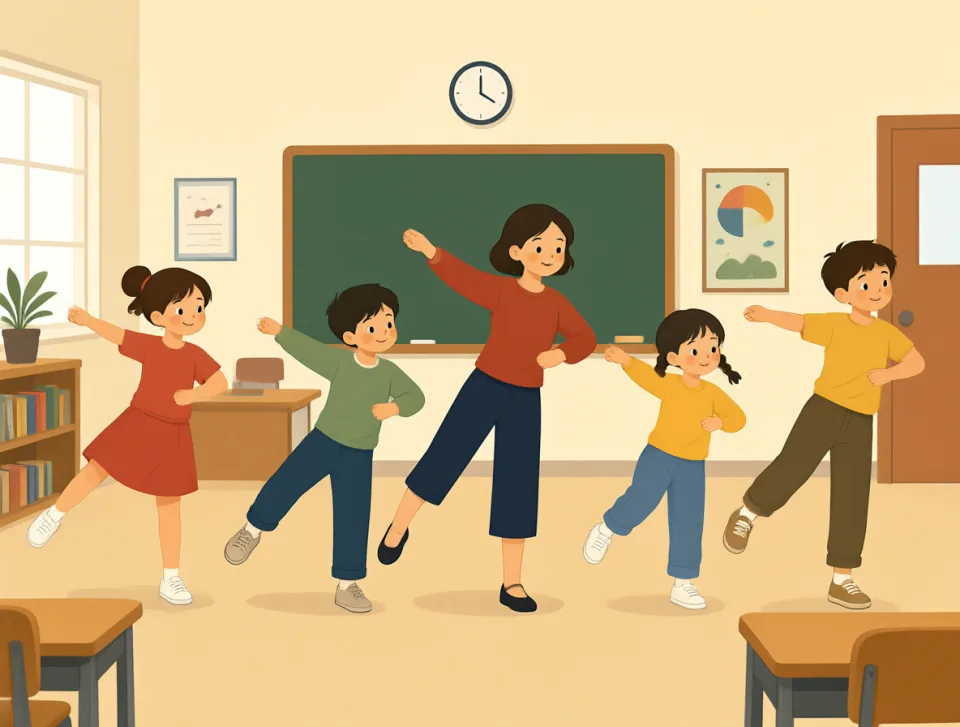
The children copied their teacher's dance moves in the classroom.
孩子們在教室裡模仿老師的舞步。
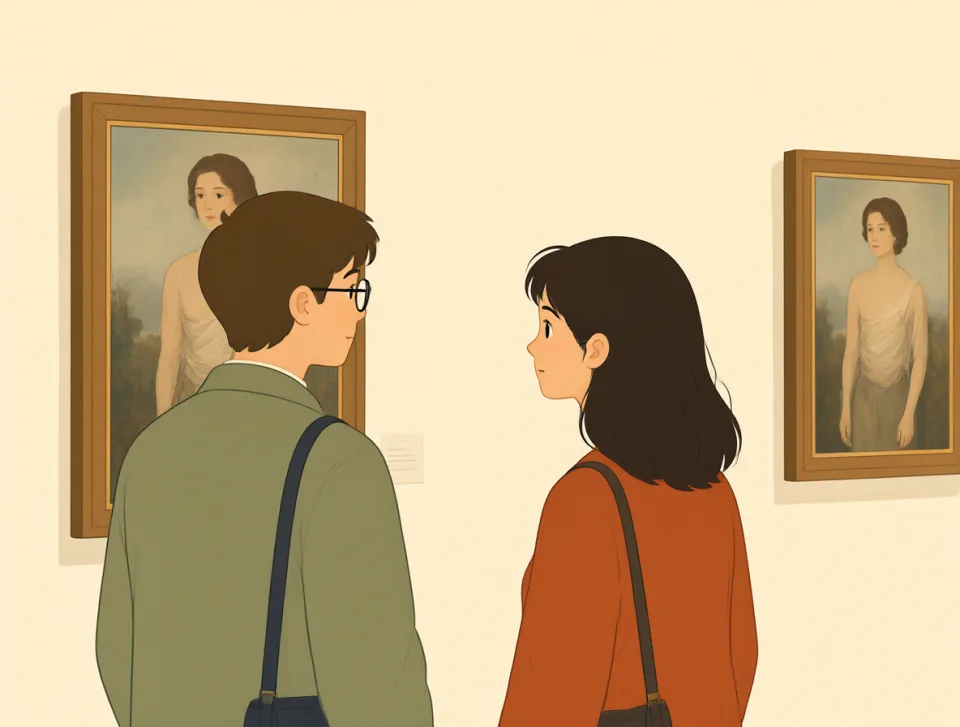
This painting is a beautiful copy of a famous original.
這幅畫是著名原作的一幅漂亮複製品。
committee
#1038noun
委員會
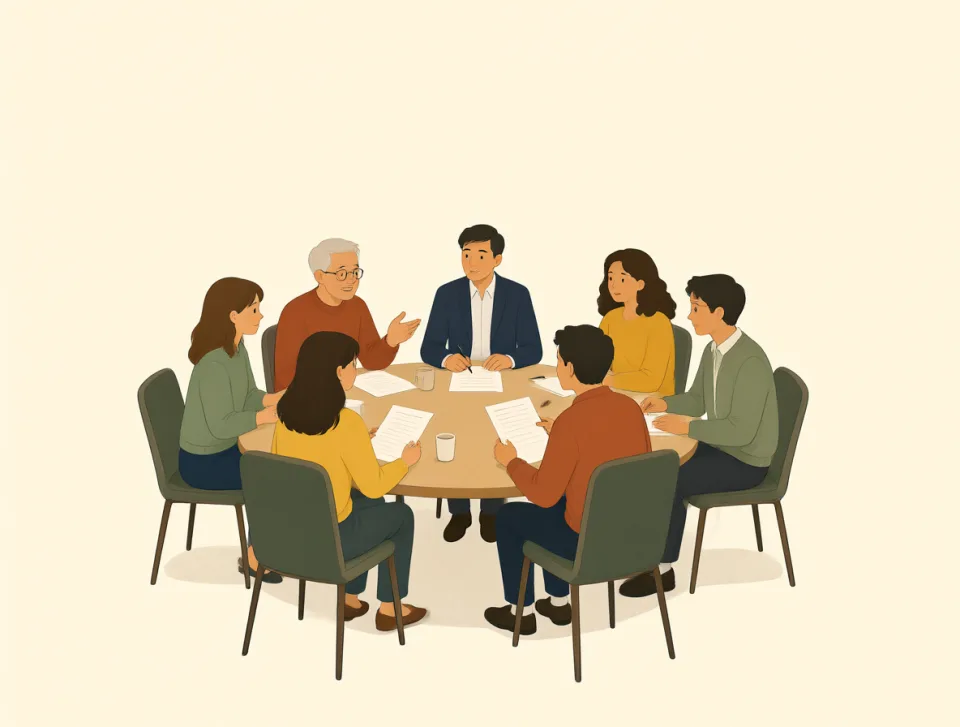
A group of people chosen to plan, discuss, or decide something.
一群被選出來負責計劃、討論或決定某件事的人。

The committee meets every Monday to discuss local community projects.
委員會每週一開會,討論當地的社群專案。
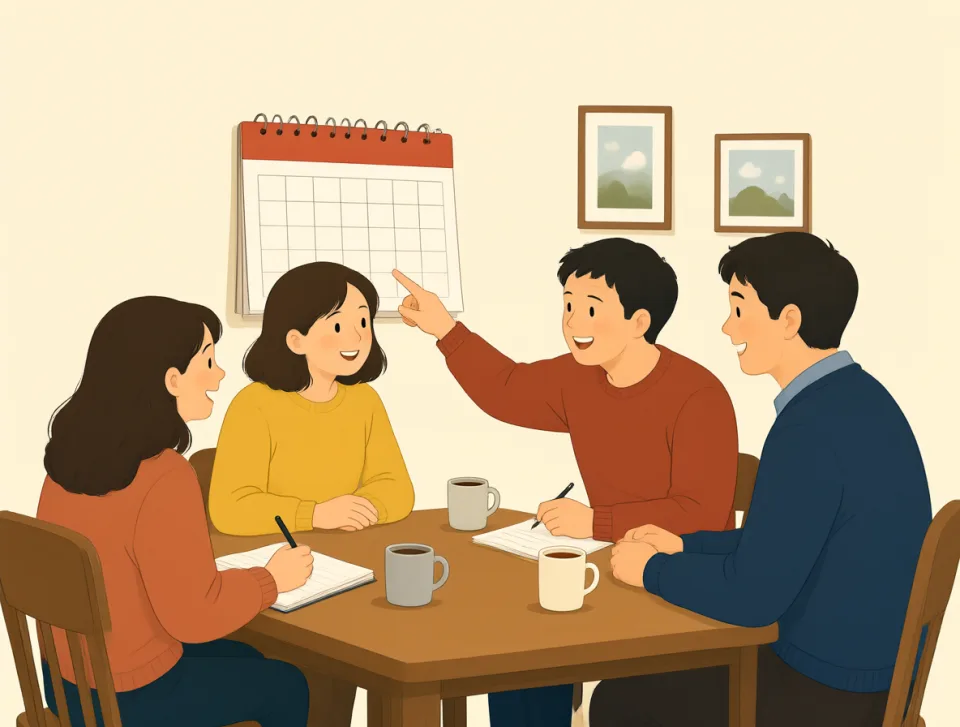
The school committee chose a date for the summer festival.
學校委員會確定了夏季節日的日期。

A hiring committee interviewed three candidates for the new job.
招聘委員會面試了三位新職位的候選人。
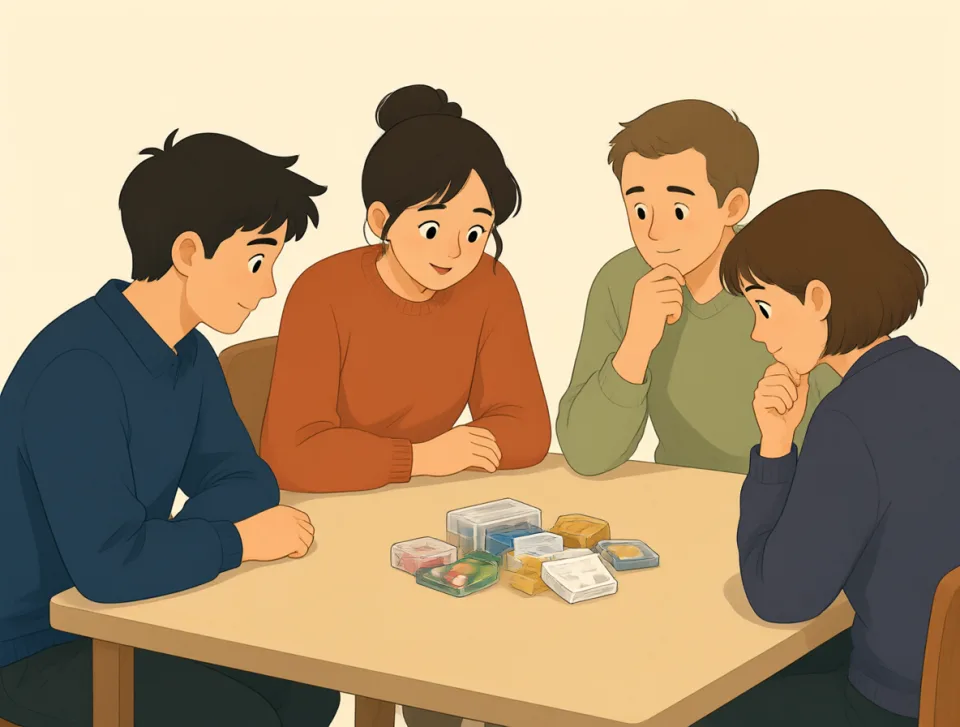
The committee agreed to spend less money on office supplies.
委員會同意減少辦公用品的開支。
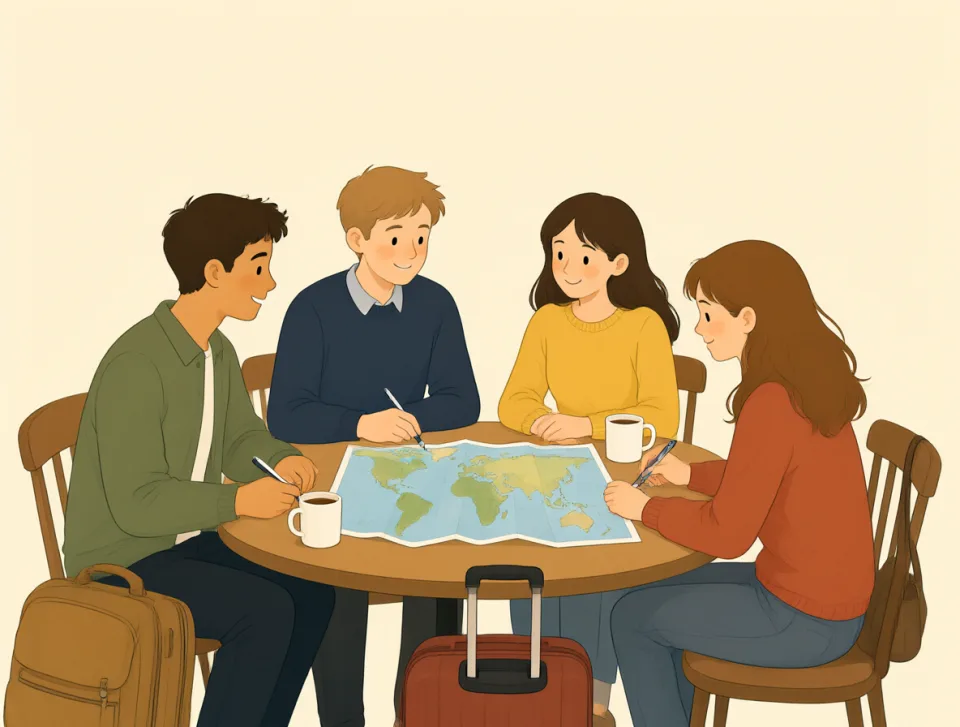
Our travel committee planned the hotel and transport for the group.
我們的旅行委員會為團隊安排了酒店和交通。

aware
#1039adjective
意識到; 知道; 察覺到
Knowing about something or noticing what is happening around you.
瞭解某事,或注意到周圍正在發生的事情。

Are you aware of the changes to tomorrow's travel plans?
你知道明天的出行計劃有變嗎?
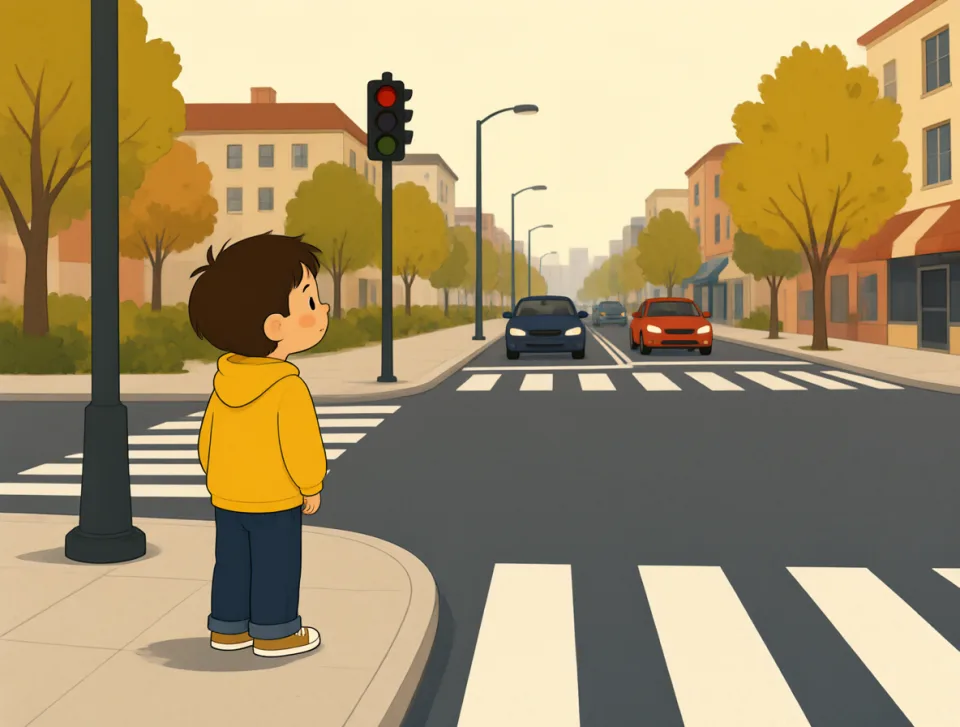
Please be aware of cars when you cross this busy road.
過這條繁忙的馬路時,請注意來車。

I was not aware that the shop closed so early.
我不知道這家店這麼早就關門了。

The doctor made me aware of the health risks of smoking.
醫生讓我意識到吸菸對健康的危害。
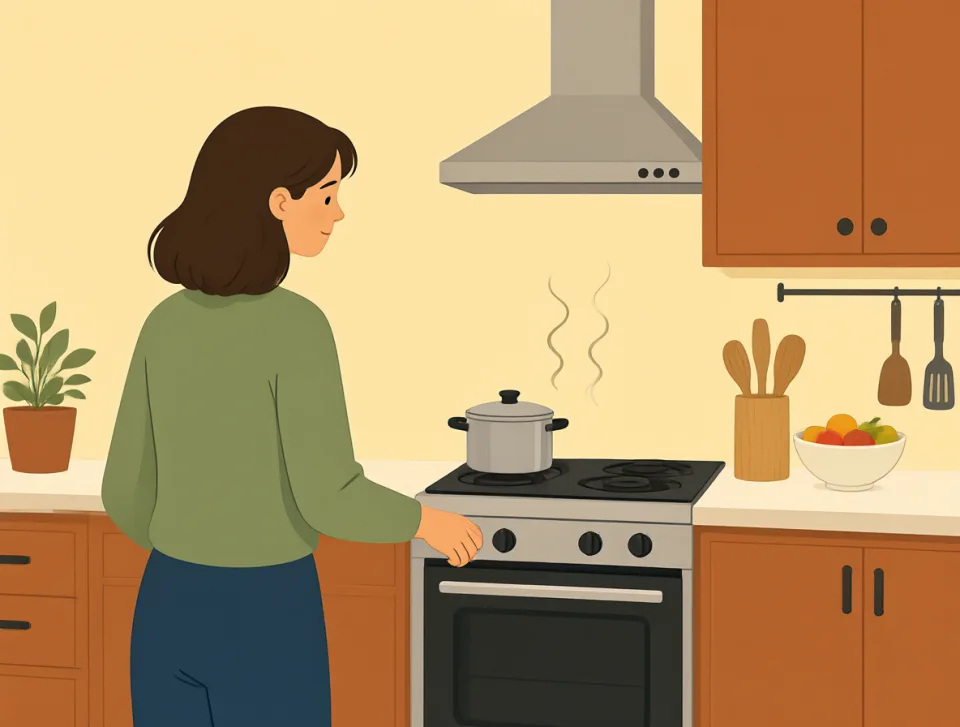
She became aware of a strange smell coming from the kitchen.
她注意到廚房裡飄來一股奇怪的氣味。
advice
#1040noun
建議;忠告
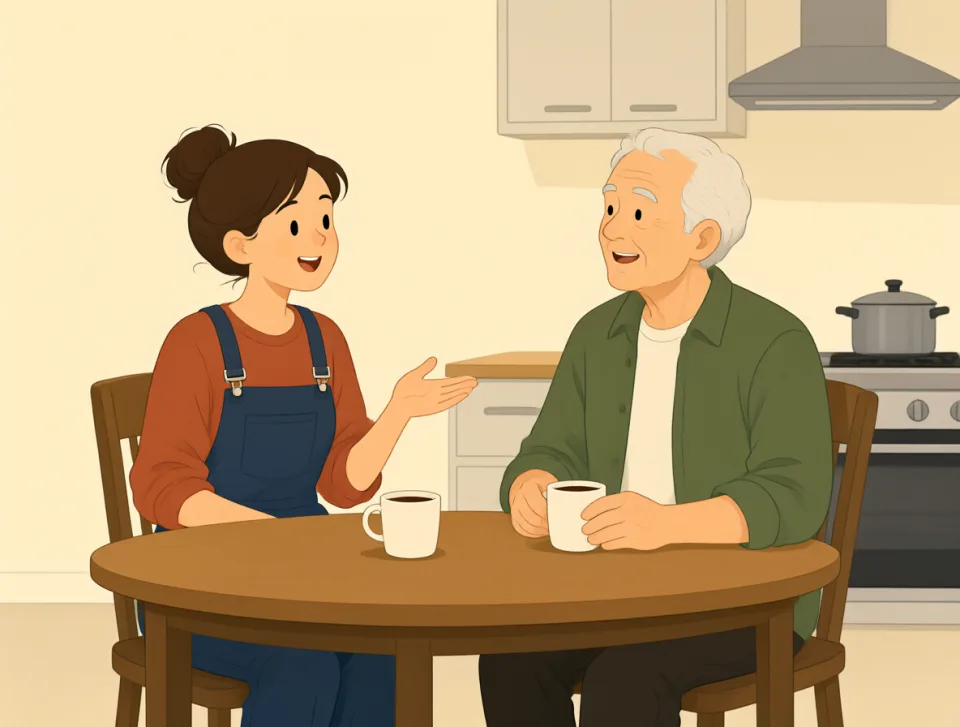
An opinion about what someone should do.
關於某人應該做什麼的意見。
Can you give me some advice about my new job?
你能給我一些關於新工作的建議嗎?
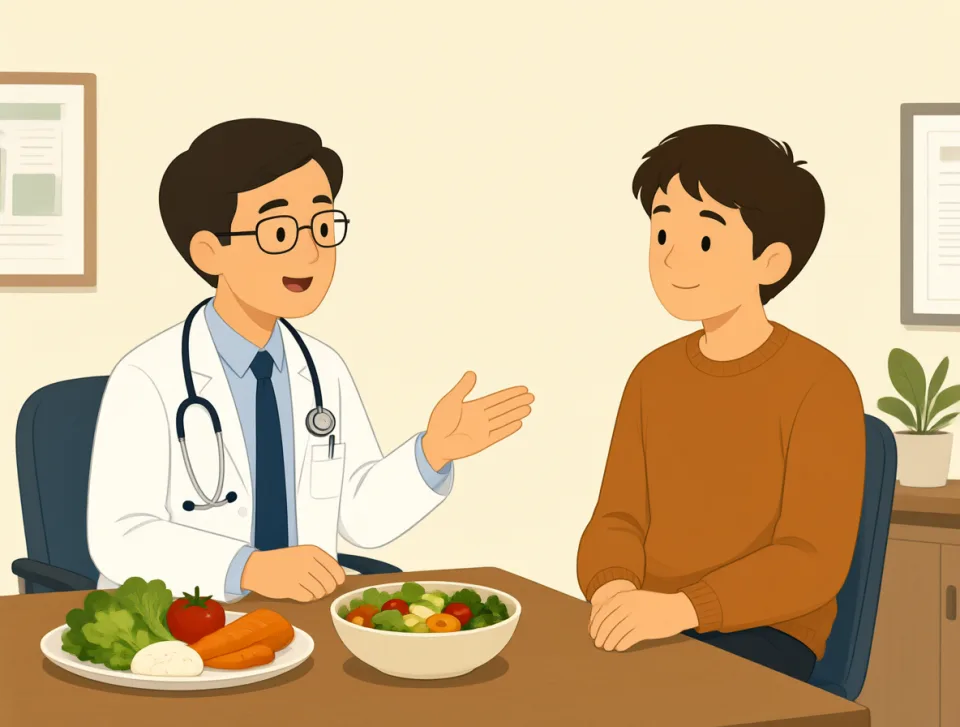
My doctor gave me advice about eating less sugar.
我的醫生建議我少吃糖。
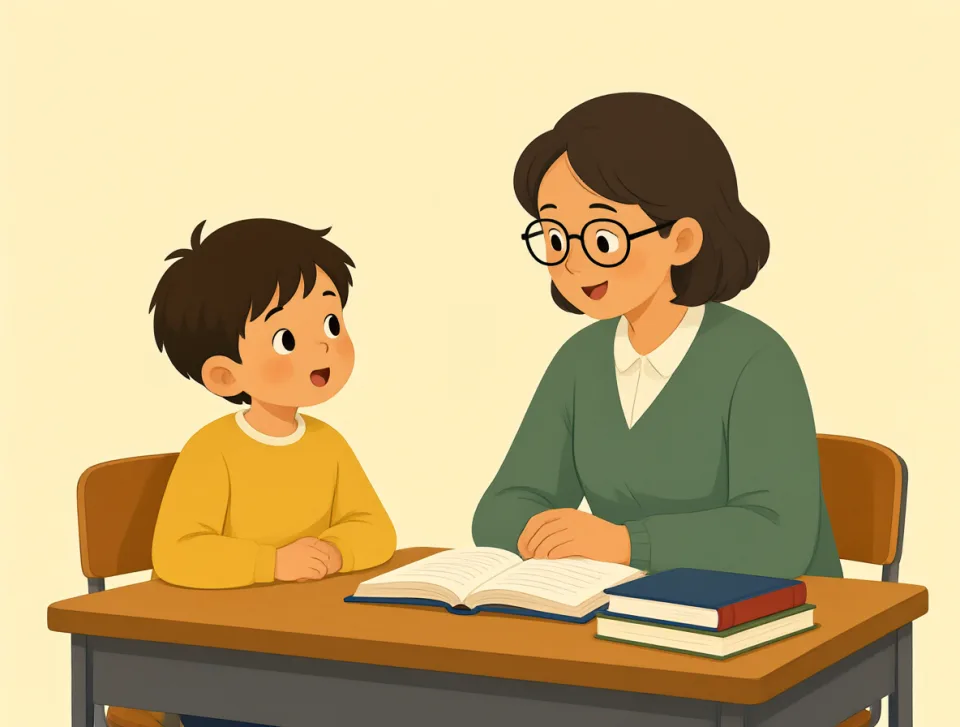
She asked her teacher for advice before the important test.
她在重要考試前向老師徵求了建議。
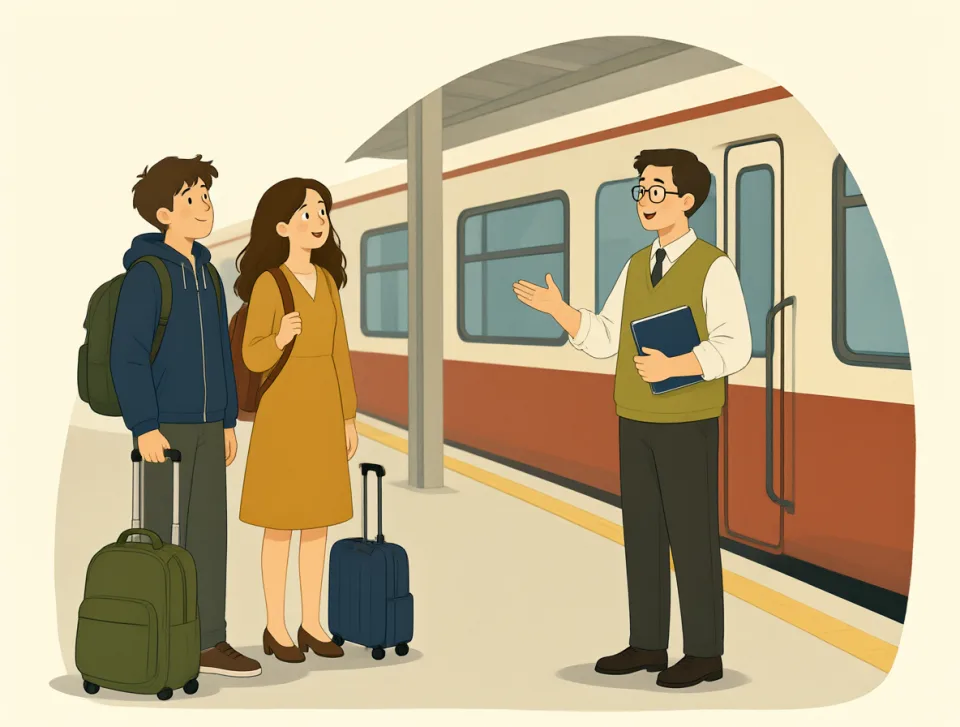
We followed our guide's advice and took the earlier train.
我們聽從導遊的建議,乘坐了更早的那班火車。

Thanks for your advice; I chose the blue jacket.
謝謝你的建議;我選了那件藍色夾克。